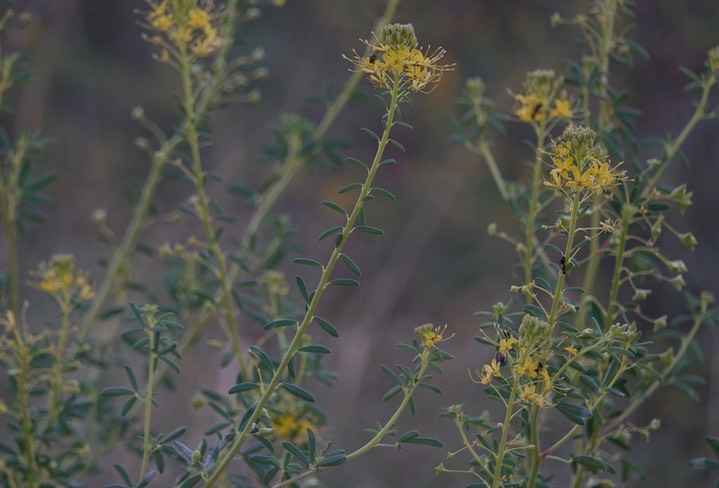
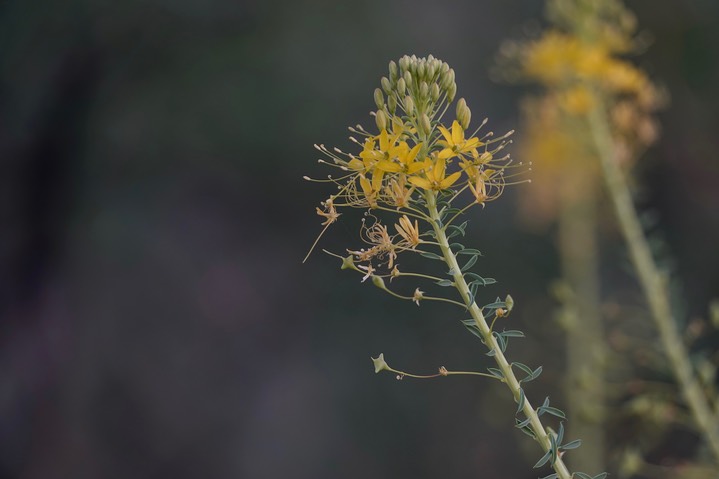
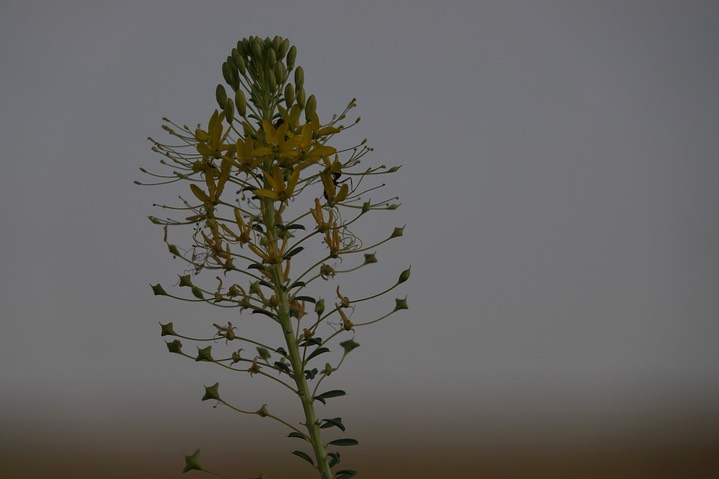
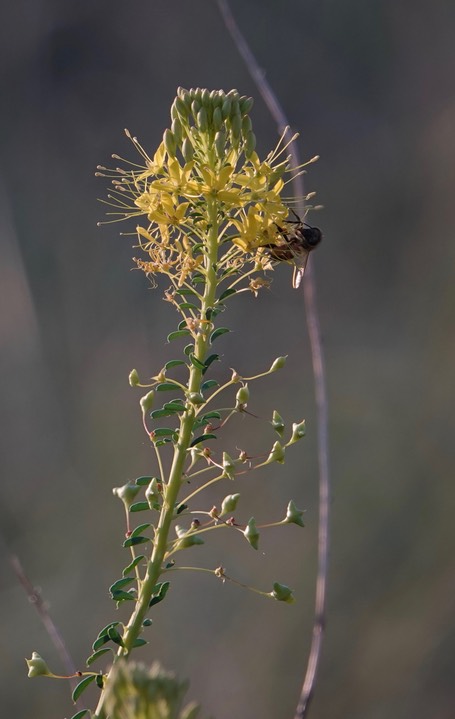
Wislizenia refracta
Spectacle Fruit
Cienega Trail
City of Rocks State Park
Black Range
New Mexico
August
The “FLORA" of the Black Range
“W-X-Y & Z"
Wislizenia refracta
Spectacle Fruit
Cienega Trail
City of Rocks State Park
Black Range
New Mexico
August
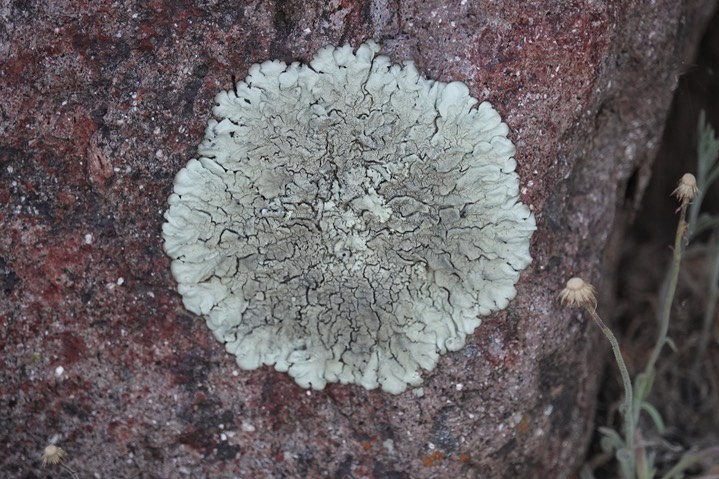
Xanthoparmelia (possibly) cumberlandia
Sawmill Canyon
Black Range
New Mexico
June
Yucca baccata
Banana Yucca
From the foot-hills to the crest
Black Range
New Mexico
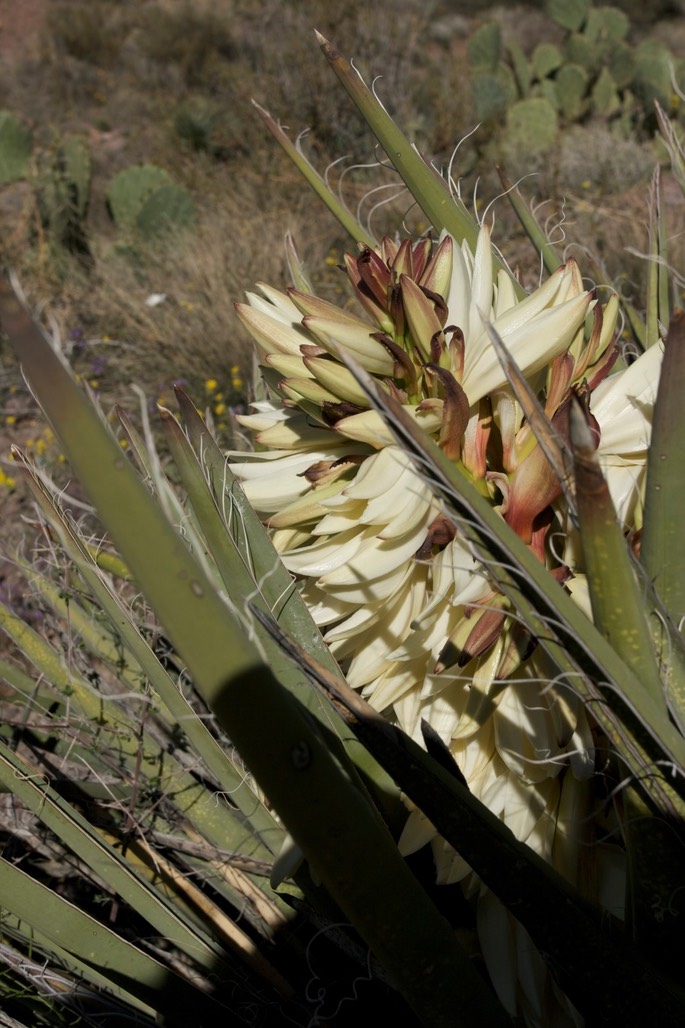
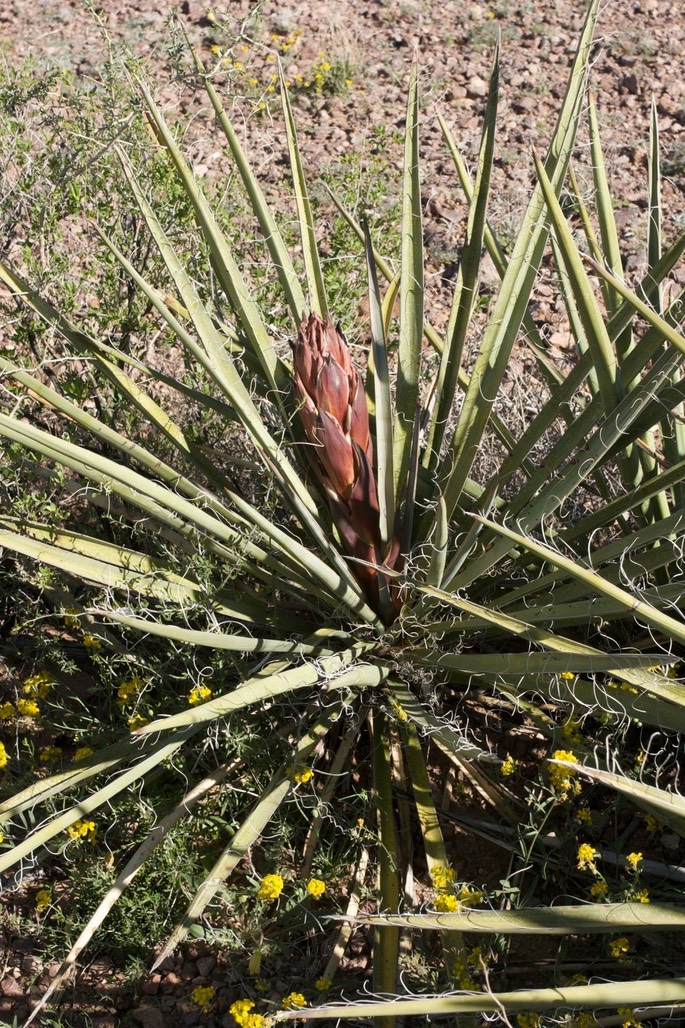
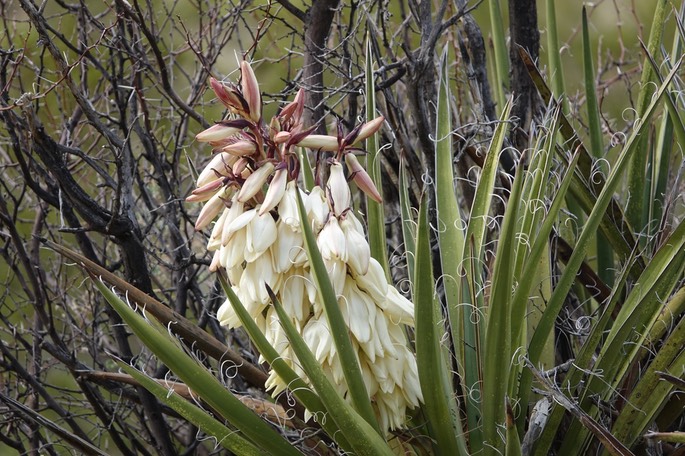
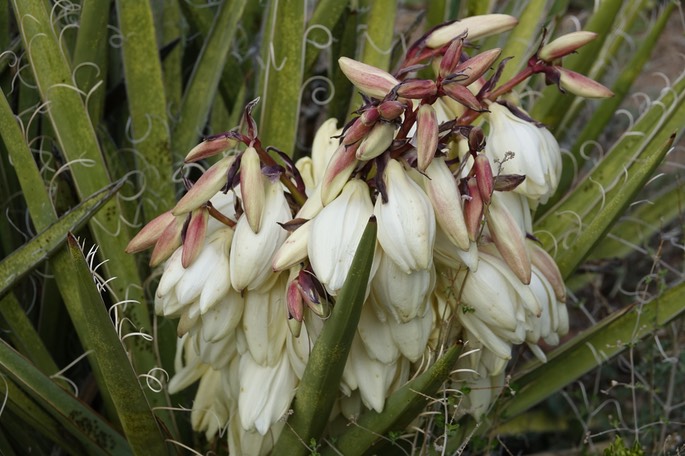
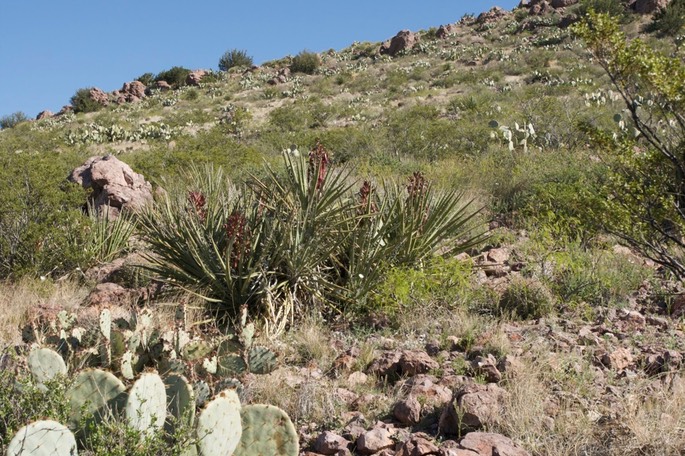
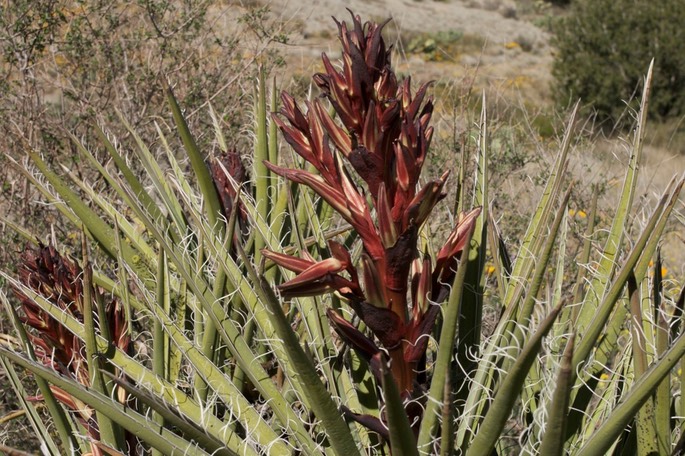
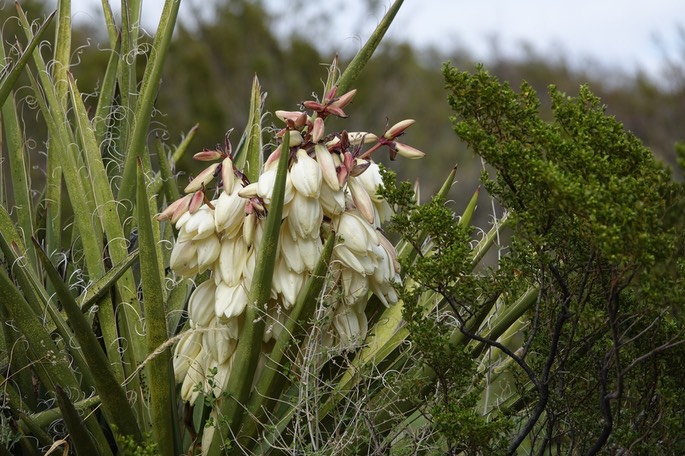
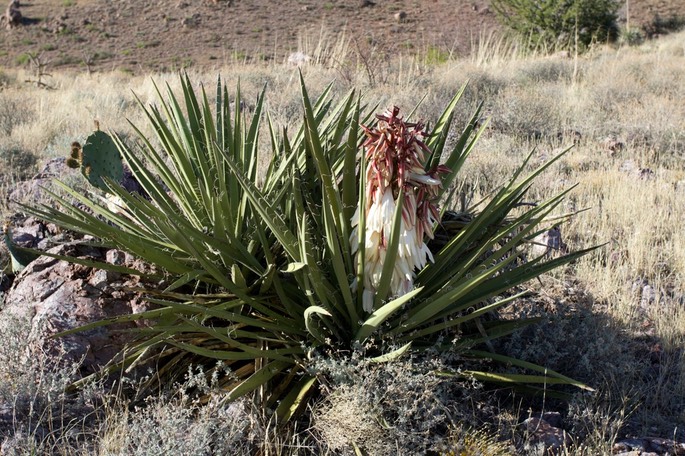
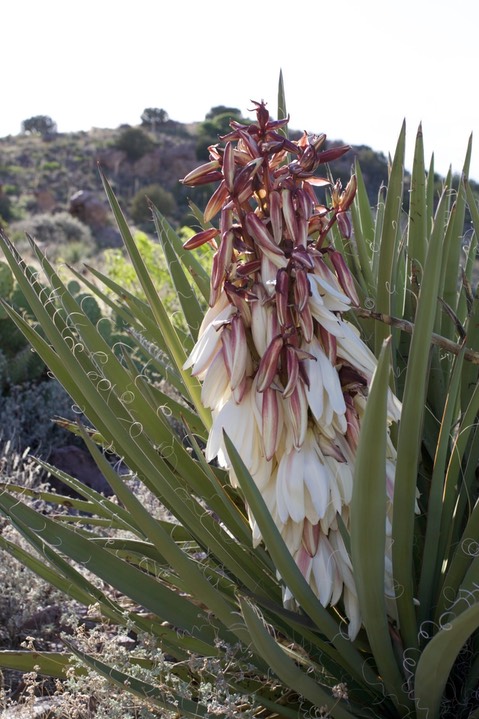
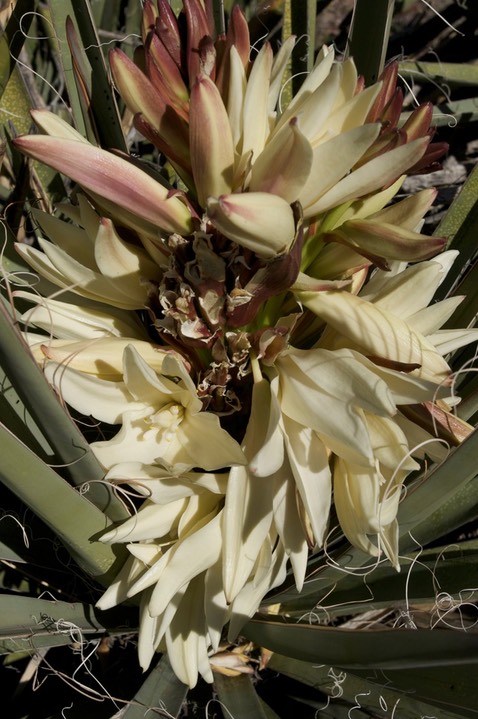
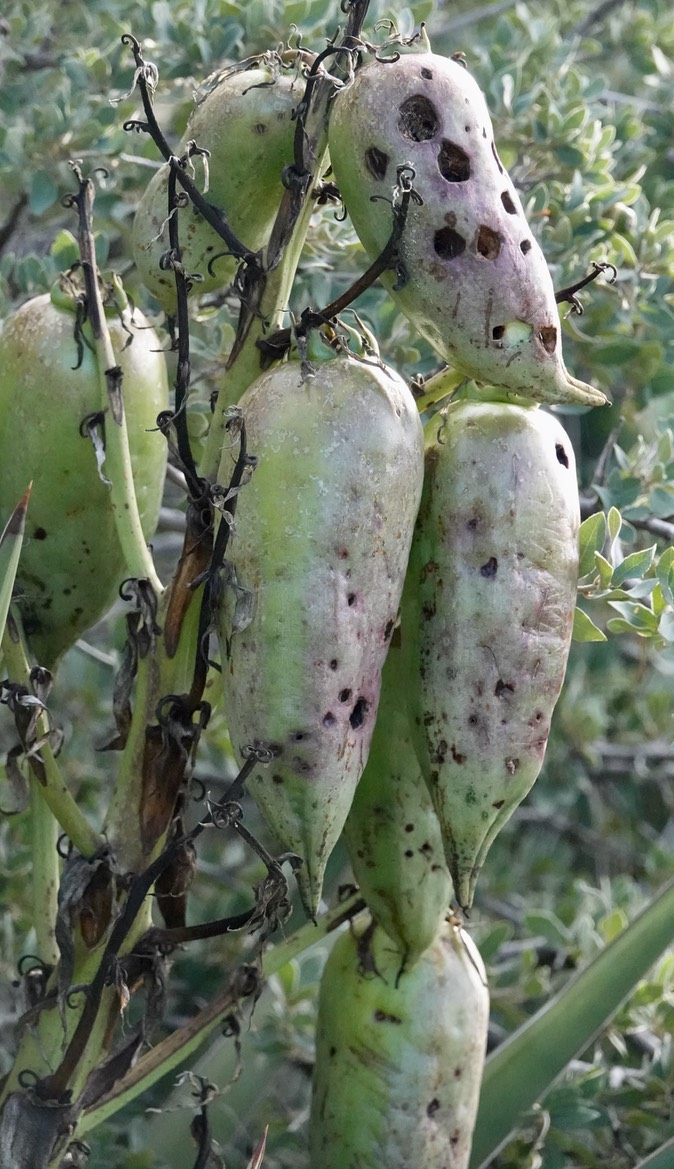
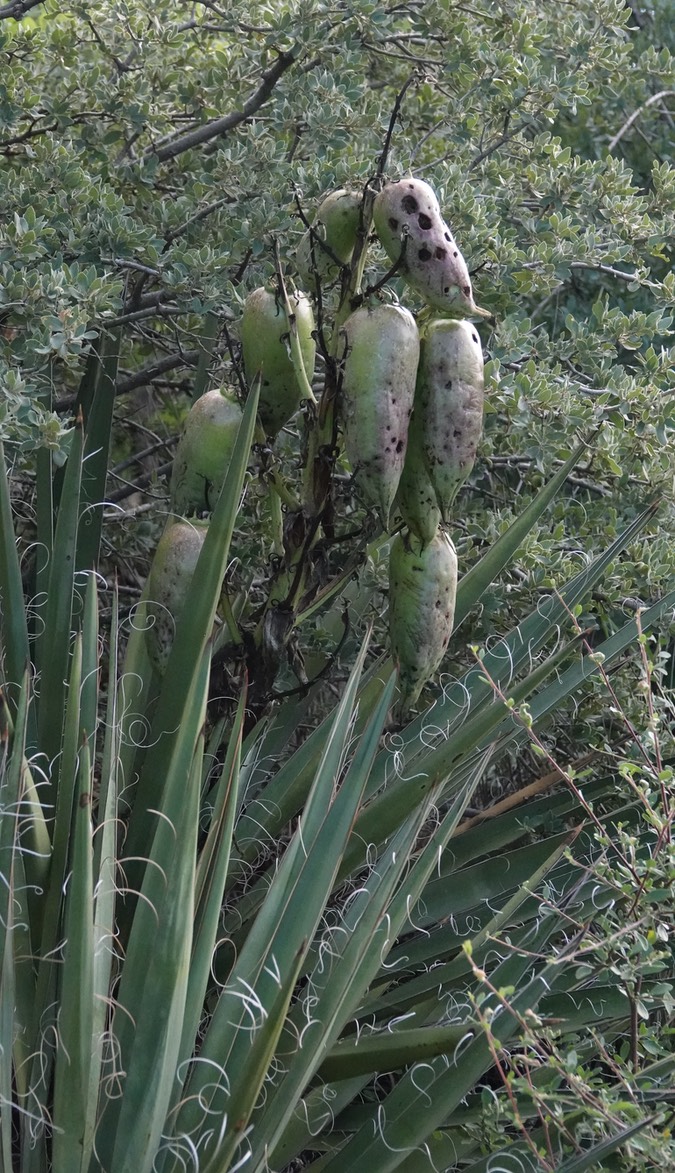
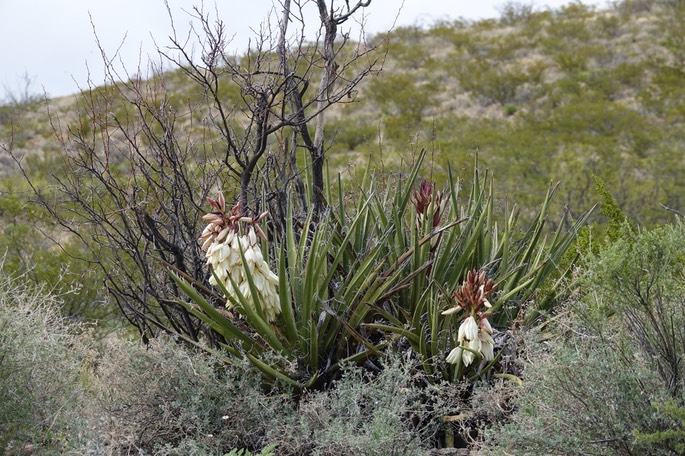
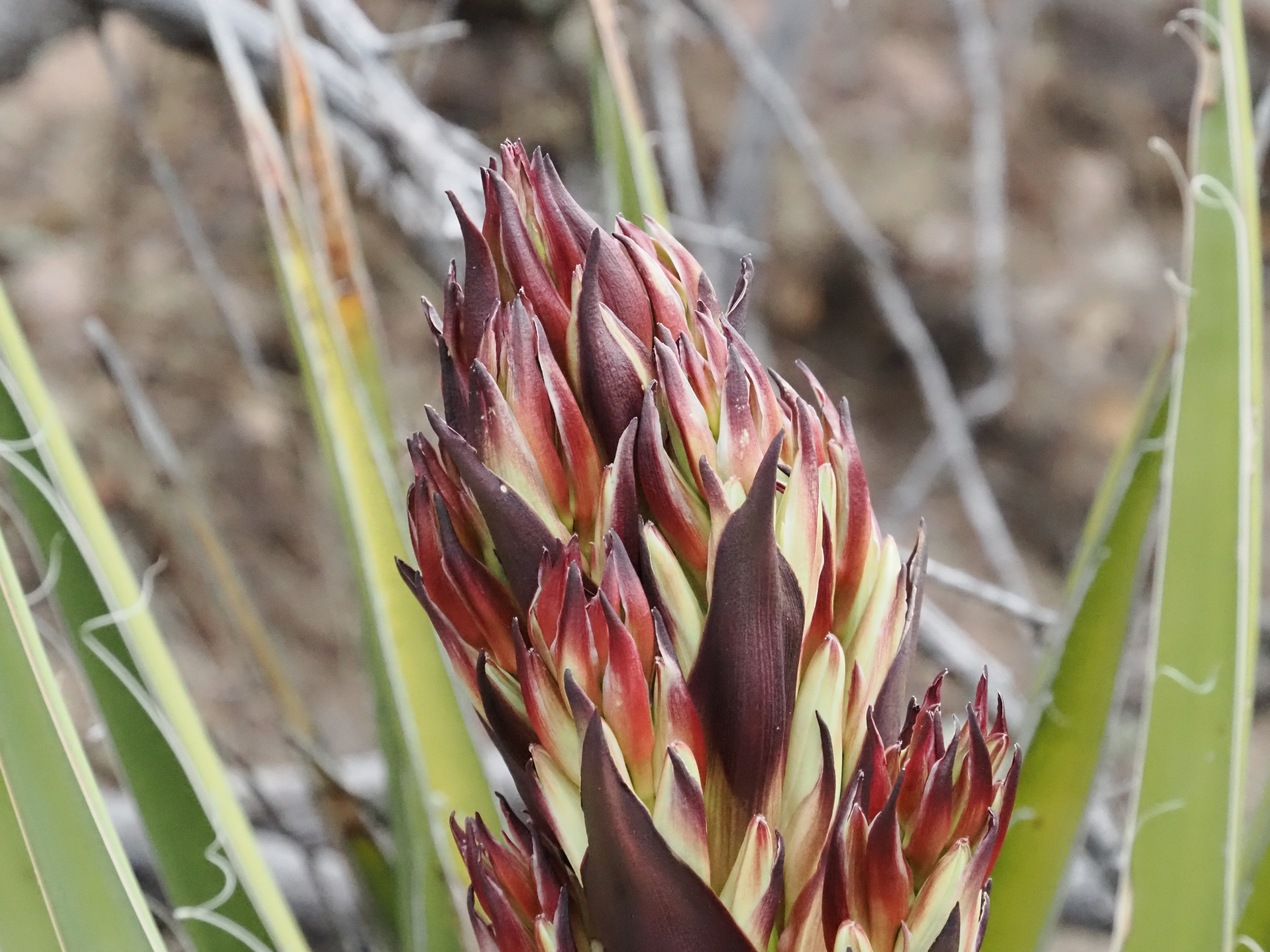
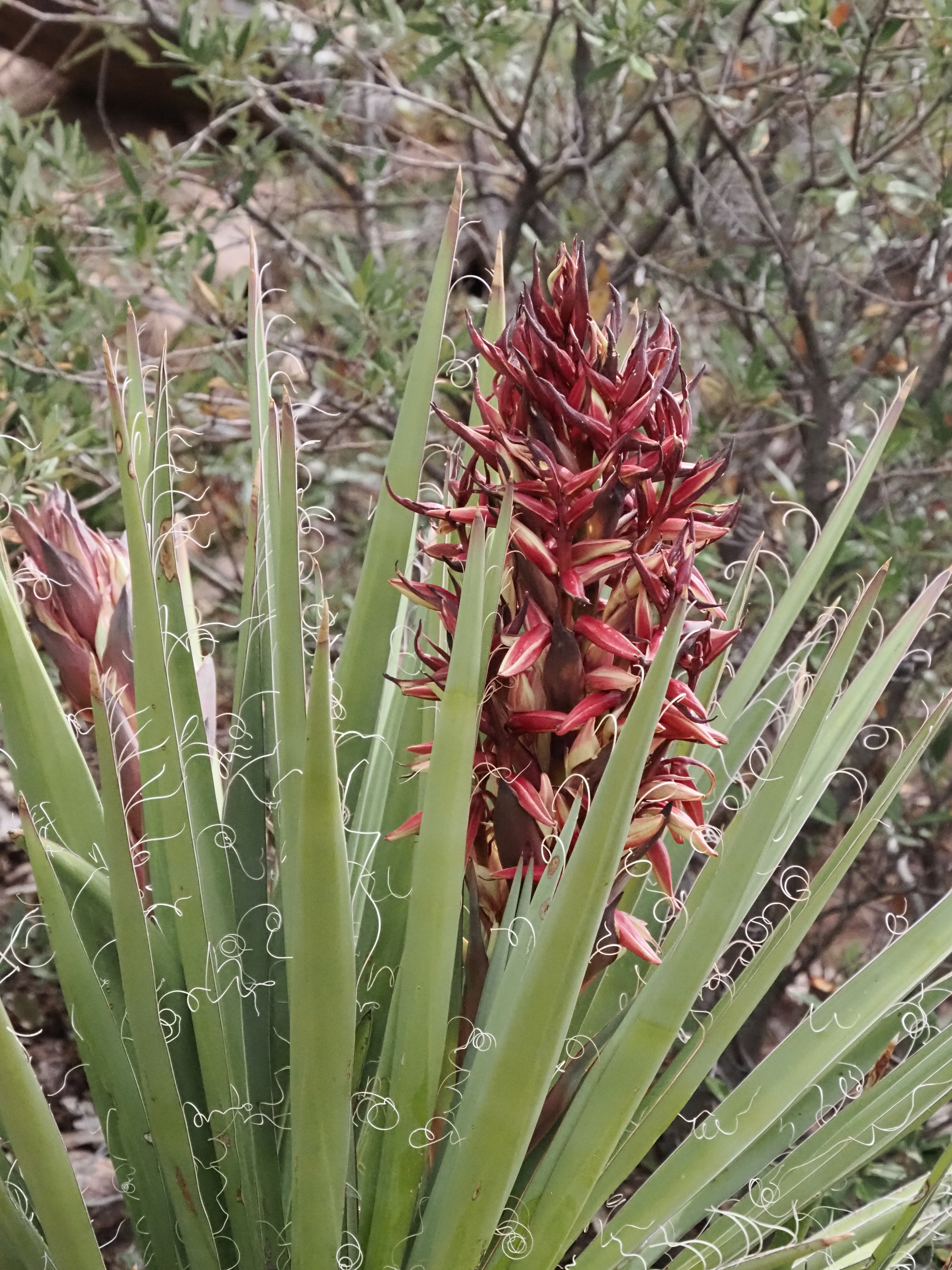
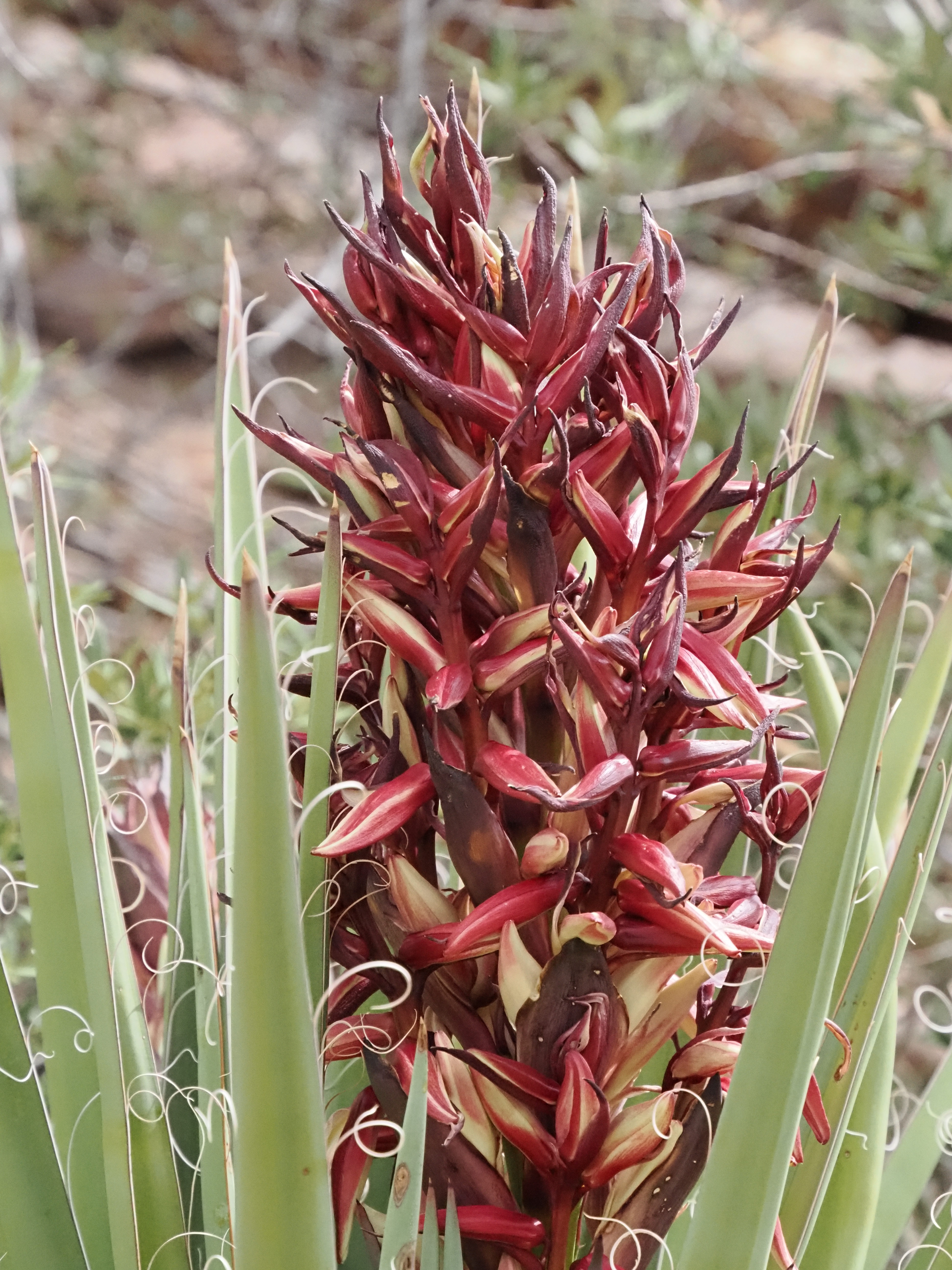
Banana Yucca, Yucca baccata, also goes by the English Common Names of Datil Yucca, Blue yucca, Fleshy-fruited Yucca, and Agavaceae. It has several scientific synonyms including; Sarcoyucca baccata, Yucca baccata f. fragiifolia, Yucca baccata var. hystrix, etc. [see links above]. There are currently three recognized subspecies - the nominate form, Y. b. thornberi, and Y. b. vespertina.
This species was first described by John Torrey as part of William Hemsley Emory’s survey of the U.S./Mexican Boundary survey in 1859. This species has a limited range within the United States; California, Nevada, Utah, Colorado, Arizona, New Mexico, a bit of Oklahoma, and southwest Texas. In Mexico, its range is restricted to Sonora and Chihuahua. There is a report of a disjunct population in Columbia. This species is protected in the states of Arizona and Nevada.
Charlie McDonald describes how the indigenous peoples used Banana Yucca as a food source and for a variety of other uses, at this link. The Native American Ethnobotany Data Base describes other uses of this species by the Apaches and other tribes.
Yucca baileyi var. intermedia
Bailey's Yucca
Mineral Creek
Black Range
New Mexico
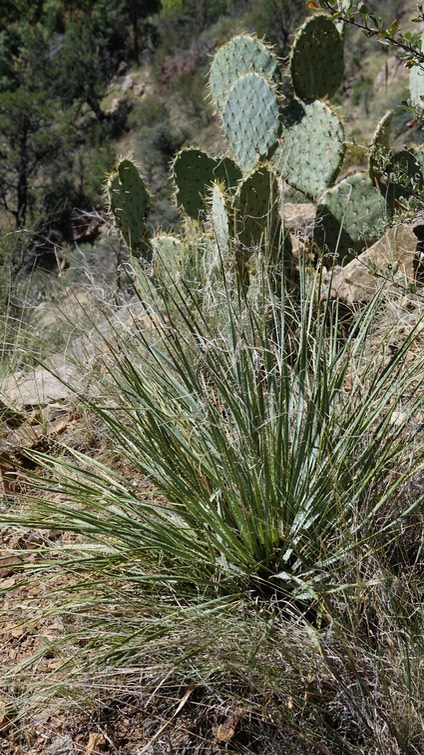
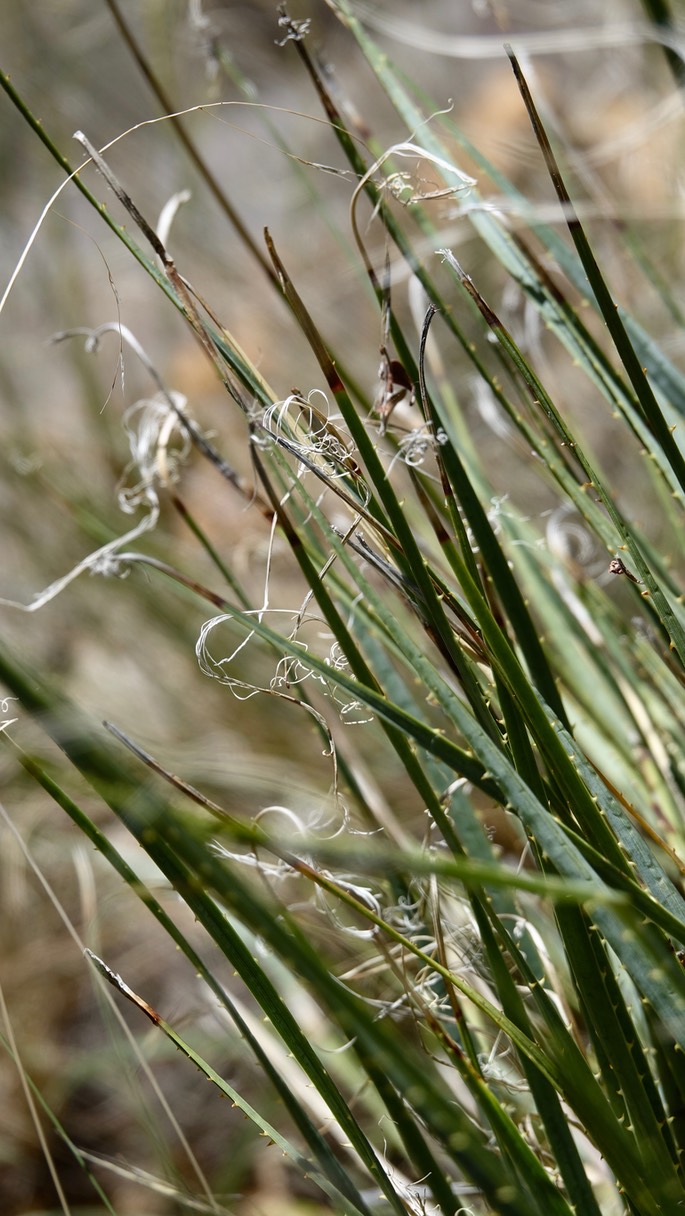
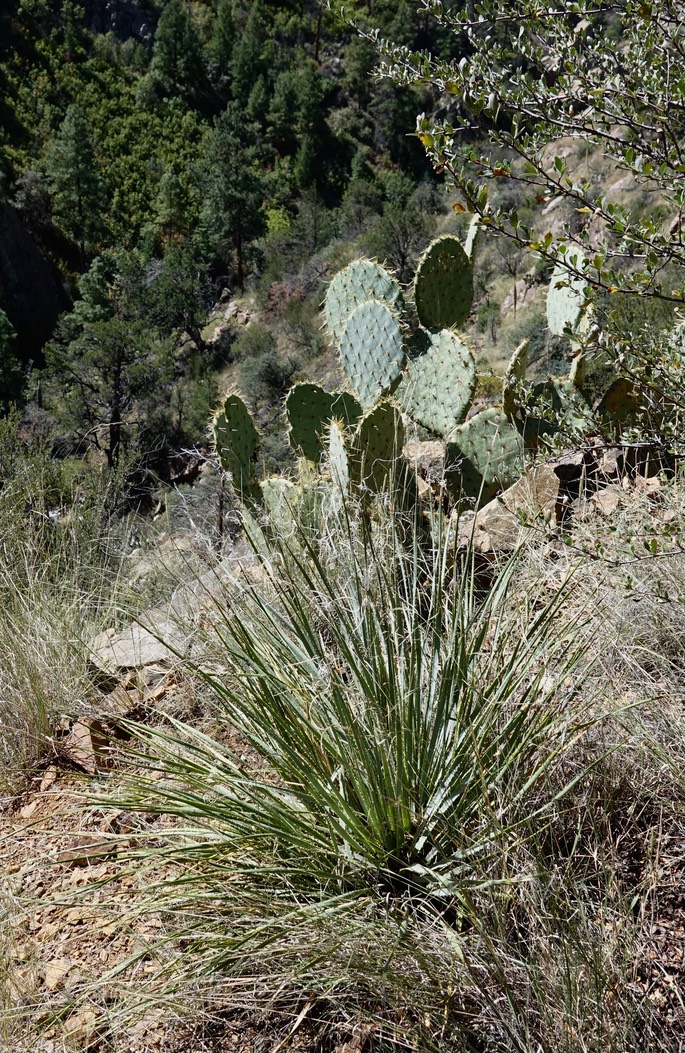
The species was first described by Wooten & Standley in 1913. This variety is found only in New Mexico, it was first described by Susan Delano McKelvey (as Yucca intermedia) in 1947. Flora of North America recognizes Yucca intermedia. It is found at elevations between 1100 and 2100 meters.
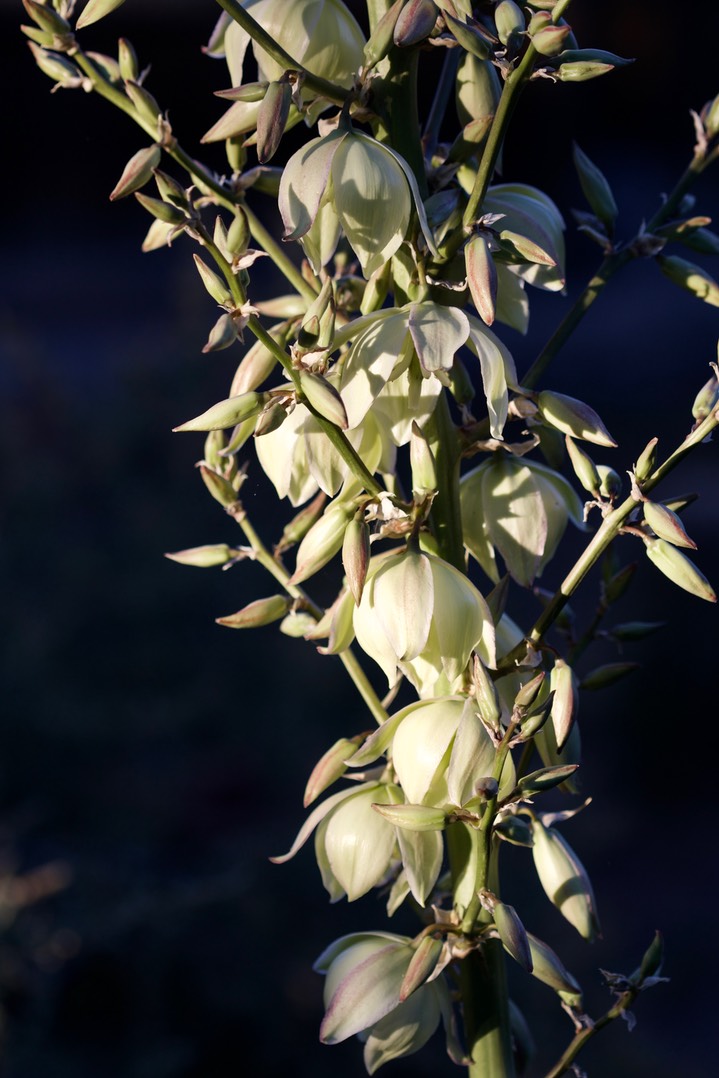
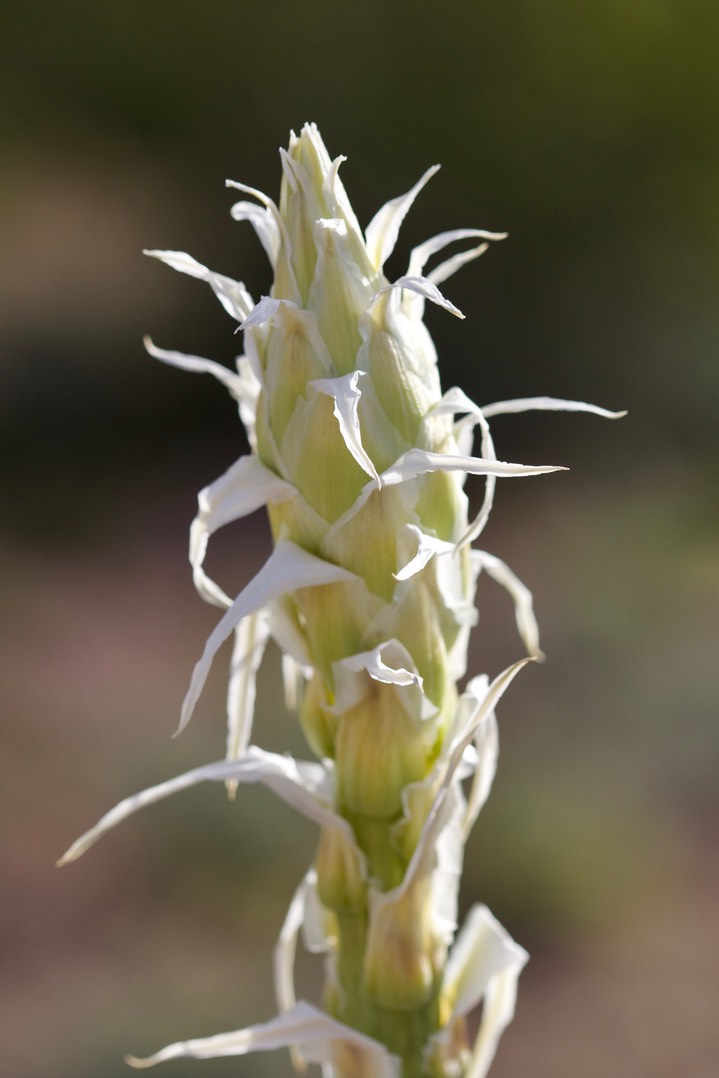
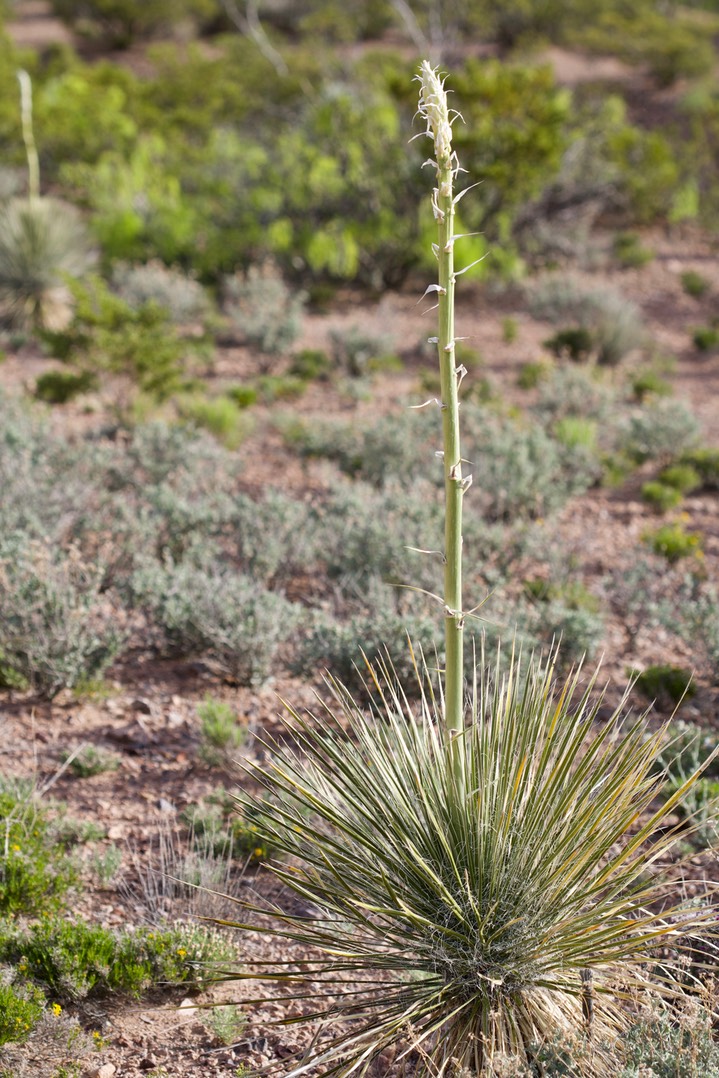
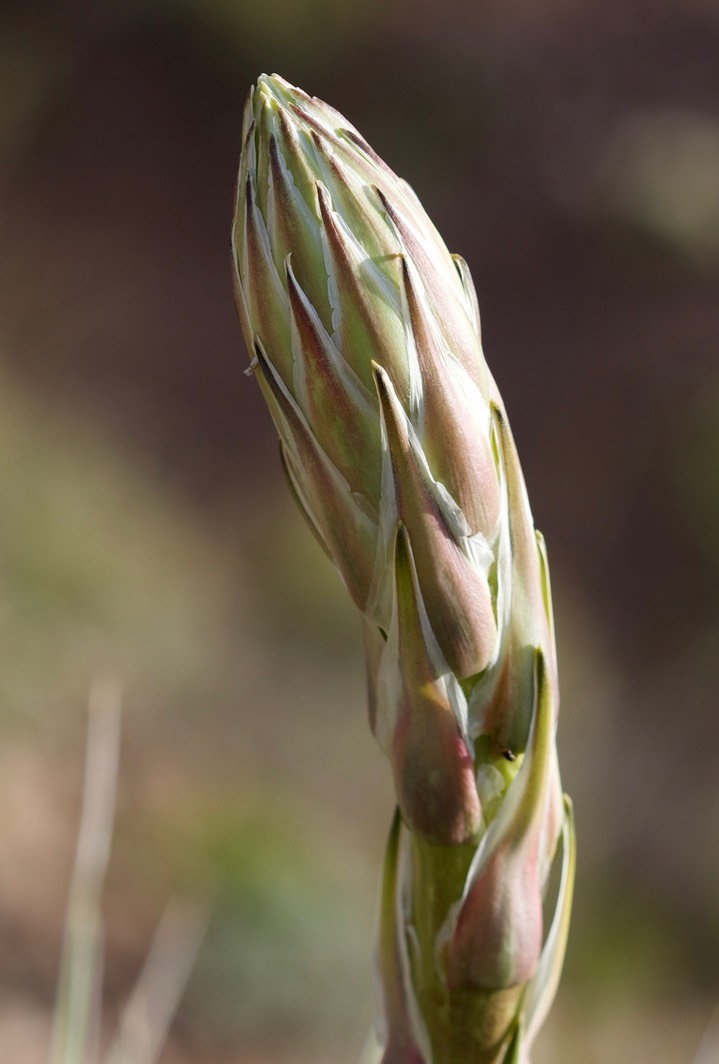
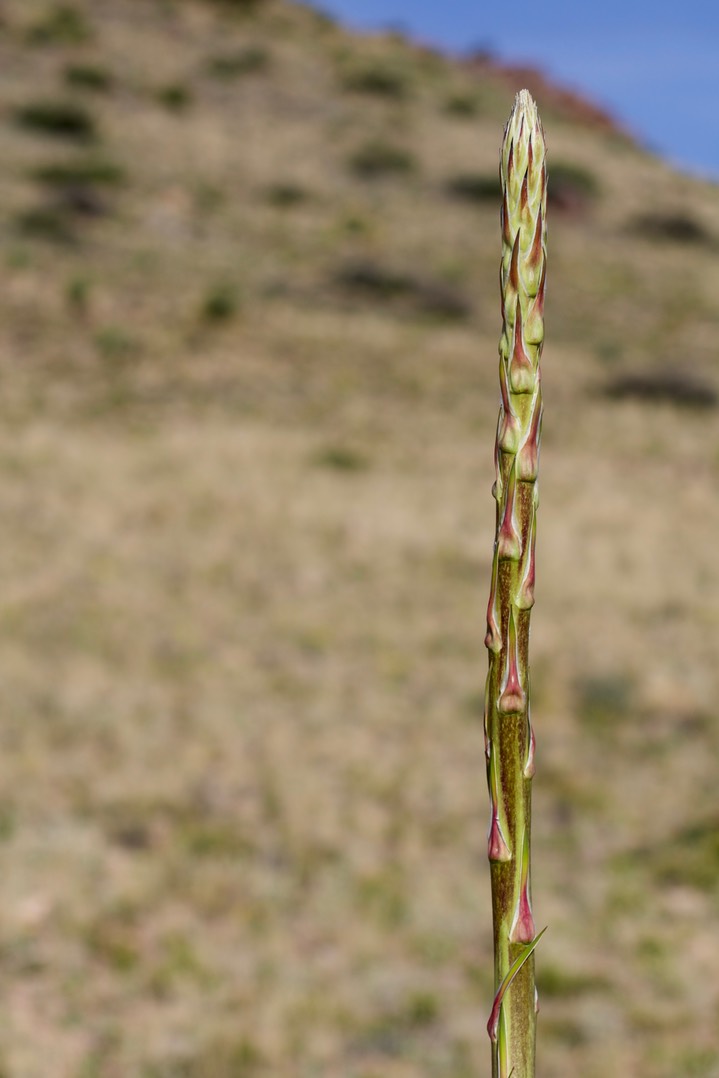
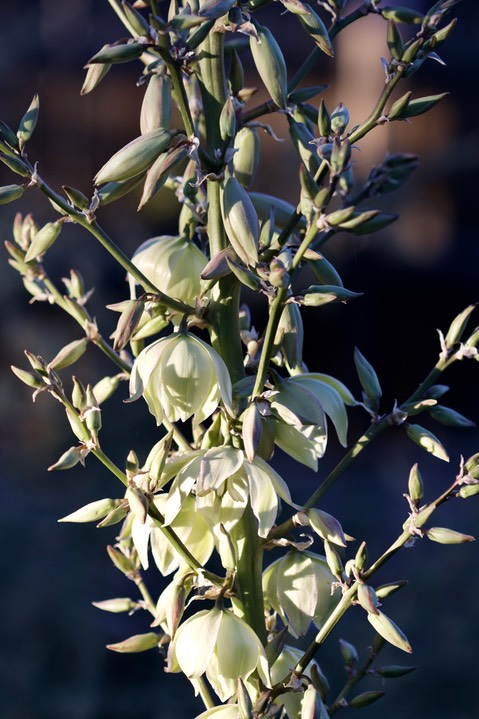
Yucca elata
Soaptree Yucca
Hillsboro
Black Range
New Mexico
May
Zephyranthes longifolia
Rain Lily
South of Hillsboro
Black Range
New Mexico
August
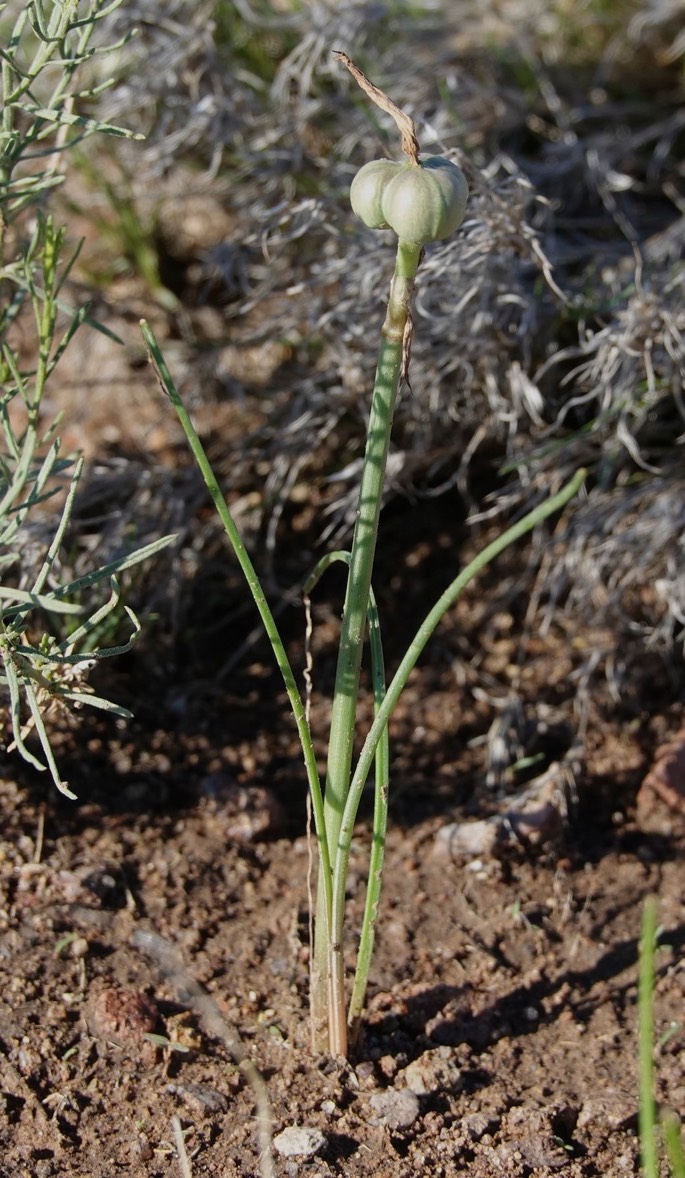
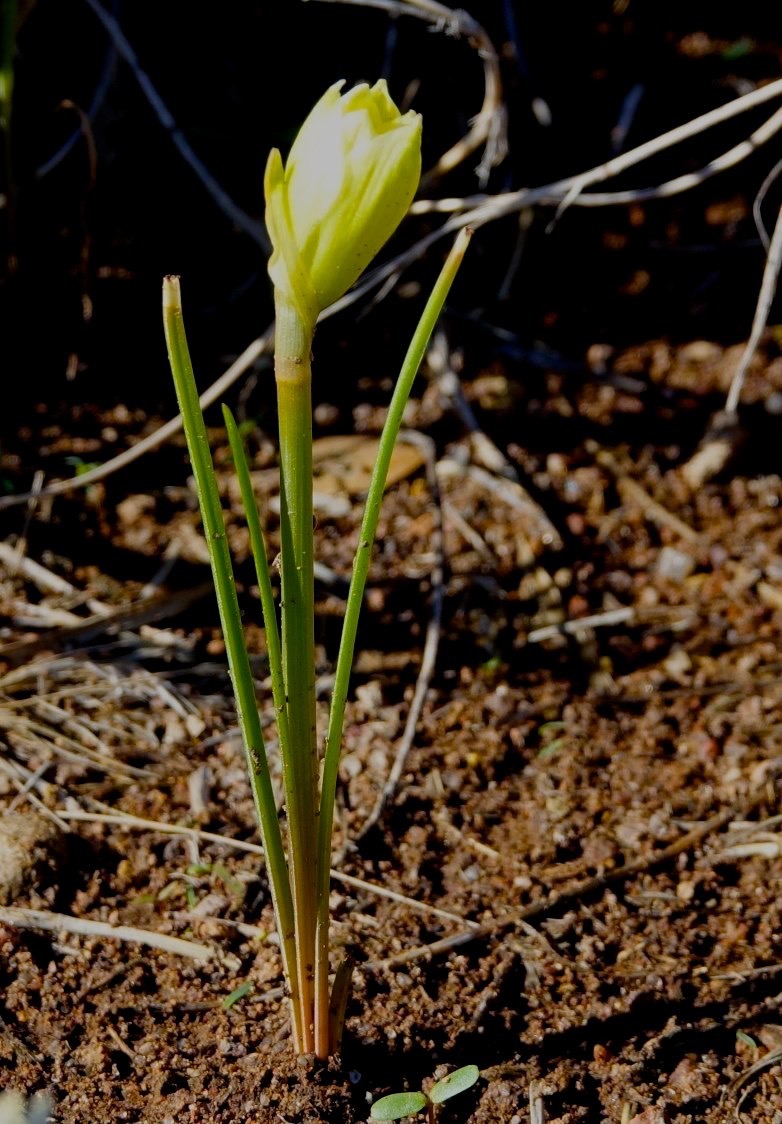
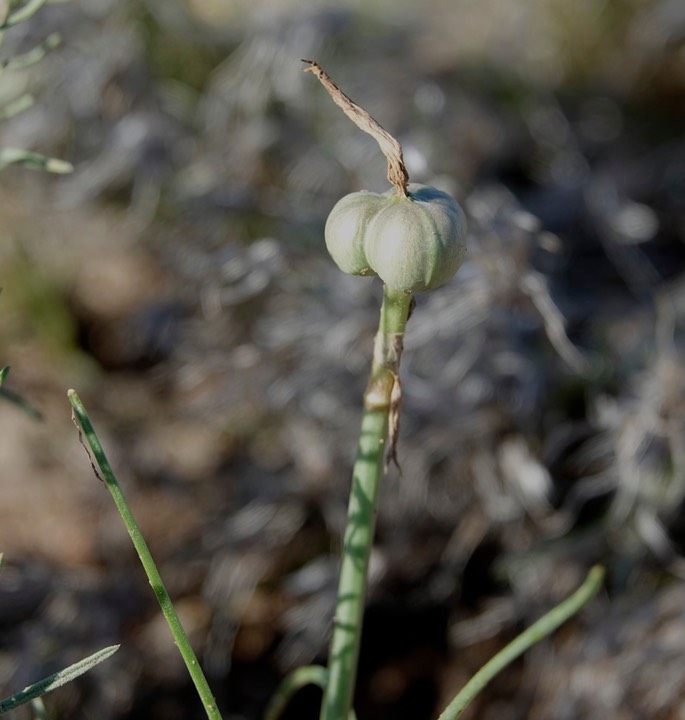
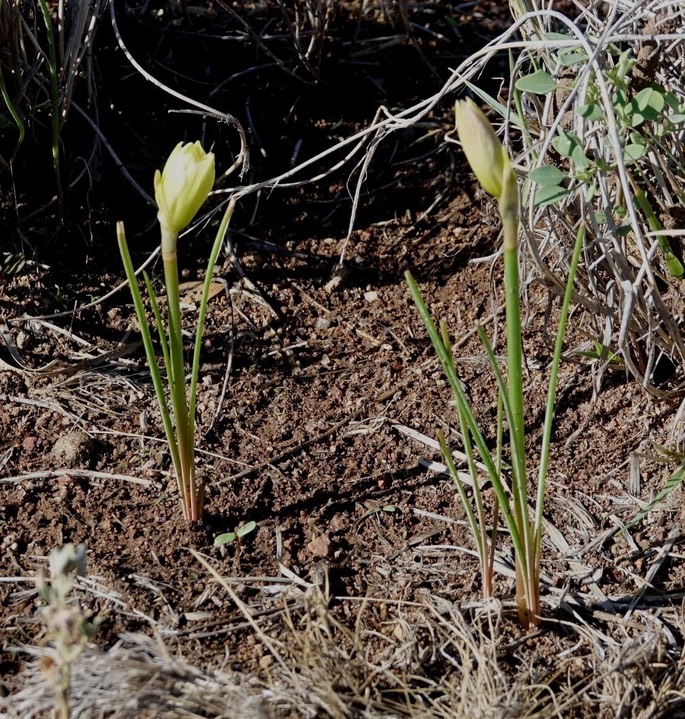
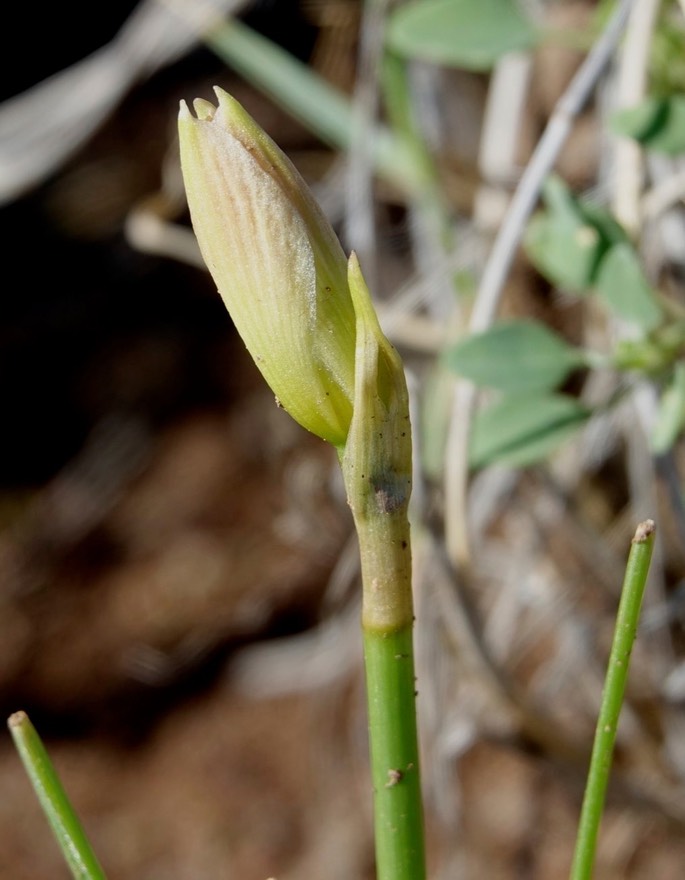
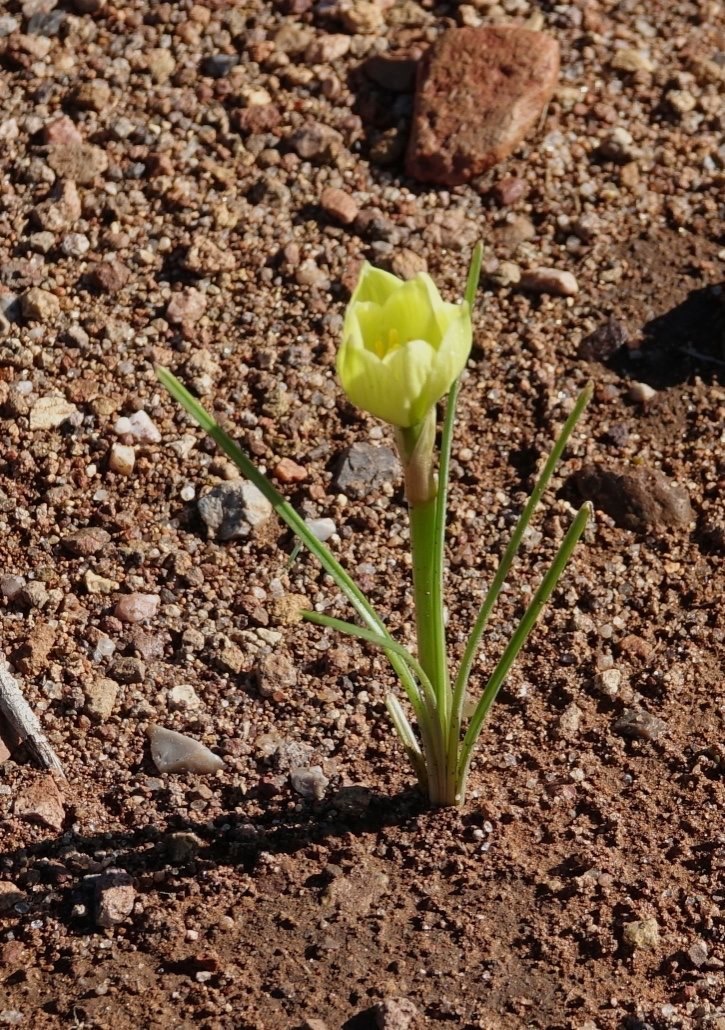
These Rain Lilies, Zephyranthes longifolia, were found in the sandy soil at the top of the mesa south of Hillsboro. Other common English names for this species include Zephyr Lilly and Copper Zephyrlily. Scientific synonyms for this species include Atamosco longifolia, Zephyranthes aurea, and Habranthus longifolius, which is the preferred term in some sources today.
The range of this species is limited to parts of Arizona, New Mexico, Texas, and Northern Mexico.
This species typically appears after substantial rains and quickly goes through its life cycle, so it can be easy to miss. There is only one flower per plant, quickly replaced with the seed pod. When ripe the seed pod will explode, spreading the seeds.
Zephyranthes longifolia was first described in 1880 by William Botting Hemsley, as Atamosco longifolia. The lectotype for the species was collected in 1851-52 by Charles (Carlos) Wright, in New Mexico. Note the 30 years which lapsed between the collection date and the description date.
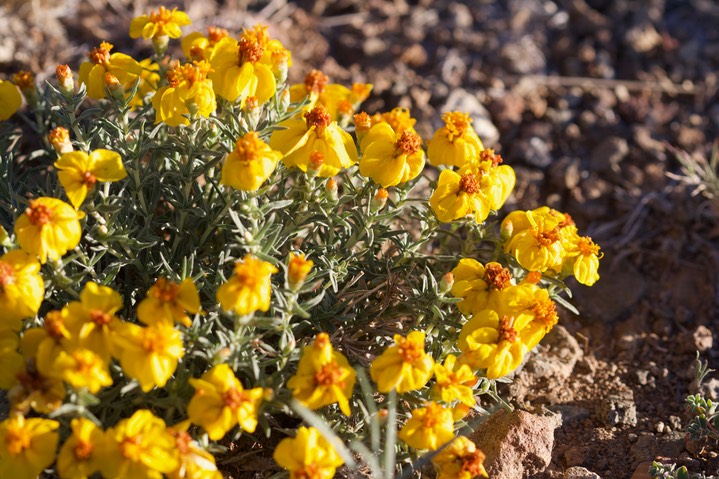
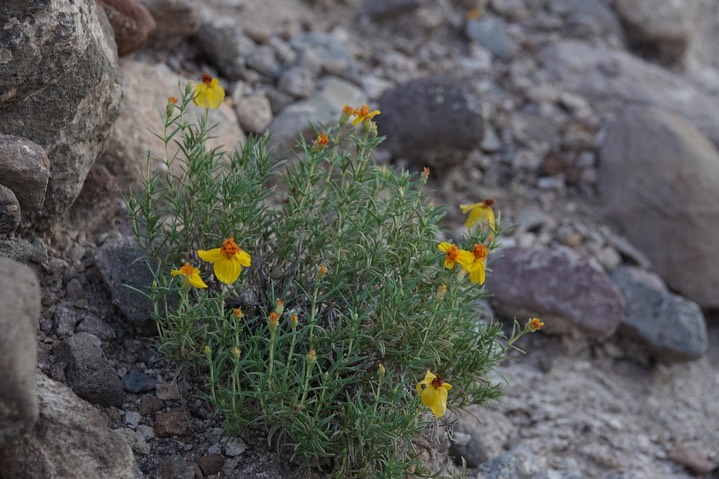
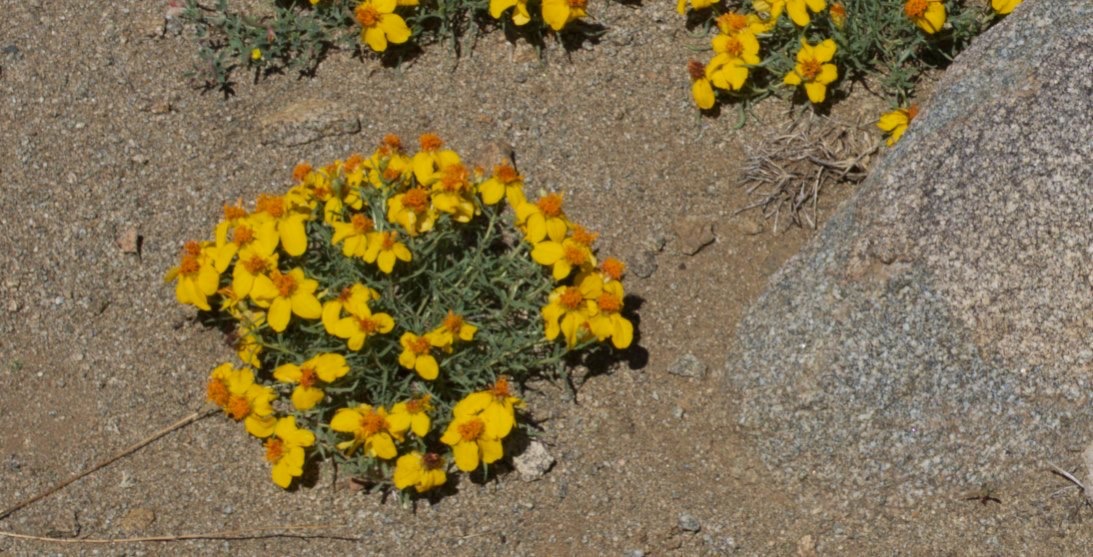
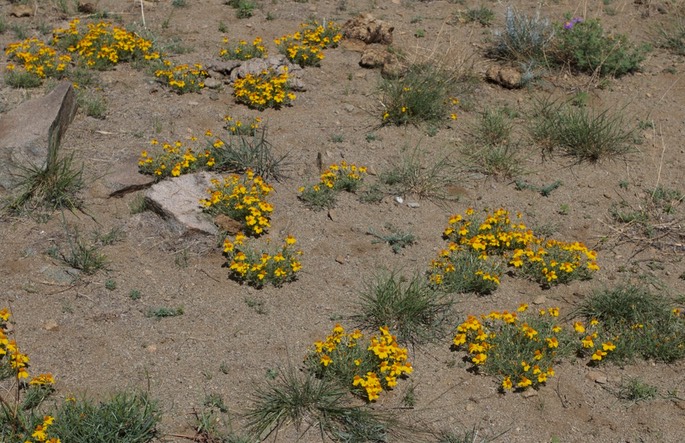
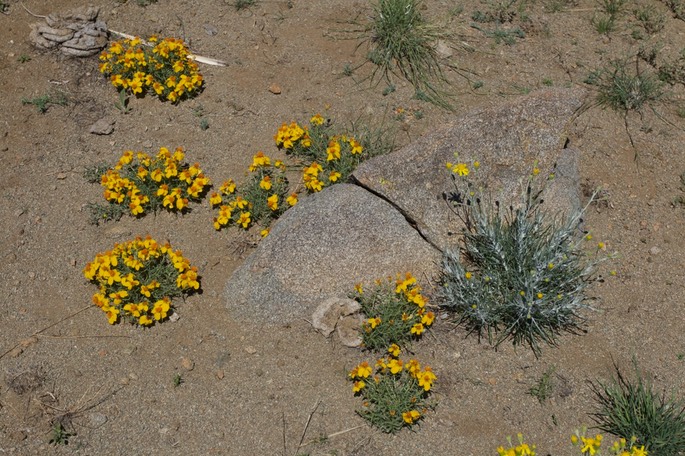
Zinnia grandiflora
Wild or Plains Zinnia
Widespread in the foothills
Black Range
New Mexico
May
Sunt enim ad aliqua mollit duis eu magna et ex amet irure. Veniam est anim id deserunt nisi consequat do Lorem. Minim nisi ex sit quis amet tempor commodo. Velit laboris dolor duis et dolor. Incididunt laboris tempor nulla excepteur duis velit sunt anim amet eiusmod.
Id culpa commodo est adipisicing mollit fugiat duis eiusmod magna. Tempor duis Lorem magna id qui sint et dolore in ullamco. Consectetur do esse nulla veniam incididunt. Esse consequat minim cillum est id incididunt pariatur ullamco consequat tempor est.
Drag & drop a folder of resources
or add them via the component inspector
Consequat ad culpa ullamco enim anim nisi quis. Cillum sunt eiusmod ad qui labore dolor ullamco nisi do. Ex nulla nostrud esse voluptate duis elit magna occaecat id. Commodo nostrud nulla est eiusmod sit elit. Amet ea non nulla sunt enim.