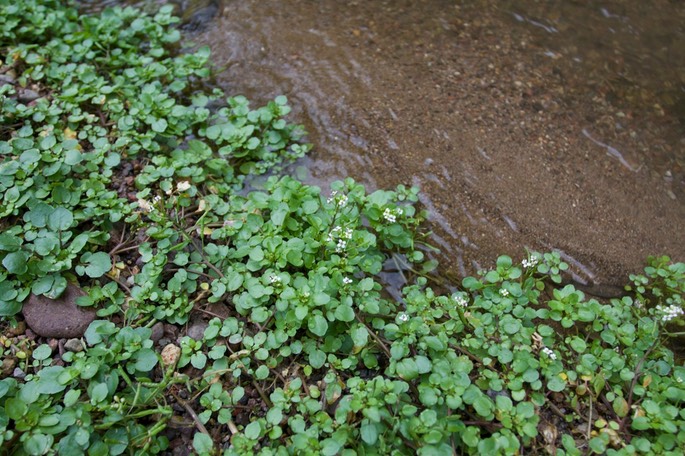
Nasturtium officinale
Watercress
Percha Creek/Percha Box
East of Hillsboro
Black Range
New Mexico
July
The “FLORA" of the Black Range
“N & O"
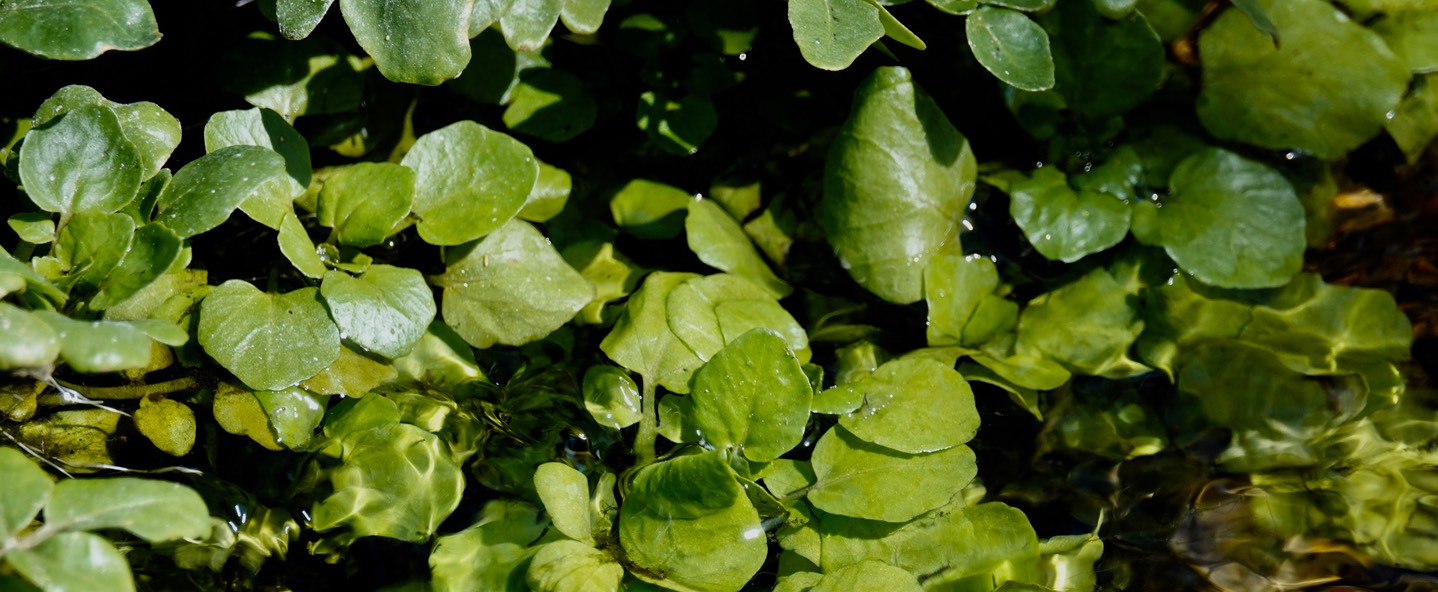
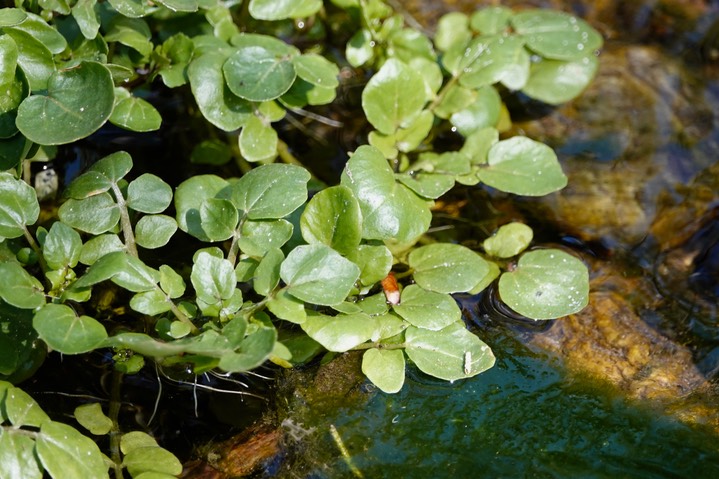
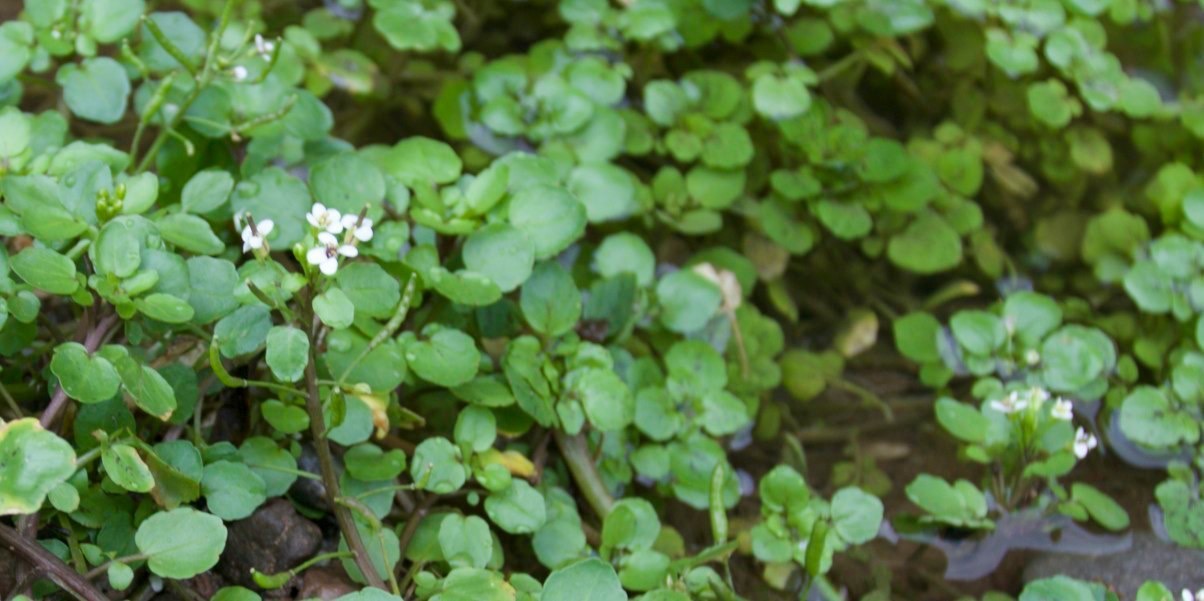
Nasturtium officinale
Watercress
Percha Creek/Percha Box
East of Hillsboro
Black Range
New Mexico
July
Nasturtium officinale is often found in association with Water Speedwell, which was true in this instance, unfortunately I did not photograph the Speedwell. That is sometimes the downside of a longer walk, when you find something of interest you are to tired to care.
Watercress is an exotic species in North America. It is native to Eurasia and has spread worldwide mainly because it is a food crop and is reported to have many medicinal benefits.
Nicotiana obtusifolia var. obtusifolia
Desert Tobacco
Ready Pay Gulch
East of Hillsboro
Black Range
New Mexico
March & May
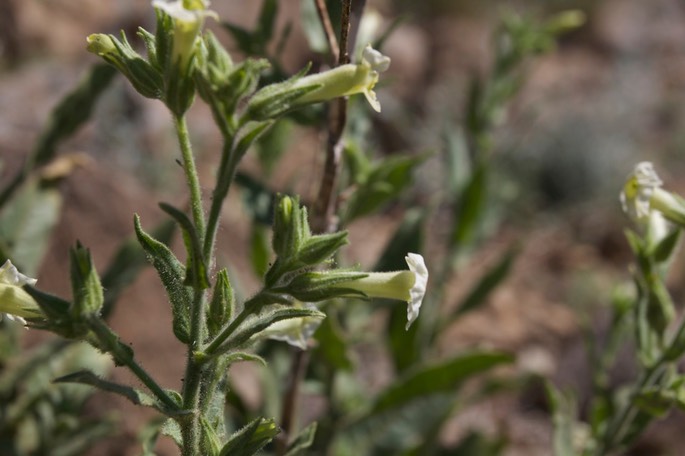
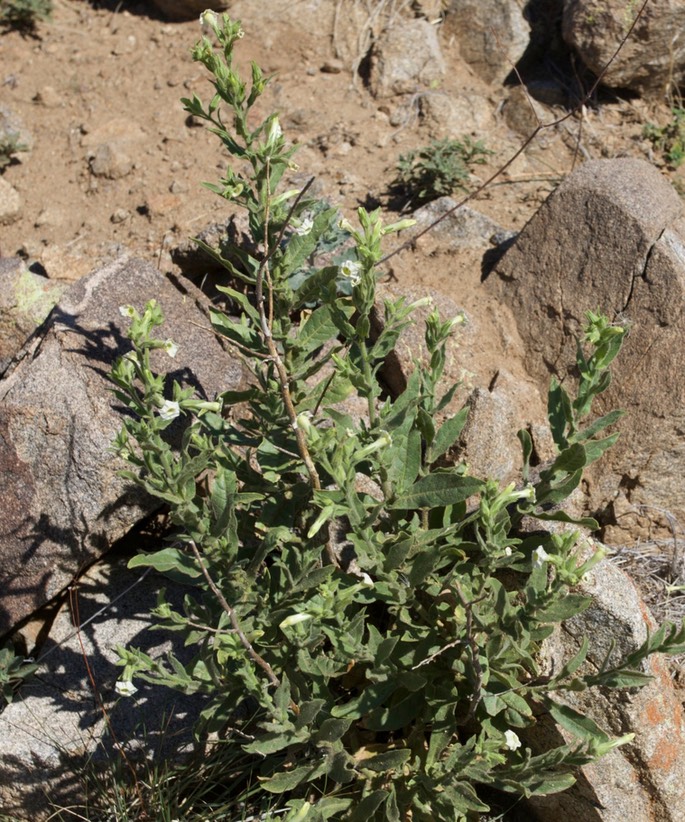
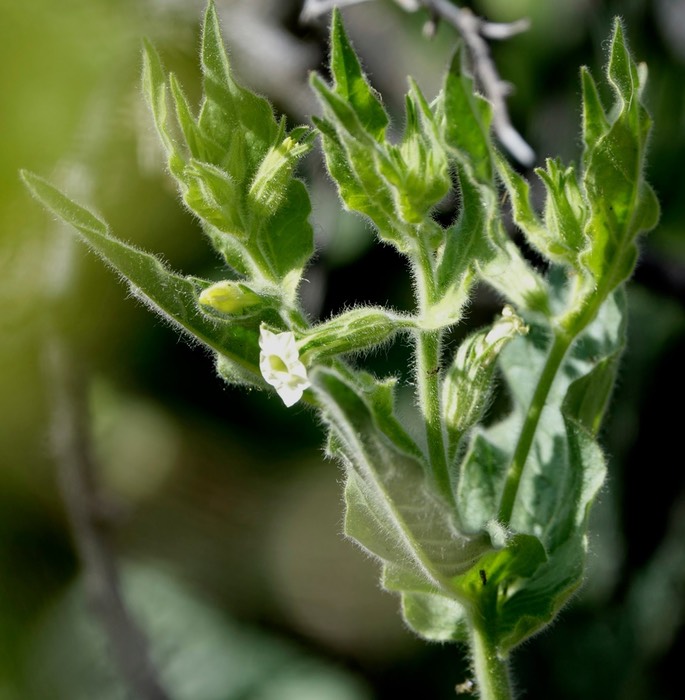
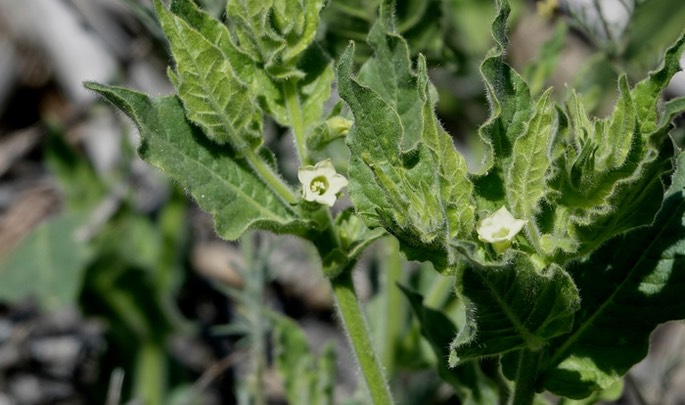
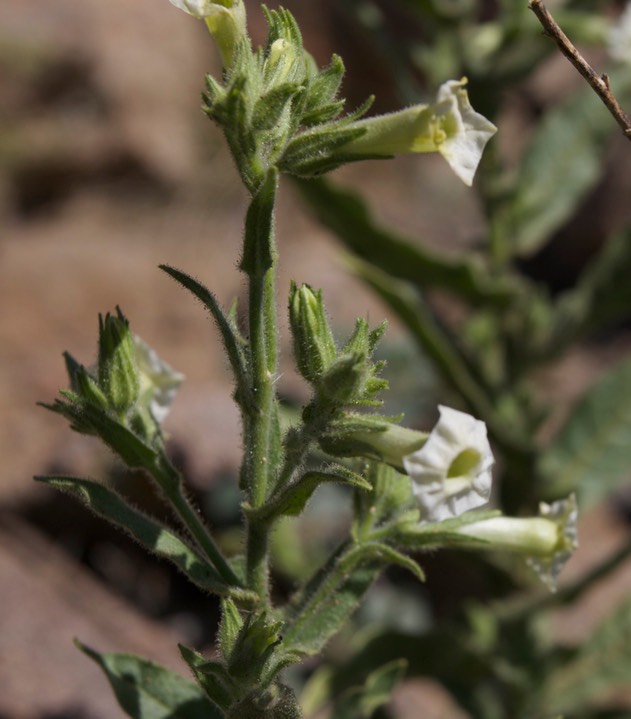
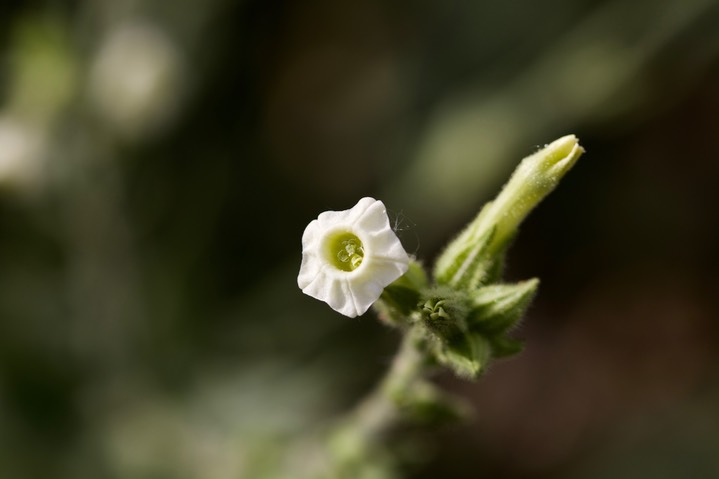
Nicotiana obtusifolia, Desert Tobacco, is a plant of the southwestern United States and northern Mexico. Vascular Plants of the Gila list this species under its scientific synonym, Nicotiana trigonophylla. Its common names include Desert Tobacco, Little Tobacco, Tabaquillo, and Punche.
The current description of this species dates from 1845, when it was published by Martin Martens and Henri Guillaume Galeotti. These two collaborated extensively and among other things co-authored significant works on the family Solanaceae.
Several indigeonous tribes (Cahuilla, Navajo, Pima, Havasupai, Hopi, Hualapai, Papago, and Yuma) used this plant for food and for medicinal and ceremonial purposes.
Noccaea fendleri glauca
Wild Candytuft
Black Range Crest Trail
South of Hillsboro Peak
Black Range
New Mexico
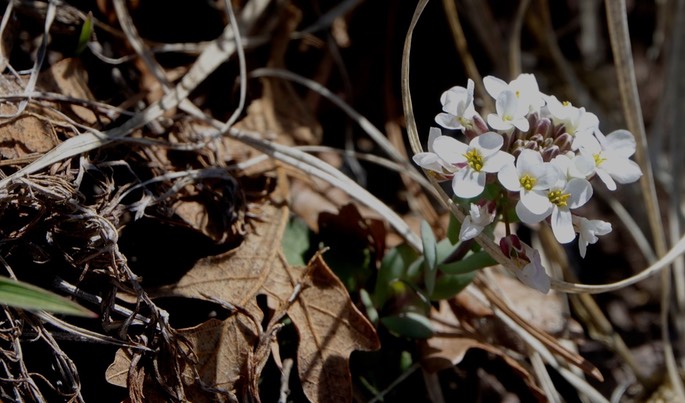
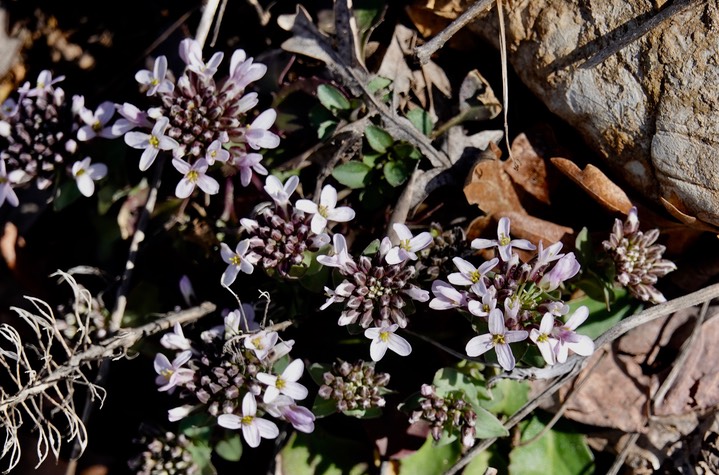
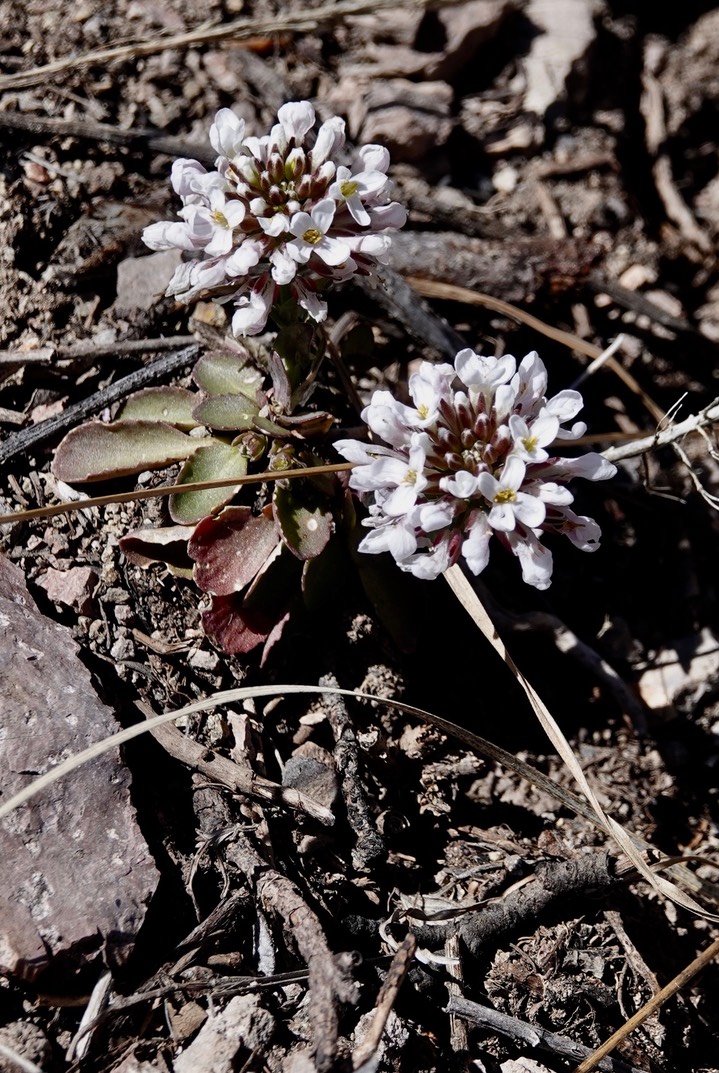
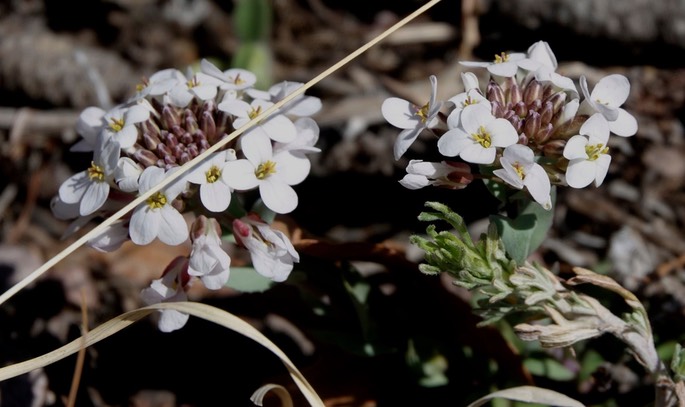
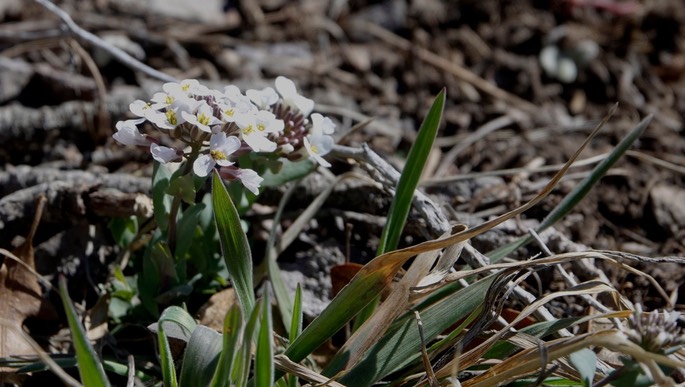
Noccaea fendleri (Gray) Holub subsp. glauca (A. Nelson) Al-Shebaz & M. Koch, Wild Candytuft, is often found growing along the Black Range Crest Trail south of Hillsboro Peak. At such times, there may still be some snow patches on the trail.
This species is found in much of the western United States and is also reported from the state of Chihuahua in Mexico. In Canada it is found in Alberta and British Columbia. This is a species of higher elevations, up to 4,400 meters. This species is often found near snowbanks, along streams, and in alpine and sub-alpine meadows.
There are many scientific synonyms for this species. Since it was first described it has undergone 12 redescriptions. It is also known by a number of other English Common names including Alpine Pennycress, Alpine Pennygrass, Mountain Candytufts, Candytufts, and Fendler’s Penny-cress.
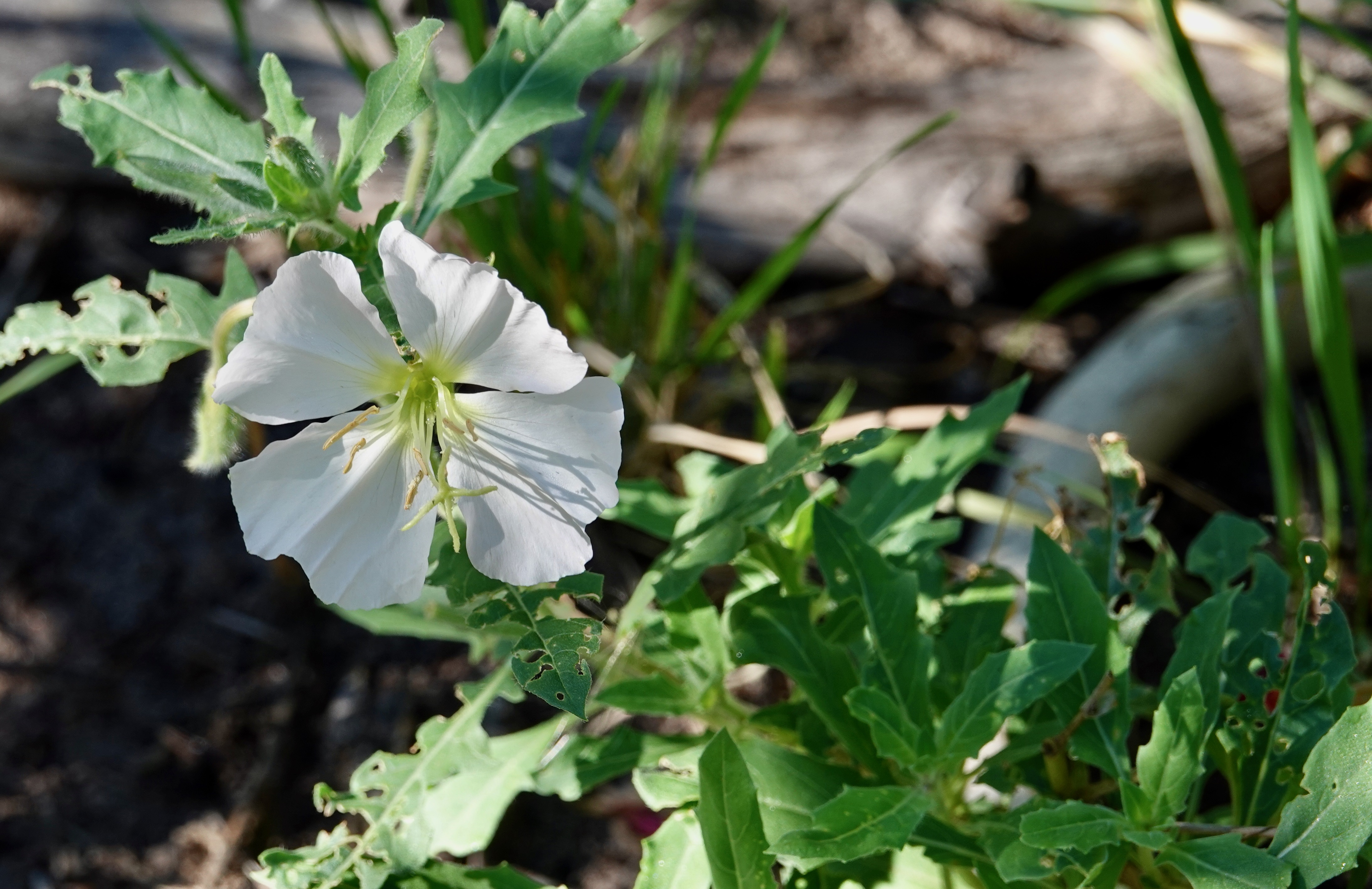
Oenothera albicaulis
White Stem Evening Primrose
East of Hillsboro
North of Percha Box
Black Range
New Mexico
March
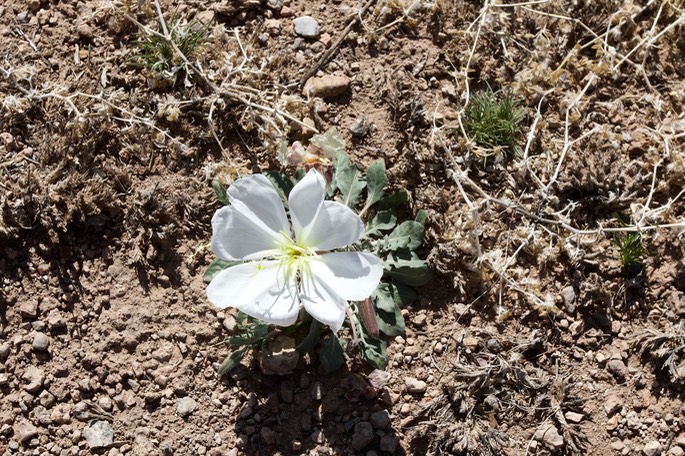
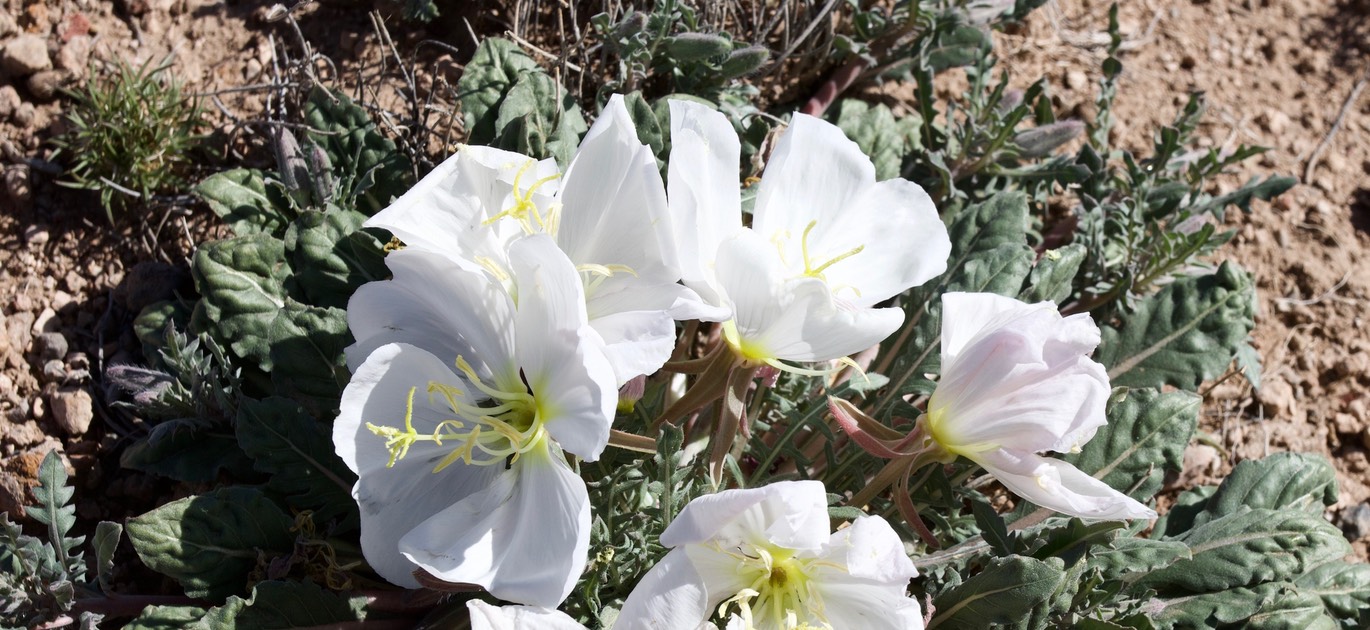
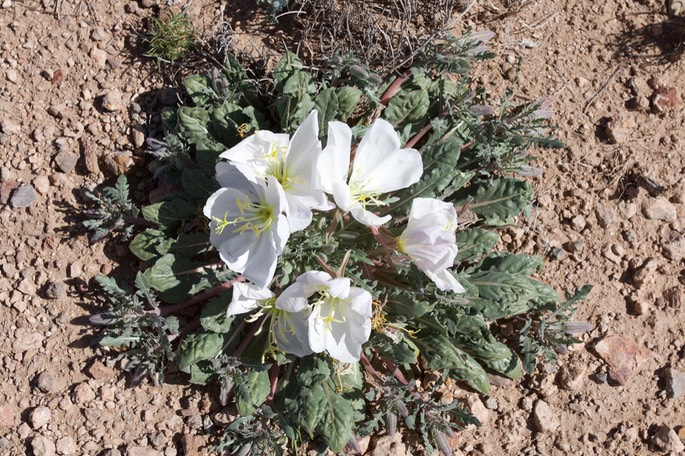
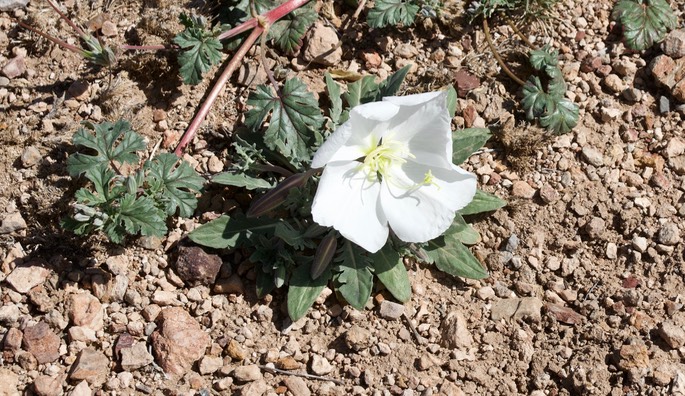
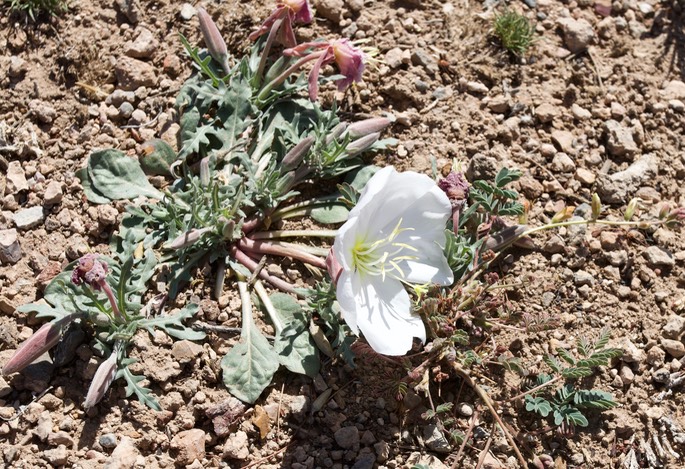
Oenothera albicaulis, White Stem Evening Primrose blooms east of Hillsboro early in the season. Its other English Common names include Prairie Evening Primrose, Halfshrub Sundrop, Pale Evening-Primrose, and Whitest Evening-Primrose. Scientific synonyms include Anogra albicaulis and Oenothera ctenophylla.
The Xerces Society for Invertebrate Conservation notes that this species is “recognized by pollination ecologists as attracting large numbers of native bees.”
Its range within the United States is restricted to the interior southwest and along the eastern portion of the Rocky Mountains. It is also found in the states of Chihuahua and Sonora (?) in Mexico.
The Zuni rubbed “the chewed blossoms on the bodies of young girls so that they can dance well and ensure rain.”
Oenothera albicaulis was originally described and published in Flora Americae Septentrionalis 2: 733. 1814 [1813]
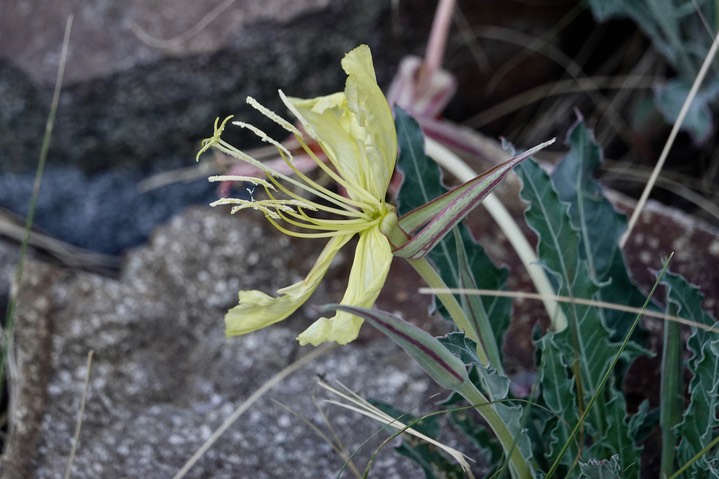
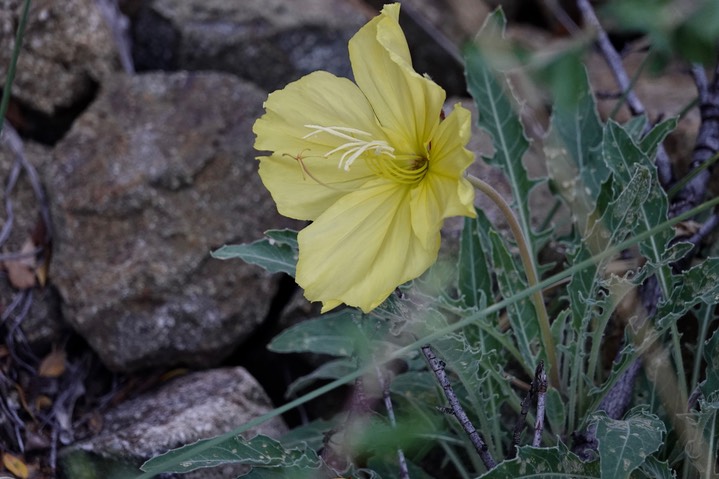
Oenothera brachycarpa
Desert Evening Primrose
South Percha Creek
Drummond Canyon
Black Range
New Mexico
May
Oenothera curtiflora
Velvetweed
East of Hillsboro
Black Range
New Mexico
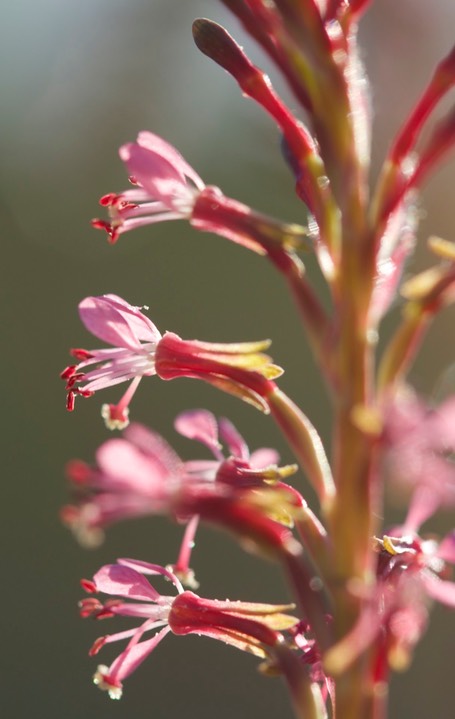
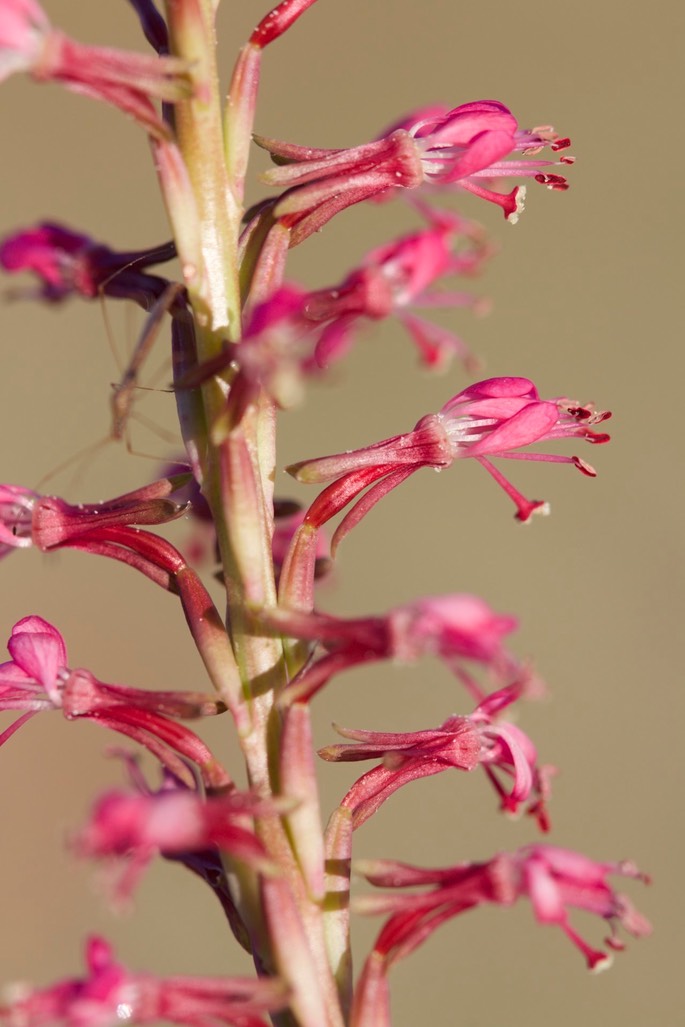
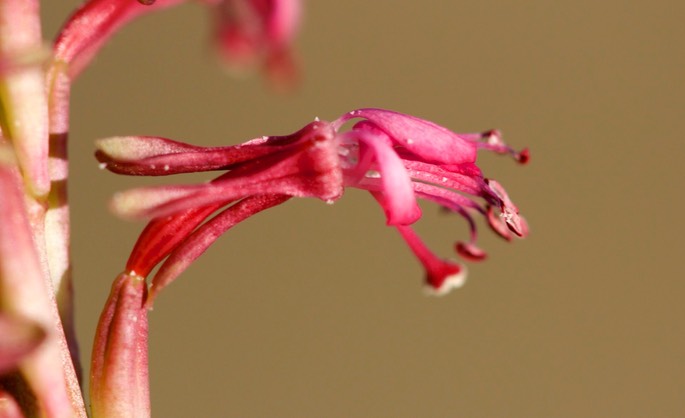
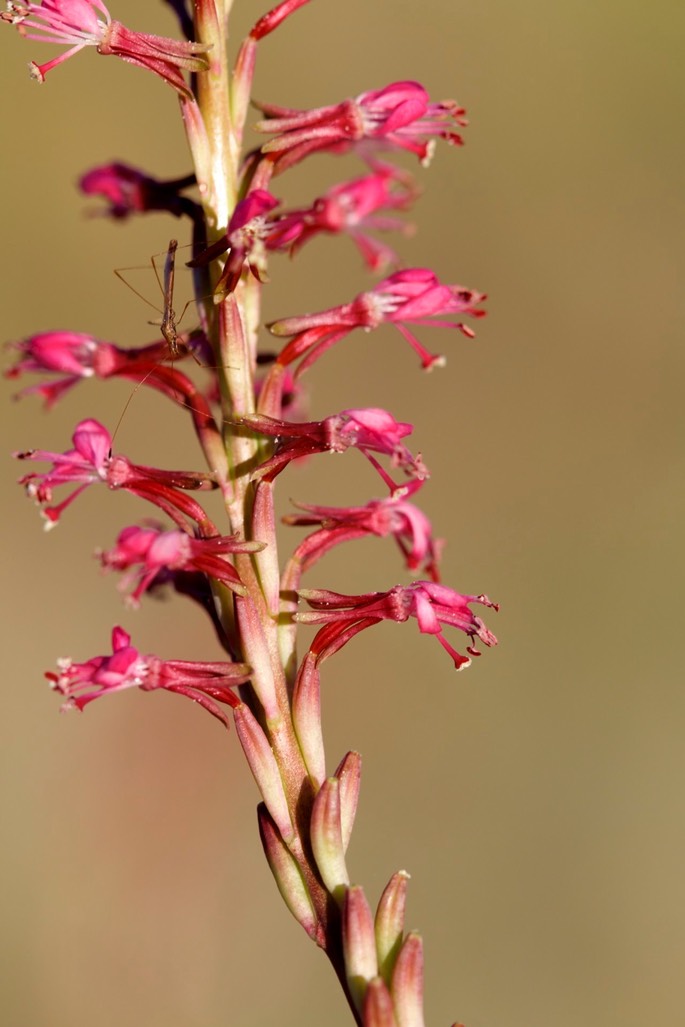
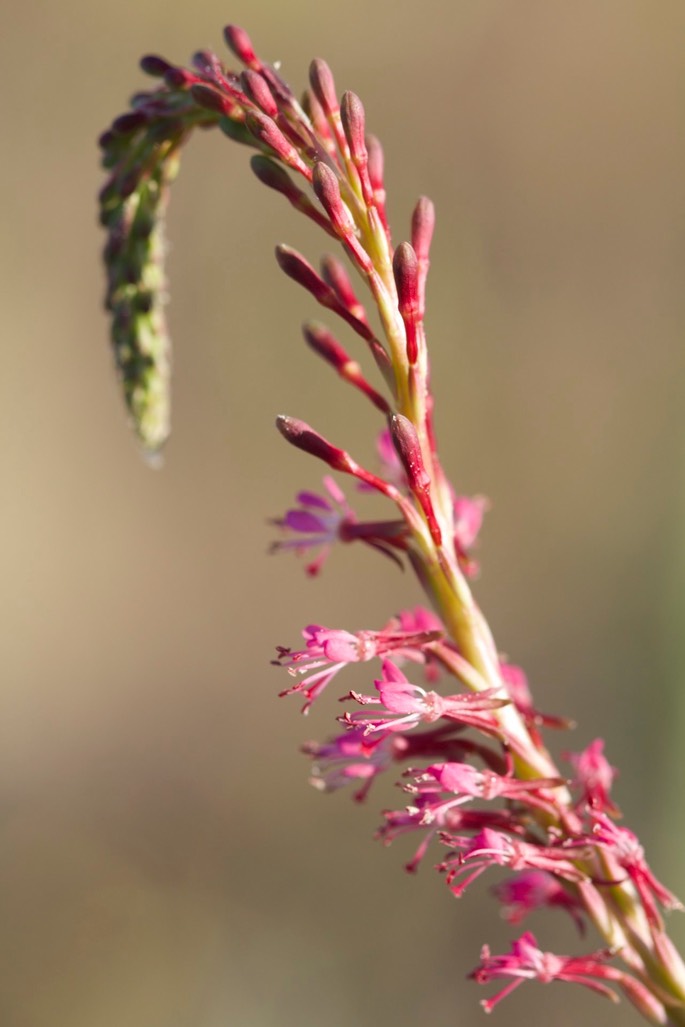
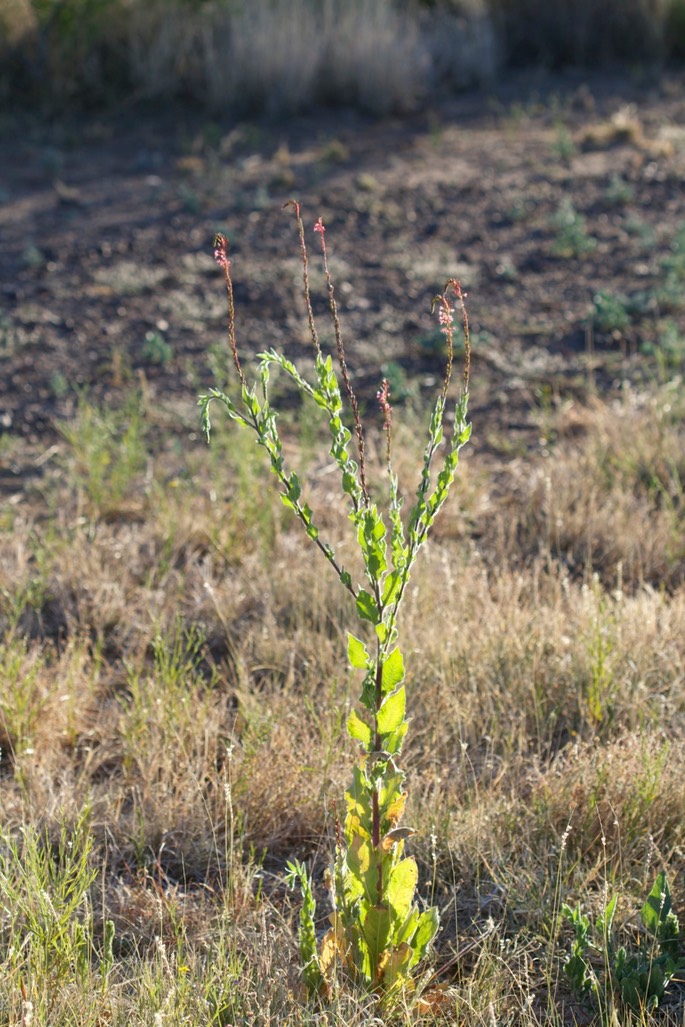
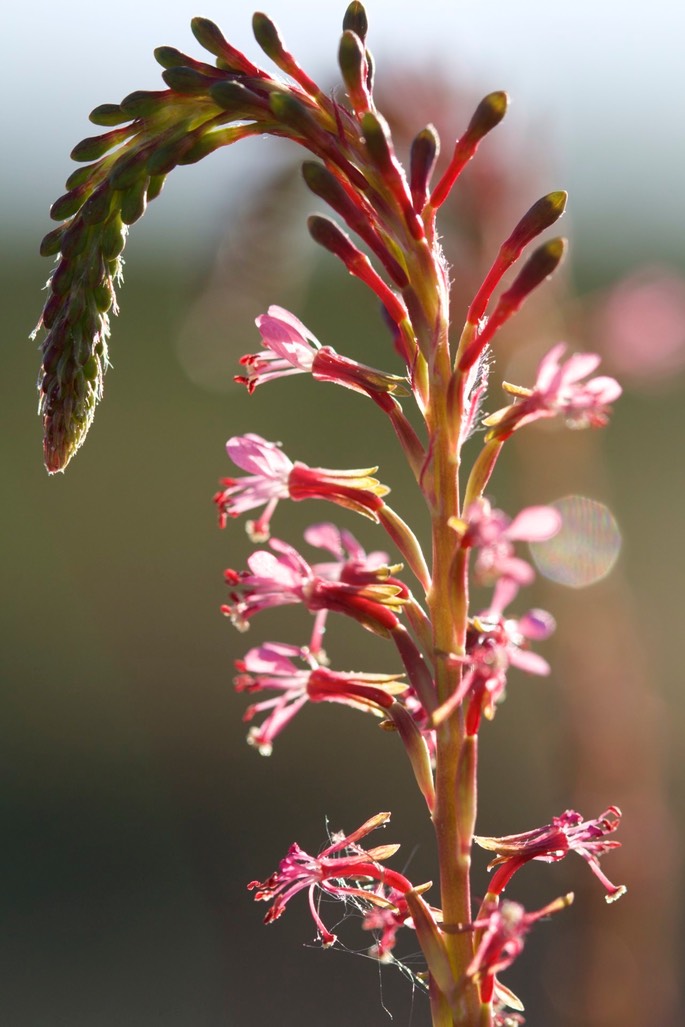
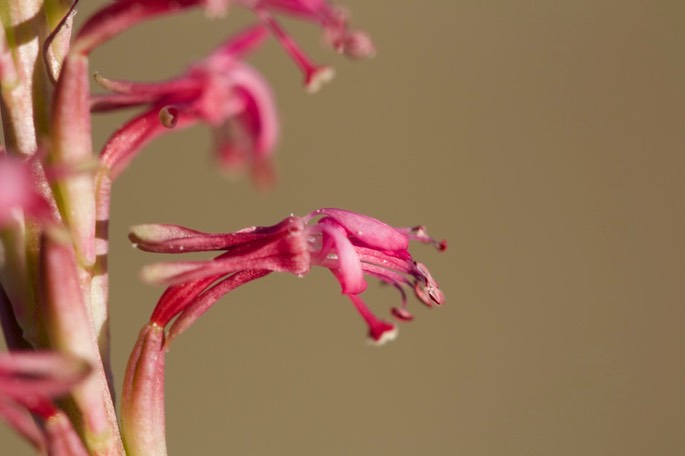
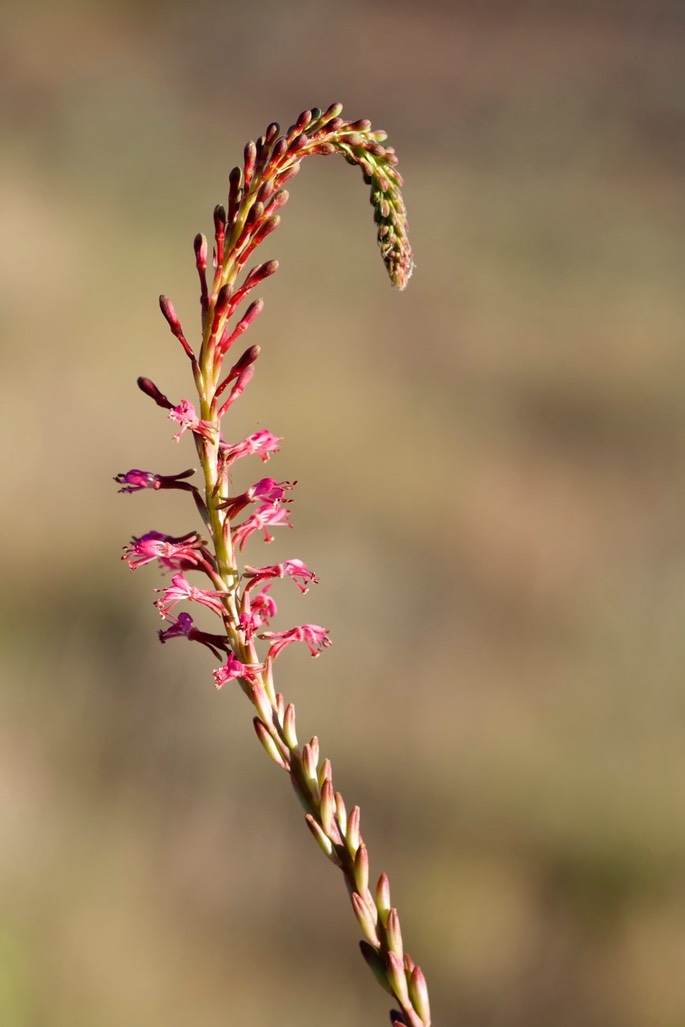
Small Flowered Gaura, Oenothera curtiflora, does well on the eastern slopes of the Black Range, at around 5,000’ elevation. This species is widely distributed within the United States.
Scientific synonyms for this species include Gaura parviflora (varieties typica, parviflora, and lachnocarpa), Gaura australis, and Gaura mollis (James) - the latter being different from the plant species identified by Renner as Oenothera mollis. Other English Common Names include Velvetweed, Velvety Gaura, Lizard-tail Gaura, and Willow Gaura.
The gallery photographs show the growth habit of this species when in bloom and prior to blooming. The stem is erect. As the flower buds begin to develop the plant begins to “nod” and the flower spikes become wispy, waving elegantly in the mildest breeze.
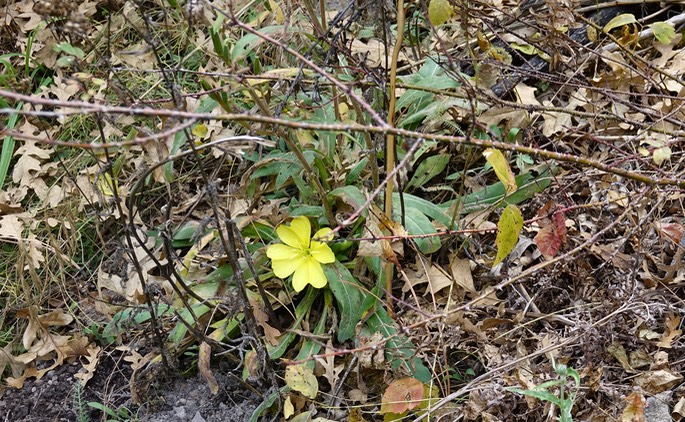
Oenothera elata
Hooker’s Evening Primrose
Railroad Canyon Campground
Black Range
Grant County
New Mexico
October
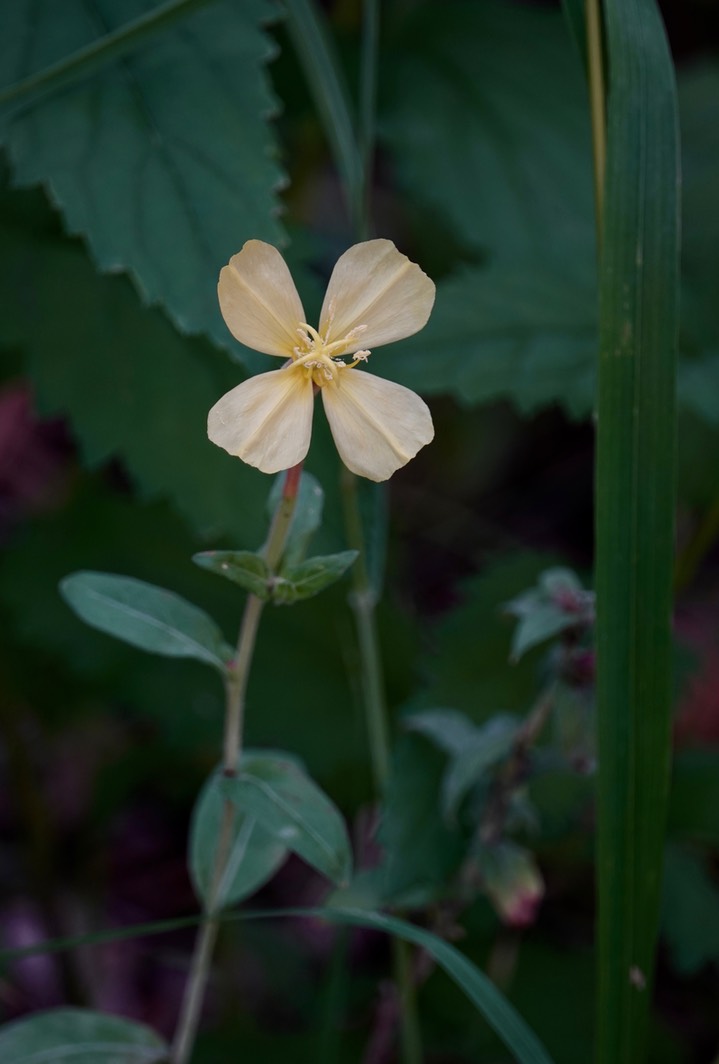
Oenothera hartwegii fendlerii
Fendler’s Sundrops
Ready Pay Gulch
East of Hillsboro
Black Range
New Mexico
June
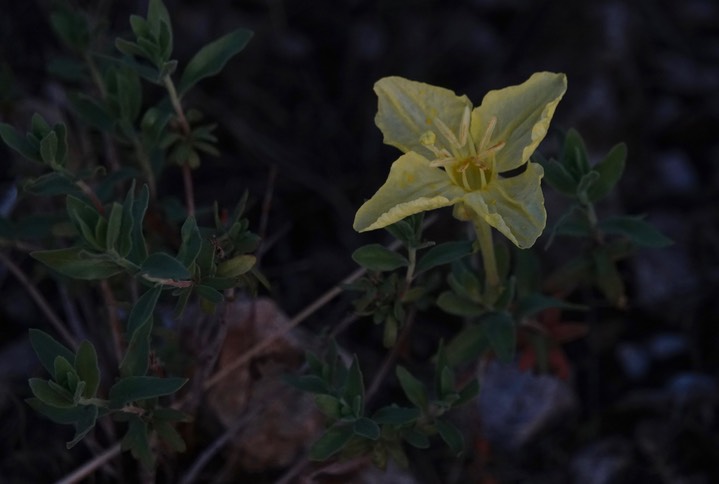
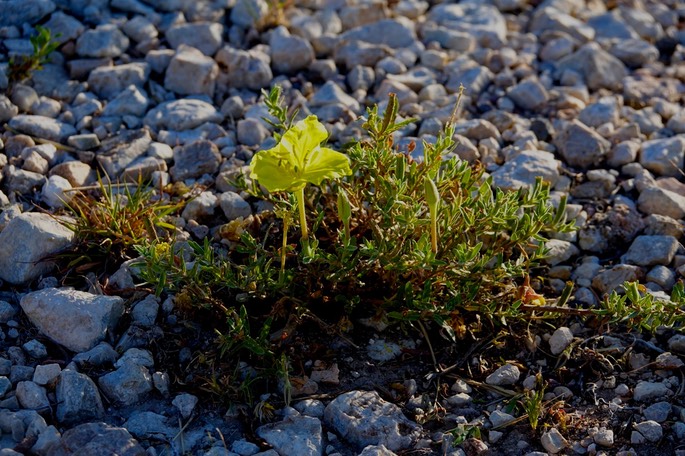
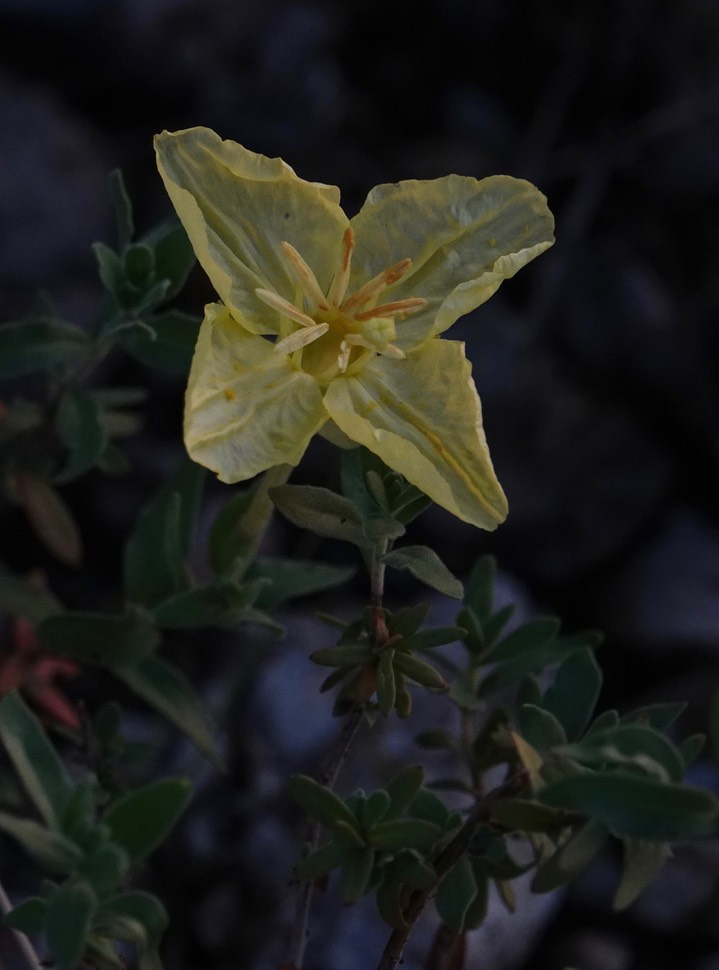
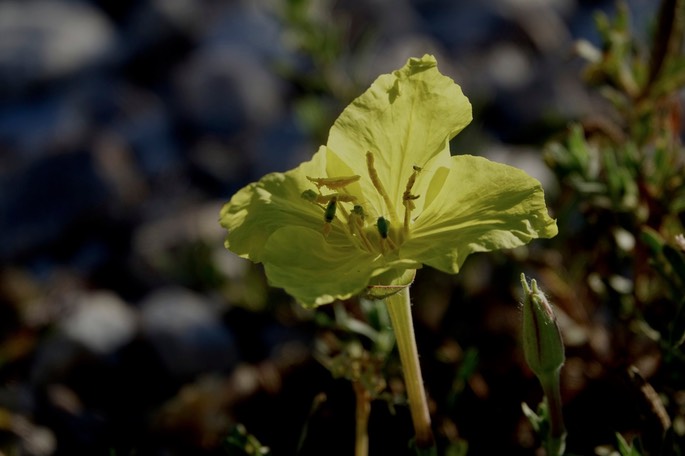
One of the most common flowers seen on walks in the foothills of the eastern Black Range, in season, is the Fendler’s Sundrops, Oenothera hartwegii fendleri.
This species was first described by George Bentham in 1839, the subspecies was first described by Asa Gray in 1853, as Oenothera fendleri. Other synonyms for the subspecies are: Calylophus hartwegii subsp. fendleri (A. Gray) Towner & P.H. Raven; Galpinsia fendleri (A. Gray) A. Heller; Galpinsia hartwegii var. fendleri (A. Gray) Small; and Oenothera hartwegii subsp. fendleri (A. Gray) W.L. Wagner & Hoch.
Dr. Edward Palmer collected a specimen of this species in 1869. Palmer (1830 - 1911) was a botanist, naturalist, explorer, archaeologist, ethnobotanist, and plant collector. A wide range of interests and an era when specialization was not the norm led to success in a variety of fields. The extent of that success can be seen in the fact that more than 200 plant species have been named in his honor.
In the southwestern United States this species is common and widespread, being found from Arizona into western Texas and then north into the southern Plains.
Oenothera laciniata pubescens
Silky Evening Primrose
Railroad Canyon
Black Range
New Mexico
September
Oenothera neomexicana
New Mexico Evening Primrose
Railroad Canyon
Black Range
New Mexico
September
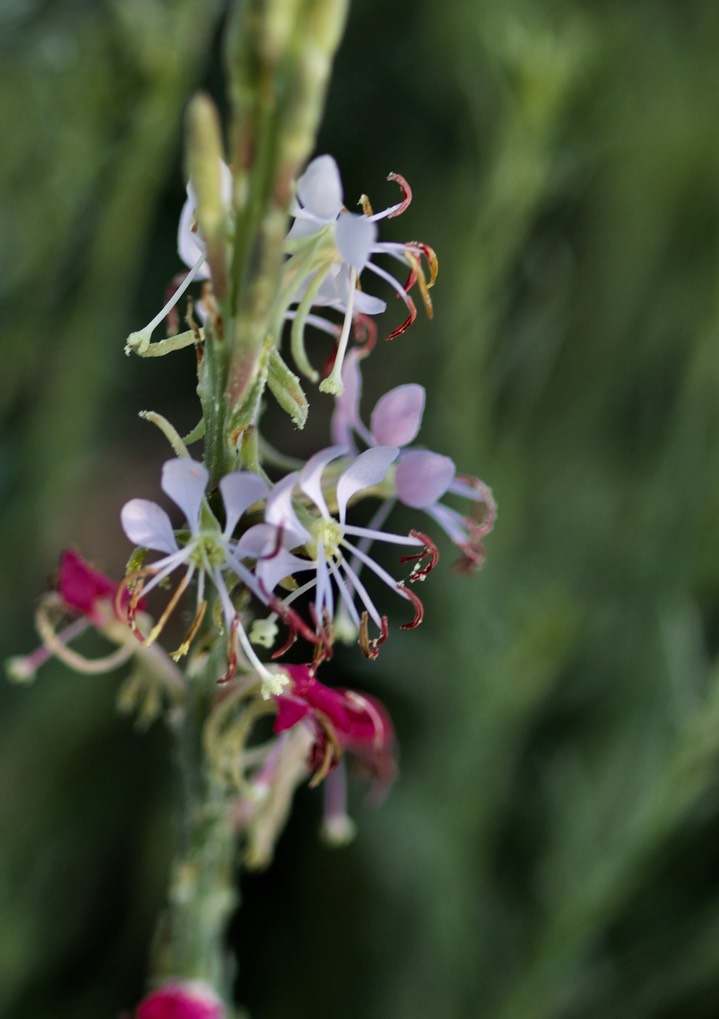
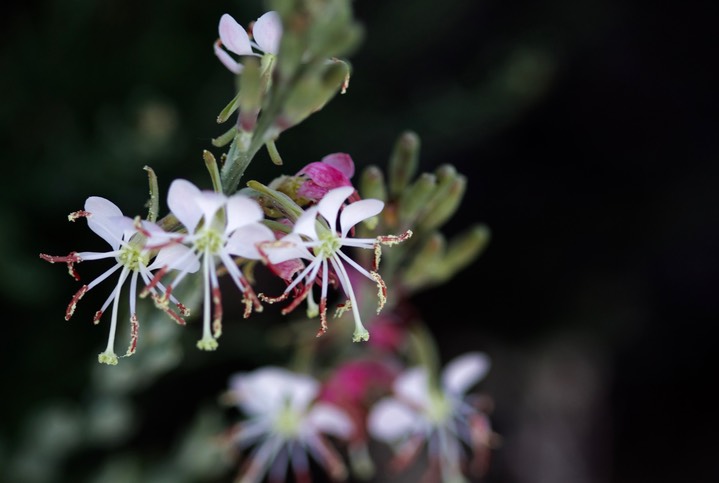
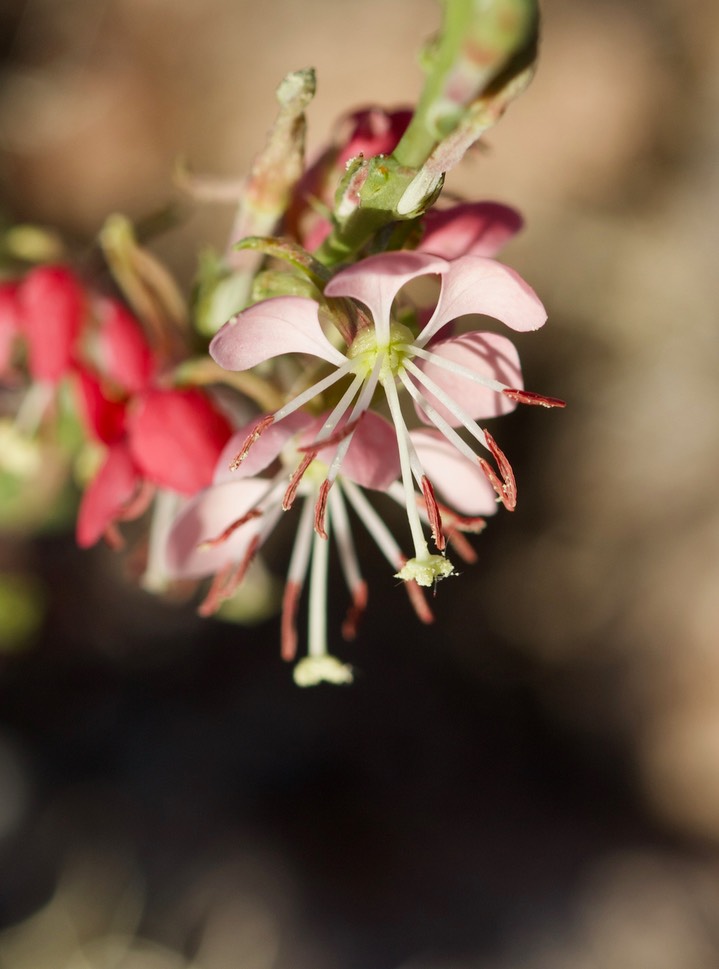
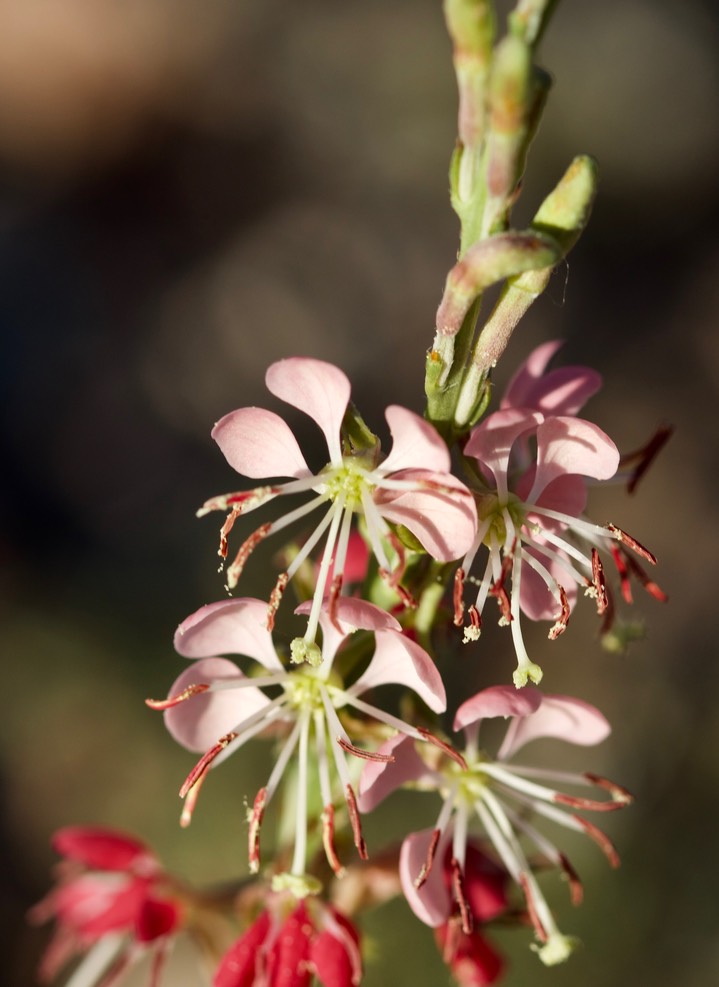
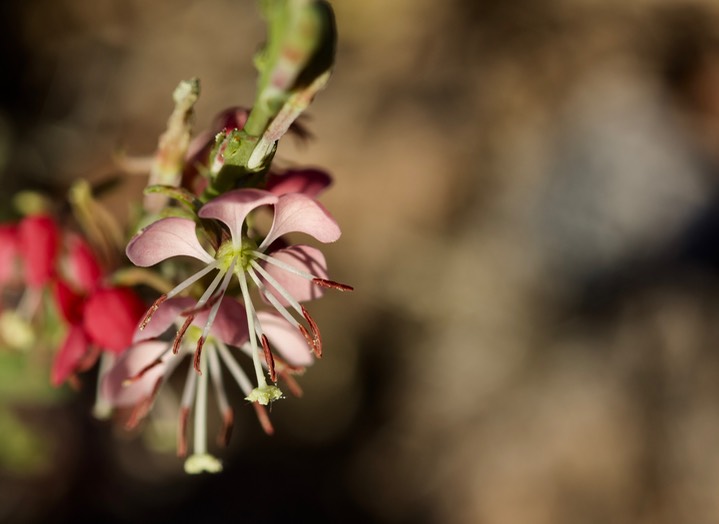
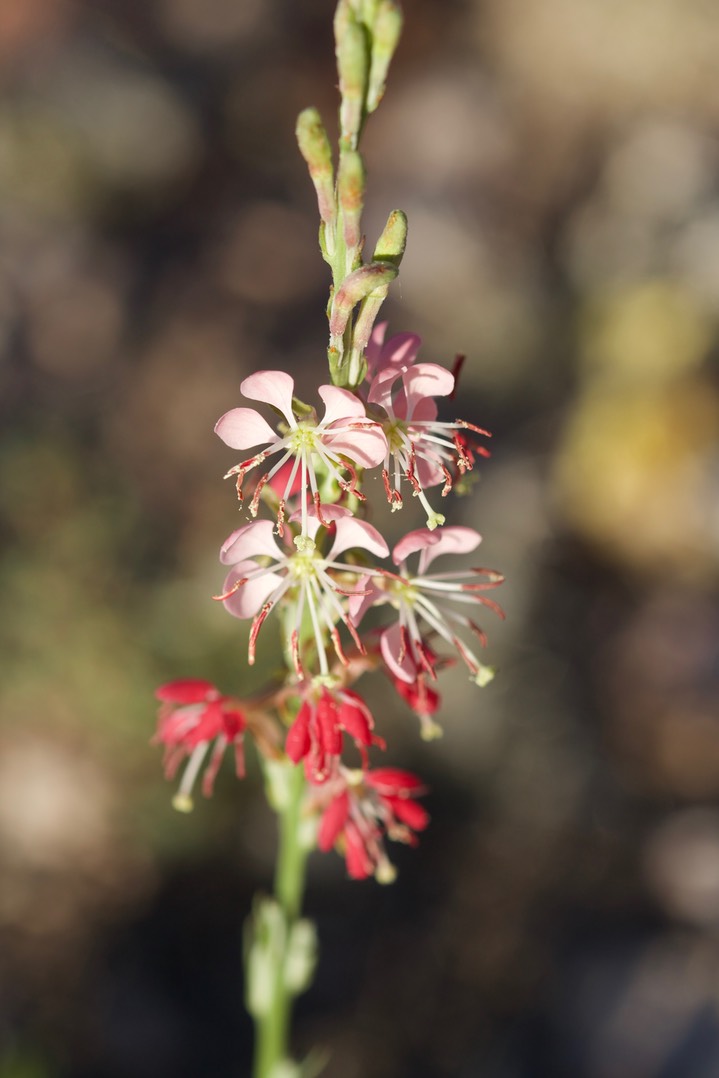
Oenothera suffrutescens
Scarlet beeblossom
or Scalrlet Gaura
Percha Box Overlook
East of Hillsboro
Black Range
New Mexico
May
Opuntia chlorotica
Pancake Prickly Pear
Frying Pan Canyon
and elsewhere
Black Range
New Mexico
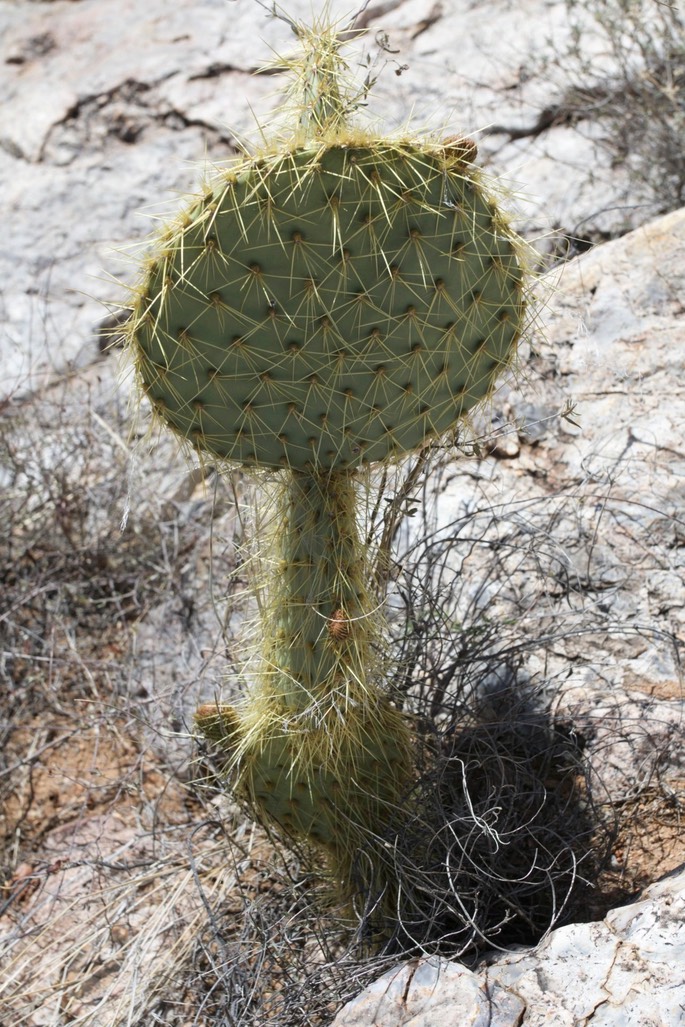
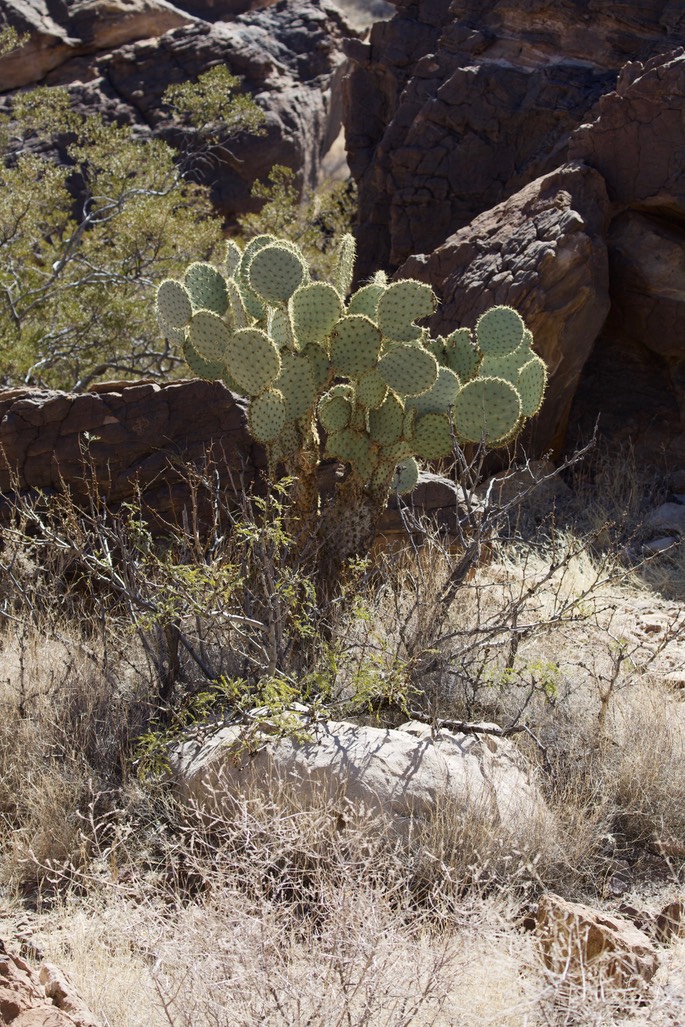
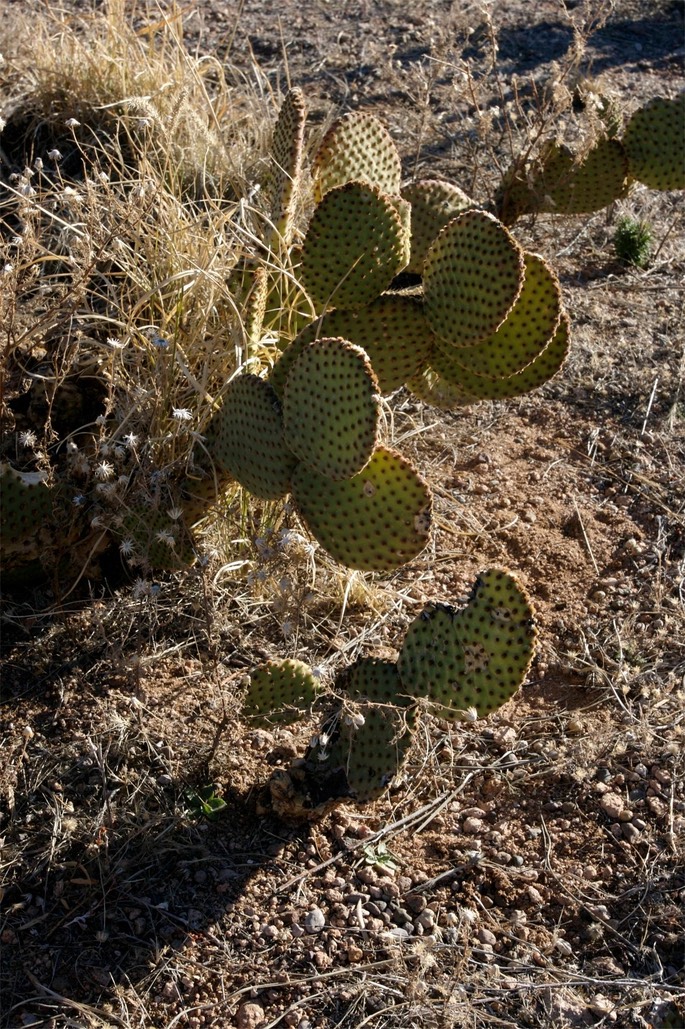
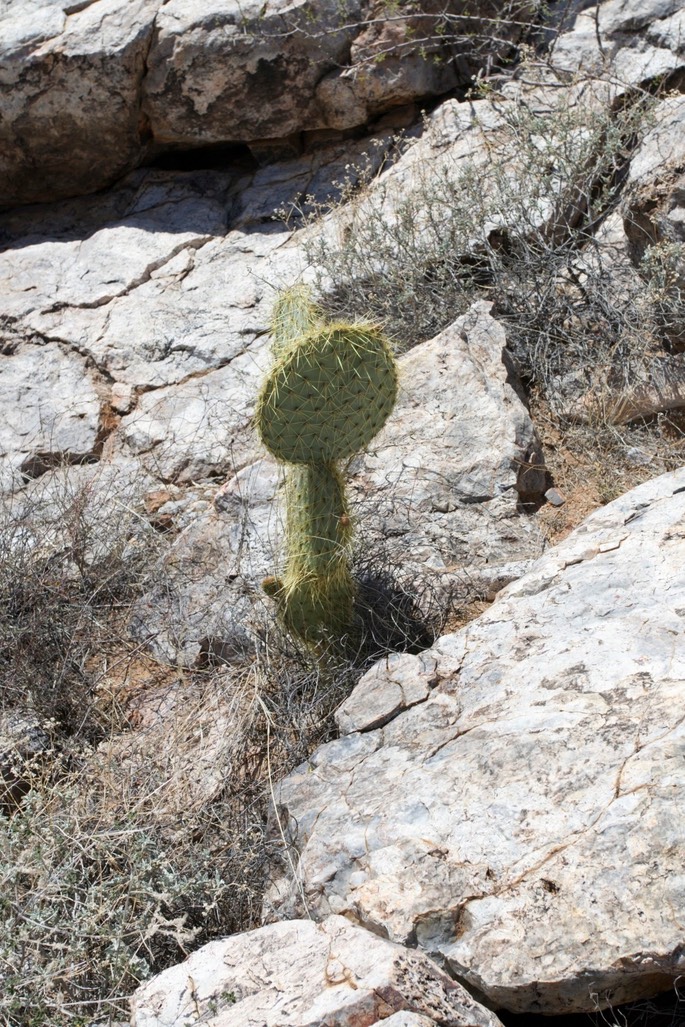
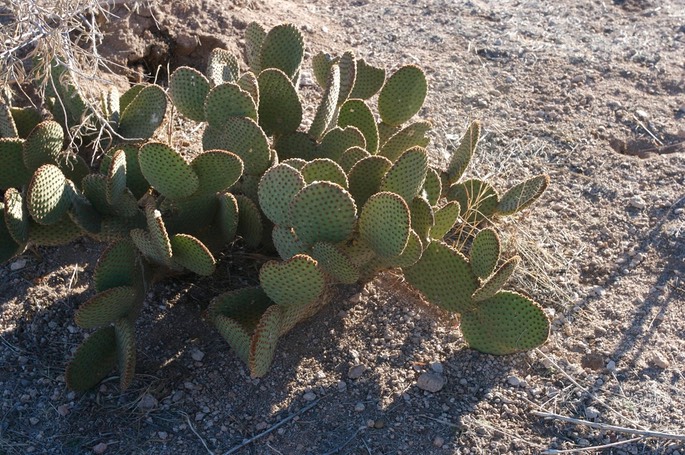
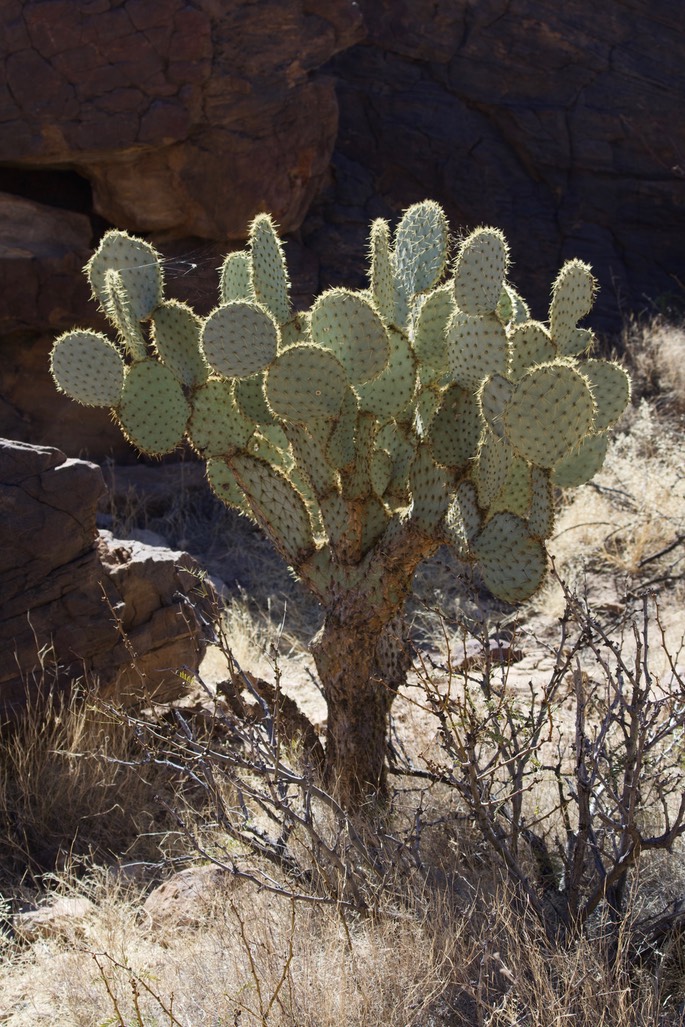
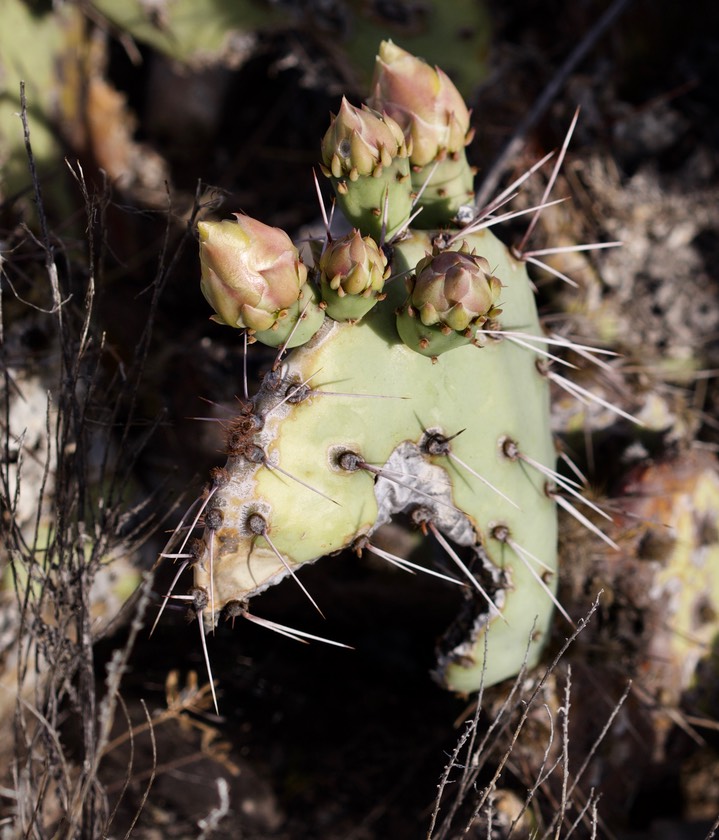
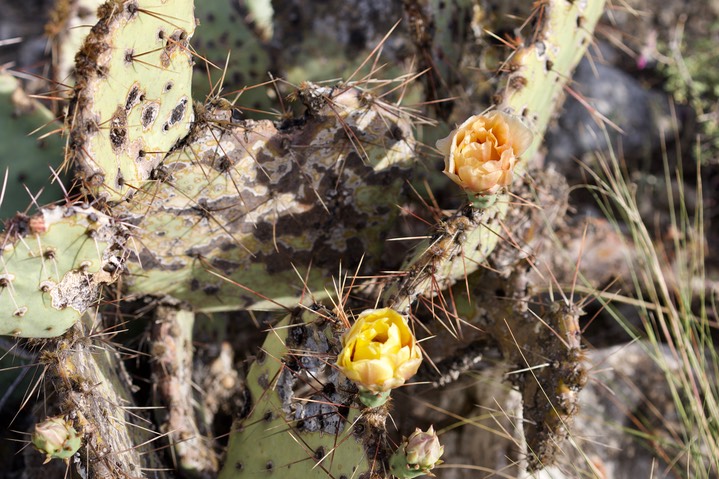
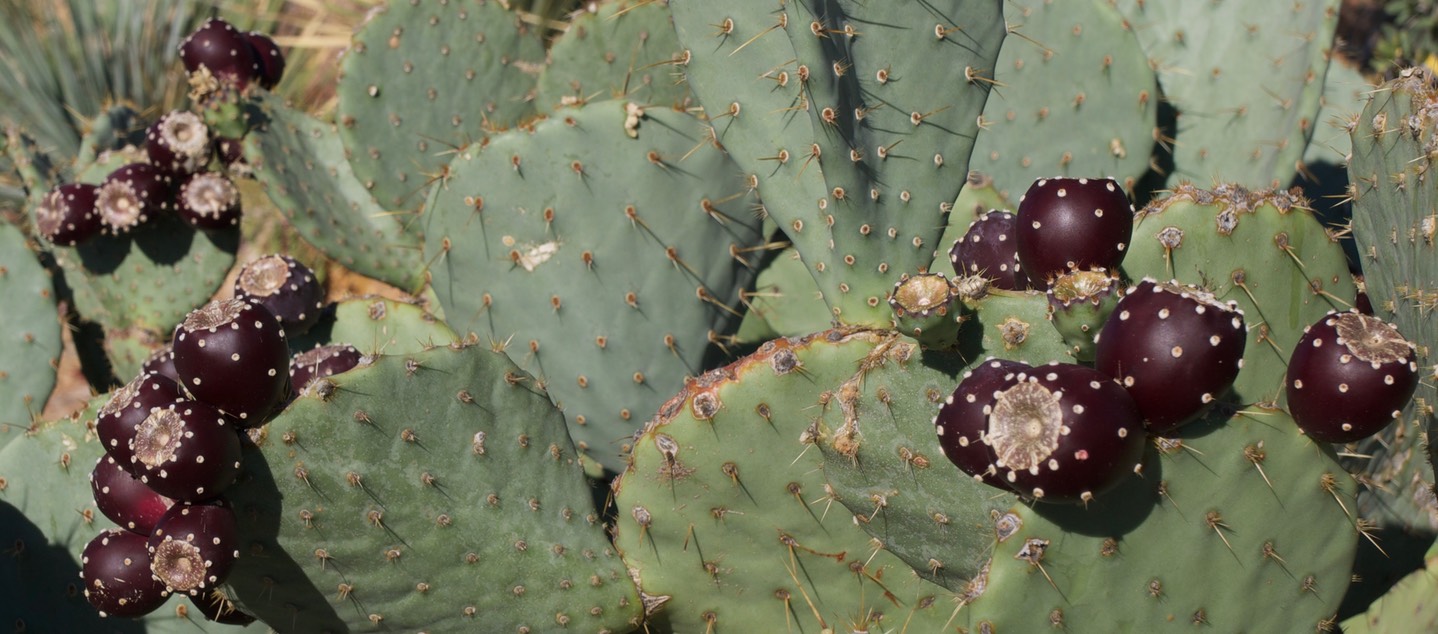
Opuntia chlorotica, the Pancake Prickly Pear (also Clock-Face Prickly Pear, Flapjack Prickly Pear, and/or Dollarjoint Prickly Pear), has a stem, the only Opuntia in the Black Range which does. The spines on the stem point downward. The circular pads and the “trunk” make this a fairly easy cactus to identify.
This species grows at elevations between 2,000 and 6,000 feet. In the Black Range we are at the eastern extent of its range - which extends westward to the California Desert, as far north as the very southwestern part of Utah, and into the Mexican states of Baja California, Baja California Sur, and Sonora.
There are about 12 Prickly Pear species in the USA and Canada. Prickly Pear and Cholla make up the Opuntia genus. The Opuntia genus is unique in having very small spines called glochids associated with each cluster of spines, which are modified leaves. Both the spines and glochids are a pain - literally, but I have always found the spines to be easier to deal with.
Of note is the upright structure, the round pads, yellow spines, spines on the trunk, and the fact that it grows in very rocky soil (less soil than rock). These plants can grow to 6 or 7 feet tall (2 or more meters). An early photograph of the pads was published in the Bulletin of the Torrey Botanical Club (Vol. 43, Plate 3) in 1916.
Following European contact more members of the Southwestern tribes began to develop diabetes. Some argue that part of the reason for that development is that European foods, which tended to be high in sugars, replaced the traditional foods of the indigenous peoples. Foods like the fruit (tuna) and pads (nopalito) of Prickly Pear Cactus, both of which are rich in fibers which are absorbed slowly into the human body - resulting in relatively stable levels of sugar in the blood.
This species was first described by John Milton Bigelow and George Engelmann in 1856. They served together on the “Pacific Railroad Expedition and Survey Along the 35th Parallel” (1853-1855) which was commanded by Lieutenant A. W. Whipple.
Opuntia macrocentra
Purple Prickly Pear
East of Hillsboro
Black Range
New Mexico
May
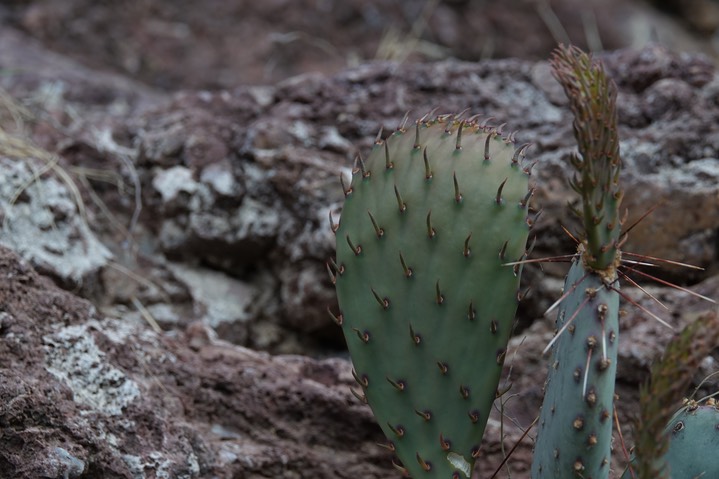
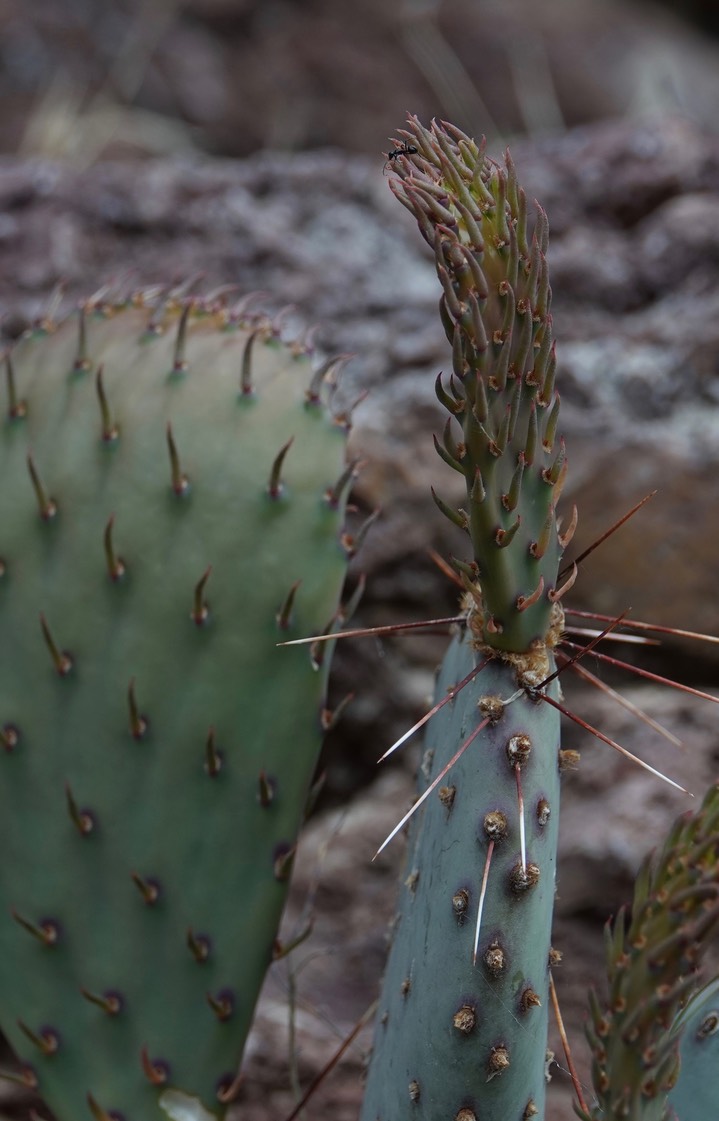
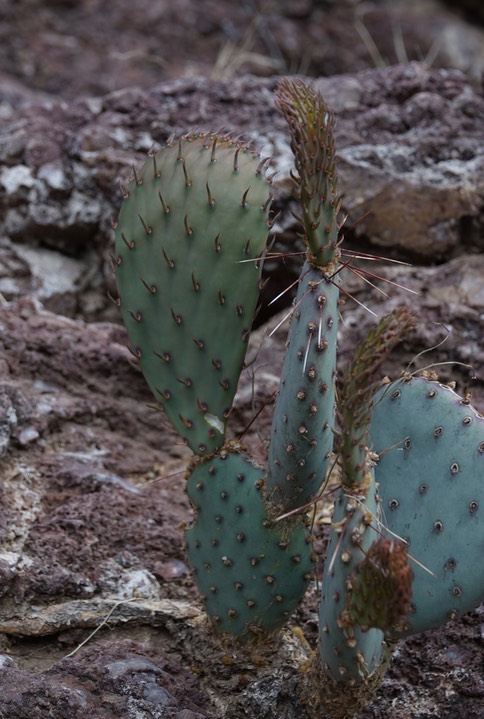
Opuntia phaecantha
Brown-spined Prickly Pear Cactus
East of Hillsboro
Black Range
New Mexico
August
Orobanche ludoviciana subsp. multiflora
Louisiana (Manyflower) Broomrape
Percha Box
East of Hillsboro
Black Range
New Mexico
August
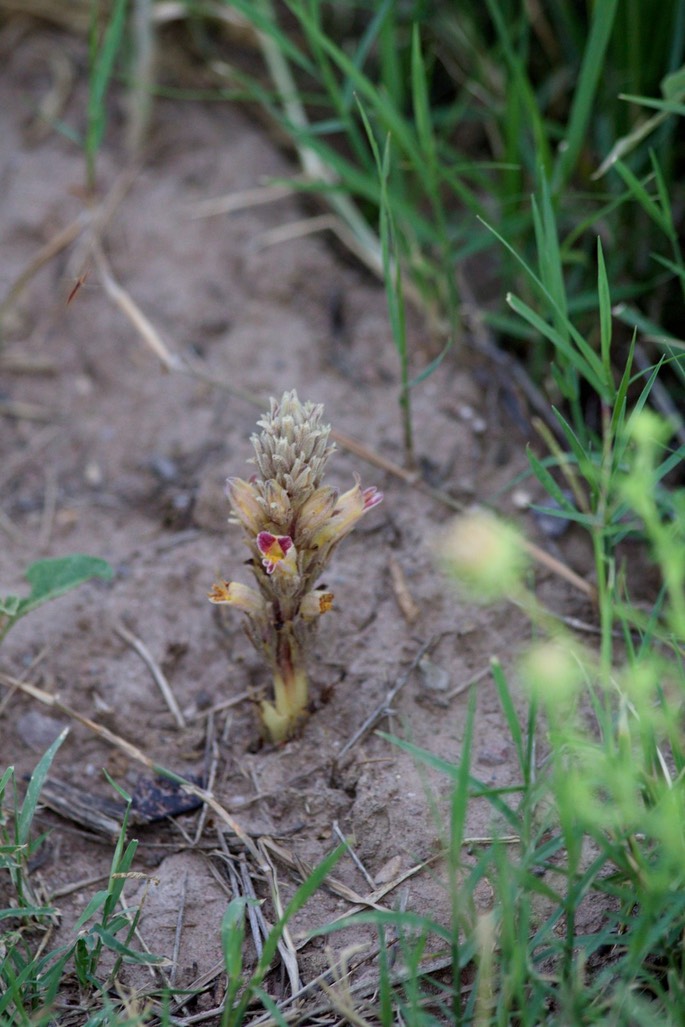
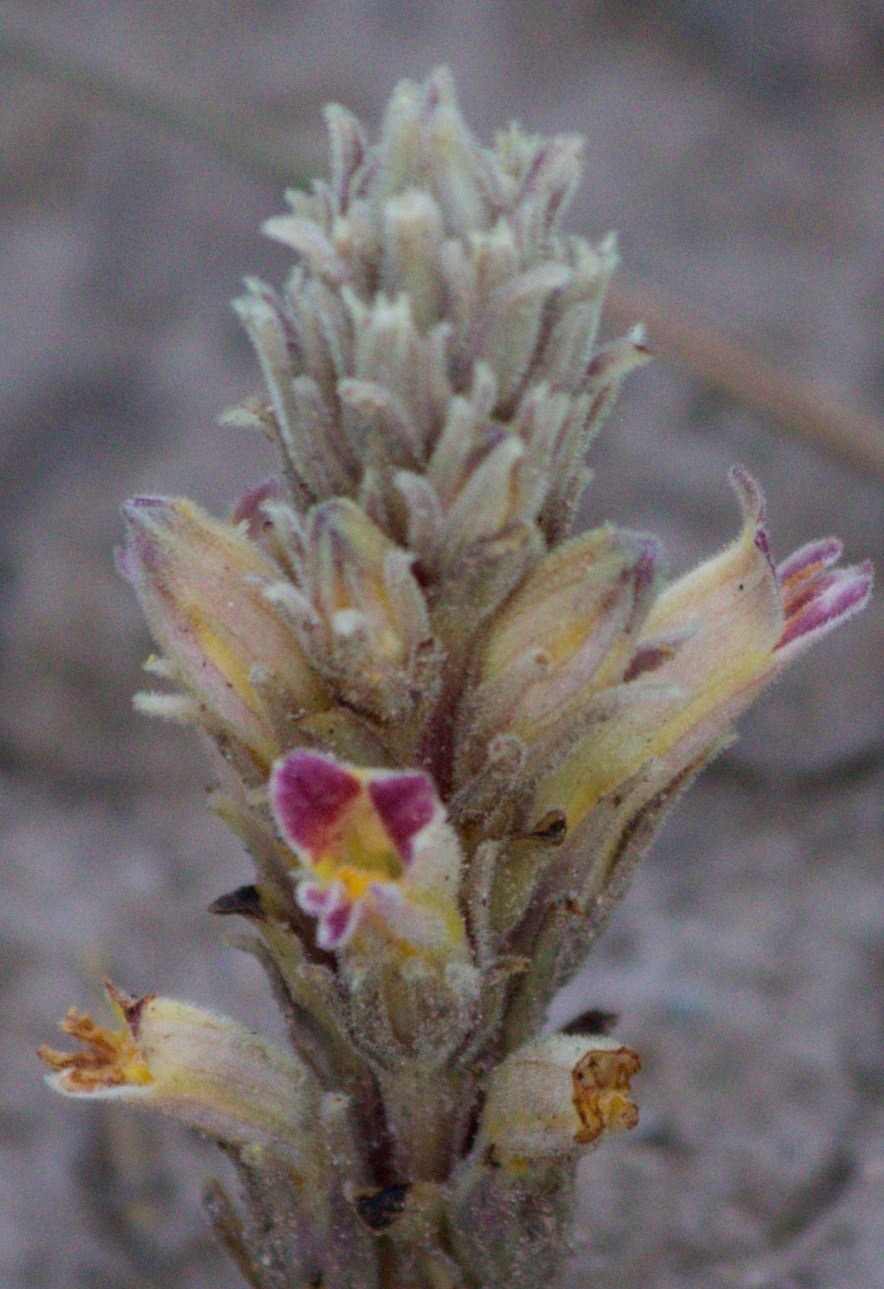
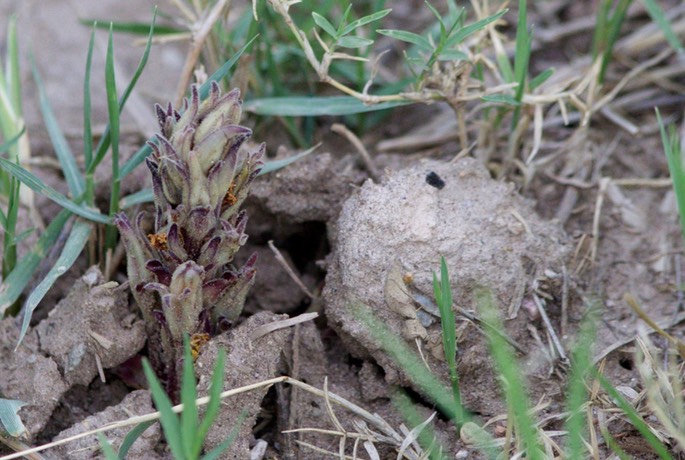
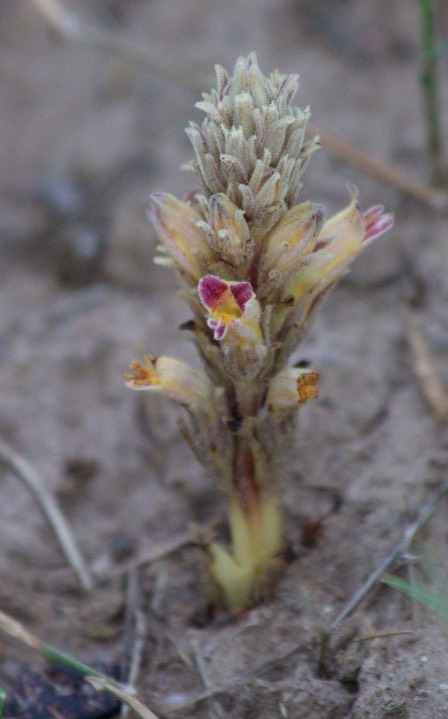
Sometimes a chance encounter can take you aback and cause a moment of reflection. That happened to me in August many years ago as I walked near the Percha Box, east of Hillsboro. I had been walking in the stream bed, jumping across the rivulets of water when I could and wading across when I could not. It had been raining all afternoon in the Black Range to the west and the falling water was getting closer and I was afraid that the running water that would go with it might be coursing down the creek at this very moment. Up on the bank I went, walking along a cow path and there in the sandy soil, on a bank that could wash away in any high water event, was a Manyflower Broomrape, Orobanche ludoviciana subsp. multiflora. Just as I started to take photographs of the Broomrape and its sibling nearby, the rain came, my hat came off to cover the camera and hat and camera went under my shirt for added protection. Then I trudged off up the stream, bent over to provide a bit more protection for the electronics, water streaming off the end of my nose.
As I walked along the stream, I mulled the life of a parasite - I’m not talking politics here. In many ways it is a difficult way to exist, the parameters of existence are so strongly defined by another being. When I am wet and slogging through sand and water I am prone to think about such things, I mean, no one else will... Well, in this case Artemisia carruthii (Carruth’s Sagewort or Sagebrush) which is a primary host of this broomrape, seems to be doing okay.
The common name of this species is Louisiana Broomrape (it is also the name of the nominate subspecies), as opposed to Manyflower Broomrape which is the name of the subject subspecies - there are only two subspecies. The range of the Louisiana Broomrape is more-or-less limited to the western part of the continent. Its range extends south into Mexico.
The subject subspecies, O. l. multiflora, was initially described by James Nuttall, as Myzorrhiza multiflora, it now has several scientific synonyms. Both subspecies are found in New Mexico.
Some people have roasted the roots and young stems of this species to eat and it has been prepared and used as a dressing for wounds and a treatment of ulcerated sores. In this case, especially, care should be taken before eating or using this plant. Parasitic plants absorb a variety of substances from their host (in this case, members of the Aster family in general and the genus Artemisia specifically), creating a substantial uncertainty about toxicity (among other things).
A specimen of this species was collected in Sonora as part of the survey for the International Boundary Commission of the United States and Mexico, on August 28, 1893. The specimen was collected by E. C. Merton in Guadalupe Cañon (a very famous birding area). In his 1907 publication Mammals of the Mexican Boundary of the United States, Bulletin 56 of the Smithsonian Institution, Edgar Alexander Mearns described Ernest C. Merton’s role as “acting hospital steward. U. S. Army. Collected plants between the San Pedro River and Dog Spring (Monuments Nos. 98 to 55) from August 1 to September 23, 1893.” (p. 6 and again at p. 130) Merton is referenced in other parts of the report as well:
“On September 27, accompanied by Hospital Steward Ernest C. Merton, I rode to the forks of Cajon Bonito Creek and camped there for the night, returning to Lang’s Ranch September 28, after exploring a greater extent of the upper portion of the Cajon Bonito Valley than had hitherto been done. At this period the dreaded Apache Kid’s band of Indians was present in the neighborhood. On September 24 by men obtained the skull of a puma which had just been skinned by these Indians, the puma’s body being still warm when the soldier’s found it. Steward Merton came upon the Indian camp in a canyon on Cajon Bonito Creek on the night of September 27, but fortunately avoided observation and succeeded in reaching my camp during the night, although a severe storm was in progress and the streams swollen.” (pp. 15 - 16)
“No more were seen by me until October 3, 1893, when Hospital Steward E. C. Merton brought me another” (Colorado River Toad, Incilius alvarius, at that time described as Bufo alvarius) “that he had just caught at a spring situated between Monument No. 73 and Cajon Bonito Creek, in Sonora Mexico.” (p. 114)
To his credit, Mearns, who is a “big name” in the natural history of this region seemingly was more than willing to give credit where credit was due. Mearns’ collection sheet has Mearns name crossed out and Merton inserted.
There is little else known about Merton (that I have found). But for the willingness of Mearns to recognize the efforts of others he would be just another lost name in history.
Oxalis decaphylla
Tenleaf Woodsorrel
Railroad Canyon
Black Range
New Mexico
July
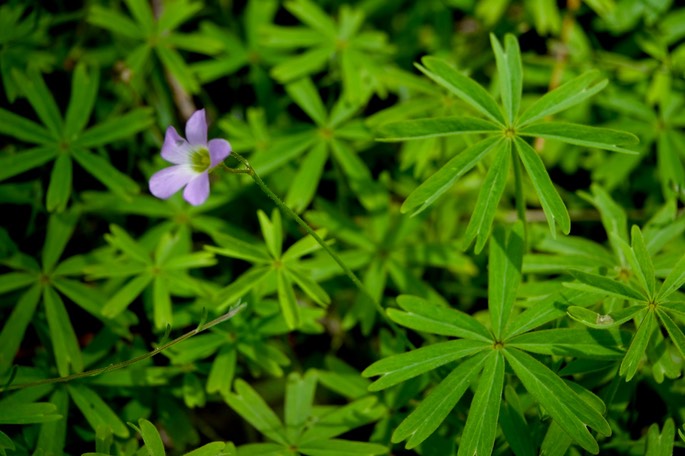
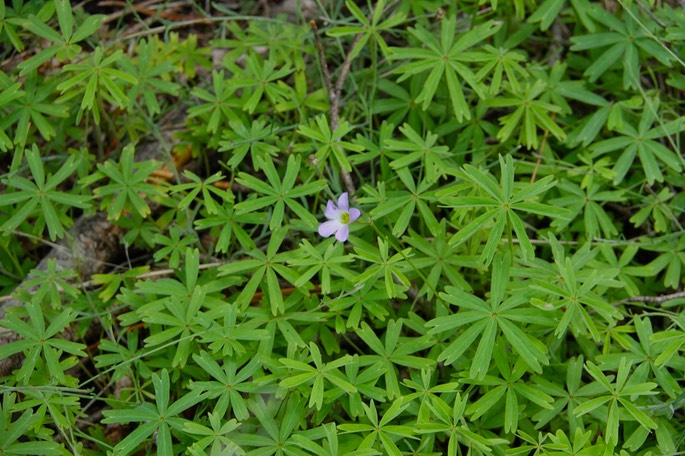
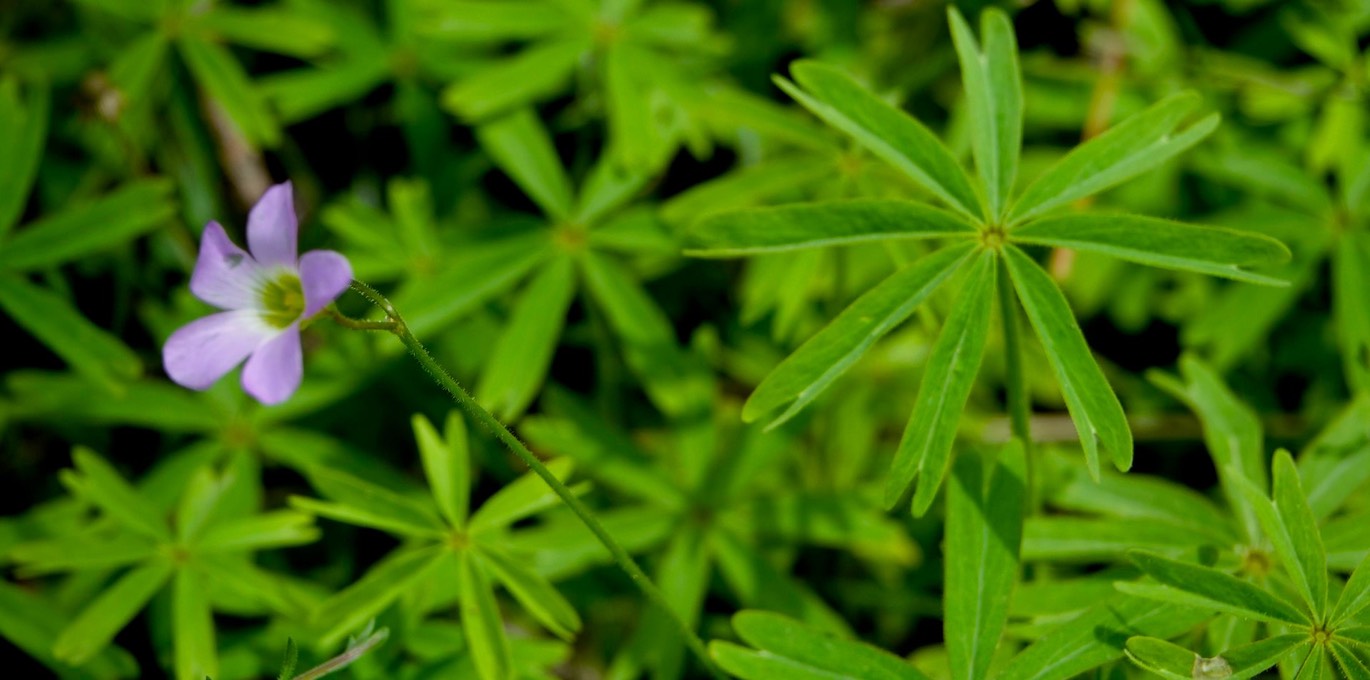
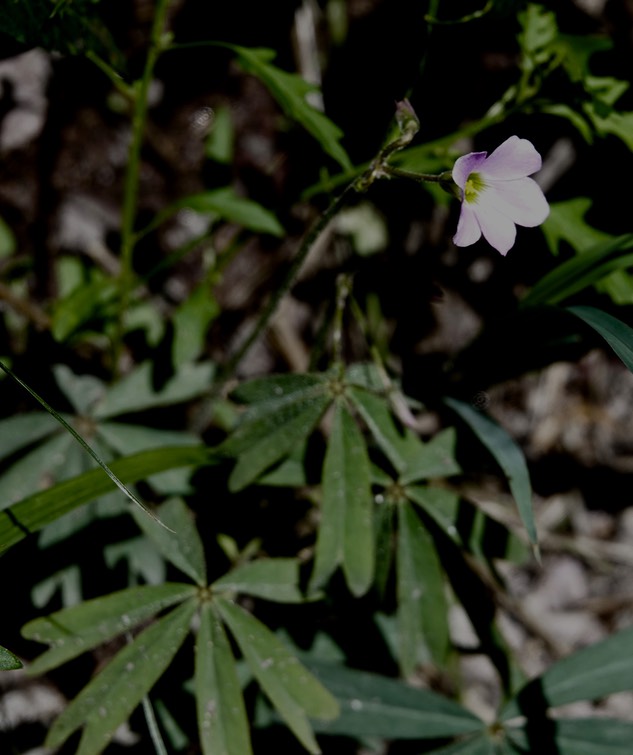
Oxalis decaphylla, Tenleaf Woodsorrel, definitely breaks the mold of “three-leaf clover” foliage which I associate with the genus. In the United States, it has a very limited range (New Mexico and Arizona). In Mexico its range is limited to the central mountain range of the country.
Scientific synonyms for this species include Acetosella decaphylla (Karl Eduard Kuntze - 1891), Oxalis jaliscana, Oxalis grayi (Rose), and Ionoxalis decaphylla (Joseph Nelson Rose - 1906). Other common English names for this species include Ten-leaved Pink-Sorrel and Gray’s Woodsorrel. Its current description was made by Karl Sigismund Knuth in 1822.
Oxalis metcalfei
Alpine Woodsorrel
Sawyers Peak Trail
Black Range
New Mexico
August
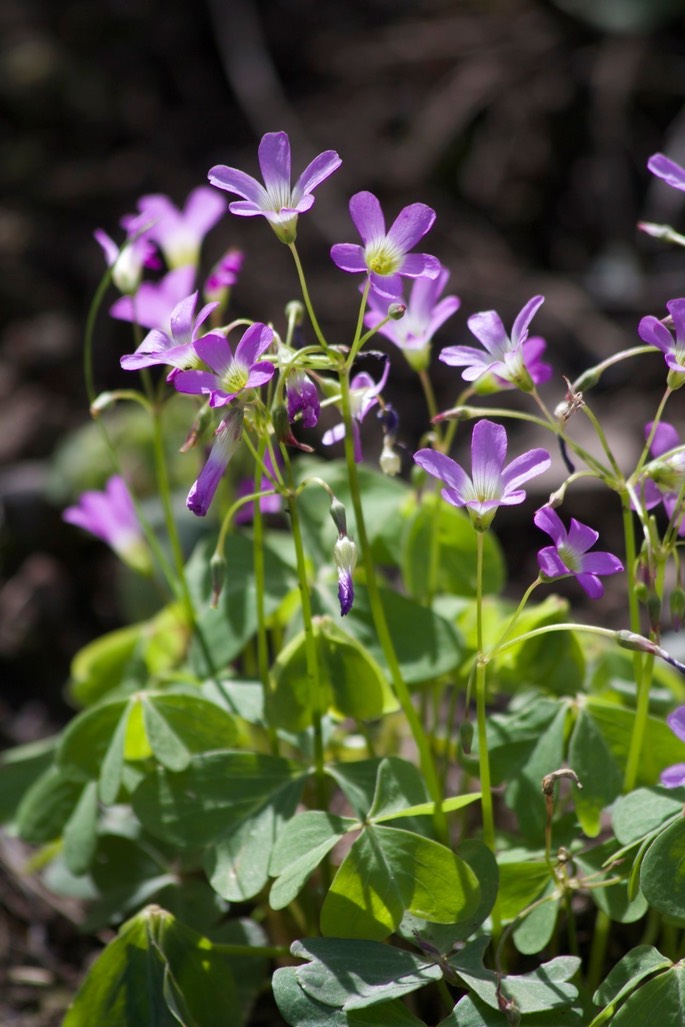
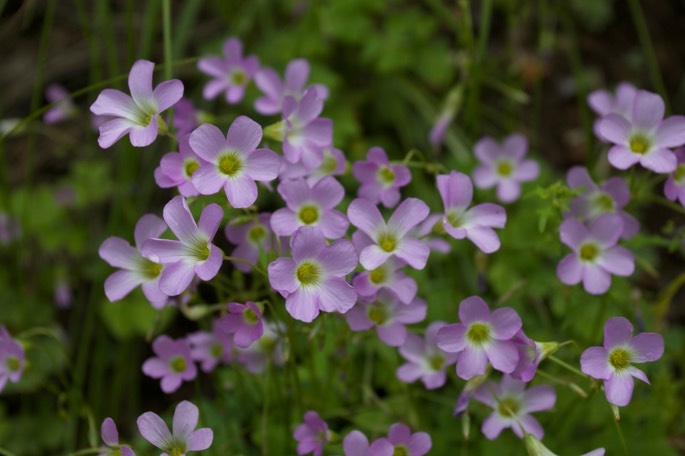
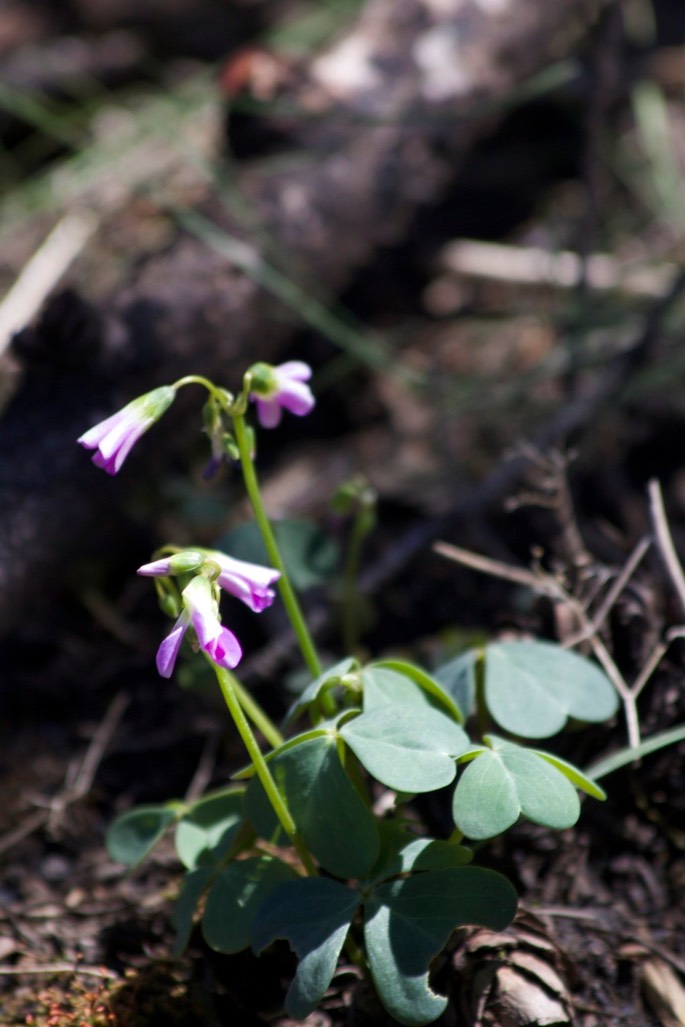
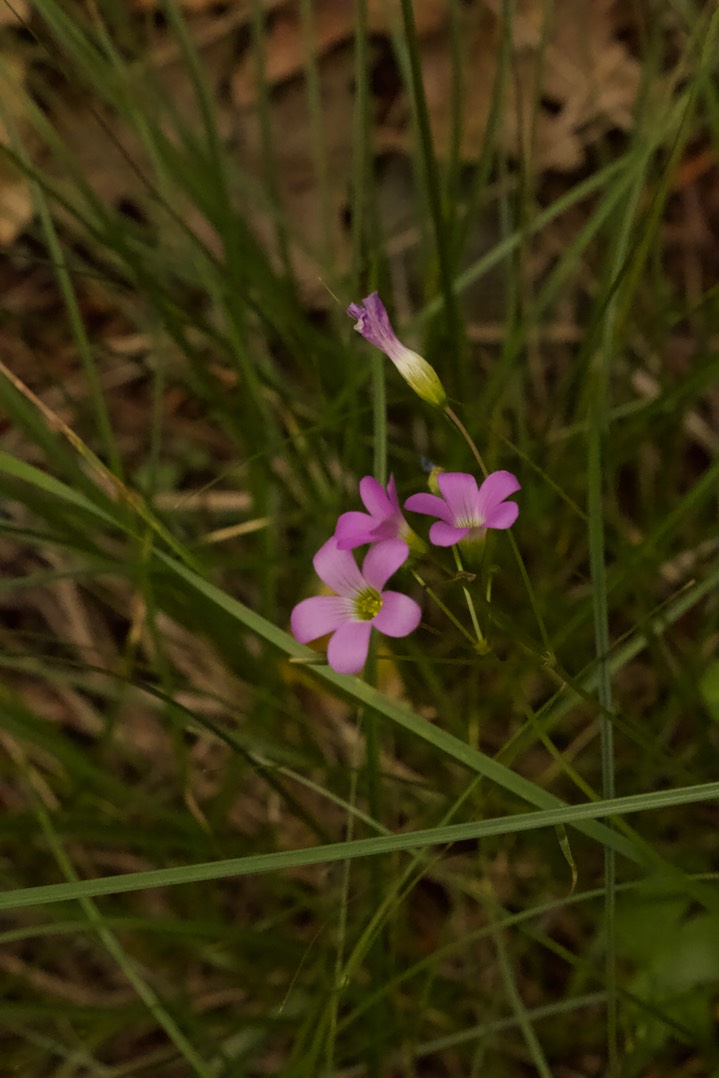
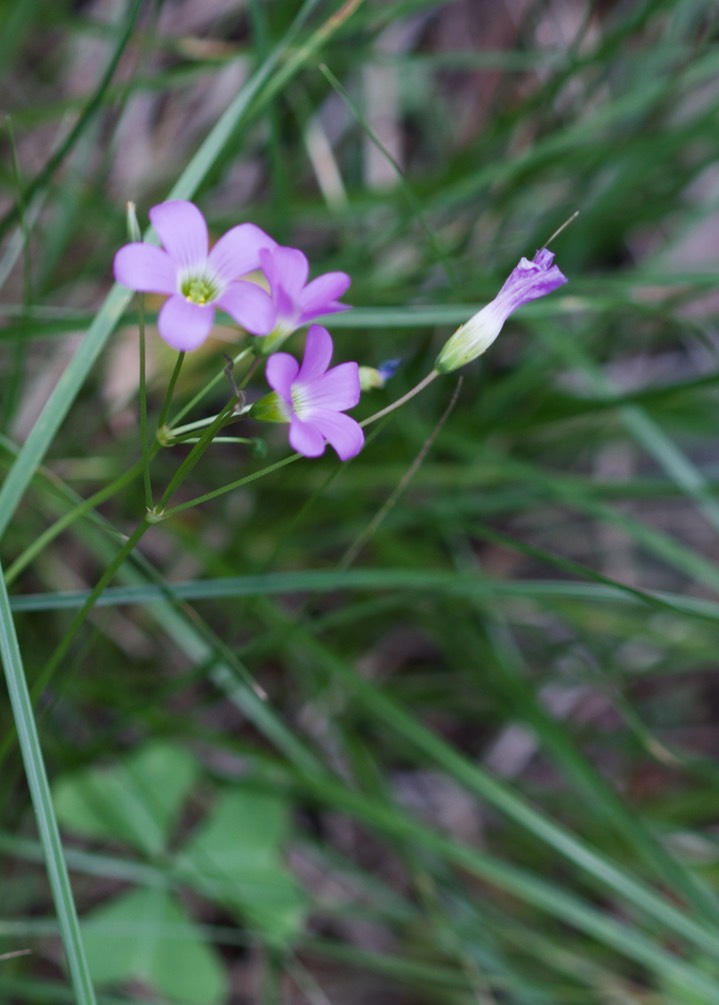
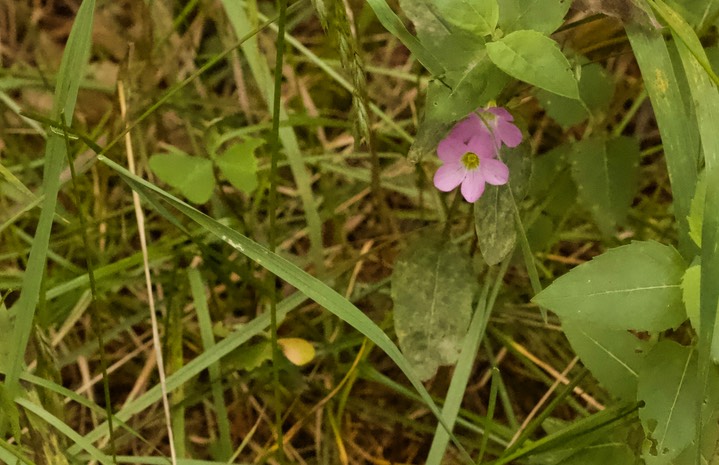
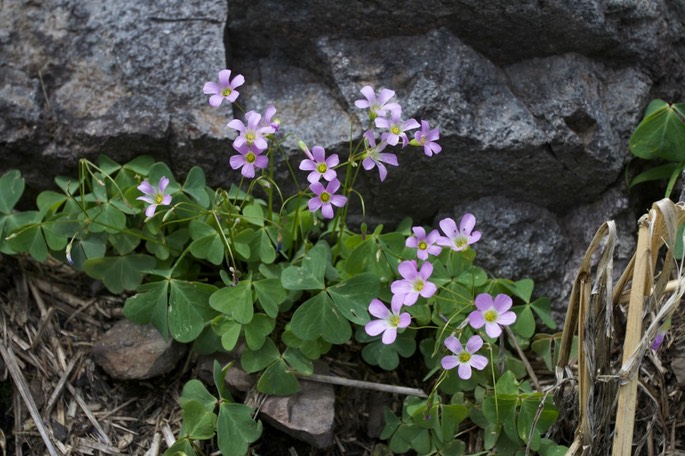
Oxalis was blooming profusely in August a few years ago when these photographs were taken. In identifying these plants to species I considered O. metcalfei and O. violacea. O. violacea was eventually ruled out because the plants we were seeing had "two distinct orange tubercles at the apex of the sepal" (not visible in these photographs). In the Vascular Plants of the Gila entry (one of the first sources I review when identifying plants in this region) there is a distinction between O. metcalfei and O. alpina - the distinction being that O. alpina (Alpine Woodsorrel) grows at higher elevations. It is with some difficulty that you get to elevations in the Black Range that are higher than the Sawyers Peak trail. But I found specimen records which reported to be O. metcalfei at higher elevations in the range. Then a bit of luck, I began to wonder if the two had been lumped into one species, which after more research proved to be the case. I still do not know if there is some distinction between O. metcalfei and O. alpina (subspecies? variants less than subspecies?) but at least I can call the plant to species.
I also photographed this species at Iron Creek Campground in the Black Range in September and revisited this speciation issue. The species name on this page has been changed from O. alpina to O. metcalfei. Flora of North America notes: "Oxalis metcalfei has mostly been identified as O. alpina (Rose) Rose ex R. Knuth, but the latter is a species of south-central Mexico, far from the populations in northwestern Mexico and the southwestern United States. Oxalis alpina has leaflets with dotlike oxalate deposits scattered throughout the lamina, concentrated near margins, or as continuous, filiform marginal bands around the lobe apices; the corollas usually are white. Oxalis metcalfei is consistently different in the nature of its foliar oxalate deposits and the corollas usually are purplish to lavender or pink."
Oxytropis lambertii
Purple Locoweed
Sawyer Peak Trail
Black Range &
East of Hillsboro
New Mexico
April
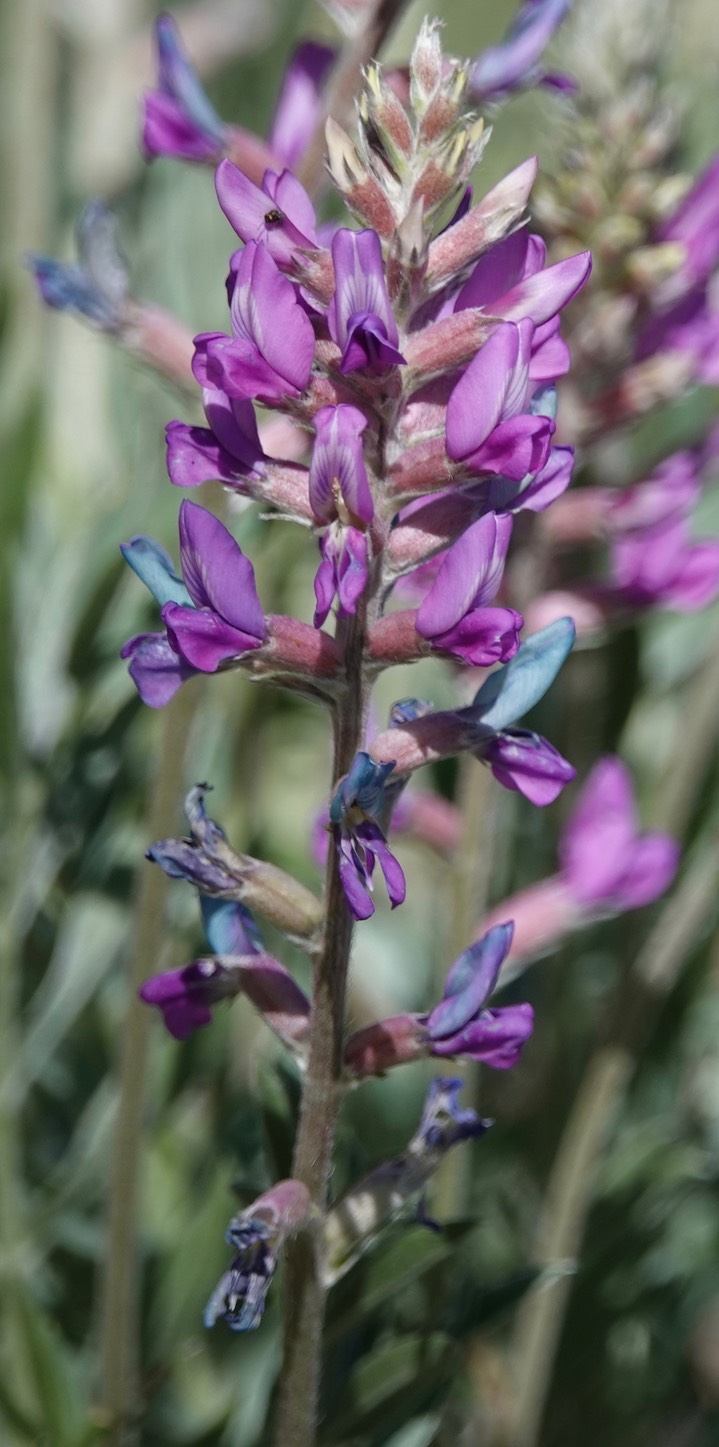
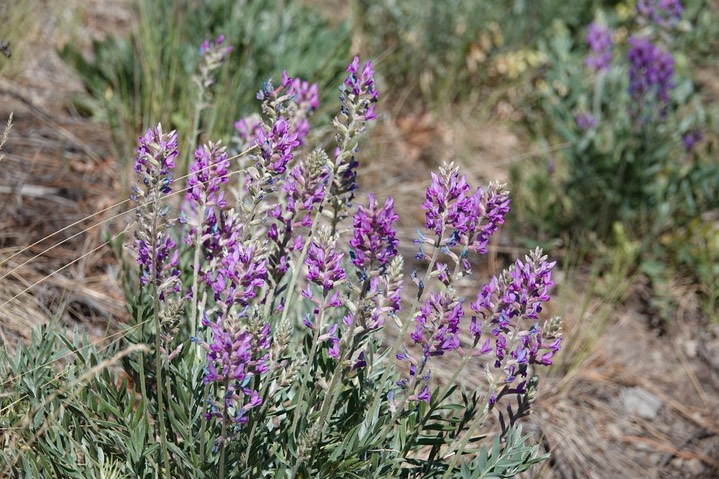
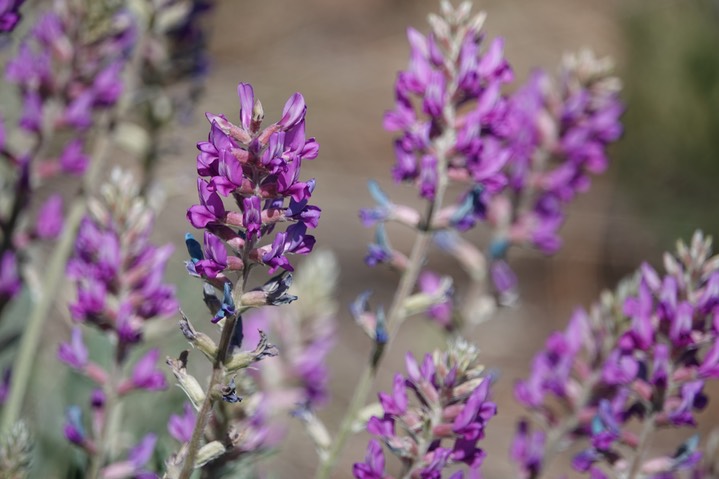
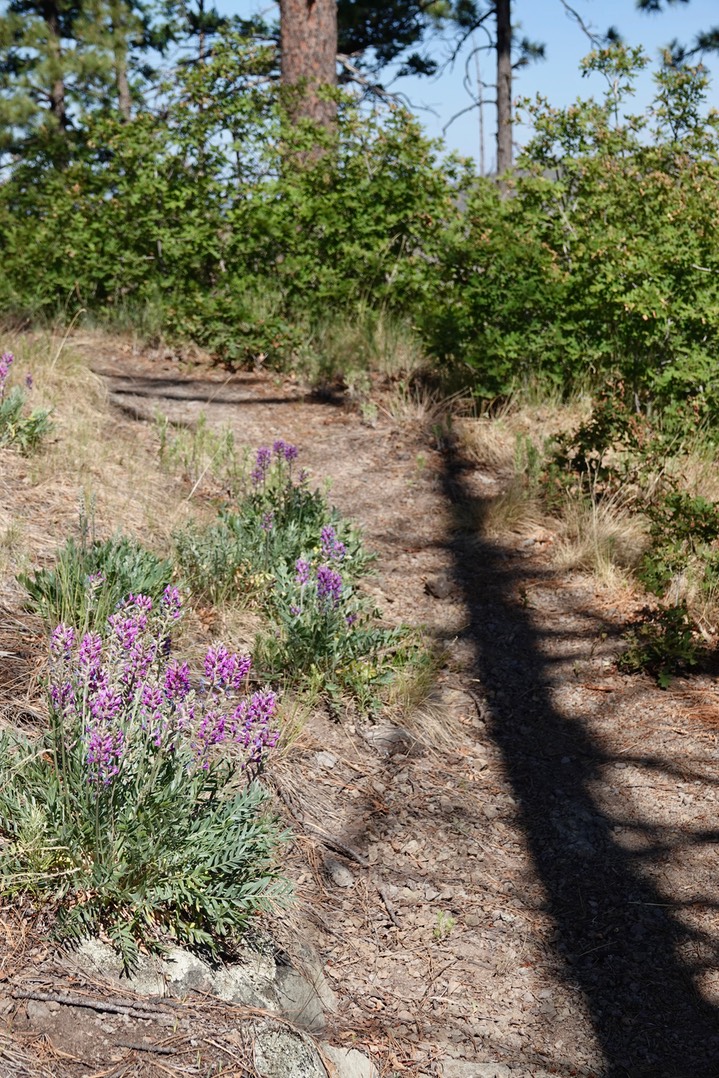
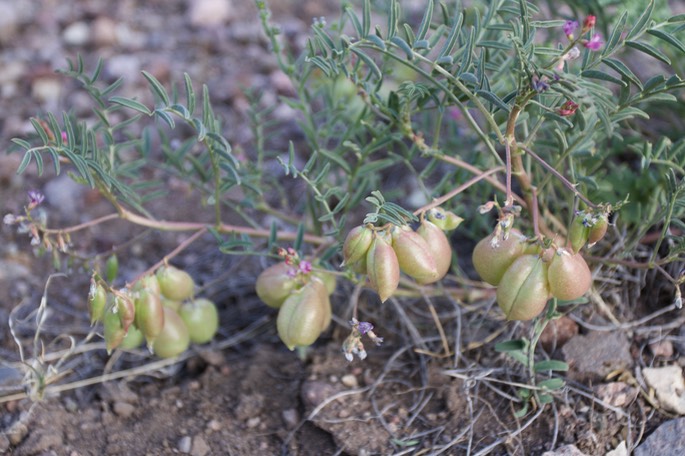
There are two species of Oxytropis found in April in the Black Range. The one depicted here is Oxytropis lambertii (Purple Locoweed, Woolly Locoweed, or Lambert Crazyweed). Locoweed produces a bladder seedpod. Like Oxytropis sericea, Oxytropis lambertii, is poisonous to cattle - maybe. The “maybe” comes from recent research which indicates that the plant itself may not be poisonous. This line of research seems to indicate that an endophytic fungi, which sometimes inhabits the plant, may be the culprit. This fungus, of the genus Embellisia is known to produce swainsonine.
The range of Oxytropis lambertii within the lower 48 of the United States runs from north to south in the eastern Rocky Mountains and through the Great Plains.
Oxytropis sericea sericea
White Locoweed
East of Hillsboro
Black Range
New Mexico
April
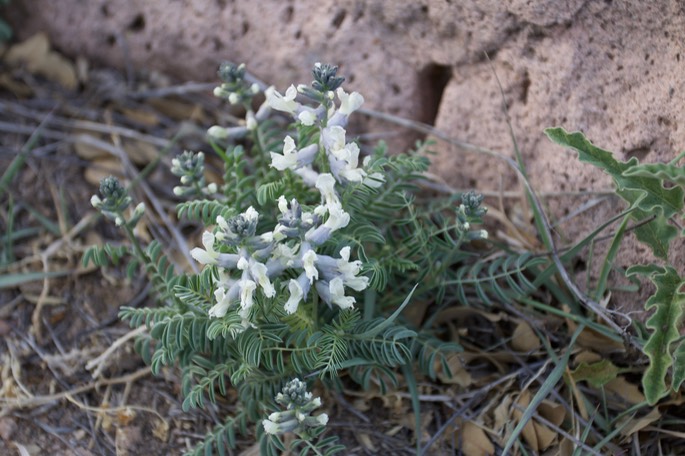
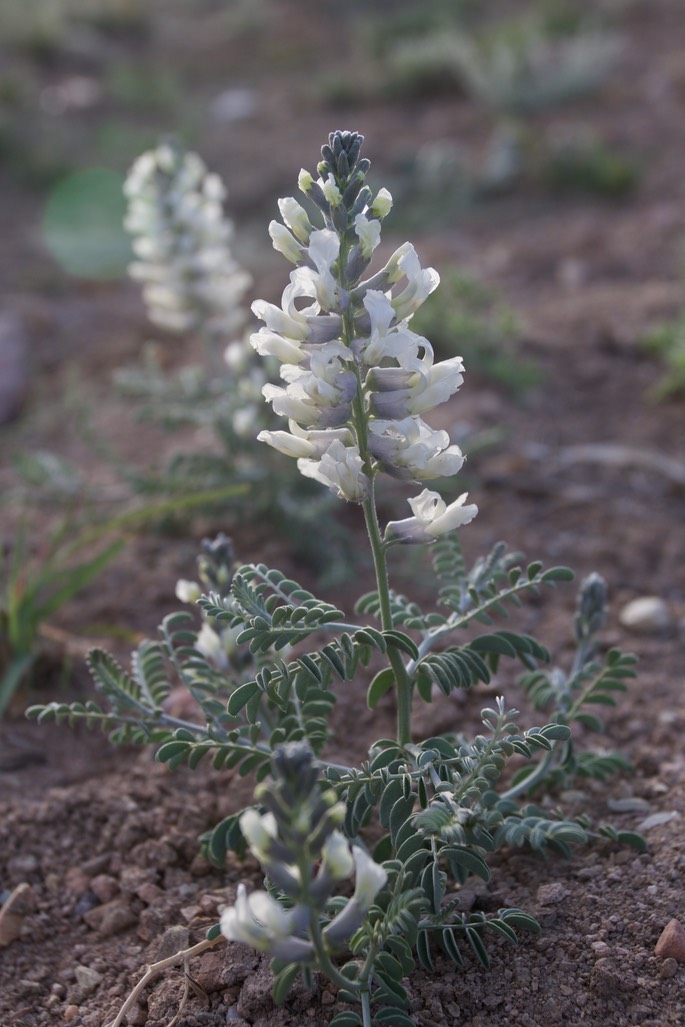
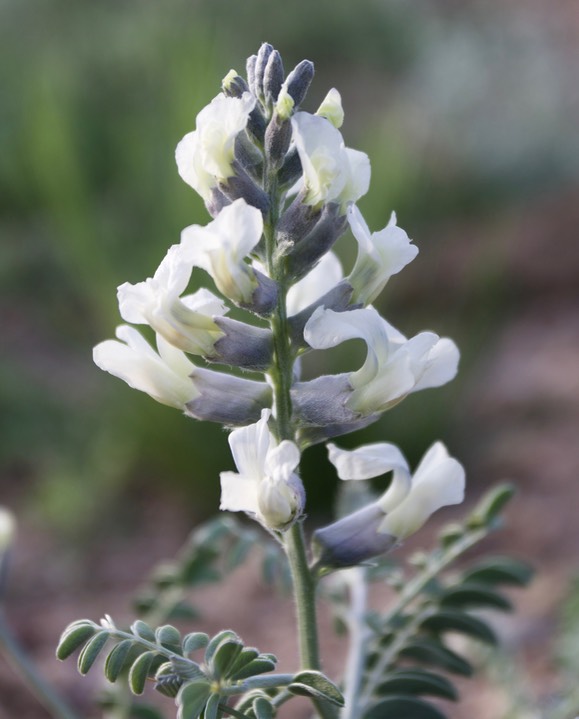
Oxytropis sericea sericea, or White Locoweed (also - White Point-Vetch, Whitepoint Crazyweed, and Silky Crazyweed) is a white flowering legume. Oxytropis pinetorum is a scientific synonym for this species.
It is a common cause of livestock poisoning, causing locoism which is a neurological condition (however, see note about Oxytropis lambertii). The active agent in the plant is an alkaloid named swainsonine. As with many alkaloids, in can be addictive. Ingestion causes a full range of terrible symptoms which can end in death, but generally only after significant rates of consumption over a period of one to three months. The flowers, which cattle seem to prefer, have a higher concentration of swainsonine than do the leaves. These traits have been problematic for some cattlemen.
The range of the species is similar to that of Oxytropis lambertii.