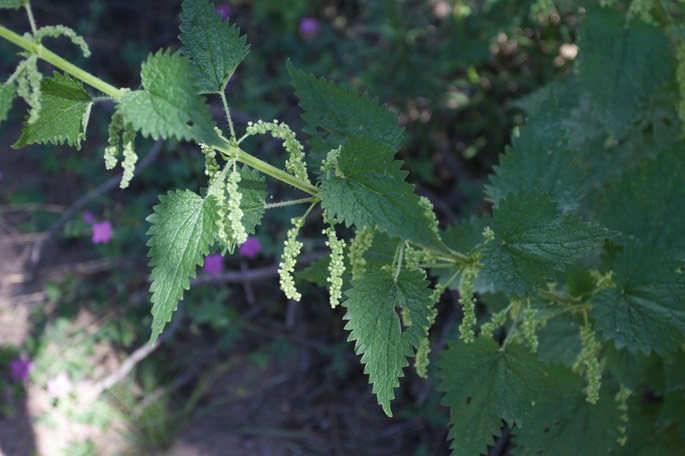
Urtica gracilenta
Mountain Nettle
Carbonate Creek Canyon
Black Range
New Mexico
August
The “FLORA" of the Black Range
“U-V"
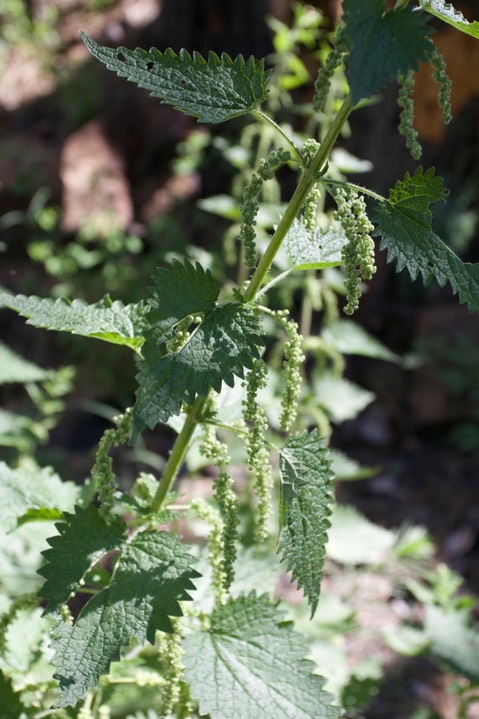
Urtica gracilenta
Mountain Nettle
Carbonate Creek Canyon
Black Range
New Mexico
August
There are two possible nettles in our area, the Mountain Nettle, Urtica gracilenta, - which is pictured here has broader leaves than does the Stinging Nettle, Urtica dioica subsp. gracilis.
Stinging nettles typically grow in stands, often between where you are and where you want to go, I am not sure how the plant(s) are able to discern the best possible patch to grow in to create the best obstruction, or why they wish to - but they do.
The range of the Mountain Nettle is fairly restricted, it is found only in Northern Mexico and in the southwestern United States (Arizona, New Mexico, Colorado, and southwest Texas. It tends to grow between the elevations of 3,900’ and 8,300’ along streams and in shade.
This species was first described by Edward Lee Greene in 1881. The specimen used in the description was collected by Henry Hurd Rusby earlier in 1881. In addition to collecting many species which were first described by others, Rusby is credited with the initial description of 1,648 species.
Vachellia constricta
Whitethorn Acacia
Warm Springs Wash
East of Hillsboro
Black Range
New Mexico
June
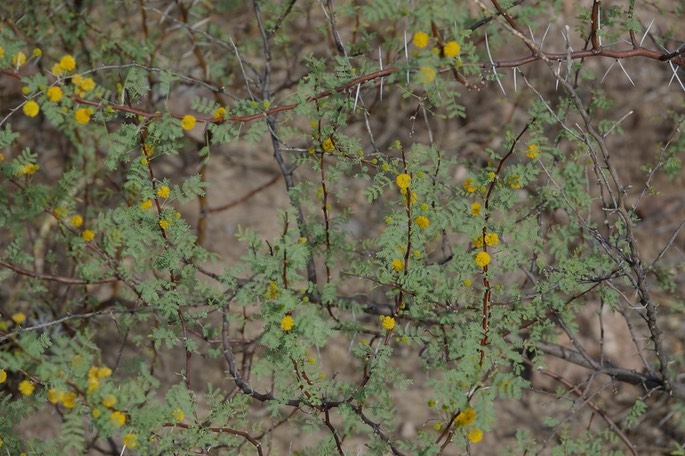
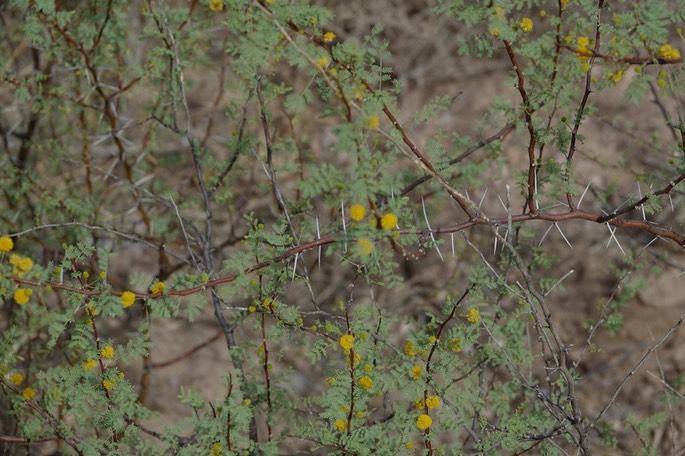
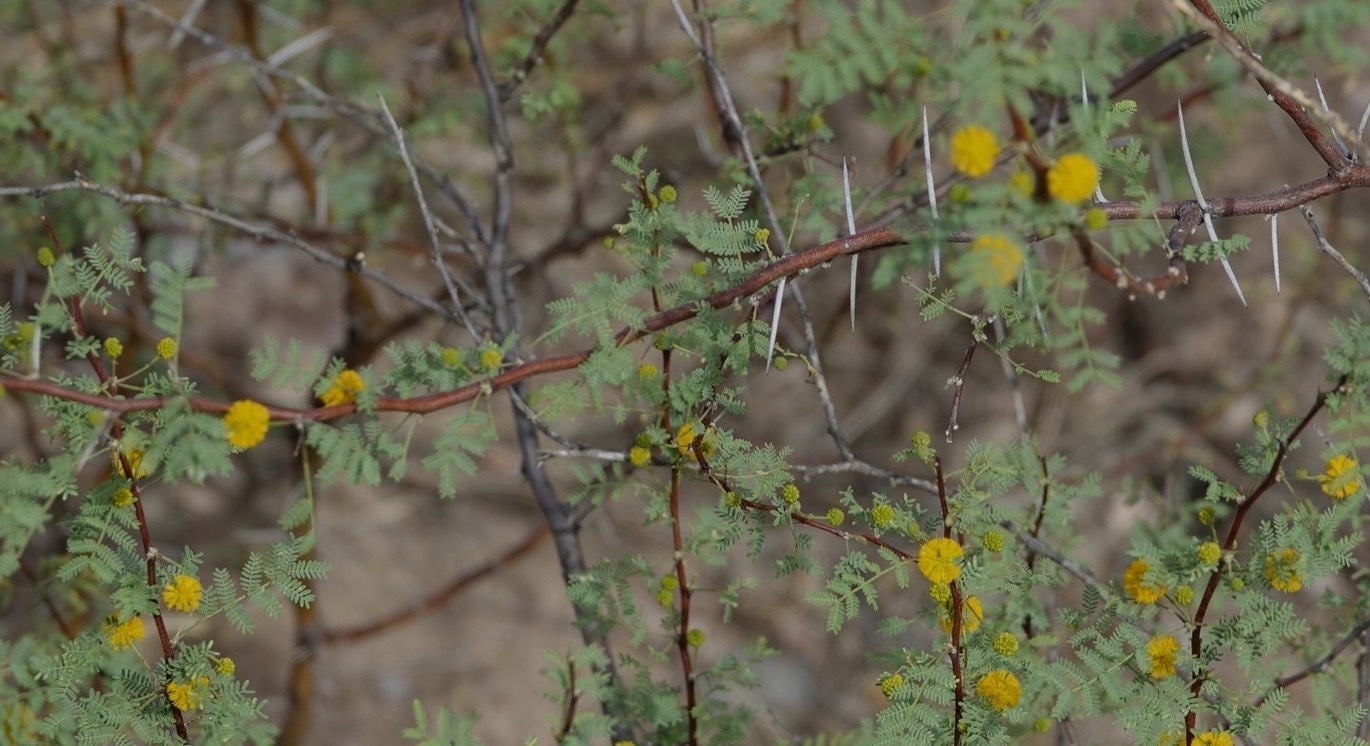
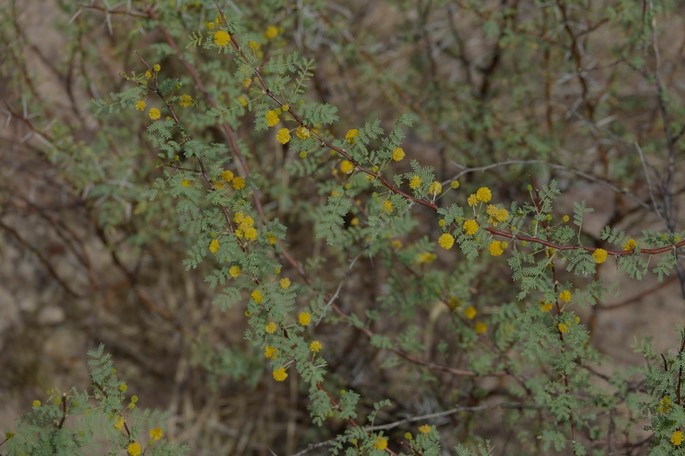
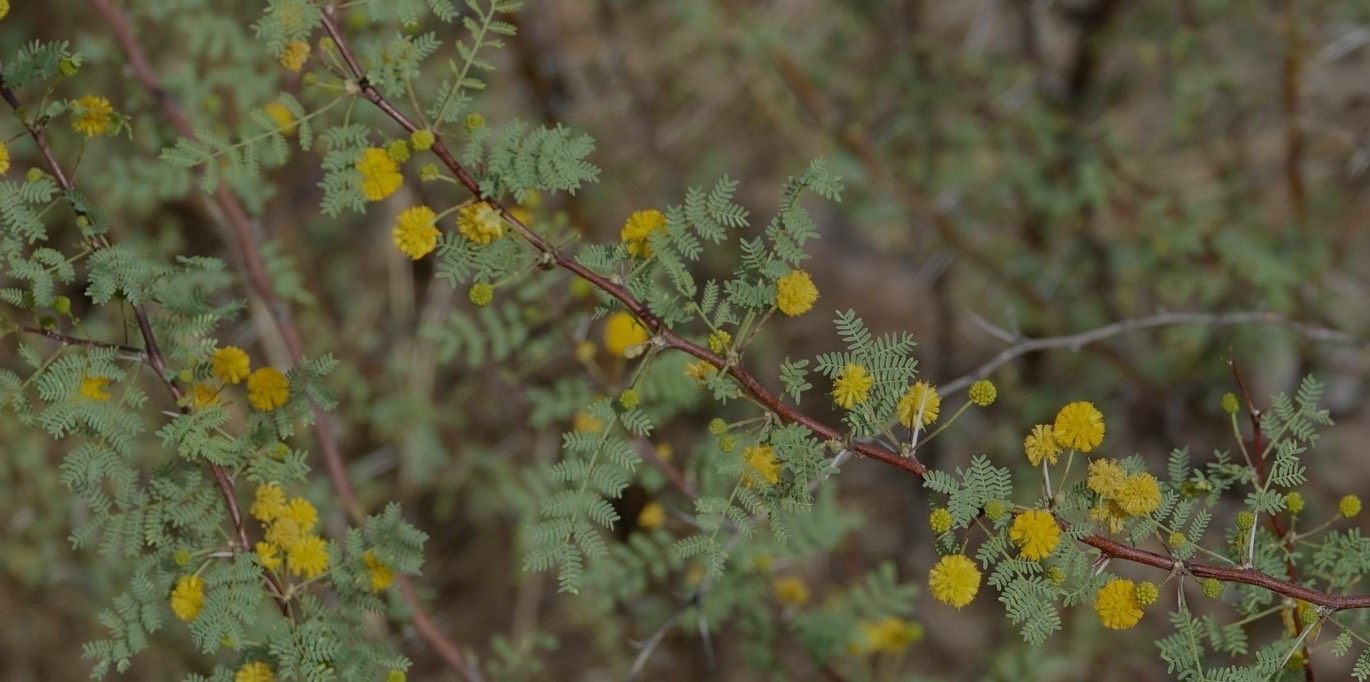
The Acacias, Mimosas, and other thorny things can be difficult to tell apart until they bloom. The Whitethorn Acacia photographs shown here were taken in June east of Hillsboro in Warm Springs Wash. This species is found in Arizona, New Mexico, Texas, and a disjunct population in Virginia and Maryland. Within Mexico it is found as far south as Oaxaca, including small populations in the states of the Baja Peninsula.
In the past this species was named Acacia constricta. It was first described by George Bentham, a truly remarkable botanist. In the late 1870’s he noted that “We cannot form an idea of a species from a single individual, nor of a genus from a single one of its species. We can no more set up a typical species than a typical individual.” Perhaps a statement that does not ring with profound thought in our era but one of great substance in his. In 2006 it was redescribed into its current genus by David Standley Seigler and John Edwin Ebinger.
Valeriana arizonica
Arizona Valerian
Black Range Crest
Black Range
New Mexico
May
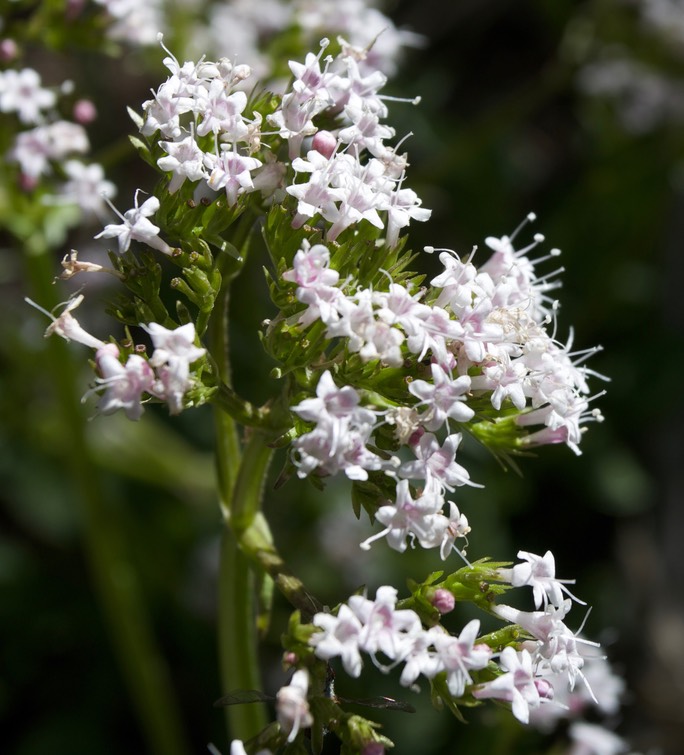
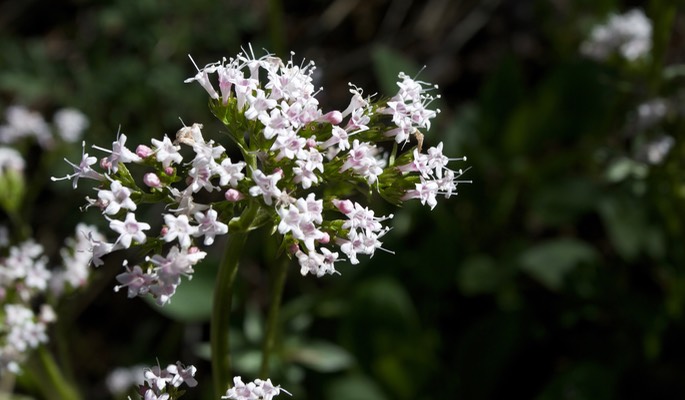
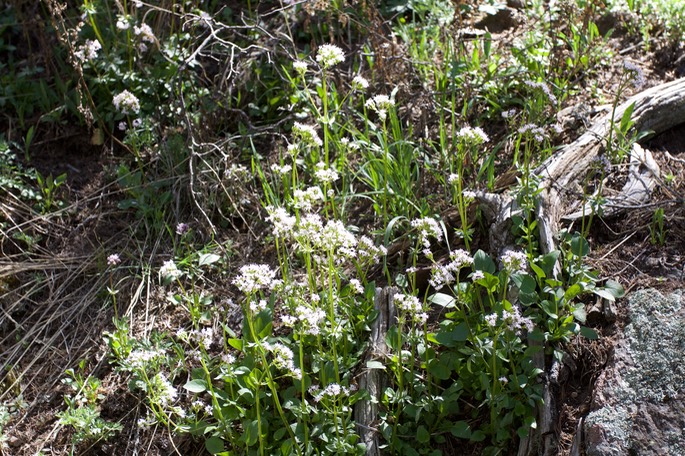
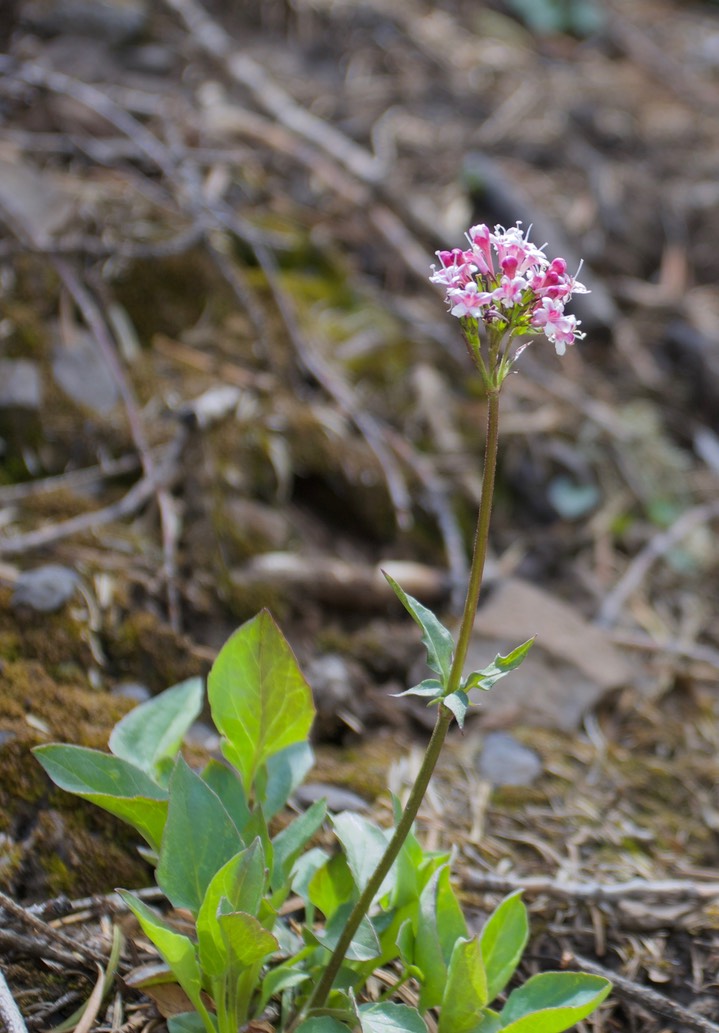
Arizona Valerian, Valeriana arizonica (synonyms - Valeriana acutiloba var ovata and Valeriana ovata) is one of the earliest (April) flowers to bloom in the Black Range, especially at altitude. It is also called Arizona Tobaccoroot. It was first described by Asa Gray while Per Axel Rydberg described V. acutiloba & V. ovata. Rydberg (1860-1931) is a renowned American botanist with numerous publications and scientific endeavors to his credit.
This species is found in most of Arizona and New Mexico and small portions of Colorado, Texas, and Utah in the United States and in several states in northern Mexico, generally at elevations between 4,500’ and 8,000’. The specimen shown in these photographs was found at close to 10,000’.
“Several Valerian species have sedative properties in their roots. Roots have been used medicinally to treat against restlessness, sleeplessness, minor nervous conditions, and symptoms of menopause, anxiety related to premenstrual syndrome, gastrointestinal pain and spastic colitis.” (Van Wky, B., & Wink, M; Medicinal Plants of the World; Timber Press; Portland, Oregon; 2004).
Verbascum thapsus
Mullein
Middle Percha
Black Range
New Mexico
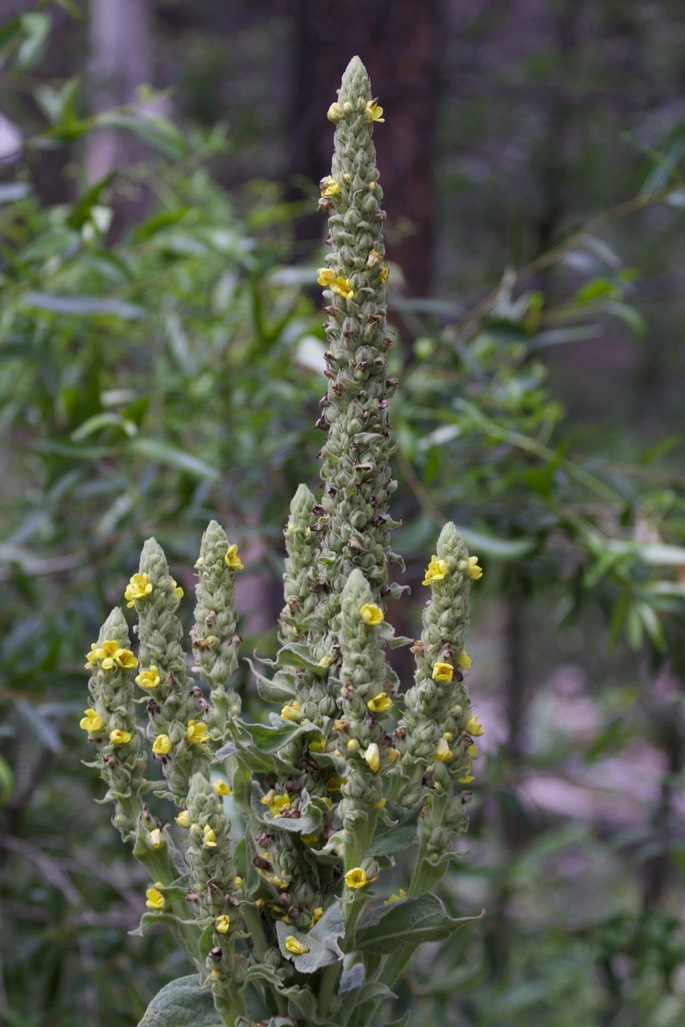
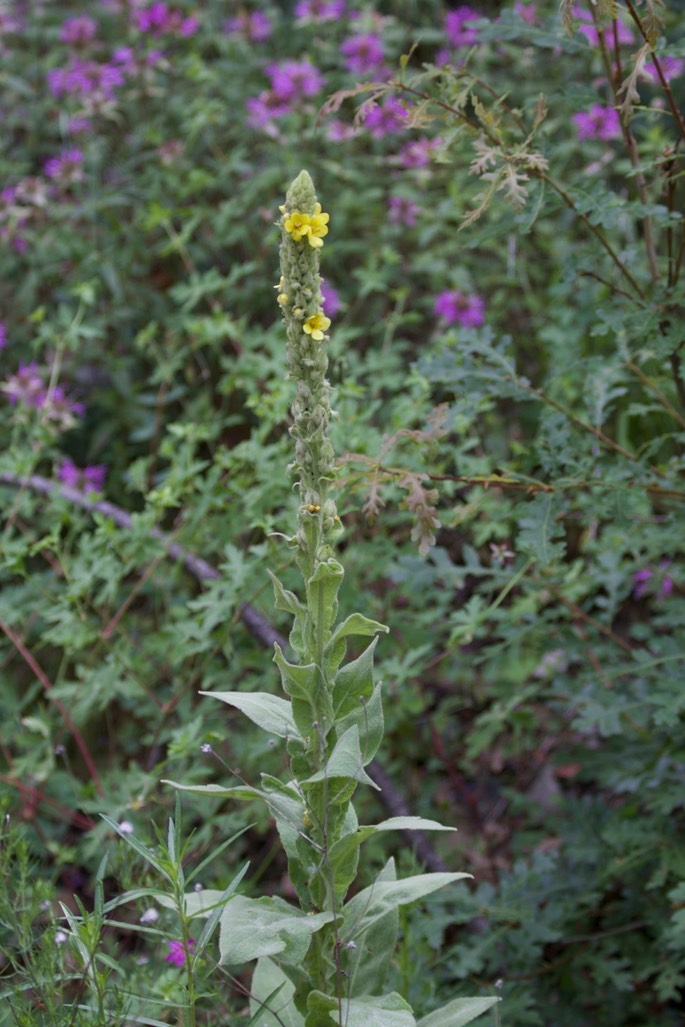
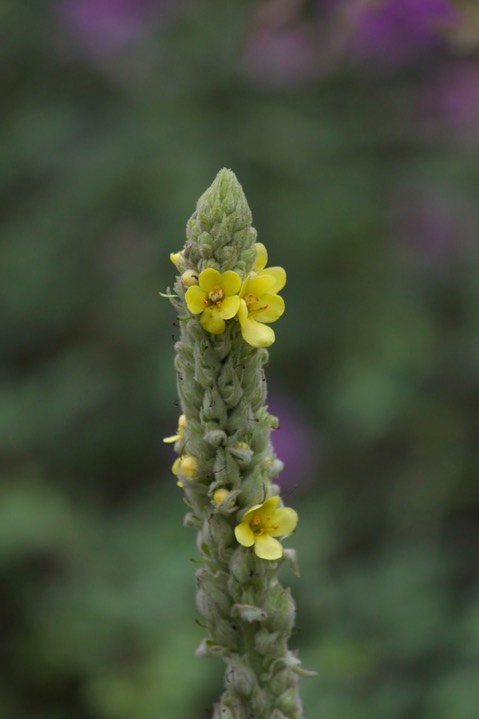
Verbascum thapsus, Mullein, is a wide ranging common plant which is easy to identify. The leaves of this species are large and wooly, the inflorescence is a spike of yellow flowers which often towers above anything around it. It is so ubiquitous that it can be easy to forget that this is an exotic. It is native to Eurasia and Northern Africa.
Mullein (a.k.a. Common Mullein and Great Mullein) is generally found in sunny spots since it is intolerant of shade. This species produces many seeds and once established, a population, will generally sustain itself quite well.
There are three recognized subspecies and several known hybrids.
Traditionally, this species has been used for a variety of medical purposes since it is both an emollient and astringent. It was first introduced in North America in the early 1800’s, by 1839 it had spread westward to Michigan, and by 1876 to California. The Native American Ethnobotany site has over 99 listings for the species, indicating that Native Americans quickly utilized its medicinal properties.
Veronica anagallis-aquatica
Water Speedwell
Trail 134
Black Range
New Mexico
April
Vicia americana
American Vetch
Railroad Canyon
Black Range
New Mexico
May
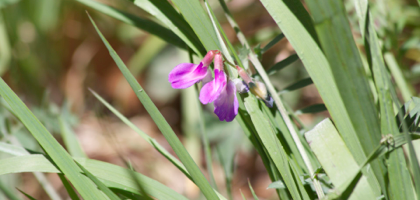
There are many pea-like plants in the Black Range. One, Vicia americana, American Vetch or Purple Vetch, is common in much of the “lower 48” of the United States. This species is also found in much of Canada and Alaska.
Scientific synonyms for this species include V. caespitosa, V. dissitfolia, V. linearis, V. oregana, and V. sparsifolia.
Vicia pulchella
Sweetclover Vetch
Black Range Crest Trail
Black Range
New Mexico
August
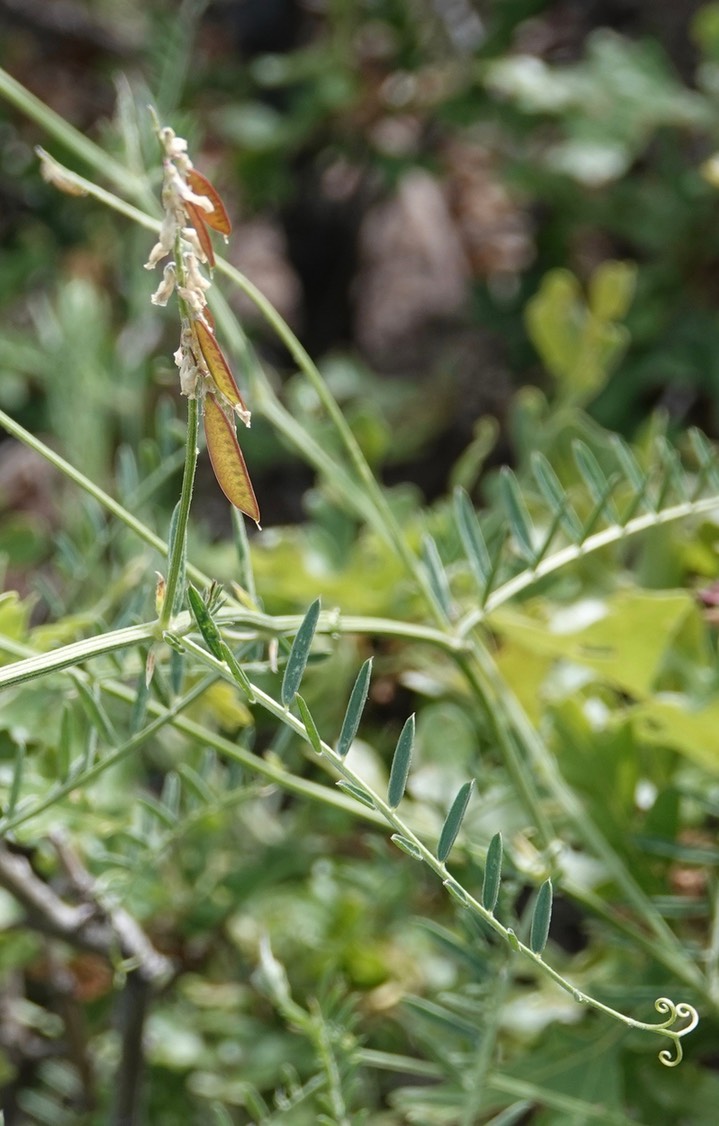
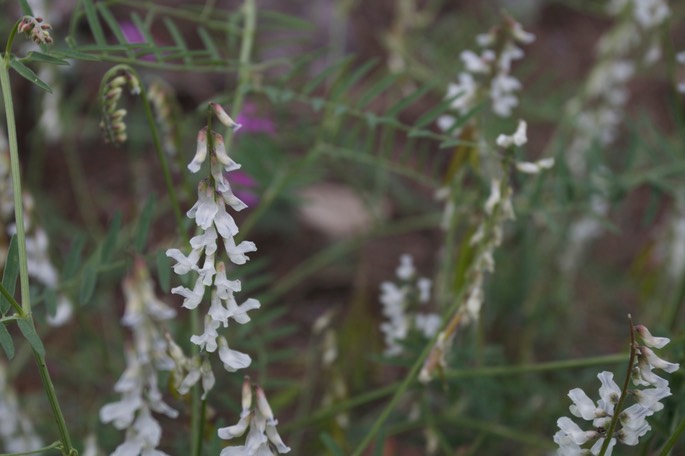
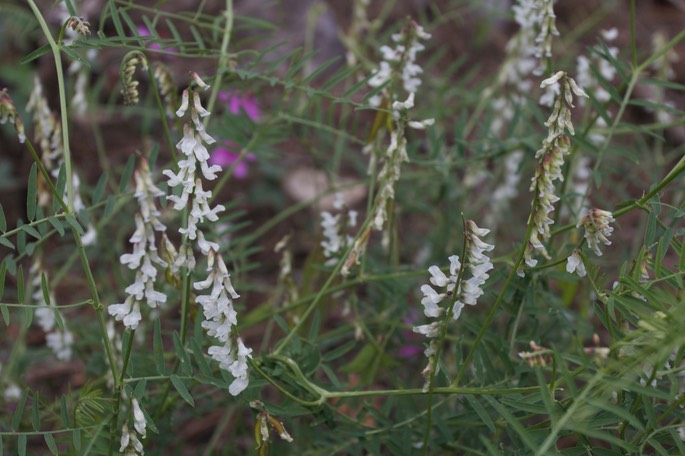
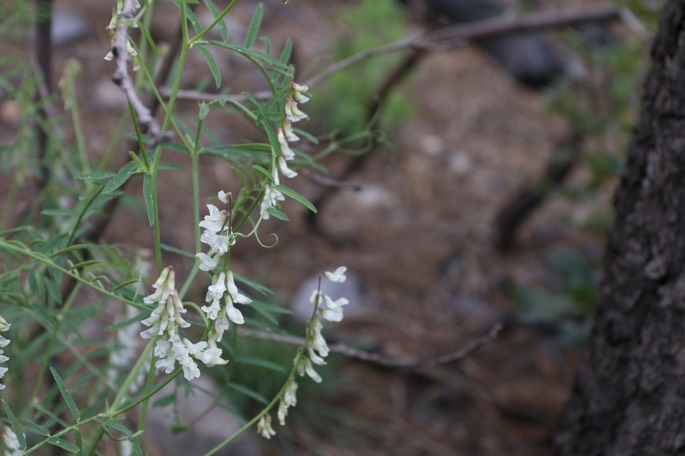
Vicia pulchella, like many vetches, it is trailing and spreading - a mass of plant - with tendrils which allow it to attach to objects, often itself. The species was first described by Carl Sigismund Kunth from a specimen collected by Alexander von Humboldt and Aimé Bonpland on their epic journey through the Americas. Descriptions of the species from that trip are often attributed as “Humboldt, Bonpland, & Kunth”.
C. R. Gunn (USDA Technical Bulletin 1601, published in 1979) considered this species to be the most common and widespread native American vetch. In the December 2014 article, entitled “Overview of Vicia (Fabaceae) of Mexico”, Billie L. Turner provides an excellent overview of the vetches of Mexico, and by extension - in many cases - New Mexico.
Within the United States, this species has a very limited range, primarily New Mexico and Arizona. Its range extends southward to at least southern Mexico (at 8,000’ in the woods of Oaxaca, for instance) and parts of Central America.
Viola canadensis
Canada Violet
Trail 79 - South of McKnight Mountain
Black Range
New Mexico
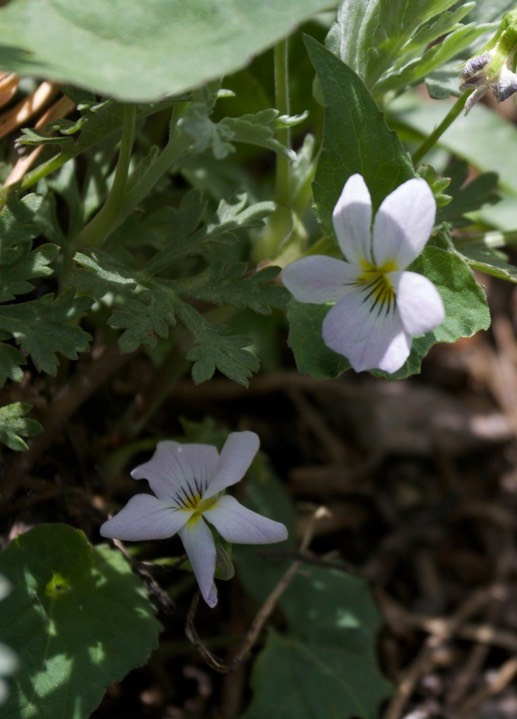
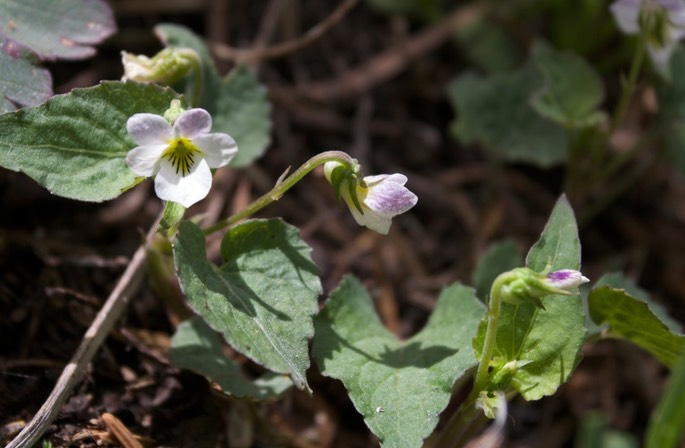
Behold the common ubiquitous violet and know that the phrasing is not redundant. In grouping all violets together I get to the matter of a lack of redundancy. Violets are as common as the grains of sand in our desert landscape, they really are ubiquitous - especially when you get a bit higher in elevation. For that reason, they are sometimes relegated to the second class of the plant world, they lack class, they lack refinement, they are a boor, they are “common” - they must be, for how could something so ubiquitous possess those higher traits?
The Canada Violet, Viola canadensis, pictured here was photographed along Trail 79 just south of McKnight Mountain, near the crest of the Black Range. Although maddening at times because they are difficult to key, I love these common (prevalent) little flowers. (I even like the fact that like Canada Geese, they are not Canadian because Canada is bilingual.)
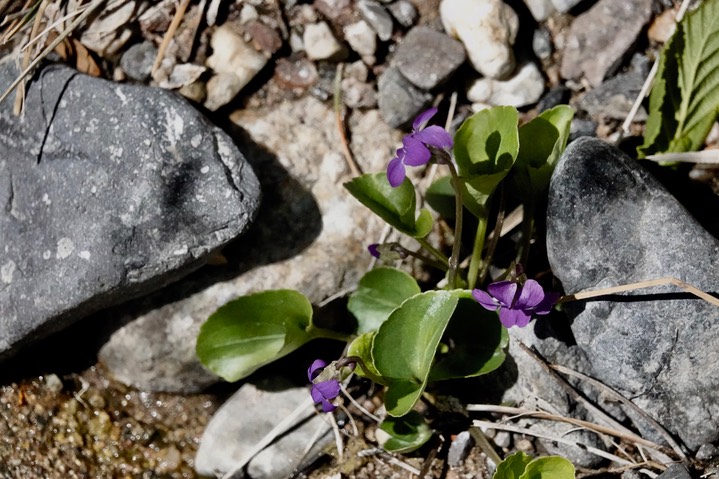
There are four sub-species of Canada Violet, by range this is probably V. c. rugulosa or V. c. scopulorum. The other common violet of this area is the Streamback Violet, Viola nephrophylla, which is purple.
Viola nephrophylla
Streambank Violet
Trail 135
Black Range
New Mexico
May
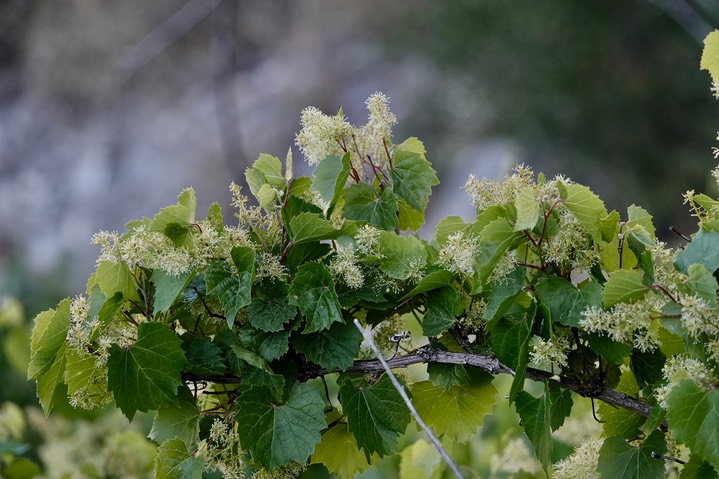
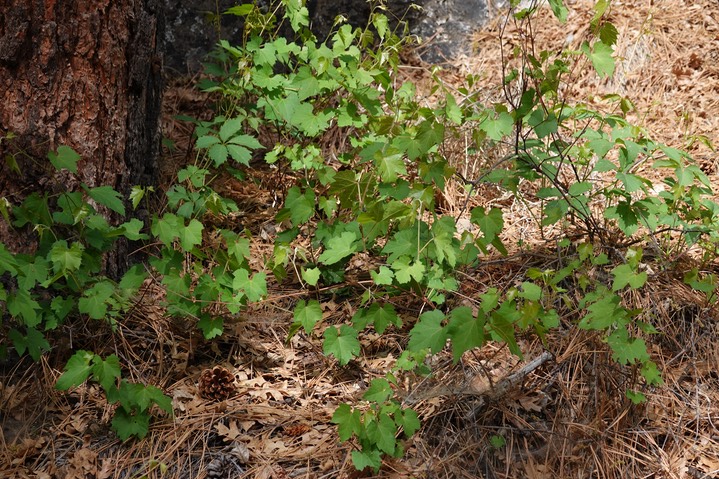
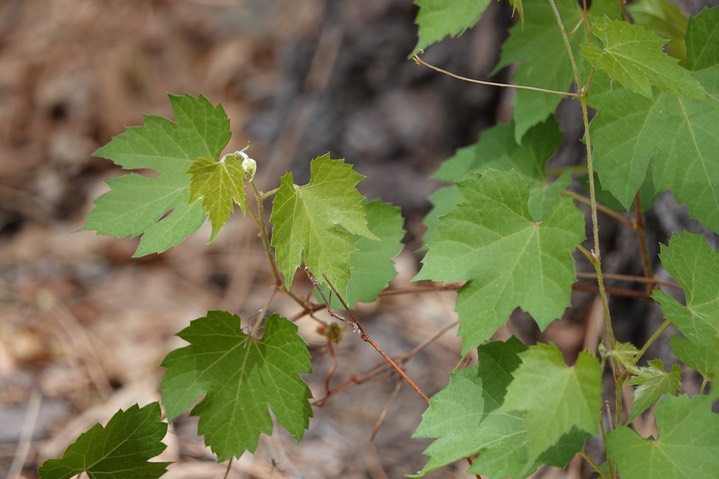
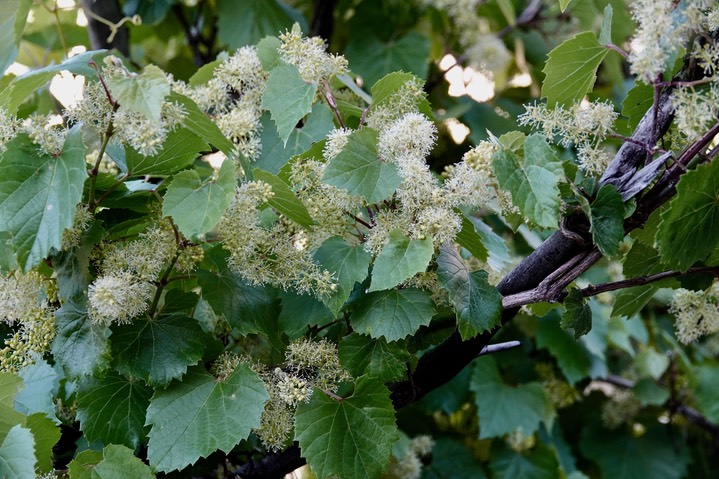
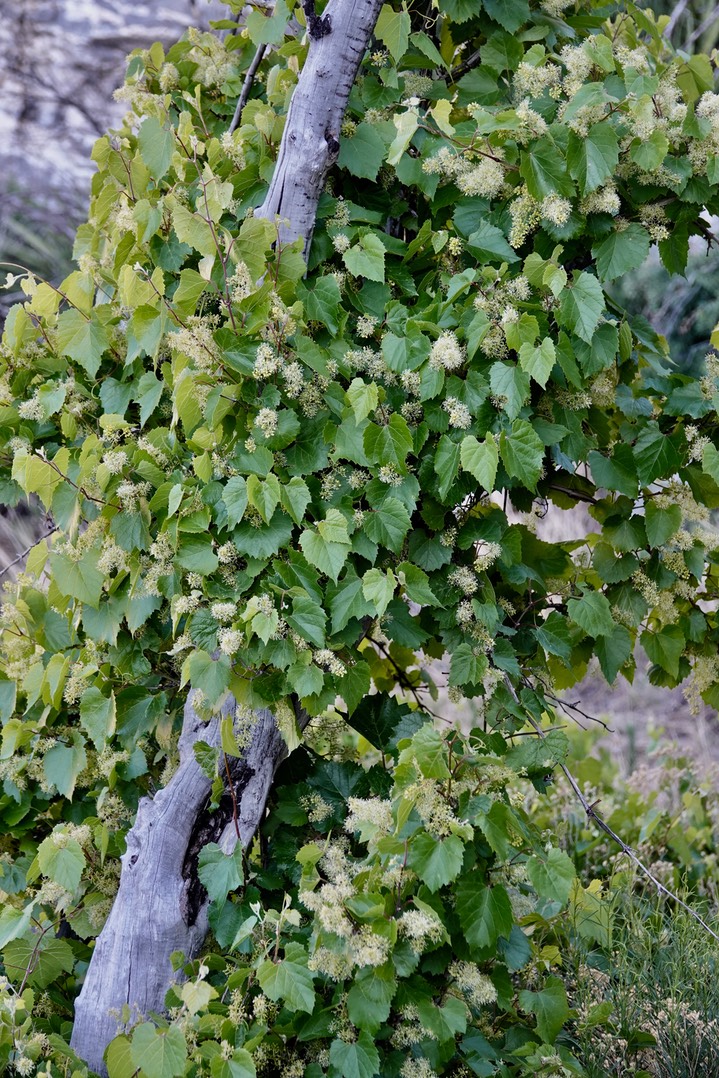
Vitis arizonica
Canyon Grape
Widespread
Black Range
May