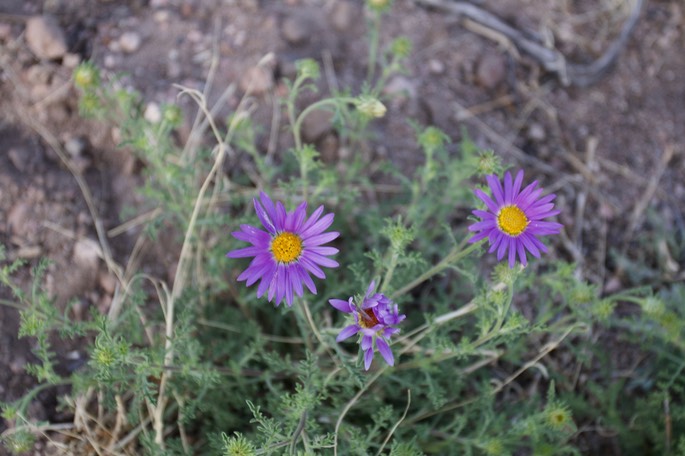
Machaeranthera tanacetifolia
Tansy Aster
Hillsboro
New Mexico
April
The “FLORA" of the Black Range
“M"
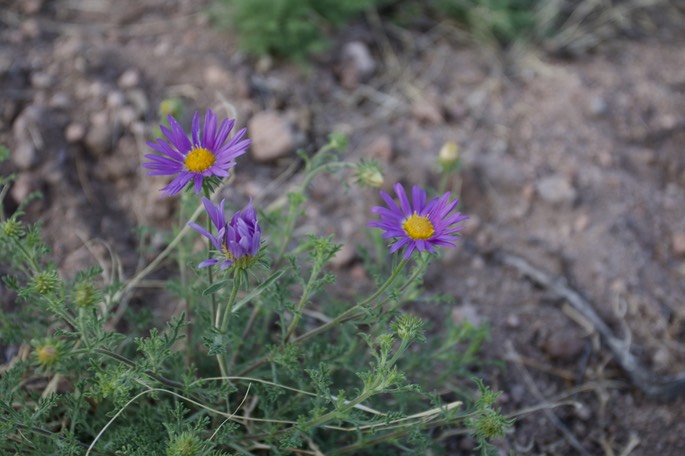
Machaeranthera tanacetifolia
Tansy Aster
Hillsboro
New Mexico
April
Machaeranthera tanacetifolia was first described by Kunth in 1832.
It is native to much of the southwestern United States, the southern Rockies north into Canada. In Mexico, the species is found as far south as Zacatecas (Aguascalientes, Chihuahua, Coahuila, Durango, Nuevo León, San Luis Potosí, Zacatecas).
Machaeranthera tanacetifolia is an annual which is typically found in lower to mid-elevations within the Black Range.
Its other English Common Names include Tahoka Daisy and Tanseyleaf Aster. Scientific synonyms include Aster tanacetifolius, Machaerantehera coronopifolia, and M. parthenium.
Maianthemum racemosum subsp. amplexicaule
False Solomon’s Seal
Railroad Canyon
Black Range
New Mexico
May
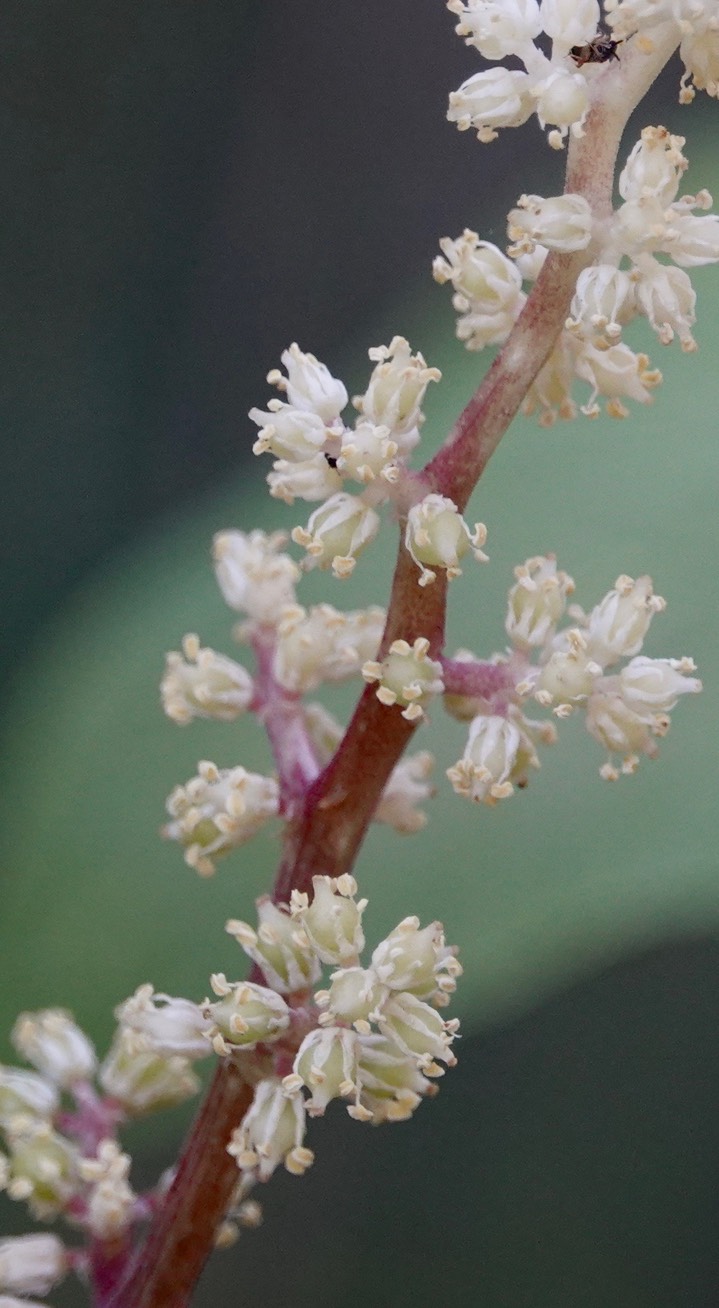
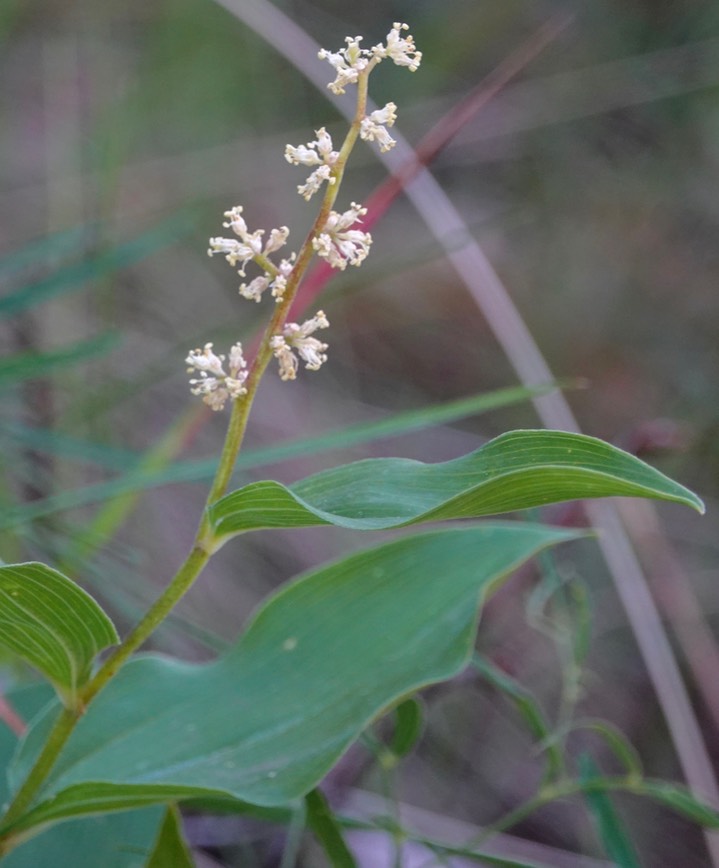
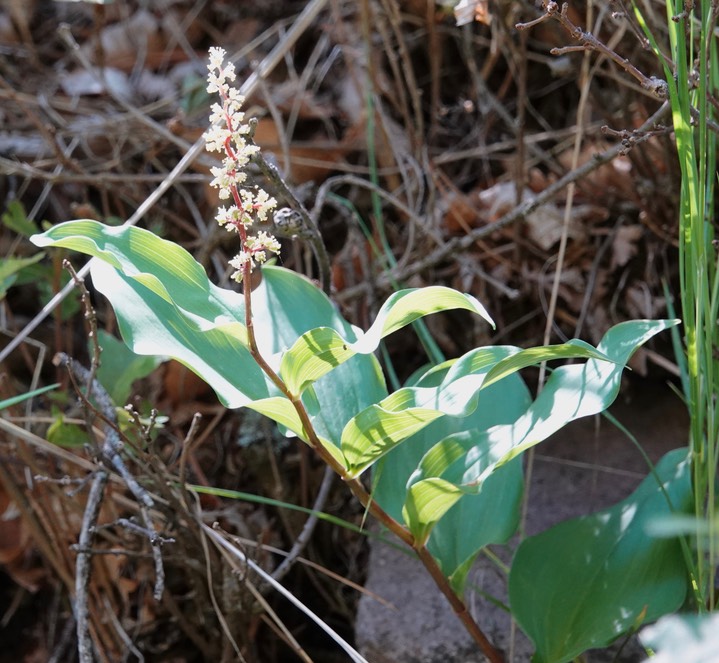
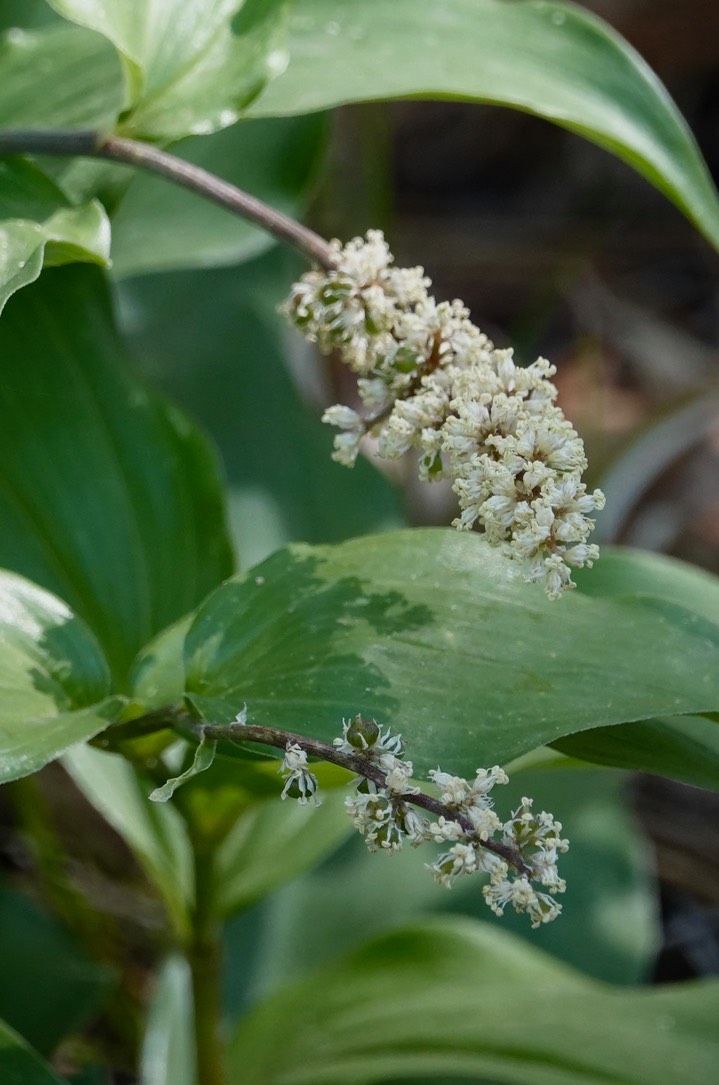
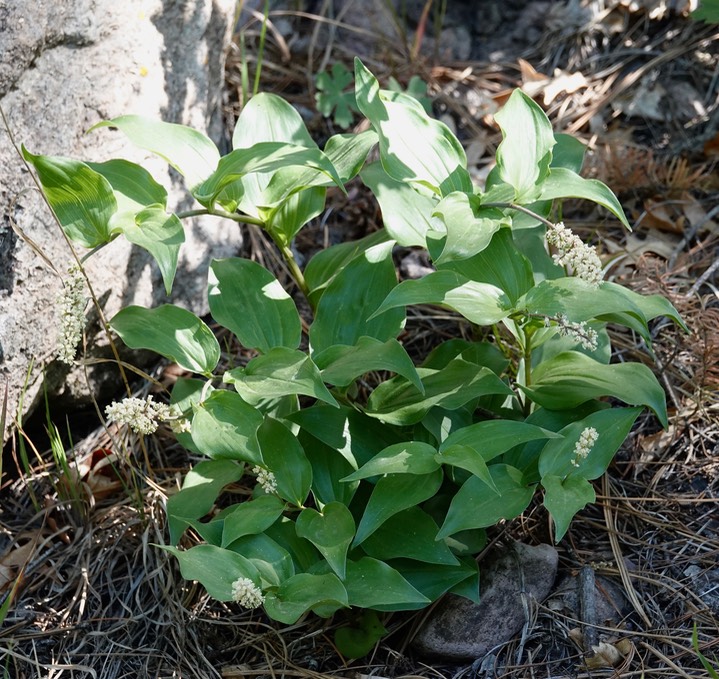
This species is also known as Treacleberry, Solomon’s Plume, Feathery False Lily of the Valley, and False Spikenard. It’s scientific name is Maianthemum racemosum and has the scientific synonyms of Convallaria racemosa, Smilacina racemosa, and Unifolium racemosum. There are two subspecies, amplexicaule is the one found in the west.
It was first described by Johann Heinrich Friedrich Link in 1821.
This species is found throughout the United States except in the Great Basin, the Great Plains and the far south Southeast. This subspecies is also found in most of western Canada, Alaska, and northern Mexico.
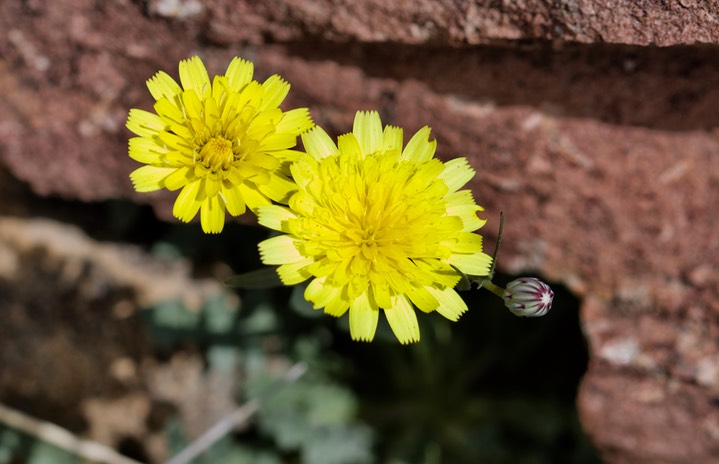
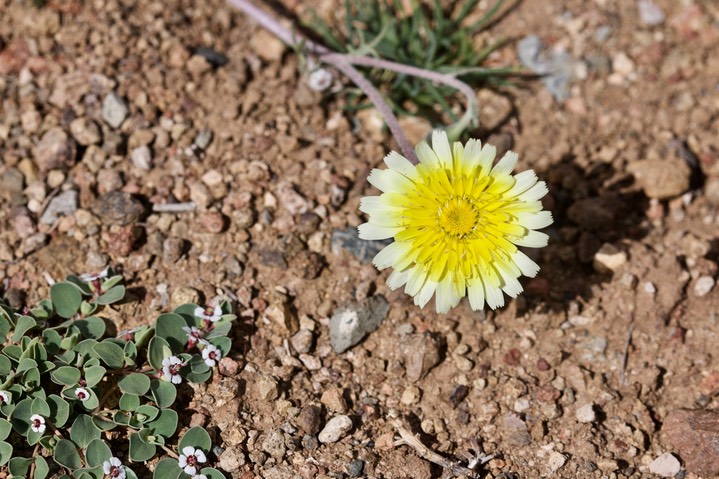
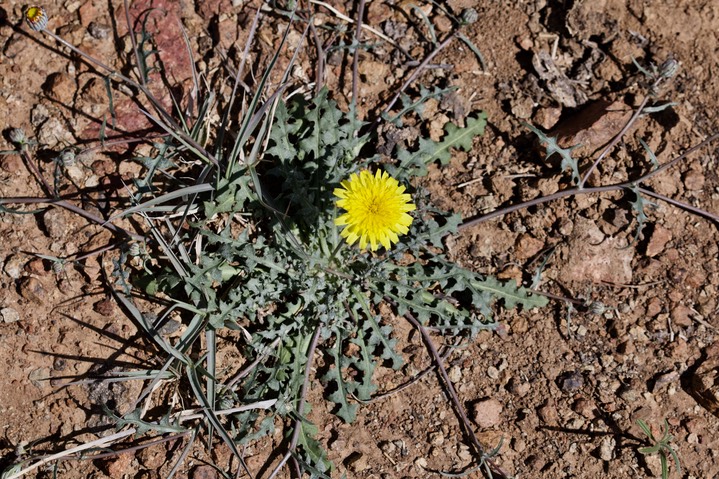
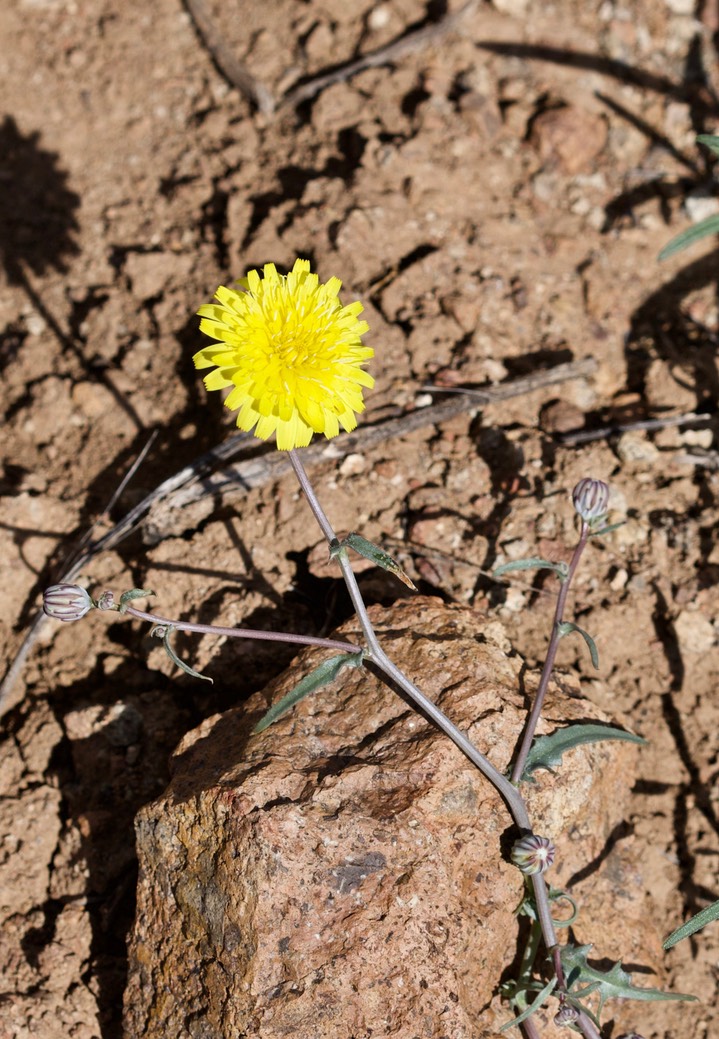
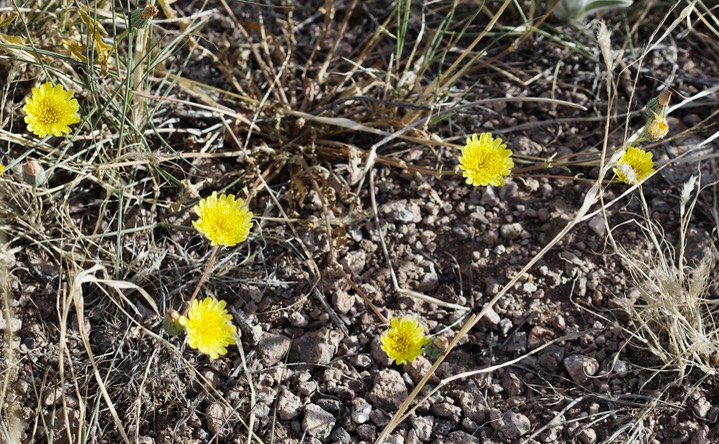
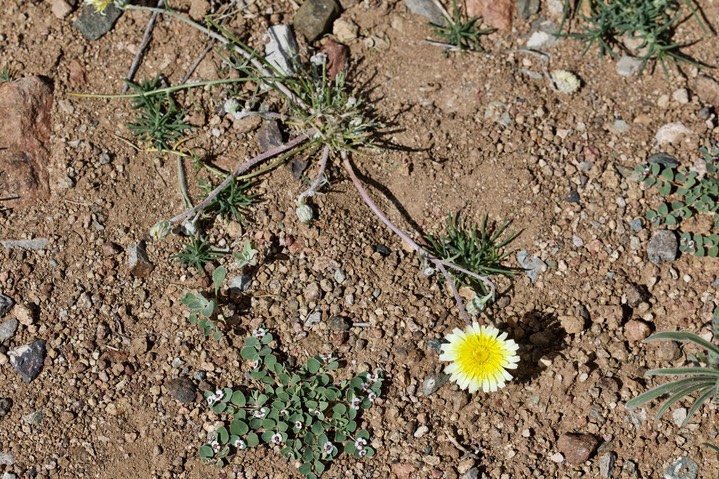
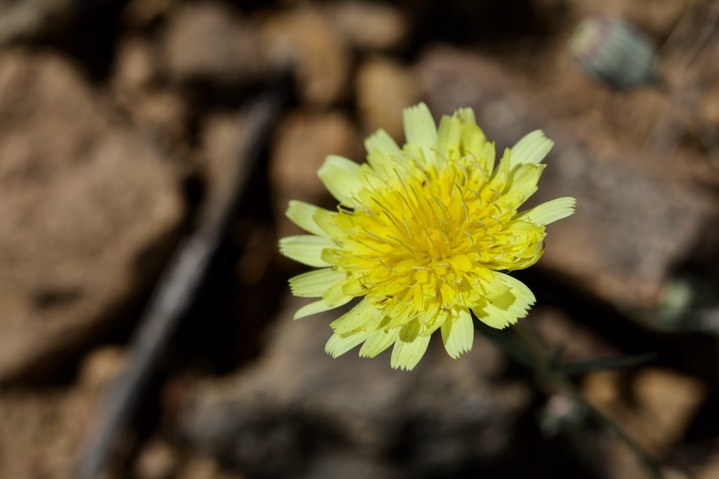
Malacothrix fendleri
Desert Dandelion
Percha Box Overlook
East of Hillsboro
Black Range
April
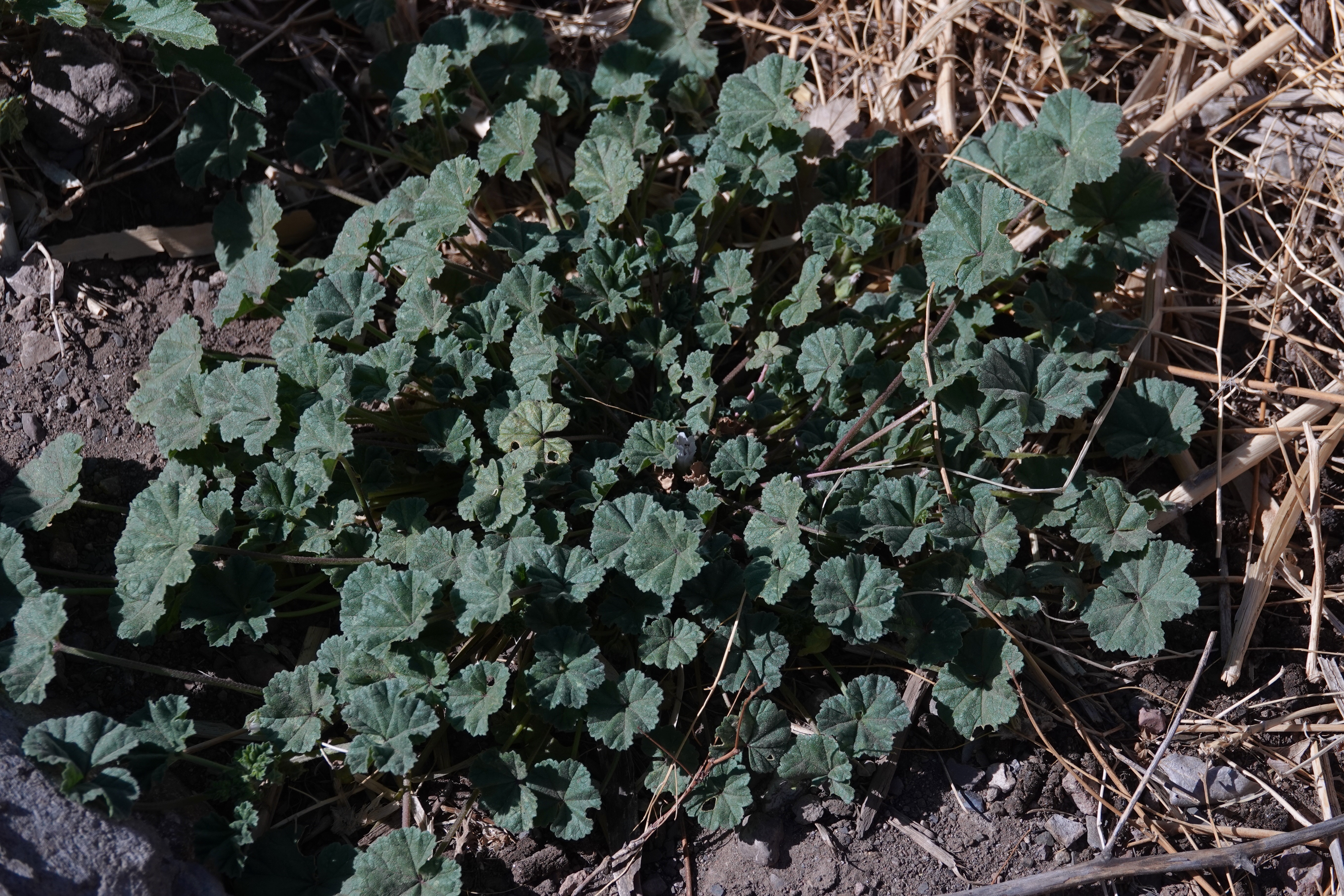
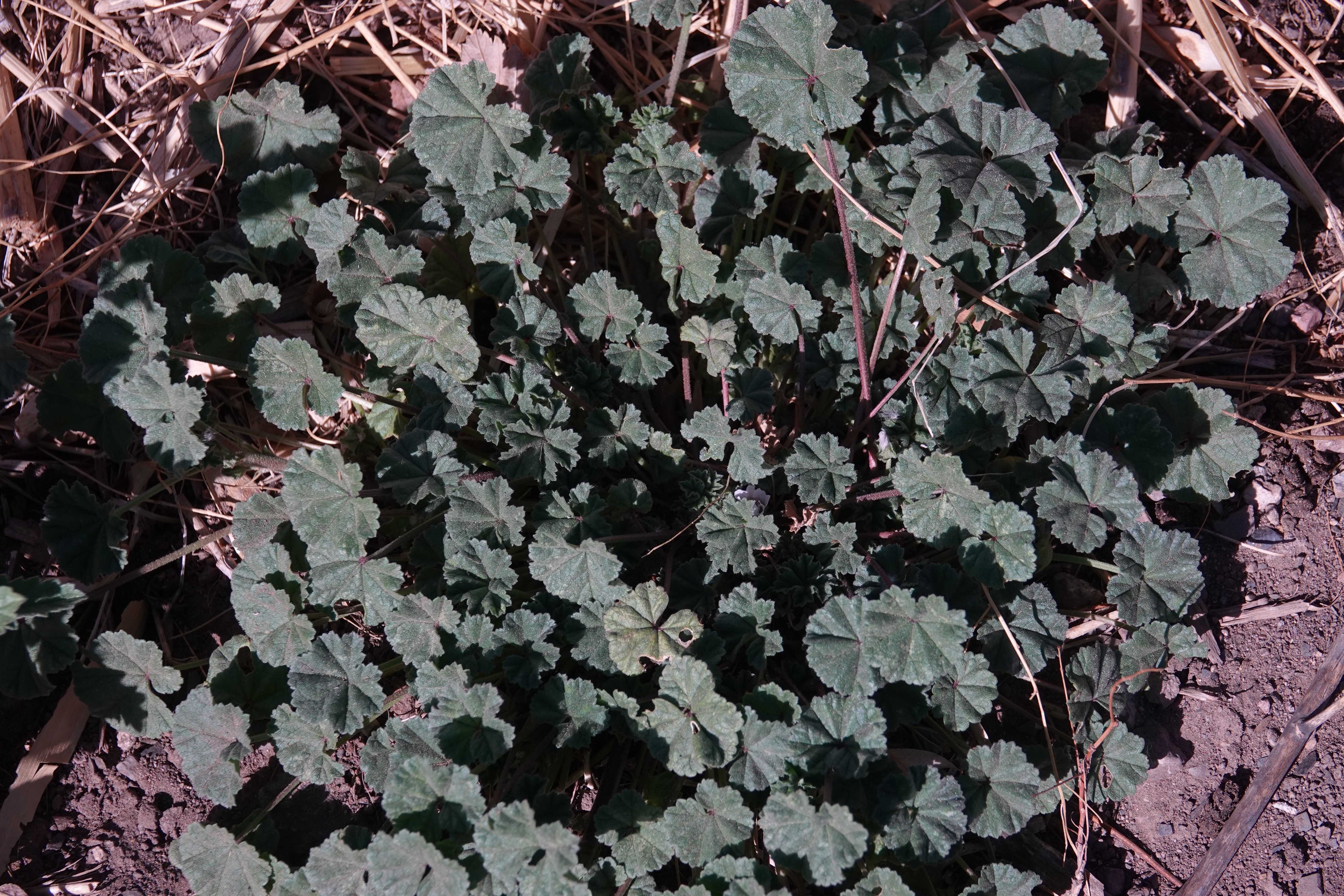
Malva neglecta
Dwarf Mallow
Hillsboro
New Mexico
April
Mammillaria heyderi
Little Nipple Cactus
East of Hillsboro
New Mexico
Photos in flower: March 30, 2017
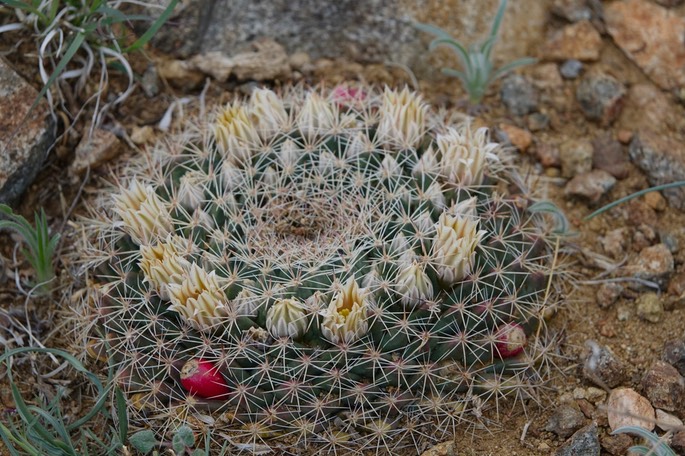
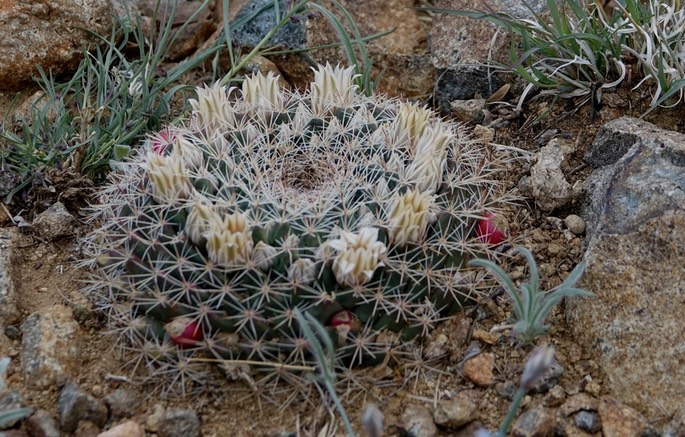
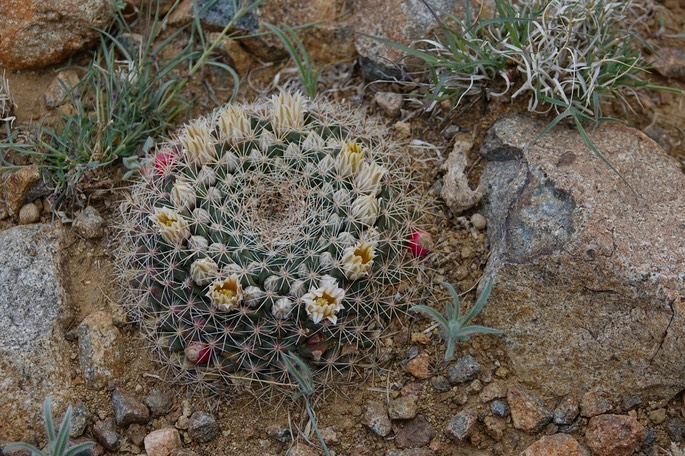
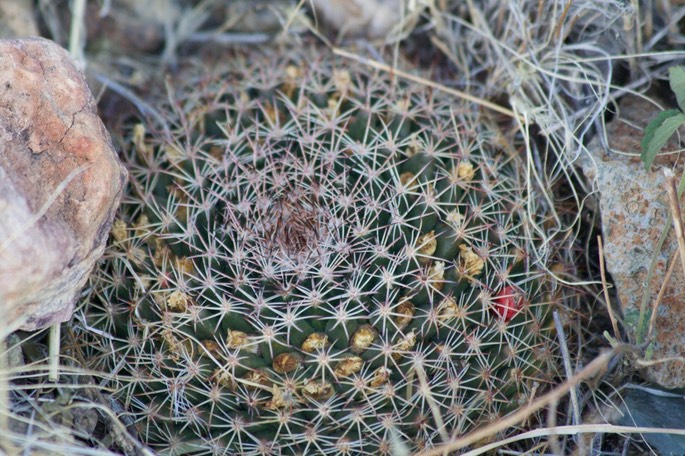
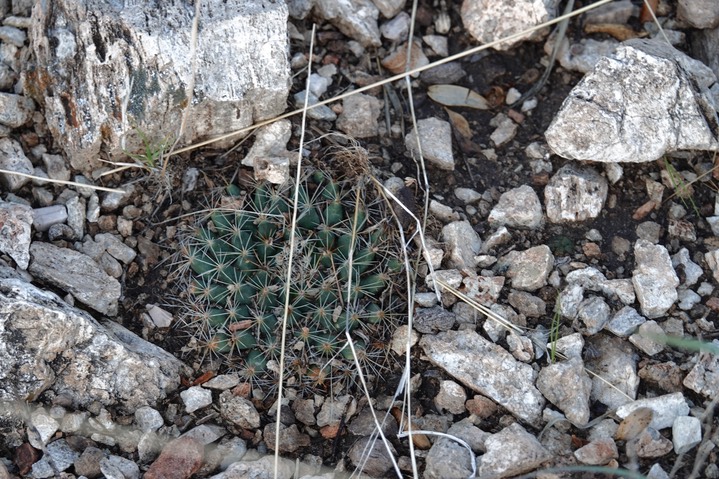
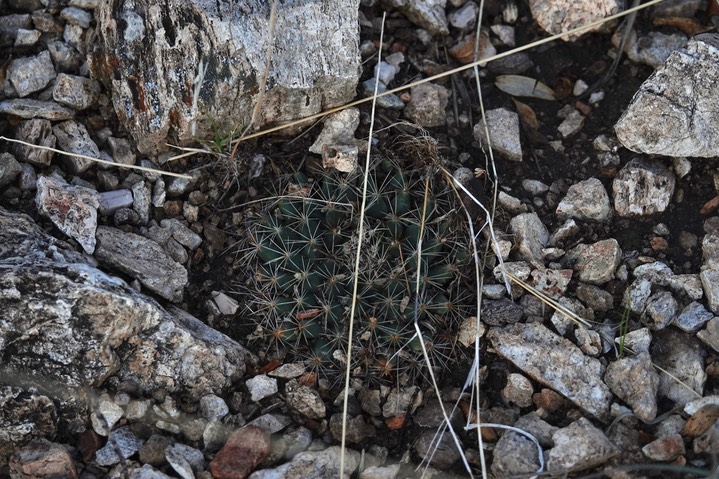
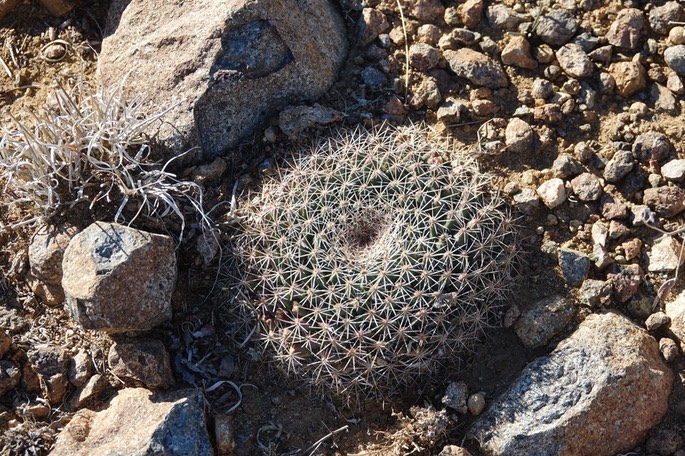
Occasionally we encounter the flat little cactus called the Pancake Nipple Cactus, Heyder Pincushion Cactus, Cream Pincushion, or Little Nipple Cactus, Mammillaria heyderi, as we walk the hills of the Black Range. This species is rarely more than an inch or so high or more than four inches in diameter, so it is easily overlooked.
Mammillaria heyderi grows at lower to middle elevations (3,000’ - 6,000’) in the Black Range area. It is usually found on limestone or alluvial substrates. In the United States its range is limited to Arizona, New Mexico, a bit of Oklahoma, and southern Texas. It is also found in northern Mexico (Chihuahua, Coahuila, Durango, Nuevo Len, San Luis Potos, Sonora, Tamaulipas, Veracruz, Yucatan, and Zacatecas). There are two to five described varieties, the one shown here is probably the nominate form (having less than 10 radial spines per areole). (Note that Tropicos lists five varieties.)
Scientific synonyms for this species include Cactus heyderi, Mammillaria applanata, Mammilaria gummifera var. applanata, Neomamillaria heyderi, and others. Mammilaria gummifera var. bullingtoniana is also found in southwestern New Mexico.
The pulp of the cactus is reported to have been cooked to make a poultice for the relief of earache.
Phillipp August Friedrich Mühlenpfordt first described this species. He is especially known for his work with cacti.
Maurandya antirrhiniflora
Little Snapdragon Vine
Percha Box
East of Hillsboro
and west of Kingston on
NM-152
Black Range
New Mexico
September
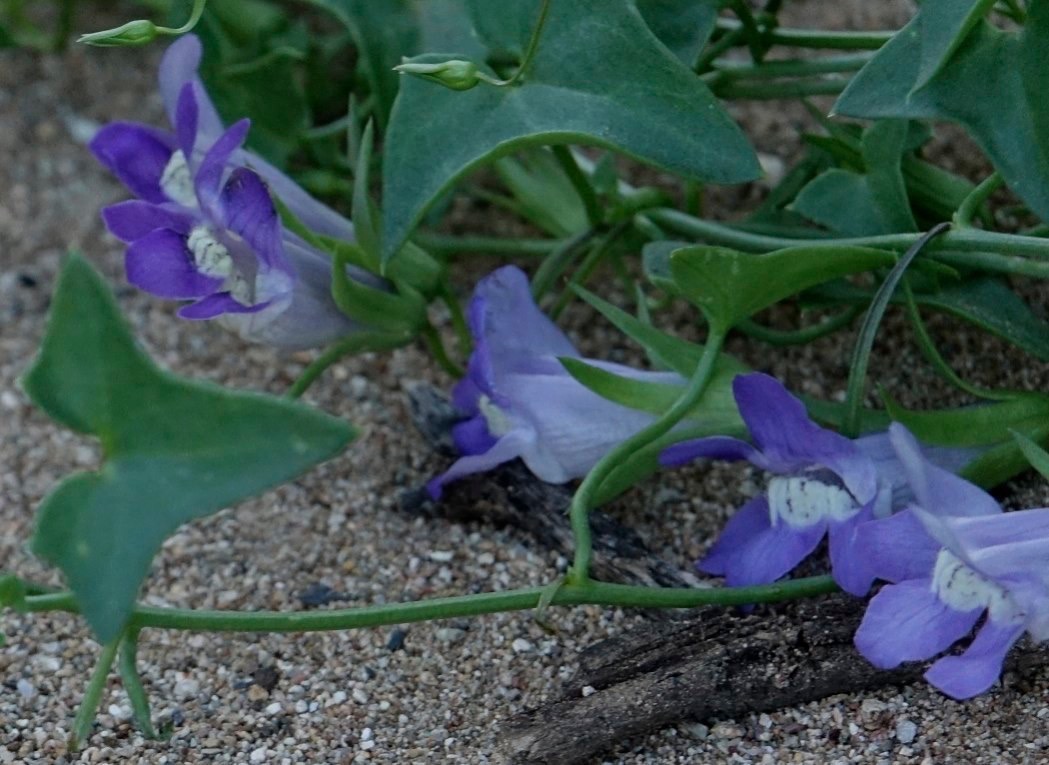
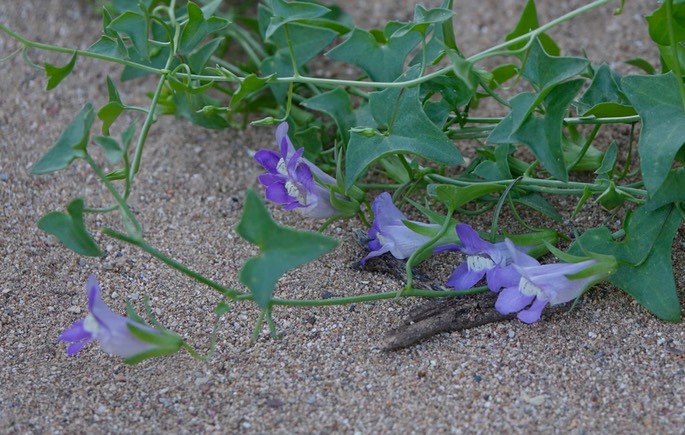
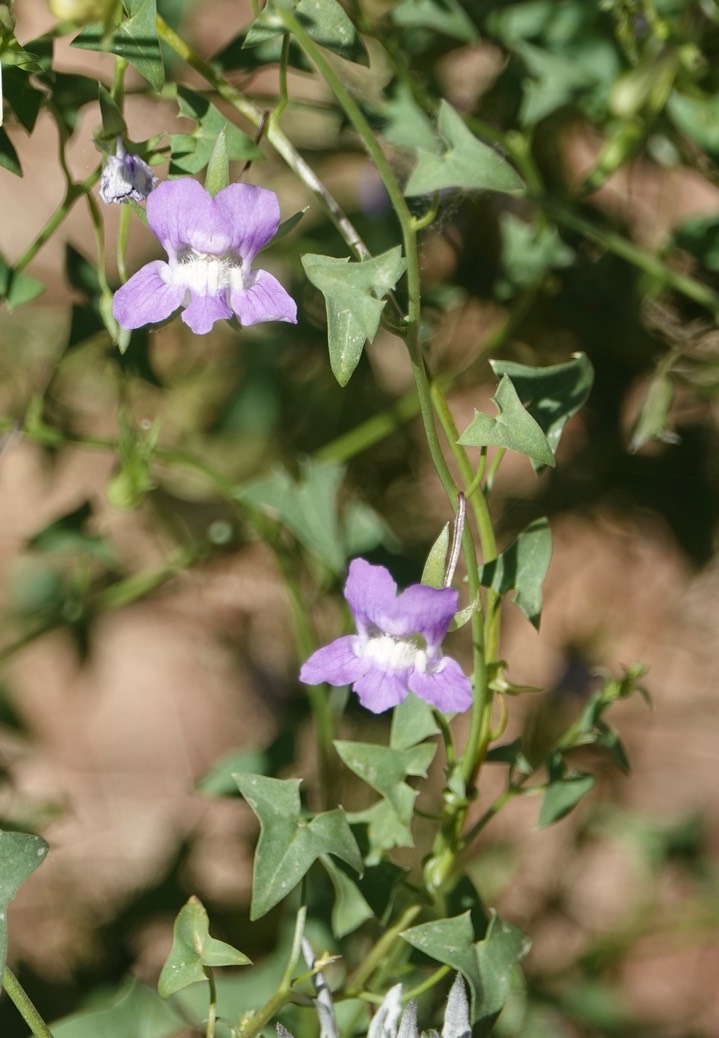
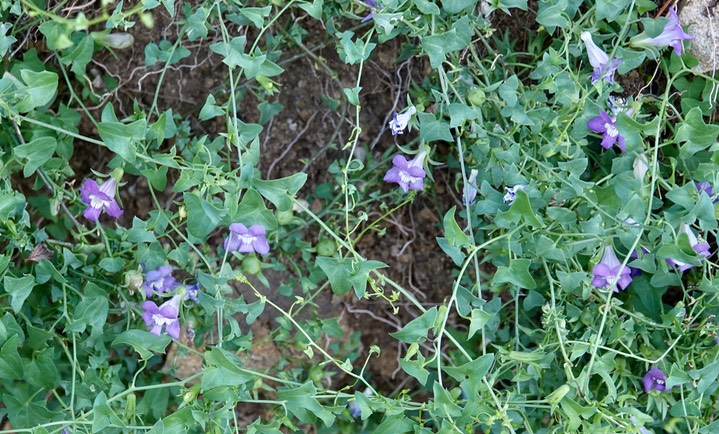
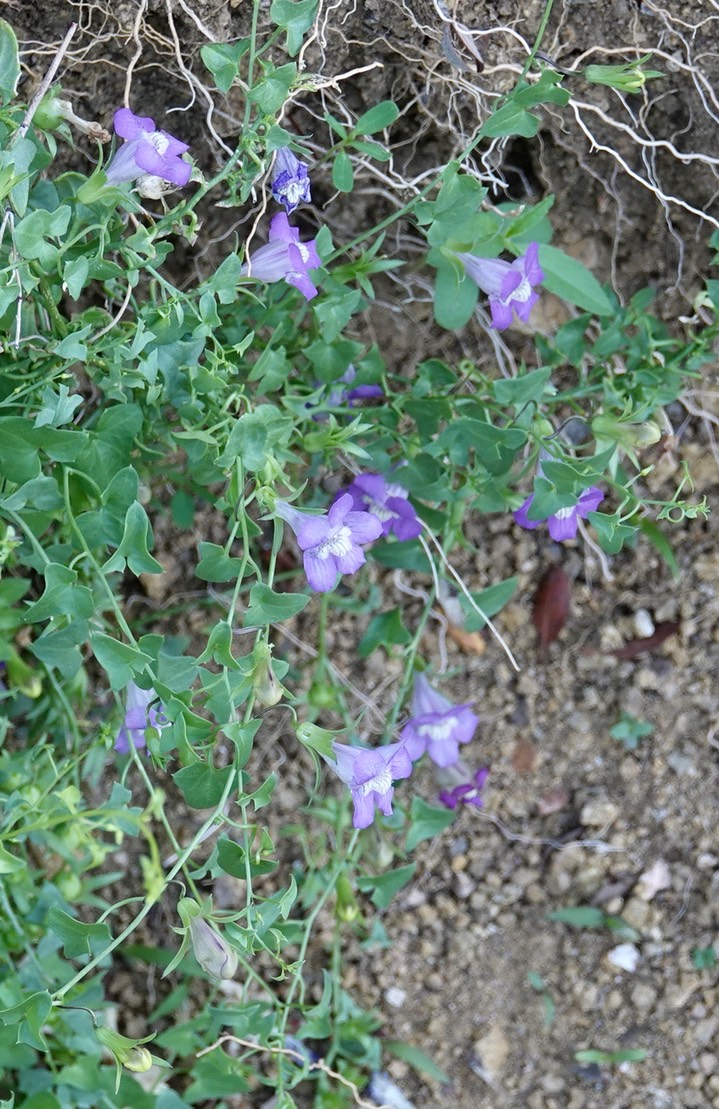
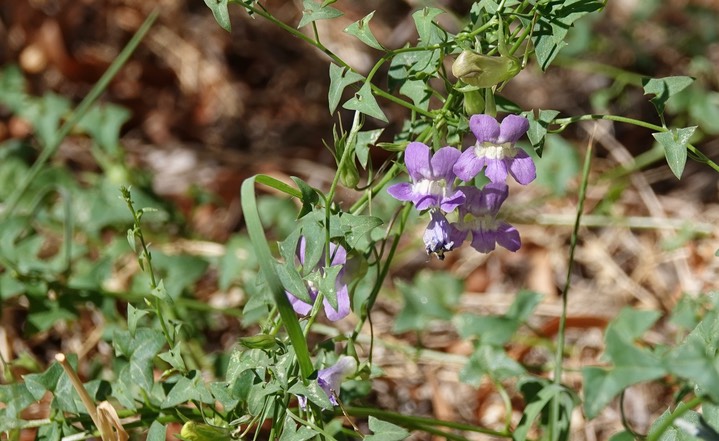
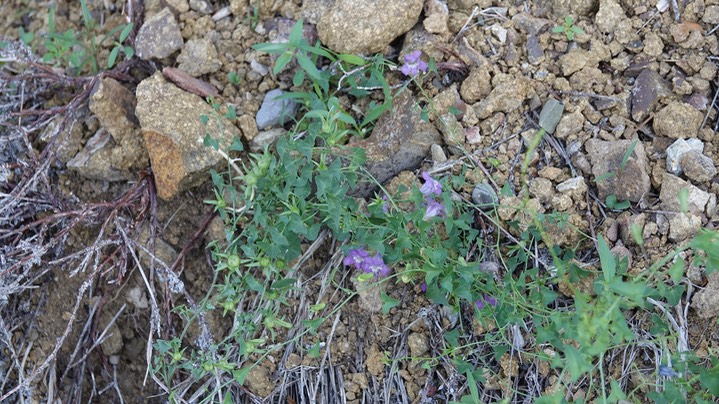
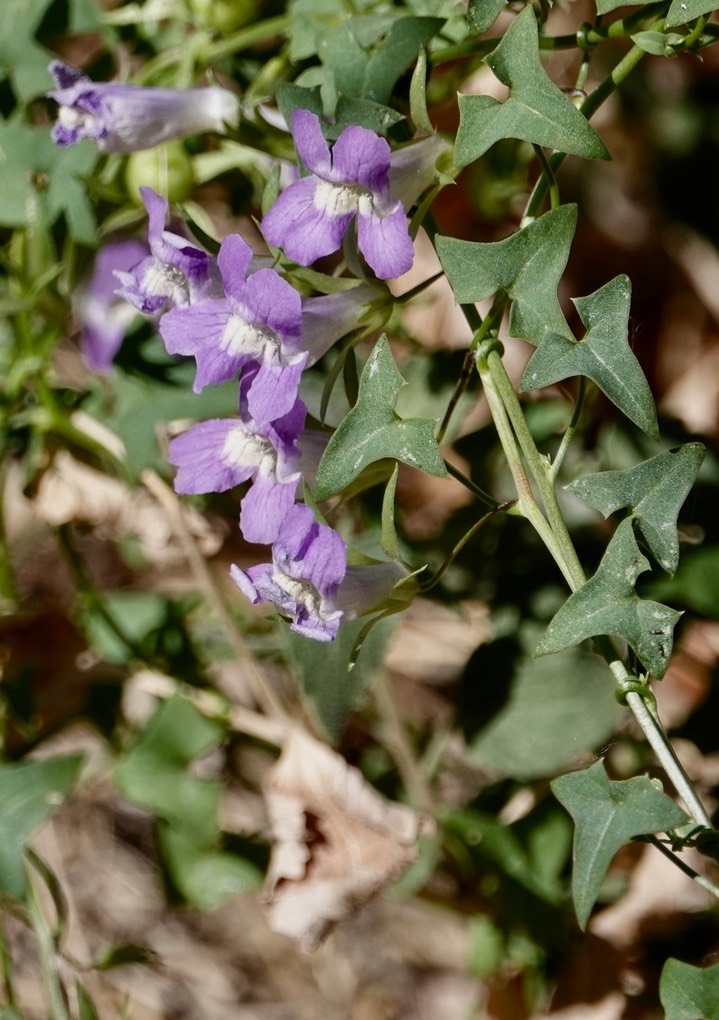
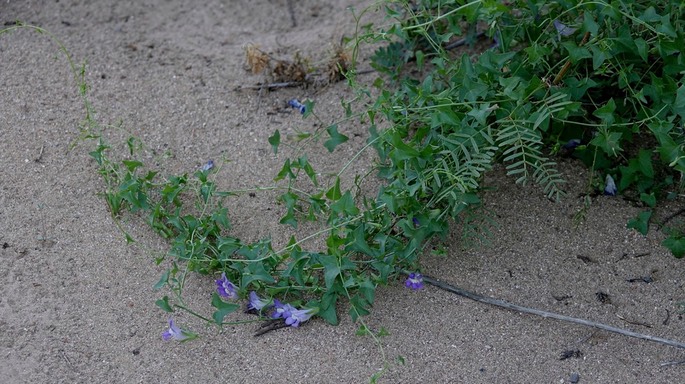
Maurandya antirrhiniflora, Little Snapdragon Vine, is found in the foothills up to the mid-elevations of the Black Range. Other Common English Names for this species include Roving Sailor, Climbing Snapdragon, and Snapdragon Vine.
This species is sometimes referred to as Maurandella antirrhiniflora. Scientific synonyms include Asarina antirrhiniflora and Antirrhinum maurandioides (Asa Gray). It ranges south into Mexico. In the United States it is found in the southwest (south Texas, New Mexico, and Arizona).
This species is a larval host for the Common Buckeye butterfly.
Melampodium leucanthum
Blackfoot Daisy (Plains Blackfoot-Daisy)
Ready Pay Gulch
East of Hillsboro
and other locales
Black Range
New Mexico
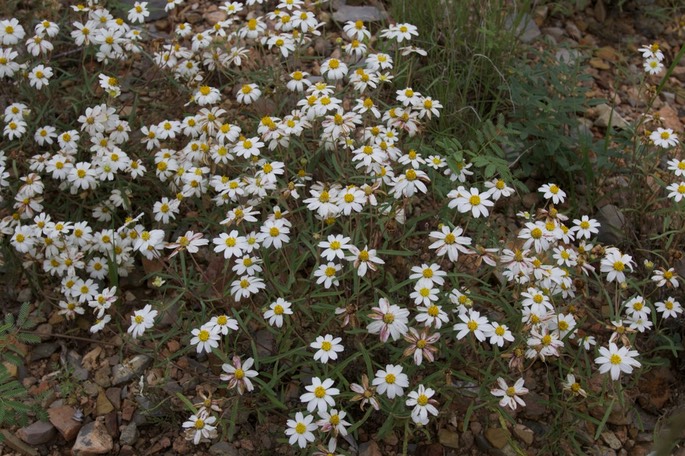
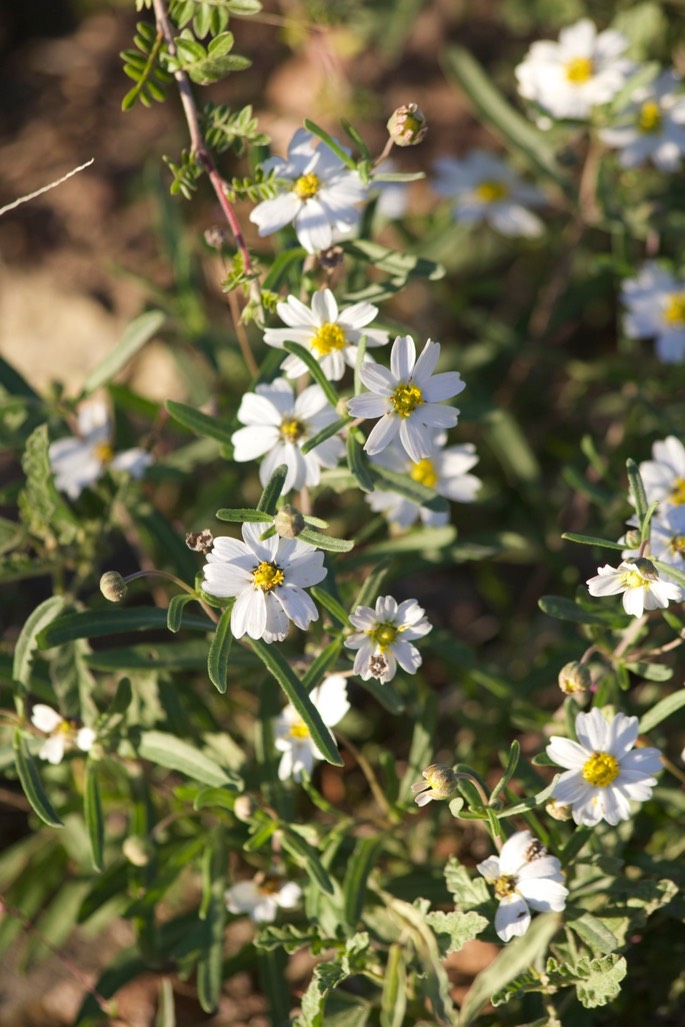
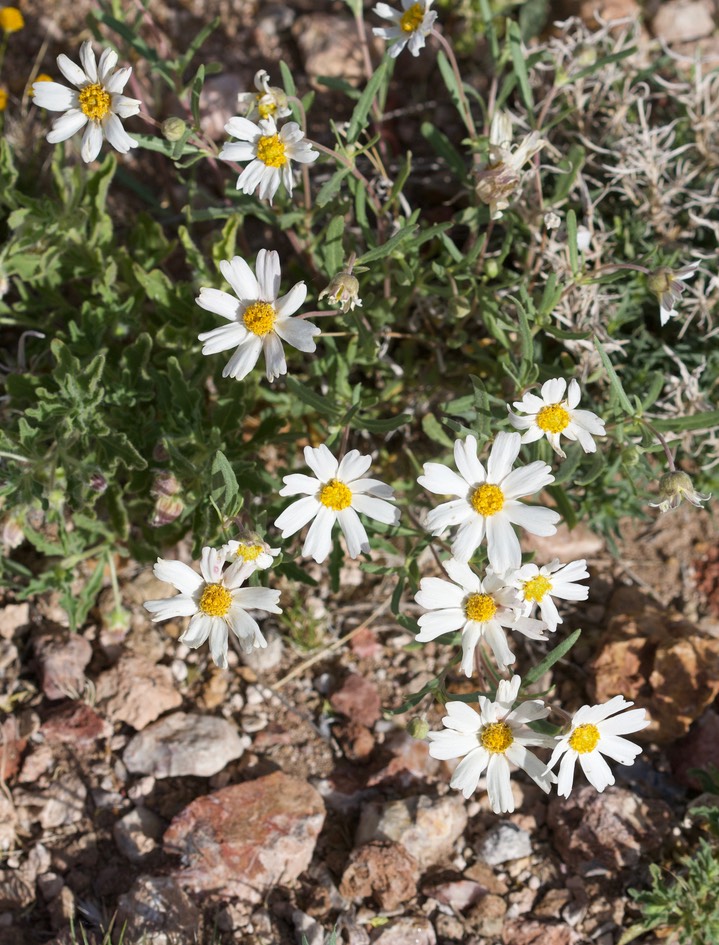
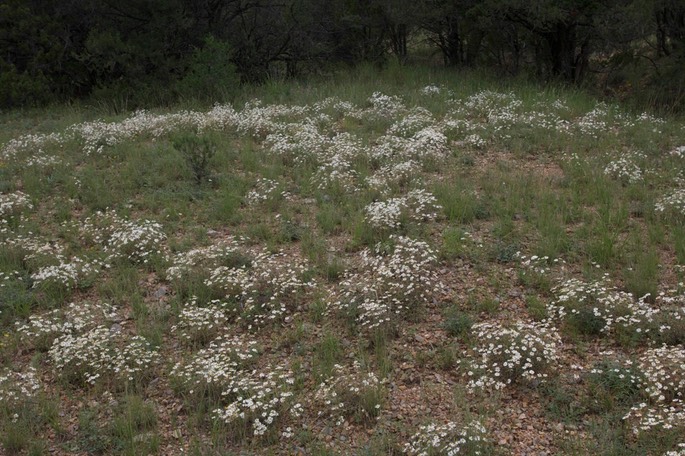
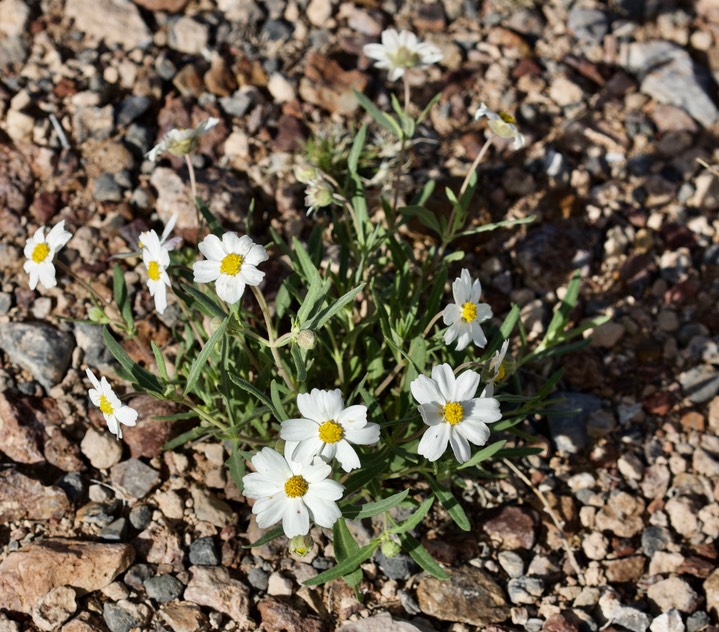
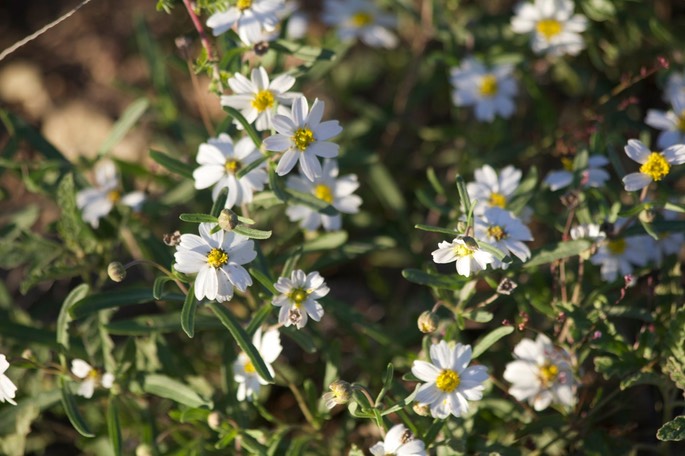
Melampodium leucanthum is found in the foothills of the Black Range. This species is low growing, rarely more than a foot high, and clumping (generally 1' to 2' across).
Blackfoot Daisy has a range which extends from Colorado and Kansas in the north to northern Mexico in the south (including Arizona to the west). It can withstand temperatures to about -30 Fahrenheit and is drought-tolerant.
Melampodium leucanthum was first described by John Torrey and Asa Gray in 1842. Their description in Volume 2, Part 2, of The Flora of North America (p. 271).
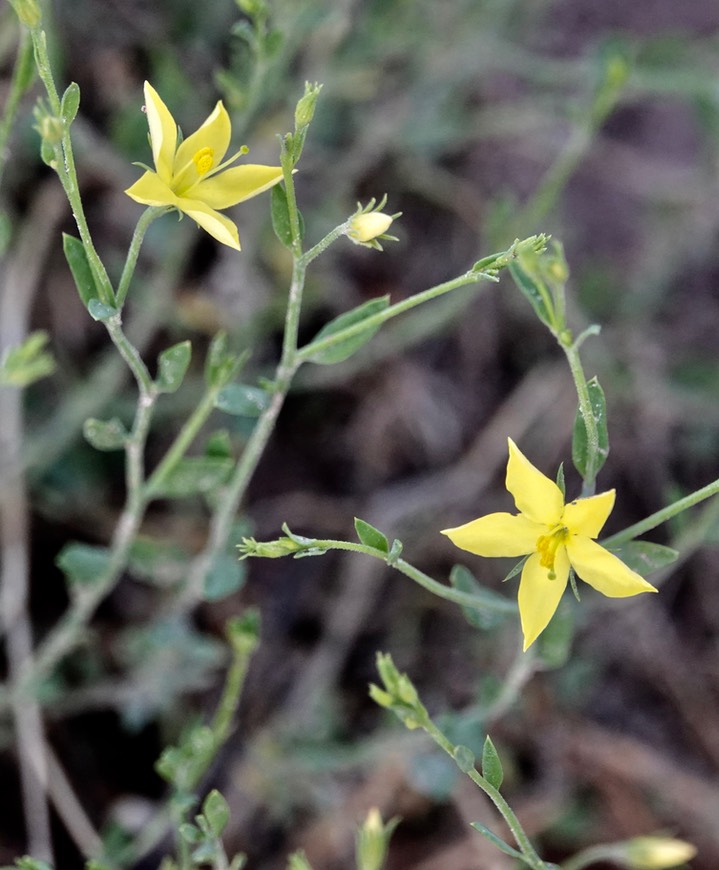
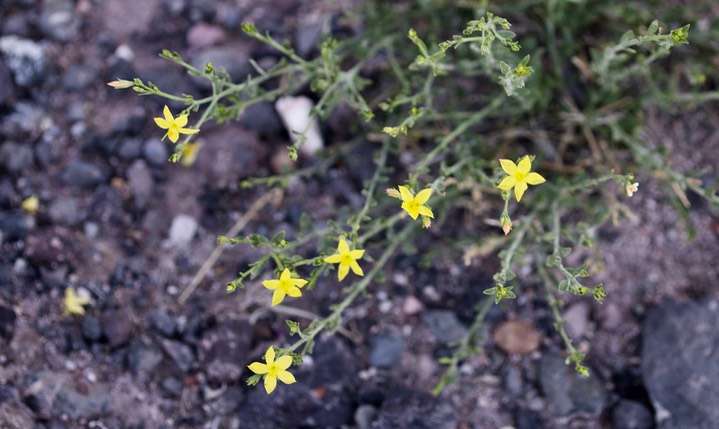
Menodora scabra
Rough Menodora
East of Hillsboro
Black Range
New Mexico
May
Mentzelia multiflora
Many Flowered Blazingstar
Ready Pay Gulch
East of Hillsboro
Black Range
New Mexico
March
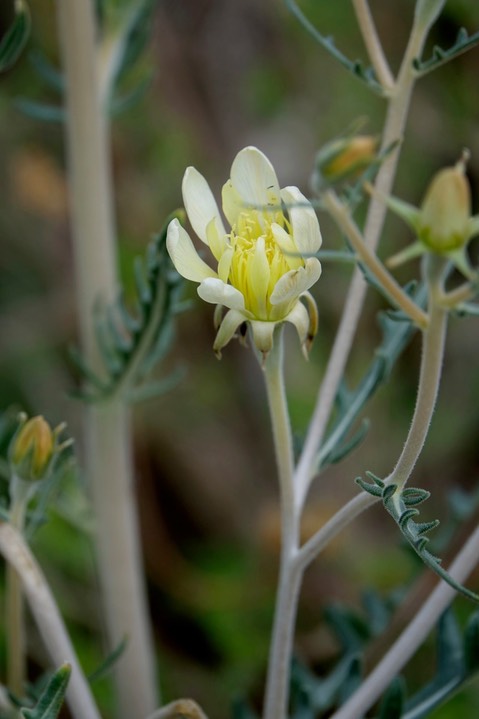
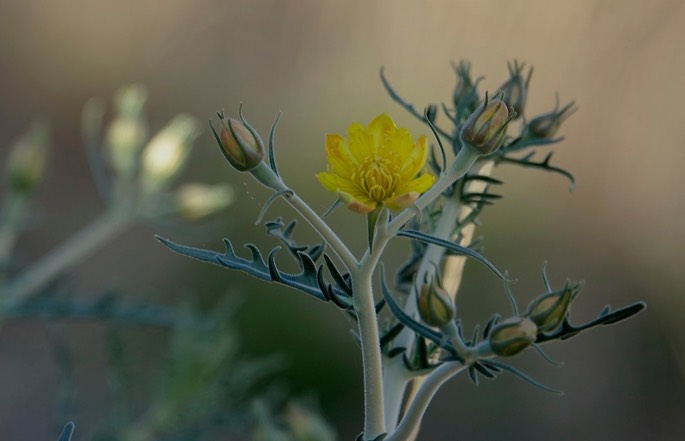
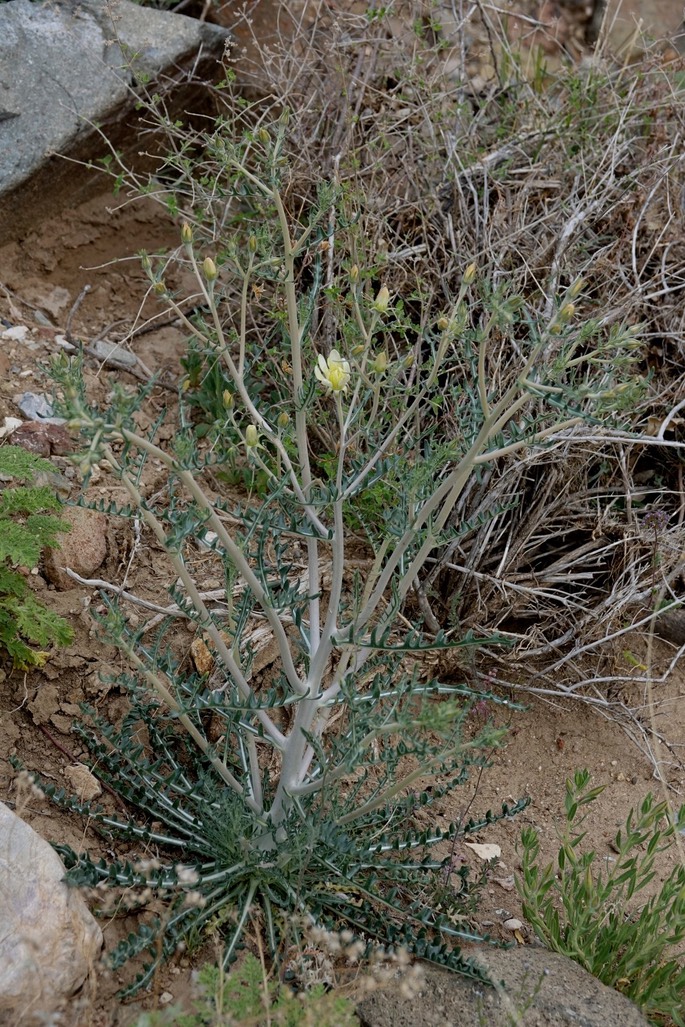
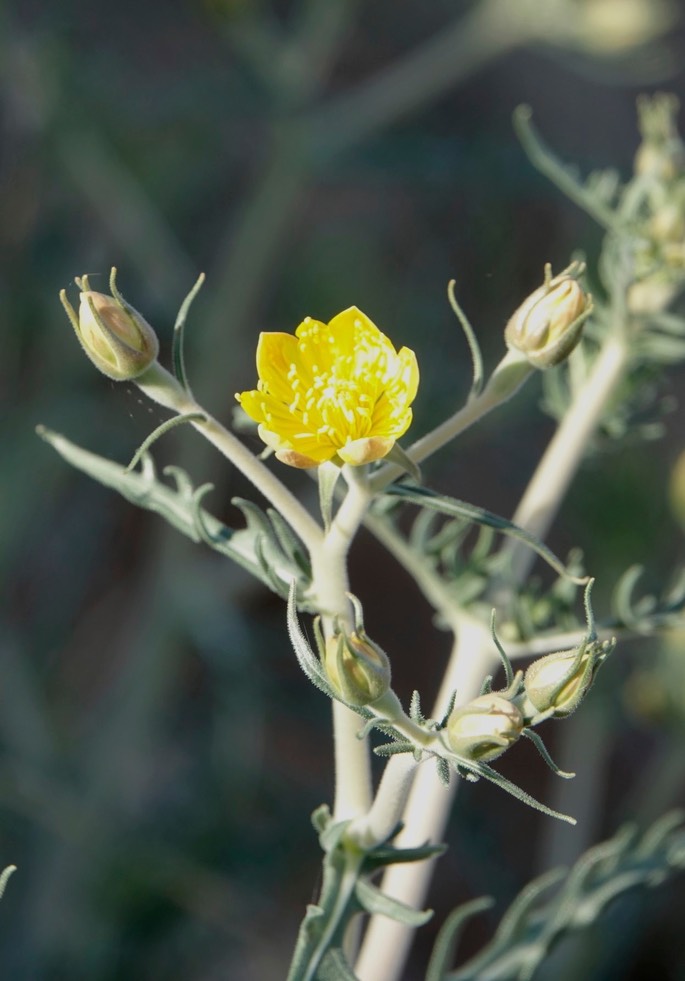
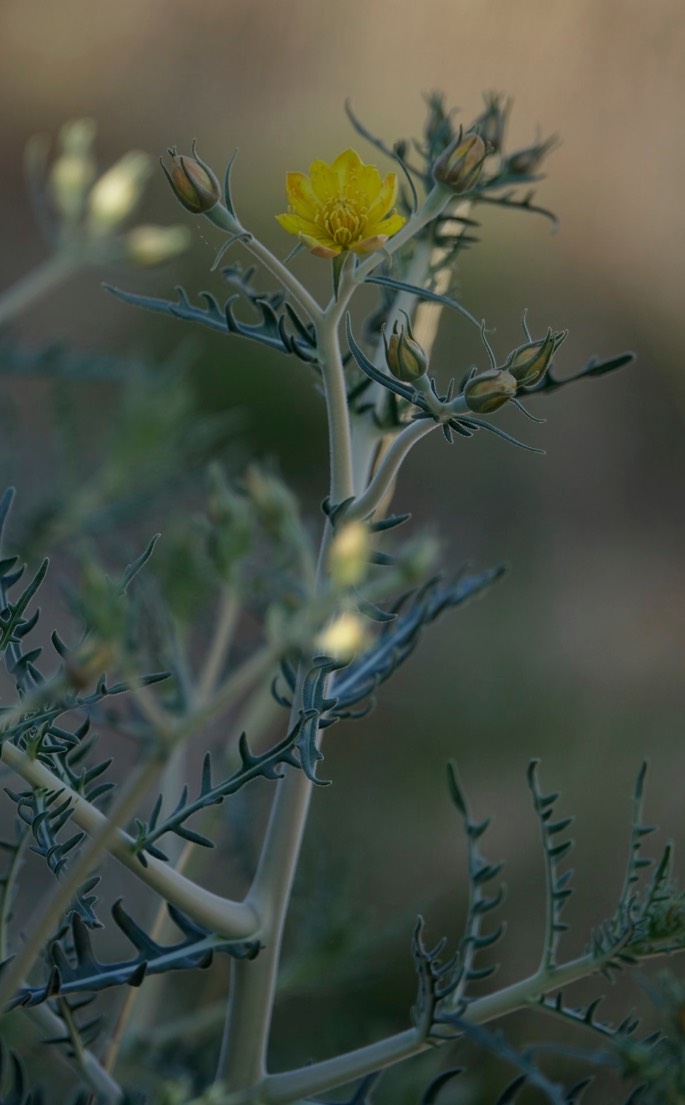
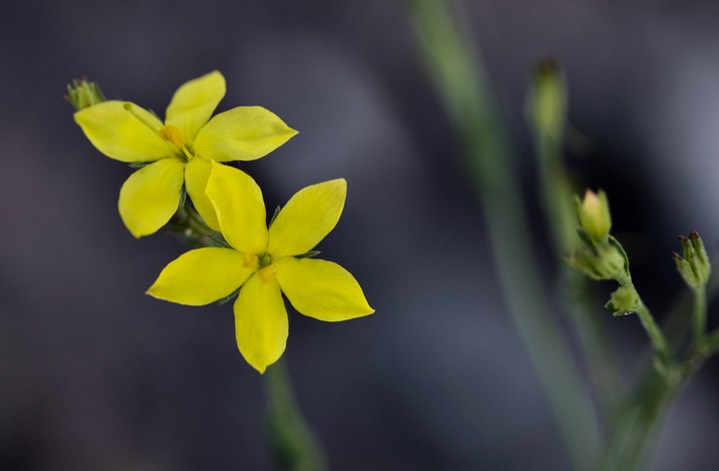
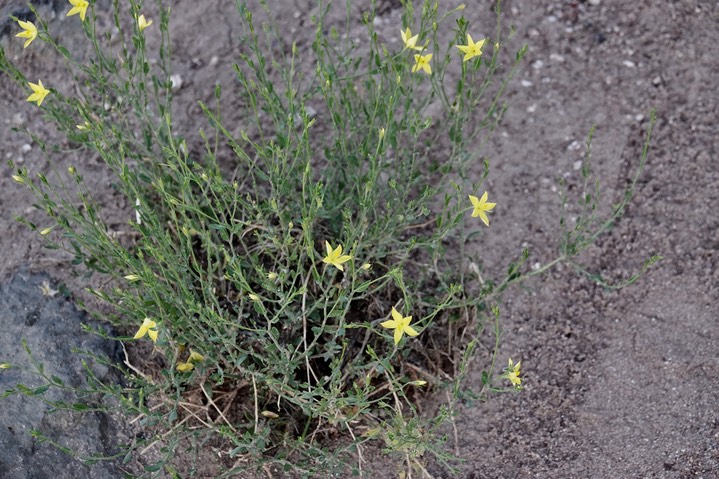
Mentzelia multiflora goes by several English Common Names including; Many Flowered Blazingstar, Adonis Blazingstar, Many-flowered Western Star, Blazingstar, Prairie Stickleaf, and locally as Corsage Flower (this because the two types of hairs which are found on the leaves cause the plant to adhere to clothing).
Three varieties are recognized in the United States by the U. S. D. A., M. m. var longiloba, M. m. var. integra, and M. m. multiflora. The latter two varieties are found in New Mexico. The United States range for this species is limited to the central and southern Rockies. Its range in Mexico is unclear, although records exist for Chihuahua, Nuevo León, and Sonora.
There are several scientific synonyms for this species including Bartonia multiflora, Mentzelia lutea, Mentzelia pumila var. multiflora and var. lagorosa, Touterea multiflora, and Nuttallia multiflora. But that does not tell half the story, to quote Flora of North America:
“Mentzelia multiflora has been considered one of the most widespread species in sect. Bartonia, a result of treating the species as a "garbage bin" for populations that lack features characteristic of more specialized species. The phylogenetic study by J. J. Schenk and L. Hufford (2011) showed that populations consistent with the type of M. multiflora are centered in the southern Rocky Mountains, especially along their eastern front, and the species notably does not occur in Arizona, California, Nevada, or Utah, in which it regularly has been described in regional floras. In the intermountain region, many specimens previously determined as M. multiflora are M. longiloba. In southeastern New Mexico and Texas, many specimens previously determined as M. multiflora are likely to be M. procera or M. longiloba var. chihuahuaensis.”
Mertensia franciscana
ranciscan Bluebells
McKnight Cabin
Black Range
New Mexico
May
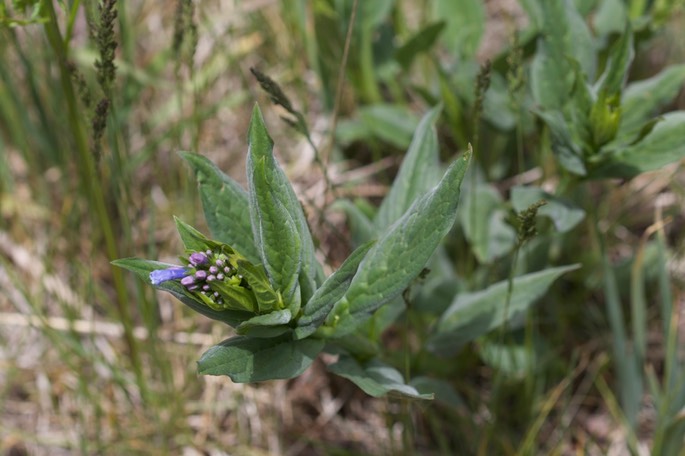
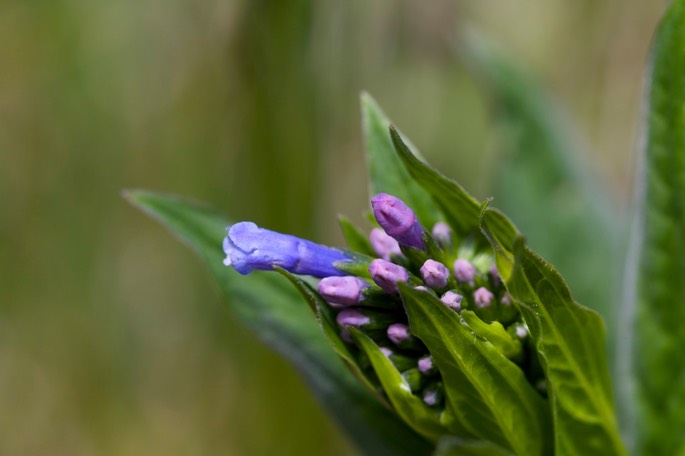
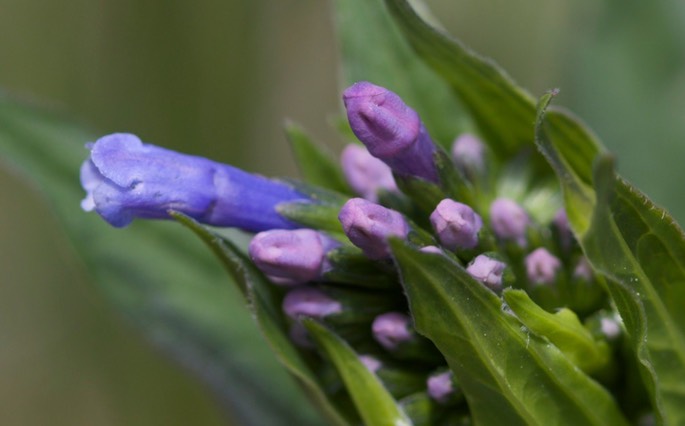
The Mertensia franciscana, Franciscan Bluebells (a.k.a. San Francisco Bluebells) depicted here were photographed at McKnight Cabin in the Black Range on May 30, 2015. Vascular Plants of the Gila Wilderness depicts a photograph, described as this species, at that site. Synonyms for this species include M. alba, M. grandis, and M. pratensis. The species was first described by Amos Heller in 1899. L. F. Ward collected the type specimen in Utah in 1875. The native range of this species is limited to the four-corner states.
Southwest Flora has photographs and descriptions of both M. franciscana and M. ciliata.
Mimosa aculeaticarpa var. biuncifera
Wait-a-Bit or Wait-a-Minute Bush
Ready Pay Gulch
East of Hillsboro
Black Range
New Mexico
June
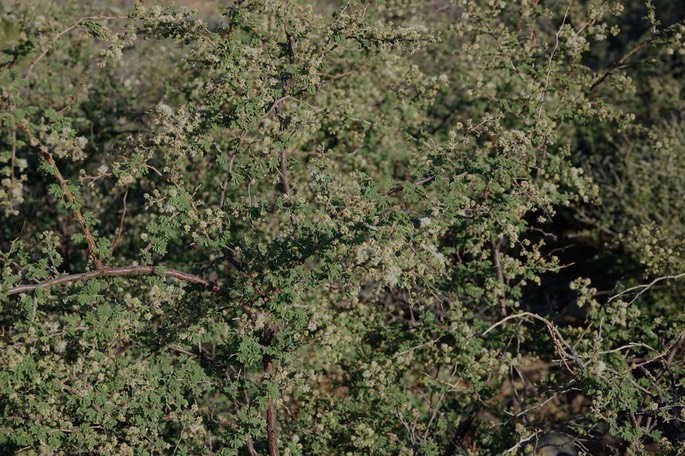
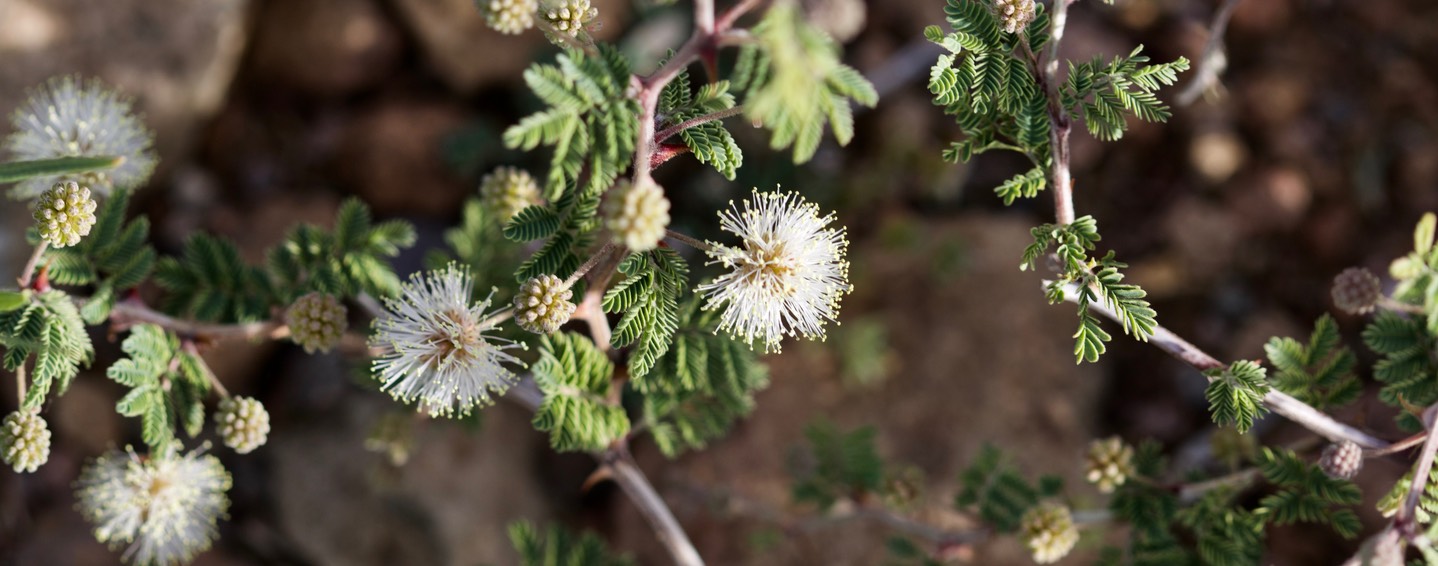
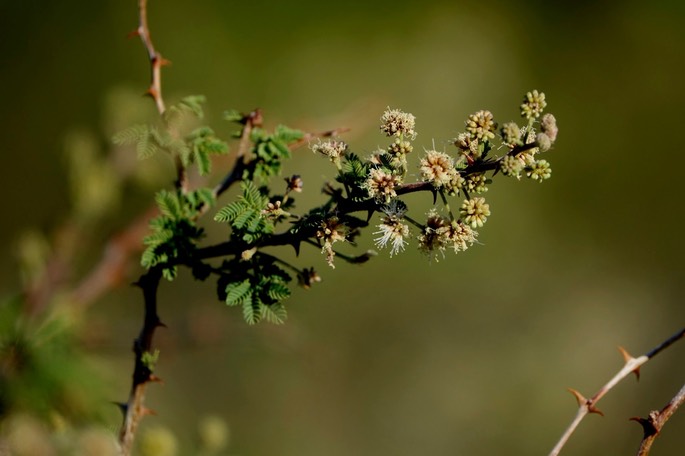
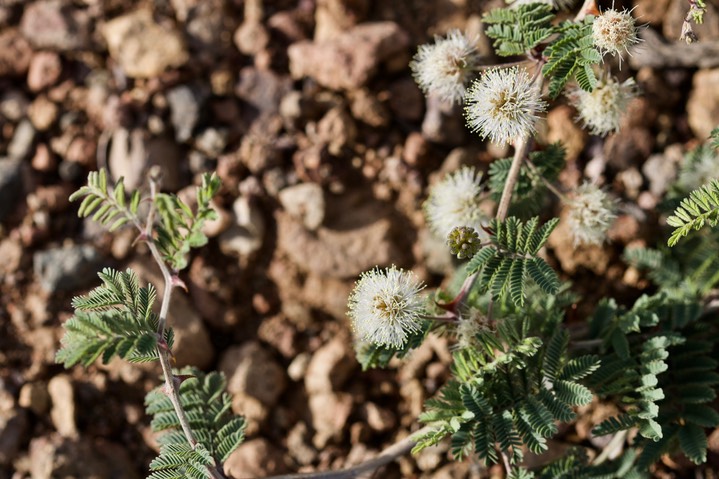
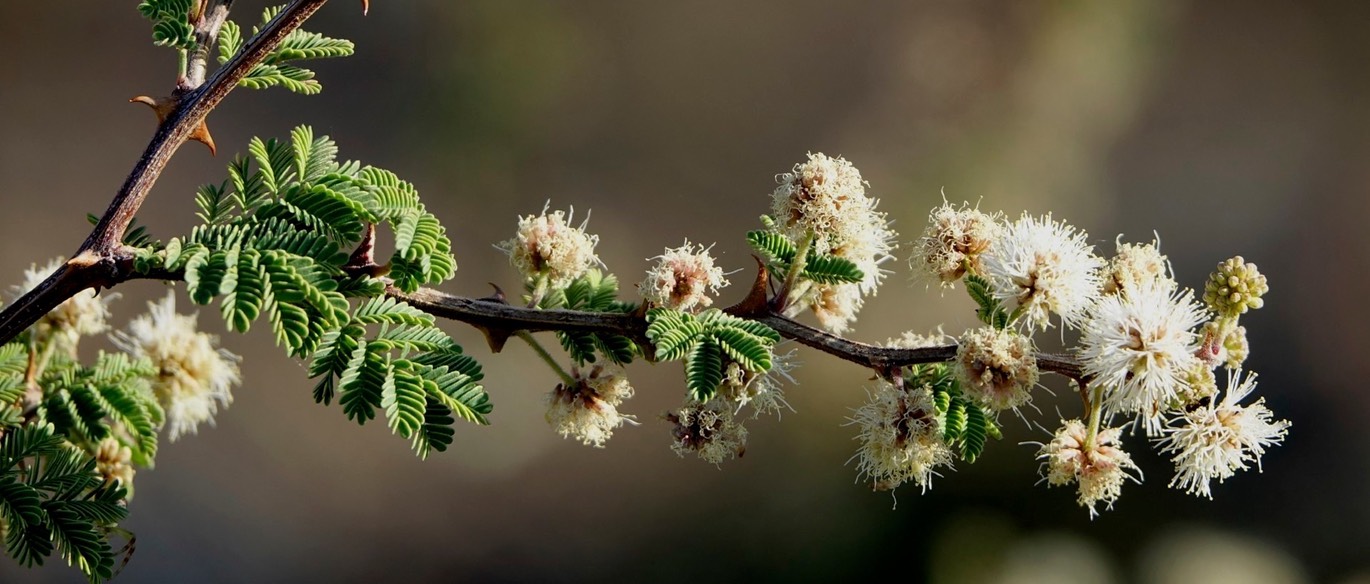
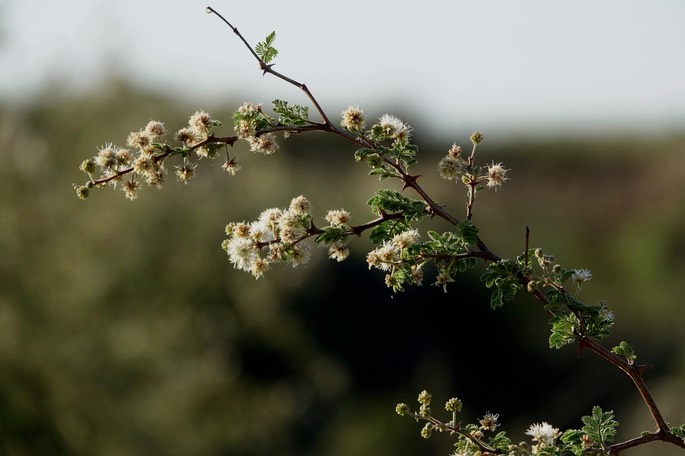
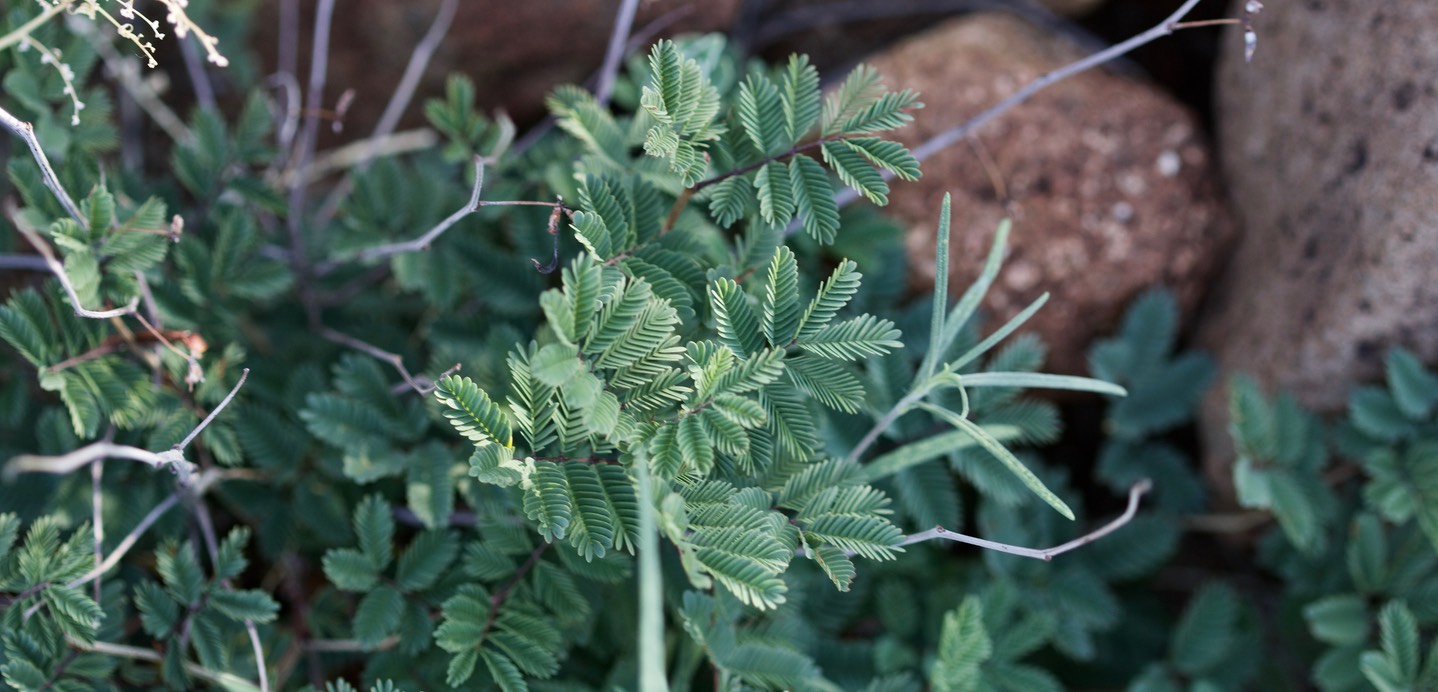
Just plain annoying, that is what the Wait-a-Minute Bush (aka Wait-a-Bit Bush, Paired-thorn Mimosa, and Catclaw Mimosa), Mimosa aculeaticarpa var. biuncifera is. Anyone who has walked along the lower to middle elevation slopes of the Black Range has had to wait a while when they encounter this bush. Finding it in front of you is always a good reason for a rest as you consider the ways around it. This species is a rather substantial bush, often growing as tall as an adult human and having a breadth equal to its height. It is typically massive in form. The numerous thorns, much like those of roses, are the reason you don’t simply plow through it, they are sharp and sturdy, often arranged in pairs on each side of the stem.
Common names of this species in Spanish include; Gatuño, Gatuña, Uña de Gato, and Garruño. Scientific synonyms for the subspecies include; Mimosa biuncifera, Mimosa biuncifera var. glabrescens, Mimosa biuncifera var. lindheimeri, Mimosa lindheimeri, Mimosa warnockii, and Mimosopsis biuncifera.
Within its range (in the United States - Arizona, New Mexico, and west Texas) this species is fairly common. In addition to the range within the US, this subspecies is found in much of Mexico (Chihuahua, Coahuila, Durango, Nuevo Leon, San Luis Potosi, Sinaloa, Sonora, Zacatecas, Aguascalientes, Guanajuato, Hidalgo, Jalisco, Mexico, and Queretaro).
The beans of this species are eaten by Pronghorn, Scaled Quail, and Gambel’s Quail (as well as domestic sheep and cattle). It is also a good source of nectar for honey bees.
The species was first described by Casimiro Gómez de Ortega a Spanish botanist who described species from plants collected in the Americas. The subspecies was first described by Rupert Charles Barneby in 1991.
Mimosa quadrivalis var. occidentalis
Western Sensitive Briar
Ready Pay to Wicks Walk
East of Hillsboro
Black Range
New Mexico
May
Mimulus guttatus
Spotted Monkeyflower
Railroad Canyon
Black Range
New Mexico
July
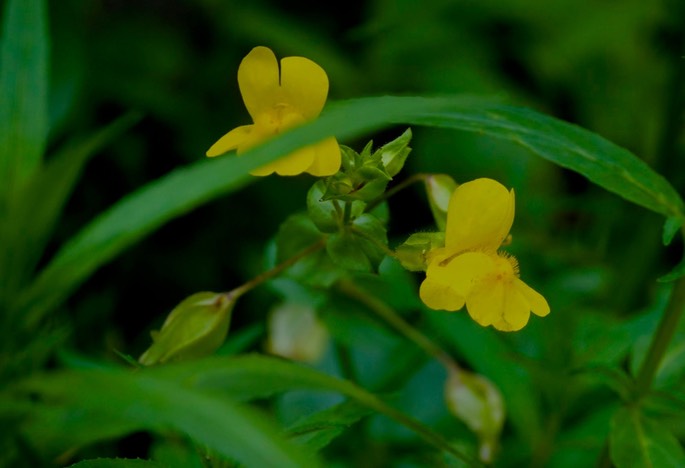
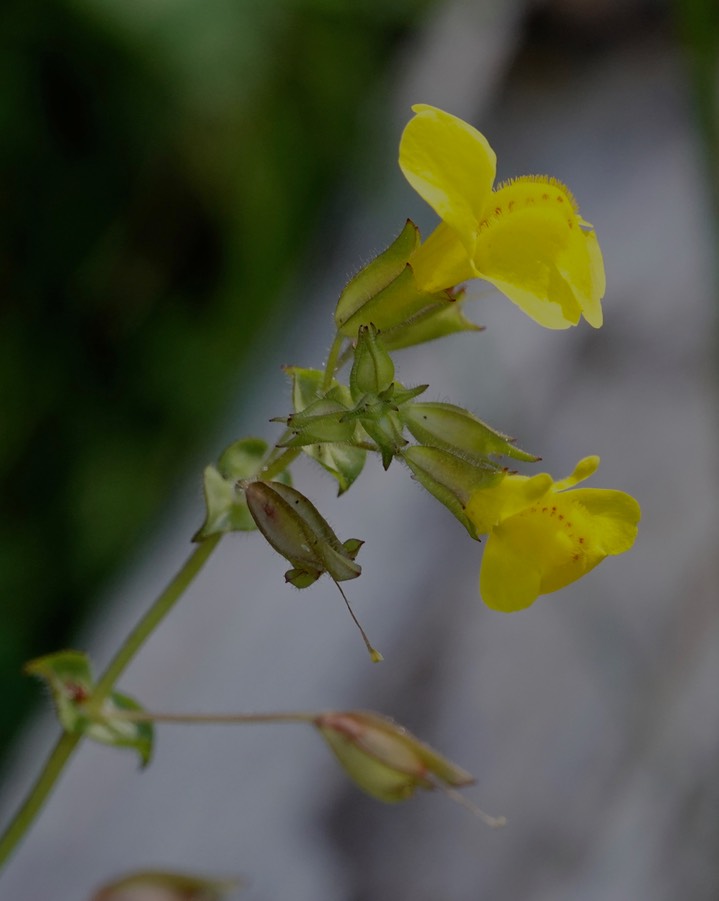
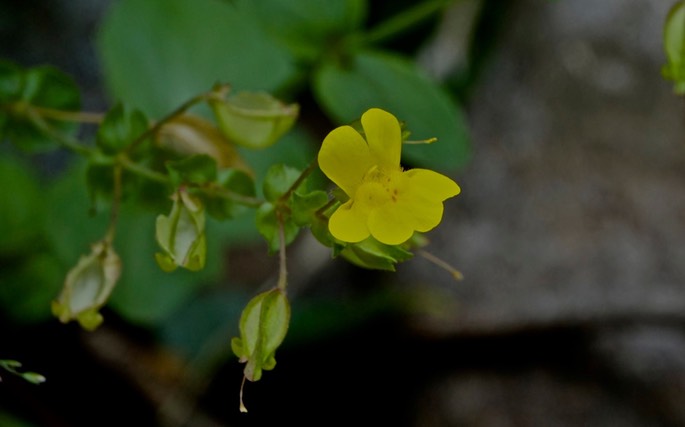
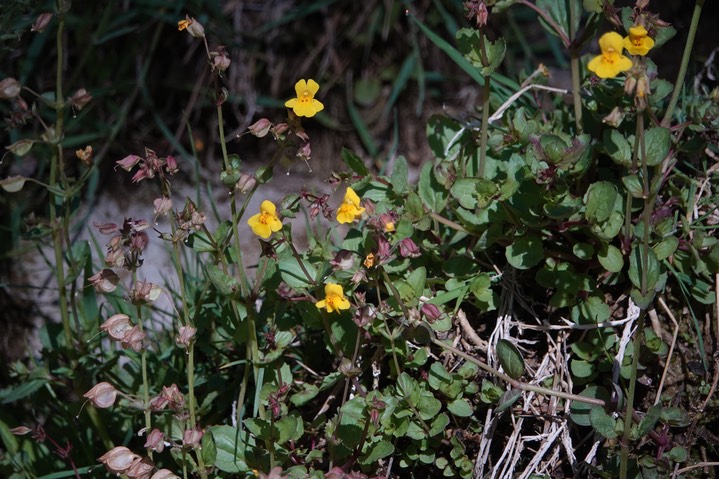
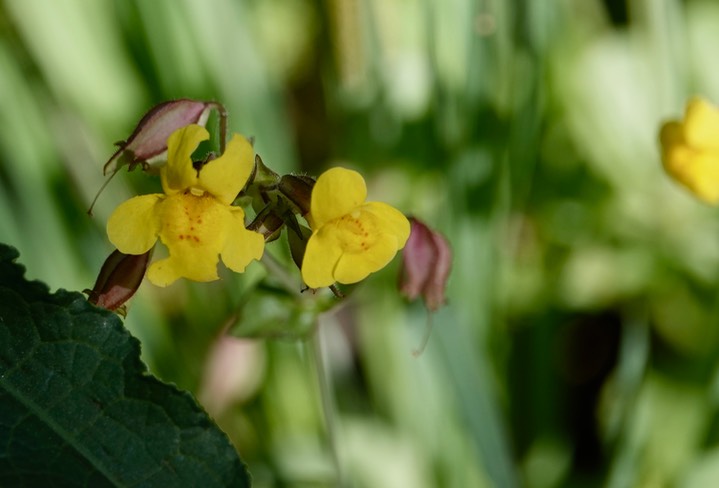
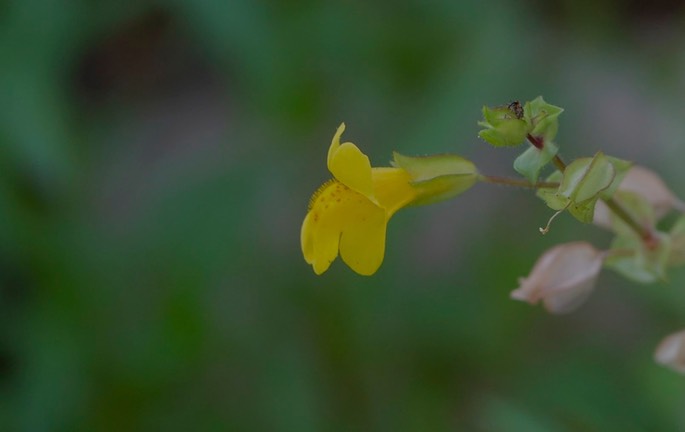
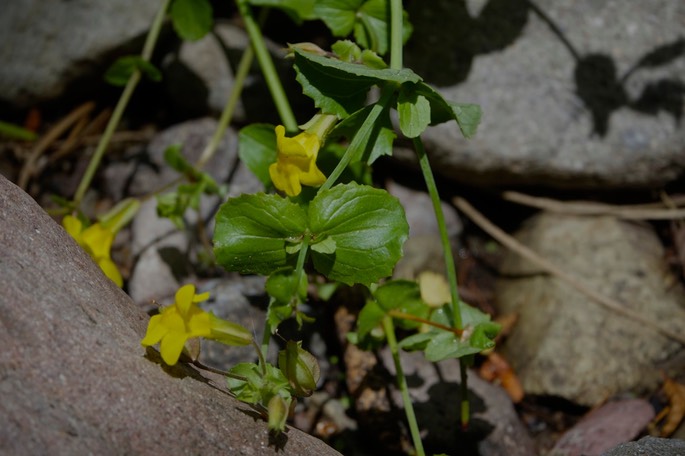
Mimulus guttatus, Spotted Monkeyflower, is fairly common along the creek above the Railroad Canyon Campground in the central Black Range of New Mexico during the summer. Other English common names for this species are Seep Monkeyflower, Common Large Monkey-flower, Golden Monkeyflower, Stream Monkey-flower, and Common Yellow Monkeyflower. The corolla (the term for all of the petals) is such that it practically blocks entry into the flower tube. Bees, which pollinate this species, must rub against the pollen on the lower petal, to gain entry into the tube and access to the nectar - a very effective design for the transference of pollen.
This species is found in most of the western United States (in appropriate habitat). It is also found in northern Mexico. This is a extraordinary species which grows in a extensive range of habitats and is found in both annual and perennial forms. It has been the subject of more than 1,000 scientific papers.
Mimulus guttatus was first described by Augustin Pyramus de Candolle. There are many scientific synonyms for this species. Various sources have argued that the species should be split.
The Native American Ethnobotany Data Base has several listings for uses of this species.
Mirabilis albida
White Four O’Clock
McKinley Mine
East of Hillsboro
Black Range
New Mexico
May
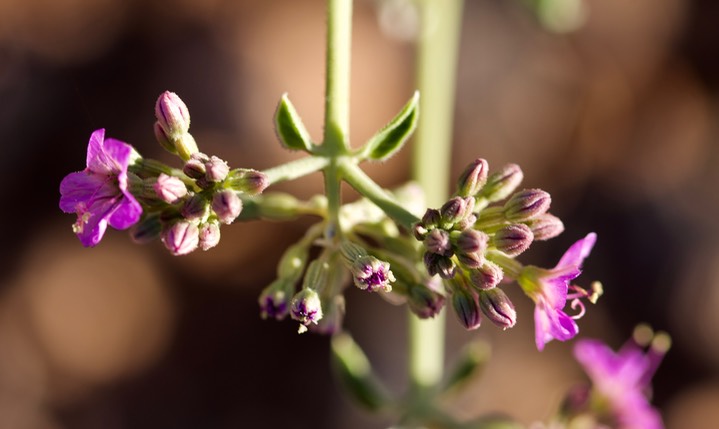
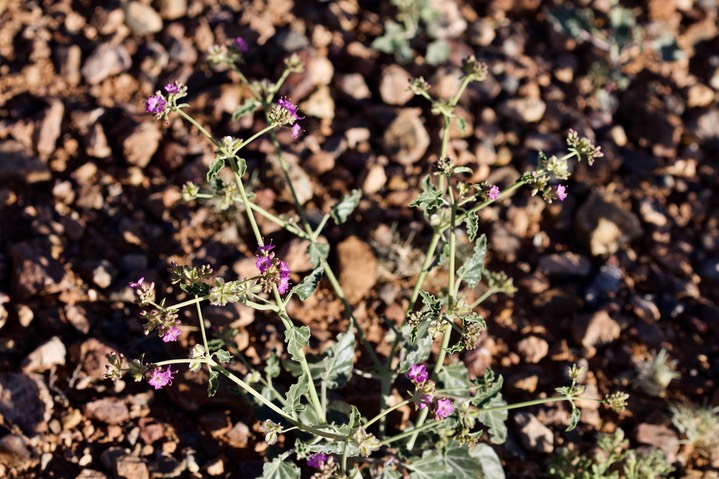
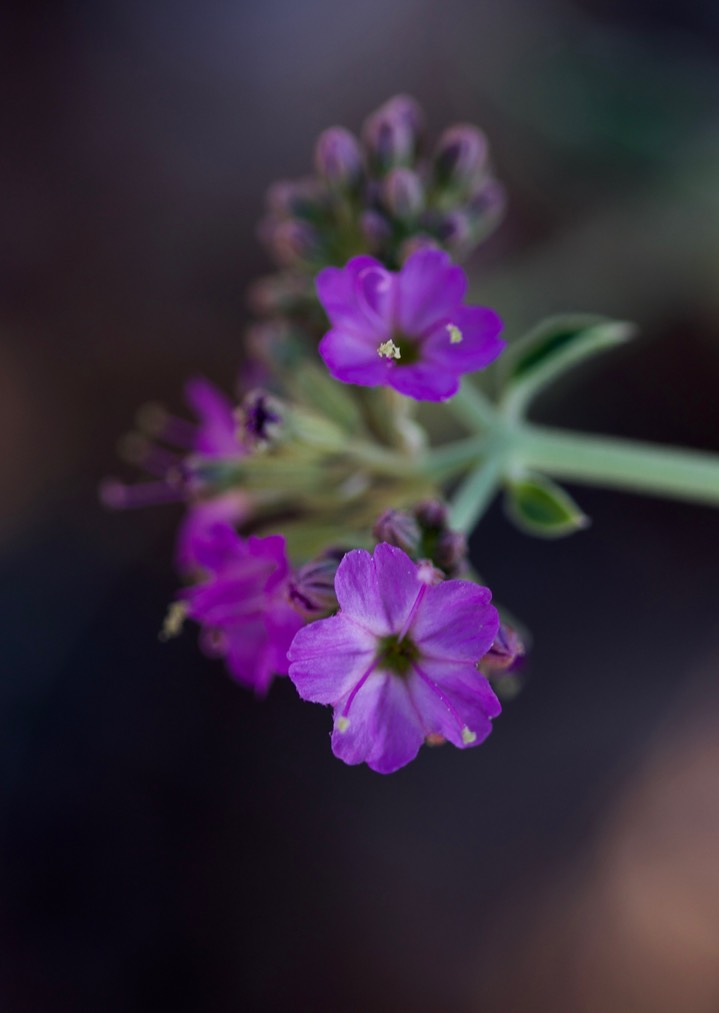
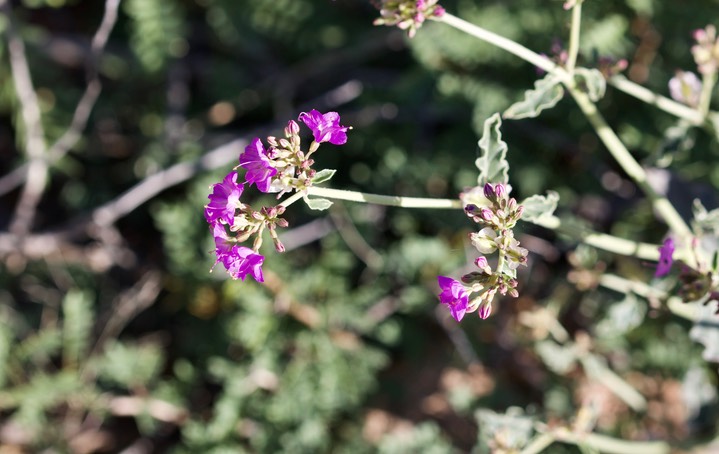
Mirabilis linearis var. linearis
Opportunity Mine Road
East of Hillsboro
Black Range
New Mexico
April
Mirabilis longiflora
Sweet Four O’clock
Bloodgood Spring
Black Range
near Kingston
and Silver Creek
Black Range
New Mexico
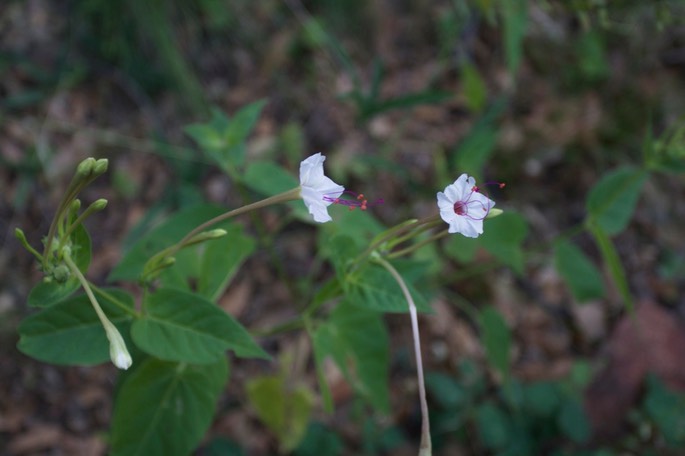
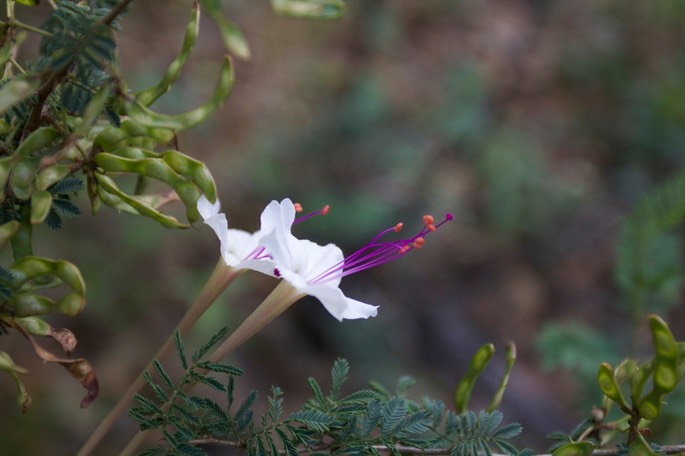
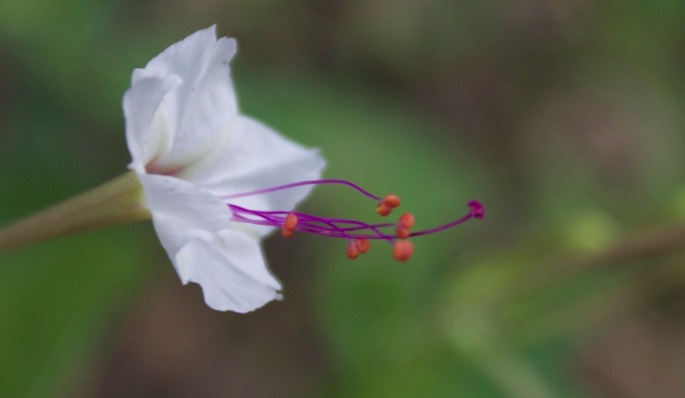
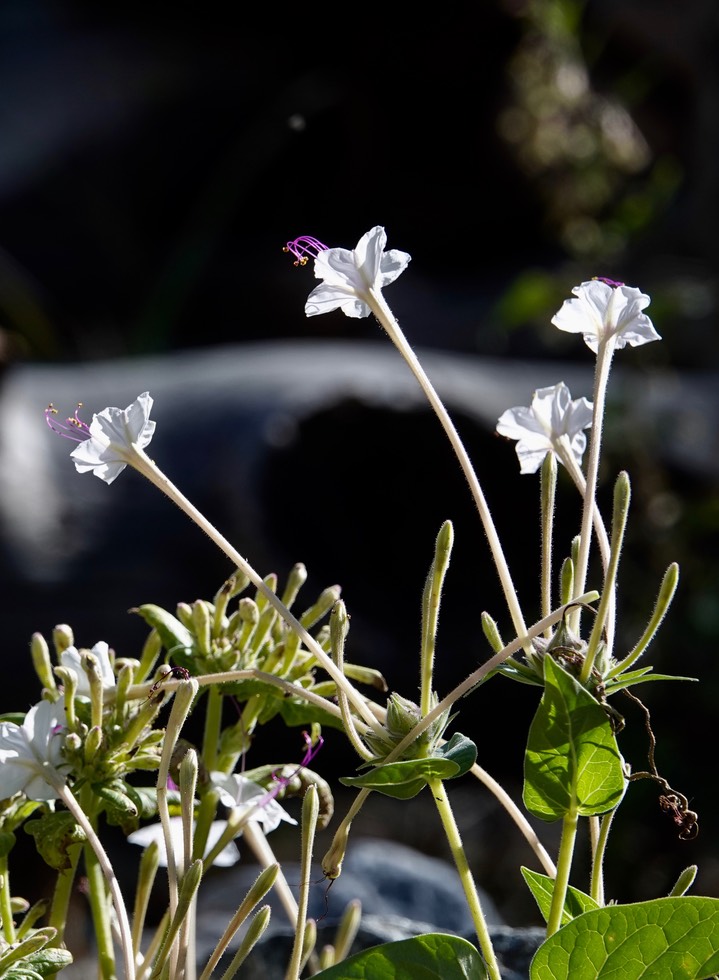
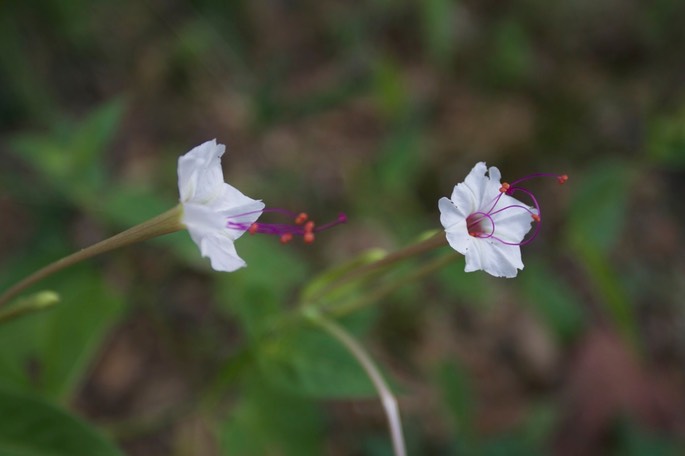
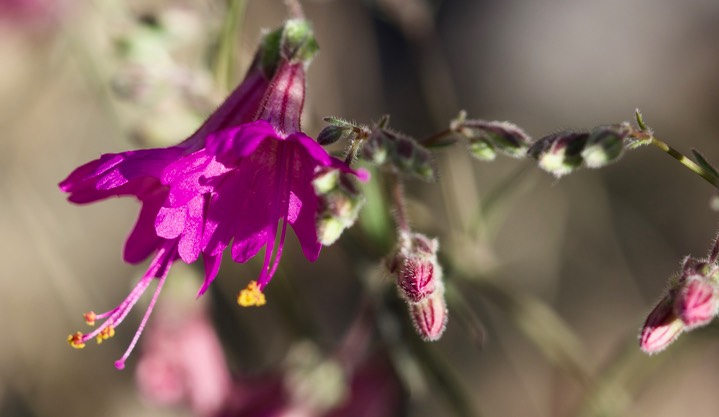
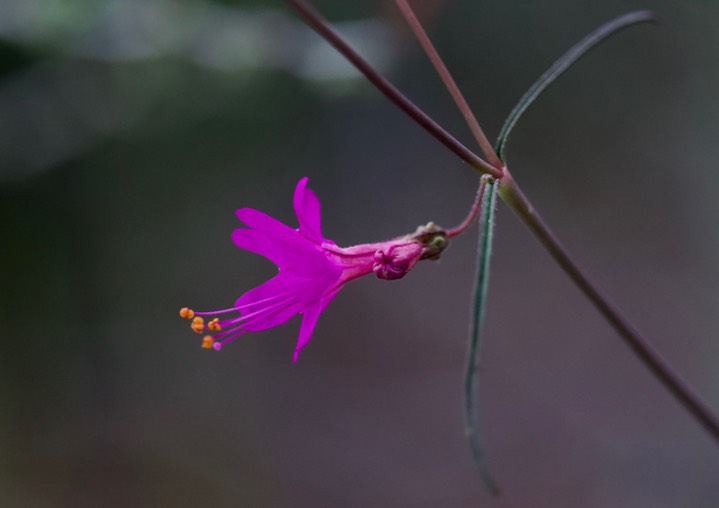
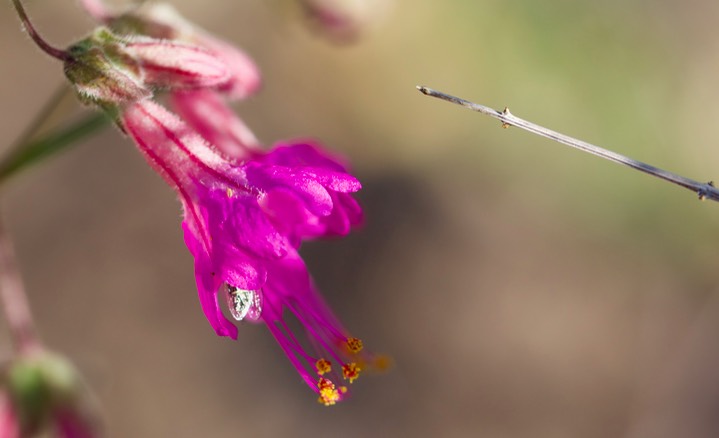
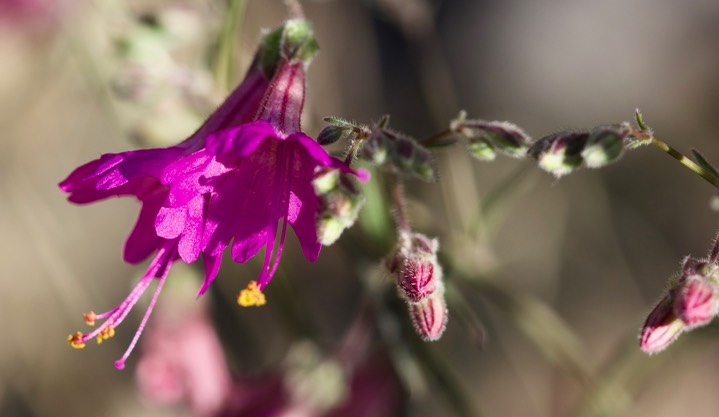
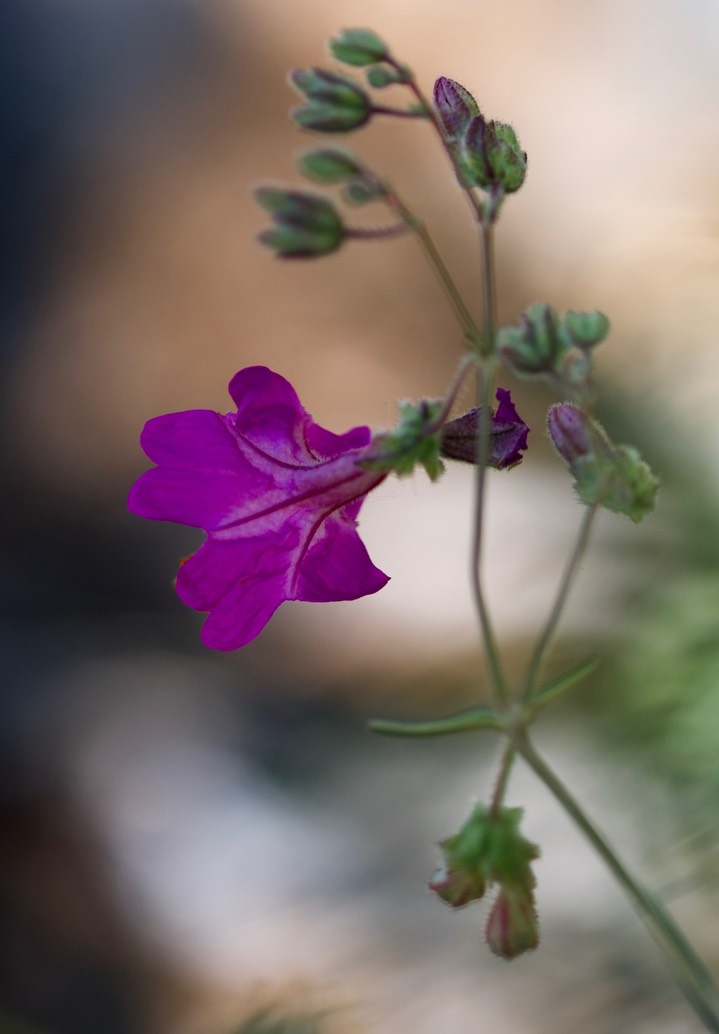
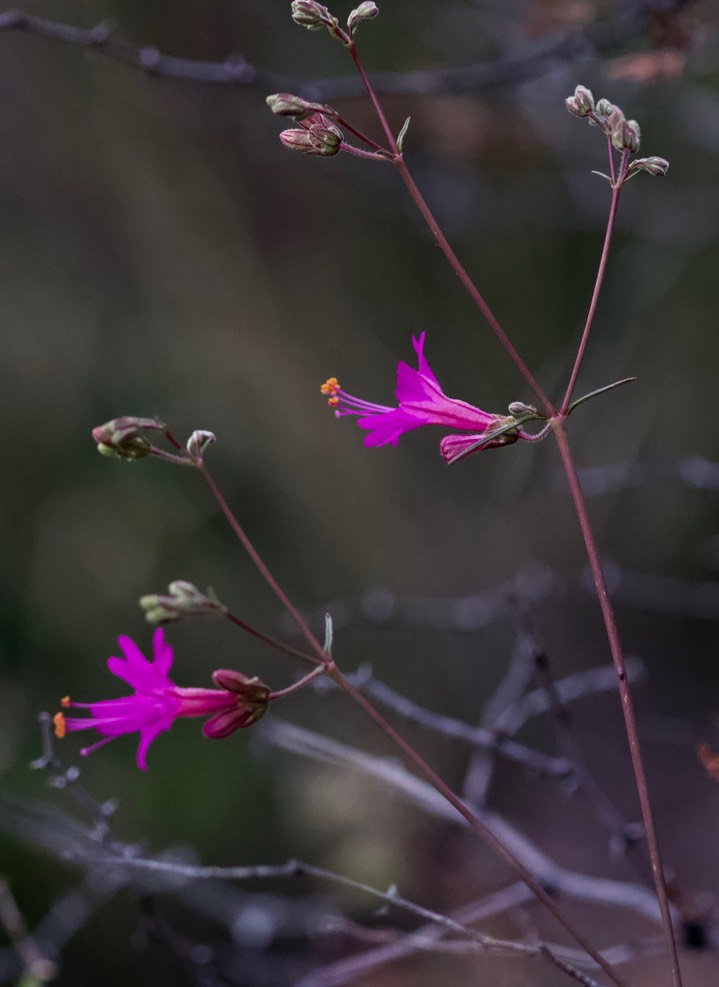
Sweet Four O'Clock, Mirabilis longiflora, is also known as Longtube Four O'Clock and Maravilla (Spanish). It is most common in desert riparian areas.
The flowers of this species typically open late in the afternoon and as a night blooming plant attracts large hummingbird moths. The seeds of this species are poisonous.
Some authorities will separate out the plant that we have here as a distinct subspecies, M. l. wrightiana. The range of the Sweet Four O'Clock is restricted to central Mexico and the southwestern United States (if you are inclined to recognize the existence of subspecies in this plant then the nominate form is found in central Mexico and M. l. wrightiana is found farther north). The range within the United States is restricted to southwestern New Mexico, southeastern Arizona, and the Big Bend region of Texas.
M. l. wrightiana was noted as M. wrightiana in 1894, in the Transactions of the New York Academy of Sciences in an article by Britton and Kearney.
Mirabilis multiflora
Wild Four O'Clock
Sawyers Peak Trail
and other locales
Black Range
New Mexico
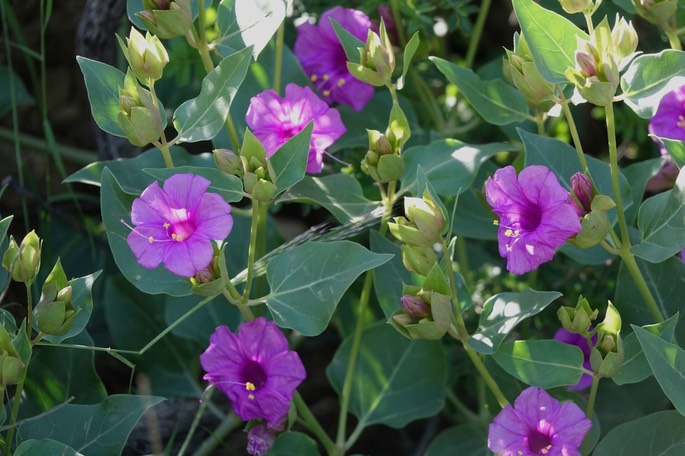
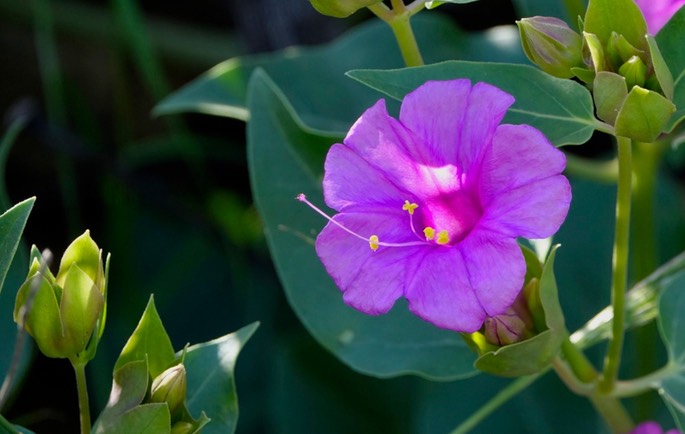
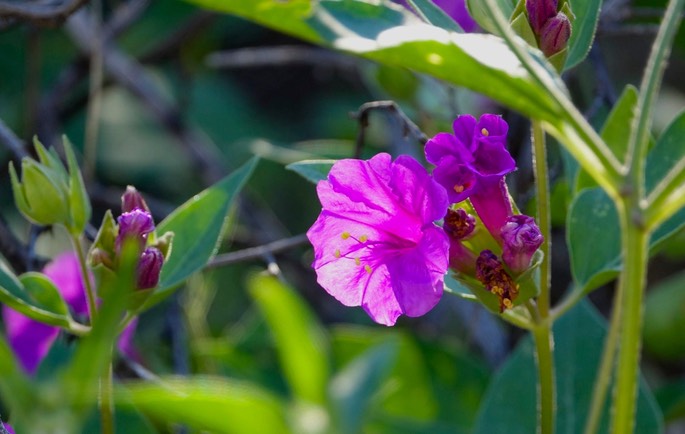
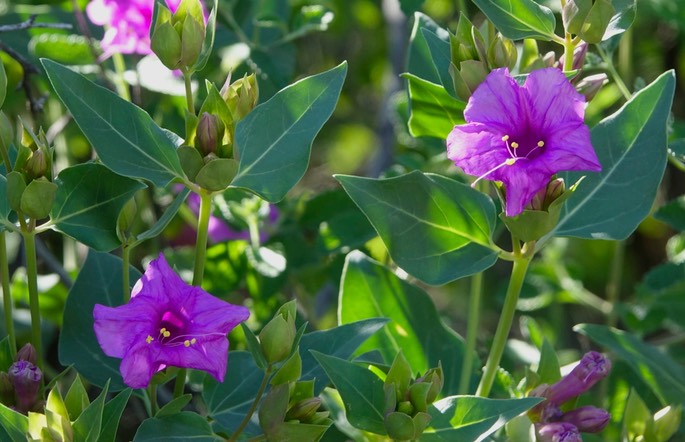
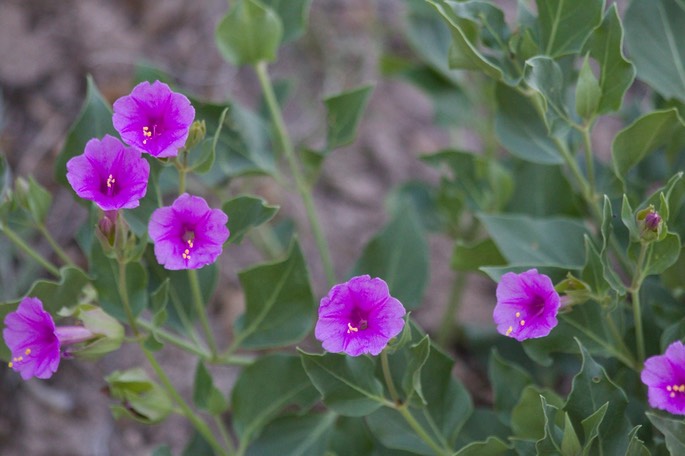
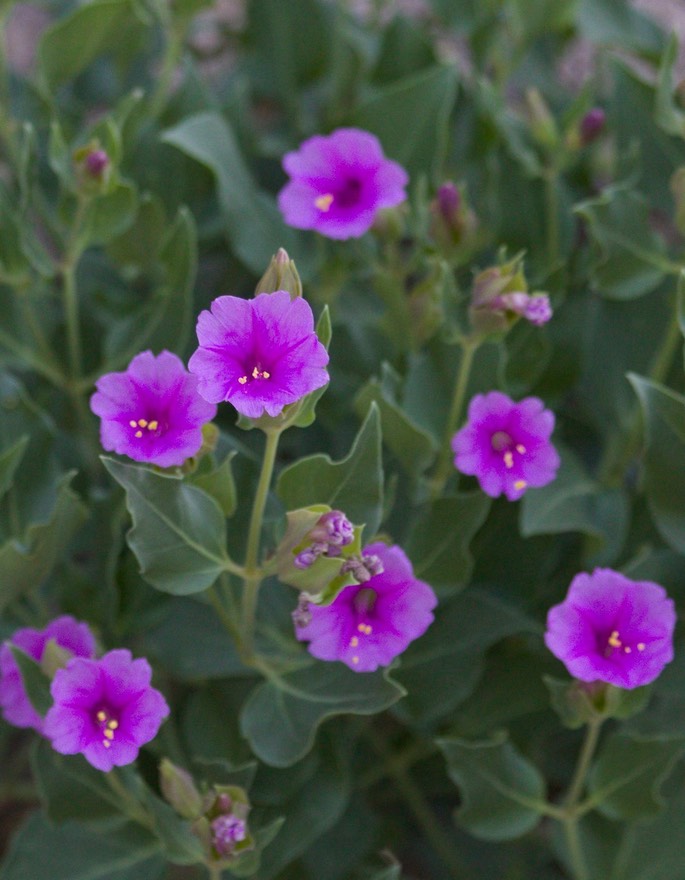
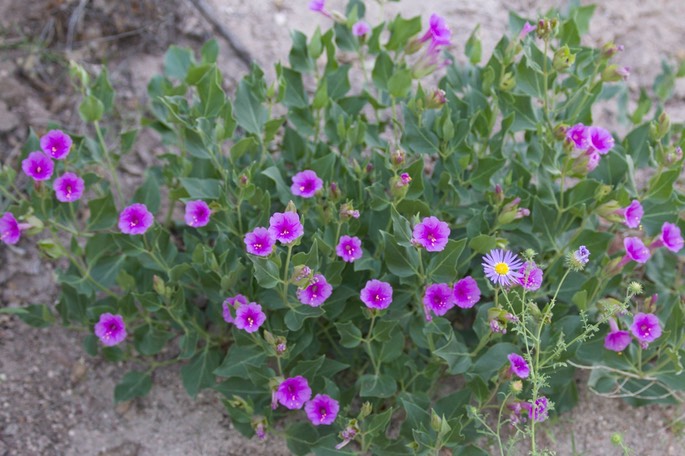
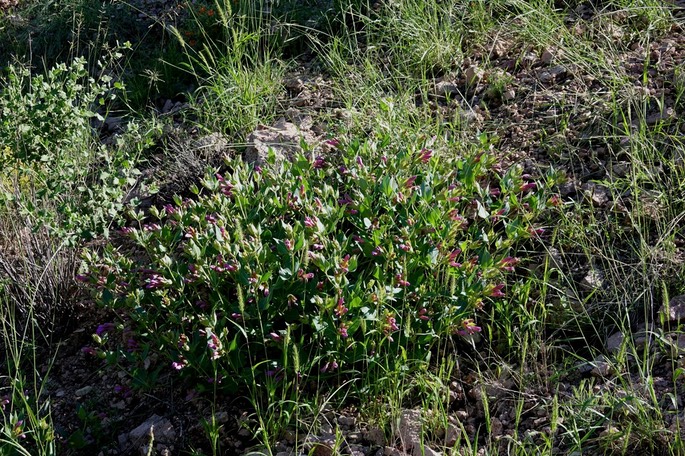
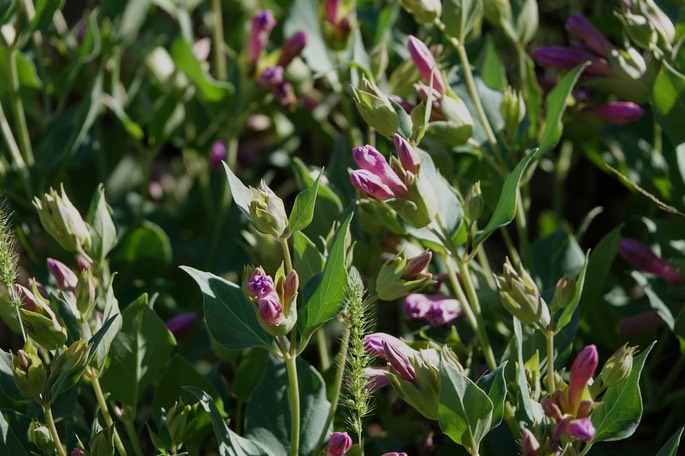
Wild Four O'clock, Mirabilis multiflora, is one of the more dramatic flowering plants in the Black Range. It is also known as Colorado Four O'clock. The mass of beautiful flowers pictured here announced itself in late August along the Sawyers Peak Trail. The subspecies found here is the nominate form, there are two other subspecies. It is found in a wide range of elevation, 300' to almost 8,000' (and given where we found it, a bit higher).
The Wild Four O'clock ranges from California to Colorado, south to northern Mexico, and portions of Texas. This subspecies has a much more limited range. The Zuni people ground the roots of this species into flour.
It was originally described by Torrey in 1827 as Oxybaphus multiflorus. See Annals of the Lyceum of Natural History of New York, Vol. 2, pp 161 - 254. "Some Account of a Collection of Plants Made During a Journey to and from the Rocky Mountains in the Summer of 1820, by Edwin P. James, M.D. Assistant Surgeon U.S. Army" by John Torrey.
Monarda sp.
(M. pectinata - Pagoda Plant
or M. citriodora austromontana
- Lemon Beebalm)
Gallinas Canyon
West Slope of the Black Range
New Mexico
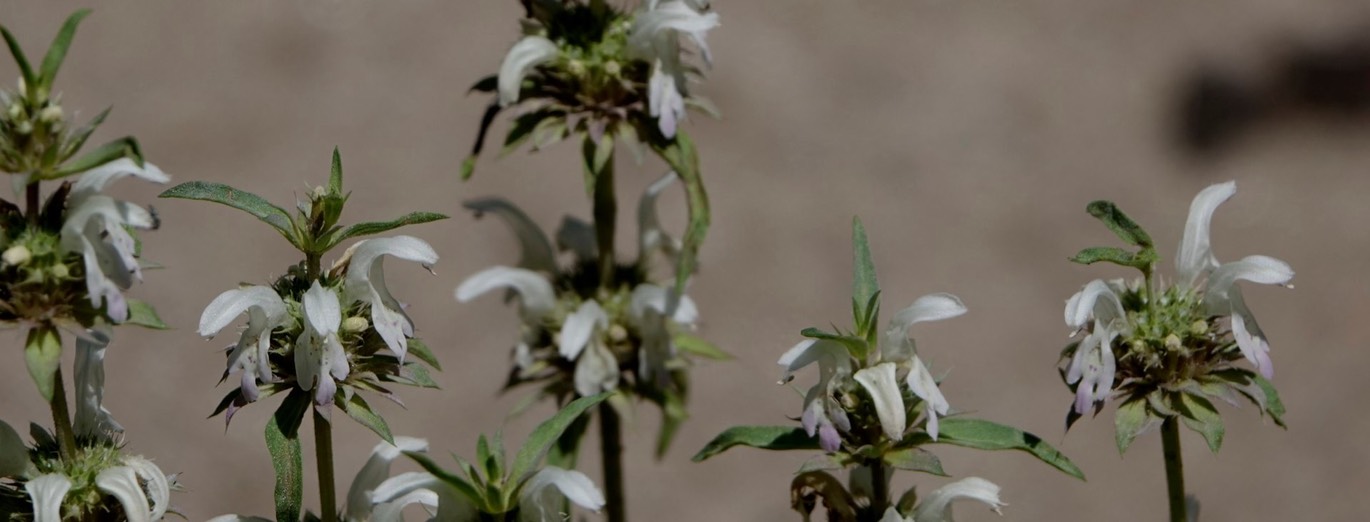
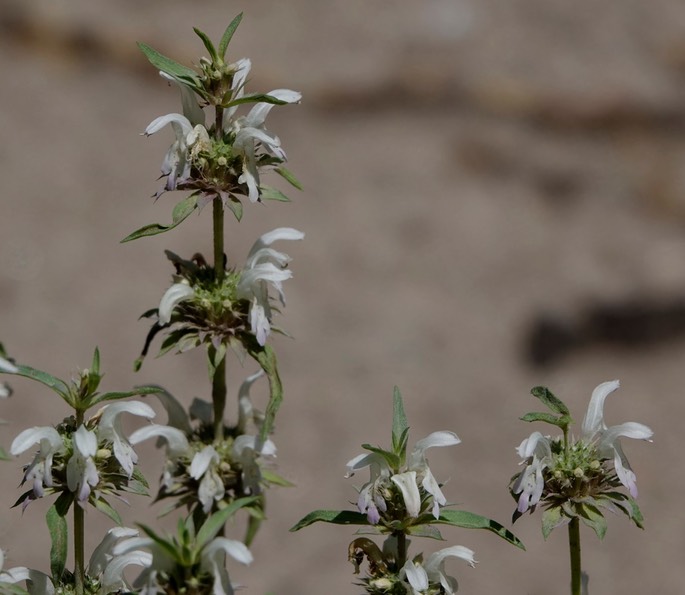
Monarda fistulosa var. menthifolia
Bergamot
Middle Percha Creek
& Railroad Canyon
Black Range
New Mexico
July
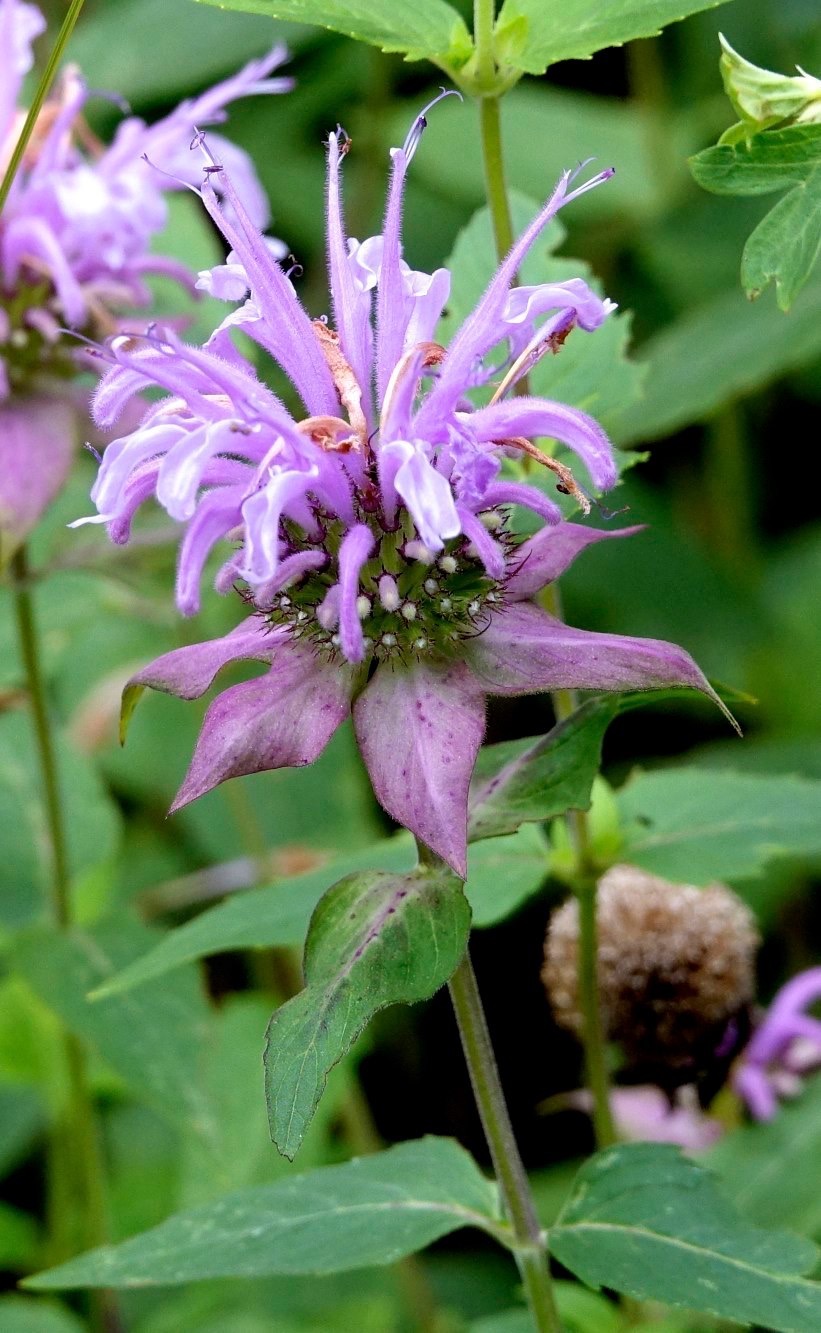
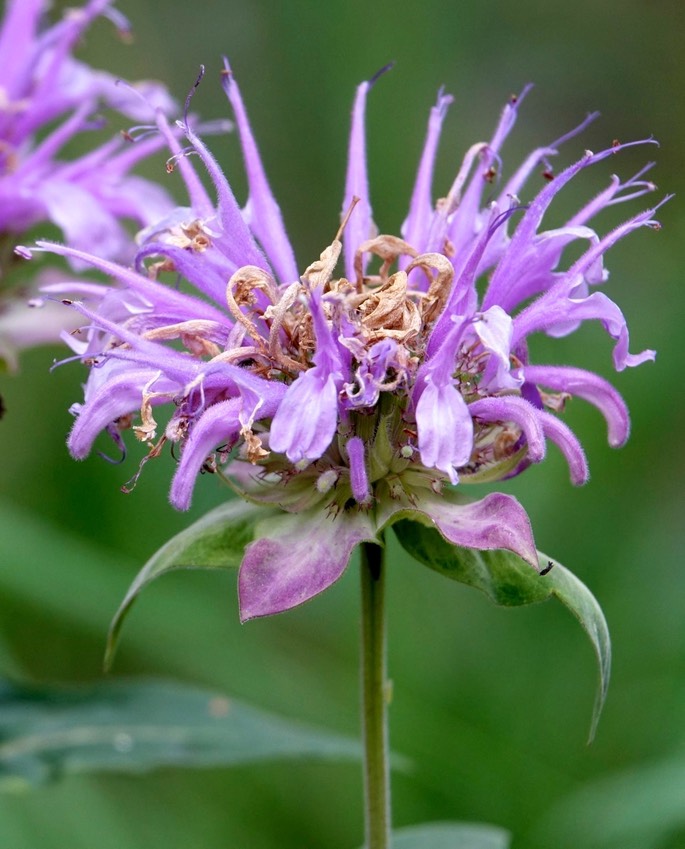
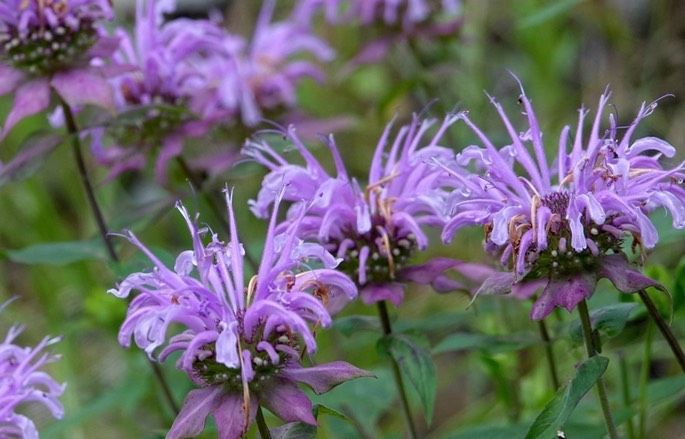
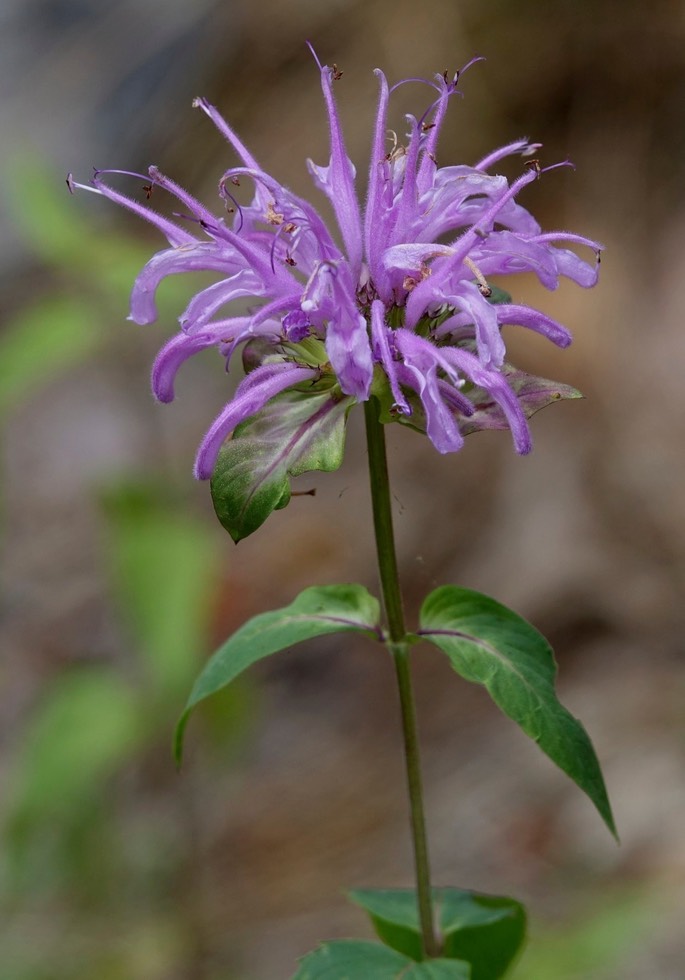
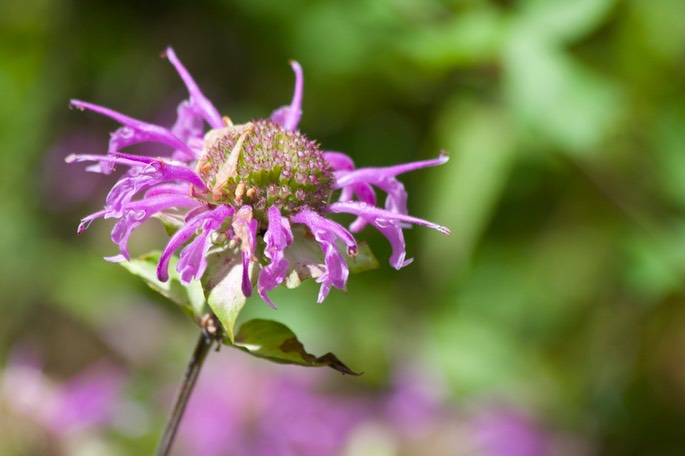
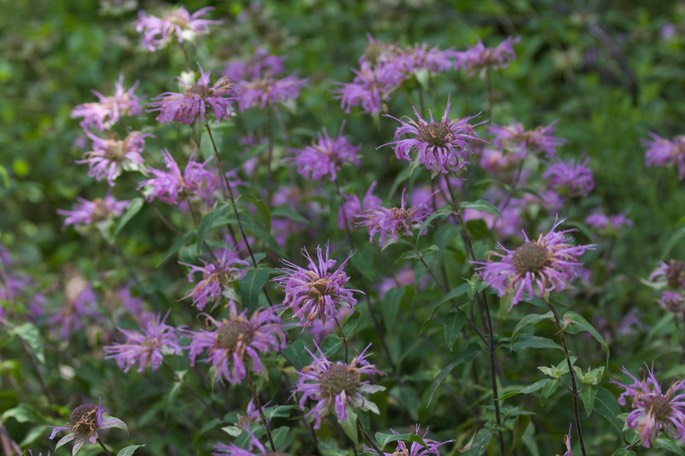
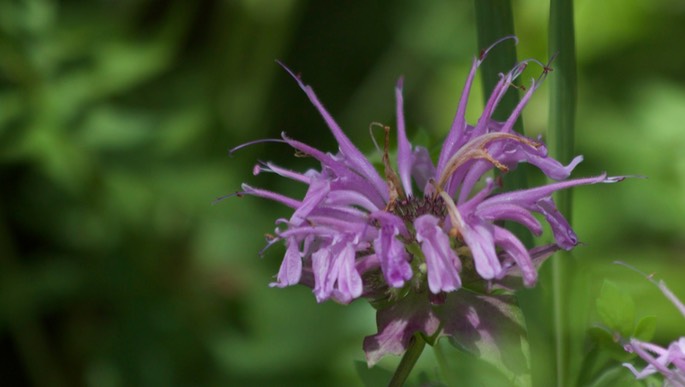
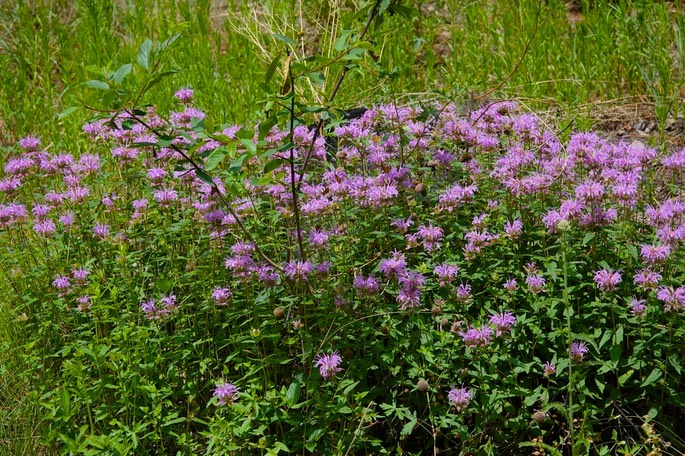
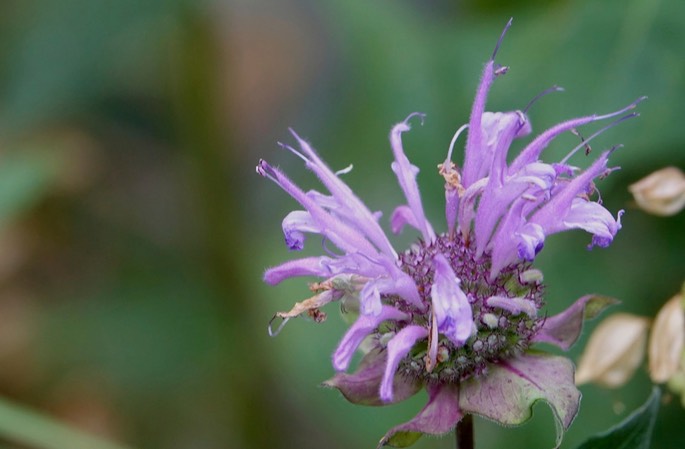
Bergamot, Monarda fistulosa var. menthifolia, is a mint. It is also called Oswego Tea, it is the leaves which are used as a tea. This particular variety is also called Mintleaf Bergamot. We found the plants depicted here in the drainage of the Middle Percha, just west of Kingston, and in Railroad Canyon, Black Range, New Mexico.
There are several varieties of this species, M. f. var. menthifolia is found in western North America.
The Native Plant Network has a substantive listing of information about the propagation of this species.
The University of Michigan has an extensive listing for this species at its Native American Ethnobotany site. The indigenous peoples of North America used this species for a great number of medicinal purposes.
Merritt Lyndon Fernald (1873 - 1950) first described this variety. To quote the Wikipedia entry on him (7/9/2015) “In his time he was regarded as the most respected scholar of the taxonomy and phytogeography of the vascular plant flora of temperate eastern North America.” Among other things he edited the seventh and eighth editions of “Grays Manual of Botany”. His memoir, published by the National Academy of Sciences in 1954 has an excellent bibliography of his works.
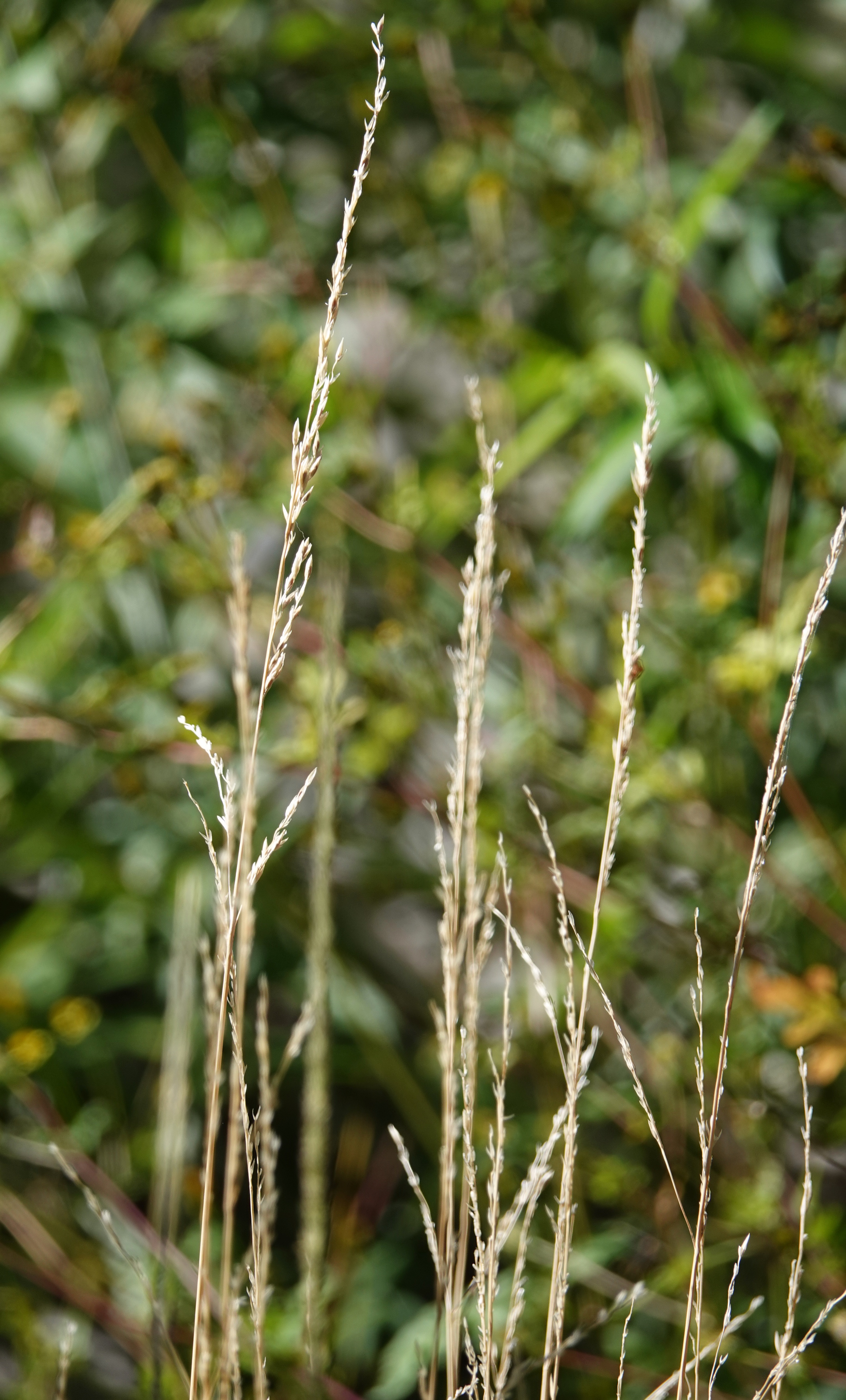
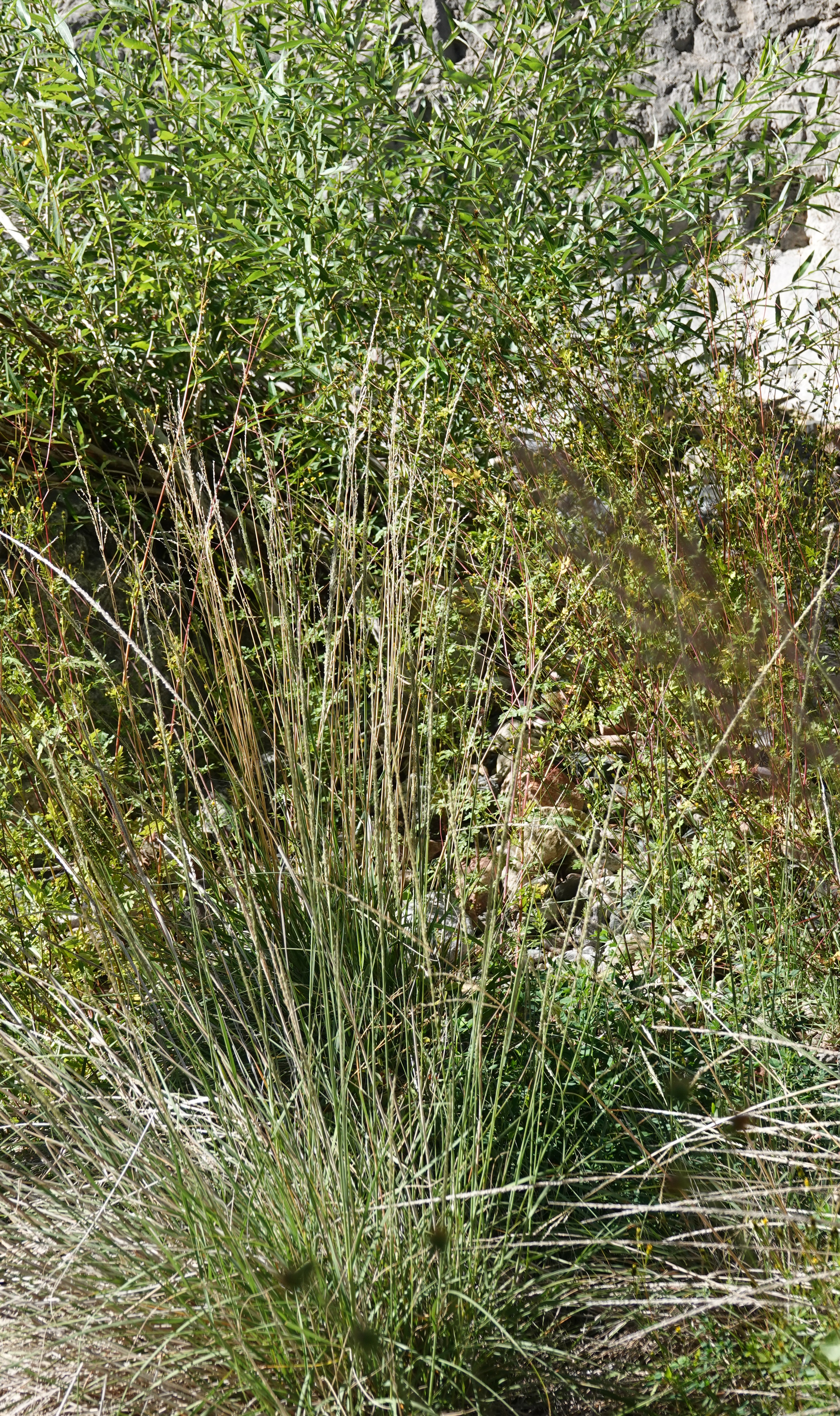
Muhlenbergia montana (Nuttall) A.S. Hitchcock
(Mountain Muhly)
North Percha Creek east of FR157
Black Range
September
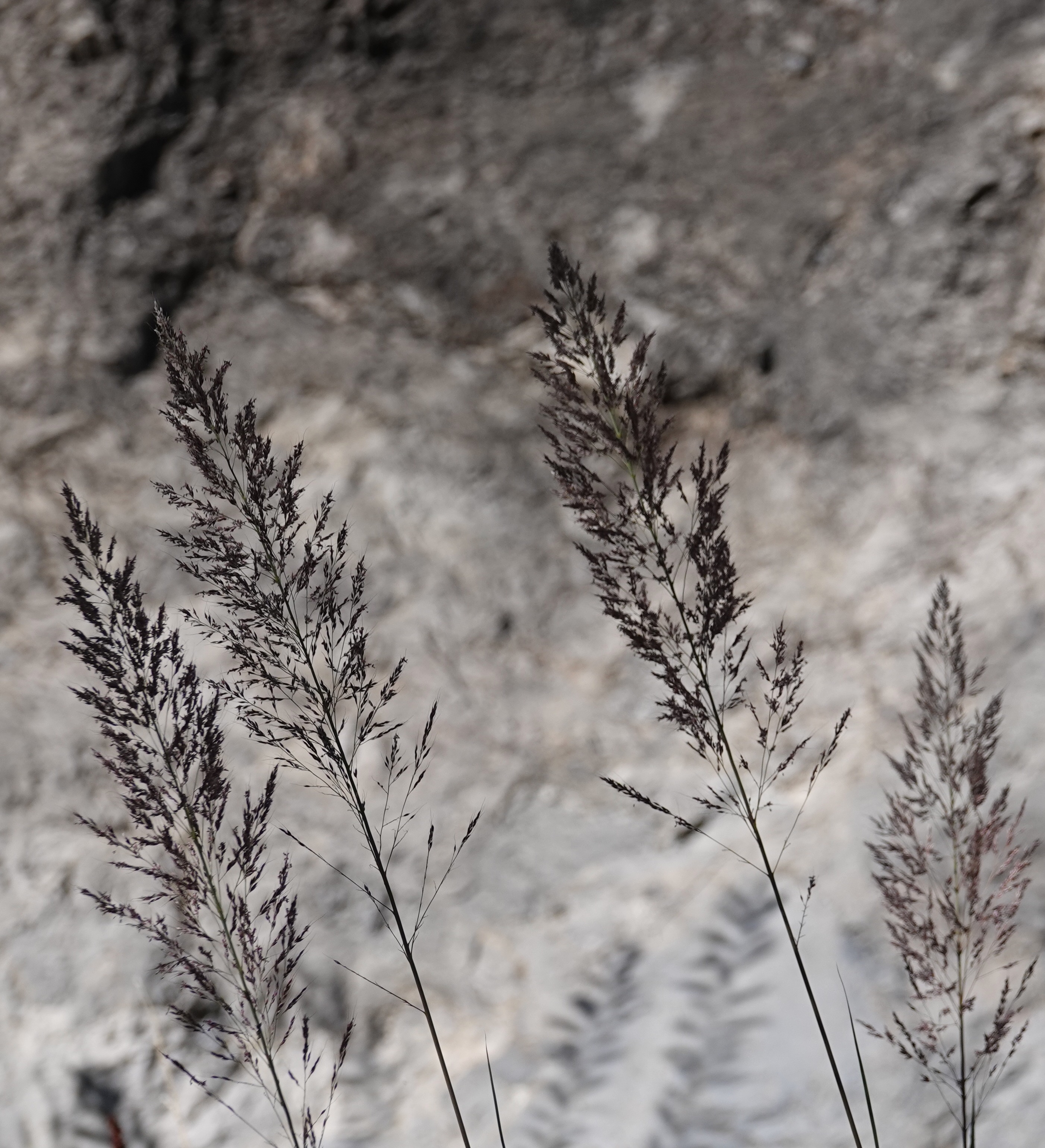
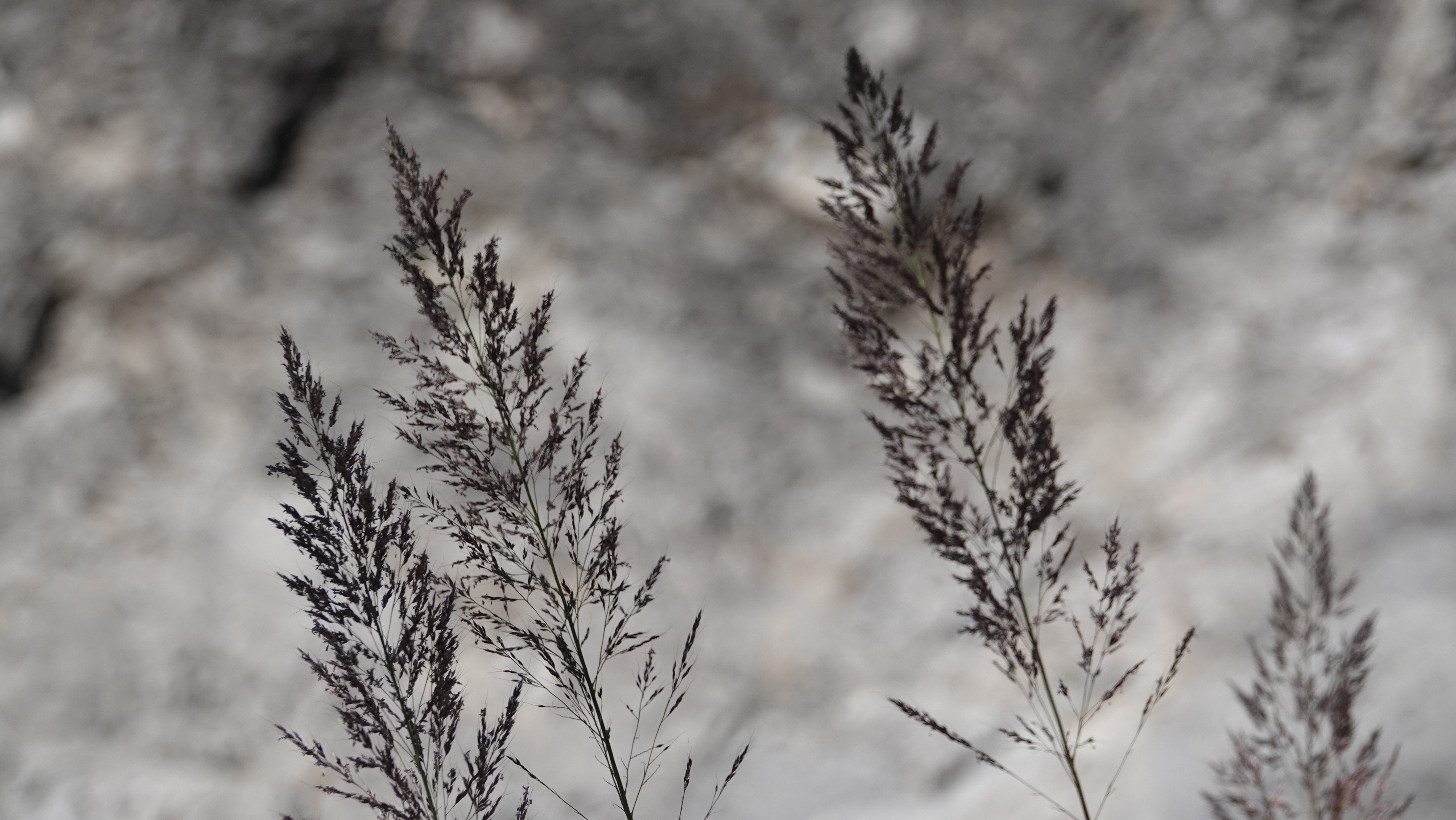
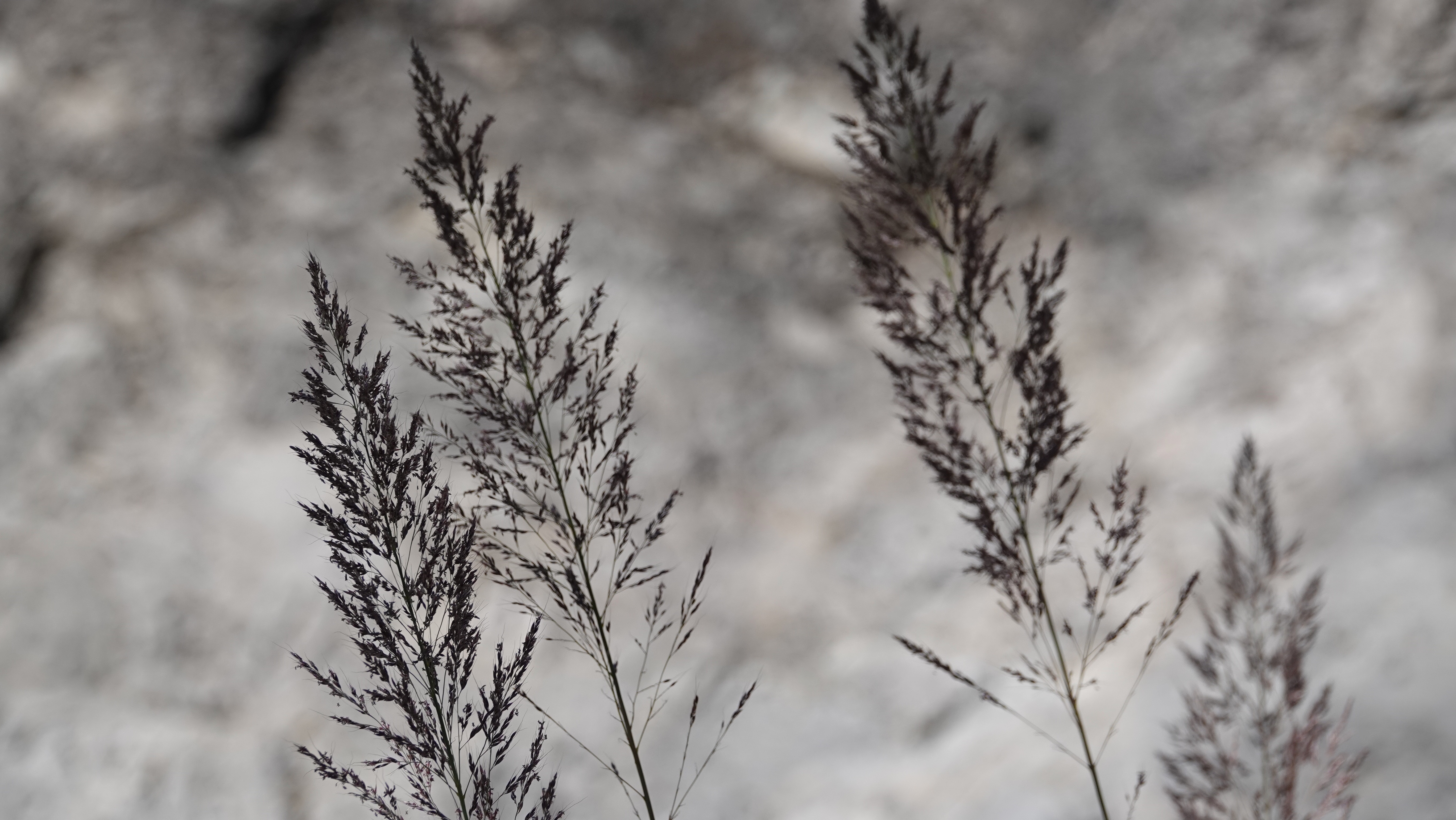
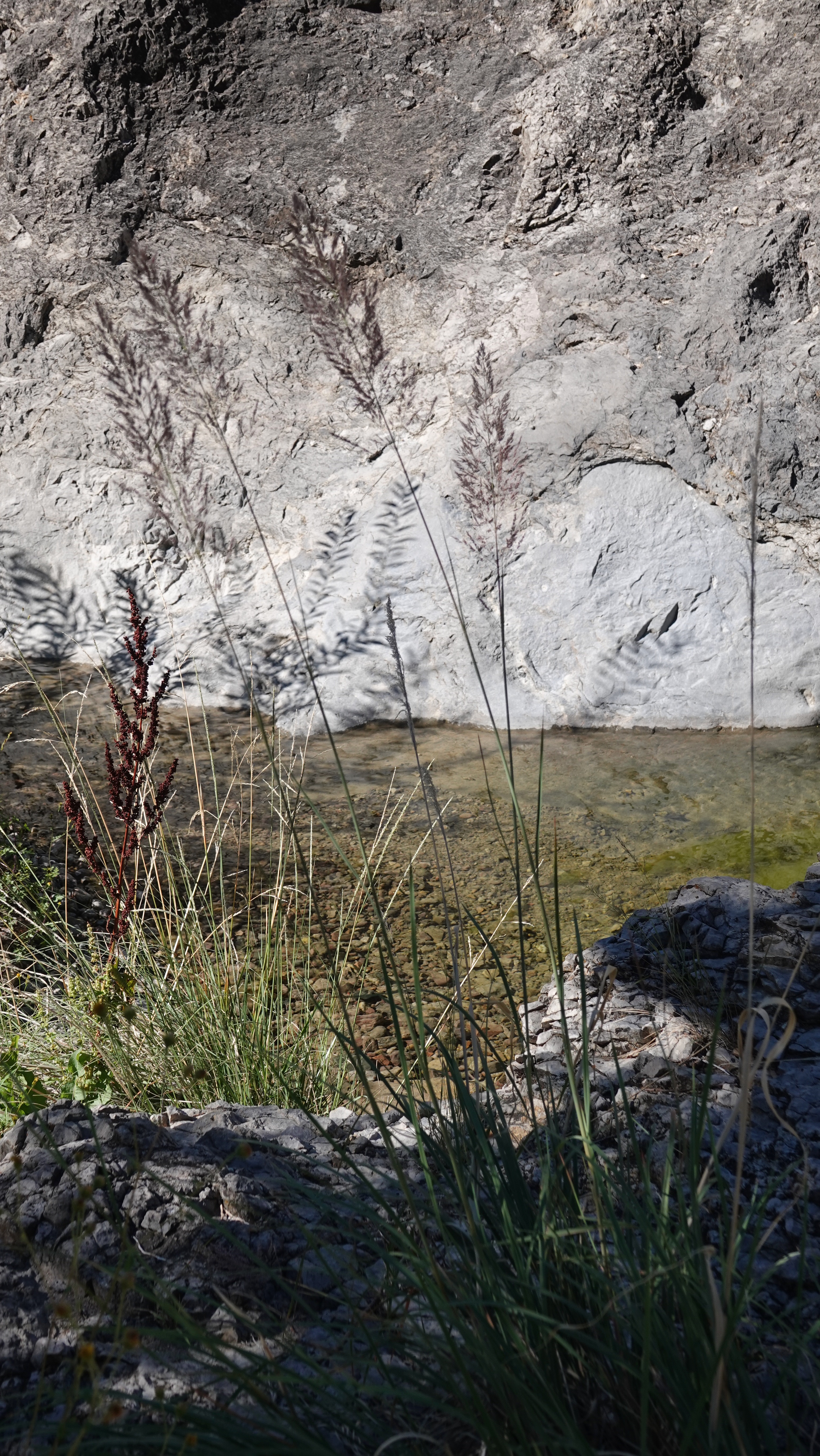
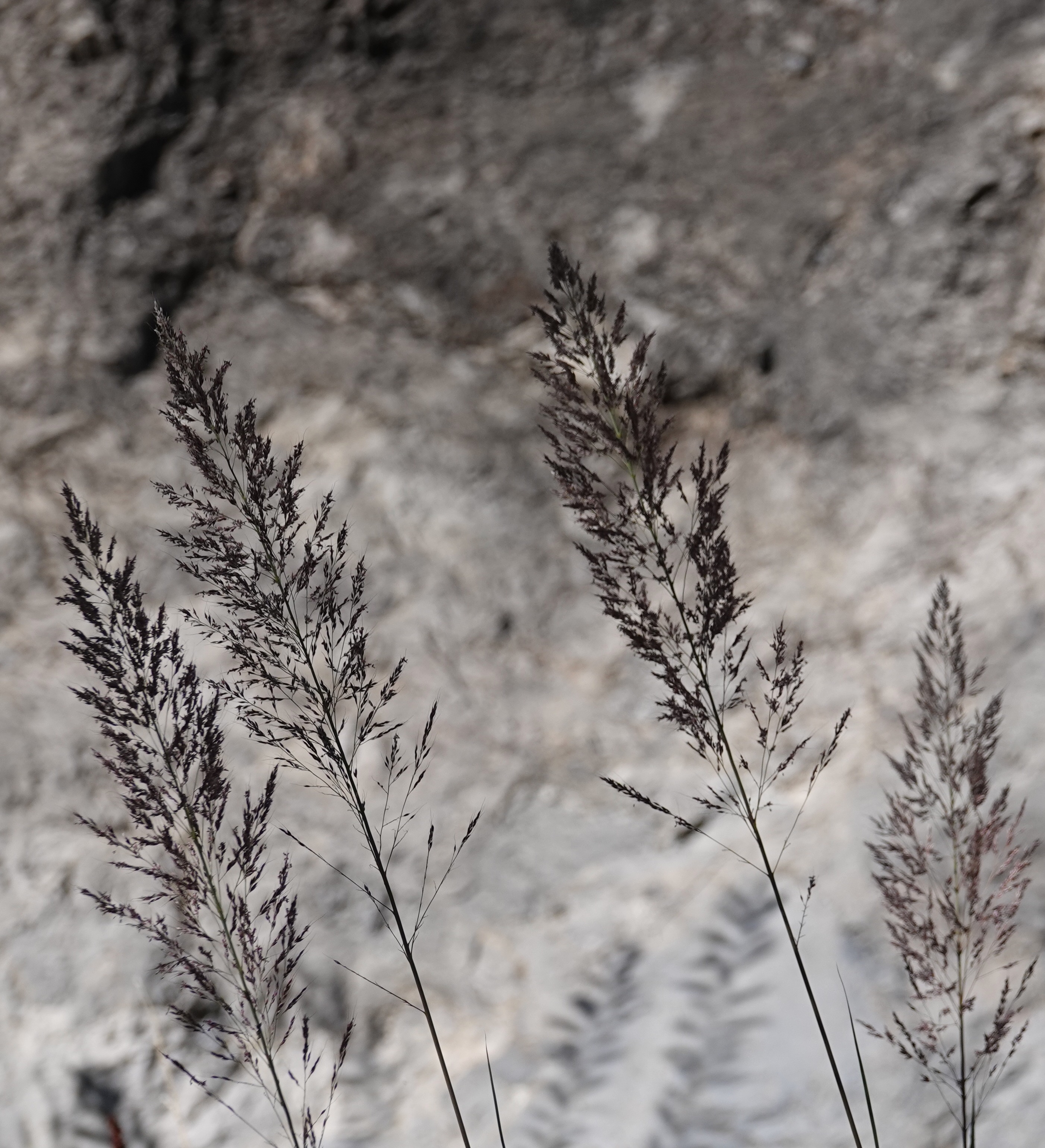
Muhlenbergia rigens (Bentham) A.S. Hitchcock
Deergrass
North Percha Creek east of FR157
Black Range
September
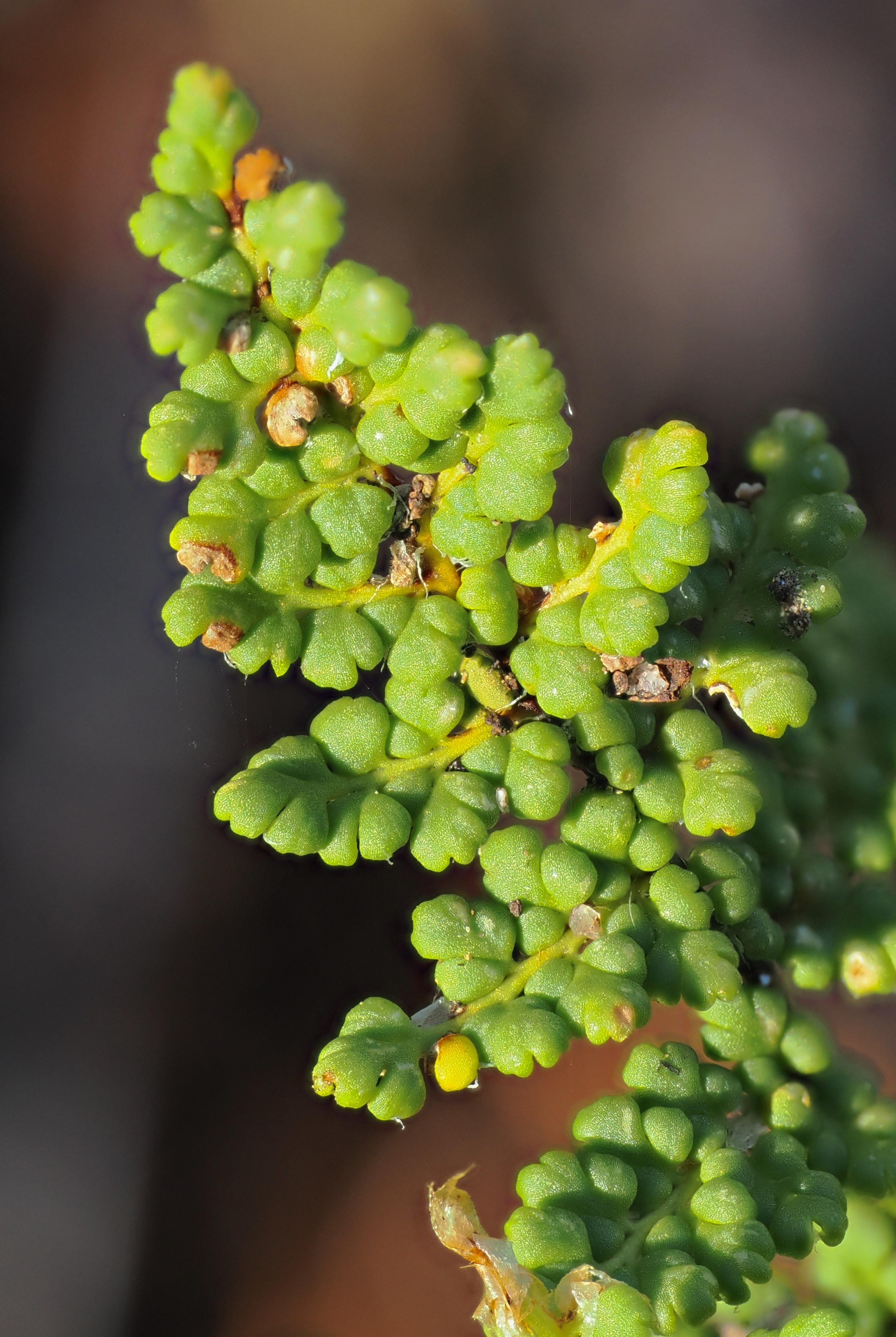
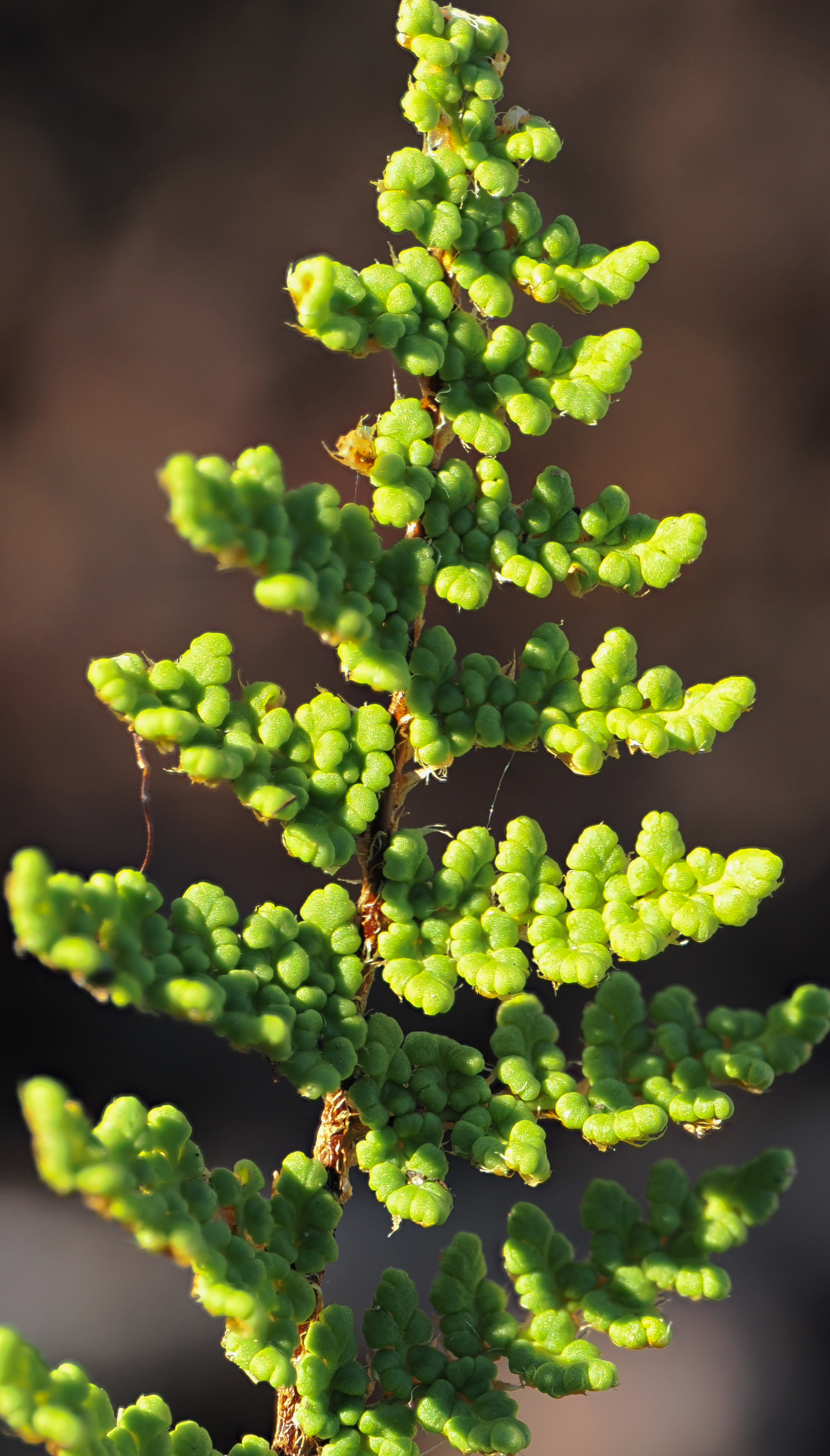
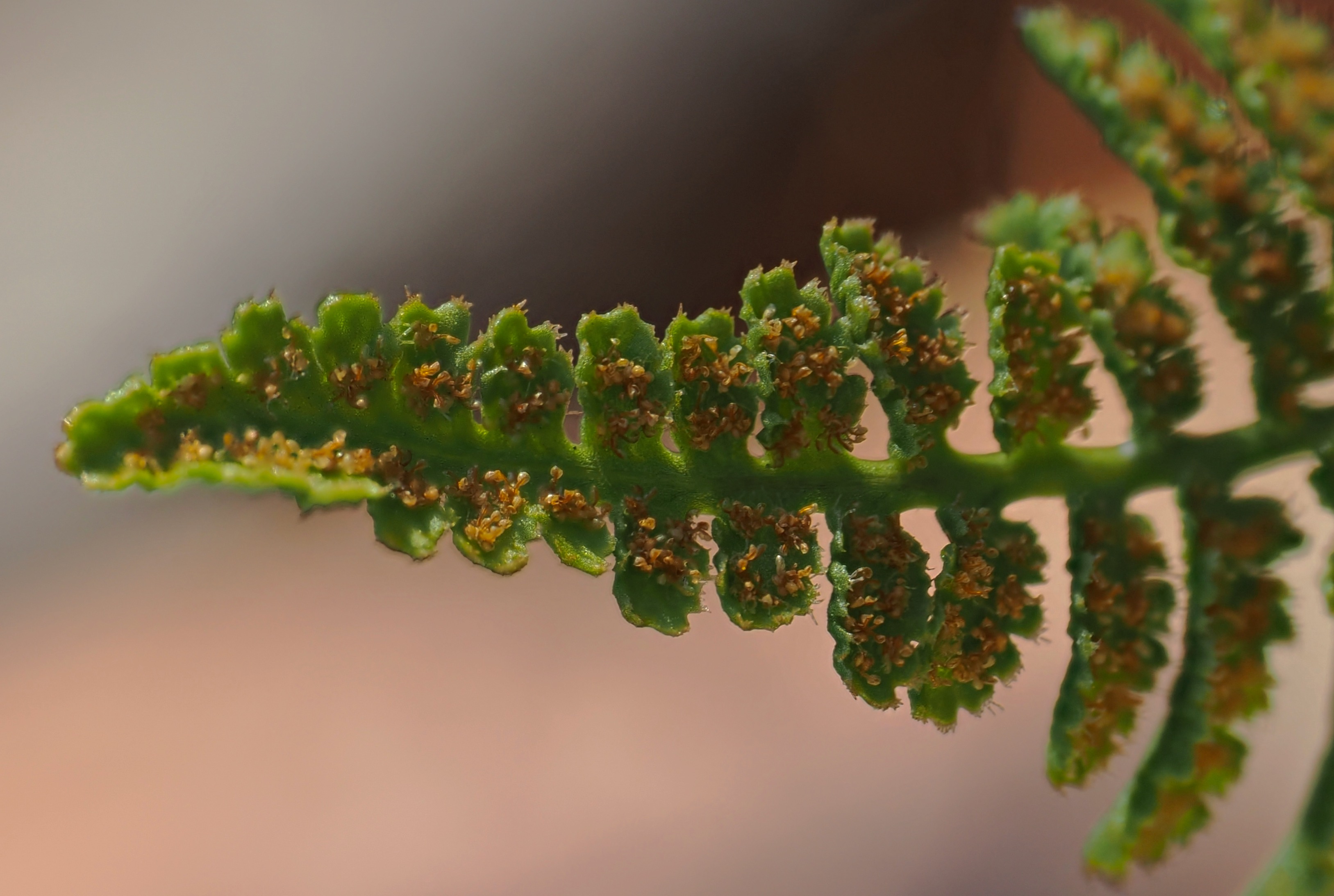
Myriopteris
Lip Fern
East of FR157 at North Percha Creek
Black Range
September