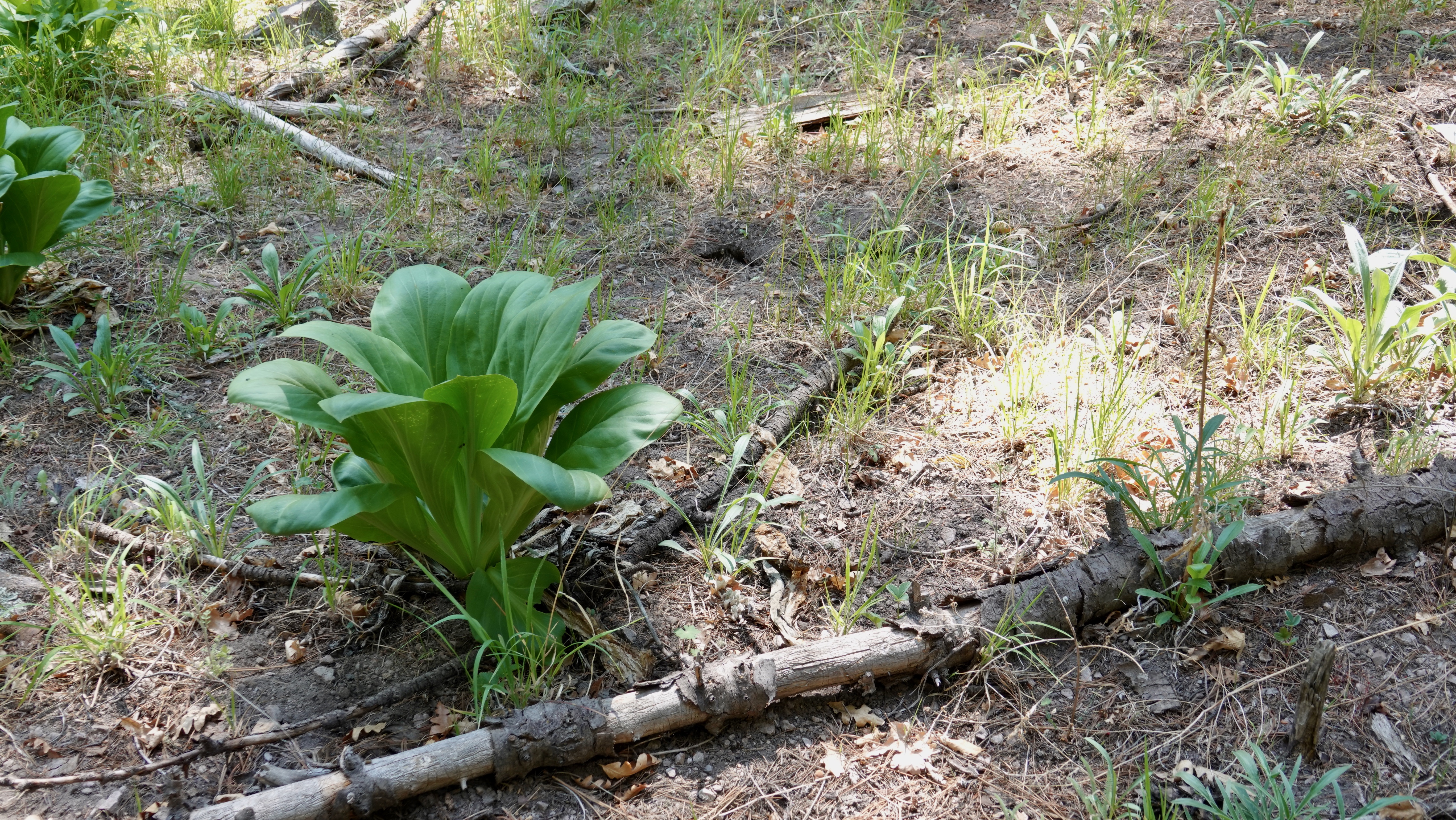
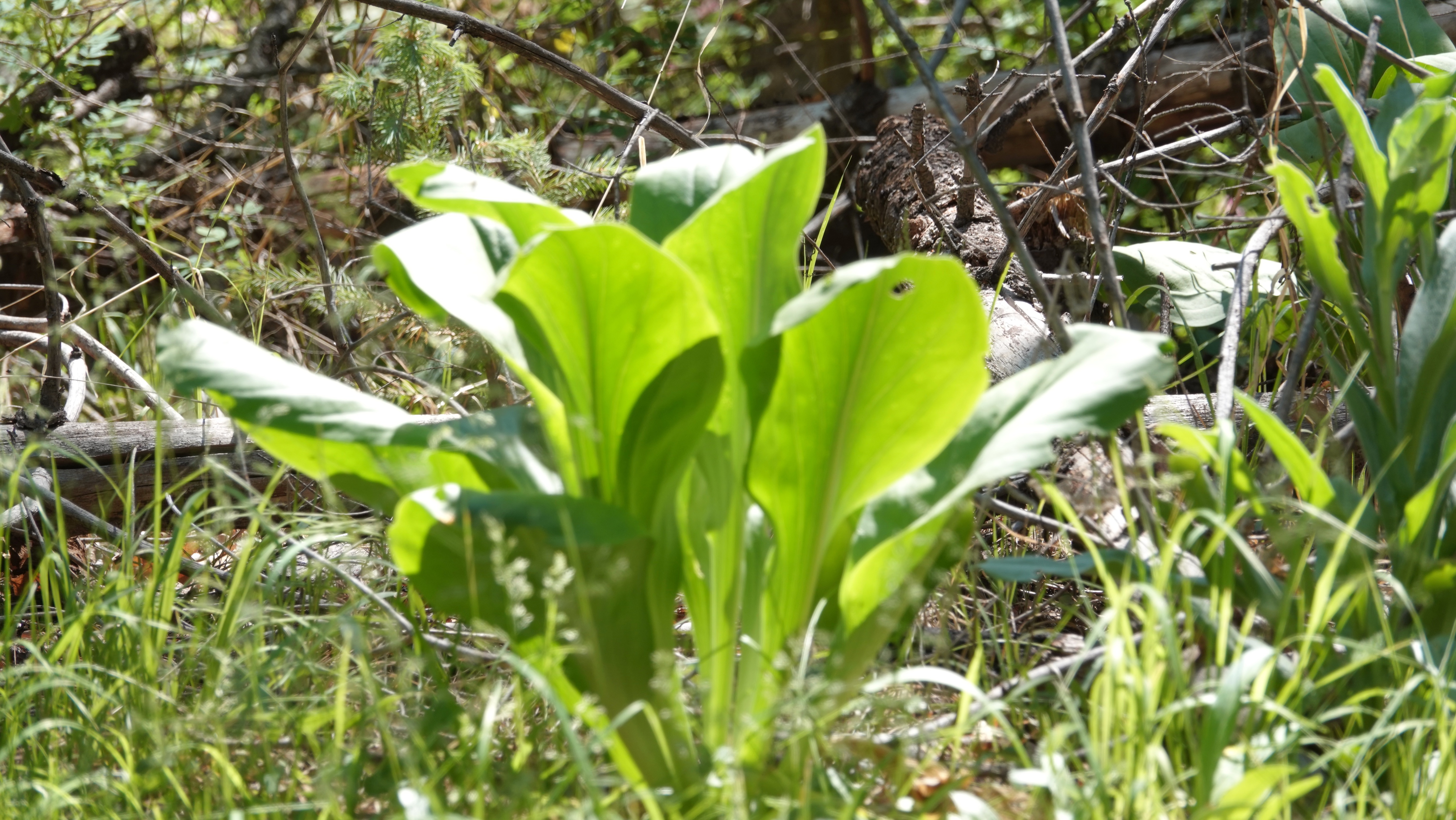
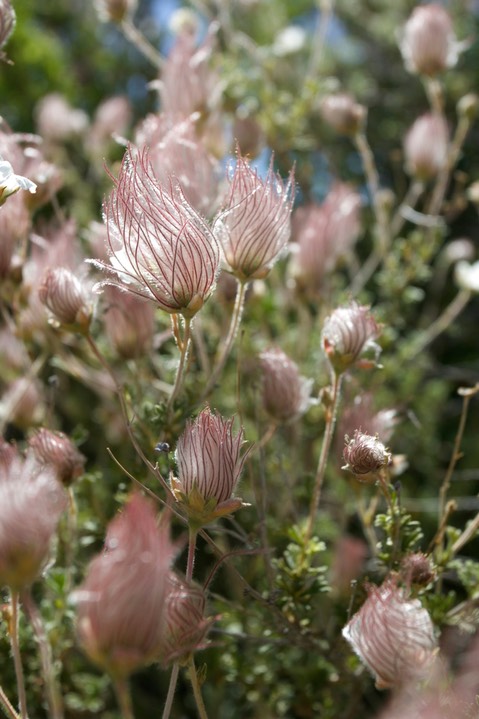
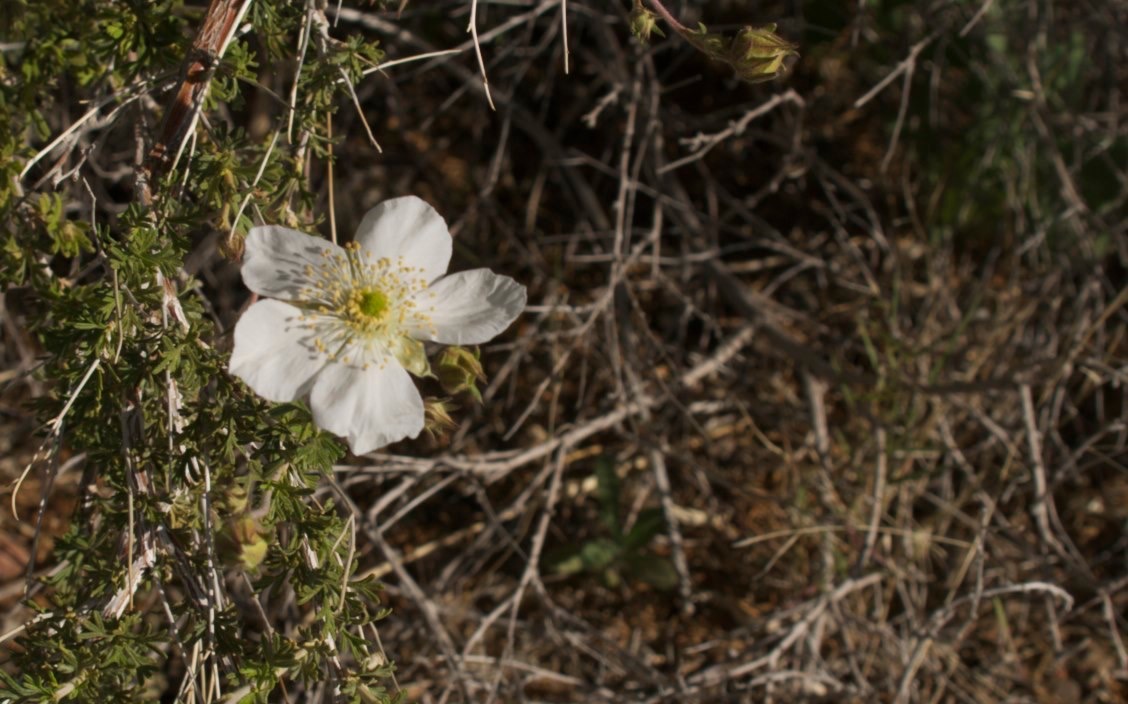
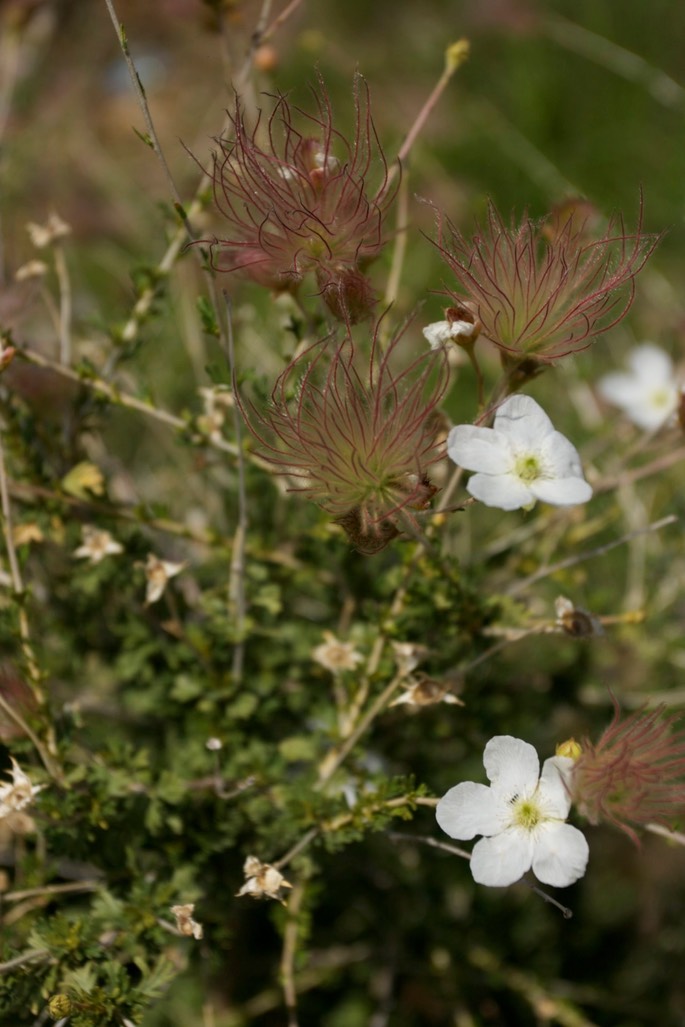
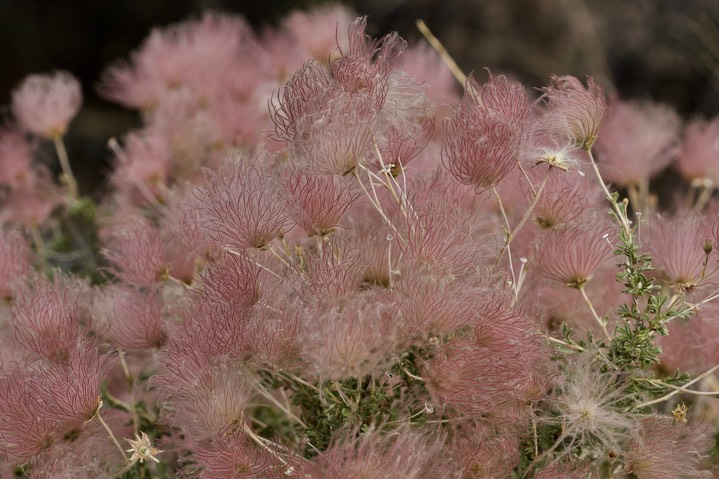
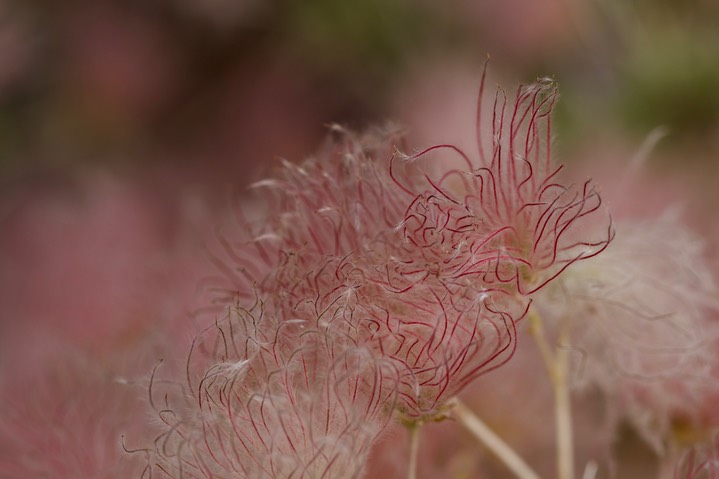
Fallugia paradoxa
Apache Plume
South of Hillsboro
New Mexico
May & August
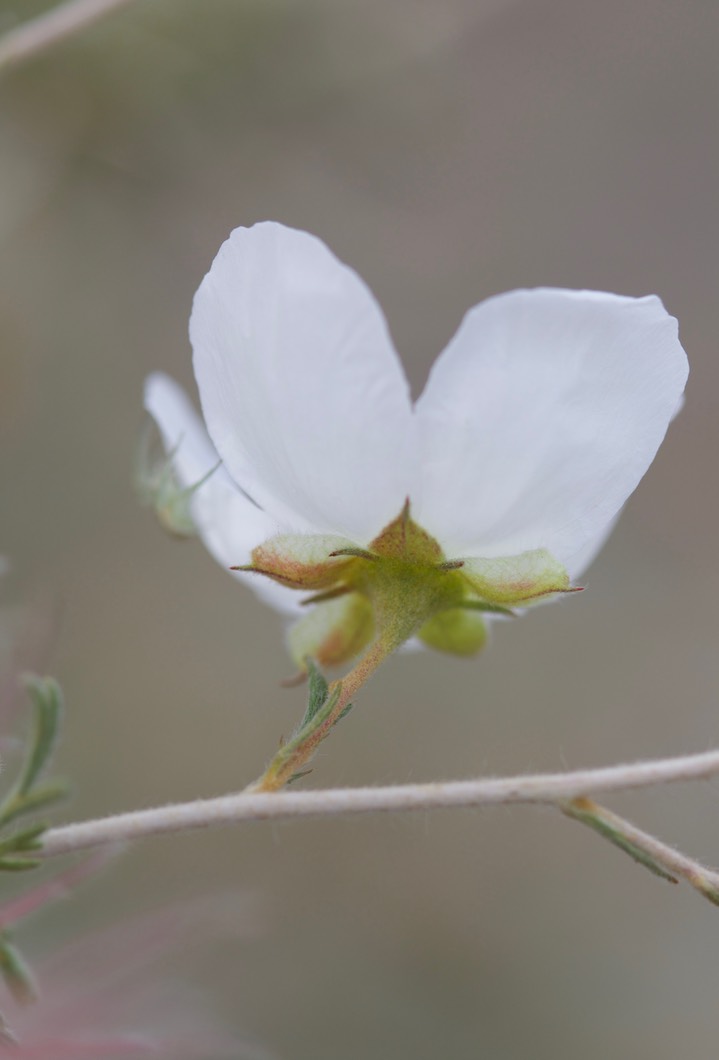
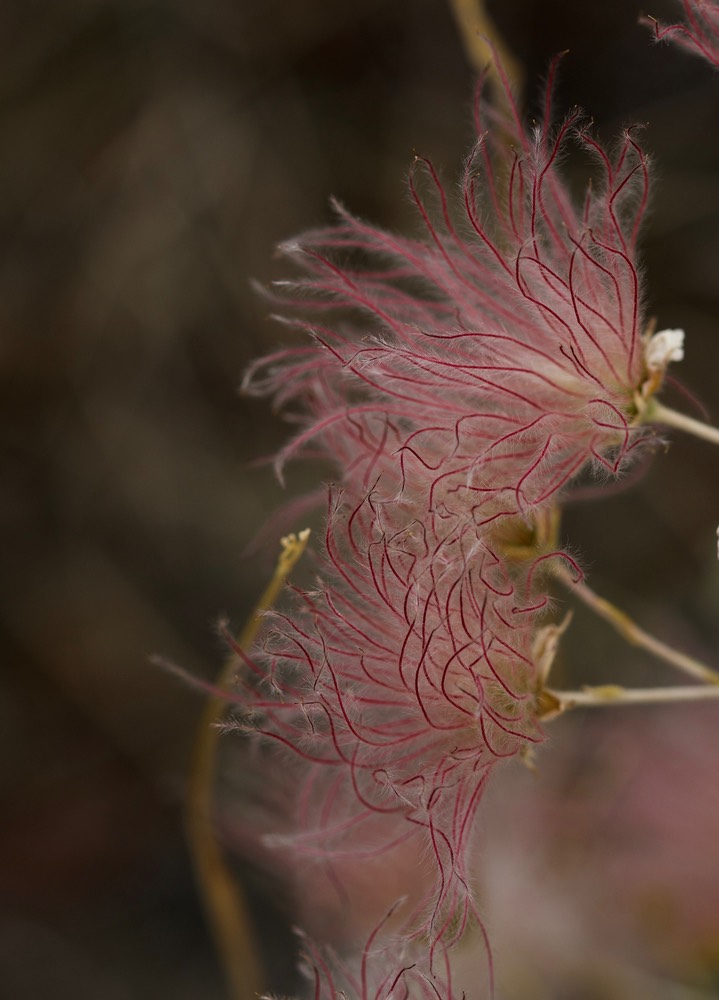
The “FLORA" of the Black Range
“F"
Fallugia paradoxa
Apache Plume
South of Hillsboro
New Mexico
May & August
In the United States, Apache Plume is a plant of the southwest. It is also found in the states of Baja California, Chihuahua, Coahuila, Durango, and Zacatecas in Mexico.
The Apache Plume is also known as Ponil. It was first described by David Don as Sieversia paradoxa, in 1825, later as Fallugia micrantha by Cockerell, and yet later as F. p. var. acuminata by Wooton - various other authorities have been in the mix as well. The species is monotypic, the only species within the genus.
Fendlera rupicola var. wrightii
Fendlerbush or Wright's Fendlerbush
Railroad Canyon
& Trail 135
Black Range
New Mexico
May & June
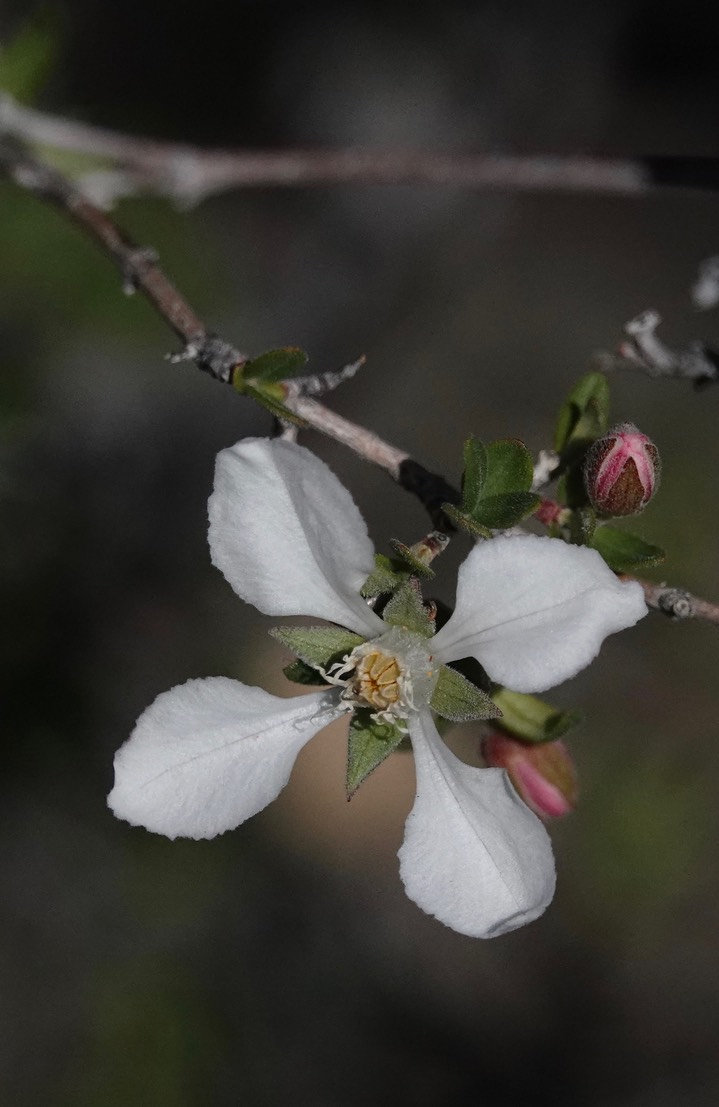
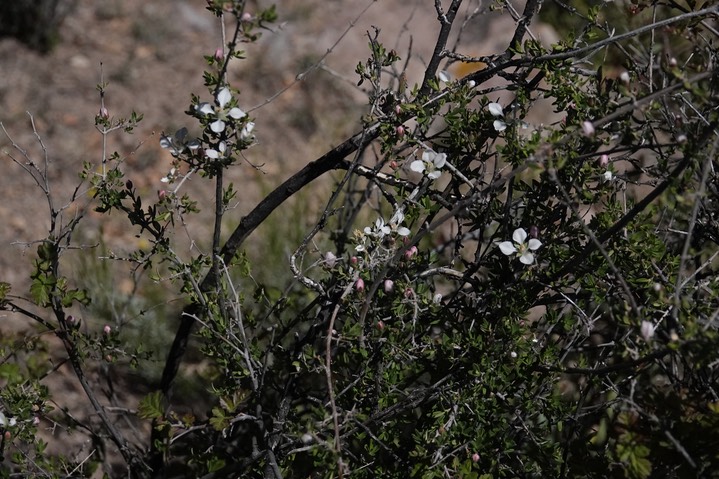
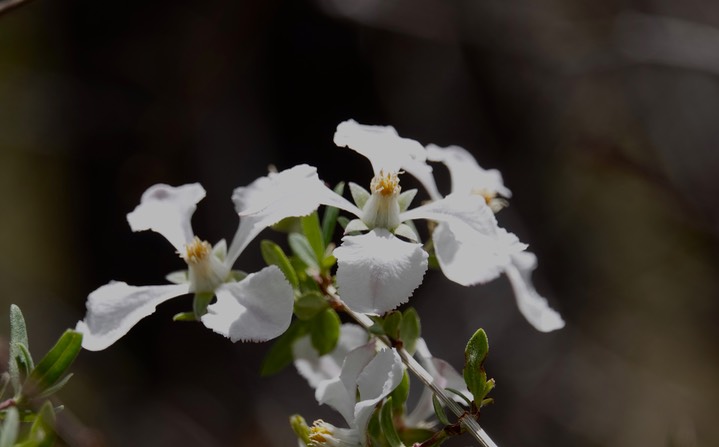
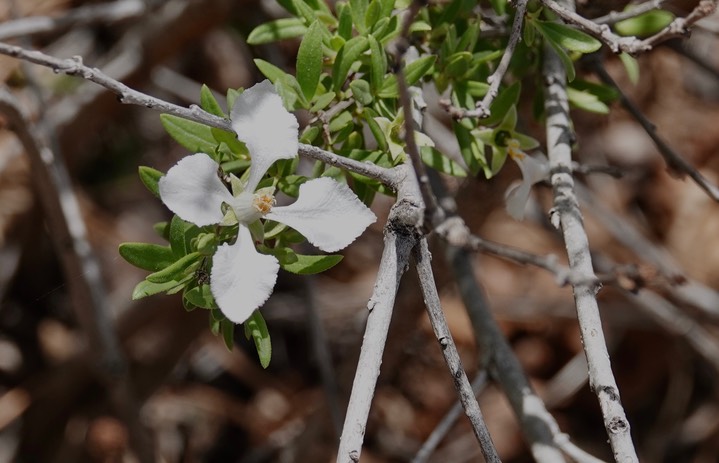
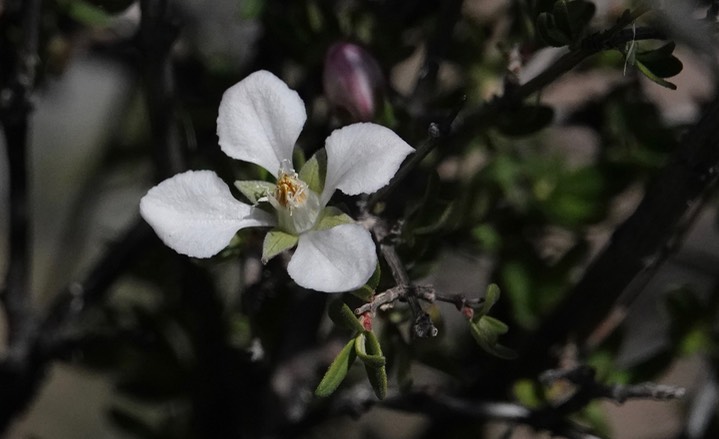
The plants shown here were growing on very rocky slopes. This species was used by some of the Native Peoples, especially the Navajo as a medical remedy (as a cathartic, to kill head lice, etc.) and in religious ceremonies.
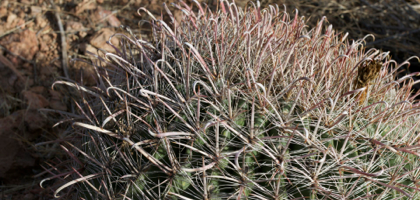
Ferrocactus wislizeni
Fishhook Barrel Cactus
East of Hillsboro
& City of Rocks
State Park
New Mexico
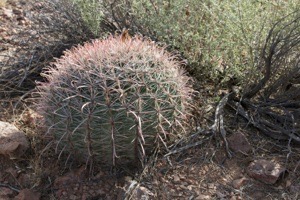
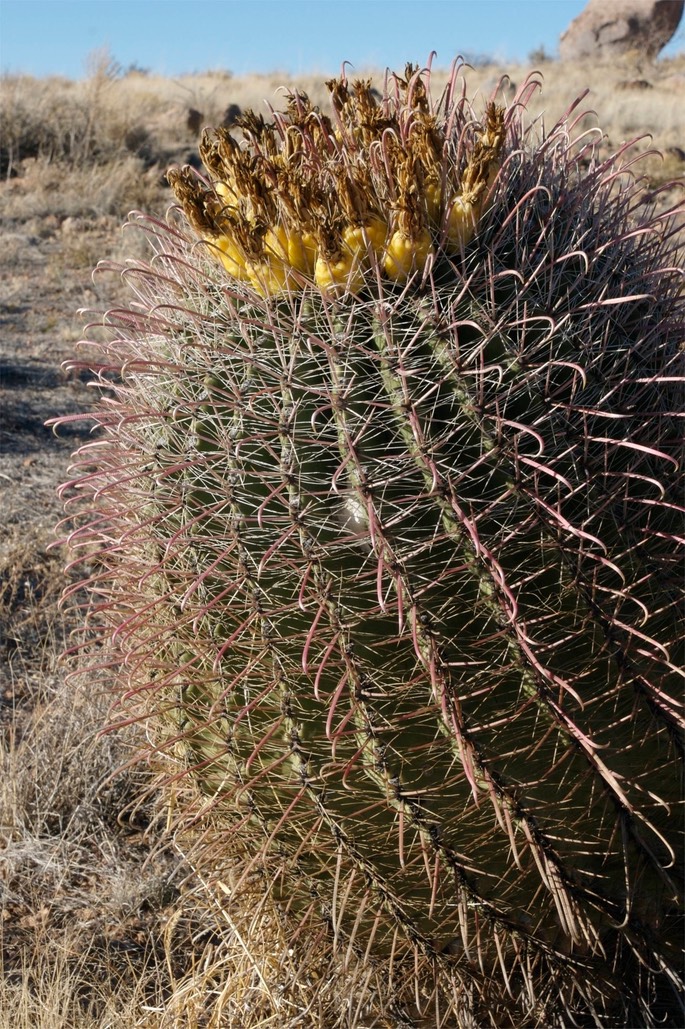
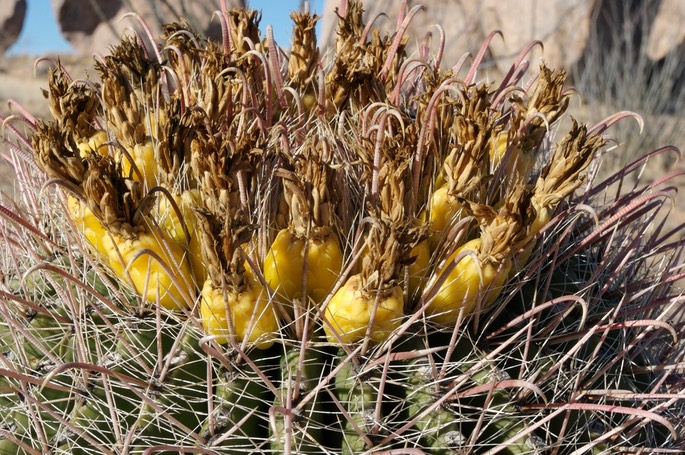
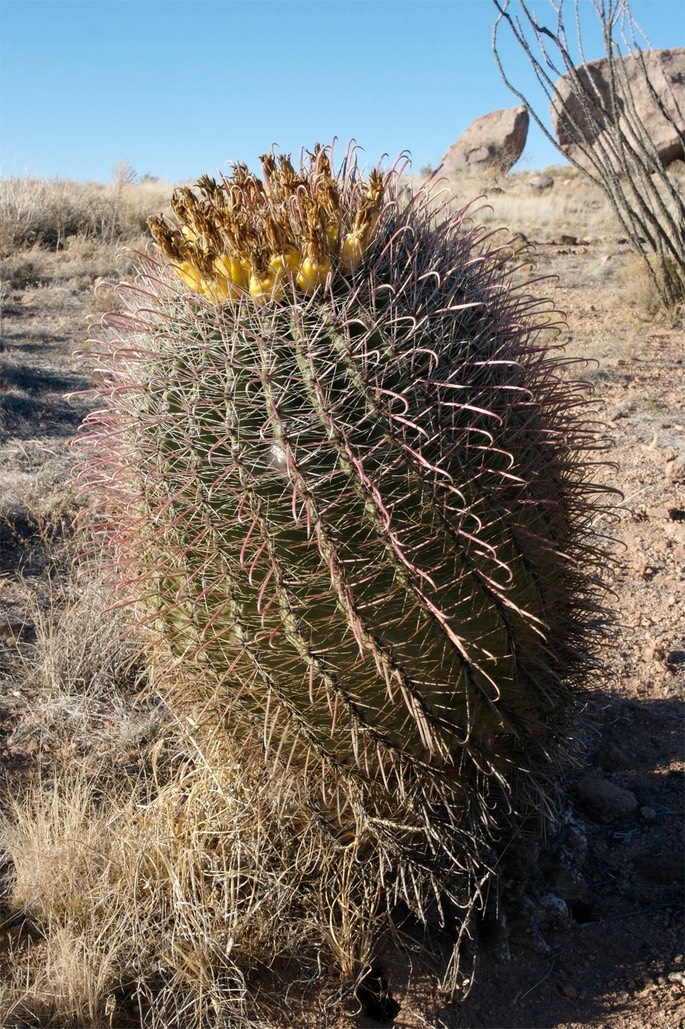
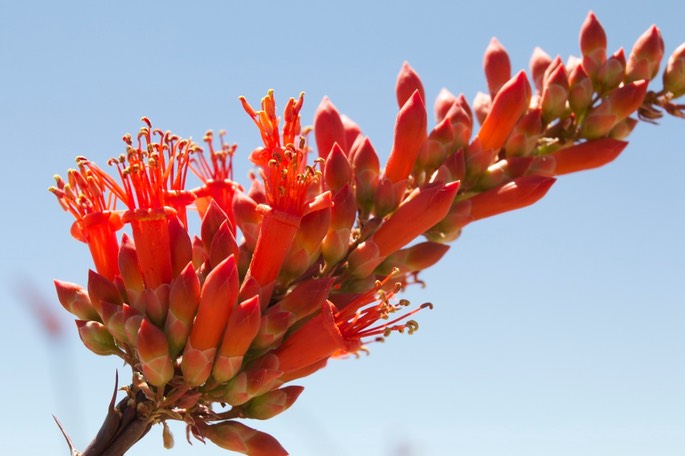
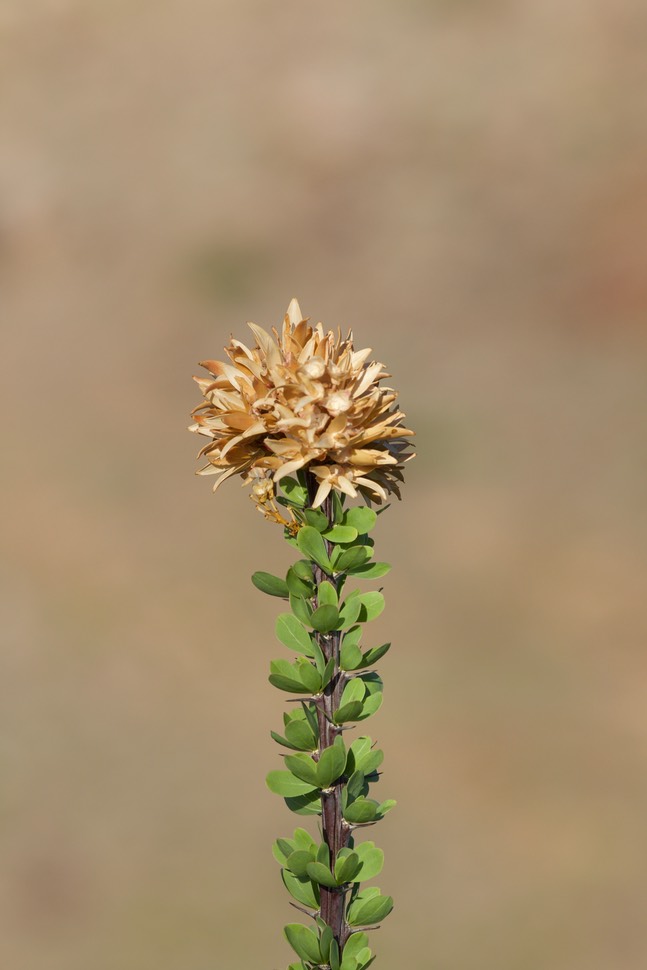
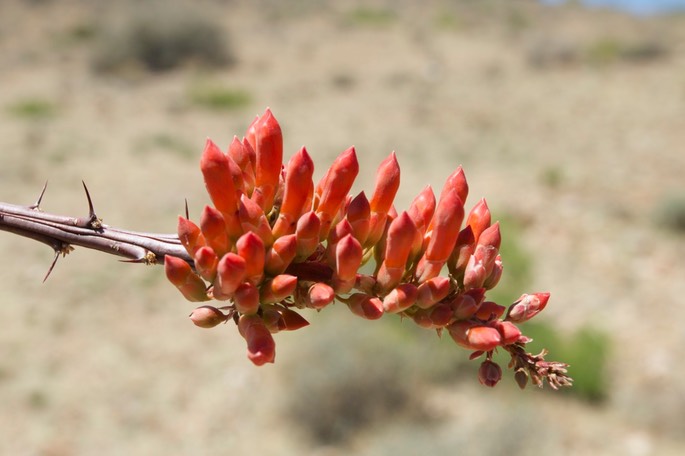
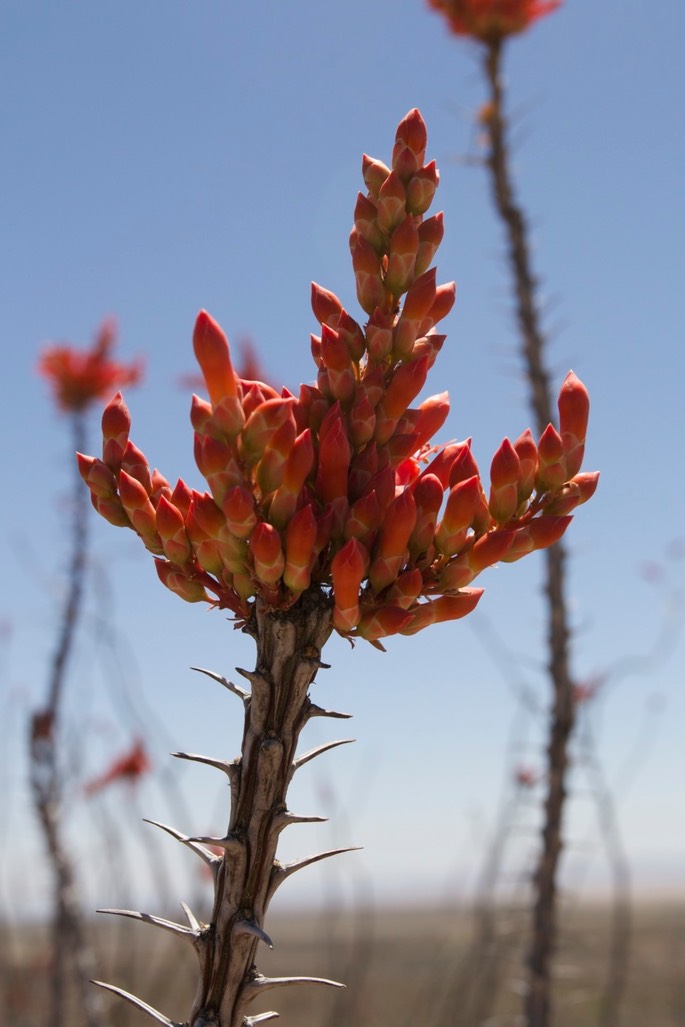
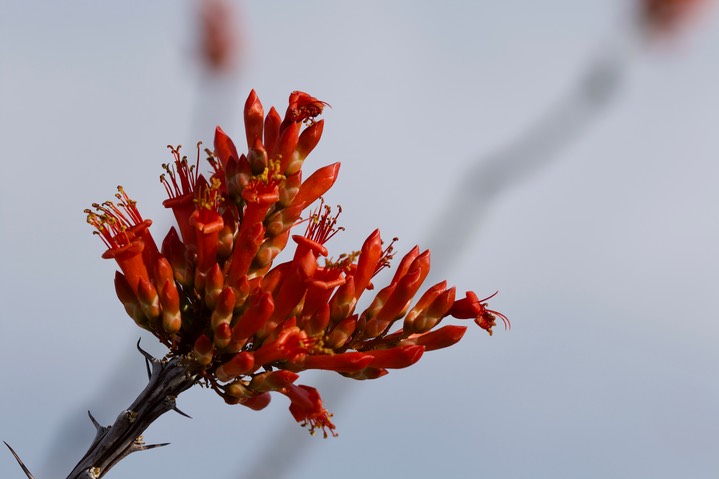
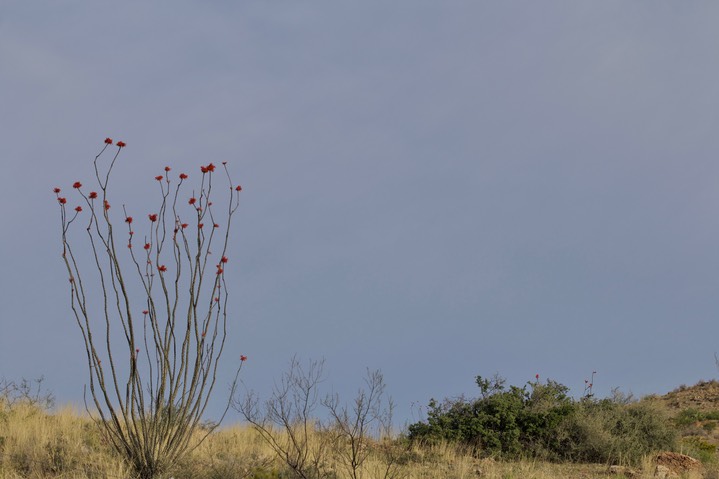
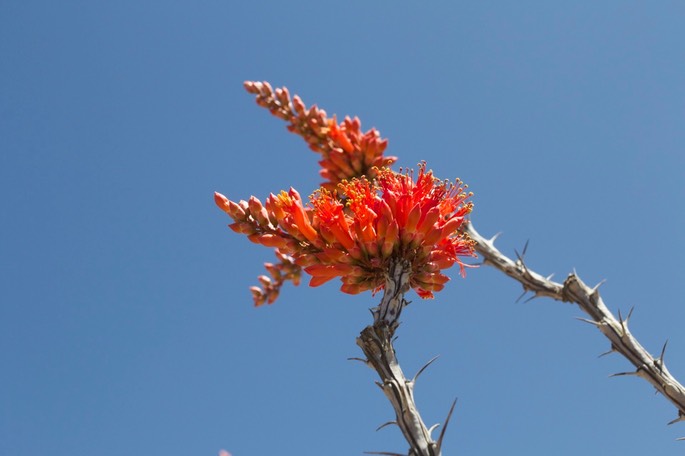
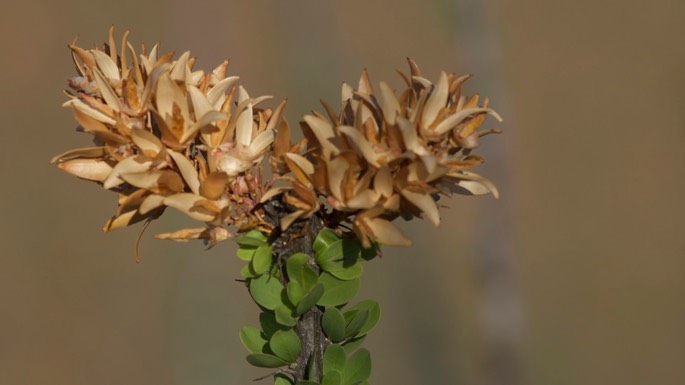
Fouquieria splendens
Ocotillo
East of Hillsboro
New Mexico
Fragaria vesca var. americana
Wild Strawberry
or Woodland Strawberry
Crest Trail
Black Range
May
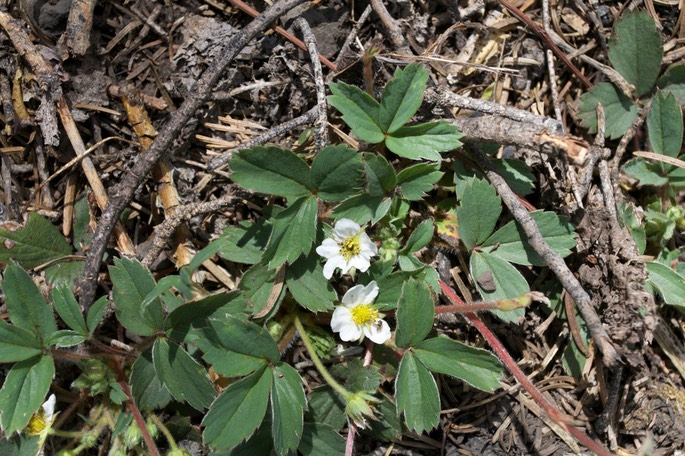
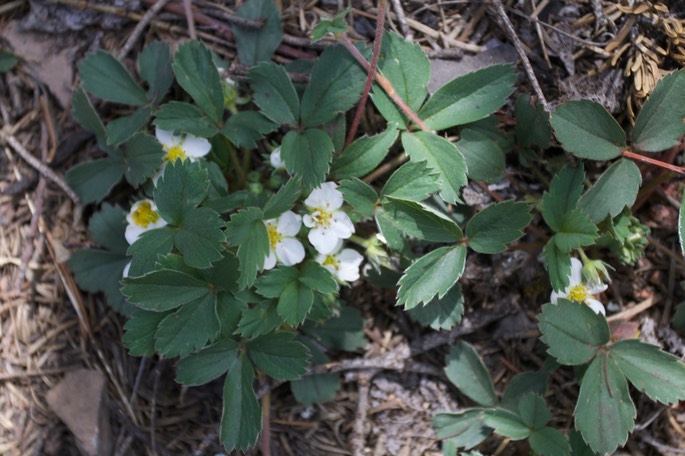
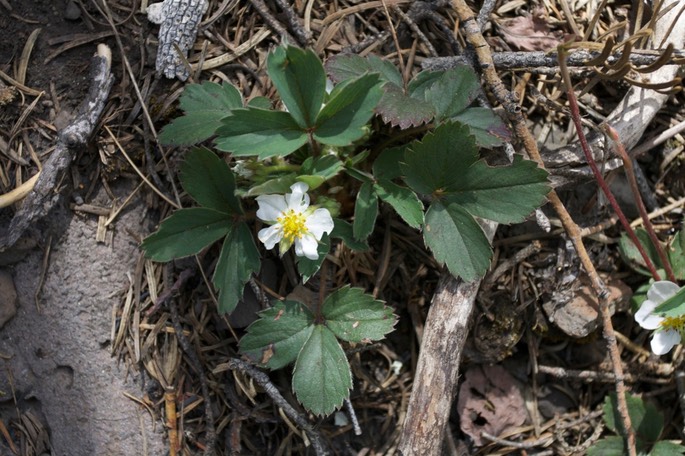
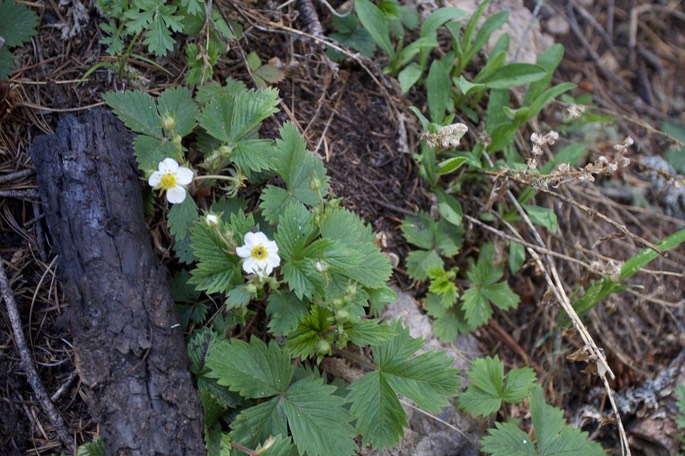
The red fruit of the Woodland Strawberry, Fragaria vesca, is much smaller than the domesticated varieties of strawberry, but just as tasty. It is also known as Wild Strawberry, Alpine Strawberry, and European Strawberry. In May, Woodland Strawberry is in bloom along most of the middle and higher elevation trails in the Black Range. The specimens pictured here were photographed along the Black Range Crest Trail (Trail 79) at elevations above 9,000’.
The Woodland Strawberry is found in most of Canada and the United States, being absent from most of the Southeast United States (it is fairly common throughout the Northern Hemisphere). Fragaria virginiana is also possible in this region.
Frasera spiciosa
Monument Plant
Gaillinas Canyon Trail
Black Range
New Mexico
June