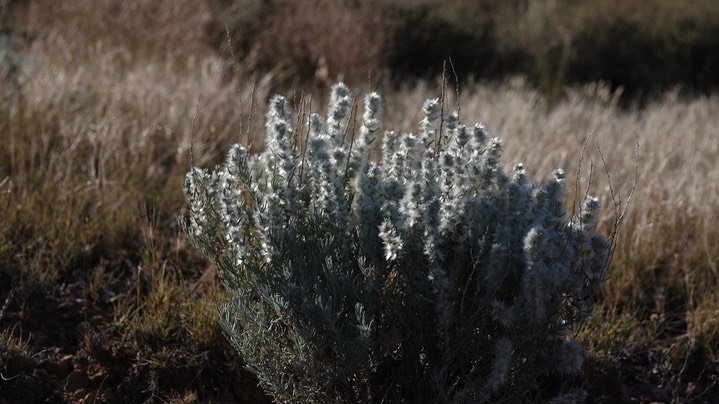
Juglans major
Arizona Walnut
New Mexico
The “FLORA" of the Black Range
“J & K"
Juglans major
Arizona Walnut
New Mexico
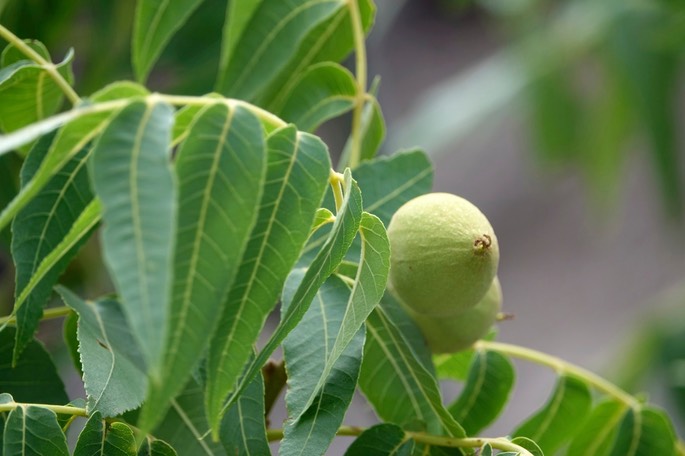
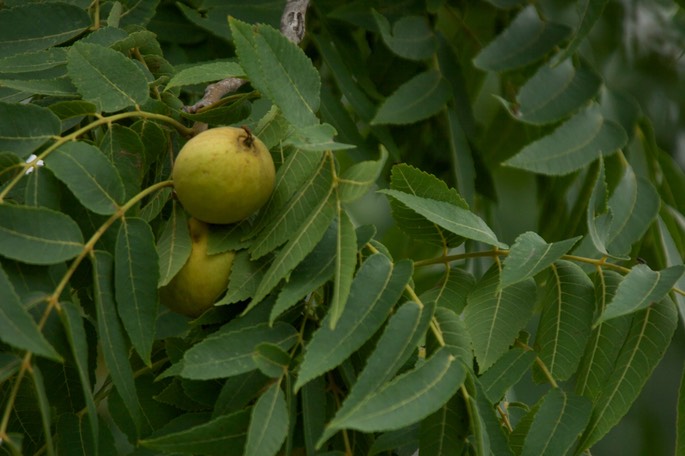
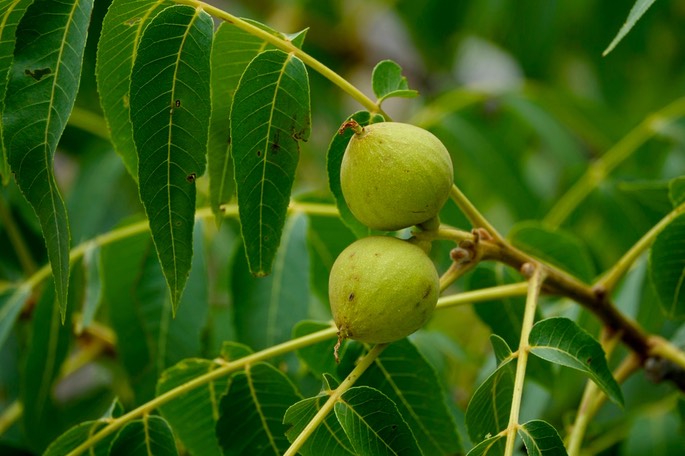
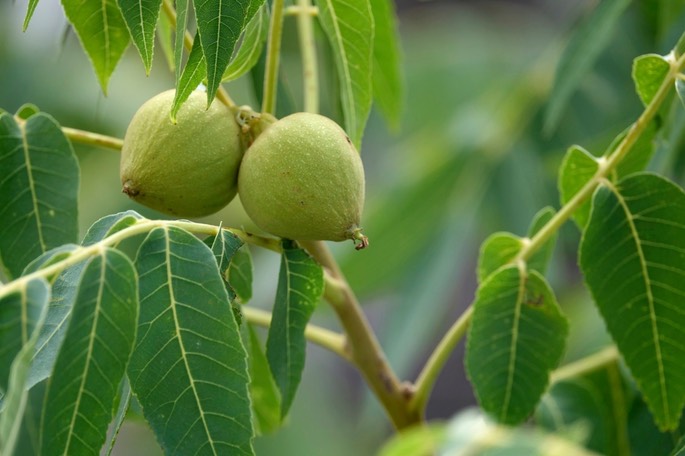
First of all, the disclaimer. There is the possibility that the individual described here is an intergrade between Juglans microcarpa and J. major. The fruit appear to large to be microcarpa in this case. At the eastern edge of its range, J. microcarpa intergrades with Juglans nigra. This is a classic species cline - just where do you draw the line?
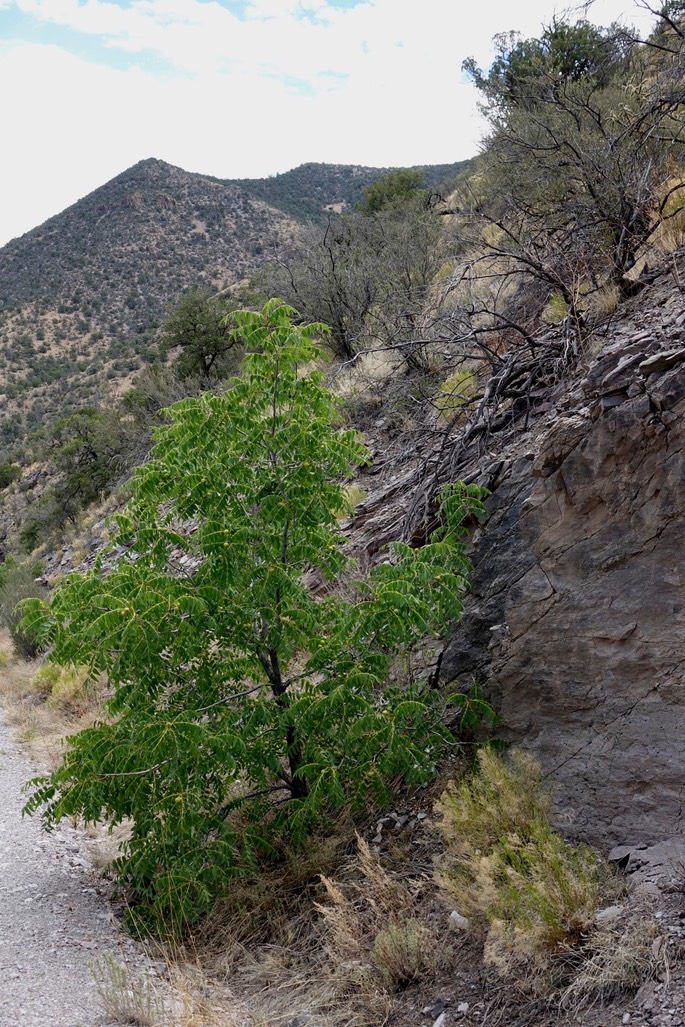
The Arizona Walnut is found in the interior southwest of the United States and as far south as Guerrero in Mexico. In Mexico the word for walnut is nogal, and you see references to “nogal” on many maps. Canyons, towns, washes, whatever have been named to indicate the proximity of this species. Arizona Walnut is the only walnut which is found in the desert. It is also found at elevations up to 6,500 feet.
The Arizona Walnut is referred to as Arizona Black Walnut in some sources. Scientific synonyms include; Juglans elaeopyren, J. microcarpa subsp. major, J. microcarpa var. major, and J. rupestris var. major.
There are two varieties of Arizona Walnut which are currently recognized: the nominate form, Juglans major var. major; and J. m. stewartii. The species was first described by John Torrey.
Arizona Walnut fruit production varies from year to year, with heavier crops every second or third year. Although arguments have been presented that the crop variation is due to spring precipitation rates, precipitation rates do not match a 2-3 year cycle. The fruit ripens between July and September, depending on elevation.
Juncus torreyi
Torrey's Rush
Silver Creek Canyon
Black Range
September
Juniperus deppeana
Alligator Juniper (aka Checkerbark Juniper)
Pickett Spring
north of Kingston
and elsewhere
Black Range
July
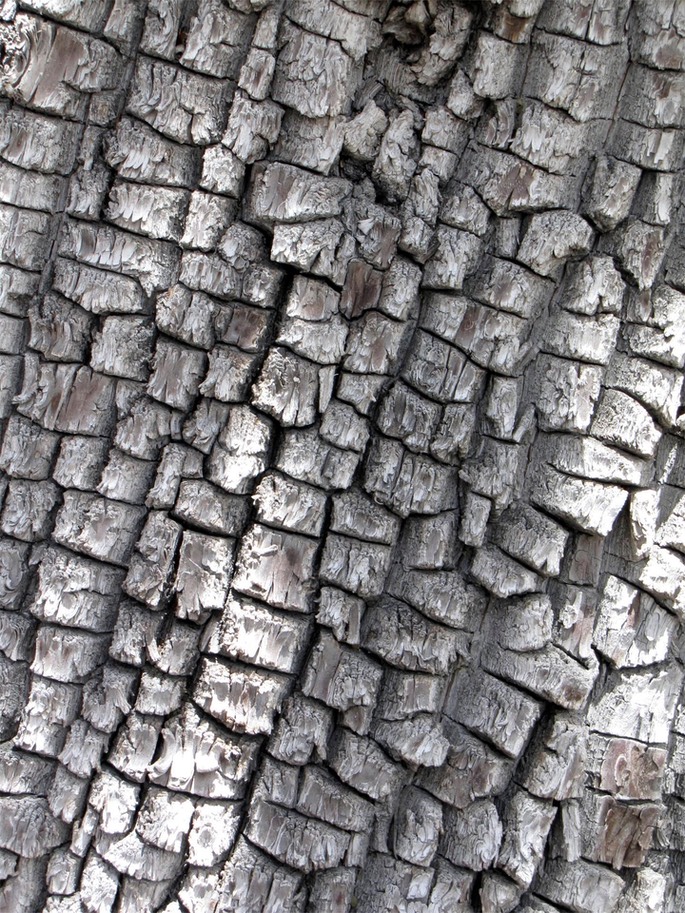
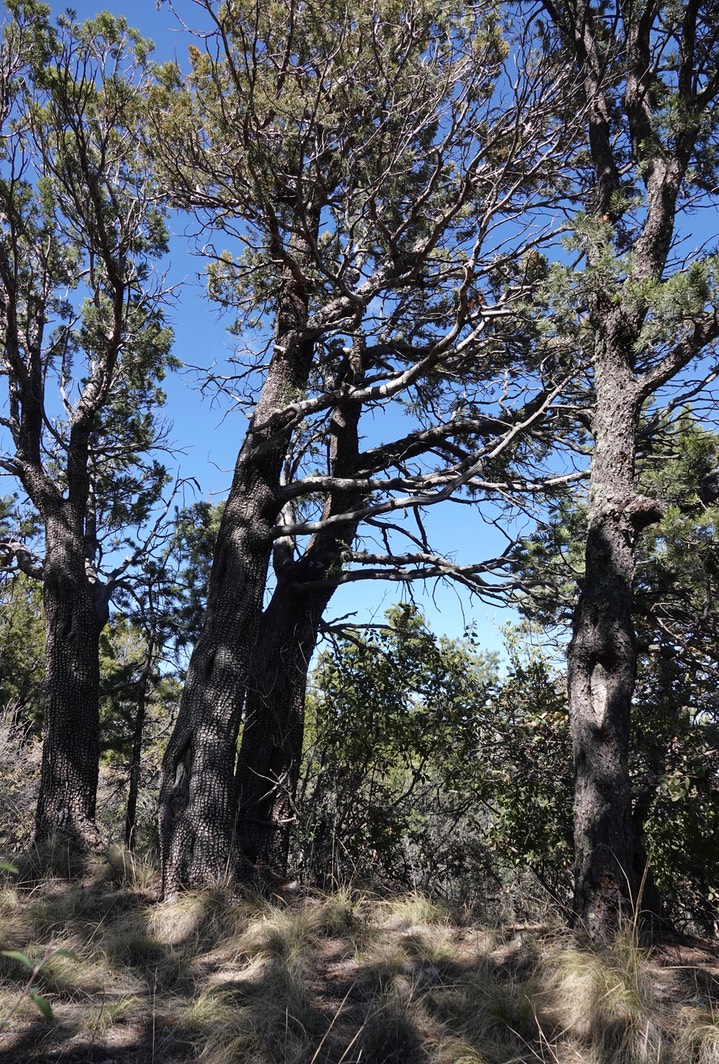
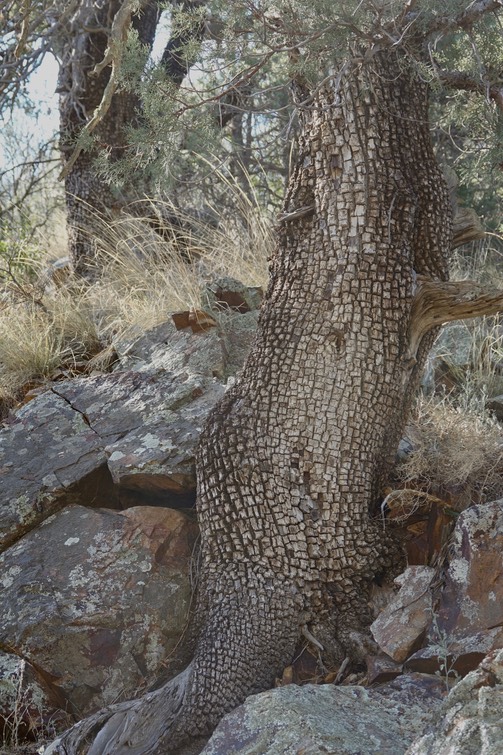
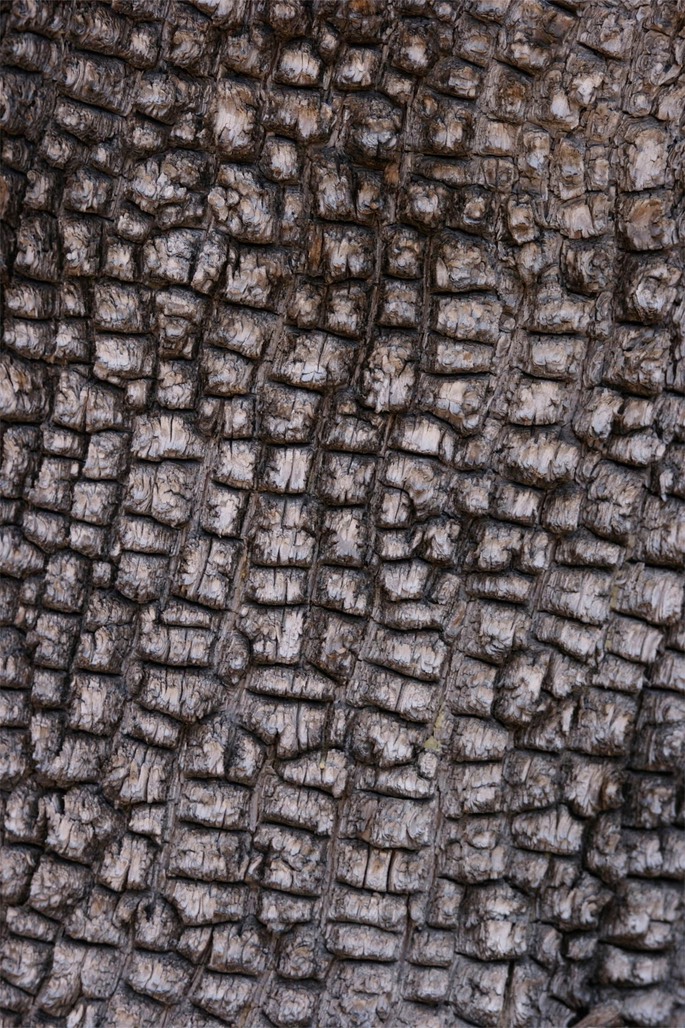
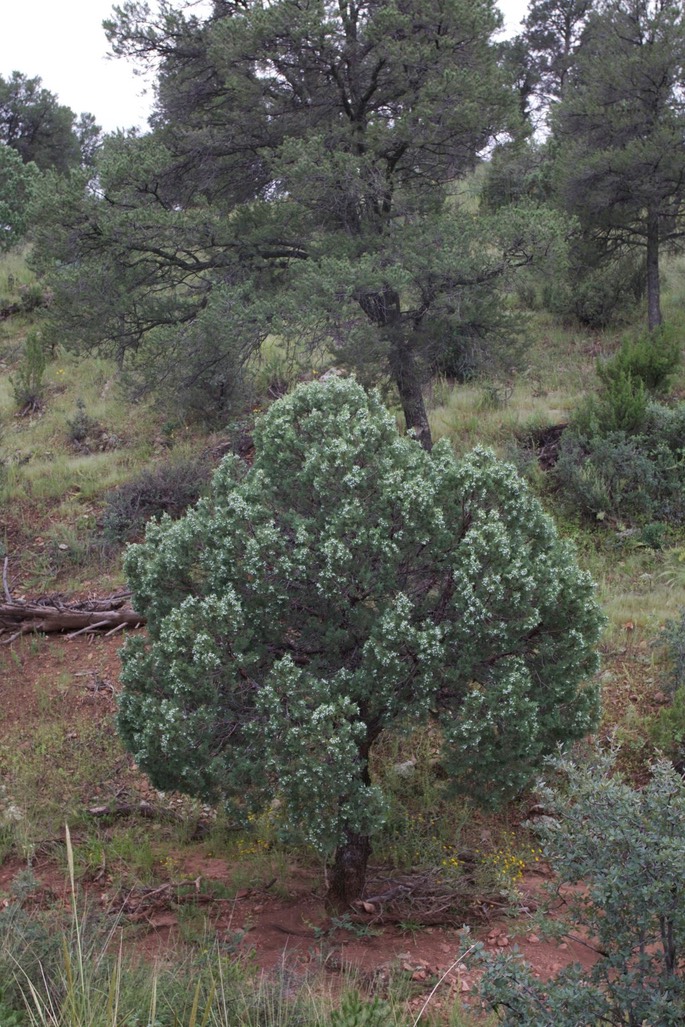
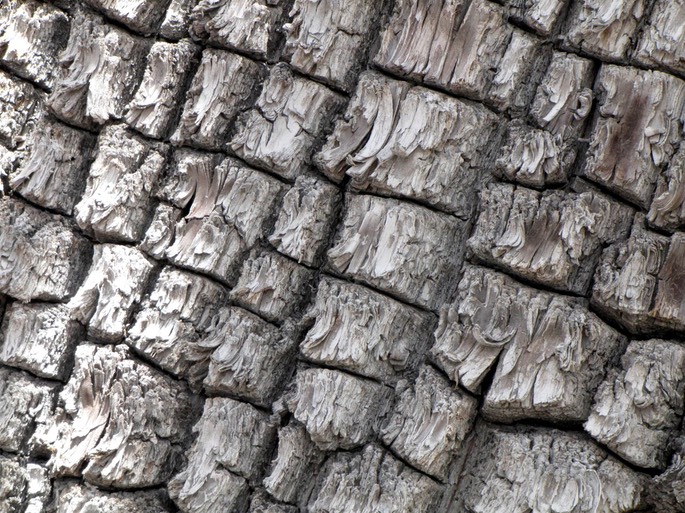
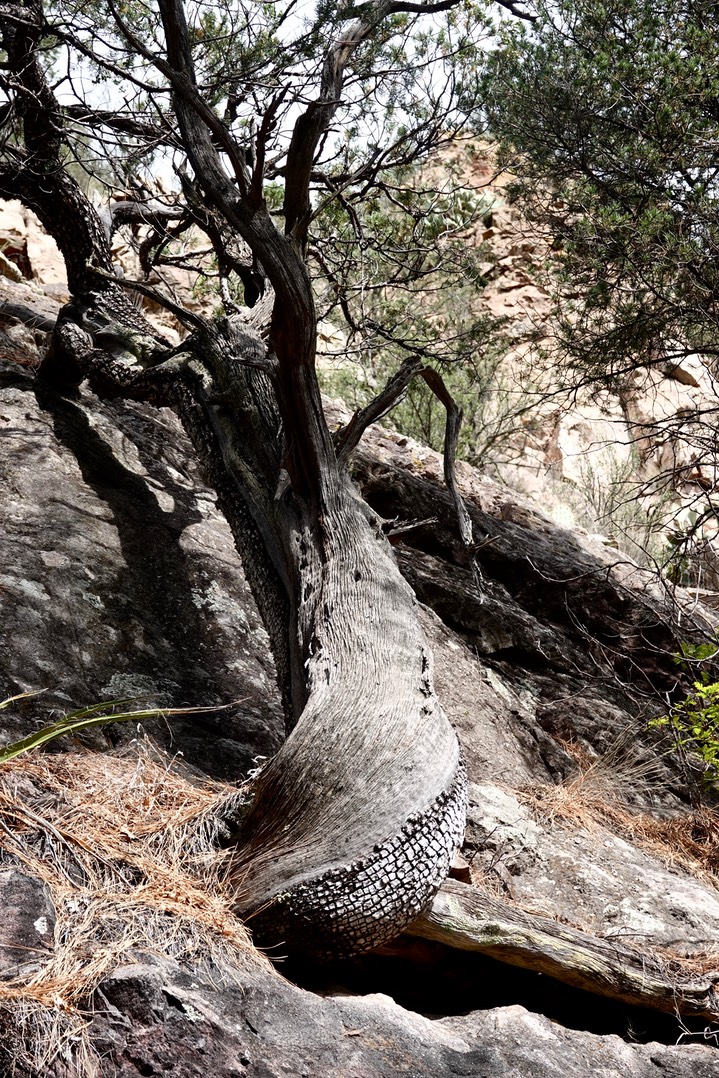
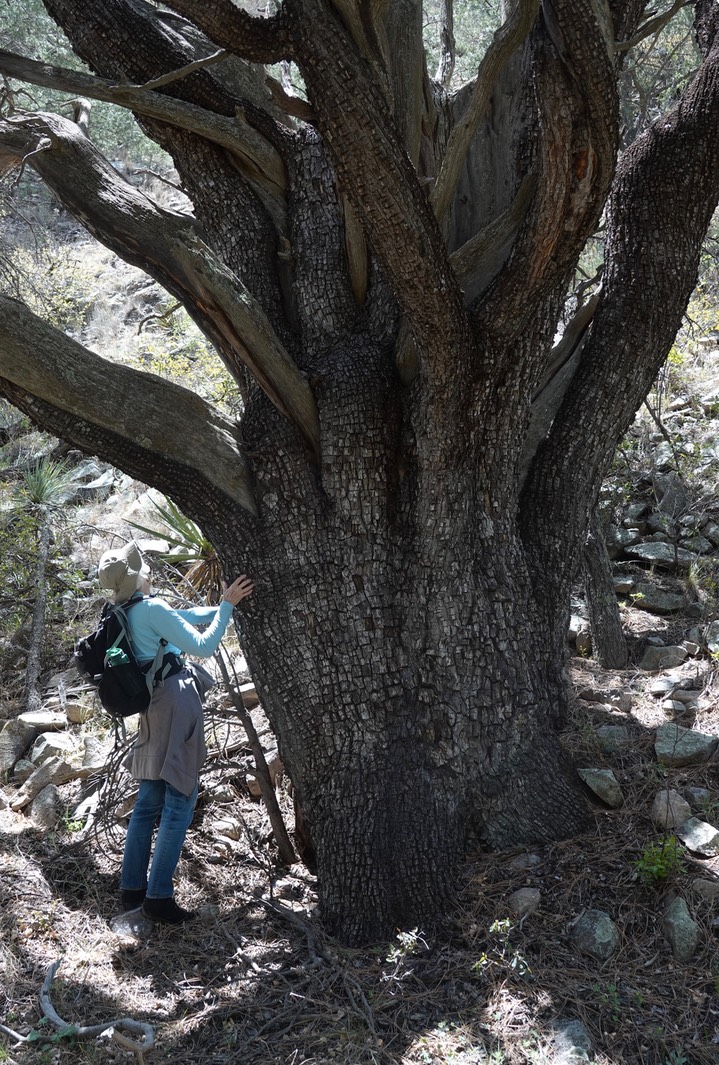
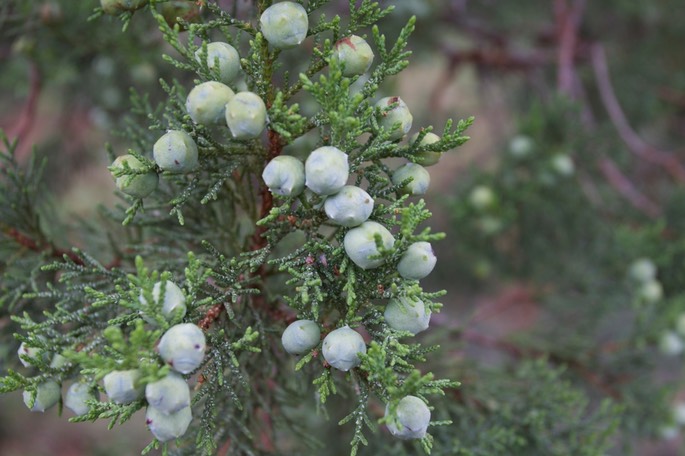
Alligator Juniper, Juniperus deppeana, has a hard time in the Gila National Forest. The USDA Forest Service considers it a junk tree (that is the USDA part of their name - it is about exploiting the resource [not multiple use] and the resource is timber and grass). This species has incredibly beautiful (albeit difficult to work with) wood. This conifer grows at elevations between 2,500’ and 8,500’.
It is named for its distinctive bark, which can be very striking in older trees. The cones of this tree are berry-like and most (but not all) trees are dioecious (cones of one sex per tree). In good years, the trees will take on a two-tone coloration because they are so heavily laden with berries/cones which are a lighter green than the foliage.
The trees shown here are most likely J. d. pachyphlaea. Each of the leaves in this subspecies has a white resin spot versus a transparent or yellowish spot typical of the nominate subspecies (J. d. deppeana). At onetime it was considered a full species, J. pachyphlaea.
As cattle grazing has denuded the landscape trees like the Alligator Juniper have spread into the degraded ecosystems. In turn, it is regarded with vile - a perfect example of “shooting the messenger”.
The Alligator Juniper was first described by John Torrey, famous in our area and a renowned botanist, taxonomists, and explorer. Its range is limited to parts of Arizona and New Mexico south into Mexico.
Juniperus monosperma
One Seeded Juniper
Widespread
Black Range
New Mexico
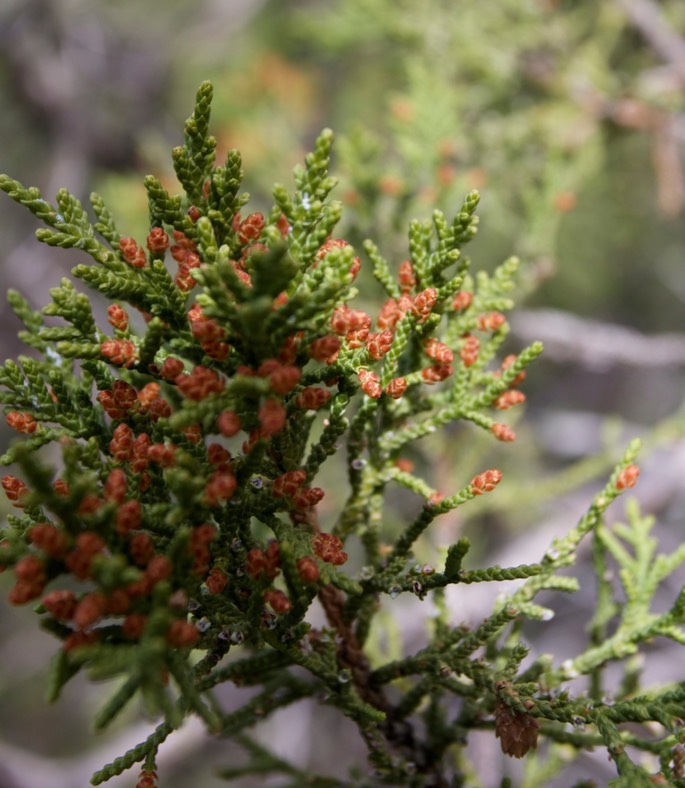
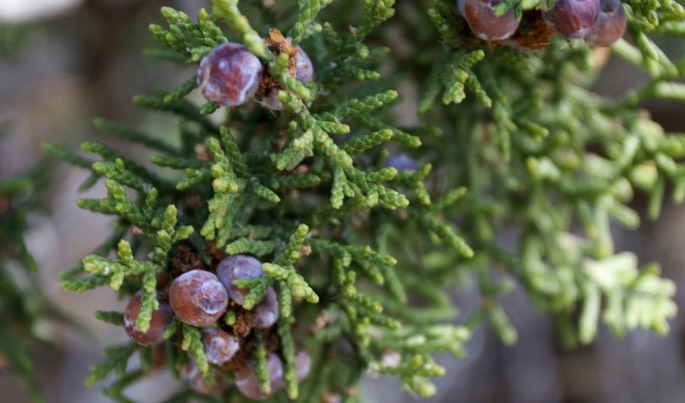
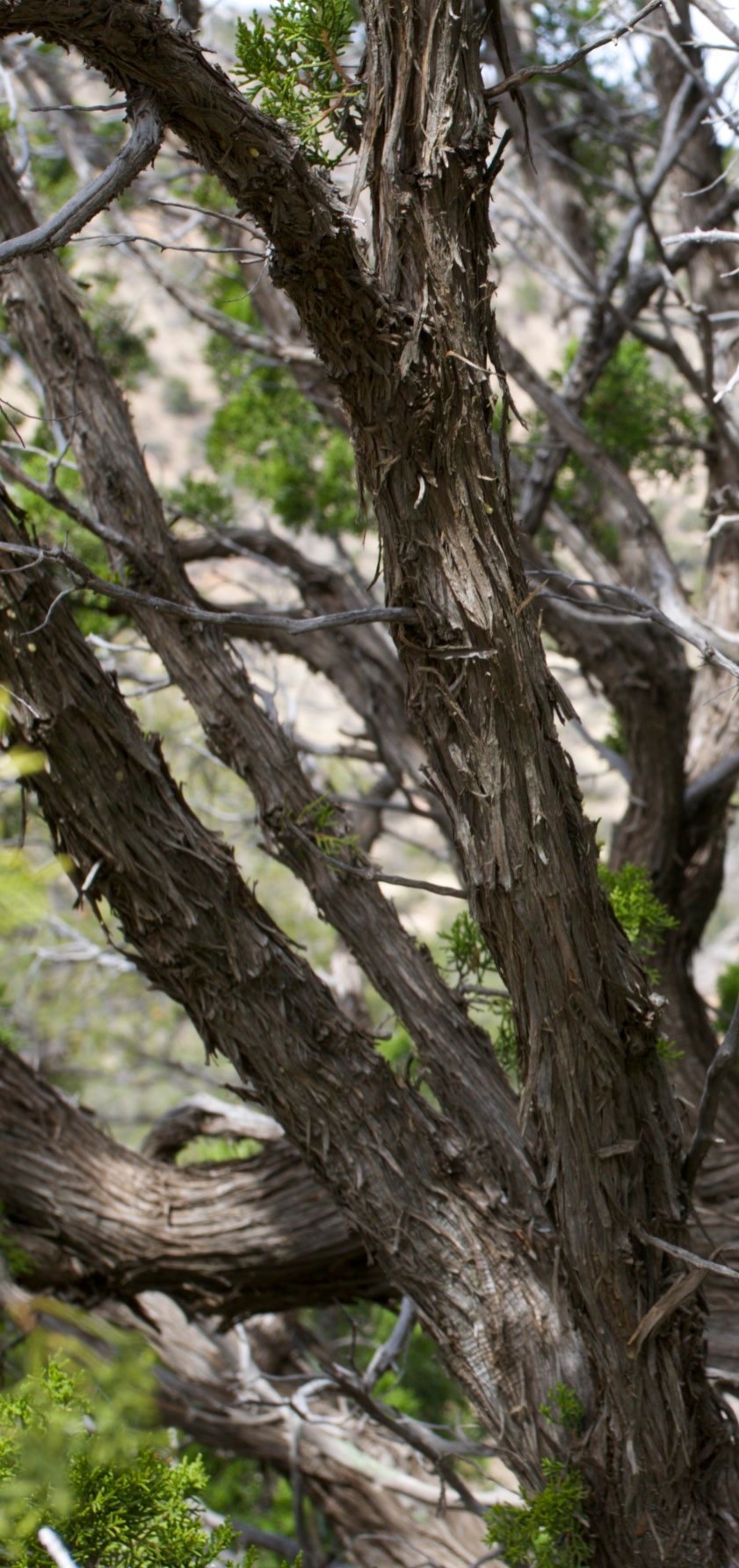
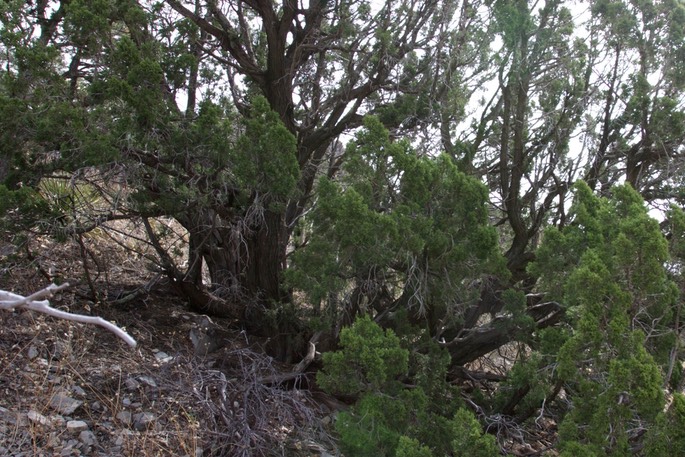
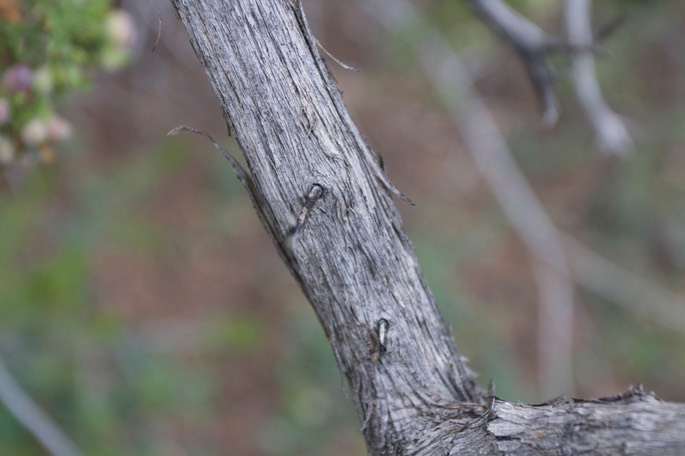
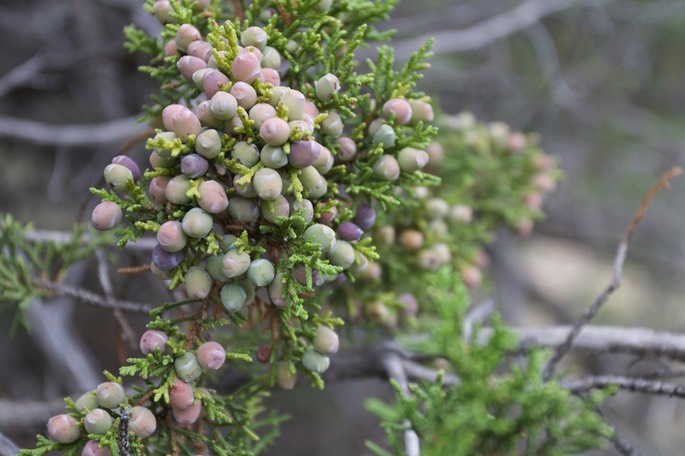
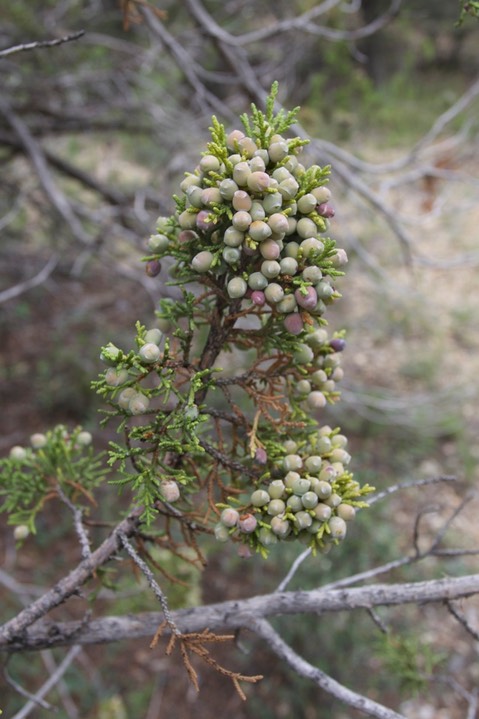
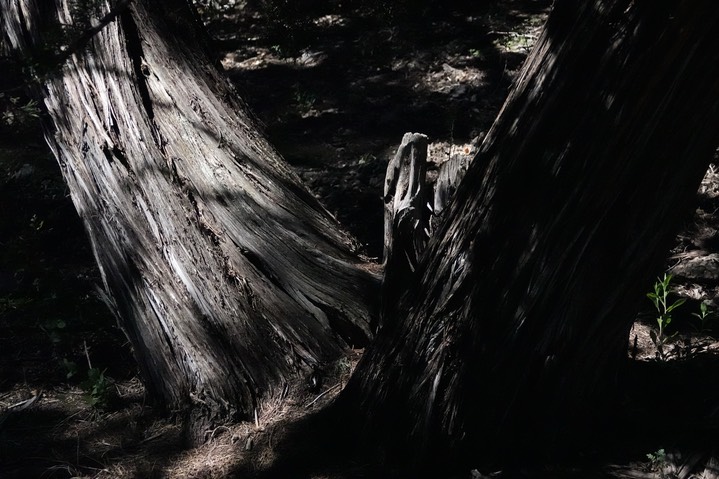
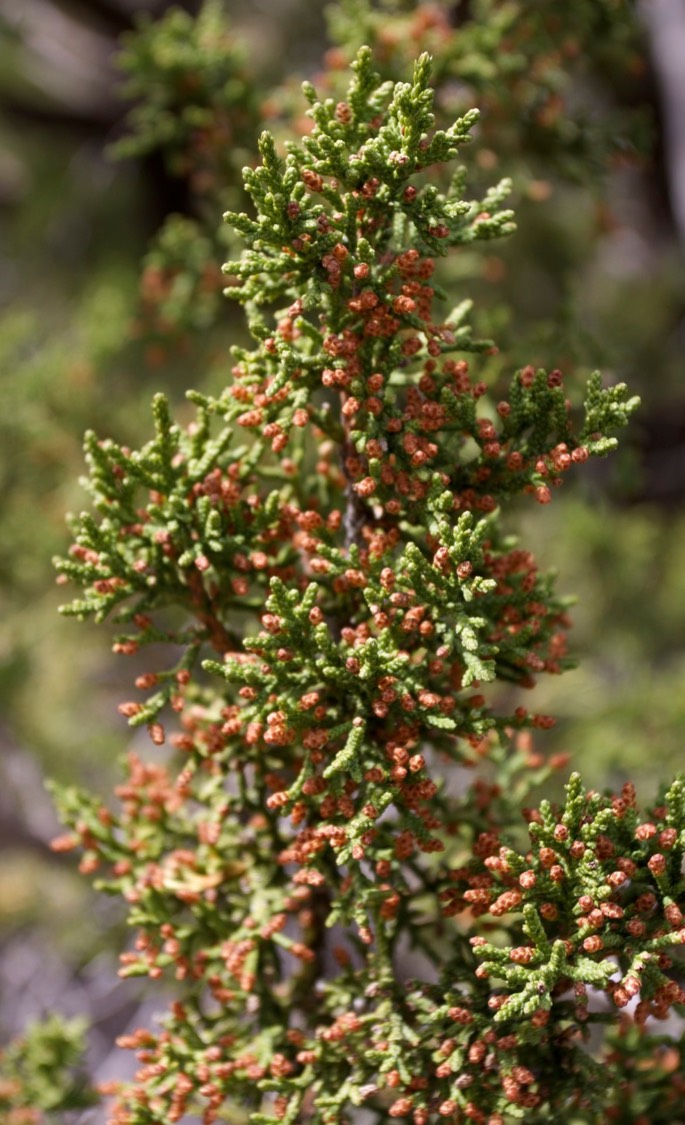
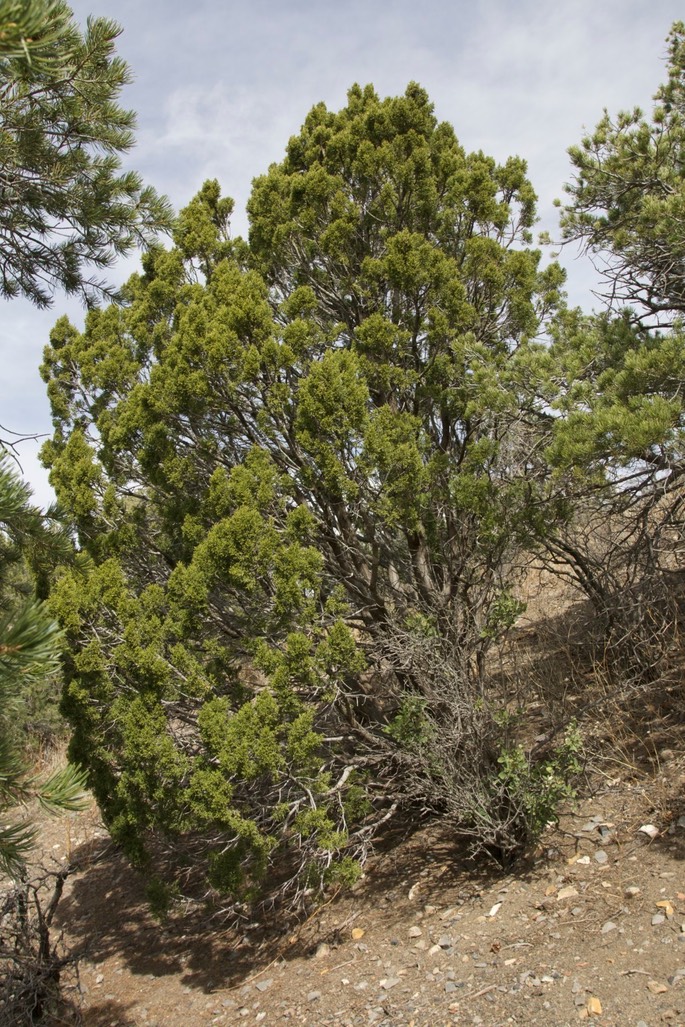
There are two Juniper species that you are likely to encounter in the Black Range - the Alligator Juniper and the One Seeded Juniper, Juniperus monosperma. The One Seeded Juniper is not as common in our area as the Alligator Juniper. They are fairly easy to tell apart, the bark of the One Seeded Juniper is “stringy” while that of the Alligator Juniper has that wonderful deep scale pattern.
The range of the One Seeded Juniper is fairly restricted. It is found naturally in New Mexico, Arizona, the northern part of Chihuahua, the southern part of Colorado, and western Oklahoma and Texas. The species may be extricated in Mexico.
We perceive it is a slow growing plant, in optimum conditions the part of the plant which is above ground may grow only six inches in one year. Below the surface, it is a different story entirely. A three year old plant, which may be less than two feet tall, may have a tap root which is thirty feet long. Mature plants often have tap roots which are 200 feet long or more. For this reason it is a very drought tolerant plant.
This species is dioecious, there are male and female plants. The males release their pollen in the spring, to be spread by our remarkable spring winds. The pollen bloom is effective in fertilizing the female plants and in driving up the sales of antihistamines in the local (human) population. About five months after pollination the berries on the female tree are mature and have a deep blue/purple color.
The Indigenous Peoples used parts of the plant for teas, dyes, and for medicinal purposes.
The species was first described by George Engelmann, who described many species from western North America.
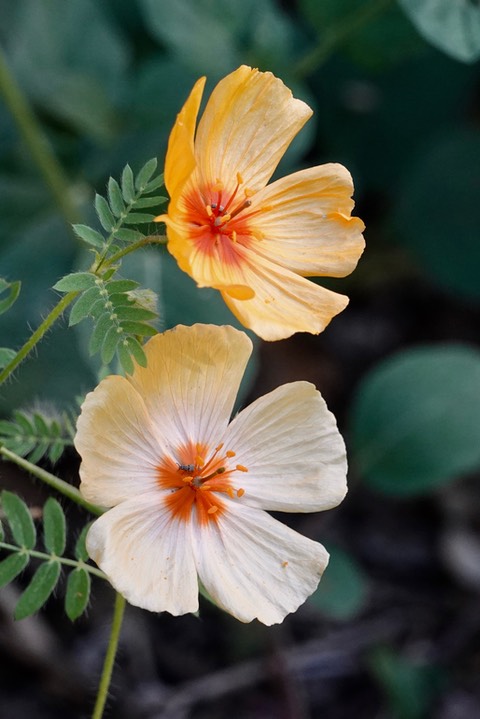
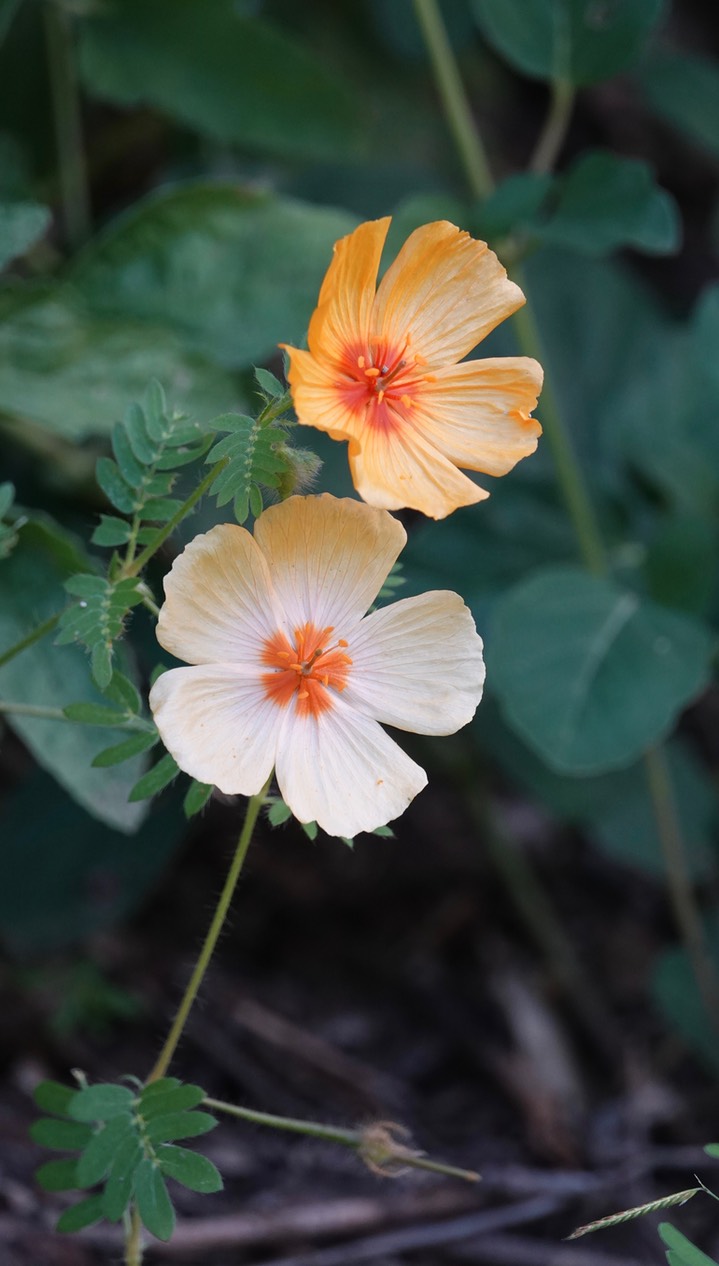
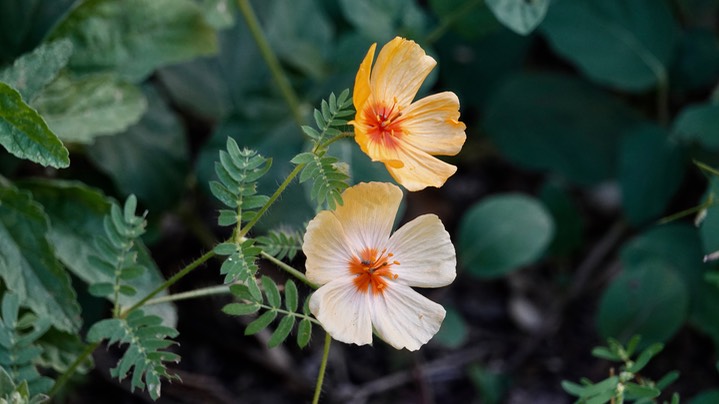
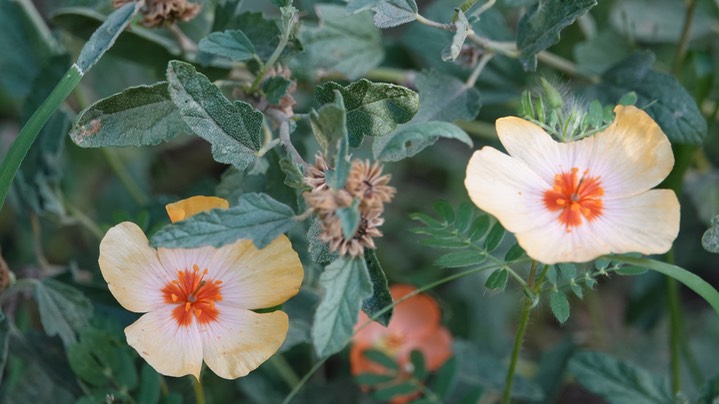
Kallstroemia grandiflora
Orange Caltrop
Hillsboro
New Mexico
August
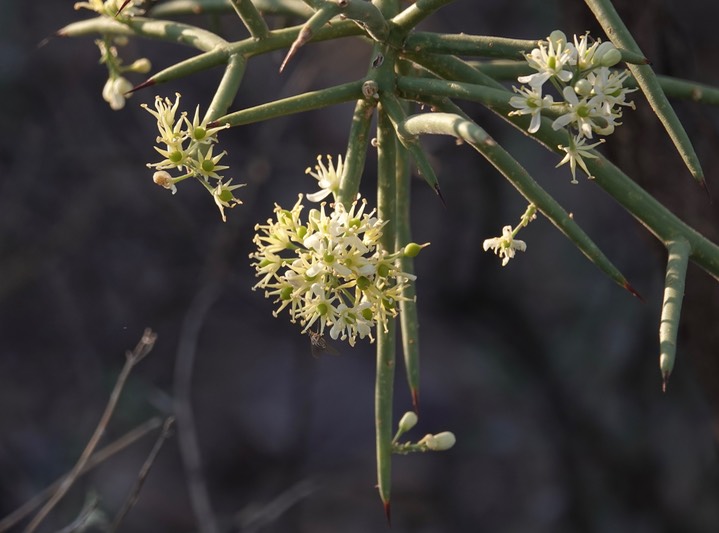
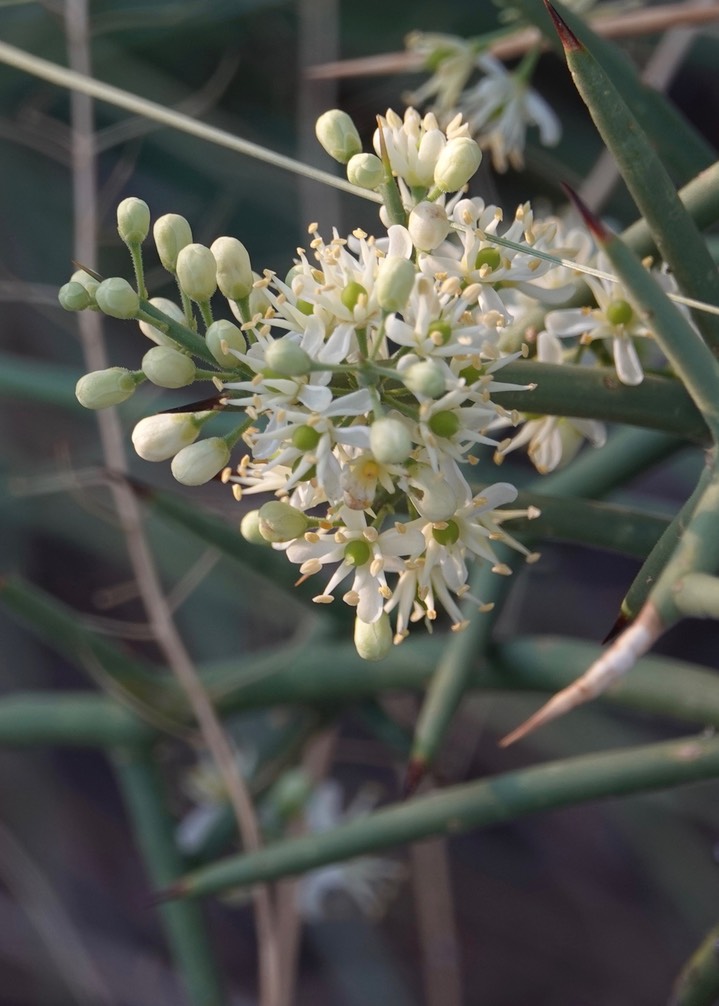
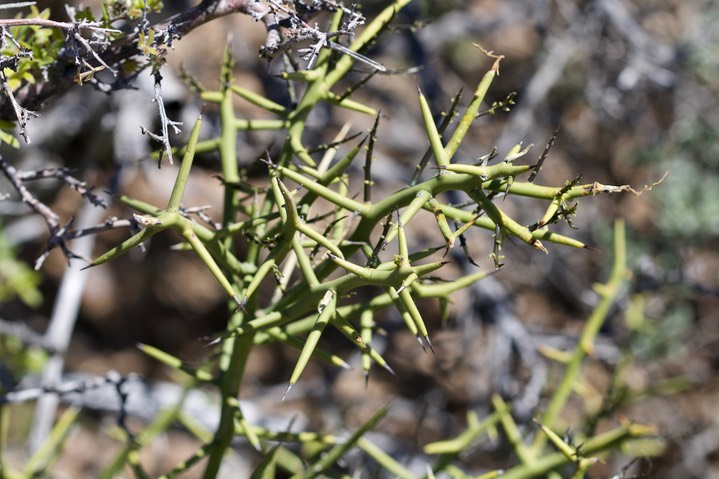
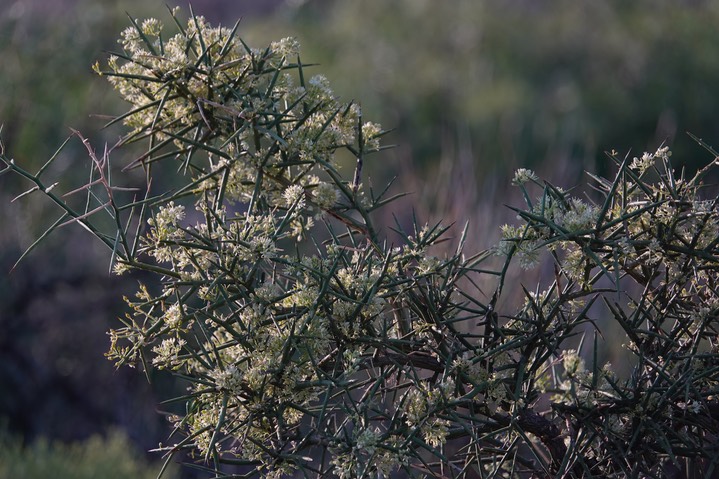
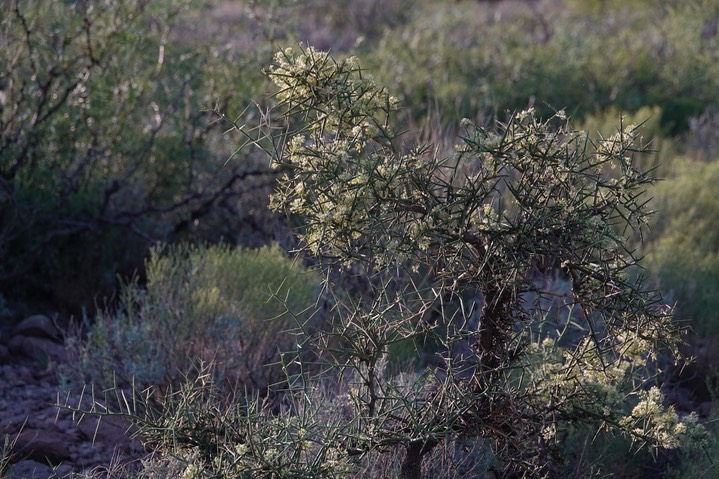
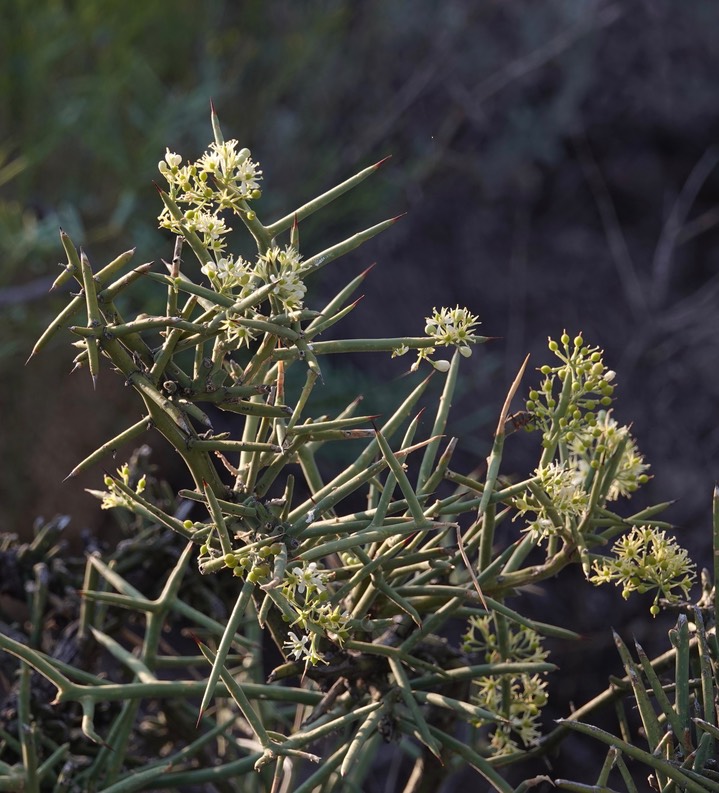
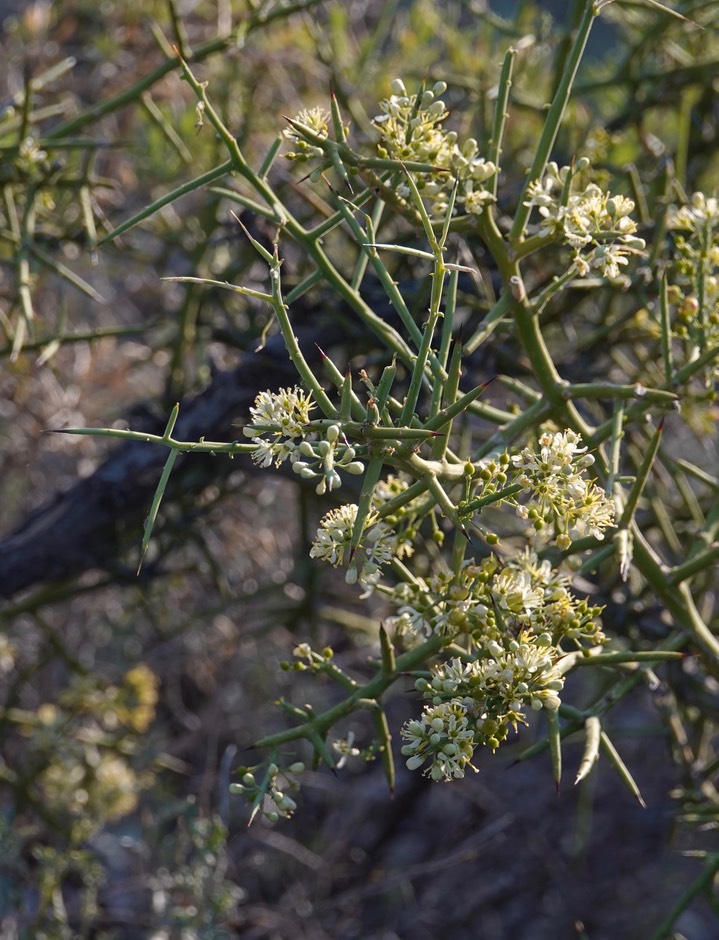
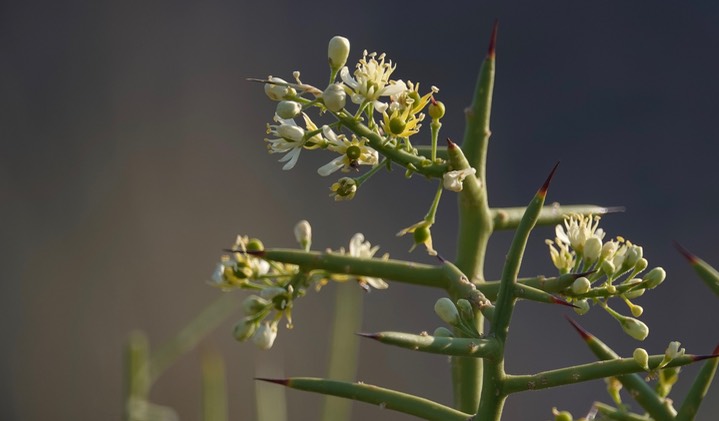
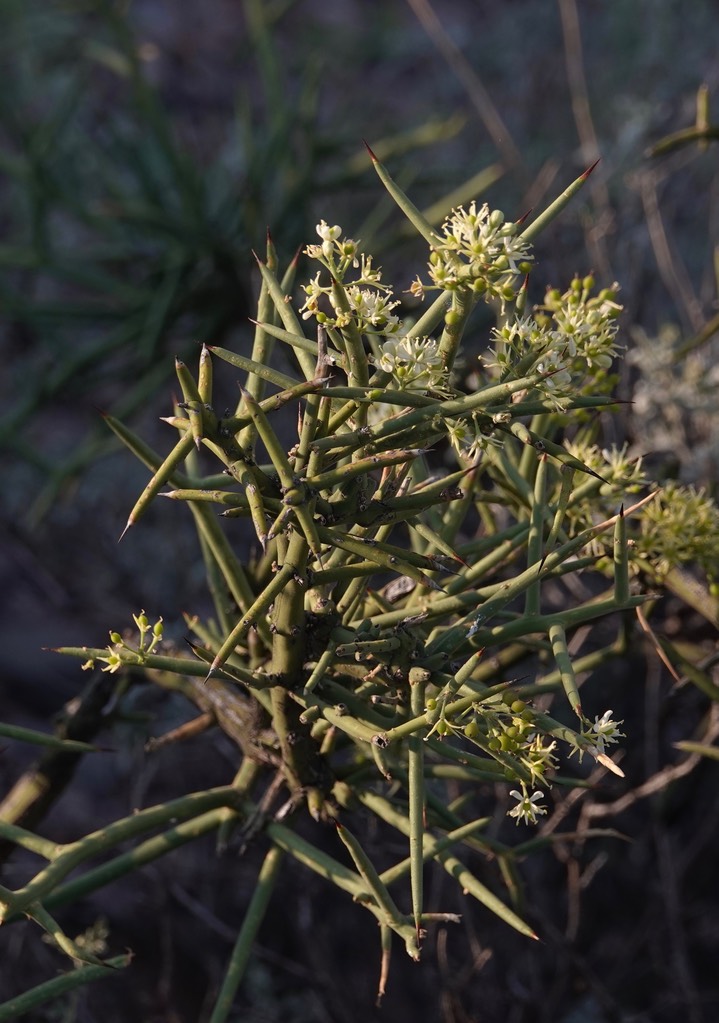
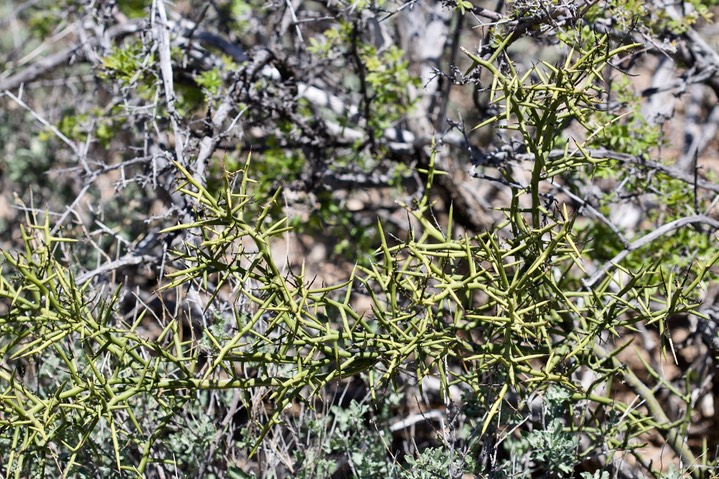
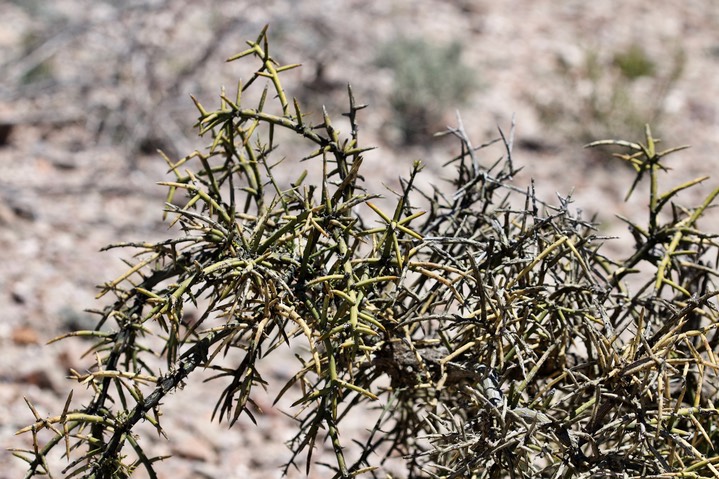
Koeberlinia spinosa var. spinosa
Crown of Thorns or
Crucifixion Thorn
Apache Peak N. of
Lake Valley and
City of Rocks SP
Black Range
New Mexico
April & August
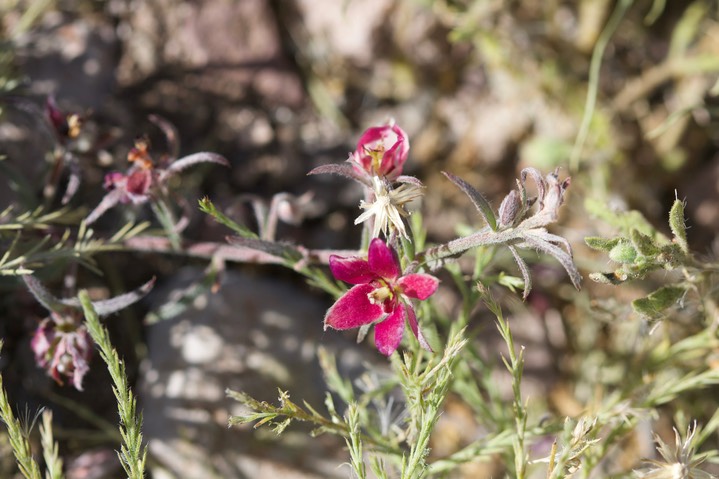
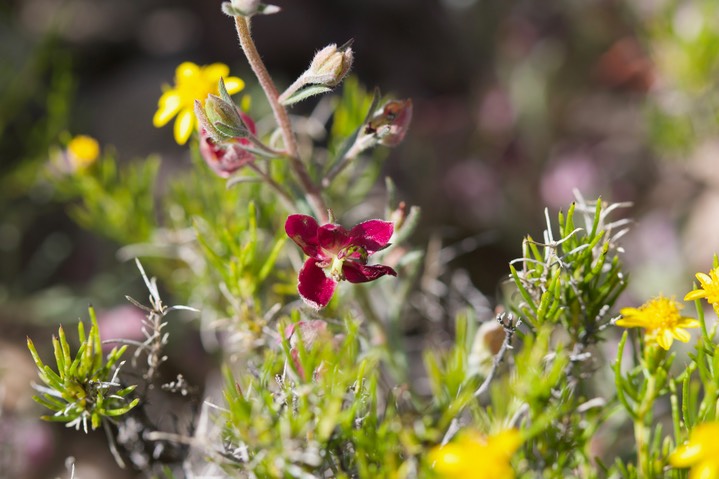
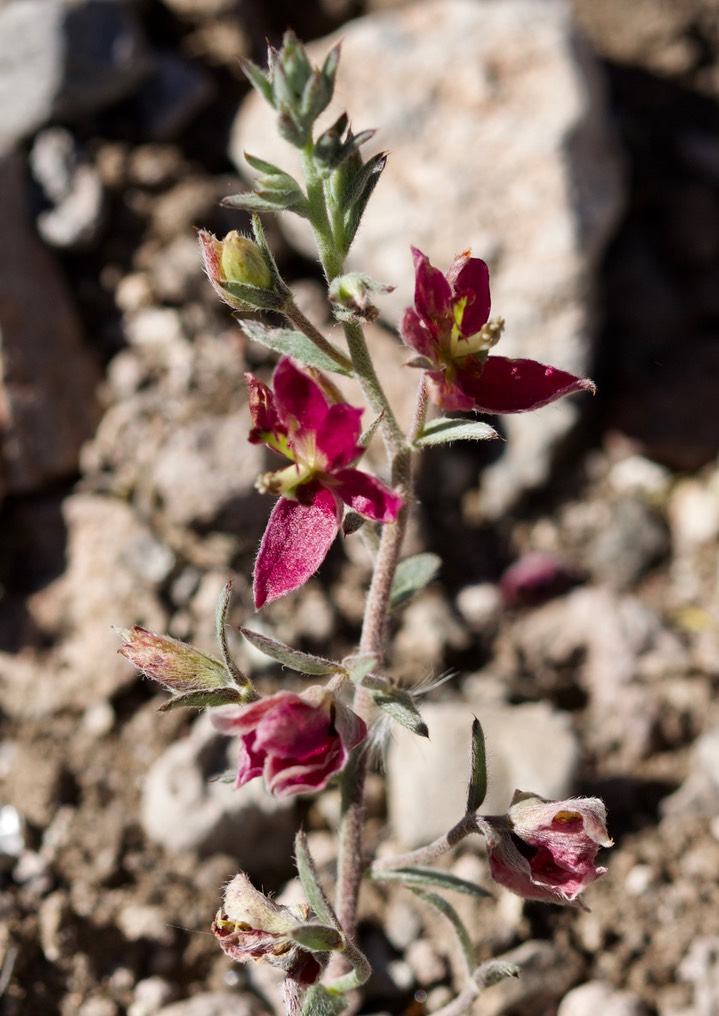
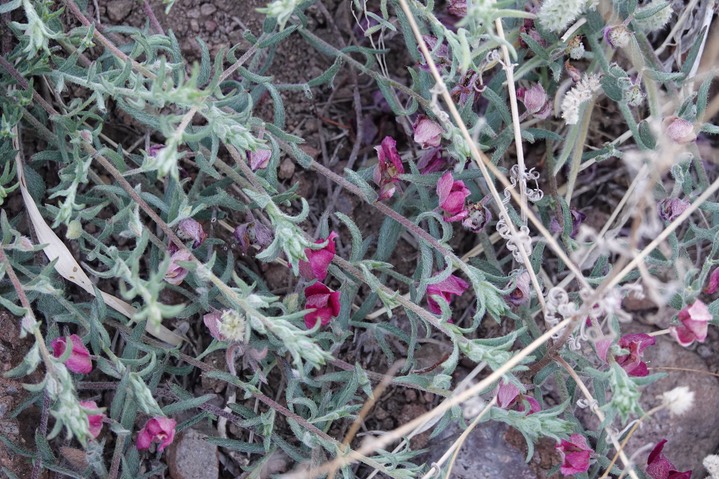
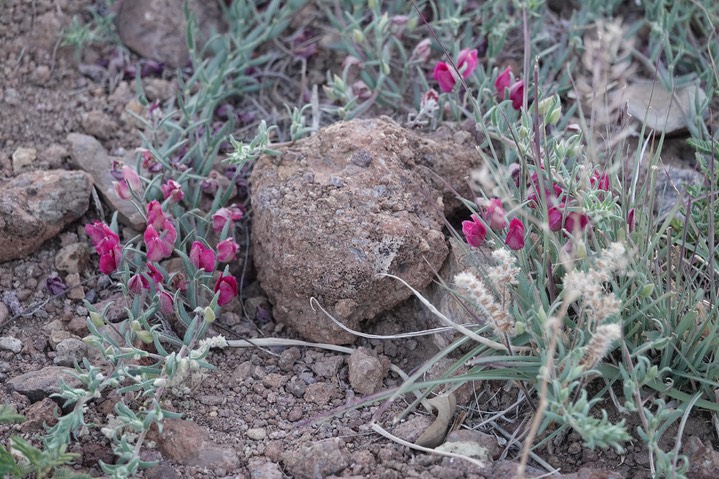
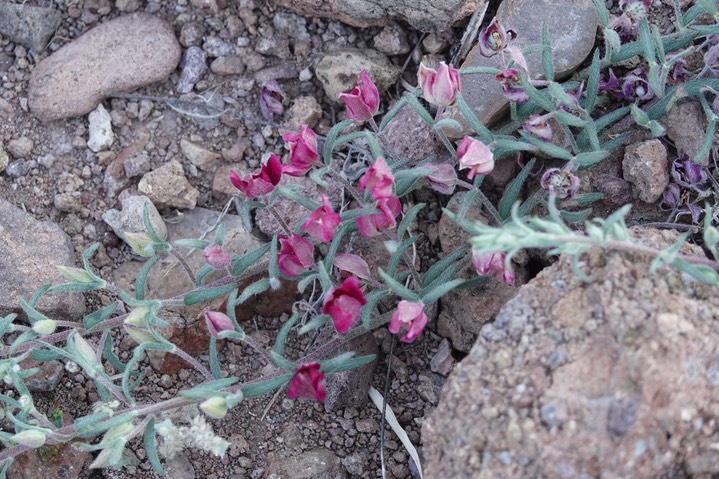
Krameria lanceolata
Trailing krameria
City of Rocks State Park
and e. of Hillsboro
New Mexico
May
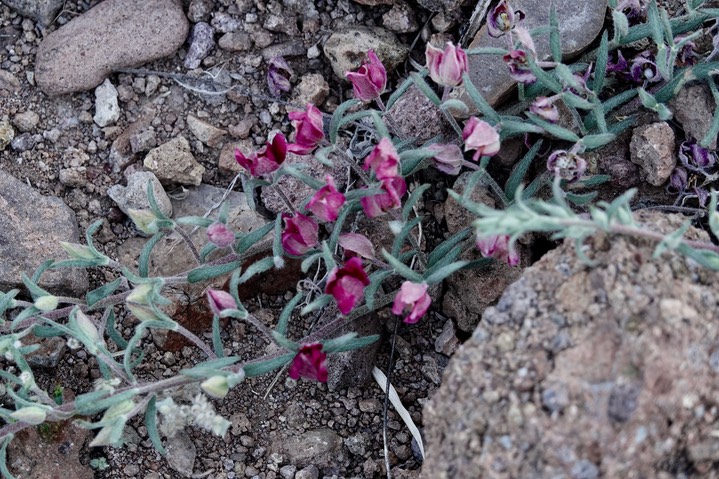
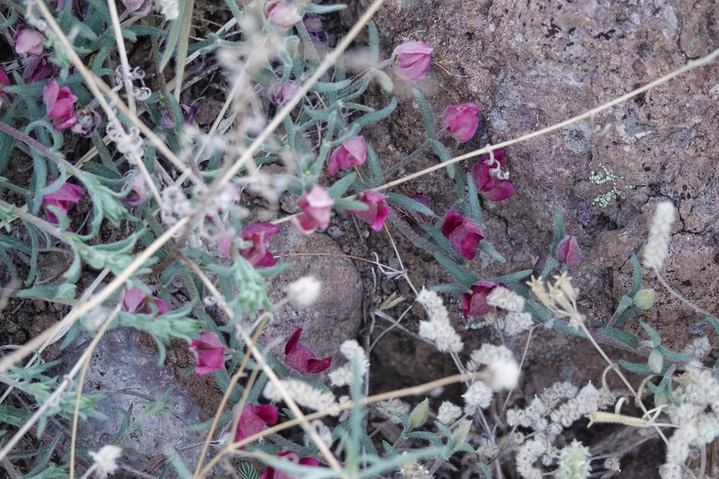
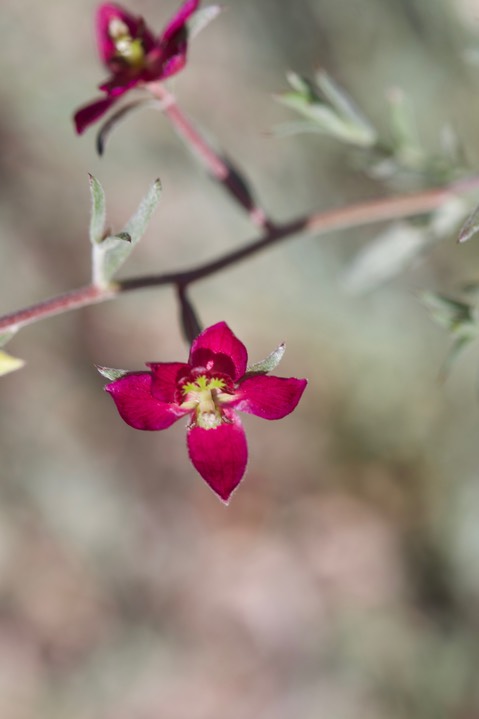
Krascheninnikovia lanata
Winterfat
East of Hillsboro
New Mexico
October