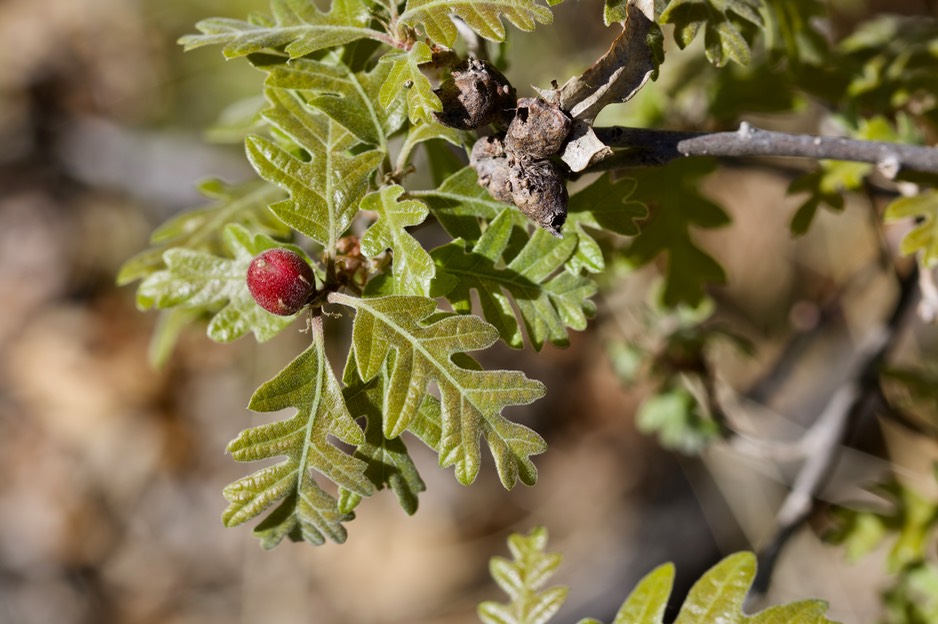
Quercus gambelii
Gambel Oak
Common
Black Range
New Mexico
The “FLORA" of the Black Range
“Q & R"
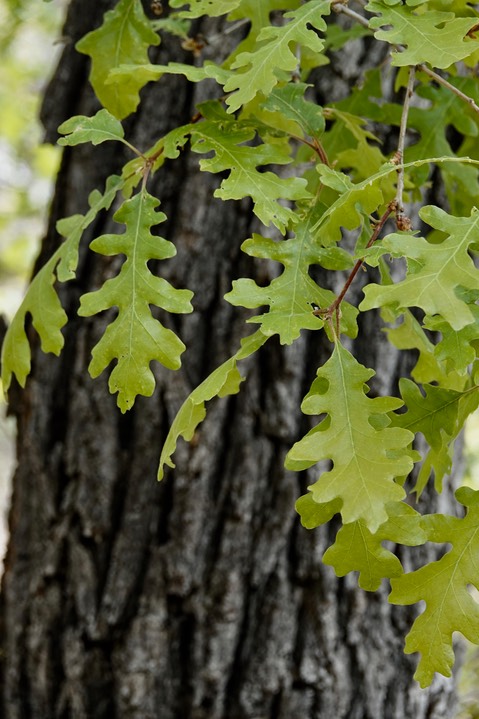
Quercus gambelii
Gambel Oak
Common
Black Range
New Mexico
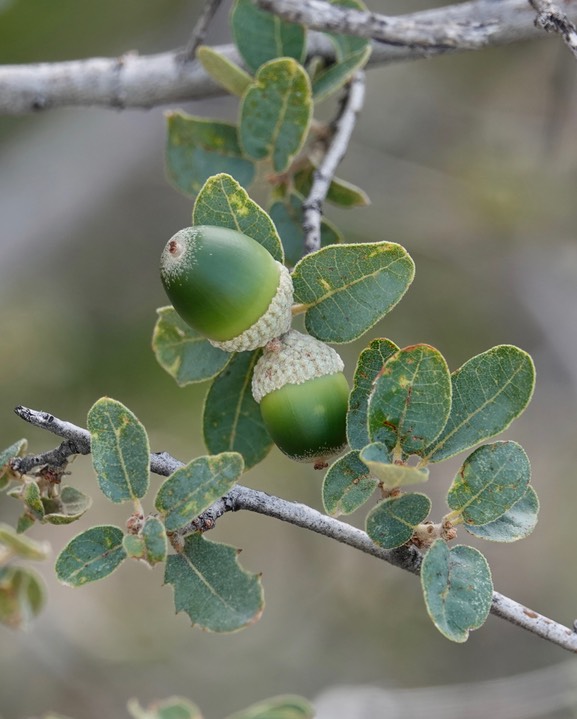
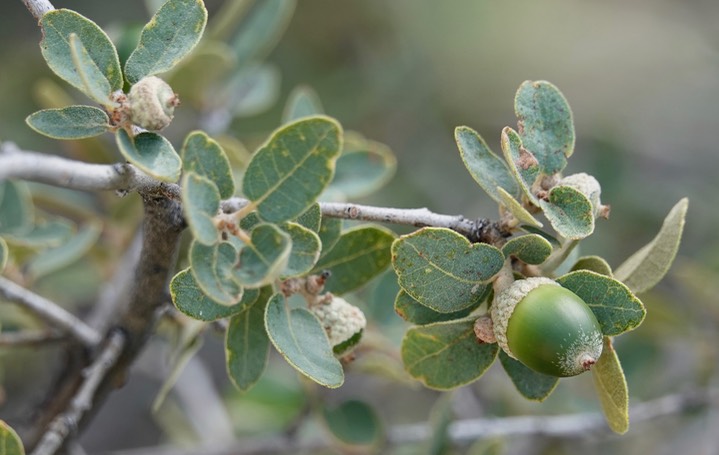
Quercus grisea
Gray Oak
mid-level elevations
Black Range
New Mexico
August
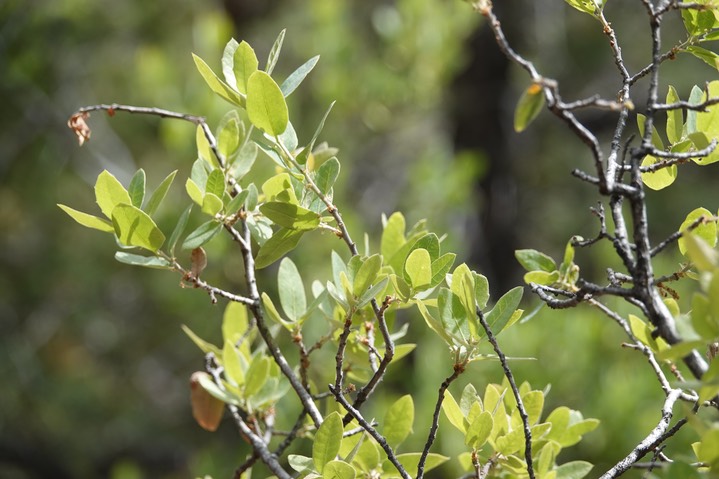
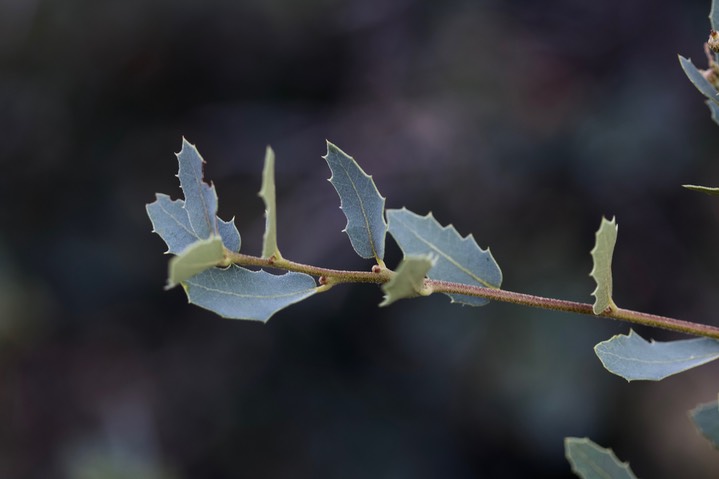
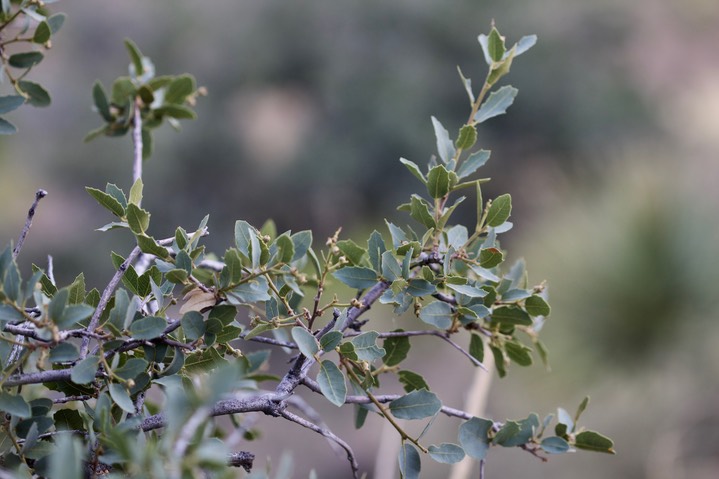
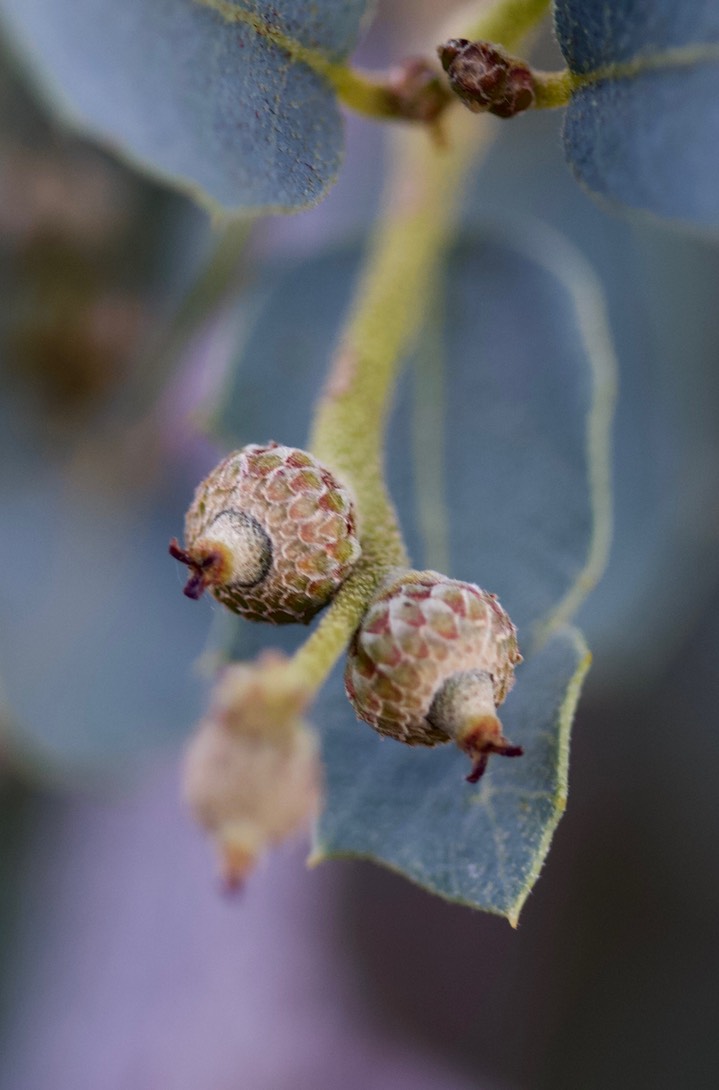
Quercus turbinella
Desert Scrub Oak
Rattlenake Mine
East of Hillsboro
Black Range
New Mexico
May
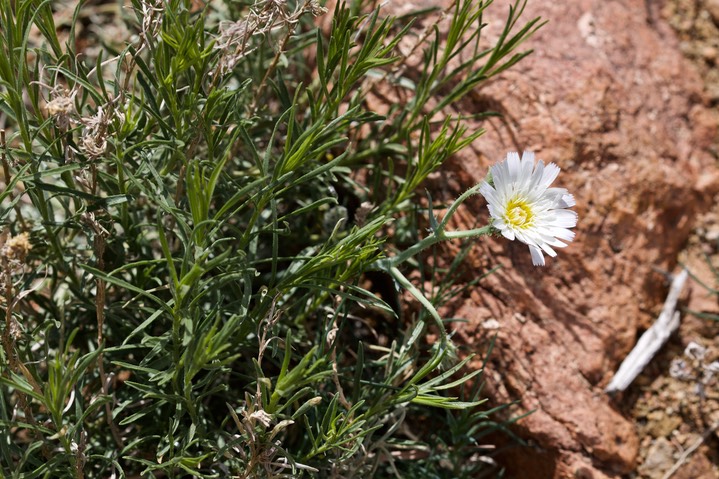
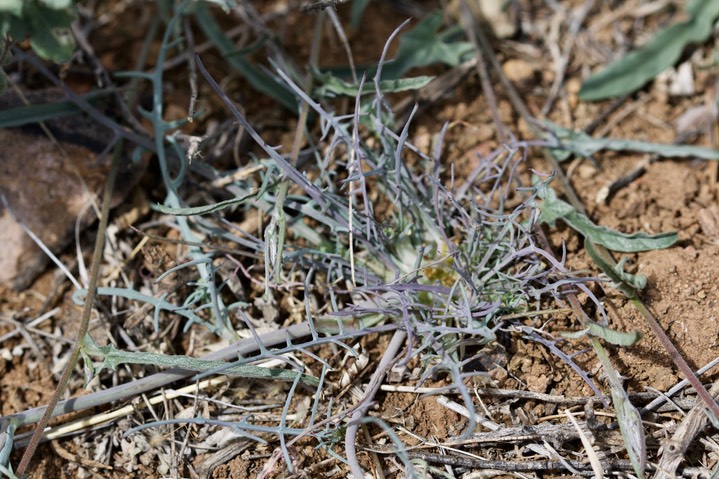
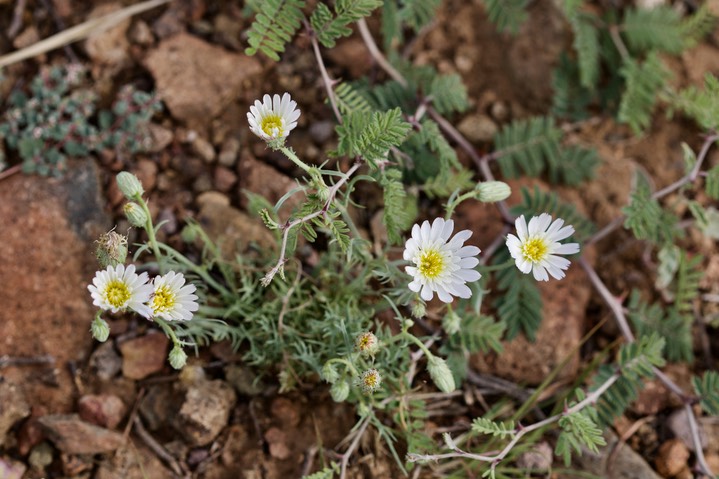
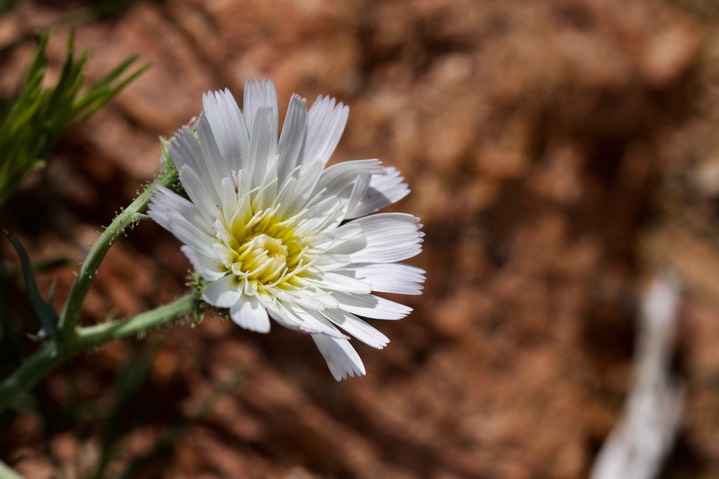
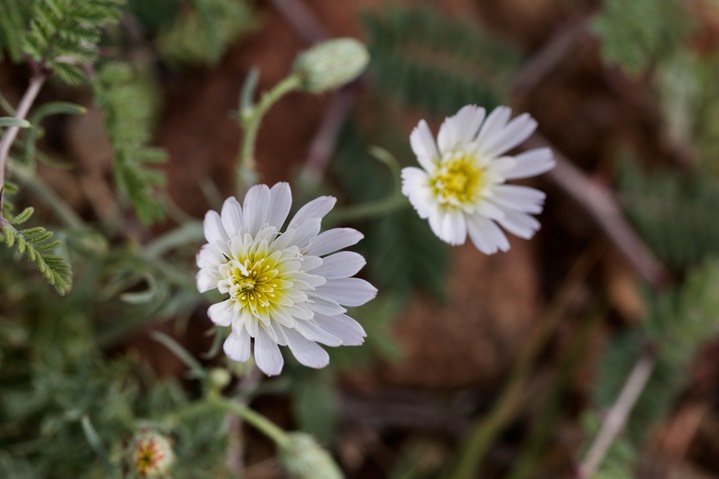
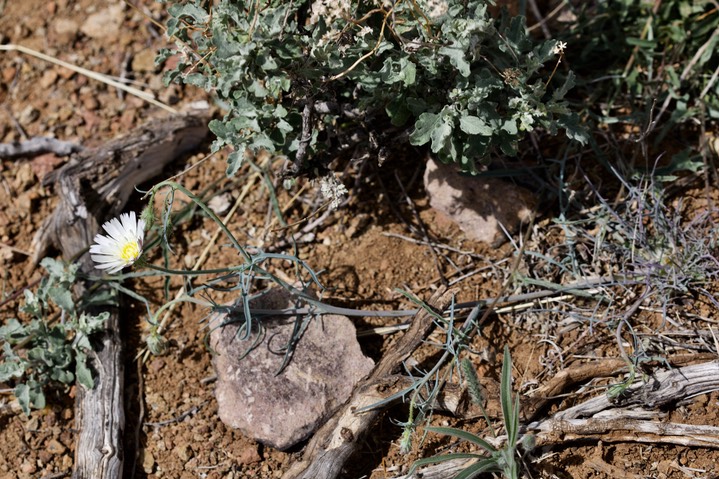
Rafinesquia neomexianca
Desert Chicory
East of Hillsboro
Black Range
New Mexico
May
Ratibida columnifera forma pulcherrima
Mexican Hat
Hillsboro
Black Range
New Mexico
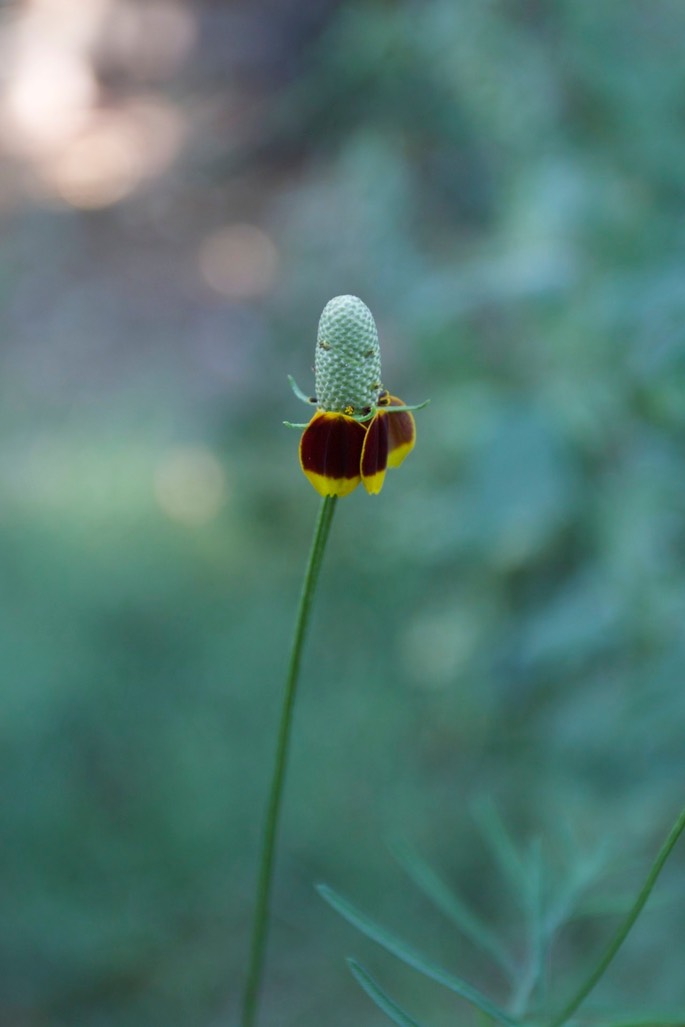
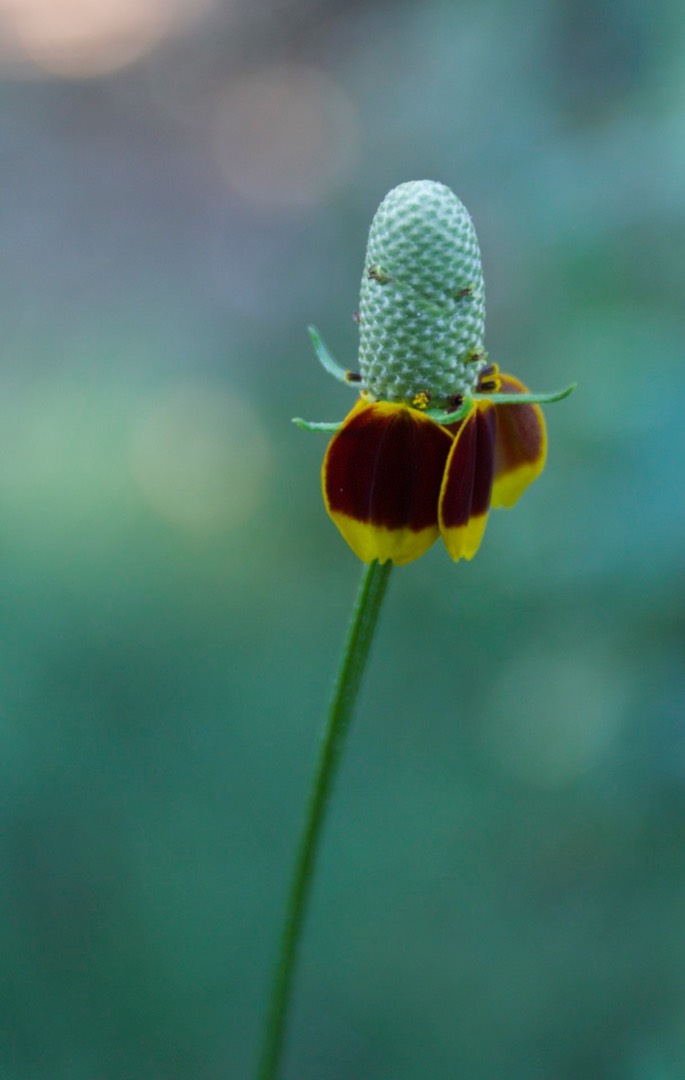
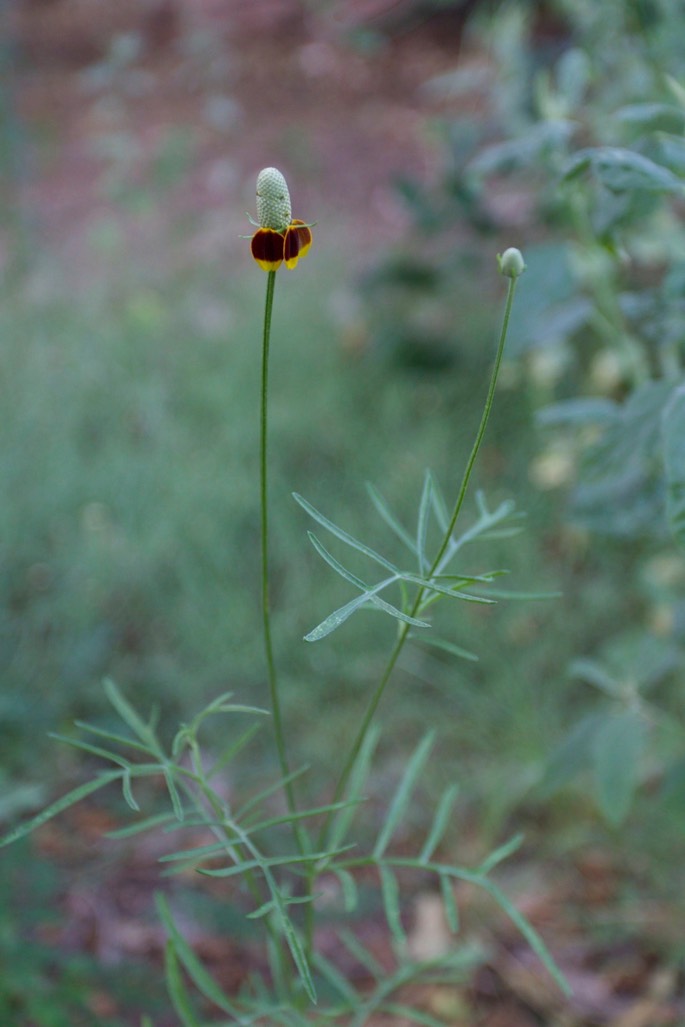
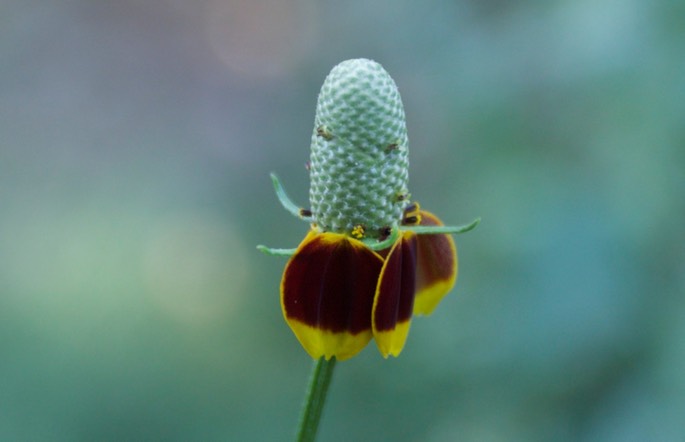
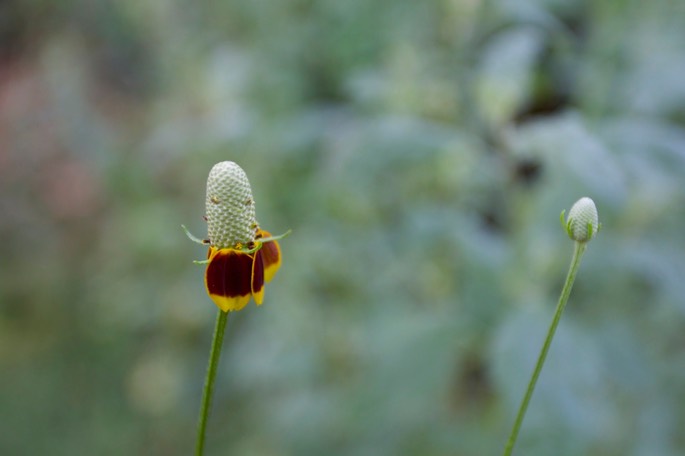
Ratibida columnifera forma pulcherrima, Mexican Hat, is found at mid-elevations in the Black Range, often in disturbed areas.
Sub-species, variety, and form are all levels below the species level and are used to describe distinct populations more precisely. Sub-species is the only level of identification below the species level for mammals. Variety and form are levels of identification below the species level which are used for plants, algae, and fungi. Form (forma pl.) is below the level of variety. In the subject case, “forma” is used to identify both the specific title but also the level of the title “pulcherrima”, when written in this manner the variety need not be designated. Plant systematics are fluid, to say the least, and the trinomial nomenclature which works well with birds/mammals tends to be challenged in a world where there are so many species, varieties, etc... And so much clinal variation. The synonyms (names which are no longer used) which proliferate from such a system can be substantial in number. A useful but often confusing effort made by humans trying to put everything into a box. Makes me relish the simplicity of the English Common Name.
As to the common names. A common name which is listed as a name of the species may or may not refer to a specific variety or form and thus may be “incorrect” when applied to a variety or form of the species which you are studying at the moment. Something like this story: When birding in Jalisco, Mexico I lost my hat, being bald, and the sun being intense in Jalisco the situation was going to get bad. A friend reached into a bag and handed me a new baseball cap (literally) and told me this story. At one point in time the Baltimore Oriole and Bullock’s Oriole were considered to be one species, the Northern Oriole. At that time, the Baltimore Orioles baseball team needed some new hats and ordered some with the bird on the front. The designer looked in a bird book and copied the Northern Oriole onto the hat and a bunch were made up. Only, he copied the Bullock’s Oriole (not the Baltimore Oriole) - how was he to know? My friend picked up many of these hats, since the Baltimore Orioles did not want them, and would give them away as memento when traveling. So I came to have an official “Bullock’s Oriole Baseball Cap”.
The form Ratibida columnifera forma pulcherrima was most recently described by Merritt Lyndon Fernald in 1938. Elmer Wooton & Paul Standley had considered the plant to be a full subspecies when they considered it in 1915 (Ratibida columnifera subsp. pulcherrima). In 2006, this form was described as a variety in Botanical Magazine. For our use, we will describe it as in the first sentence of this entry, for no other reason than that is how it is described in Vascular Plants of the Gila Wilderness, which we treat as the definitive source for the plants of our area. This form is most commonly found in the Southwestern United States.
This species is eaten by cattle, Mule Deer, White-tailed Deer, Elk, Pronghorn, Wild Turkey, and a variety of other game birds and small mammals. Its nutritional value is generally considered poor. The indigenous peoples of North America used this species for a variety of medicinal purposes.
Rhus lanceolata
Prairie Sumac
Ready Pay Mine
East of Hillsboro
Black Range
New Mexico
May
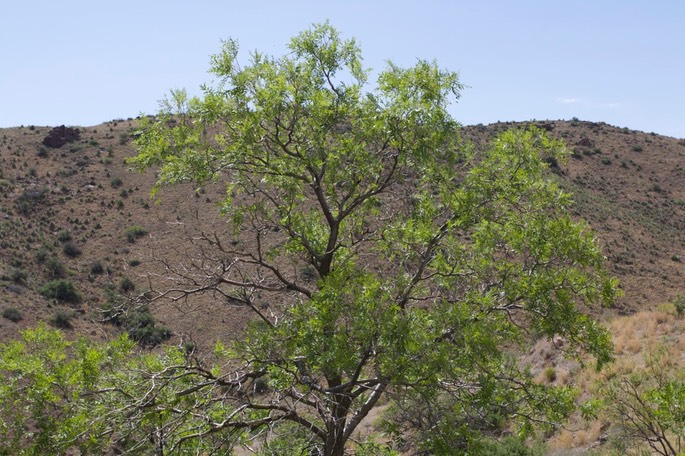
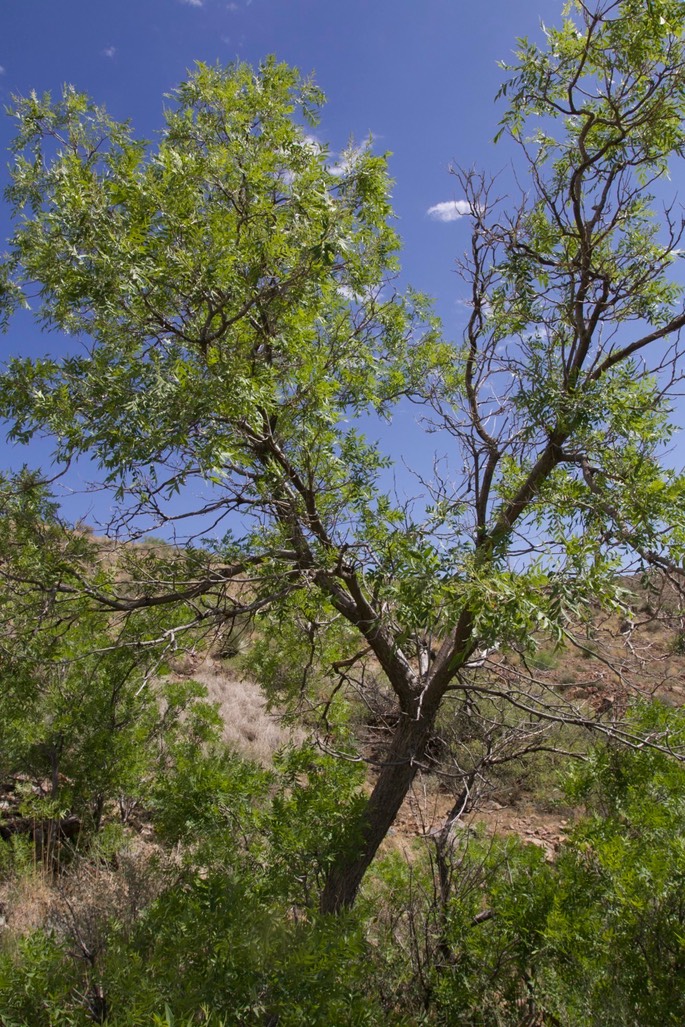
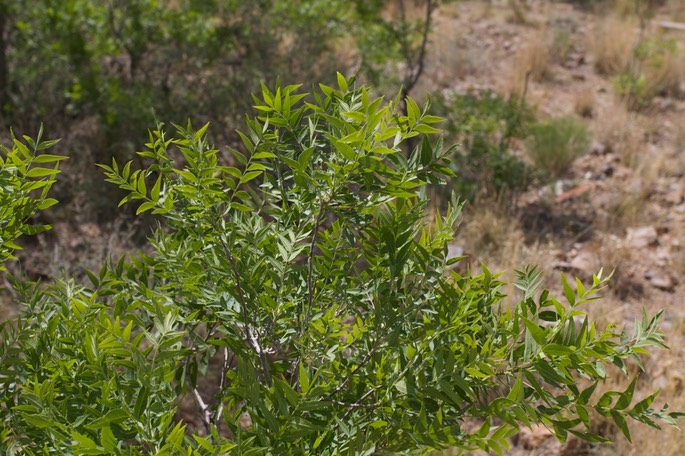
The range of Rhus lanceolata includes Arizona, New Mexco, Texas, and Oklahoma. In Mexico, the species is found in Coahuila, Nuevo León, and Tamaulipas.
In some sources, this species is still considered a variety of Winged Sumac - Rhus copallinum var. lanceolata. It goes by a variety of common names including; Prairie Flameleaf Sumac, Flameleaf Sumac, Prairie Sumac, Lance-leaf Sumac, Texas Sumac, Tree Sumac, Limestone Sumac, and Prairie Shining Sumac.
The species was first described by Asa Gray in 1850 as Rhus copallinum var. lanceolata. In 1908 Nathaniel Lord Britton described it as the full species we use here. Britton was a cofounder of the New York Botanical Garden.
Rhus microphylla
Littleleaf Sumac
East of Hillsboro
Black Range
New Mexico
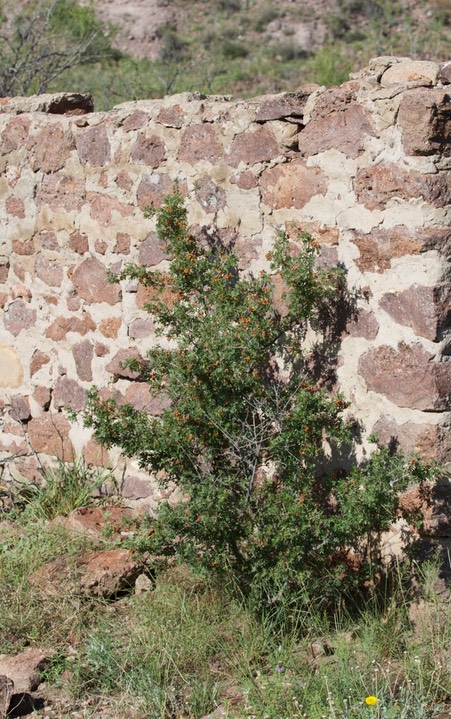
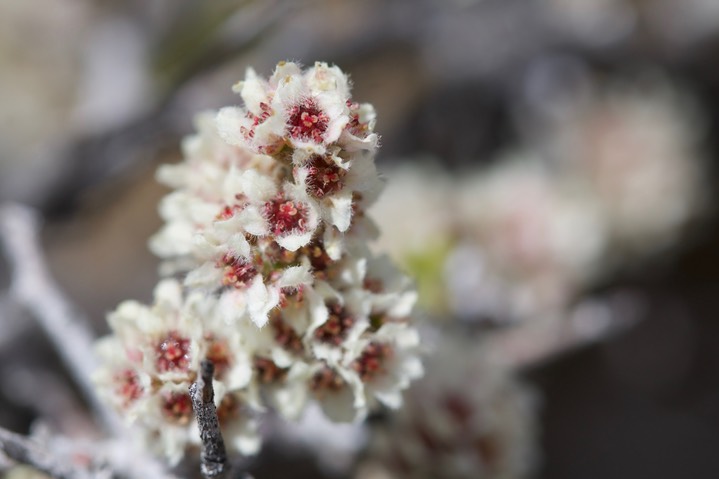
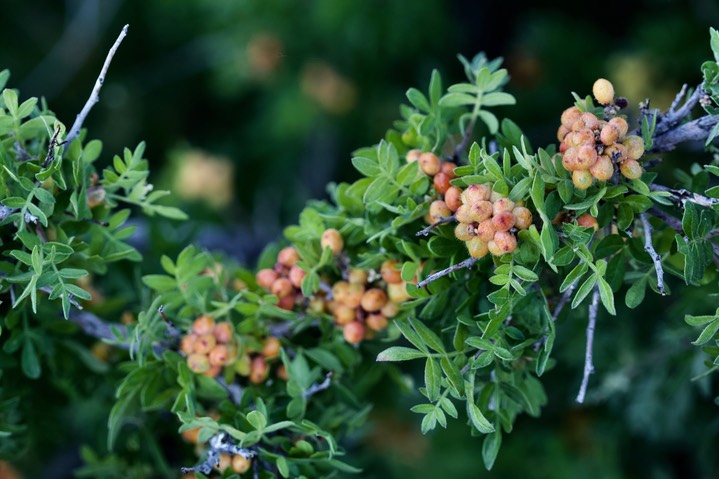
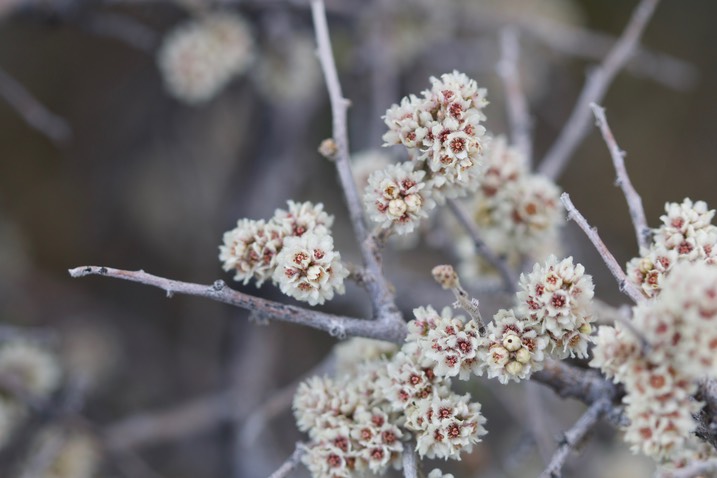
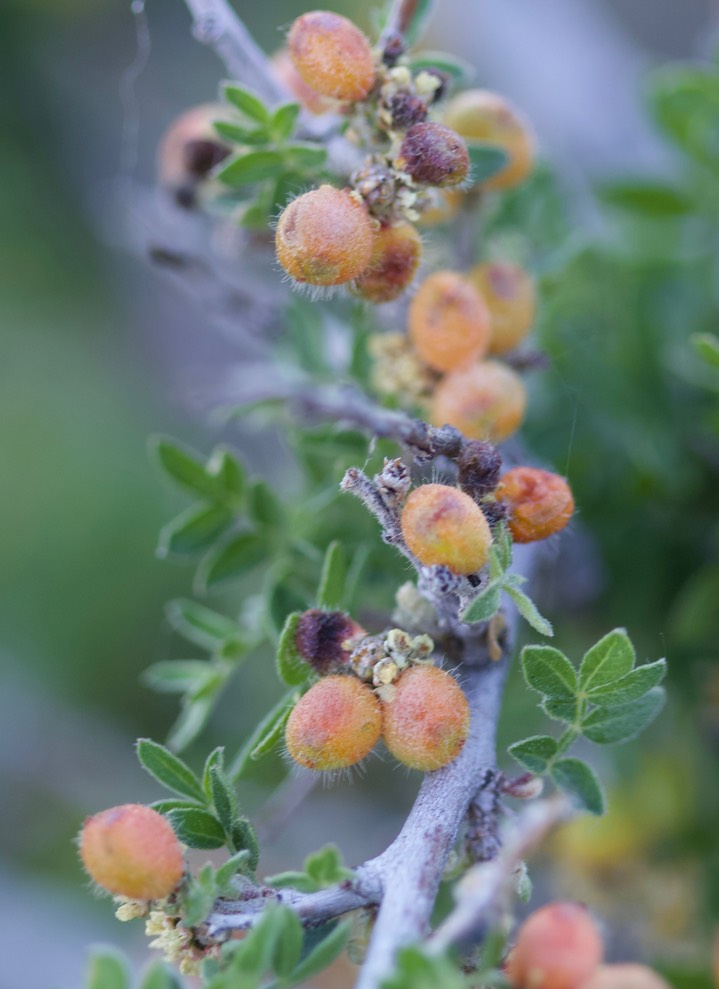
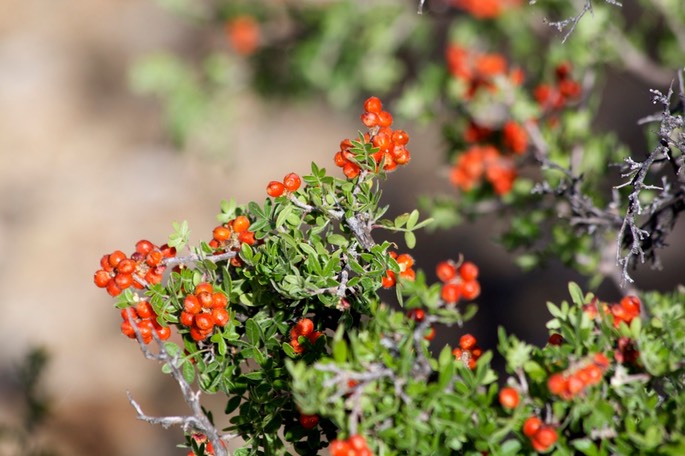
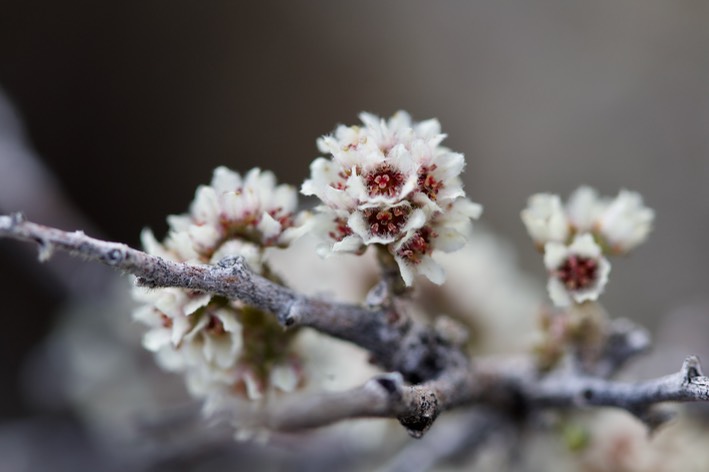
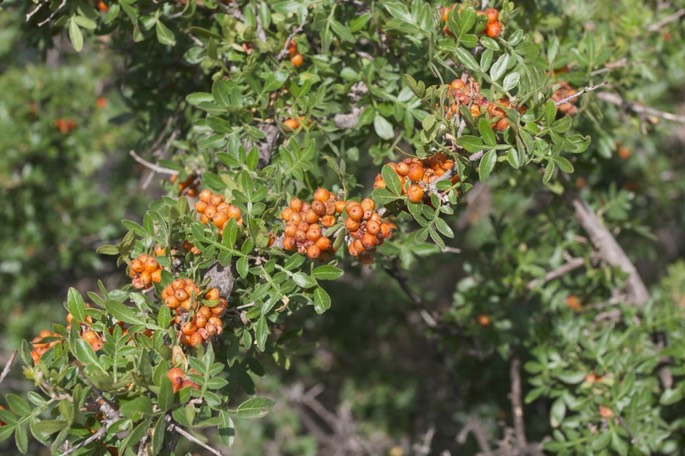
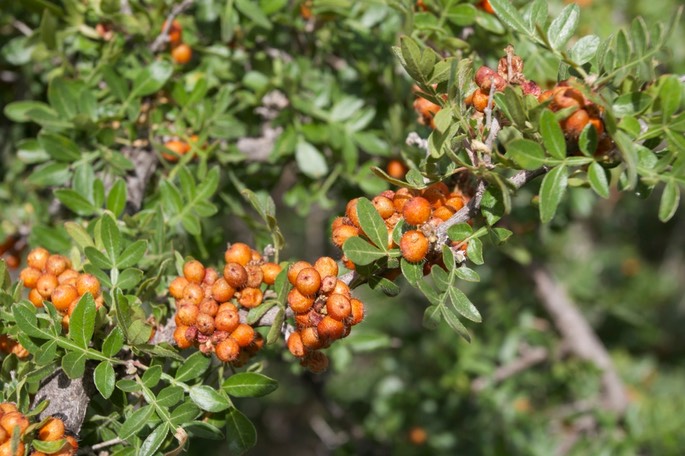
Littleleaf Sumac, Rhus microphylla, which is also known as Desert Sumac, Correosa, and Agritos is native to this area. Its natural range which is limited to southern Arizona, New Mexico, and Texas in the United States and the mountains of central Mexico as far south as the center of the country. It is also found at some disjunct "sky islands".
I have a fondness for the berry producing plants of the southwest. Their berries provide much need nutrition for birds and mammals. This species is especially important to the native bees of our area. All ecosystems are intricate webs with many individual components, each dependent on others. The roll of pollinators is obvious but what to do to minimize our adverse effect on them is not. The dramatically adverse effect of non-organic pesticides on pollinators are extensively documented. When using organic pesticides there are also a variety of factors to consider. The Xerces Society has published a fact sheet entitled "Organic-Approved Pesticides - Minimizing Risks to Bees" which every organic gardener should read.
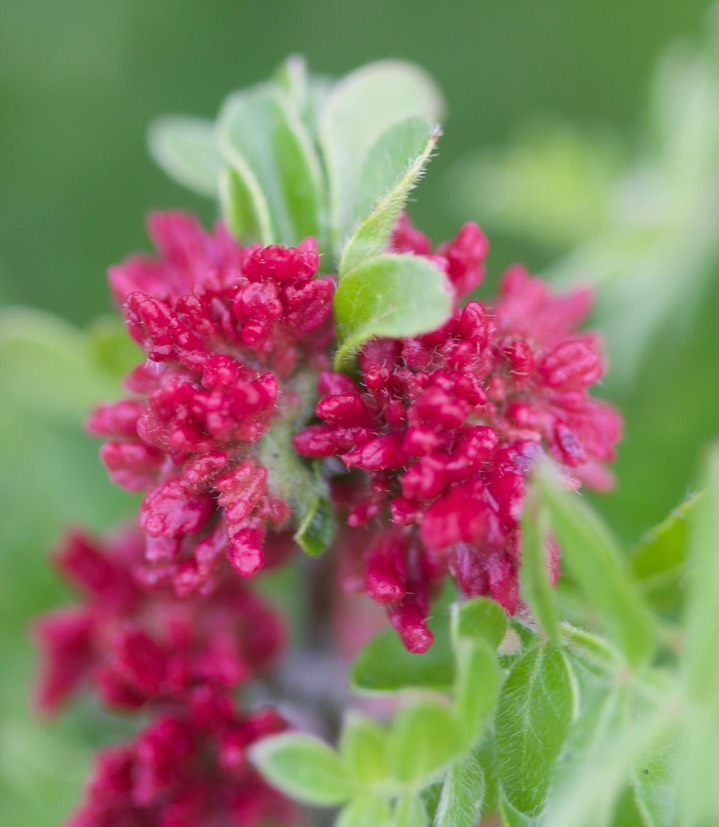
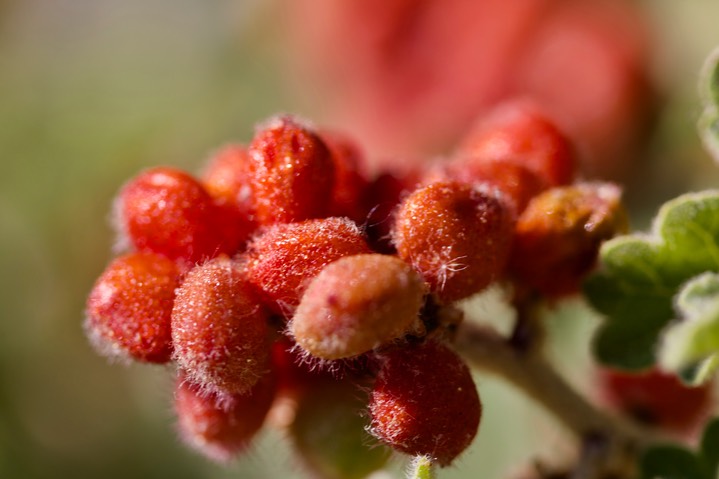
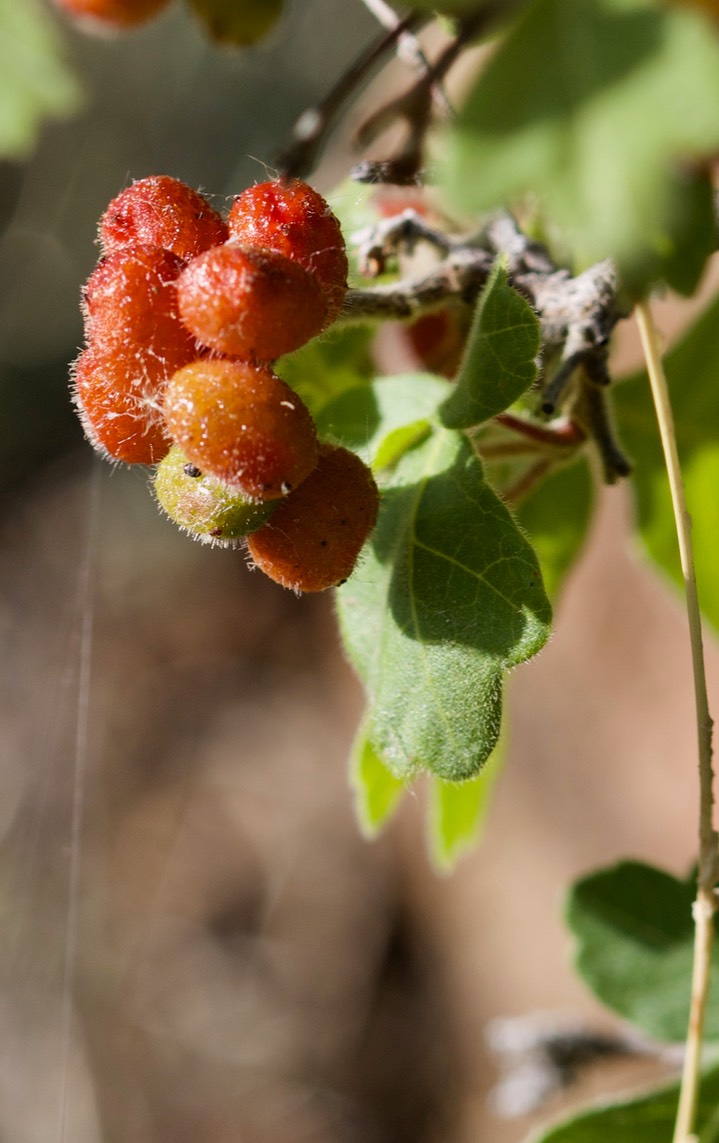
All plants can be infected, the red growth pictured in the gallery is perhaps one of the more dramatic displays of an infection.
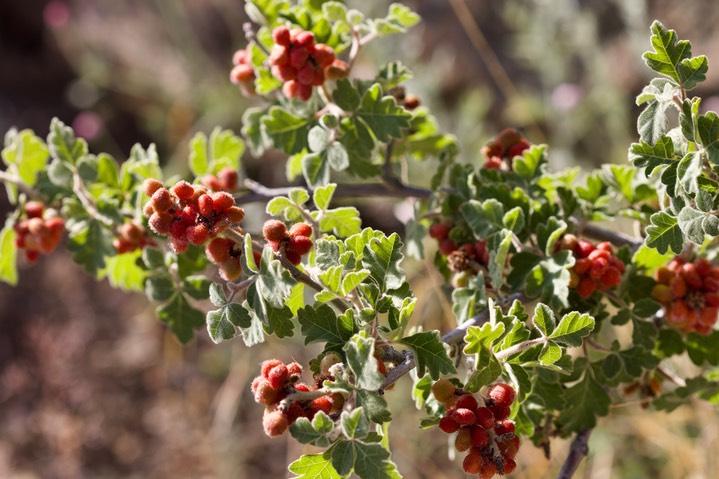
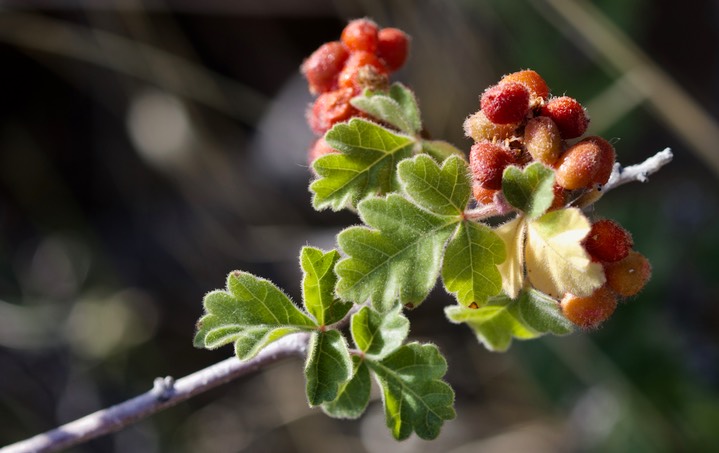
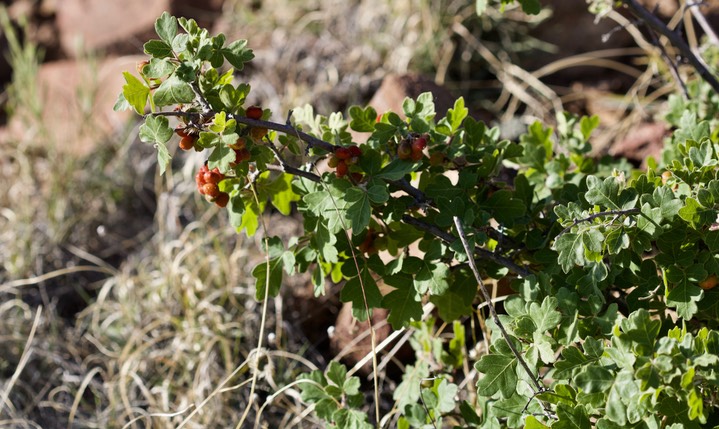
Rhus trilobata
Lemonadeberry
Ready Pay to Wicks Walk
East of Hillsboro
Black Range
New Mexico
May
Rhynchosida physocalyx
Buffpetal
East fork of Ready Pay Gulch, North of NM-152
East of Hillsboro
Black Range
New Mexico
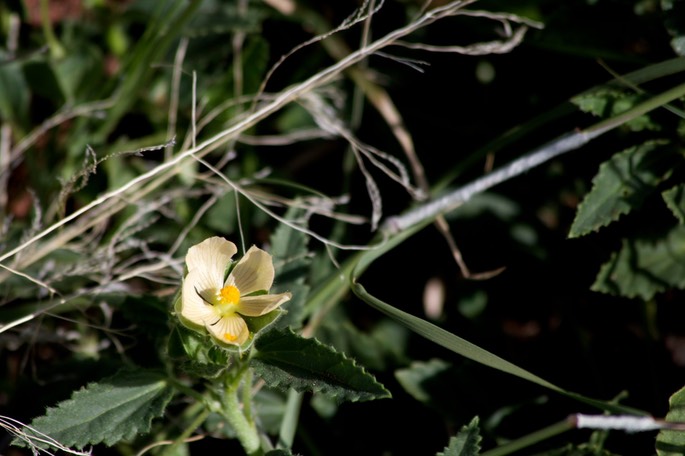
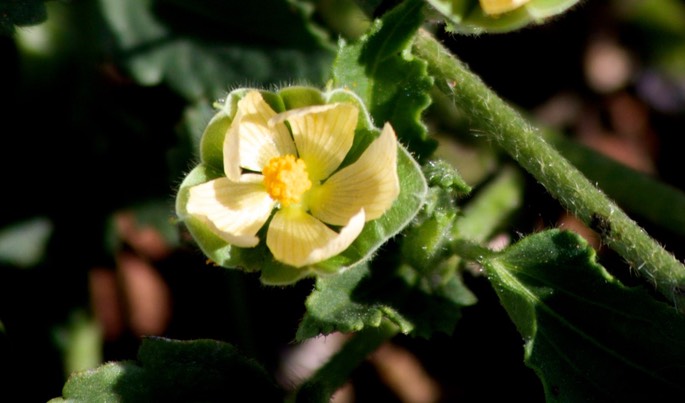
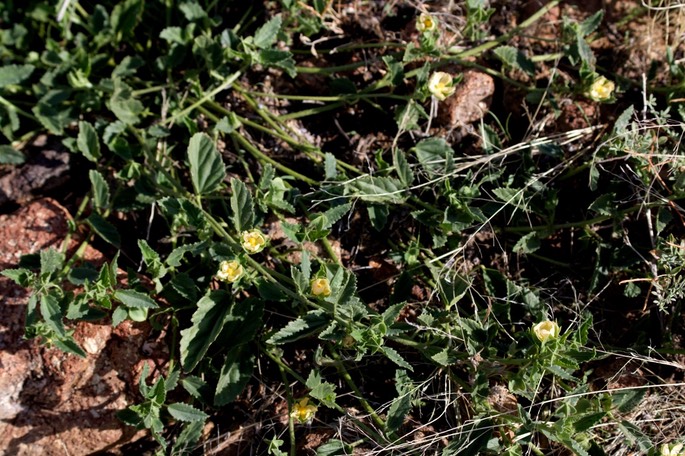
Rhynchosida physocalyx, Buffpetal, is typically found at middle elevations in the Black Range, generally in disturbed soils. We found it at an elevation of about 5,400’ in the east wash of Ready Pay Gulch, north of NM-152, east of Hillsboro. It is also known as Bladderpod Sida and has a synonym of Sida physocalyx, which may explain why I spent so much time trying to fit it into the Sida genus, the other explanation; sheer ignorance, I have discarded out of pure arrogance. The fruit of this plant but it is apparently quite striking.
This species was first described by Asa Gray and redescribed by Paul Arnold Fryxell in 1978. Fryxell was an expert on Malvaceae (Mallow).
Within the United States, the range of this species is limited to Arizona, Oklahoma, Texas, and New Mexico. It is found southward into South America.
Ribes pinetorum
Orange Gooseberry
McKnight Cabin
Black Range
New Mexico
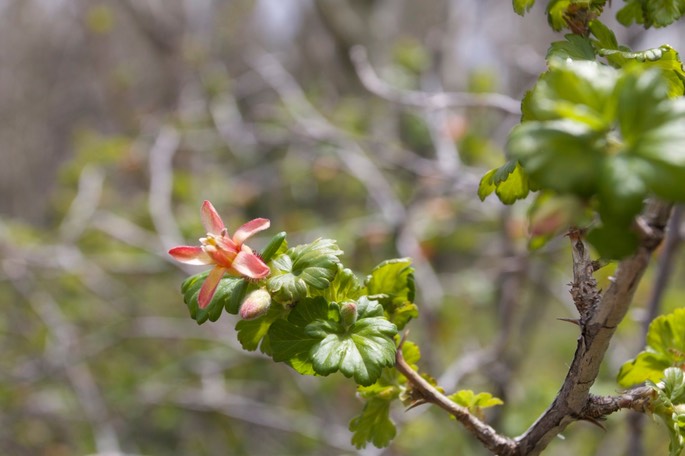
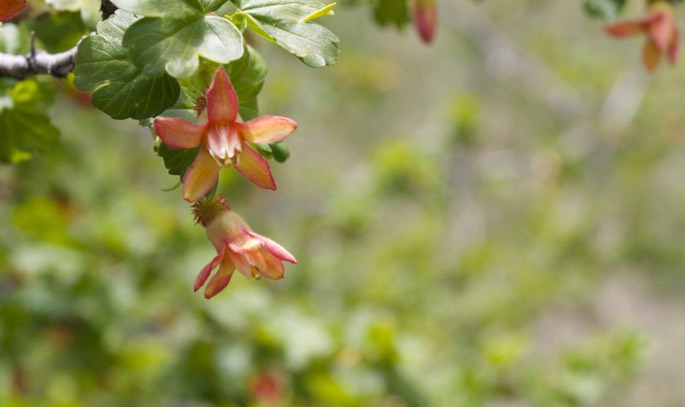
The Orange Gooseberry, Ribes pinetorum, is found at higher elevations in the Black Range of New Mexico, USA. The photographs shown here were taken at McKnight Cabin. The ground around the plants in these photographs were covered in Wild Turkey tracks. The stems of this species have nasty little thorns (nasty being a technical term, I am sure). Apparently, the fruit is also spiny.
This species has a range which is restricted to New Mexico and Arizona in the United States. It was first described by Edward Lee Greene in 1881. Greene described/redescribed more than 4,400 other species from the American West. The type specimen was collected in May-July of 1880 by Greene, in the Pinos Altos Mountains north of Silver City, New Mexico.
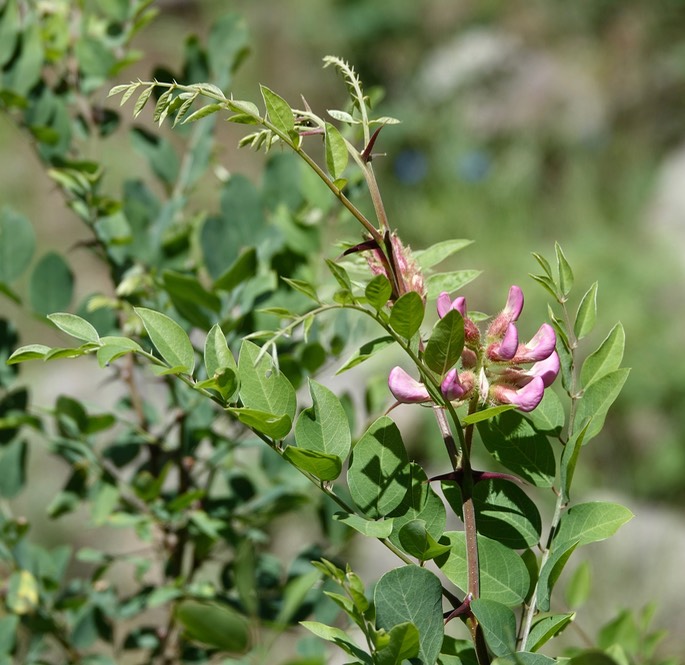
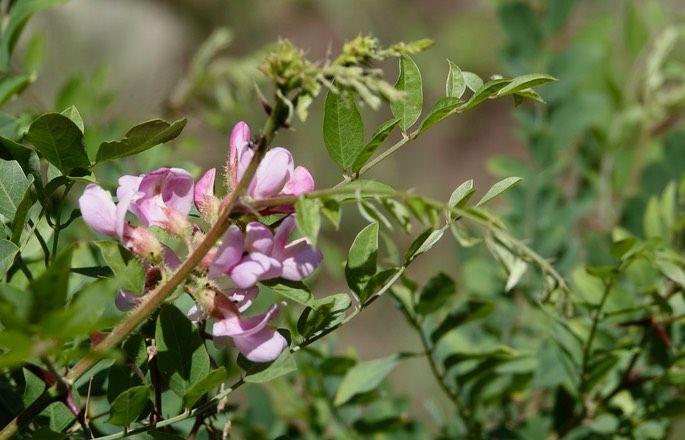
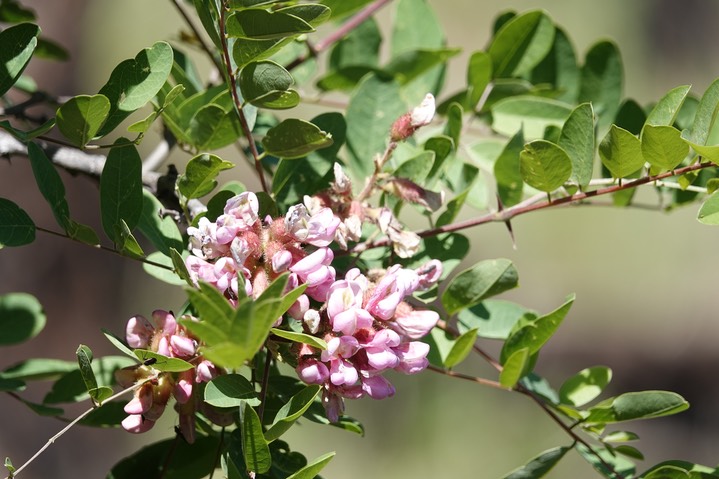
Robinia neomexicana var. rusbyi
New Mexico Locust
Widely distributed
Black Range
New Mexico
July
Rosa woodsii (Lindley) var. woodsii
Wood’s Rose
Widely distributed in mid
level riparian zones
Black Range
New Mexico
June
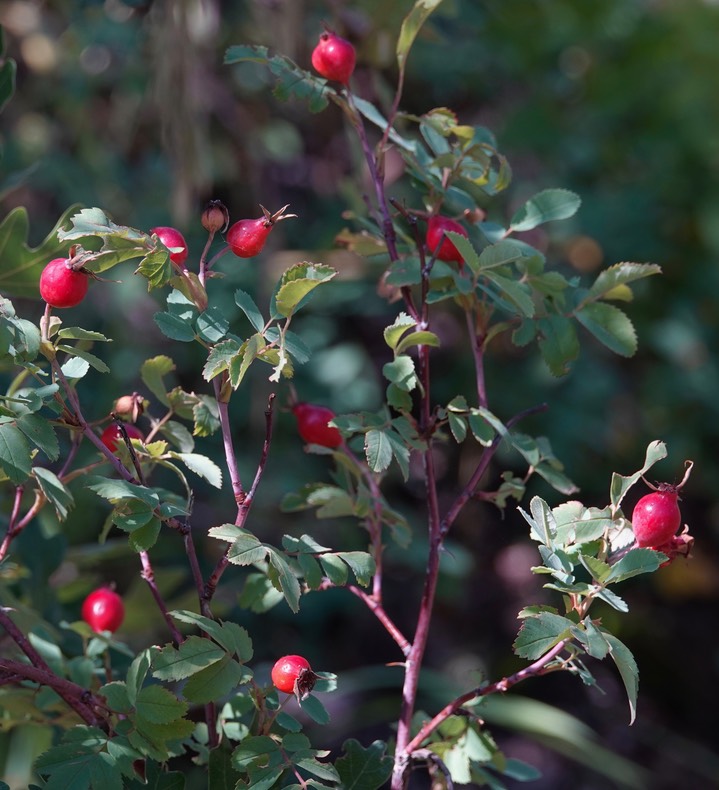
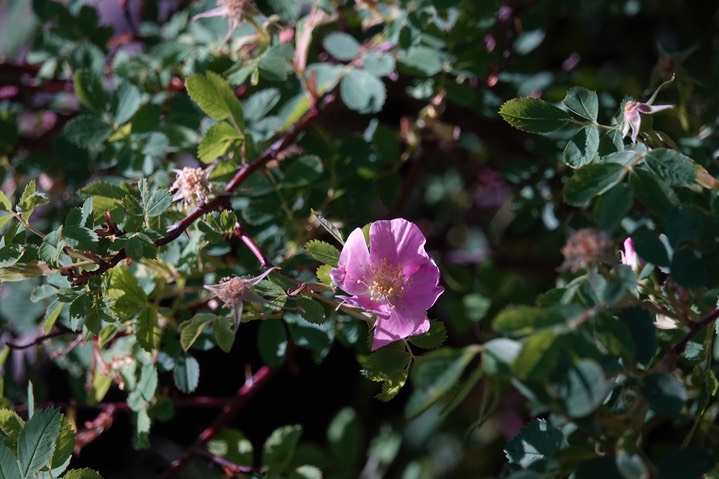
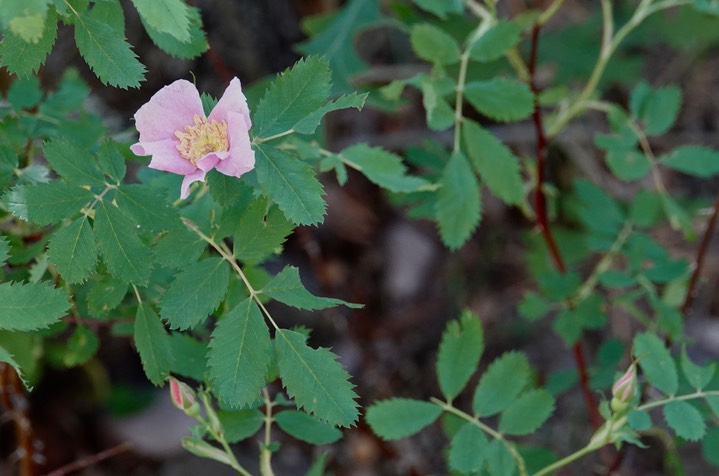
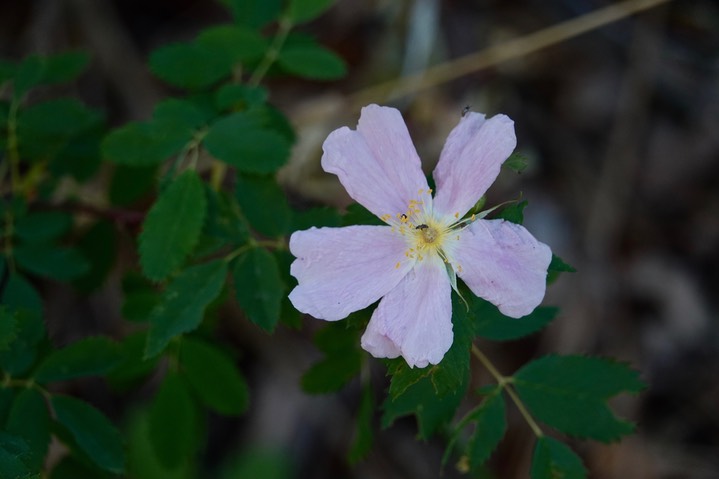
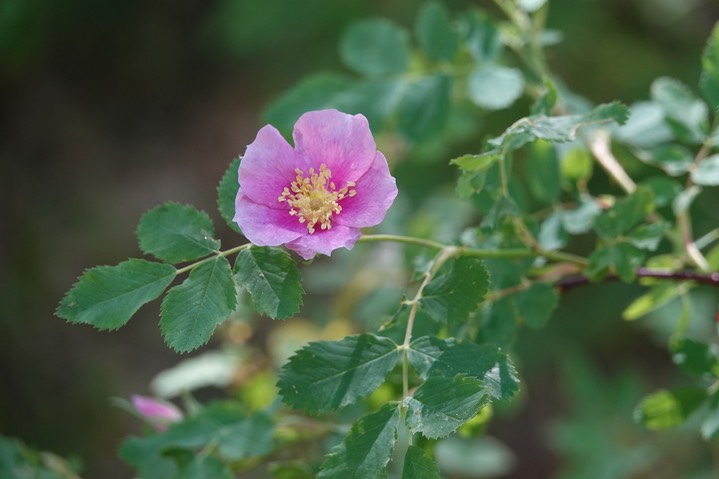
This species has a range which extends through the plains and Rocky Mountains of Canada into Alaska and southward into northern Mexico. The Flora of North America notes that "Rosa woodsii is the most common and most variable rose species in central and western North America”. At least 25 different species have been proposed for the plant described as Rosa woodsii.
Rubus neomexicanus
New Mexico Raspberry
Hillsboro Peak Trail
Black Range
New Mexico
July
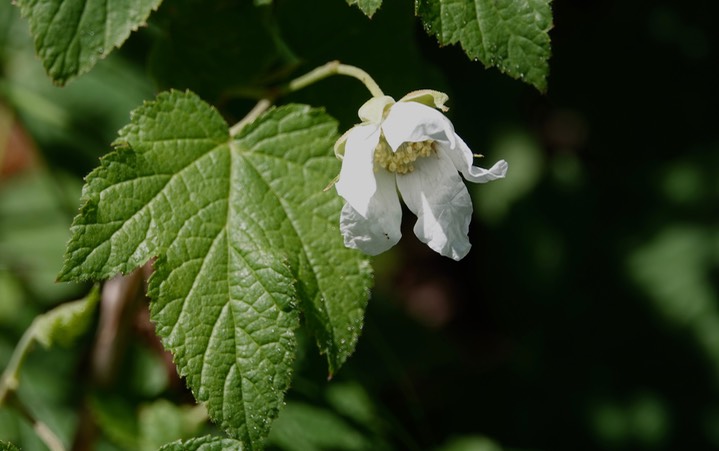
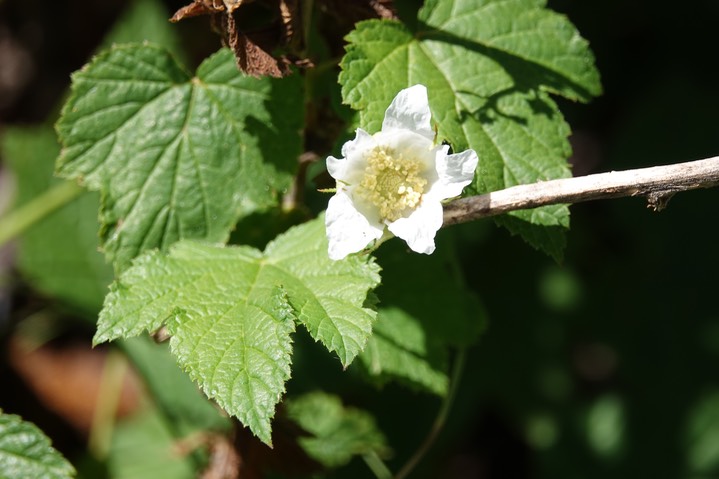
Scientific synonyms include, Oreobatus deliciosus subsp. neomexicanus.