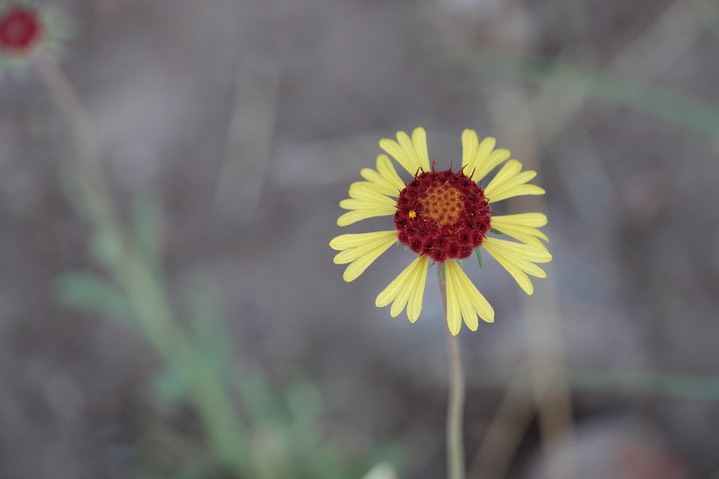
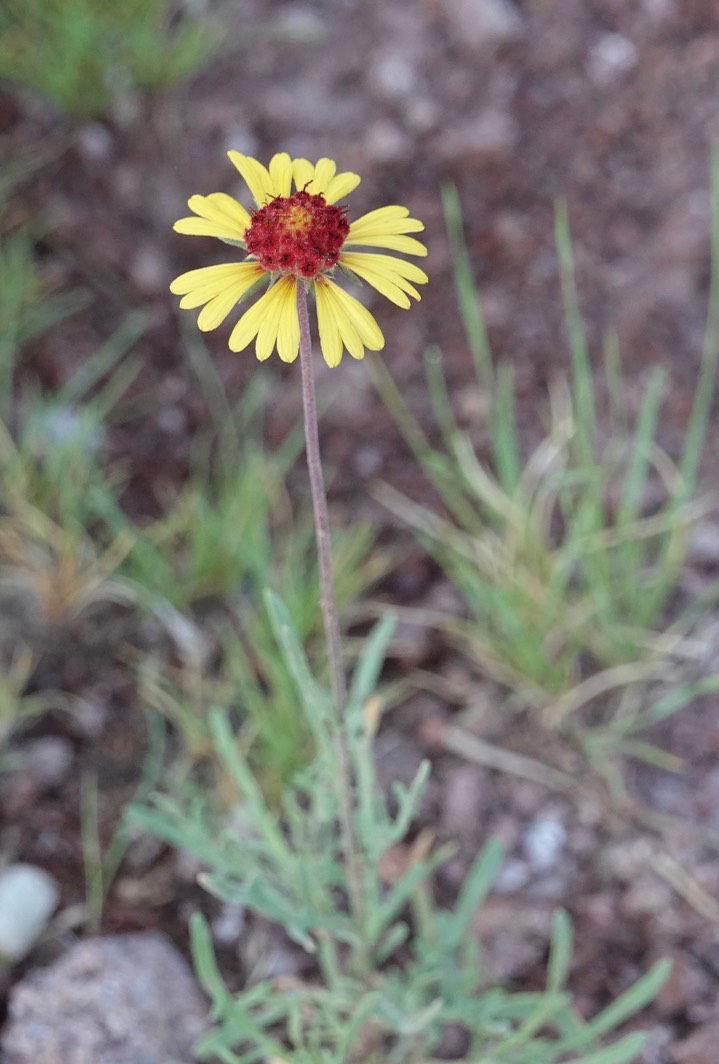
Gaillardia pinnatifida
Yellow Blanket Flower
Warm Springs Wash
E. of Hillsboro
New Mexico
August
The “FLORA" of the Black Range
“G"
Gaillardia pinnatifida
Yellow Blanket Flower
Warm Springs Wash
E. of Hillsboro
New Mexico
August
Gaillardia pulchella
Indian Blanket
San Lorenzo
New Mexico
July
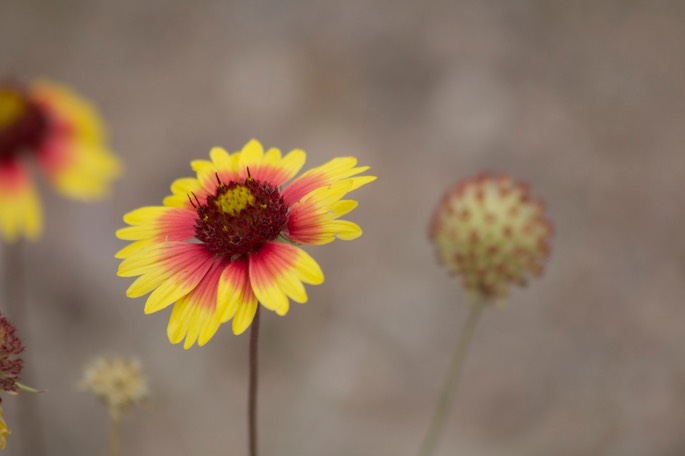
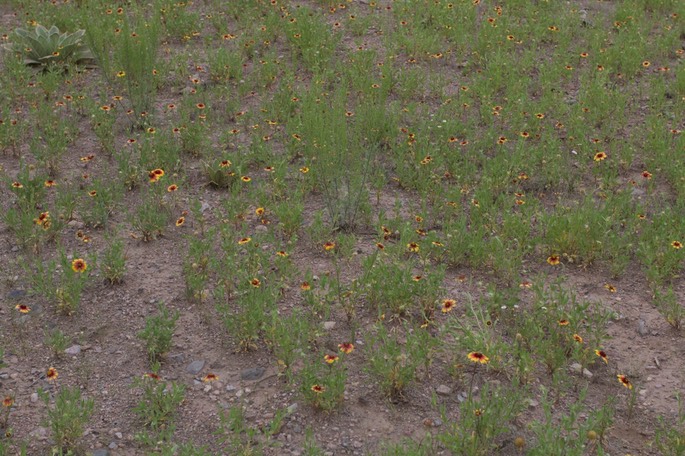
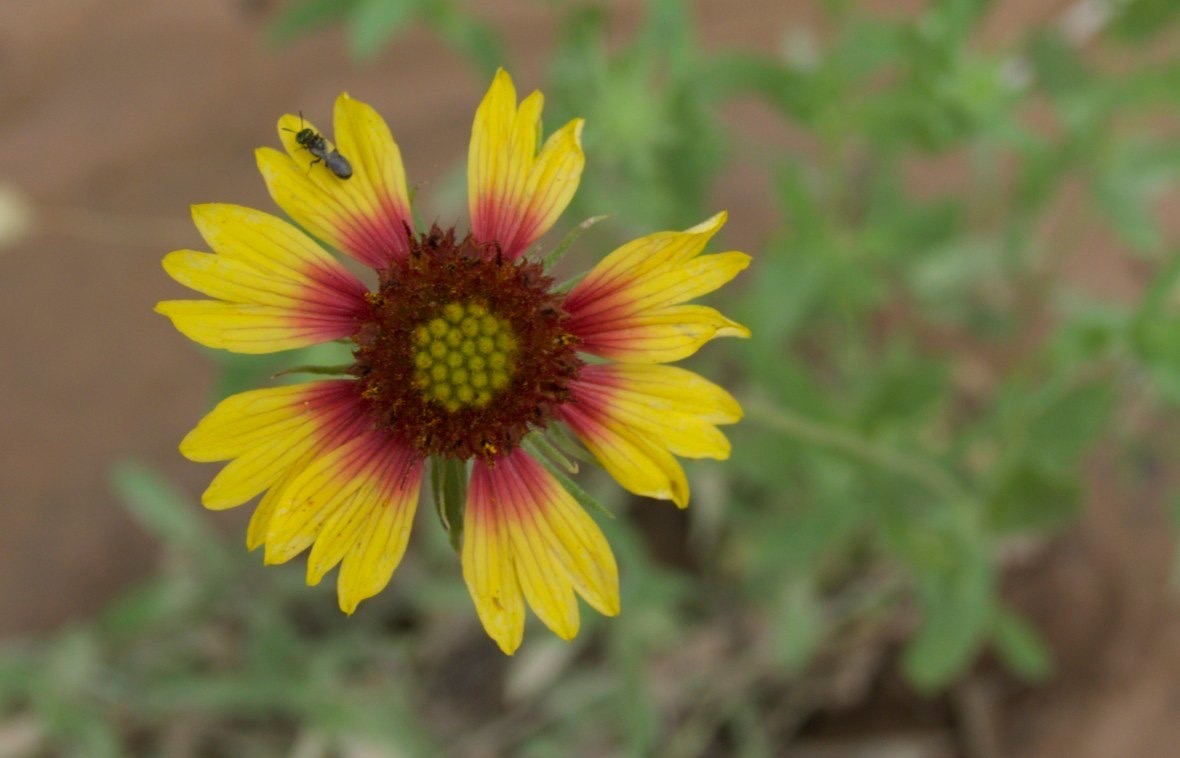
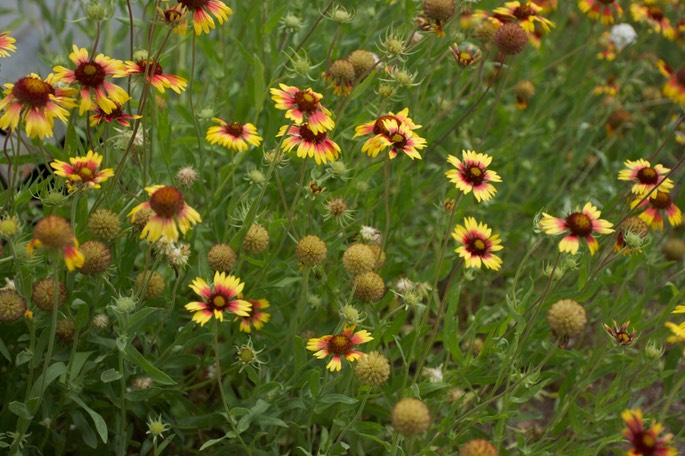
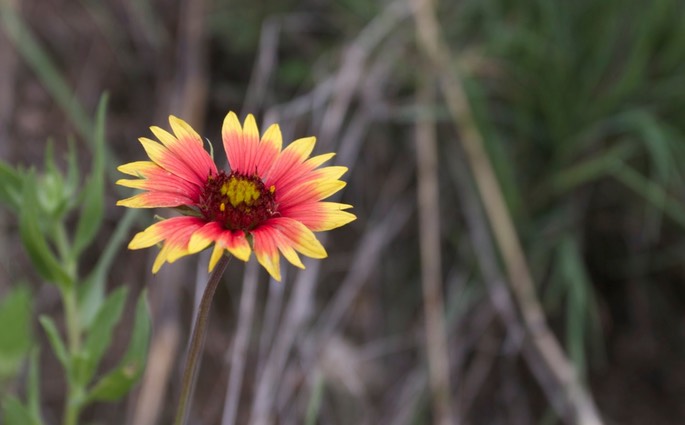
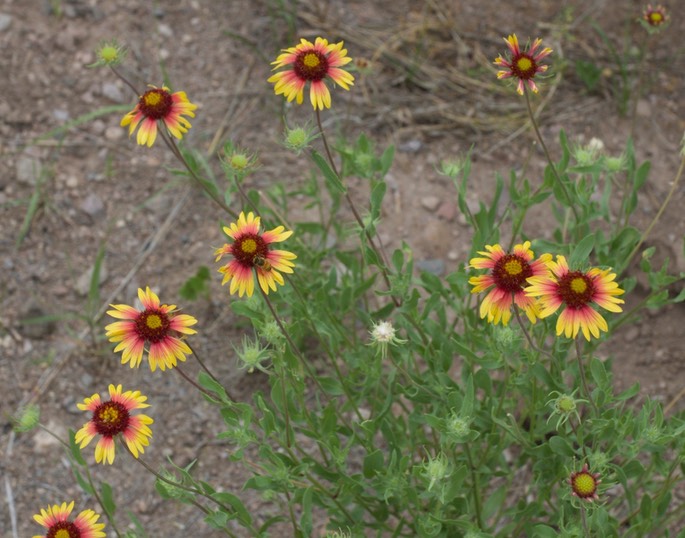
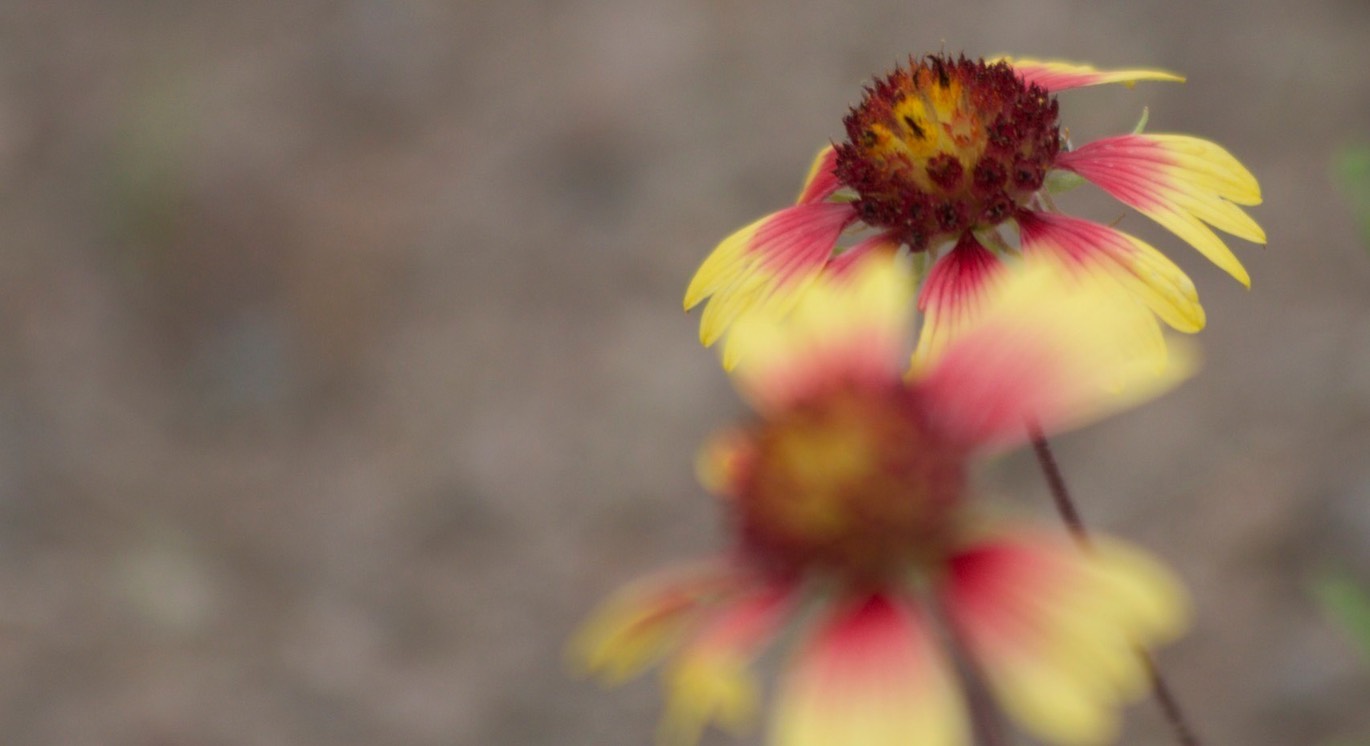
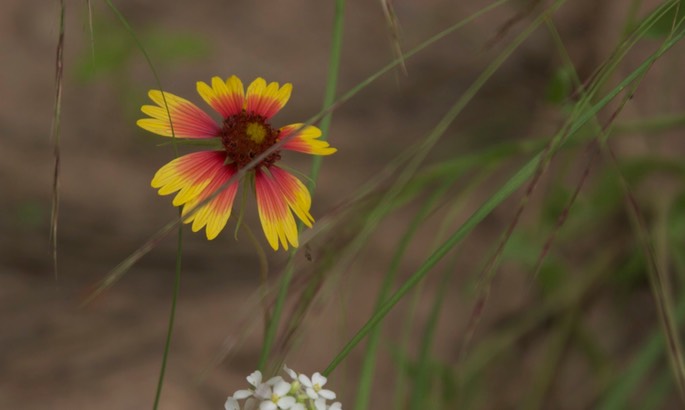
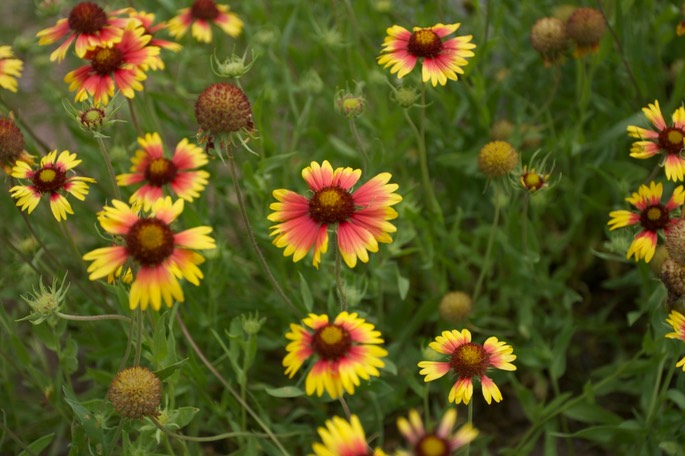
This species is found across the southern tier of the United States and northern Mexico (Chihuahua, Coahuila, Nuevo León, Sonora, Tamaulipas). The subspecies found in our area is the nominate form, there are two other subspecies.
The indigenous peoples of the United States had limited uses for this species.
This species was first described by Auguste Denis Fougeroux de Bondaroy in 1788 (in botanical surveys his name is typically abbreviated as “Foug”).
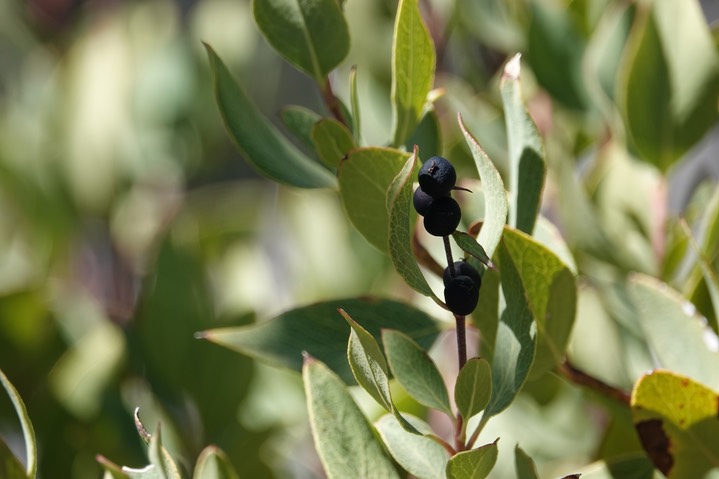
Garrya wrightii
Wright's Silktassel,
Trail 796, west of Kingston
Black Range
New Mexico
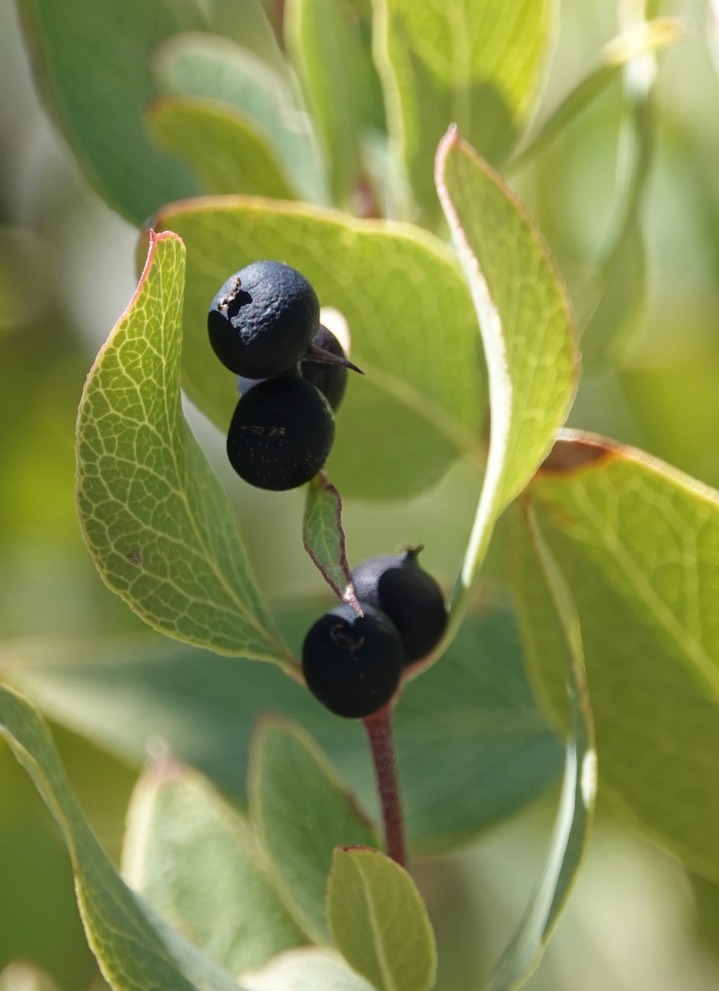
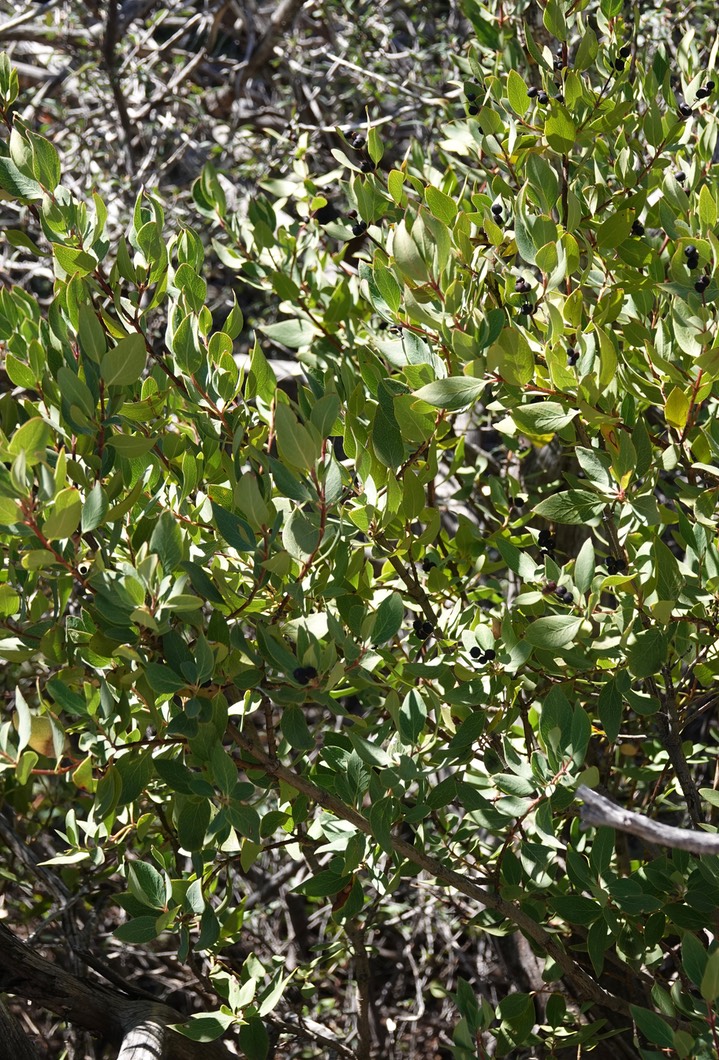
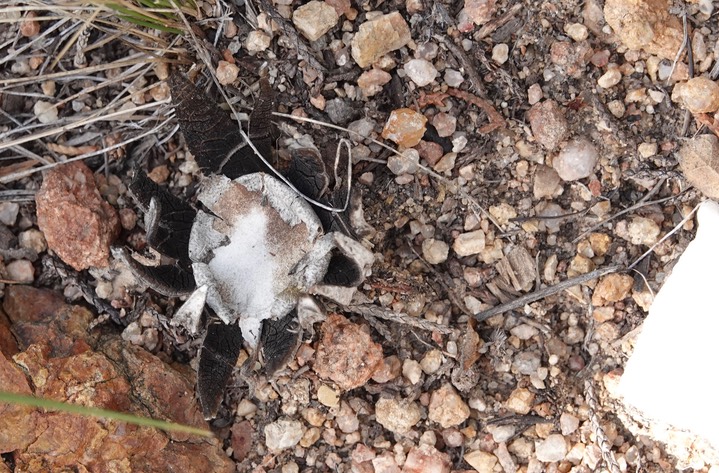
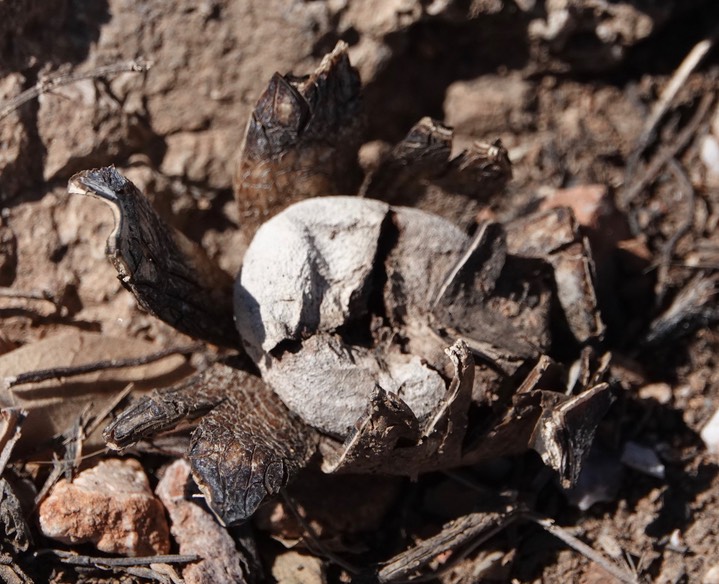
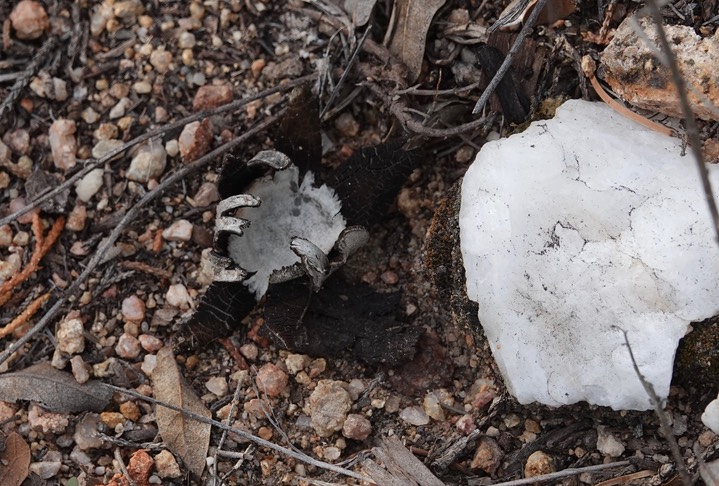
Geastrum?
Forest Road 157
East Slope of Bald Hill
Black Range
New Mexico
Gentiana affinis
Pleated Gentian
(Rocky Mountain Gentian)
Railroad Canyon
Black Range
New Mexico
September
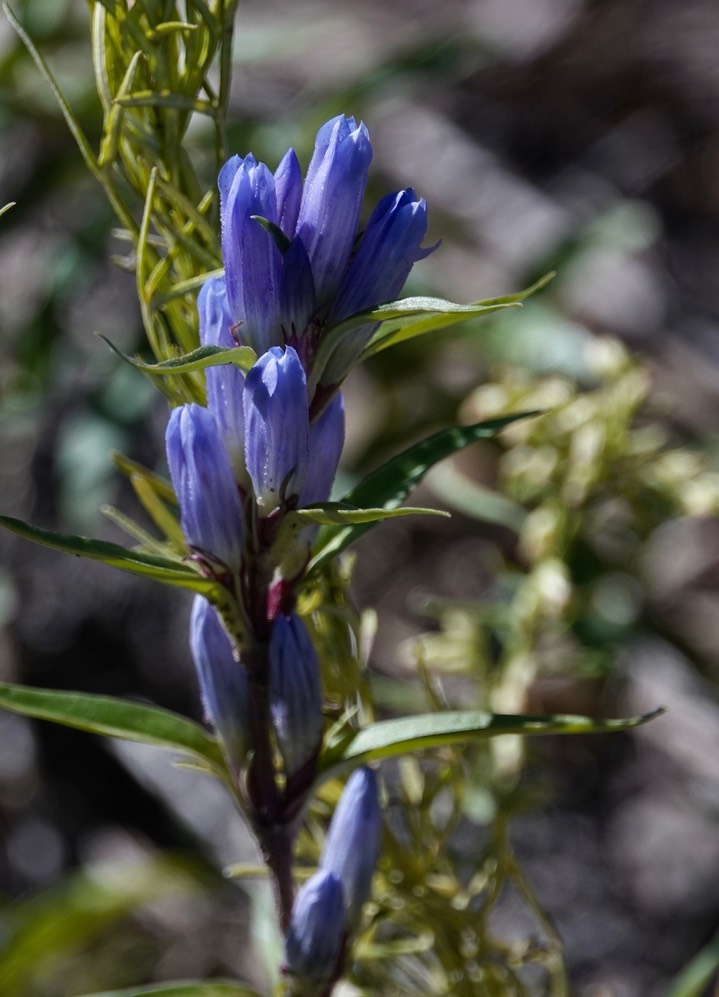
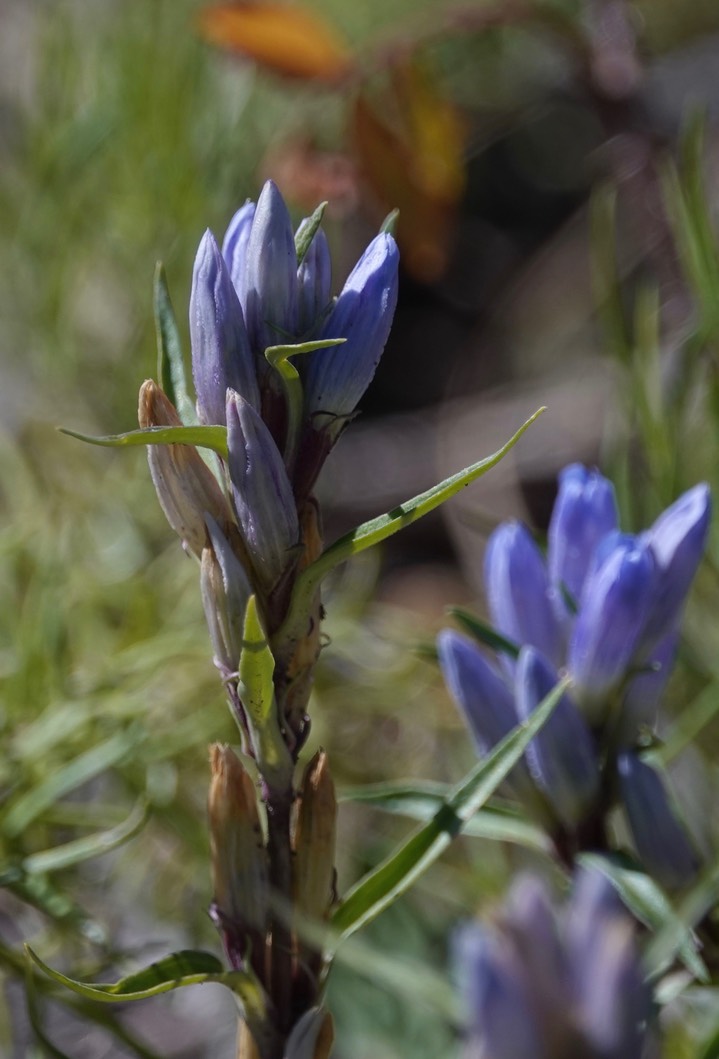
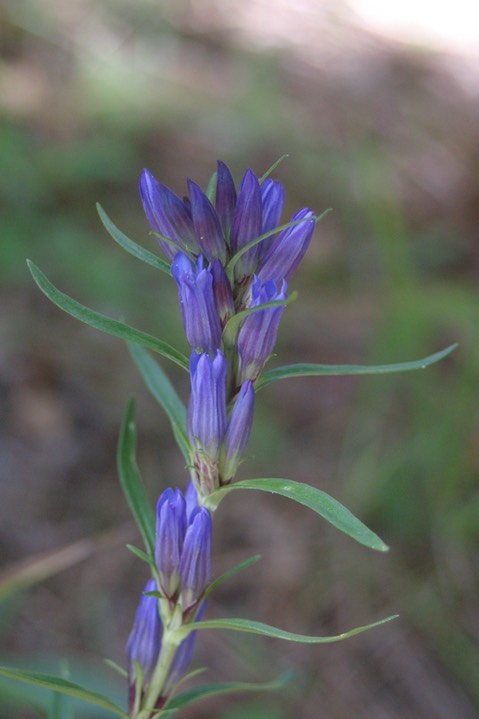
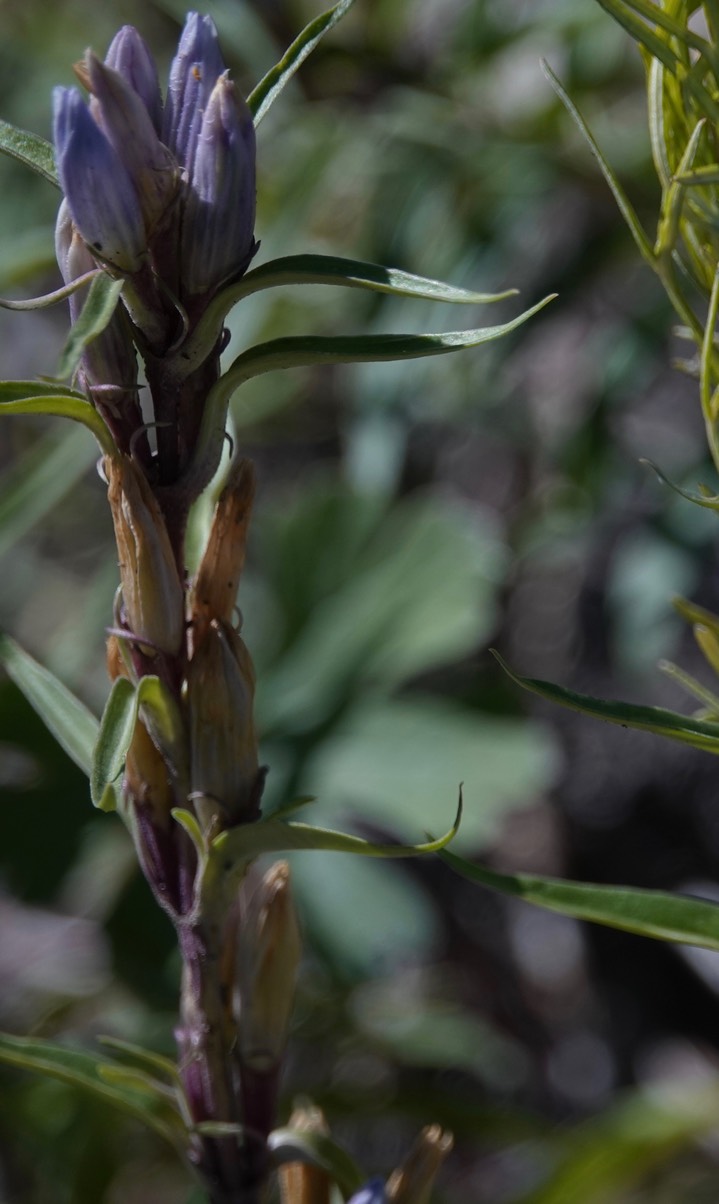
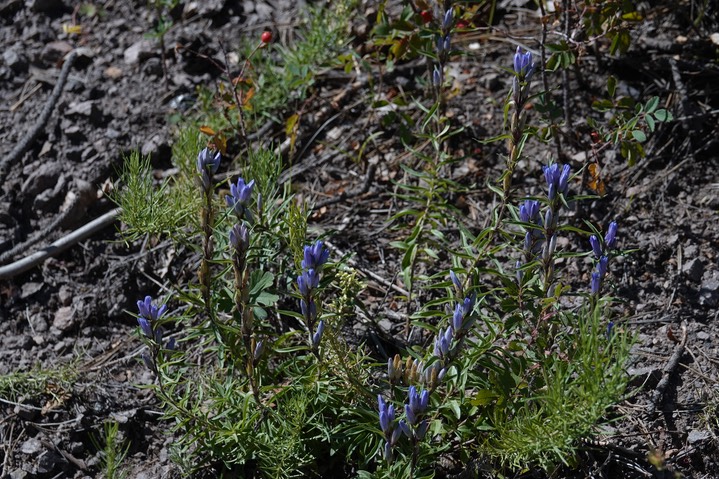
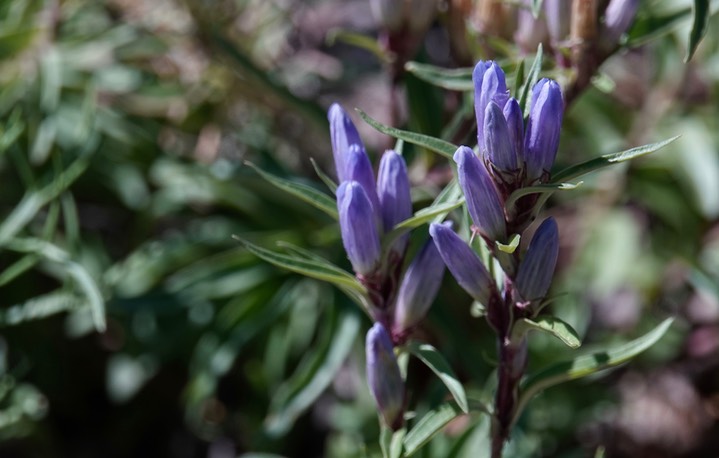
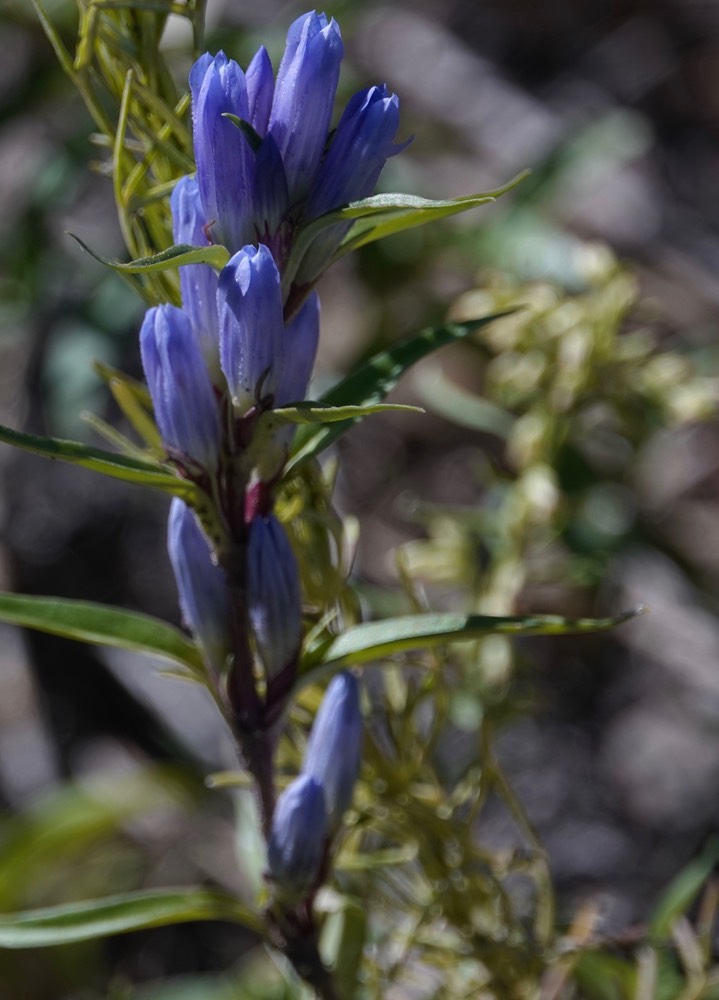
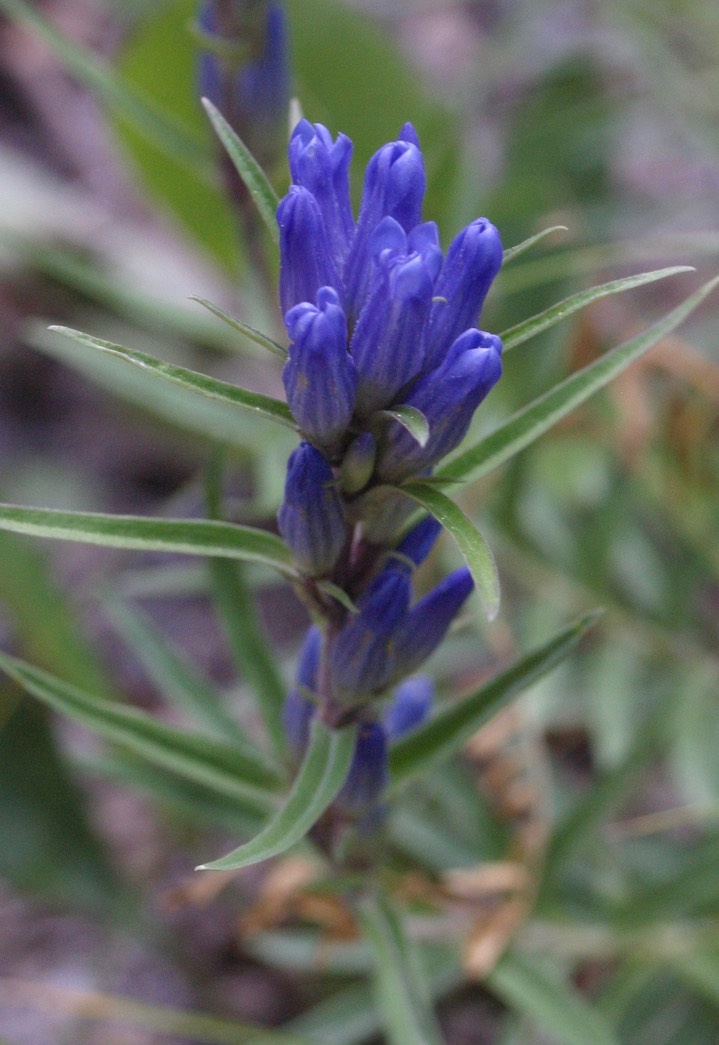
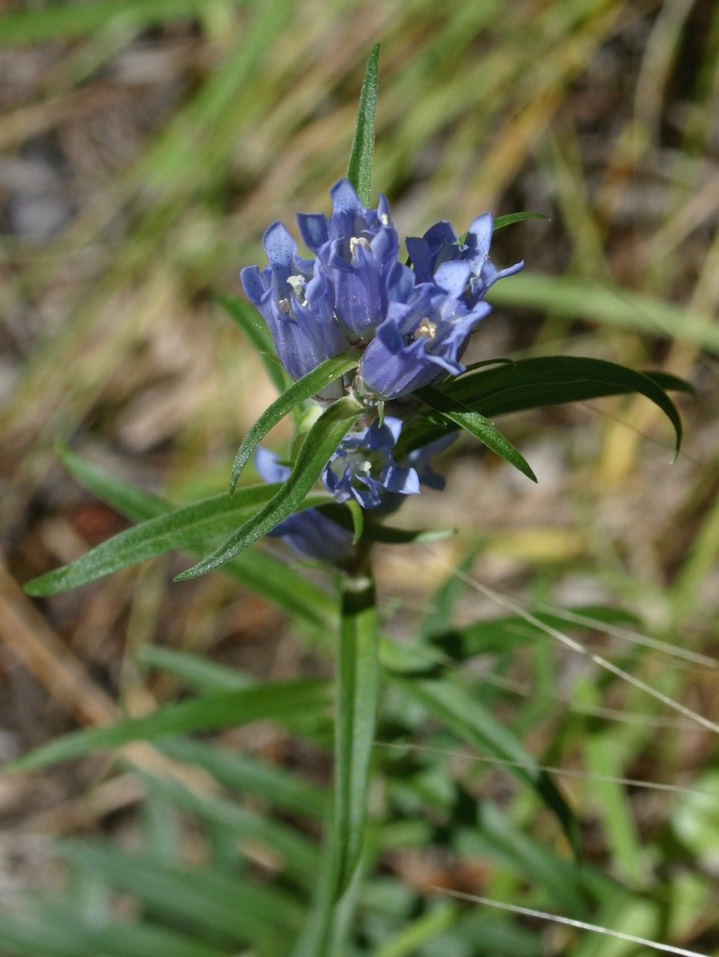
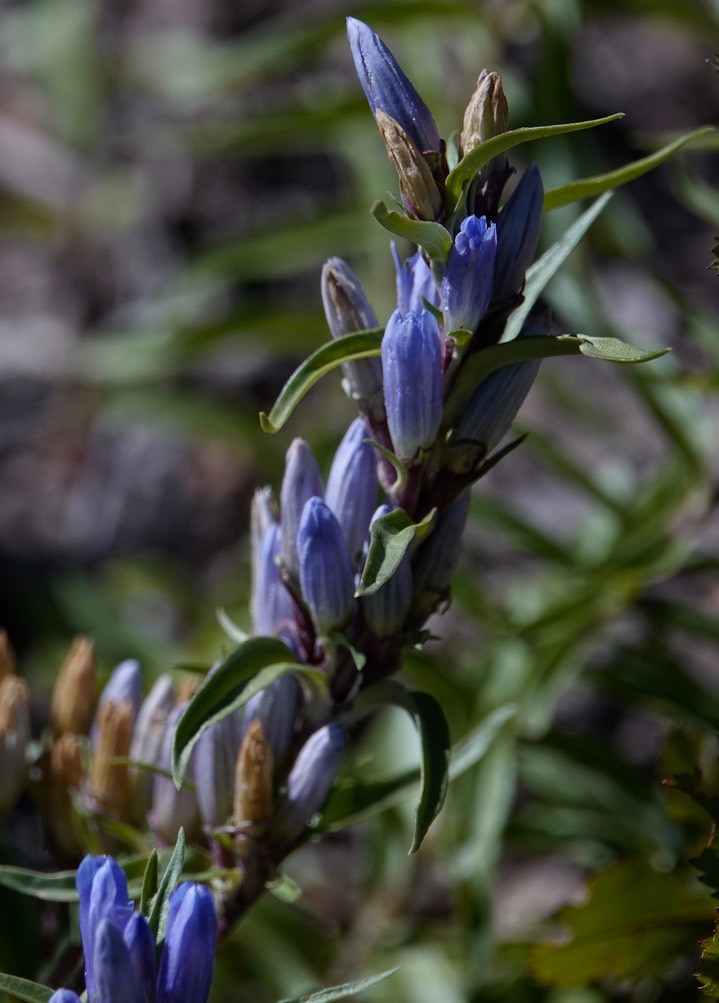
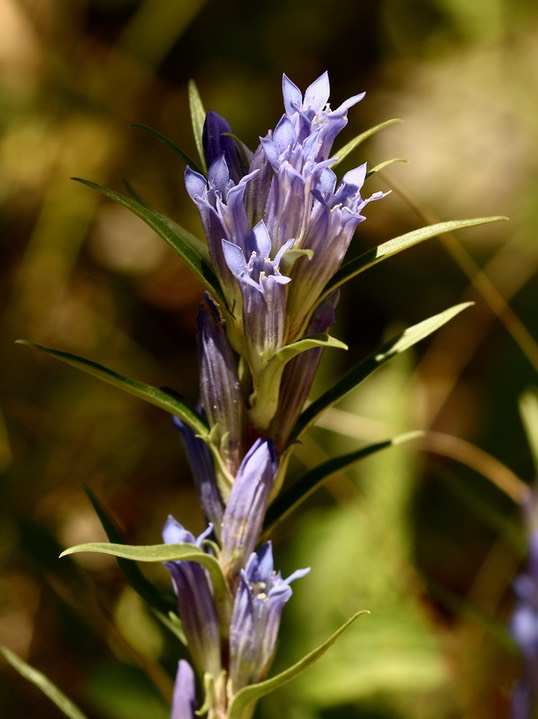
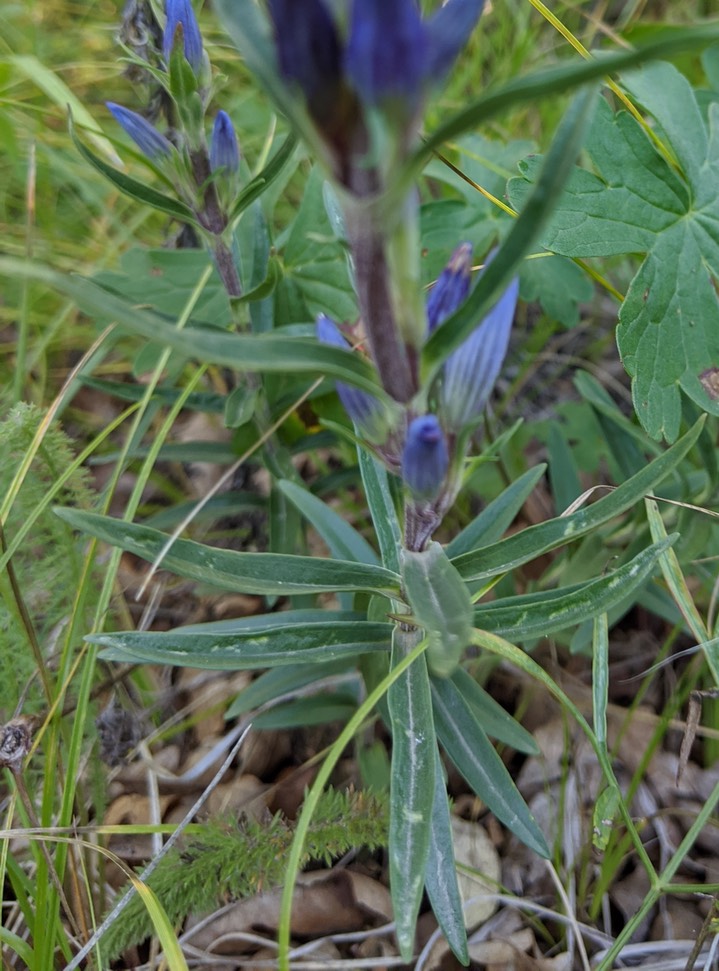
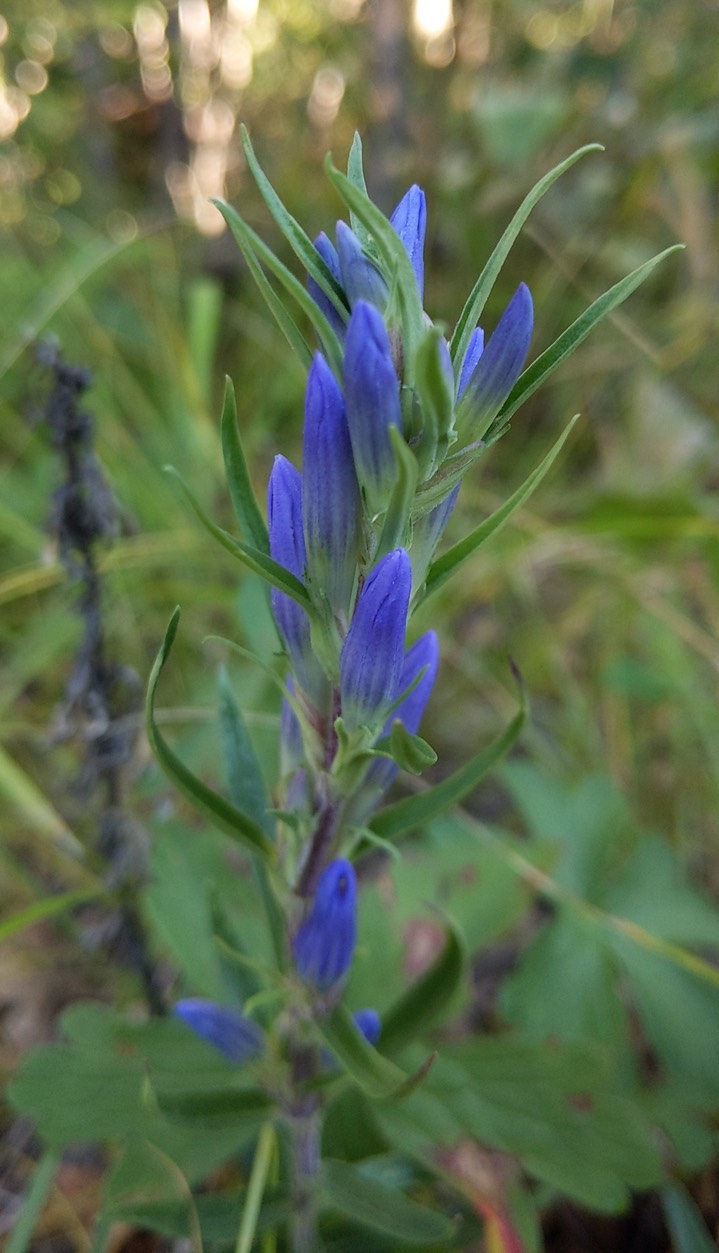
In general, this species appears only during the wetter years or under wetter conditions. This is a species of the western United States (absent in most of California). In Canada it is found in Saskatchewan. It has several scientific synonyms including; Dasystephana affinis, D. bigelovii, D. interrupta, D. rusbyi, Gentiana interrupta, and G. rusbyi.
Photographs 1 and 3 in the first row of the gallery and photo 4 in the second row of the gallery were taken by Rebecca Hallgarth near the Holden Prong Saddle at the head of Railroad Canyon. Other photographs were taken along the Gallinas Trail as it exits Railroad Canyon to the west. This species is also found near the Wilderness boundary on the Black Range Crest Trail south of Hillsboro Peak where Rebecca Hallgarth took the last two photographs in the gallery.
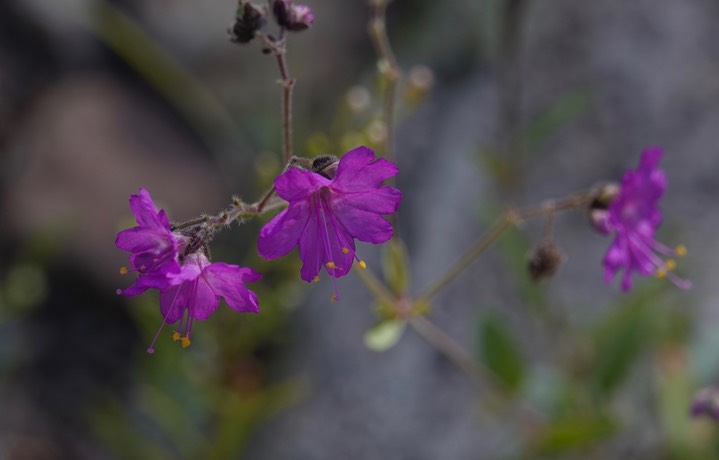
Geranium caespitosum
Purple Geranium
Silver Creek Canyon Road
Black Range
New Mexico
September
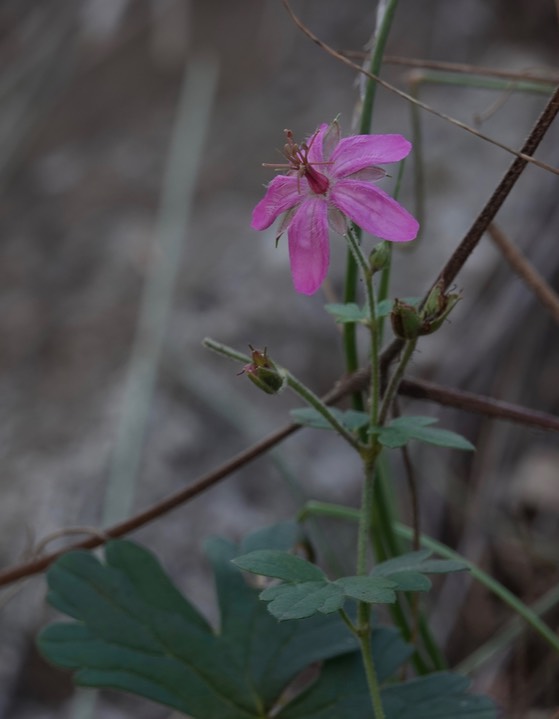
Geranium richardsonii
Richardson Geranium
Silver Creek Canyon
Black Range
New Mexico
September
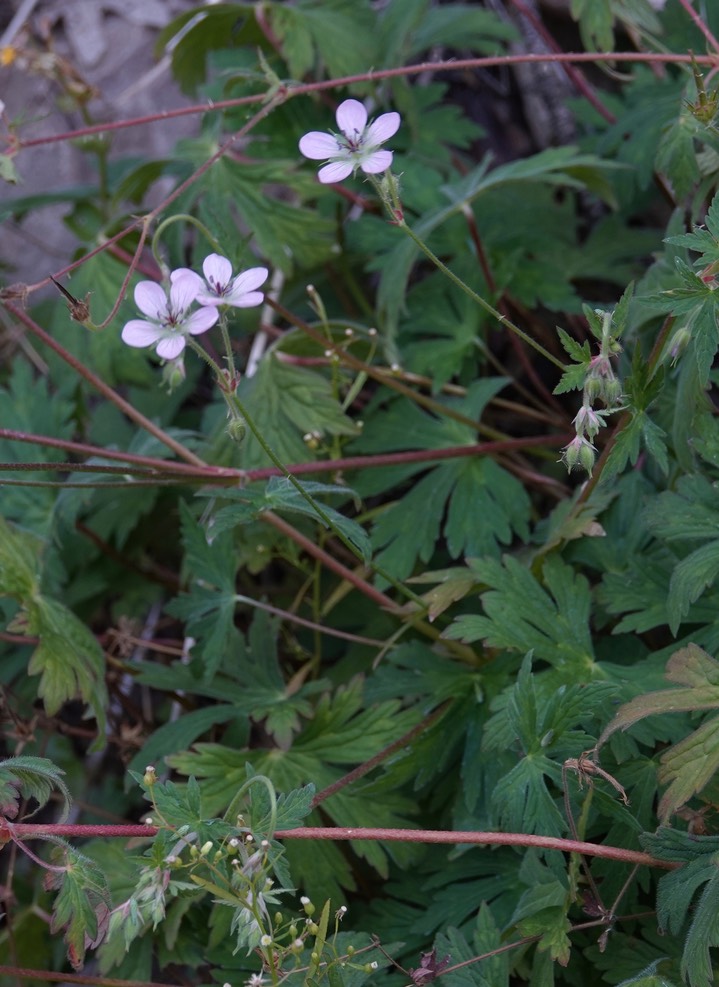
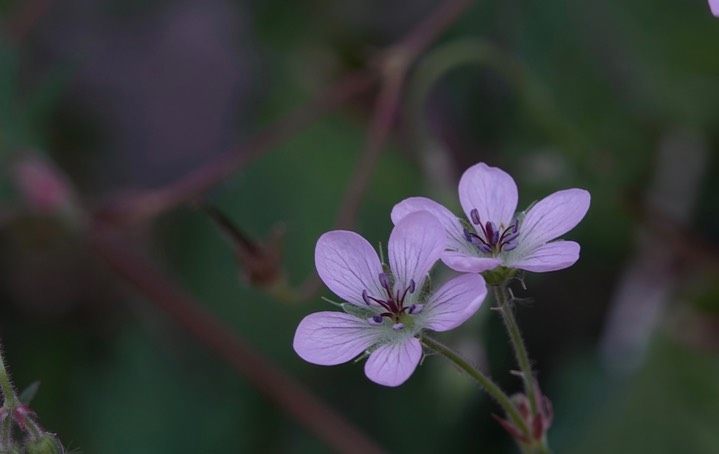
Gilia mexicana
El Paso Gilia
North Wicks Canyon
East of Hillsboro
New Mexico
April
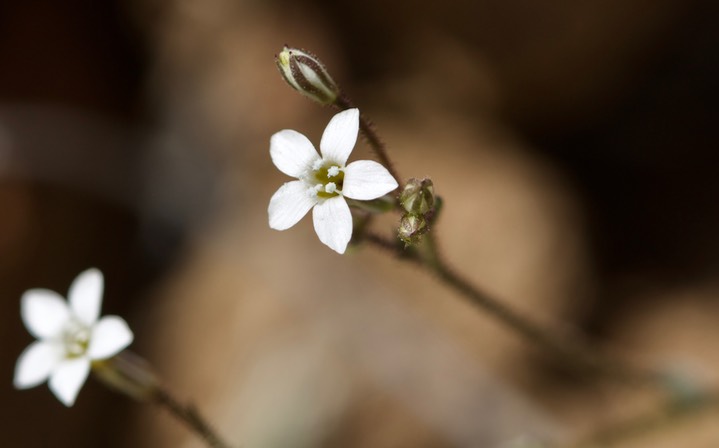
Giliastrum acerosum
Spiny Blue Bowls
Apache Peak
N. of Lake Valley
Black Range
New Mexico
April
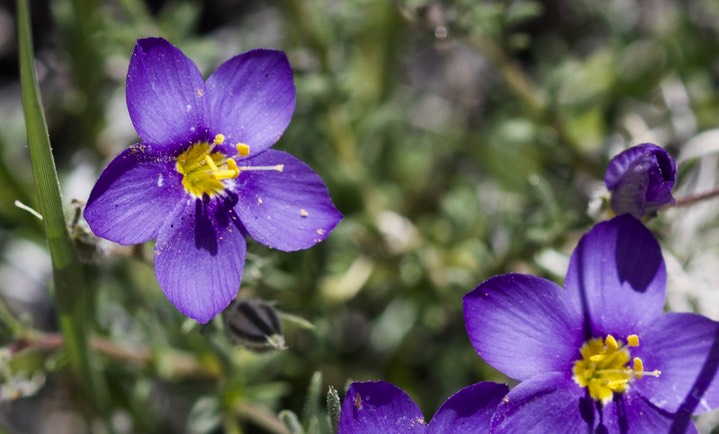
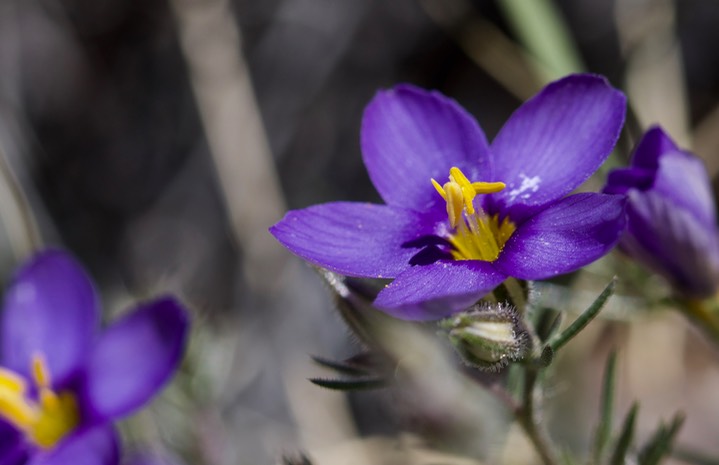
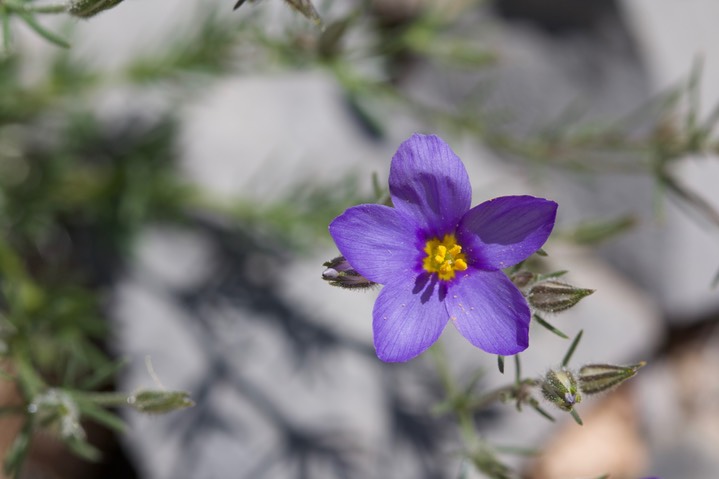
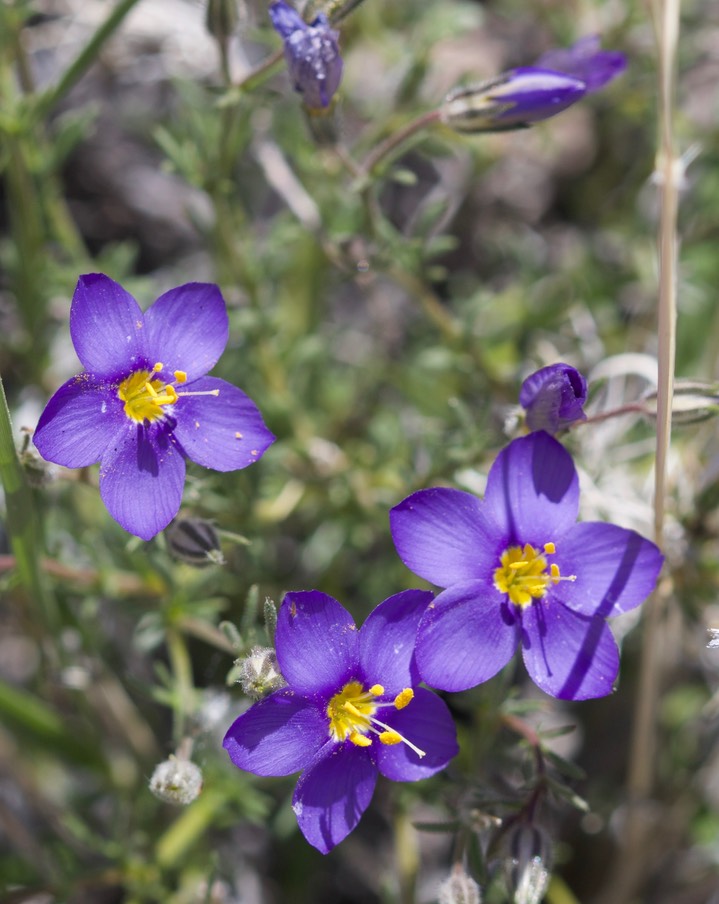
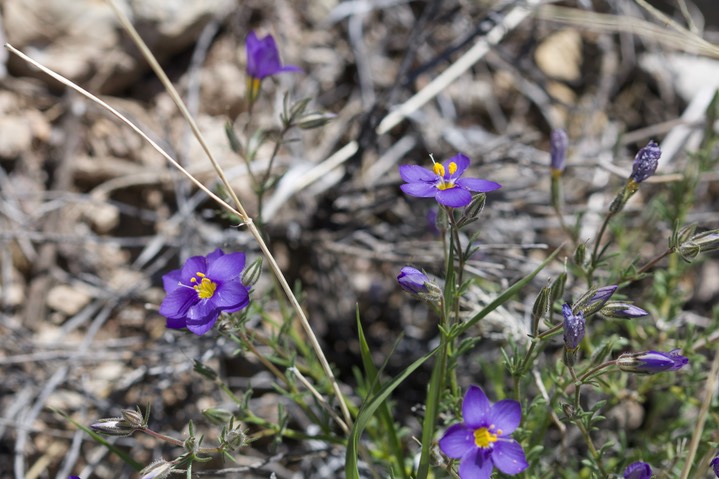
Glandularia bipinnatifida
Dakota Vervain
East & South of
Hillsbor0
New Mexico
January
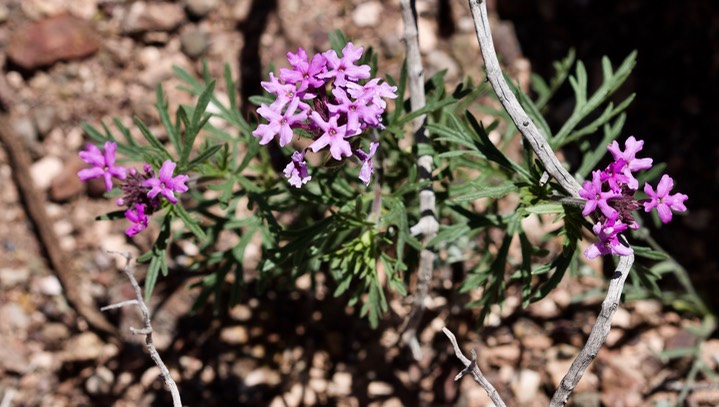
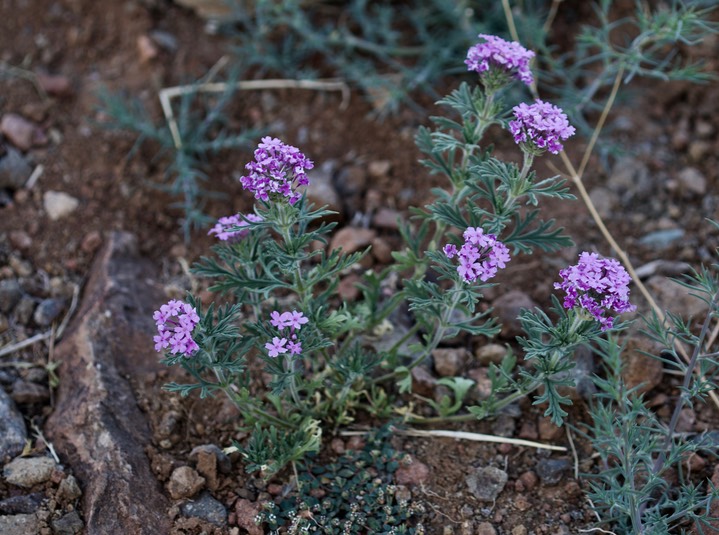
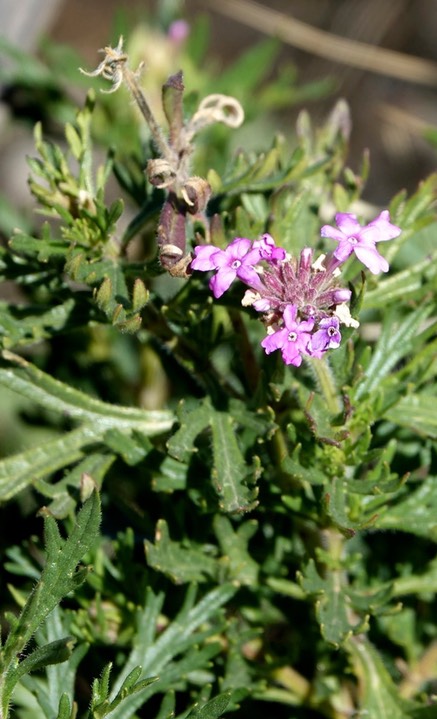
Glandularia bipinnatifida var. latilobata, is shown here in flower near the National Defense Mine site east of Hillsboro. This variety is found only in New Mexico and Arizona in the United States. The “rest of the species” has a more extensive range in the United States, primarily through the plains states and southward through Mexico to Nicaragua.
English synonyms for the full species included Prairie Verbena, Purple Prairie Verbena, Dakota Vervain, Dakota Mock Vervain, Moradilla, and Alfombrilla.
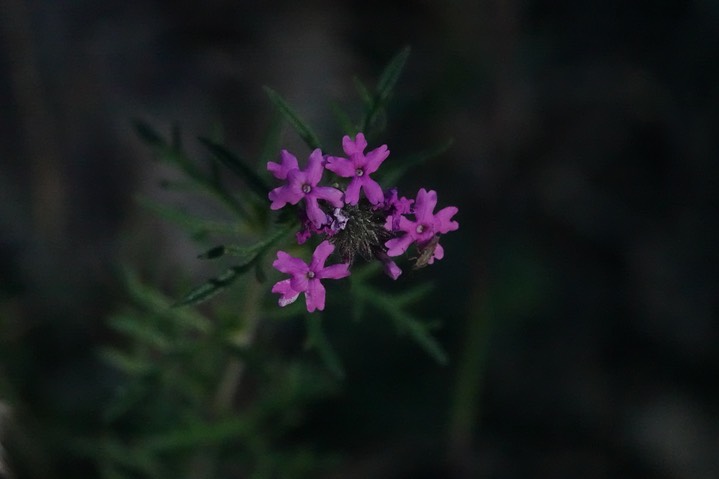
Glandularia chiricahensis
Chiricahua Vervain
South Percha Creek
at Drummond Canyon
Black Range
New Mexico
May
Glandulicactus uncinatus wrightii
Eagle-claw Cactus
Pony Hills
SW Black Range
New Mexico
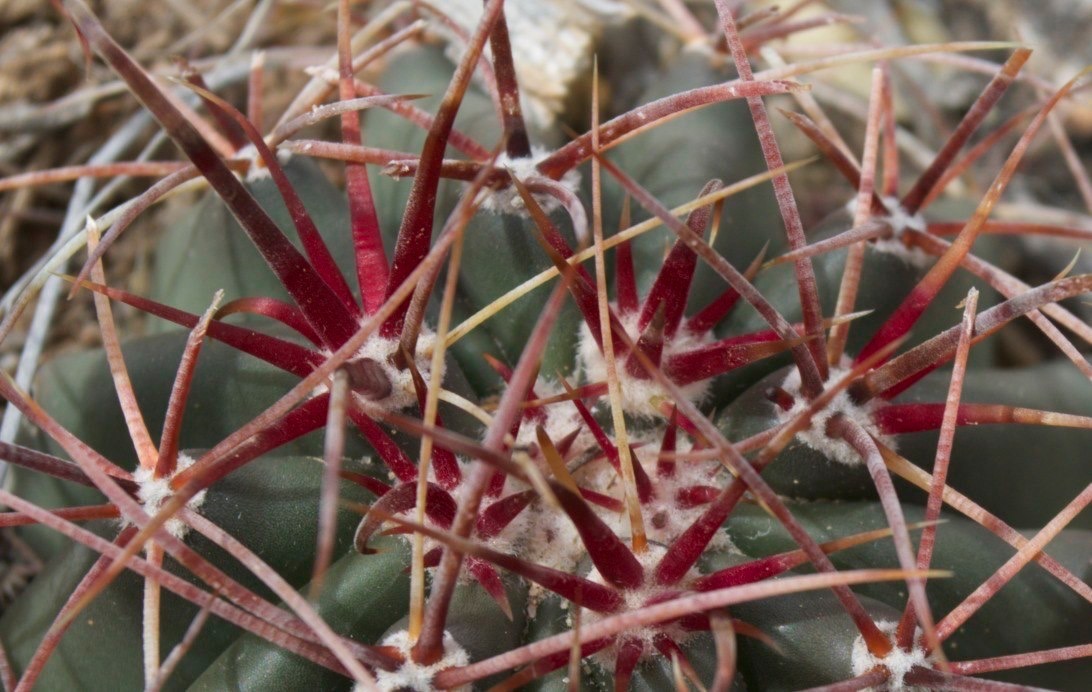
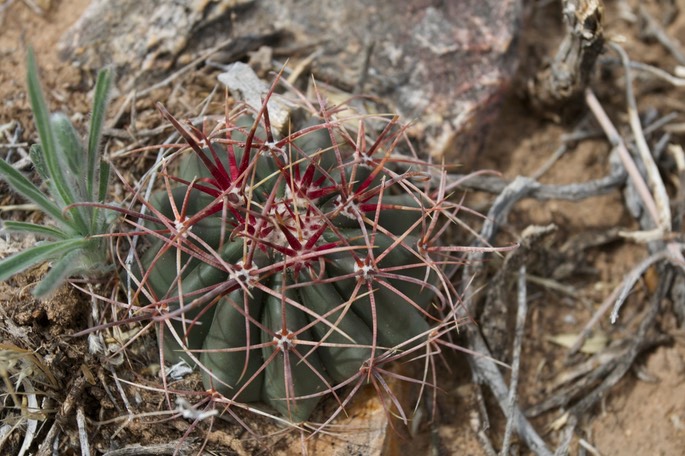
Common names for this species include Eagle-claw Cactus, Chihuahuan Fishhook Cactus, Brown-flowered Hedgehog, Texas Hedgehog, Turk’s Head Cactus, and Catclaw Cactus. The proliferation of common names is matched by that of the scientific names given to this species including the specific name placed in the following genus: Echinocactus, Sclerocactus, Ancistrocactus, Thelocactus, Pediocactus, Ferocactus, Echinomastus, and Hamatocactus - as well as included under the specific name of mathssonii in the following genera - Echinocactus, Ferocactus, Glandulicactus, and Ancistrocactus. Lest you simply argue that these are simply synonyms of past generations please note that there is currently significant argument over whether this cactus is properly Glandulicactus or Sclerocactus. Perhaps I am simply venting my frustration at having to identify cactus species.
If the identification holds true, this will be a very pretty cactus to see in bloom. When I encountered it I was struck by the “white wool” and ruby red spines against the green ribs - and its small size. This specimen is about the diameter of a dvd.
Gomphrena caespitosa
Ball Clover
Ready Pay Gulch
East of Hillsboro
New Mexico
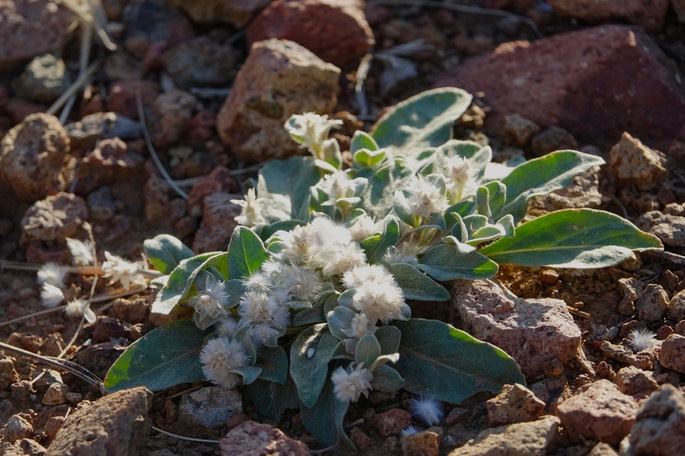
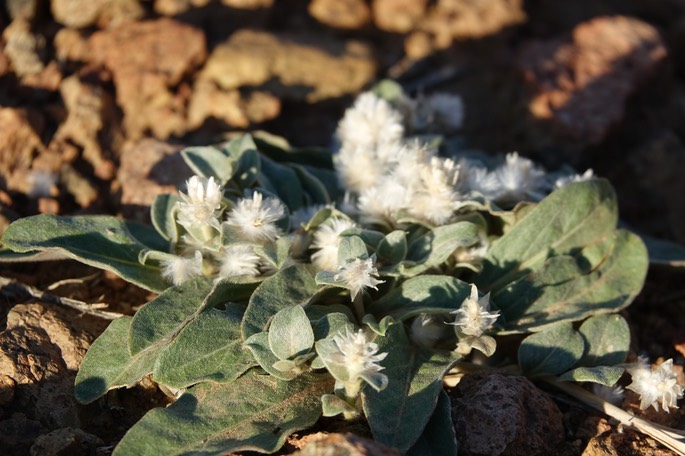
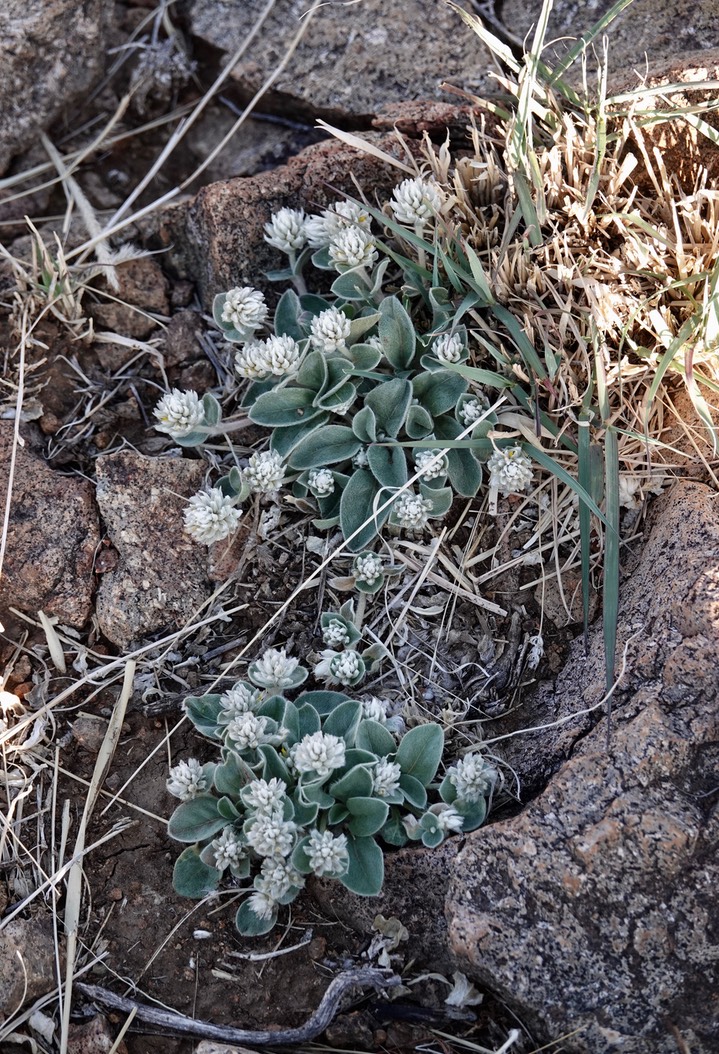
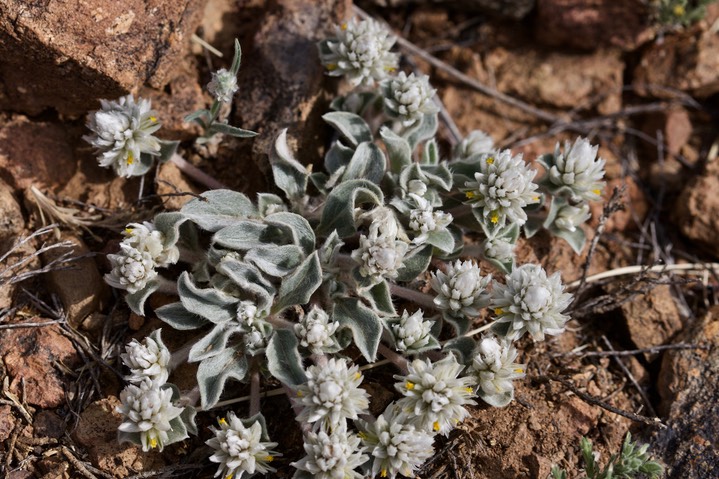
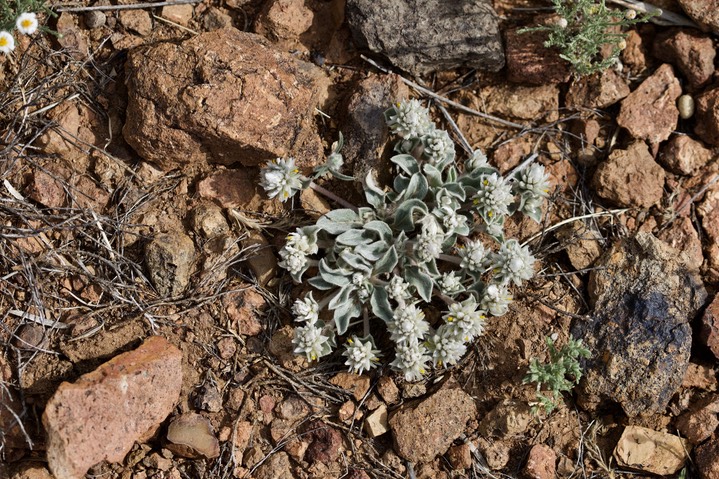
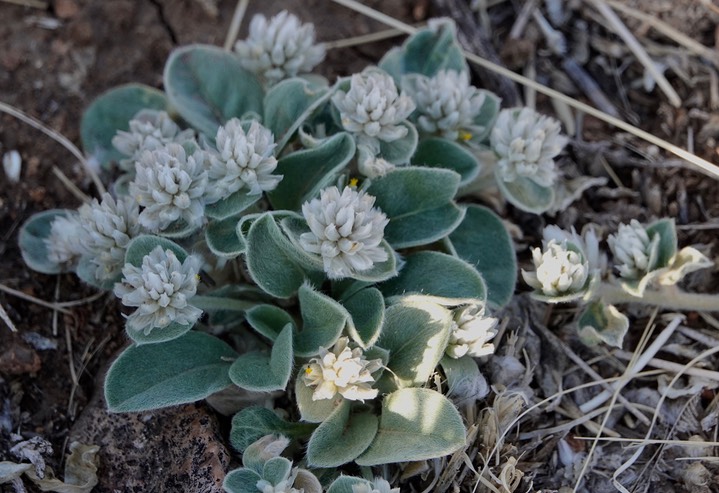
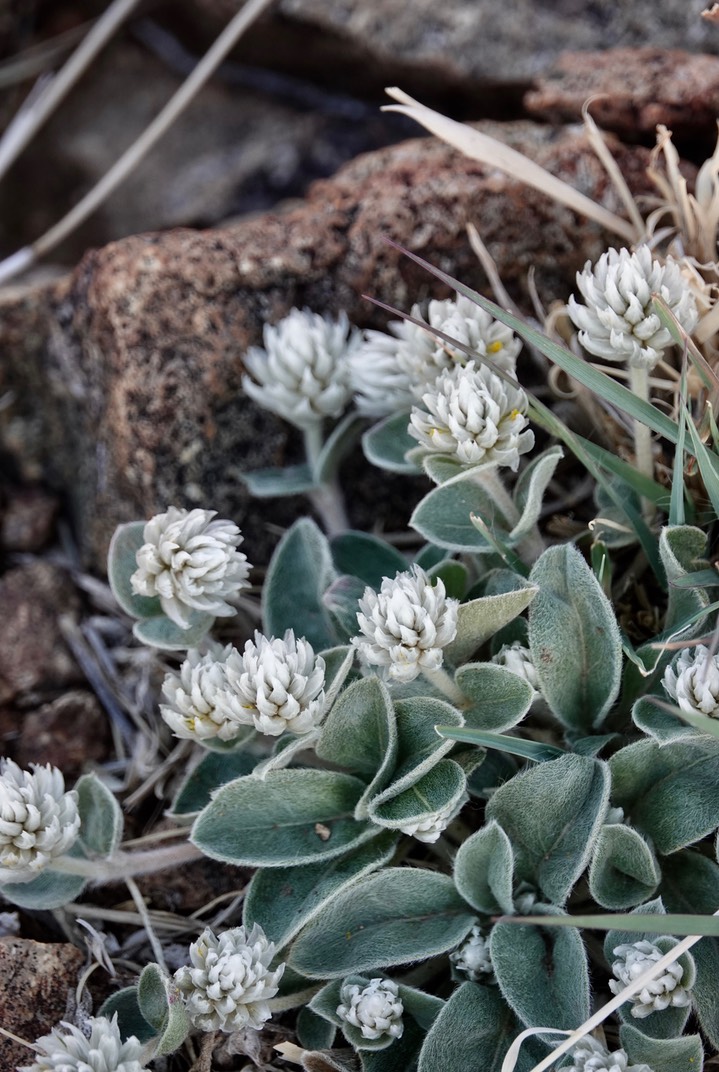
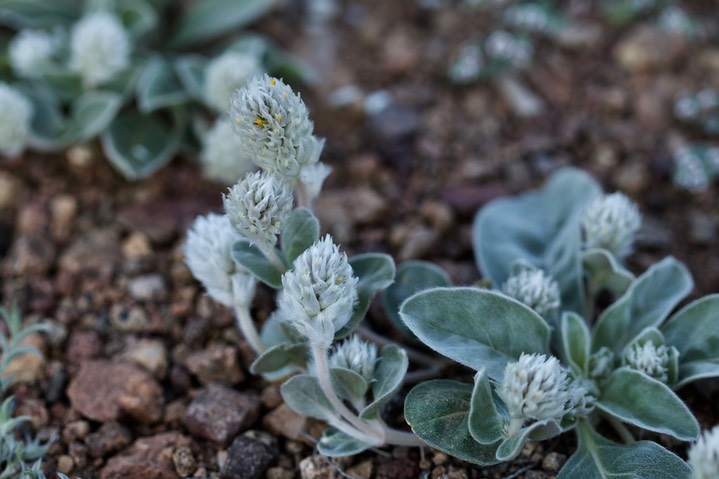
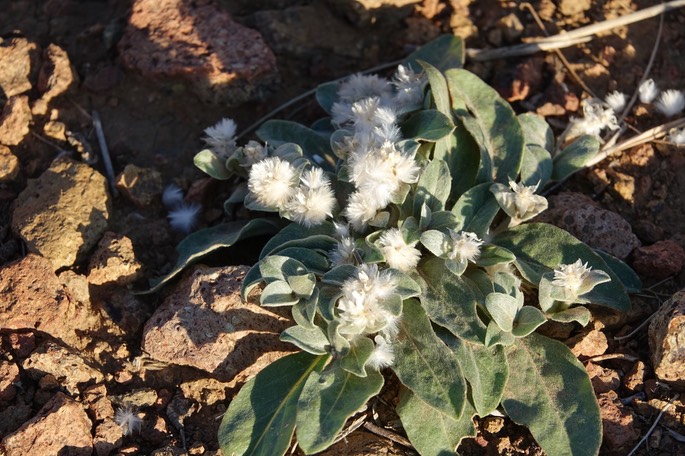
The Ball Clover, Gomphrena caespitosa, which grows in this area, up to middle elevations, is a low plant and its mass of fluff is easily recognizable on hikes, especially those taken along the ridges east of Hillsboro.
In the United States, this species is found within a limited range in Arizona and New Mexico. In Mexico it is found in Sonora and perhaps Chihuahua.
In addition to Ball Clover, other common English names include Tufted Globe Amaranth. Its scientific synonyms include Gomphrena viridis.
This species was first described by John Torrey in the “Report on the United States and Mexican Boundary Survey, Made Under the Direction of the Secretary of the Interior, by William H. Emory. Volume 2, Botany” (p. 181 & 182).
Grindelia squarrosa
Curly-cup Gumweed
Carbonate Creek
(east slope) and
Gallinas Canyon
(west slope) of
Black Range
New Mexico
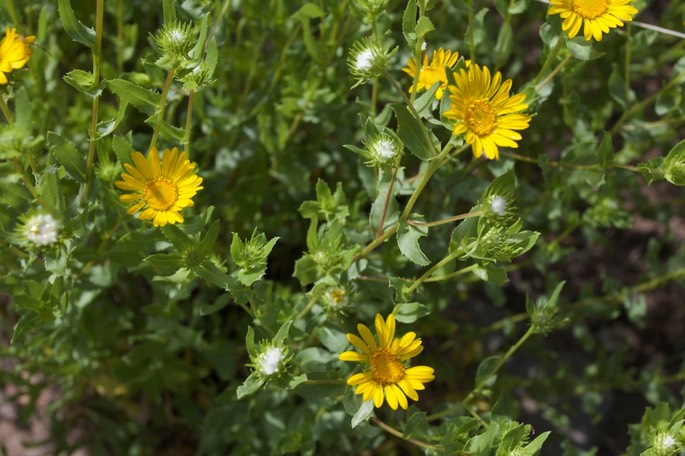
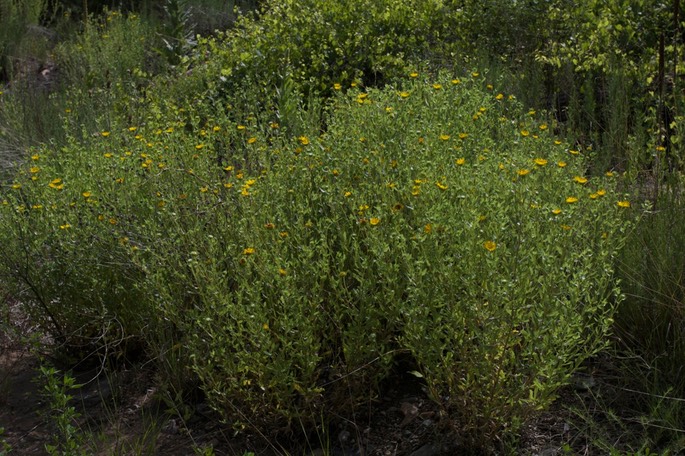
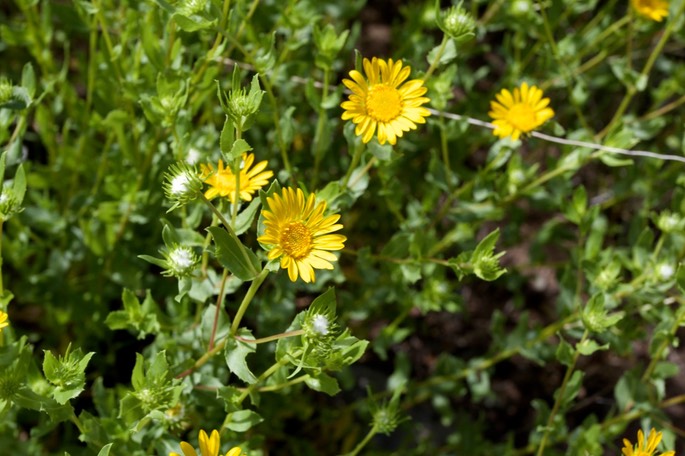
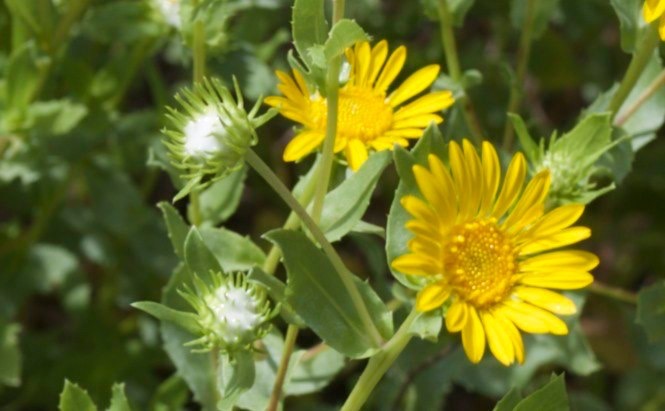
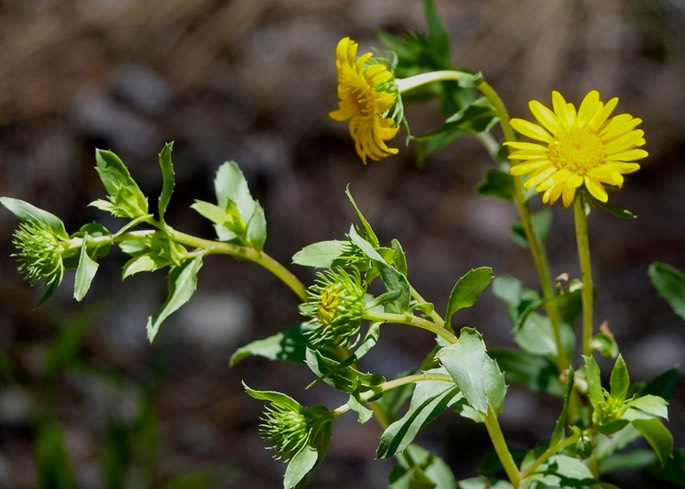
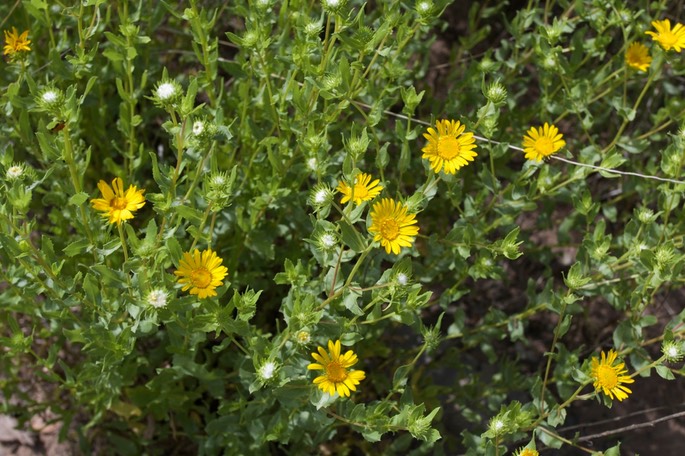
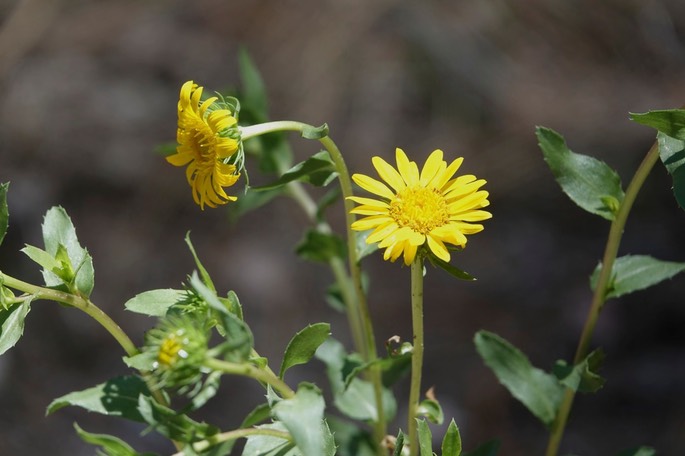
The Vascular Plants of the Gila Wilderness entry for this species includes this statement: “Grindelia squarrosa is an erect herb with yellow disc flowers. Until recently, Grindelia nuda, was recognized as a separate species lacking yellow ray flowers. The two species have been lumped together, so now Grindelia squarrosa may or may not have ray flowers.” I do not doubt the accuracy of this statement. Unfortunately, I ran into a different source which had a photo of a plant which it described as Grindelia squarrosa with and without rays - on the same plant. That is the source I saw first. When I got to the Gila Wilderness site and found the above statement, it made no sense - how could anyone have classified a singular plant as two species? As you can imagine there are numerous synonyms. A more definitive discussion of the taxonomy of this species can be found at the Flora of North America site. The species was first described by Frederick Traugott Pursh in 1813 as Donia squarrosa.
I see now that, the first source I visited was in error. What it was showing was Grindelia squarrosa (with the flower with rays) in flower and after anthesis (the “flowering” period). After the rays of the flower fall off (or don’t fall off, if they were never there) - after anthesis - the flower cup becomes covered in a gummy-milky substance (pretty technical huh...- much better than the Gila Wilderness description of “gummy or resiny white substance”).
Curley-cup Gumweed is found in much of the United States and Canada. It is also found in Chihuahua, Mexico.