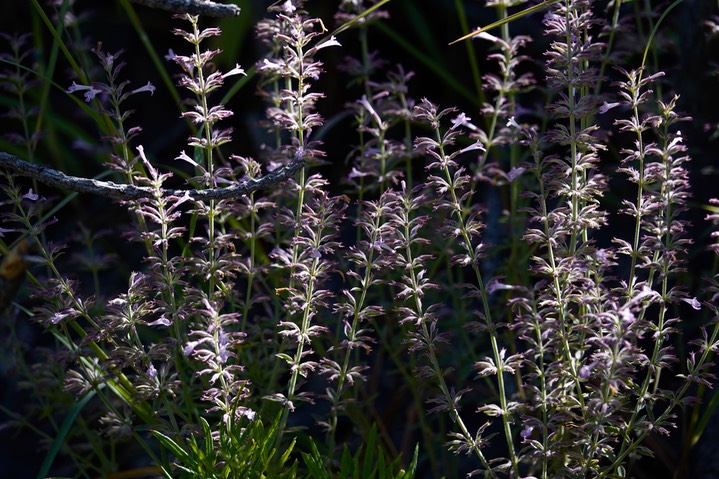
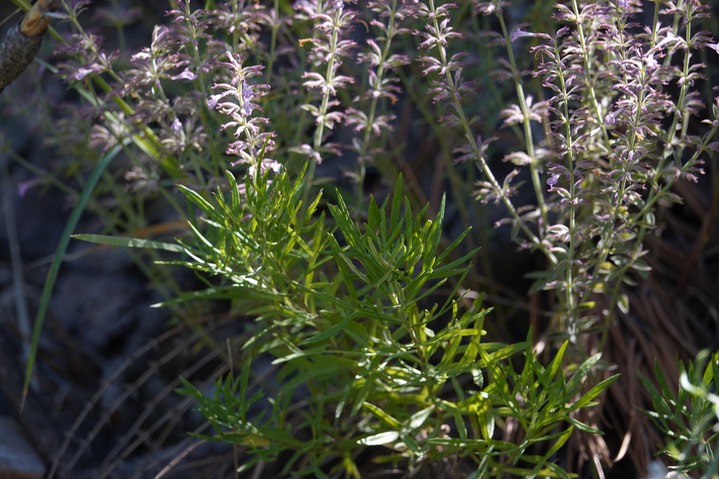
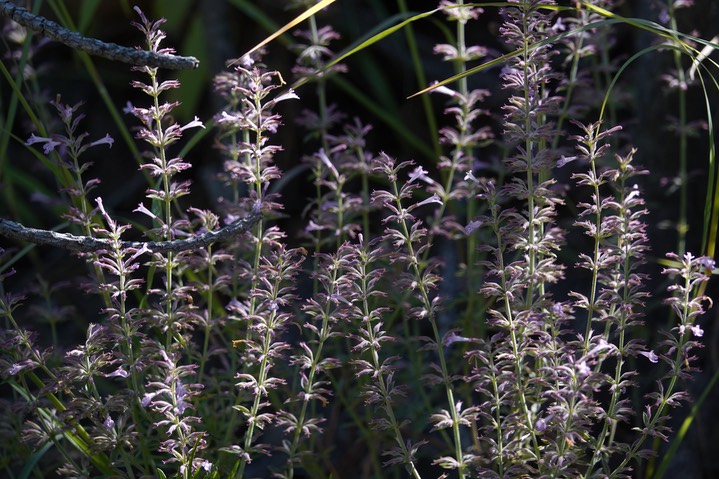
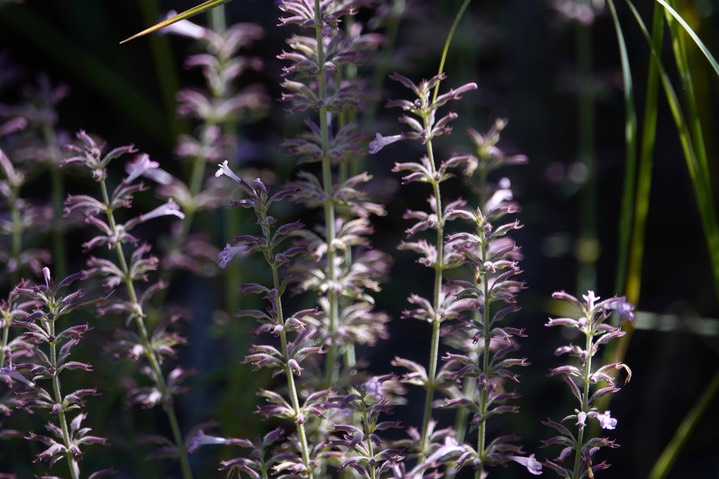
Hedeoma hyssopifolia
Aromatic False Pennyroyal
Railroad Canyon
Black Range
September
The “FLORA" of the Black Range
“H"
Hedeoma hyssopifolia
Aromatic False Pennyroyal
Railroad Canyon
Black Range
September
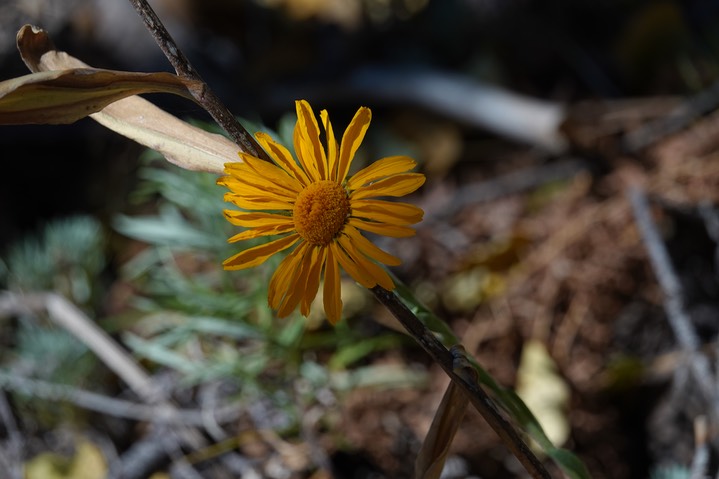
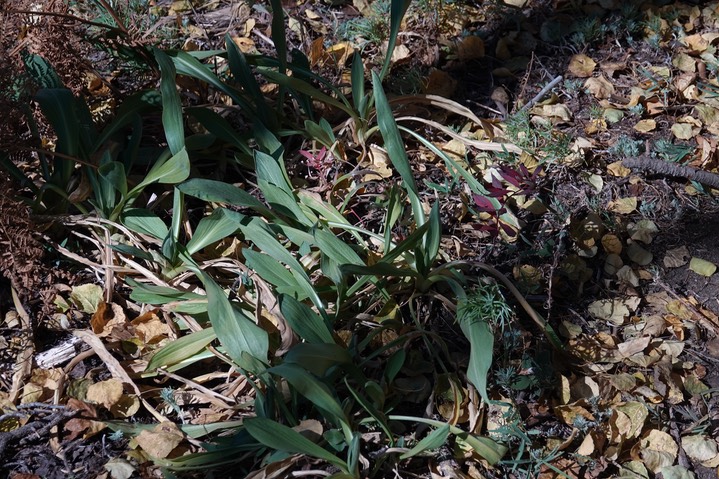
Helianthella parryi
Parry's Dwarf Sunflower
Powderhorn Ridge Trail
Black Range
New Mexico
October
Hesperidanthus linearifolius
Slimleaf Plains Mustard
Hillsboro Peak Trail and
Carbonate Creek (east slope)
Black Range
New Mexico
October
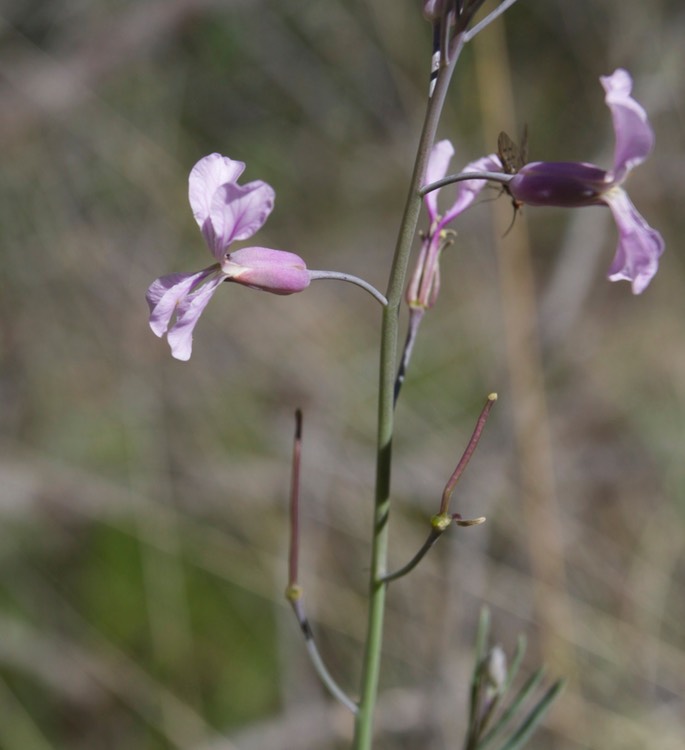
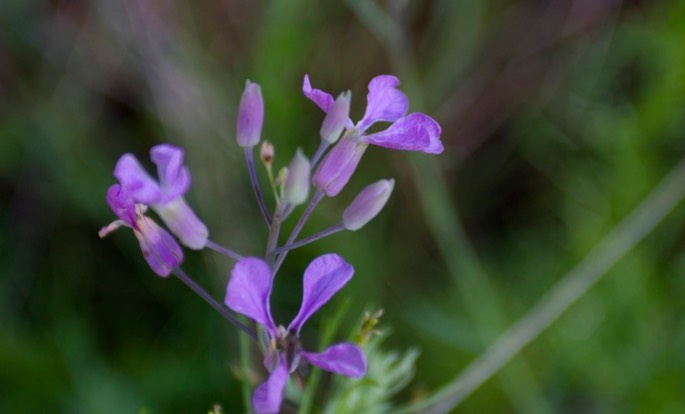
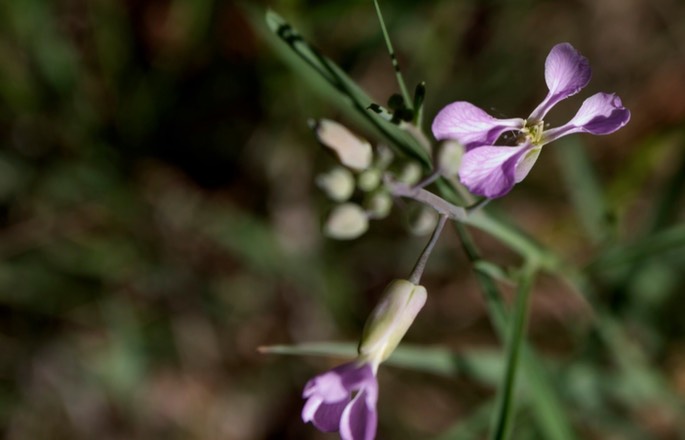
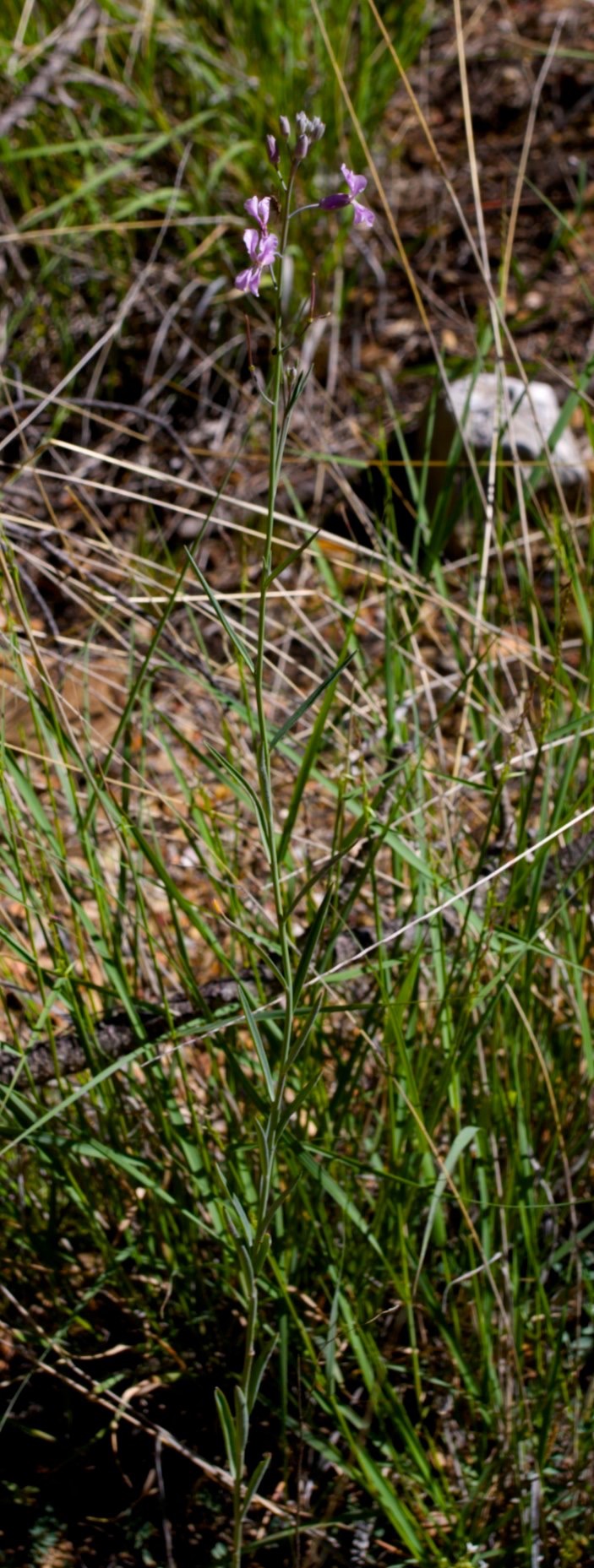
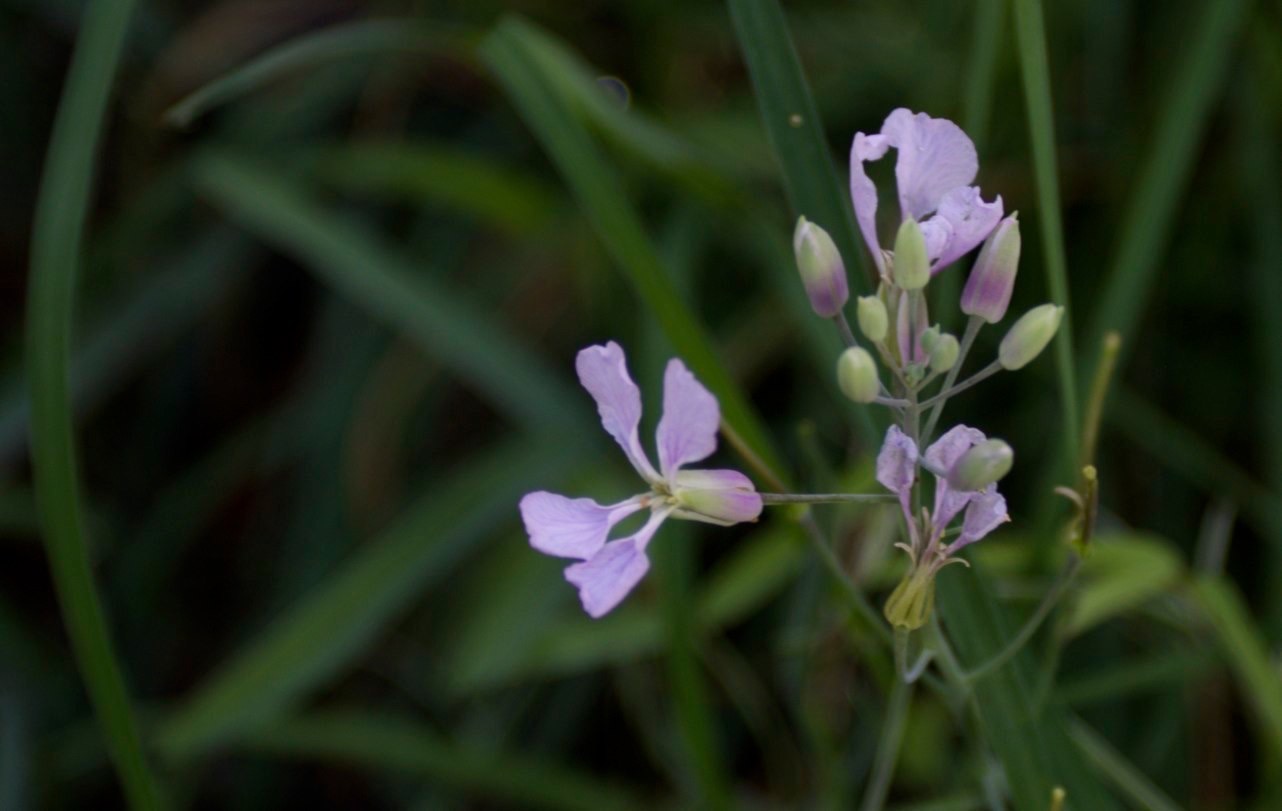
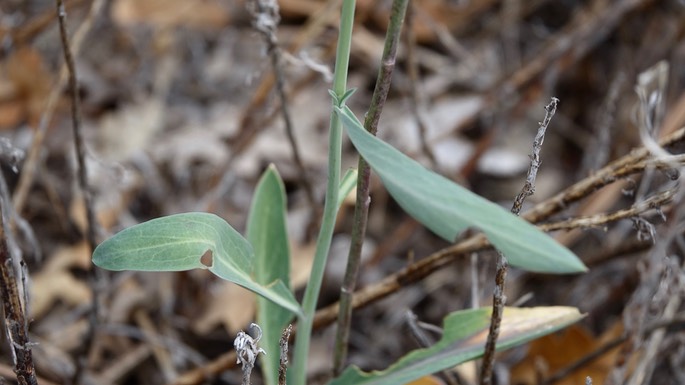
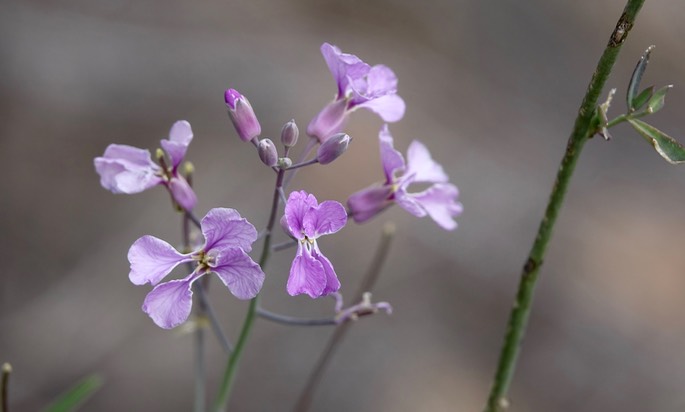
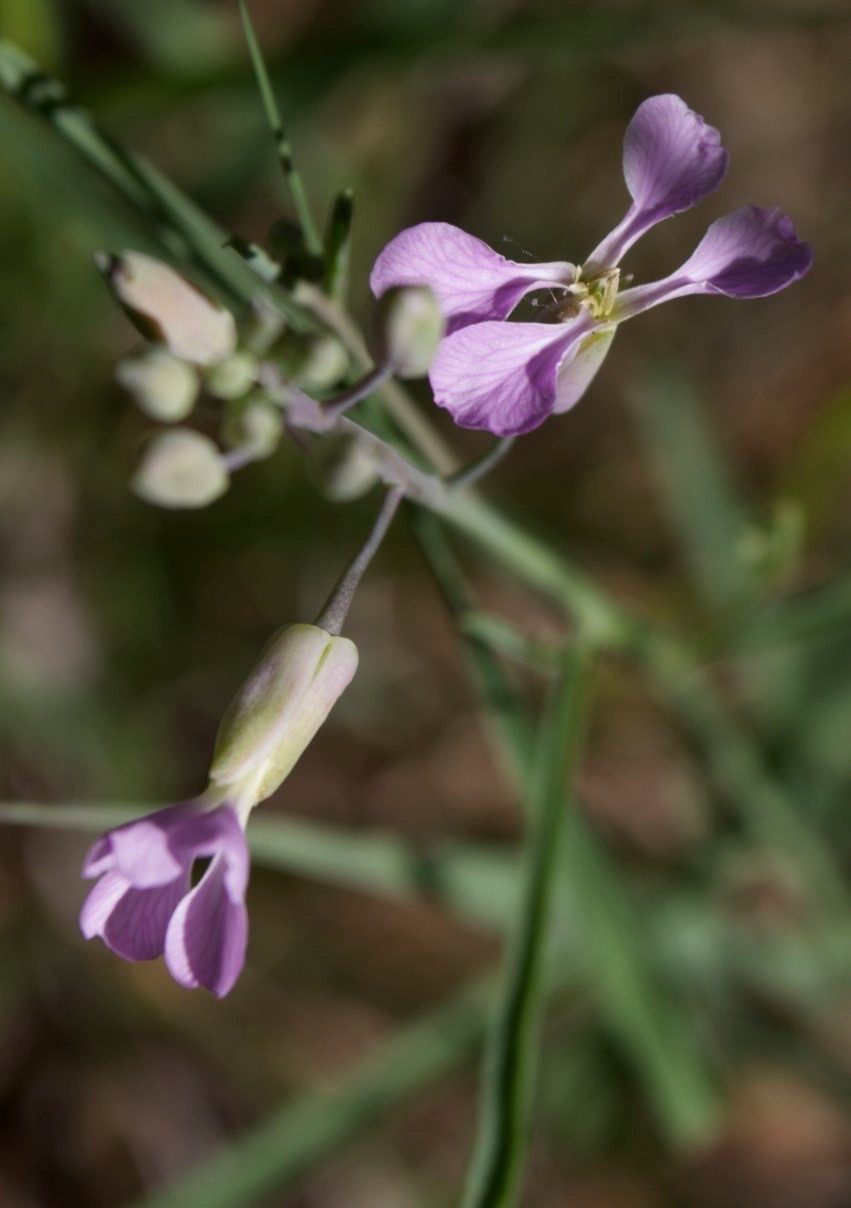
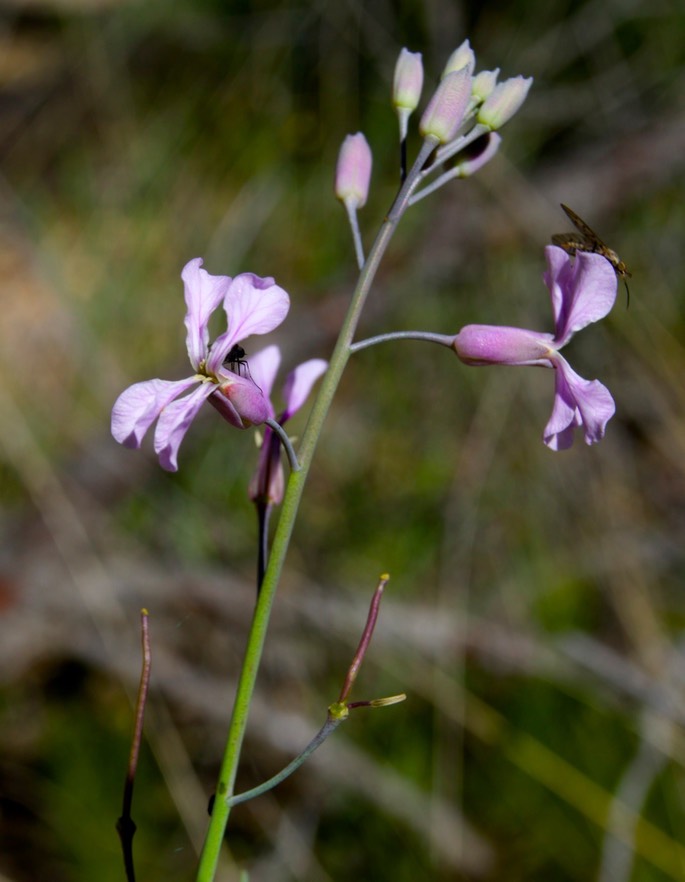
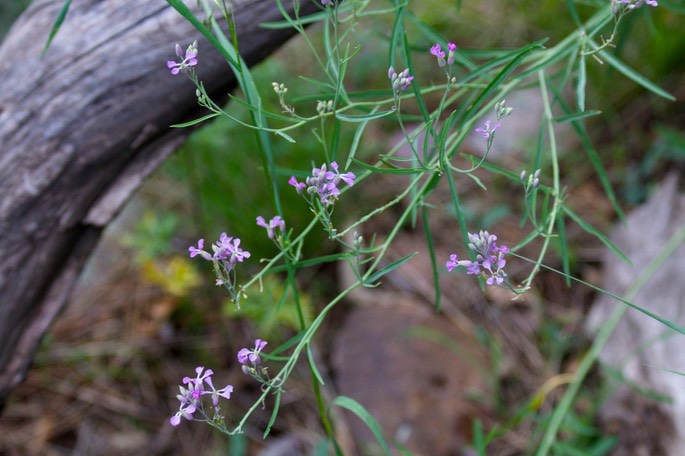
Hesperidanthus is a genus of the west. The species of the genus have very limited ranges. H. linearifolius has the largest range of the species in the genus and is found primarily in Arizona and New Mexico - as well as parts of Colorado and west Texas. In Mexico, the species is found in Chihuahua, Coahuila, Durango, Nuevo León, San Luis Potosí, Sonora, and Zacatecas. Currently, some sources use the scientific synonym, Schoenocrambe linearifolia for this species. The plant was first described as Streptanthus linearifolius by Asa Gray, Mem. Amer. Acad. Arts, n. s. 4: 7. 1849. The current (Hesperidanthus linearifolius) definition was made by Per Axel Rydberg. There are currently five recognized species within the genus. It generally flowers between July and November.
The Native American Ethnobotany Data Base lists two uses of this species, by the Navajo (ceremonial eyewash, mouthwash for sore gums).
This species has at least 21 scientific synonyms, including; Hesperidanthus linearifolius, Sisymbrium linearifolium, Streptanthus linearifolius, Pachypodium linearifolium, and Thelypodiopsis lineraifolia. Other Common English names include Mountain Mustard and Hesper Mustard.
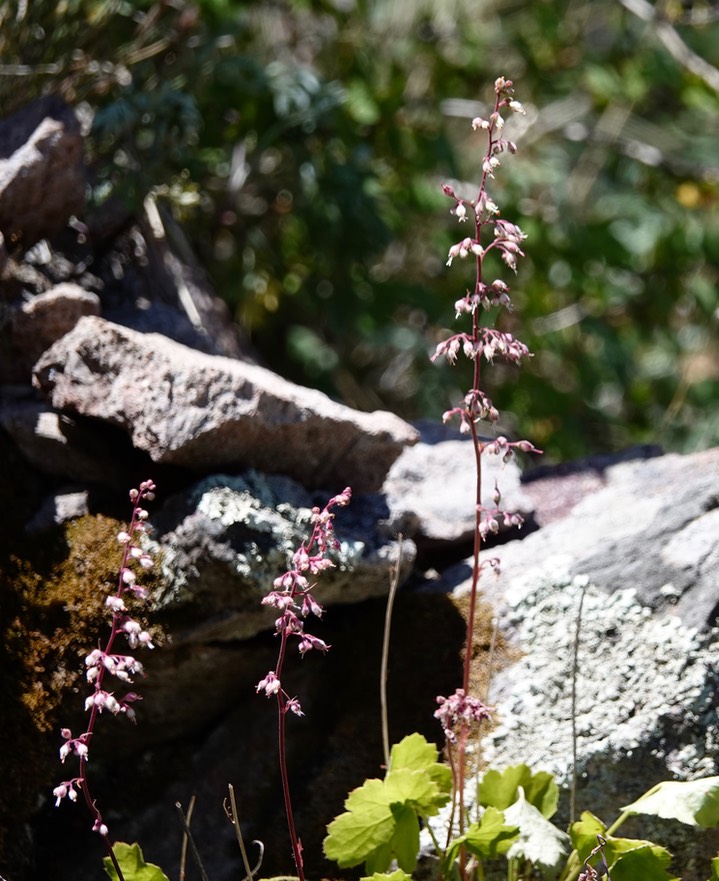
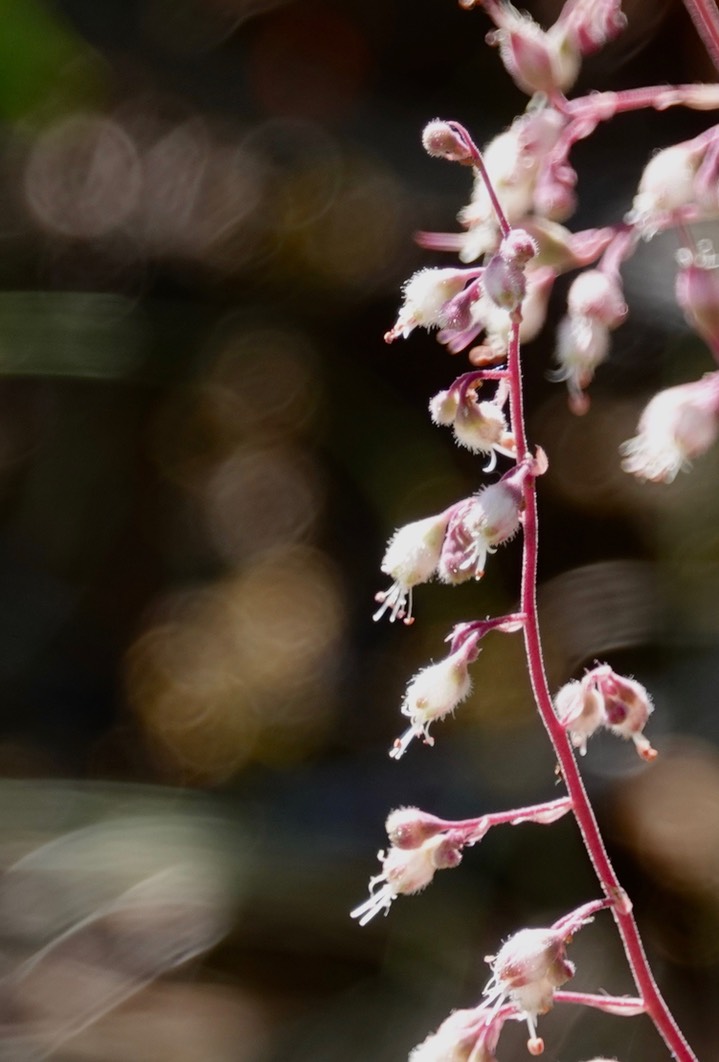
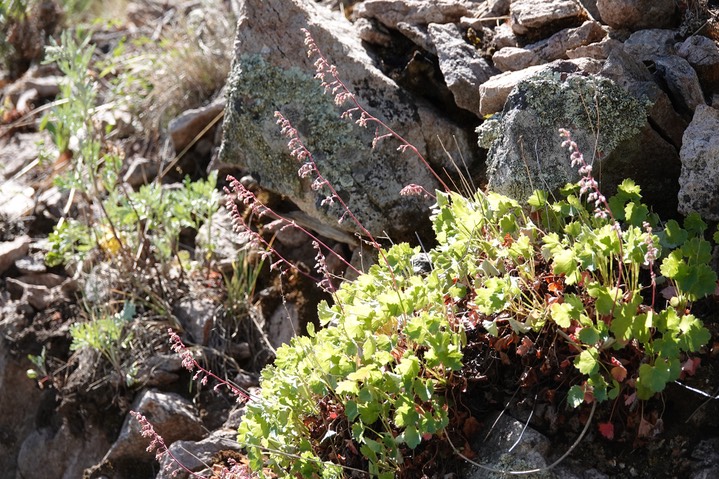
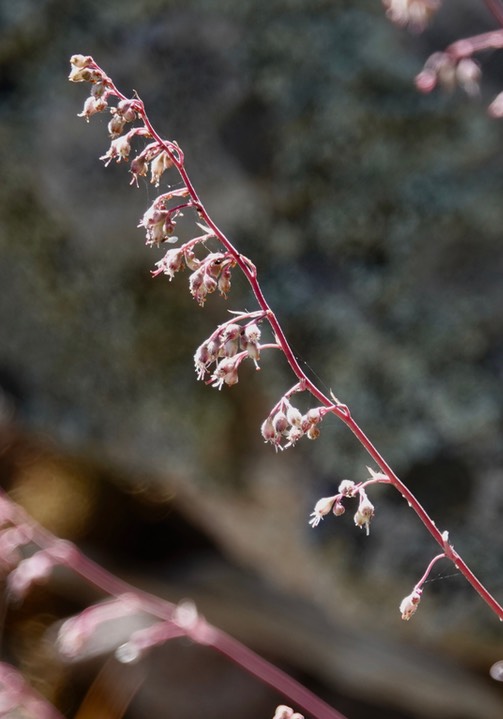
Heuchera rubescens
Pink Alumroot
Hillsboro Peak Trail
Black Range
July
Hoffmannseggia glauca
Indian Rushpea
Warm Springs Wash
NE of Hillsboro
New Mexico
August
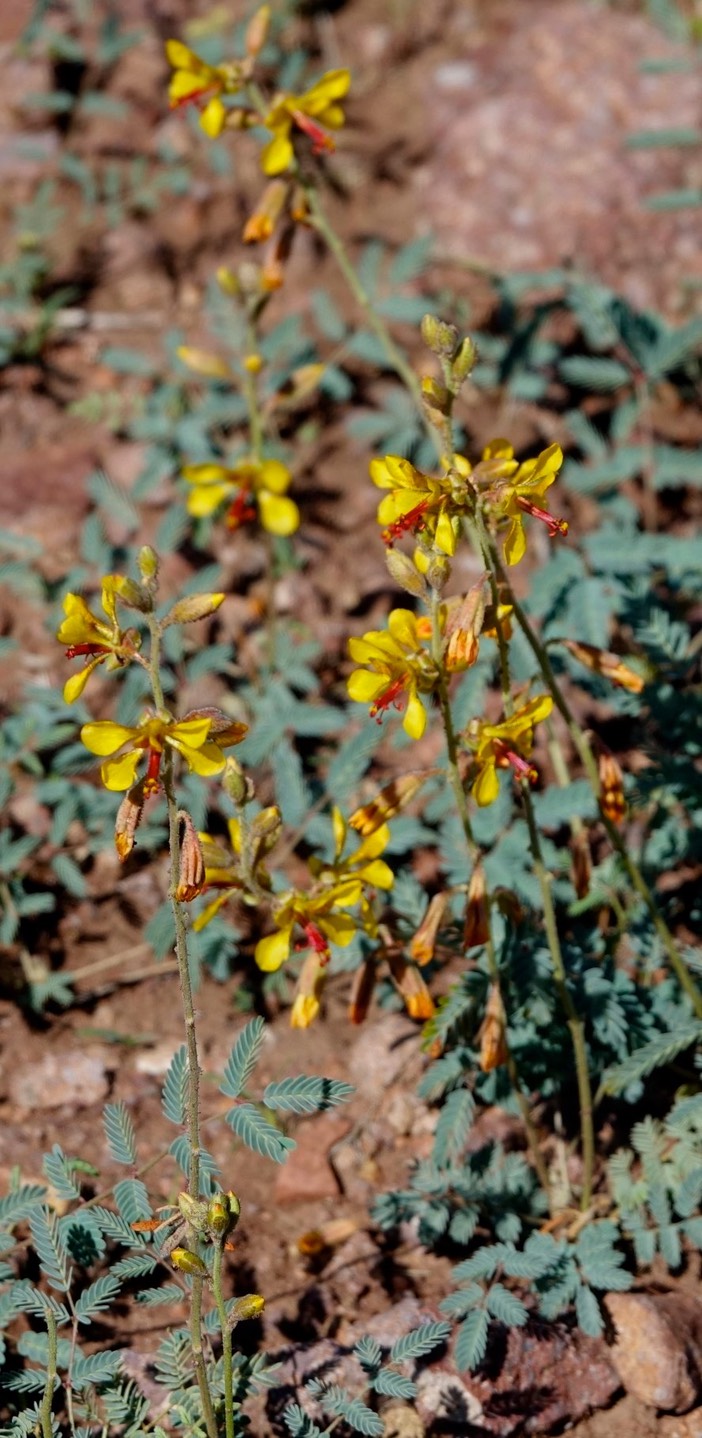
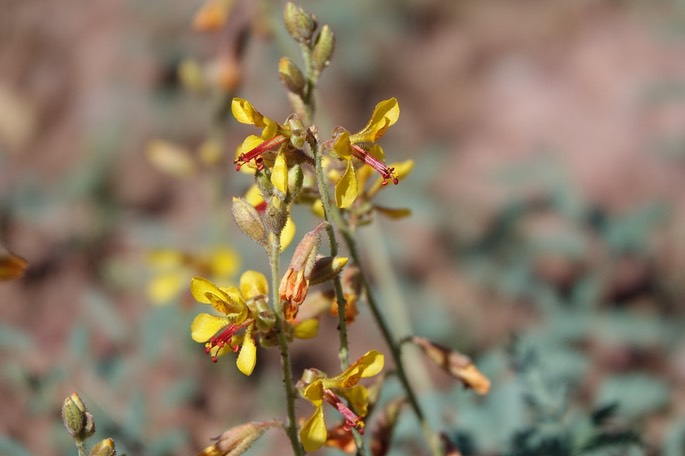
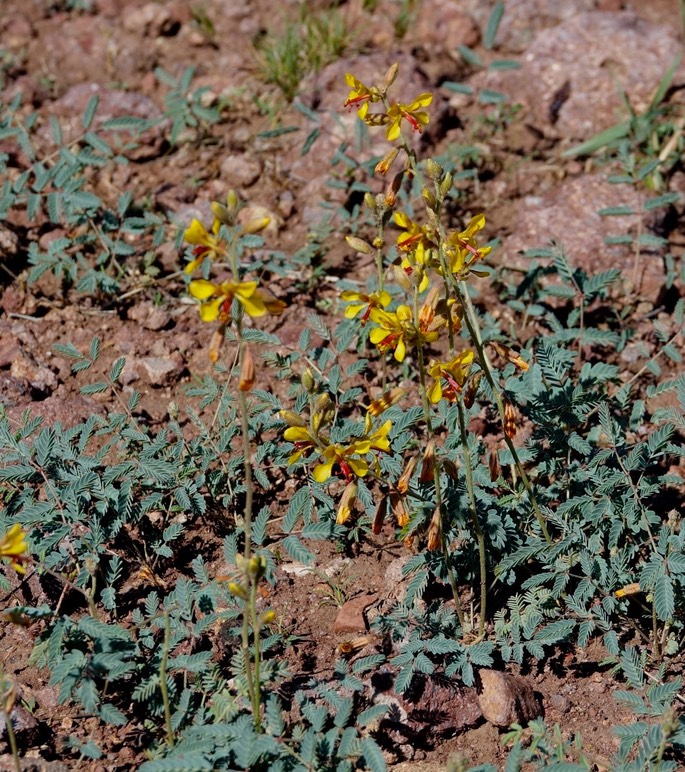
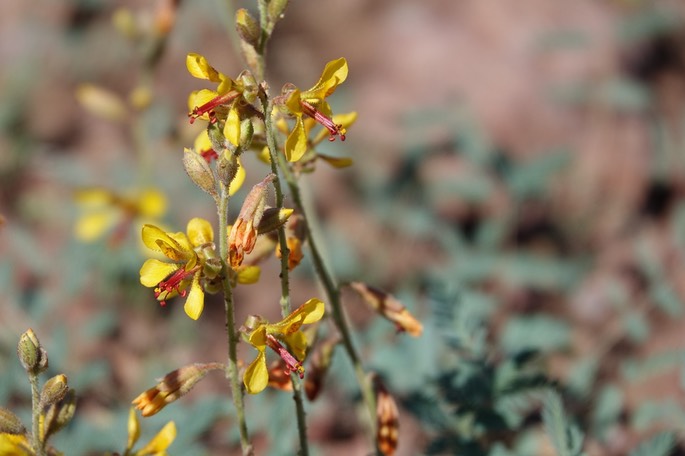
We found many Hog Potato plants (Hoffmannseggia glauca) growing in the beds of the old mining roads near Hillsboro during August 2016 - and virtually none in 2025 and 2026.
The range of this species within the United States is limited to the southwest (with a bit of the southern plains). It is also found in Mexico.
This species is also known as Indian Rushpea, Pig Nut, and Waxy Rush Pea. It has several scientific synonyms, including Hoffmannseggia densiflora and Hoffmannseggia falcario.
The Spanish name for this species is Camote de Raton (Mouses Sweet Potato) and probably refers to the edible nodules on the roots of this species. The Native American Ethnobotany Data Base lists a number of tribes which used the roots of this plant as a food source.
Holodiscus dumosus
Mountain Spray
Sawyers Peak Trail
Black Range
New Mexico
June
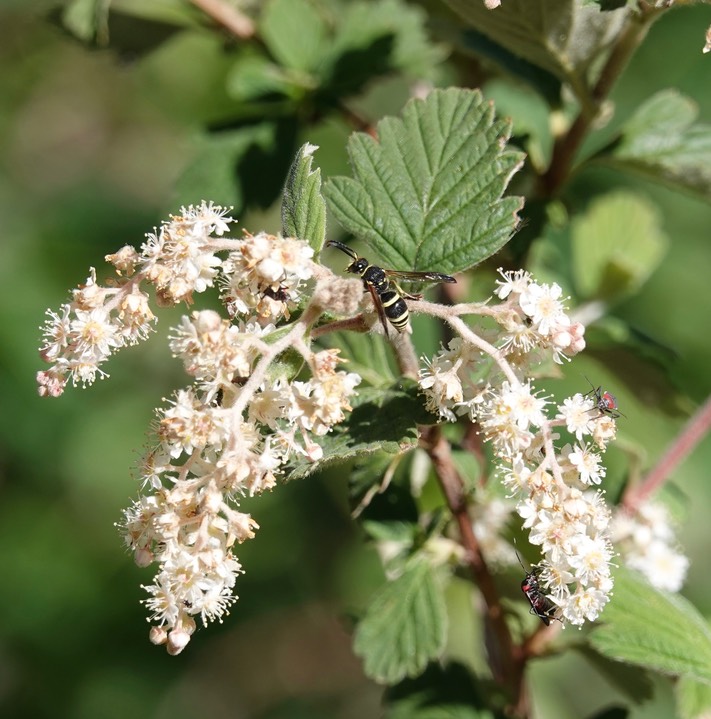
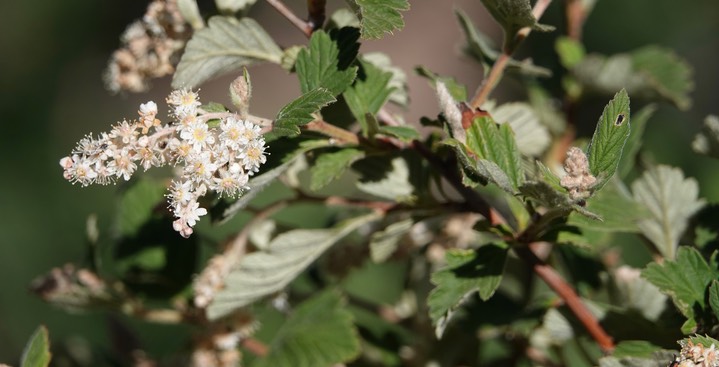
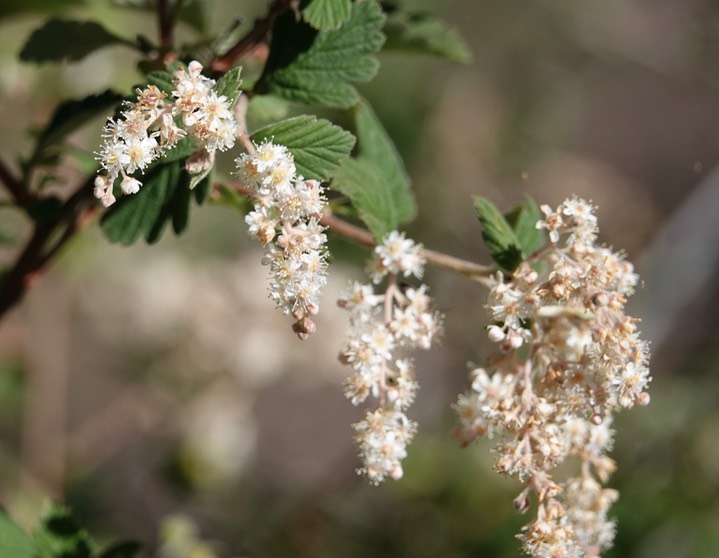
Tthis is a species of the western United States, found in most of the central and southern Rockies, Cascades, and Sierra Nevada. In Mexico, it is found as far south as the central valley.
The systemics of this genus are not standardized. For example, Flora of North America describes two species in the genus (in North America), H. discolor and H. microphyllus. In turn, H. discolor is divided into two varieties, var. discolor and var. dumosus. According to Flora of North America there are five species in the genus. They divide Holodiscus into two species complexes, H. discolor which includes H. discolor and H. microphyllus is found in the northern part of the species range. The others are found southward through Central America and northern South America.
Houstonia rubra
Red Bluet/Desert Innocence
East of Hillsboro
New Mexico
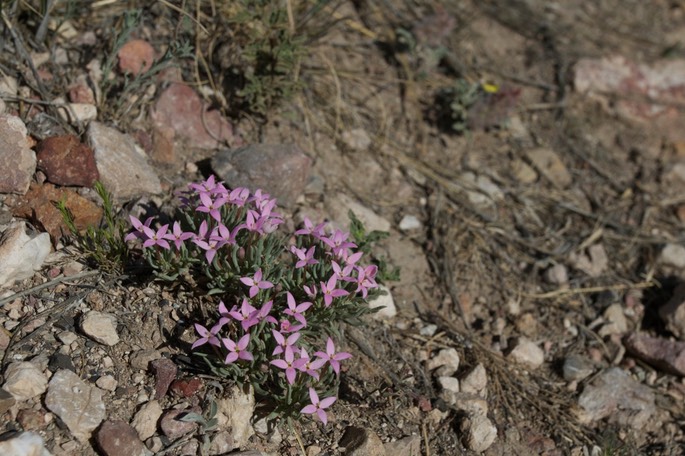
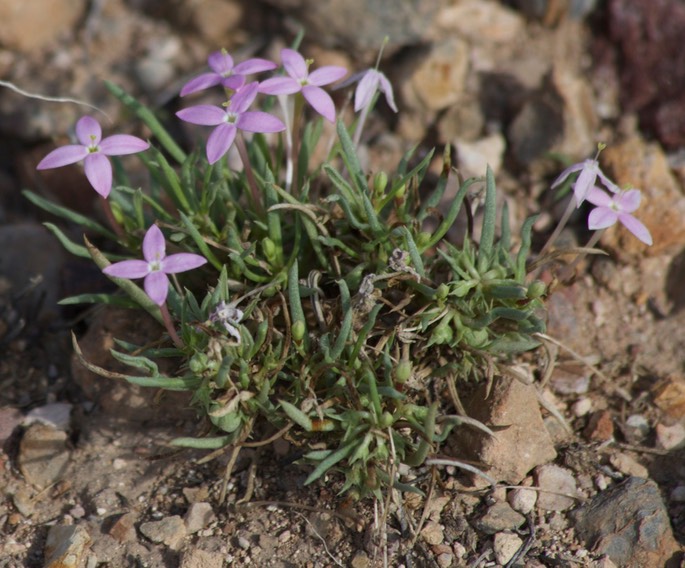
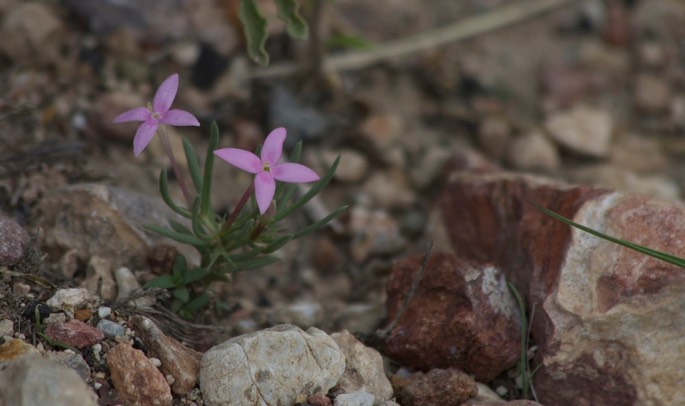
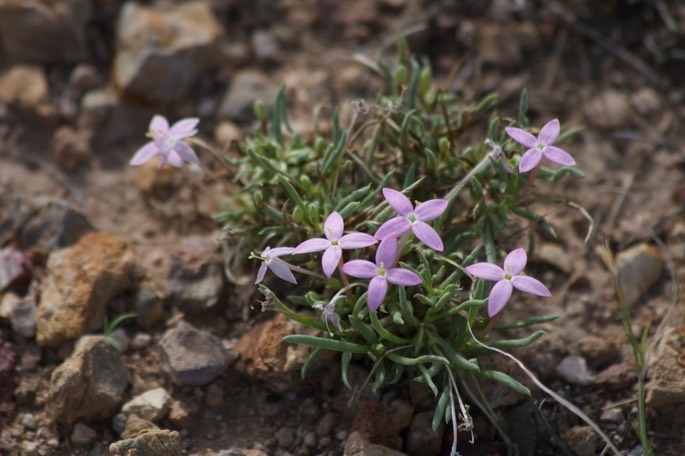
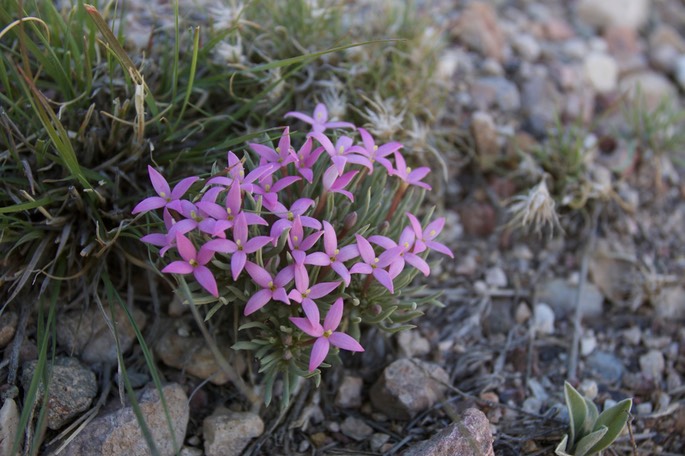
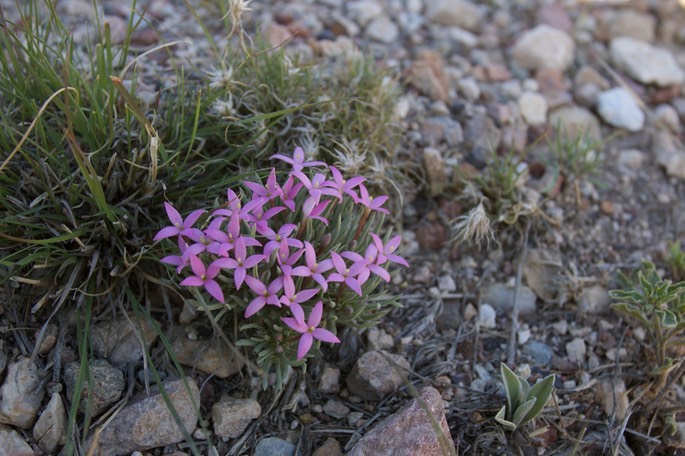
The Red Bluet, Houstonia rubra, is found in parts of Utah, Arizona, New Mexico, Texas, and the states in northern and central Mexico. It is generally found at elevations between 4,200 and 8,200 feet. We found the flowers pictured here on hillsides and washes about two miles east of Hillsboro.
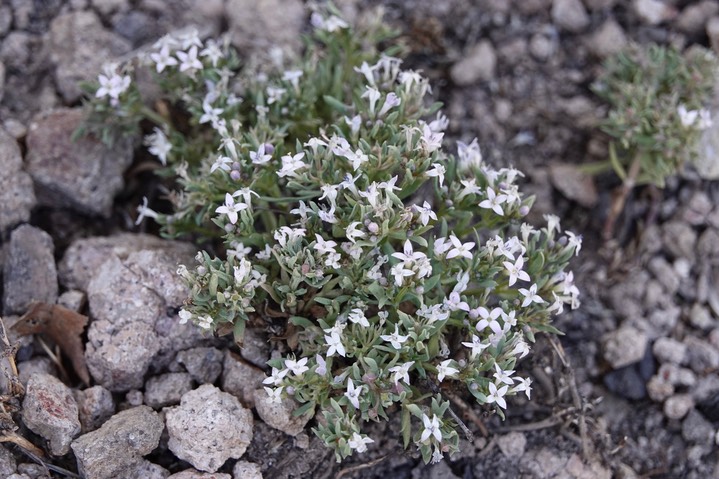
In identifying this species I considered H. acerosa var. polypremoides (Narrowleaf Bluet), H. humifusa (Matted Bluet), and H. wrightii (Pygmy Bluet or Wright's Bluet). It appears to me that the species we are most likely to encounter in the foothills is the Red Bluet and that higher in the range we may encounter Wright's Bluet.
This species has been used for a variety of medicinal applications. As an infusion it has been used for sore eyes and stomach issues and as a decoction for menstrual troubles.
This species was first described by Antonio José Cavanilles in 1799. Cavanilles was a Spanish taxonomic botanist of significant import (he named over 100 plant genera, for instance). Like many of the scientists who described new species during this era, he did so from specimens that were collected in far flung areas of the world - he never left Europe.
Houstonia wrightii
Pygmy Bluets
Hillsboro Peak Trail
Black Range
July
Hymenoxys hoopesii
Western Sneezeweed
Near the Continental Divide of the Black Range
West of Poverty Flat
New Mexico
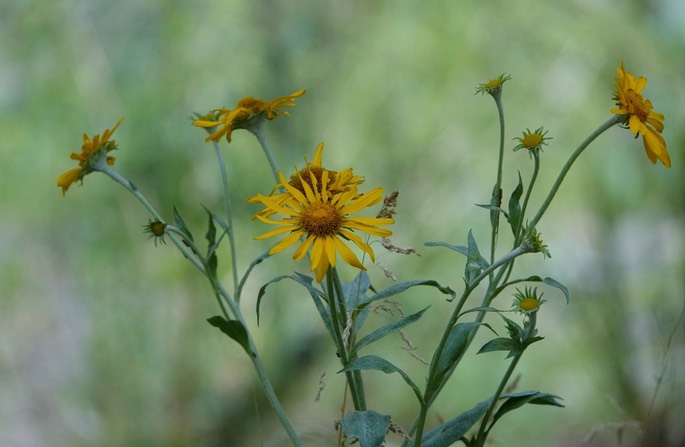
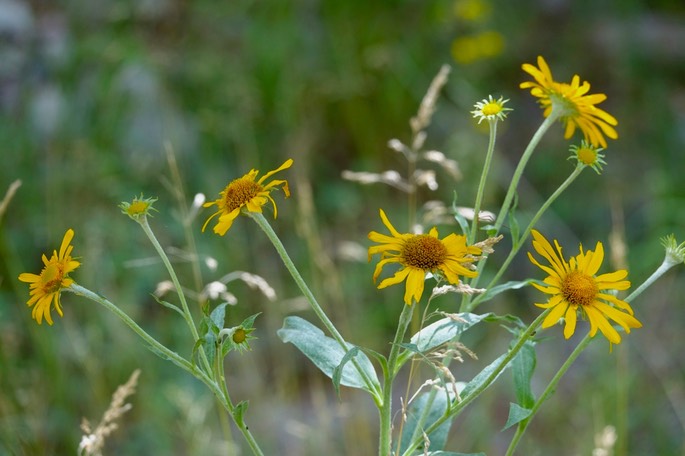
This species is also known as Orange Sneezeweed and Owl’s-Claws. Scientific synonyms include Dugaldia hoopesii, Heleniastrum hoopesii, and Helenium hoopesii. It was first described by Asa Gray in 1864 (as Dugaldia hoopesii). Mark W. Bierner is responsible for the current description of this species.
The United States range of this species is limited to the west.