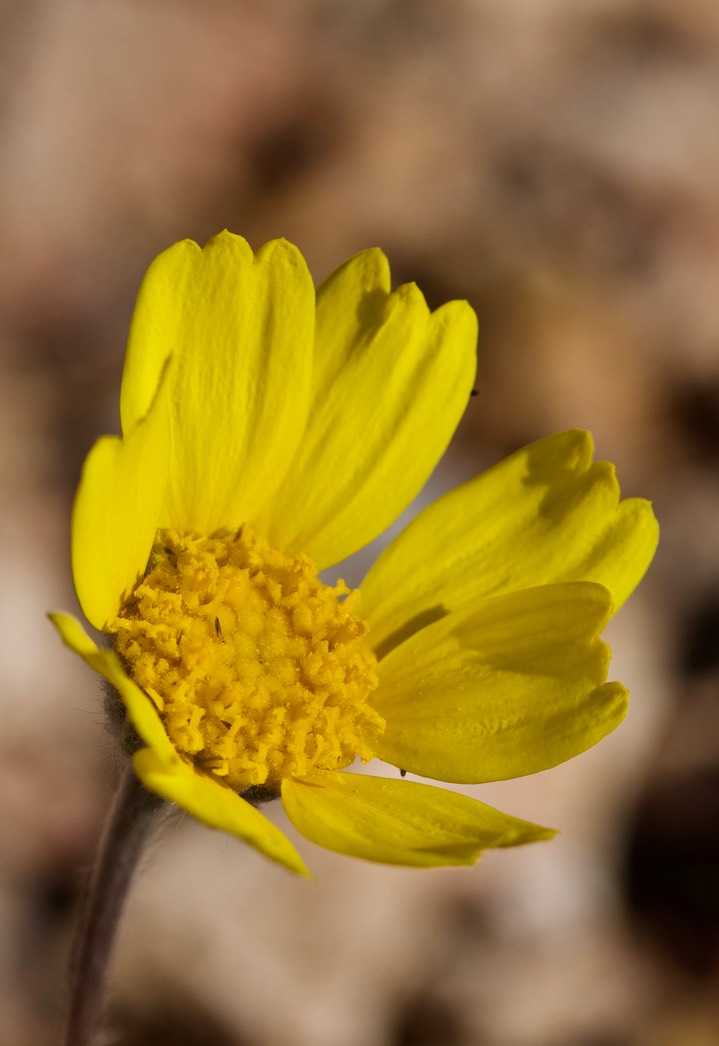
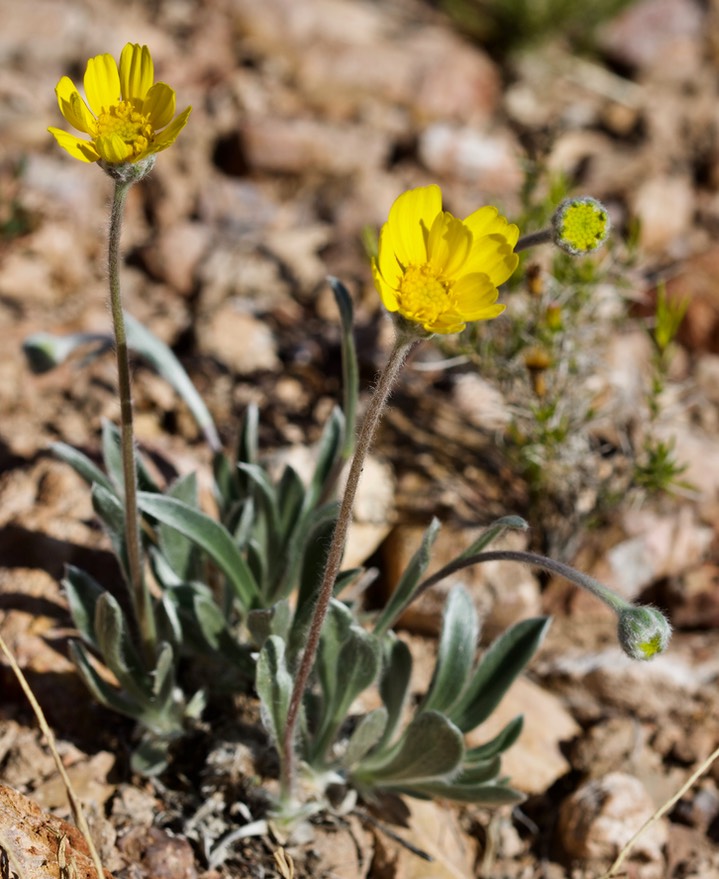
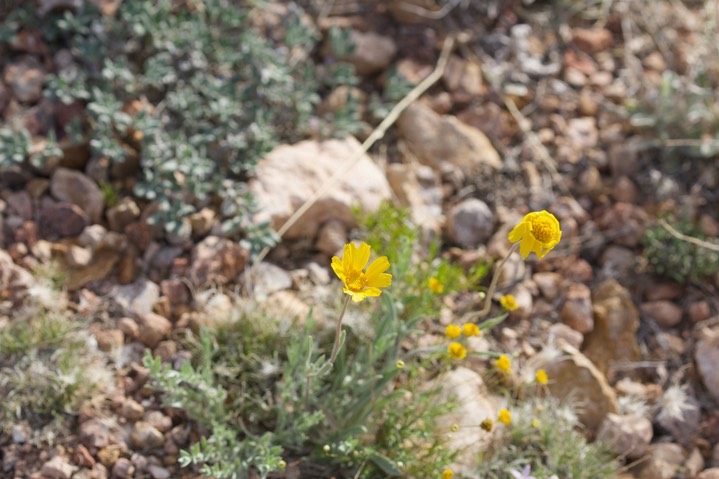
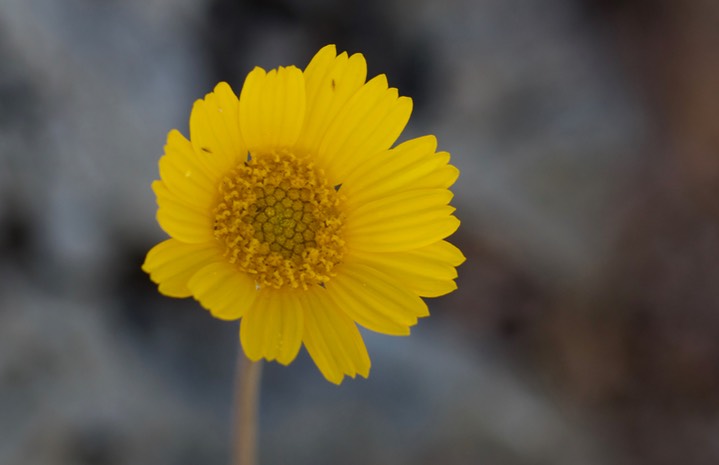
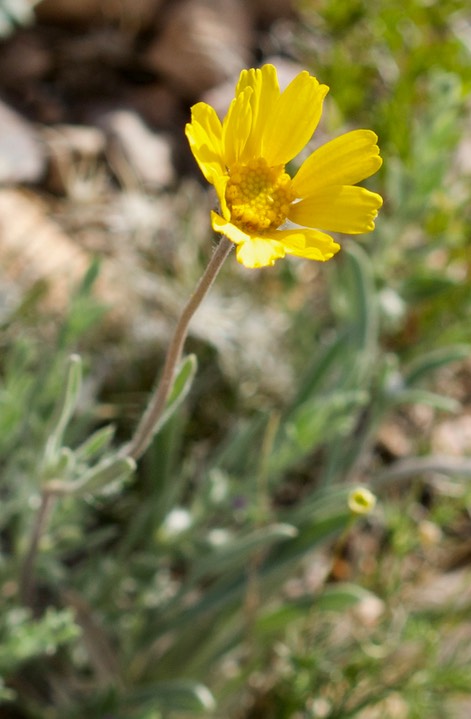
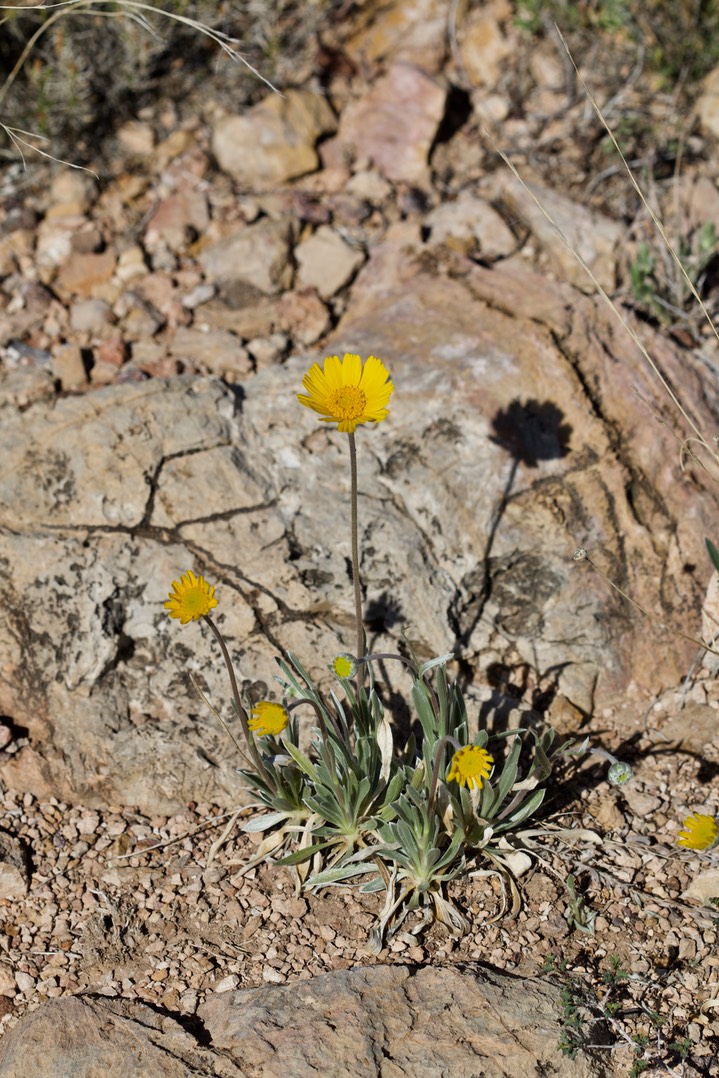
Tetraneuris argentea
Perkysue
East of Hillsboro
Black Range
New Mexico
April
The “FLORA" of the Black Range
“T"
Tetraneuris argentea
Perkysue
East of Hillsboro
Black Range
New Mexico
April
Thalictrum fendleri
Fendler Meadowrue
Sawyer Peak Trail
Black Range
New Mexico
June
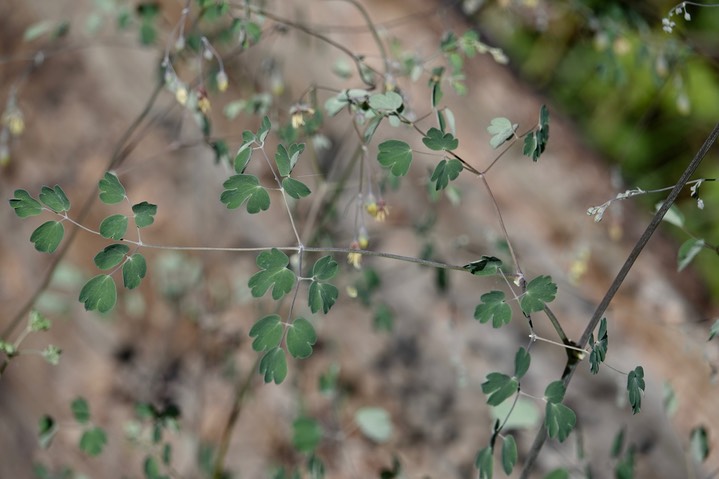
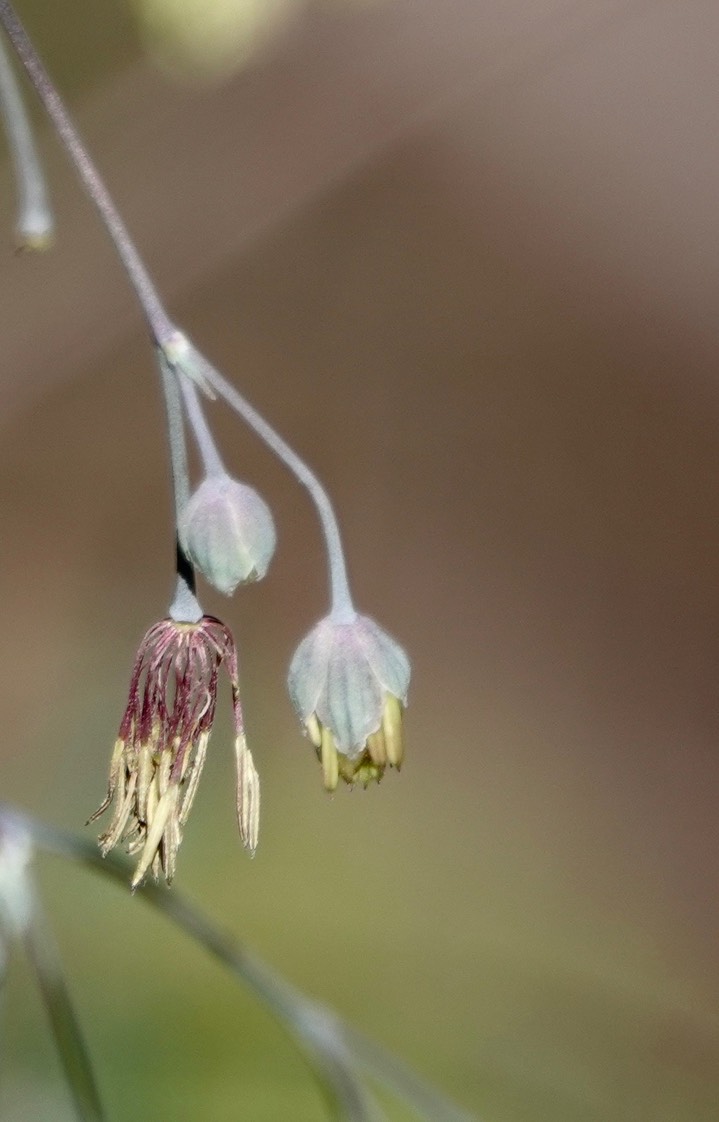
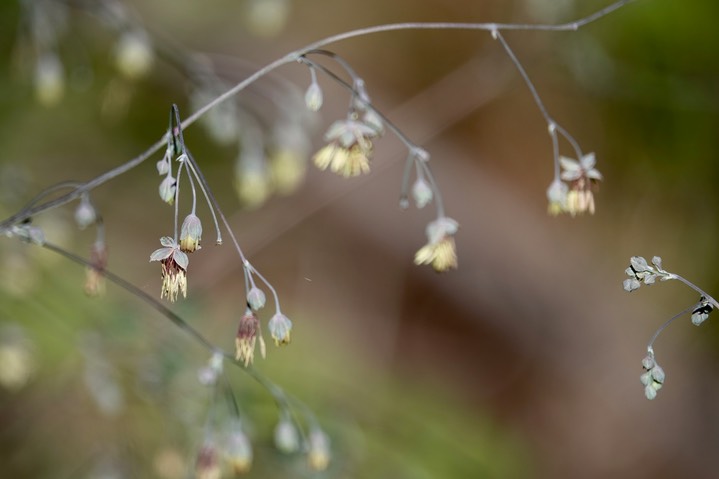
The flowers of the Fendler Meadowrue do not have petals. The large stigmas collect airborne pollen.
“Decoctions prepared from the roots were used medicinally by Native Americans to cure colds and gonorrhea, and in ceremonies (D. E. Moerman 1986).”
In the United States, this species is found in the west. In Mexico it is found in the north.
This species is also known as Fendler’s Meadowrue. There are three scientific synonyms; Thalictrum amissum, Thalictrum fendleri var. platycarpum, and T. f. var. writhtii. There are five subordinate taxa (varieties). The species was first described in 1849 by George Engelman from a specimen collected by Augustus Fendler in 1847 between the 13th of June and the 7th of July in shady places along Santa Fe Creek, New Mexico.
Thelypodium wrightii
Wright's Thelopodium
or Wright's Thelopody
Mid to higher elevations
Black Range
New Mexico
September
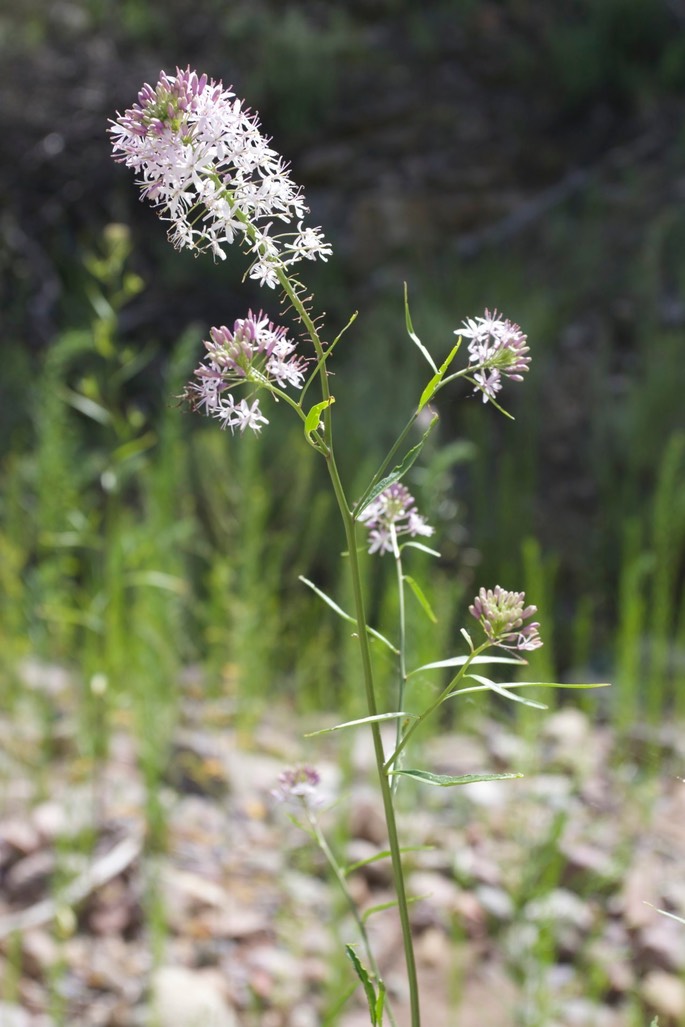
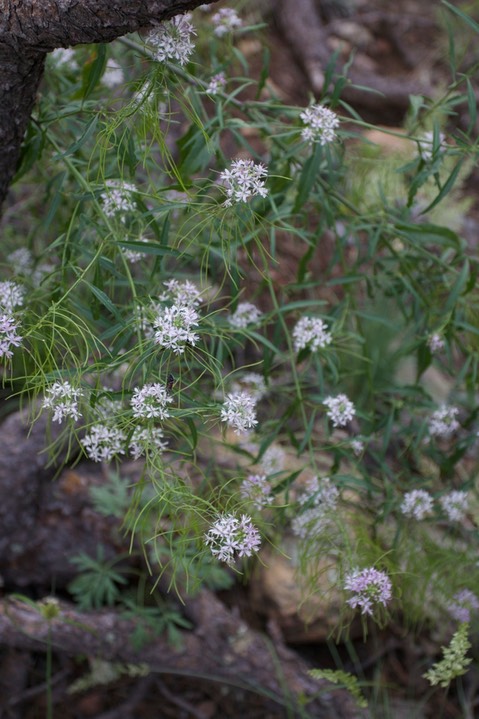
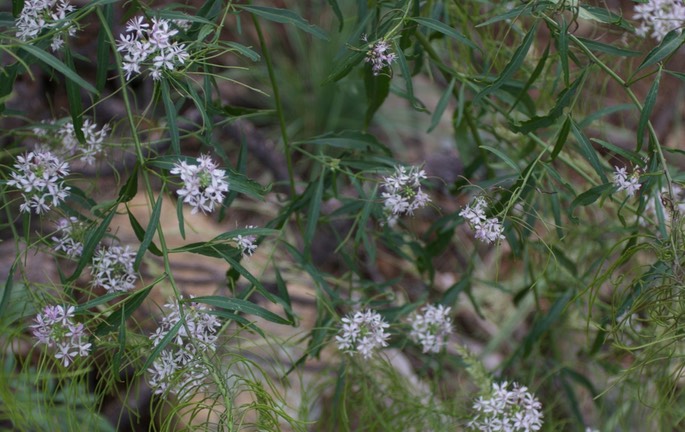
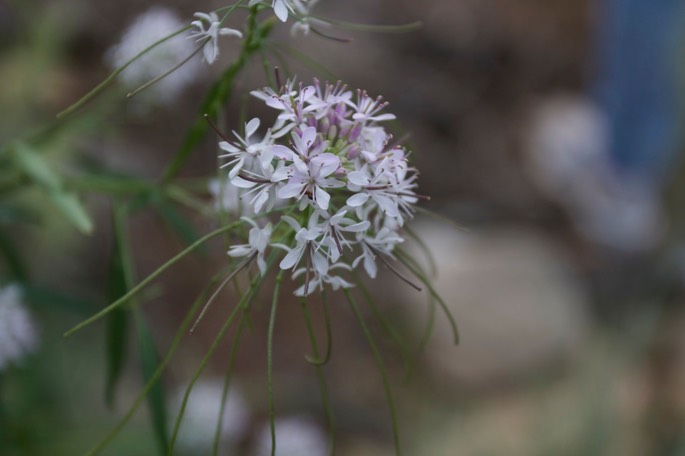
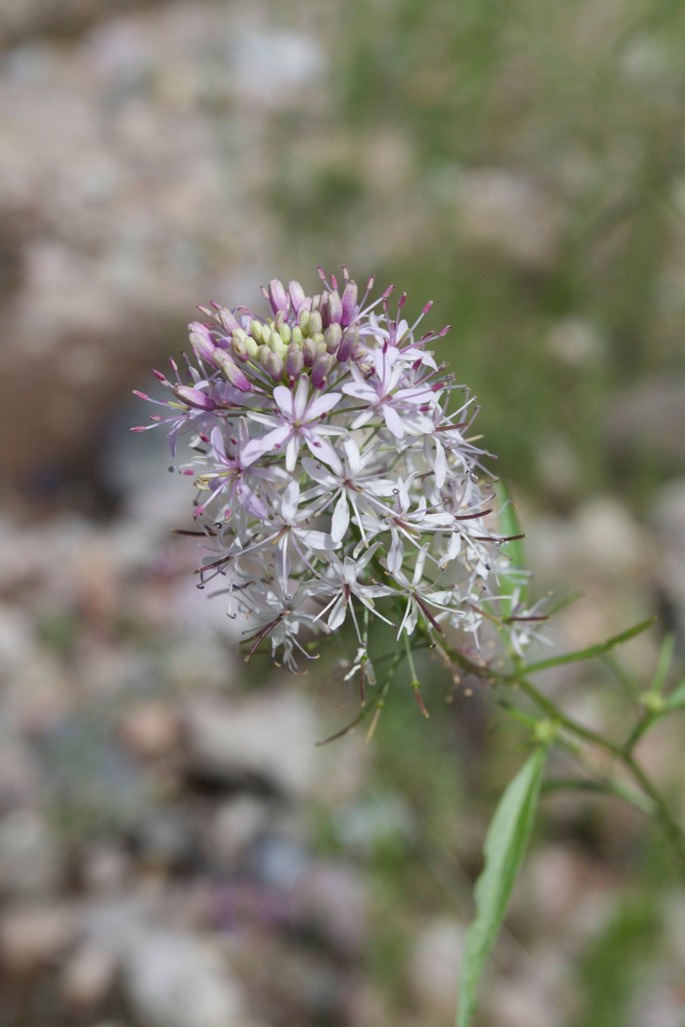
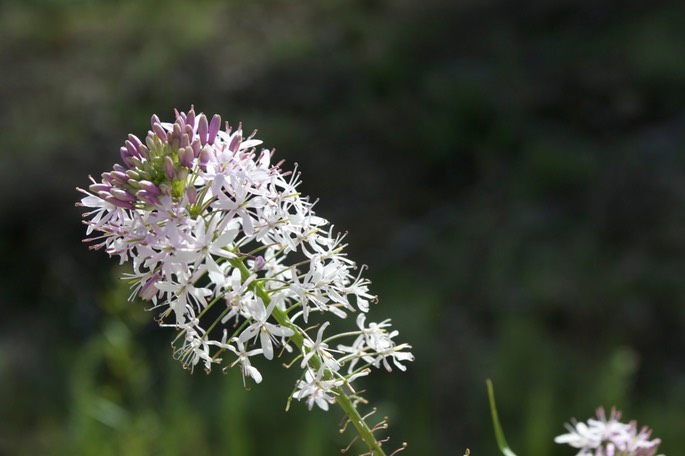
If you are hiking the gullies of the Black Range at higher elevations, in season, you can not help but encounter Wright's Thelypody, a.k.a. Wright's Thelypodium (Thelypodium wrightii). It is a tall, to six feet, wispy plant with showy flower heads. We found the some of the specimens shown in this gallery in Southwest Canyon below Emory Pass, on the east side of the Black Range. Note the long seed pods. When they are long and narrow like this they are called silique (there are some other attributes which make them silique). This species is generally found at elevations between 3,600' and 6,900' - these specimens were at about 7,100’.
This species was first described by Asa Wright in Plantae Wrightianae - Texano - Neo-Mexicanae: An Account of a Collection of Plalnts Made by Charles Wright in… which he published in March of 1852.
In the United States this species is found in Utah, Arizona, Colorado, New Mexico, and Texas (and perhaps Oklahoma). In Mexico this species is found in Baja California, Chihuahua, Coahuila, and Hidalgo.
It was first described by Asa Gray in 1852 who named it in honor of Charles Wright, 1811-1885, an important plant collector who collected primarily in Texas (1837-1852), Cuba, Hispaniola, and Connecticut. Many plants are named in Wright's honor. Gray, described over 7,000 plant species; was an extremely important person in American botany; wrote the Manual of the Botany of the Northern United States (a.k.a. Gray's Manual) - published in 1847/48; Co-authored "Flora of North America" with Torrey; etc. etc. - The Asa Gray Award of the American Society of Plant Taxonomists is named for him.
The indigenous peoples used Wright's Thelypody in many applications: as a food source and as a dye used in painting pottery (by the Tewa); in stews with other foods, boiled and pressed into balls of food (to be eaten immediately or stored), and boiled/salted and eaten as greens (by the Pueblo); tied to infant cradles to make them sleep (by the Navajo); as a eye drug (ashes were rubbed into eye lids) and to reduce swelling (by the Navajo), and as a fertilizer (by the Zuni).
Tom Chester, in the Plant Species of the Bright Angel Trail, does a yeoman's job of describing the intricacies of keying plants (this one in particular). For the record, the plants shown here have six stamens.
Thermopsis rhombifolia
Golden Pea
Black Range Crest Trail
Black Range
New Mexico
May
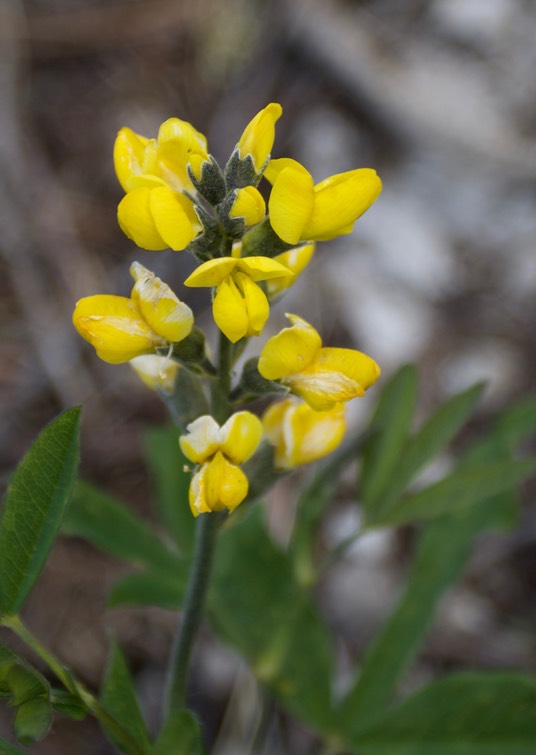
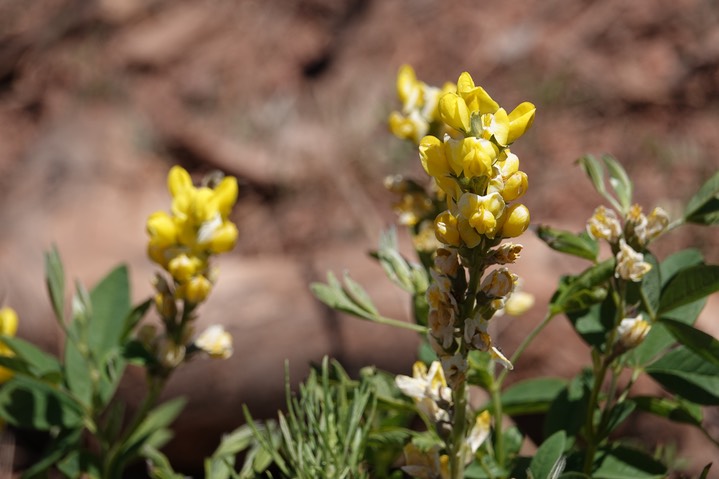
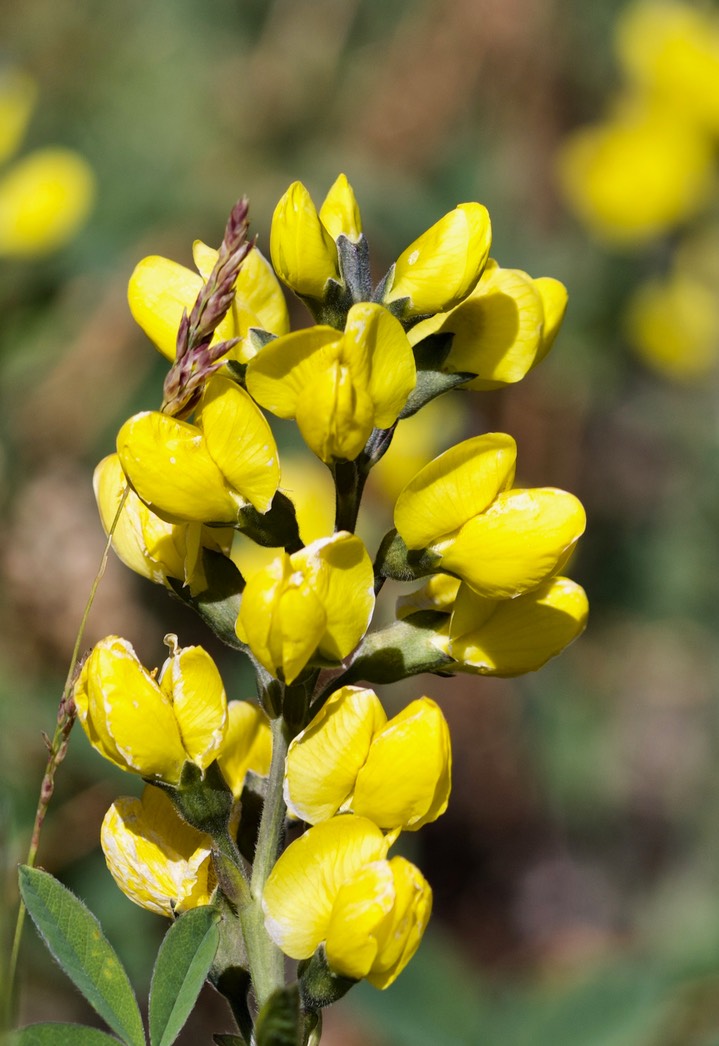
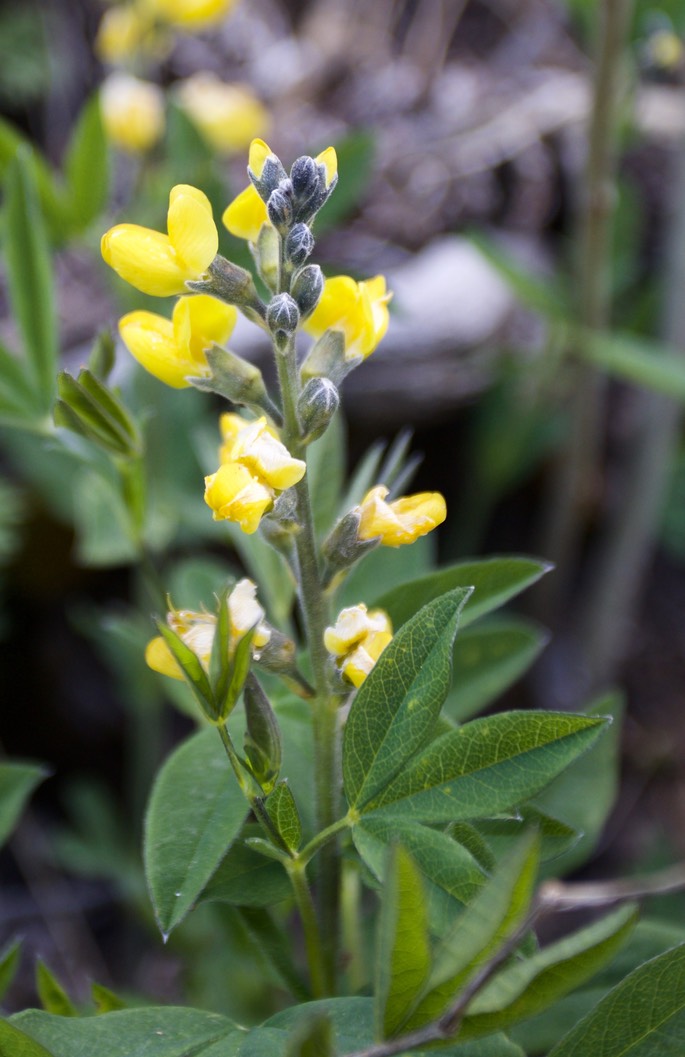
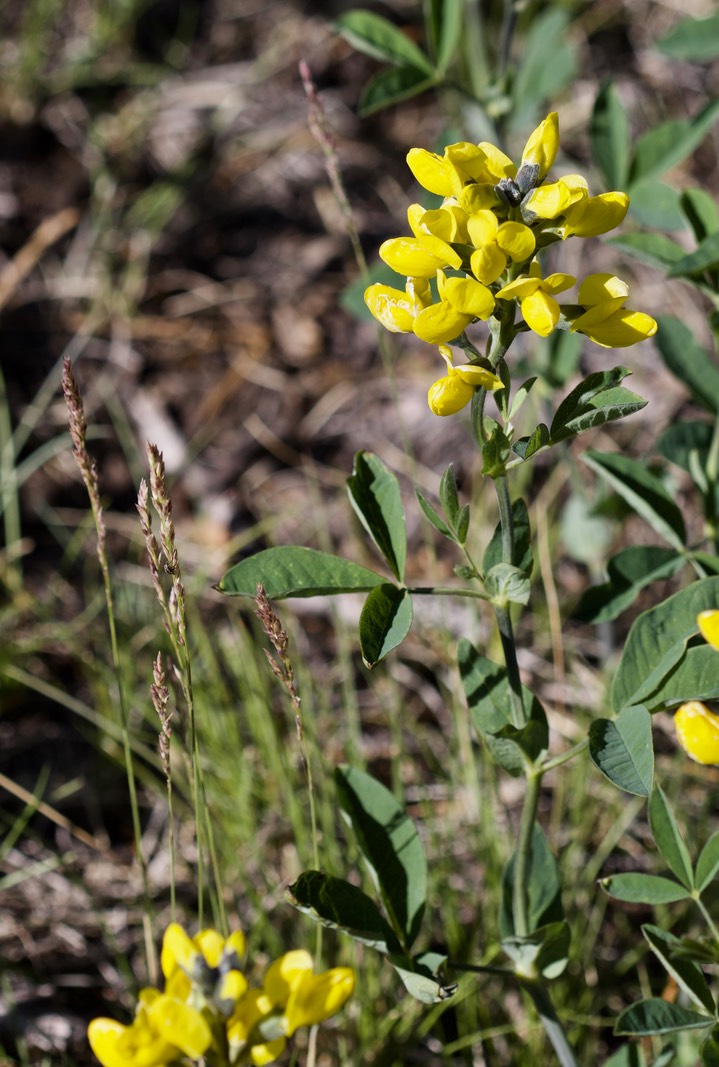
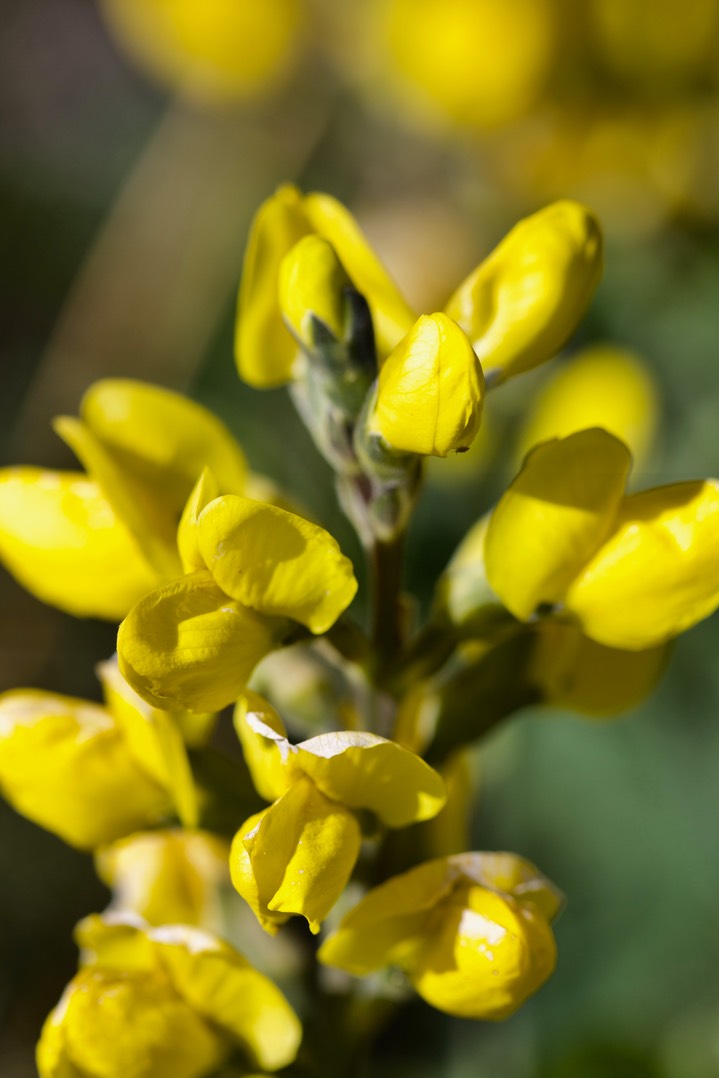
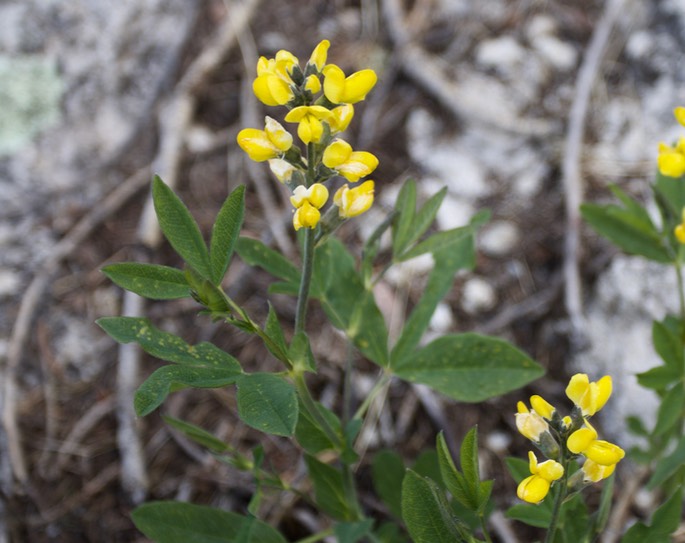
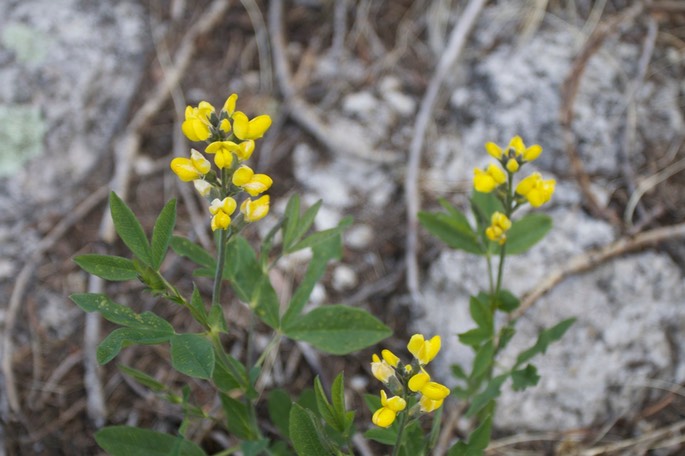
One of the more common flowers that you are likely to encounter on a walk along the Black Range Crest Trail in May is a Thermopsis sp.. If you are a lumper and follow Intermountain Flora, then this is the Golden Pea, Thermopsis rhombifolia. There are two varieties of T. rhombifolia which are likely to be found in the Black Range, T. r. divaricarpa (Golden Pea) and T. r. montana (Mountain Golden Pea). They are typically found in association with Ponderosa Pine forest and bloom in the early spring (but note the effect of elevation on bloom time). This species is found in most of the southern provinces of Canada and most of the central United States, where it bears the common names of Prairie Thermopsis and Prairie Goldenbean.
If you are a splitter and follow The Biota of North America Program - North American Vascular Flora (BONAP) then the two varieties mentioned above are considered full species; T. divaricarpa is known as Golden Pea and T. montana is known as Mountain Golden Banner.
Apparently the habit of the seed pods can be used to distinguish between the two species (or varieties). The seed pods of T. montana are erect, covered with downy hair and form vertically from the stem, while the pods of T. divaricarpa form laterally.
This species was used by the native peoples as a yellow dye and as atea used to address stomach problems. Interestingly, it is toxic and symptoms following ingestion include dizziness, vomiting, and abdominal pain.
Townsendia formosa
Smooth Townsend Daisy
Sawyers Peak Trail
Black Range
New Mexico
June
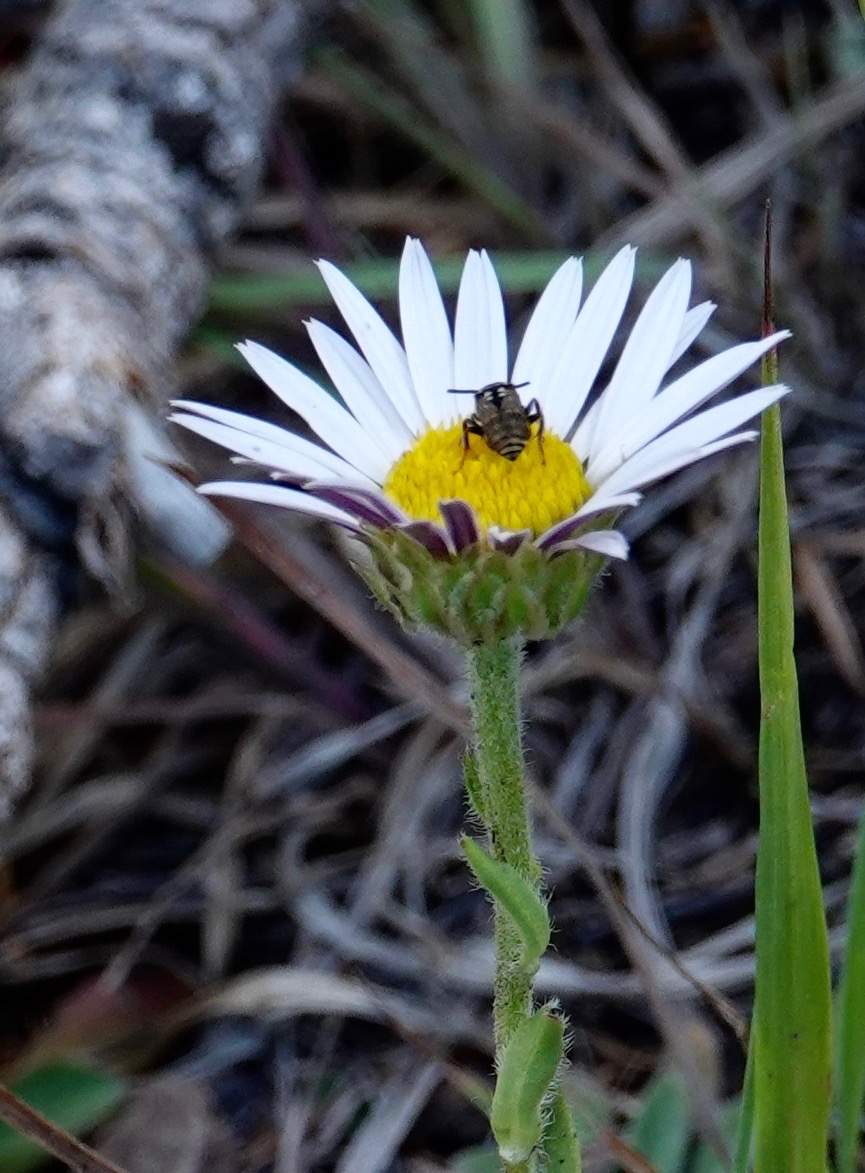
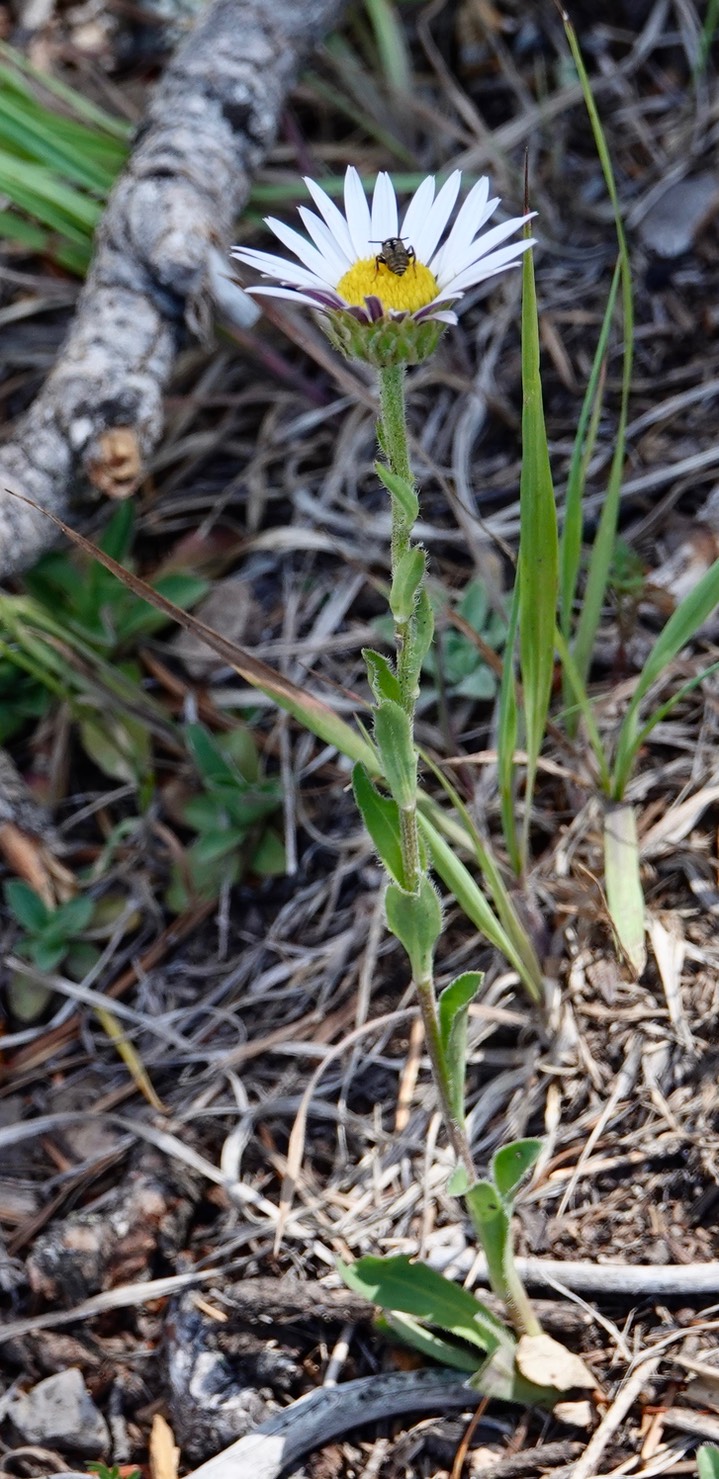
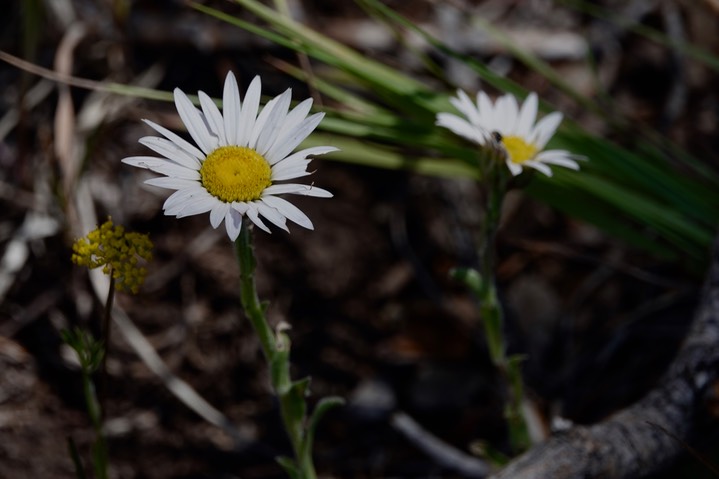
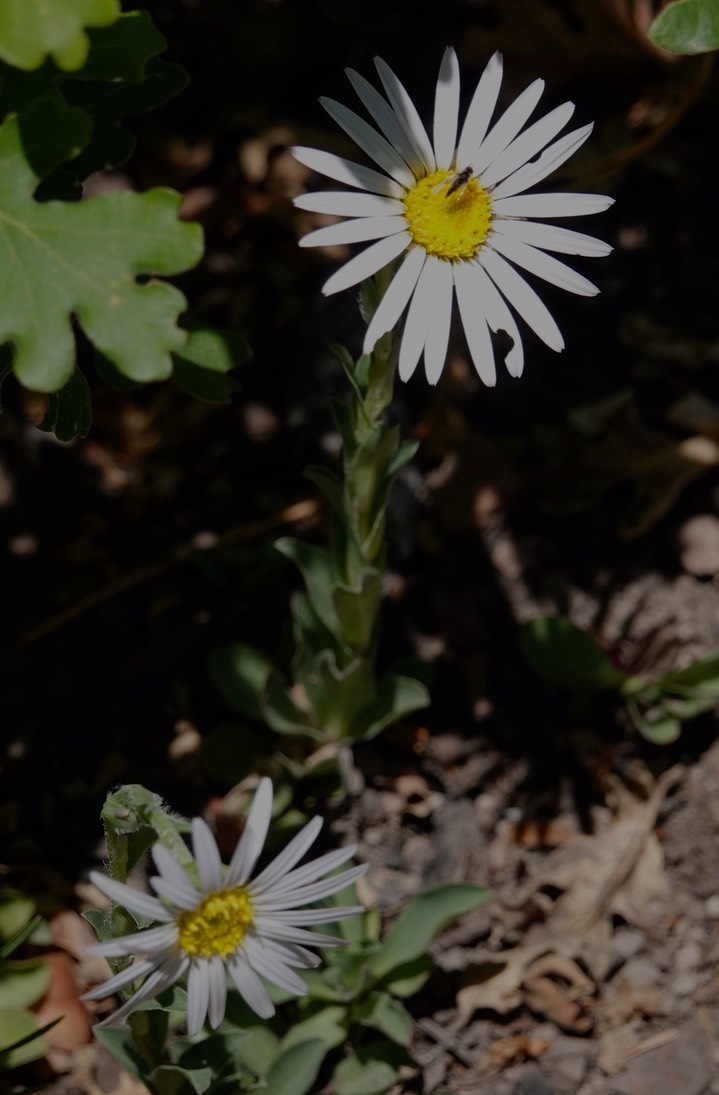
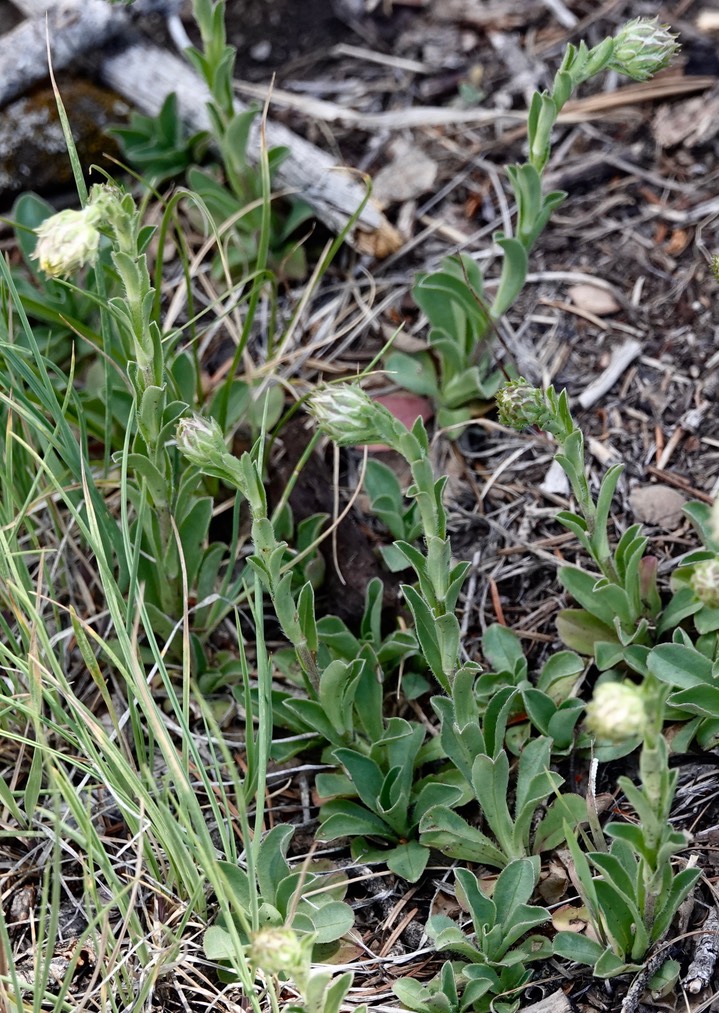
This species was first described by Edward Lee Greene in 1906 from a specimen collected by O. B. Metcalfe at Sawyers Peak on September 30, 1904.
Toxicodendron rydbergii
Poison Ivy
Lower Gallinas Trail
Black Range
New Mexico
May
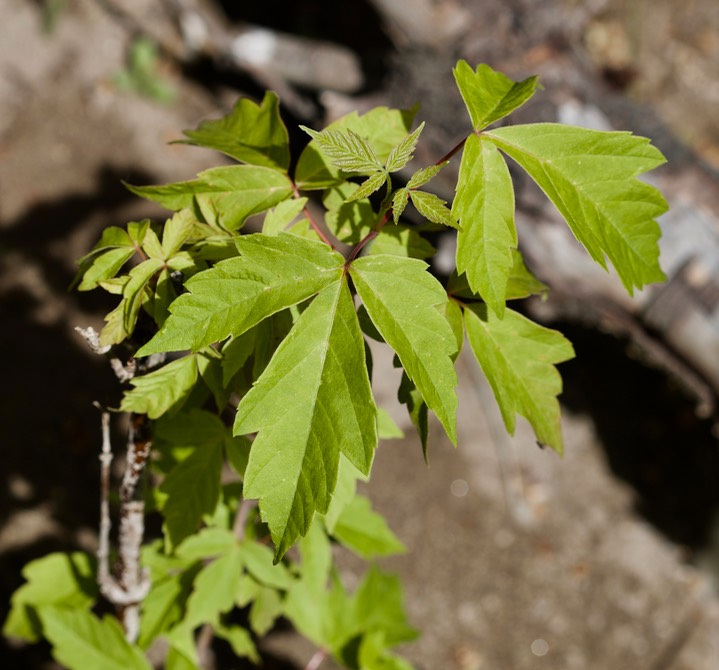
Tradescantia pinetorum
Pine Spiderwort,
Railroad Canyon
Black Range
New Mexico
August
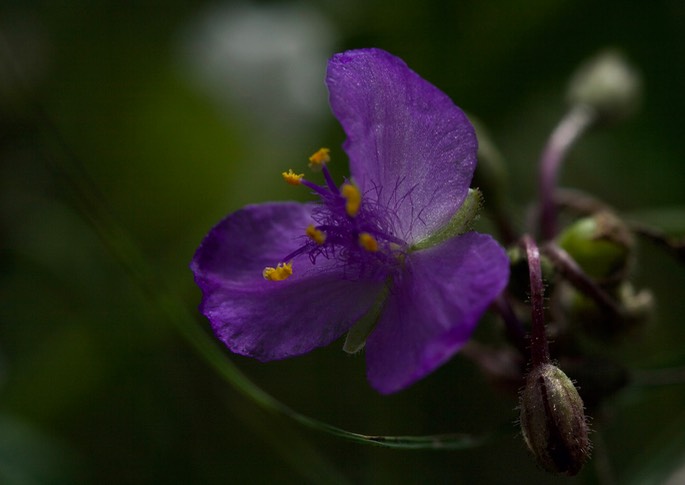
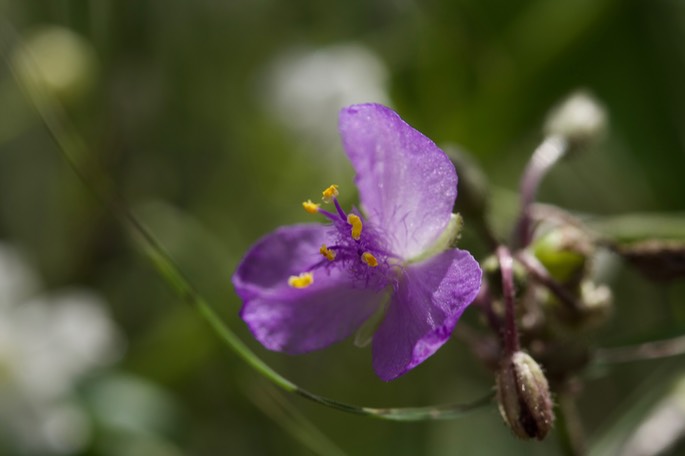
Tradescantia pinetorum, Pine Spiderwort, is one of two Tradescantia typically found in the Black Range, the other being T. occidentalis. T. tuberosa (Edward Lee Green, 1881) and Aneilema pinetorum are scientific synonyms for this species. This species is found in Arizona, New Mexico, Chihuahua, Durango, and Sonora.
Tragopogon dubius
Yellow Salsify
Sawyers Peak Trail
Black Range
New Mexico
June
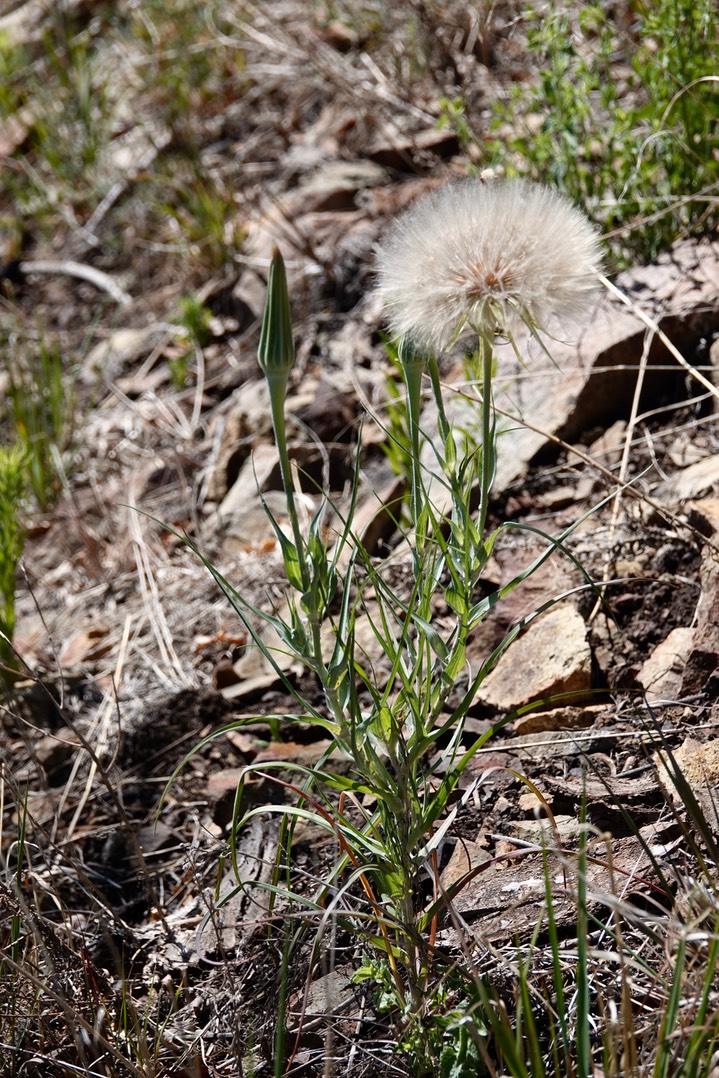
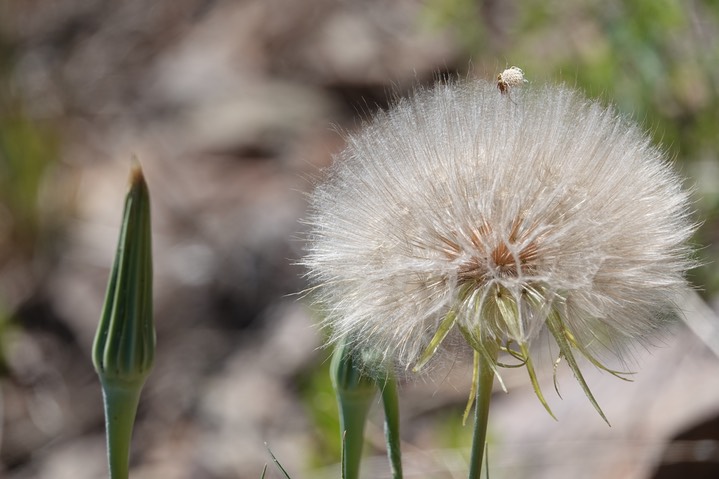
Yellow Salsify is not native to North America but as it is naturalized in much of the United States, however, there are some Tragopogon species which are native to the Americas.
Tribulus terrestris
Goathead
Hillsboro
New Mexico
August
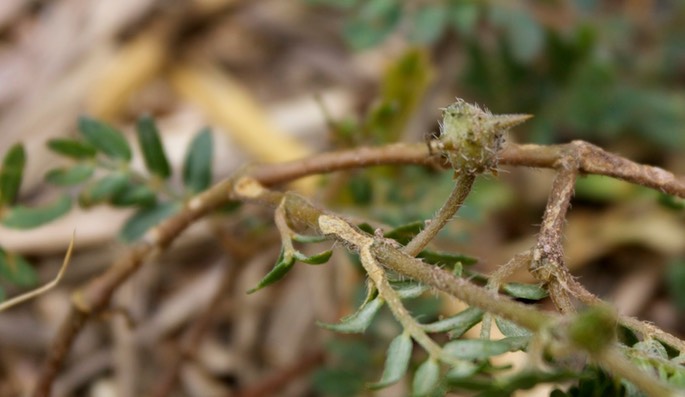
When I was a boy growing up near Dexter, New Mexico in the southeastern part of the state, I knew about Goatheads. After all, I had a bicycle and goatheads were the reason that I spent so much time patching the inner tubes of the tires; that I spent so many hours carefully pouring milk through the stem valve into the inner tube so that it could curdle and “self-heal” some of the wounds created by the dreaded beasts; and most of all, goatheads were one of the many dangers awaiting dirty young feet - even when they had been hardened by months of avoiding shoes. Yes, I know about goatheads. However, I admit that at that young age there were many things I did not know about them.
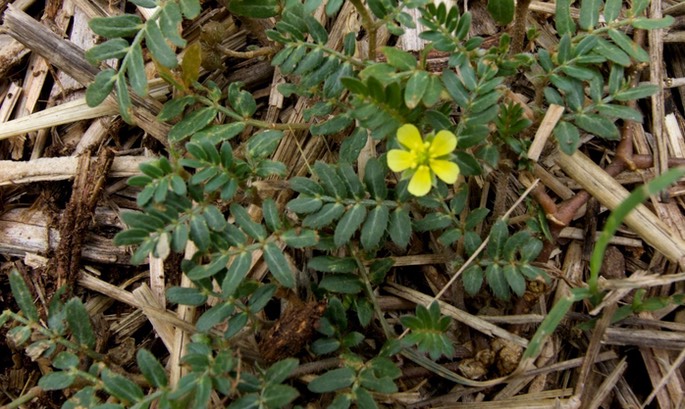
Goatheads (Tribulus terrestris) are also called Puncture Vine and many other appropriate names - like “Devil’s Weed”. There are a number of scientific synonyms for this species.
Tribulus terrestris has a fruit with many sharp points, a schizocarp, which can puncture bike tires, feet, and many other things of value. It is an annual which reproduces well, biological controls, typically weevils, are used to limit the reproduction of the species. Each schizocarp encloses several seeds. The weevils bore into the schizocarp (before it splits apart) and eats the seeds.
One thing I did not appreciate in my youth is that how many of my brethren were sharing my agonies. Tribulus terrestris, is an exotic plant, being introduced from many other places in the world. Its range is widespread in the United States and Canada. Linnaeus first described the species in 1753.
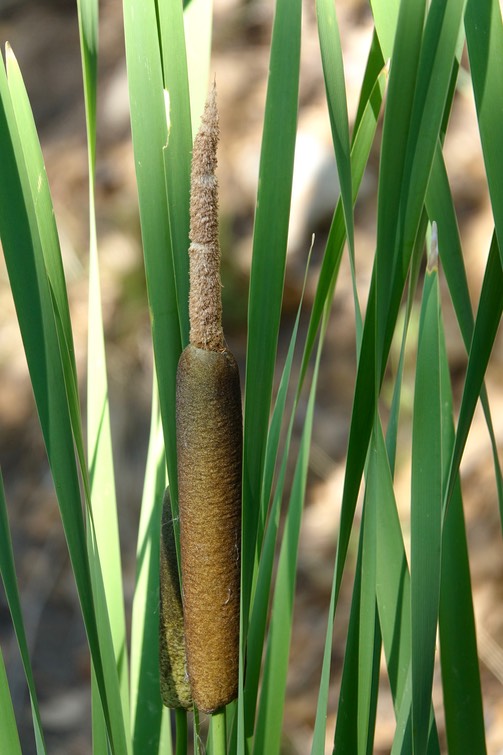
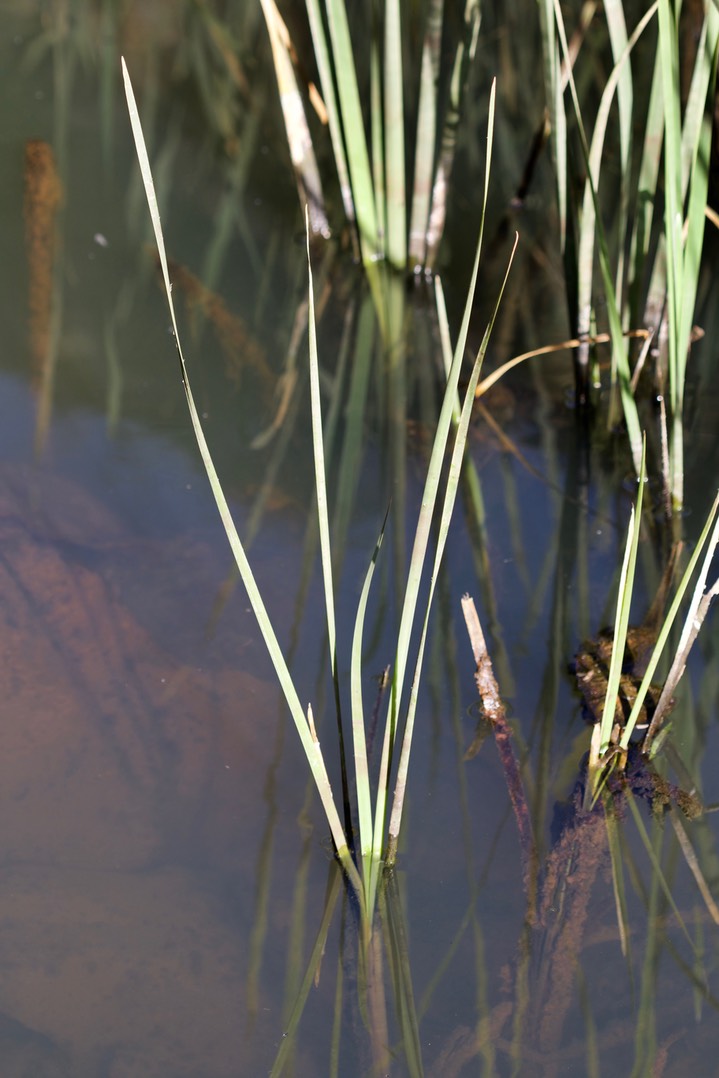
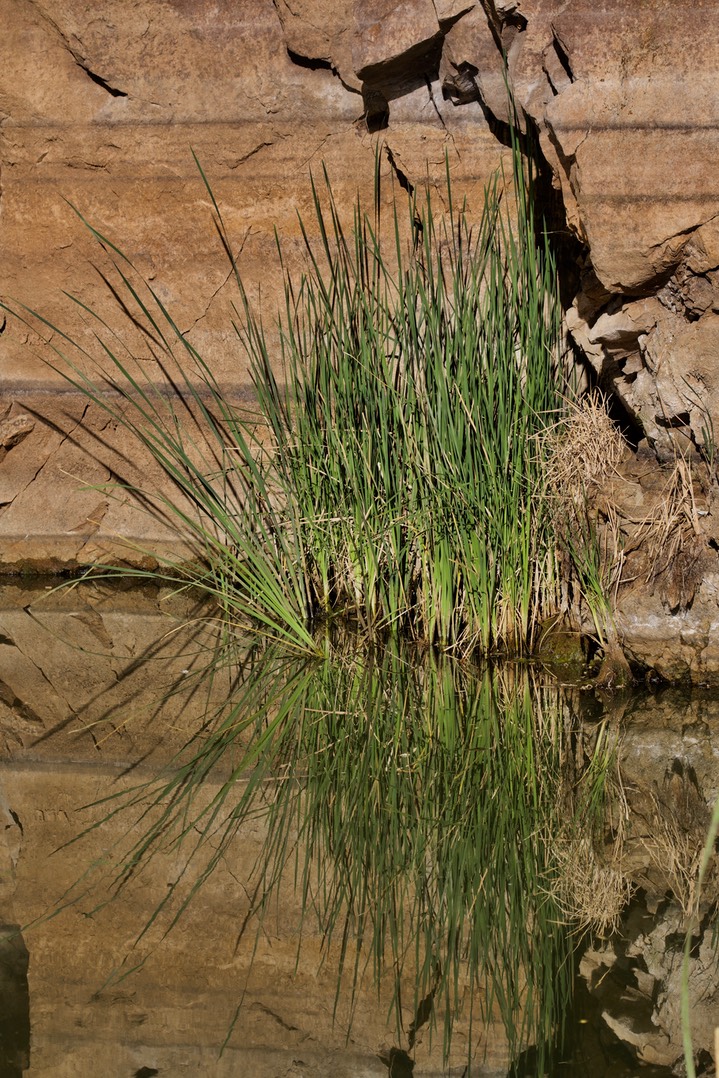
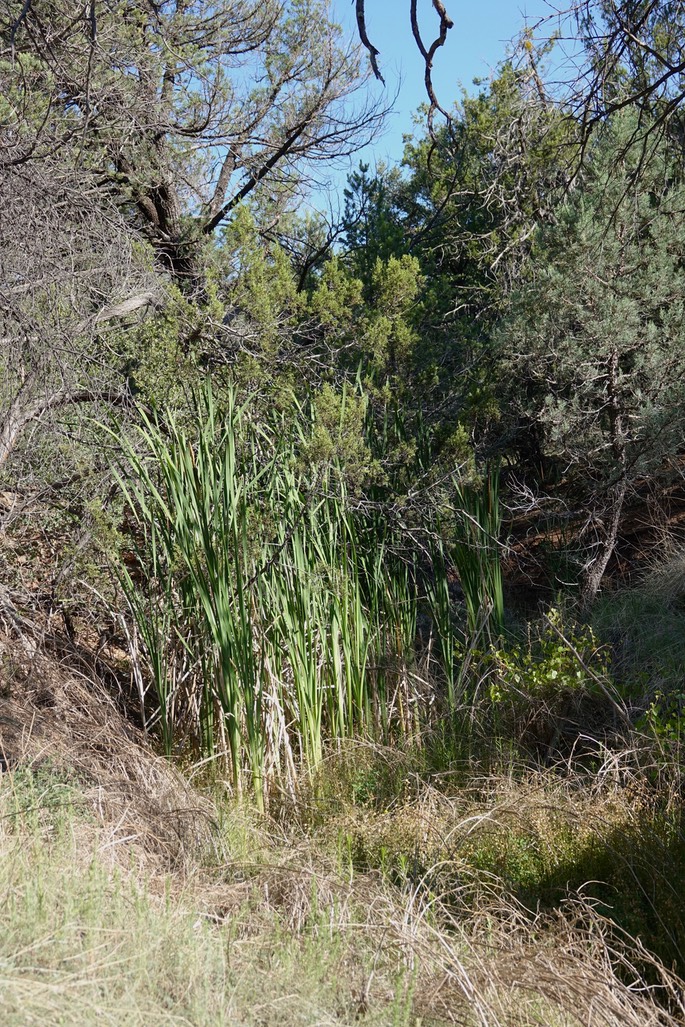
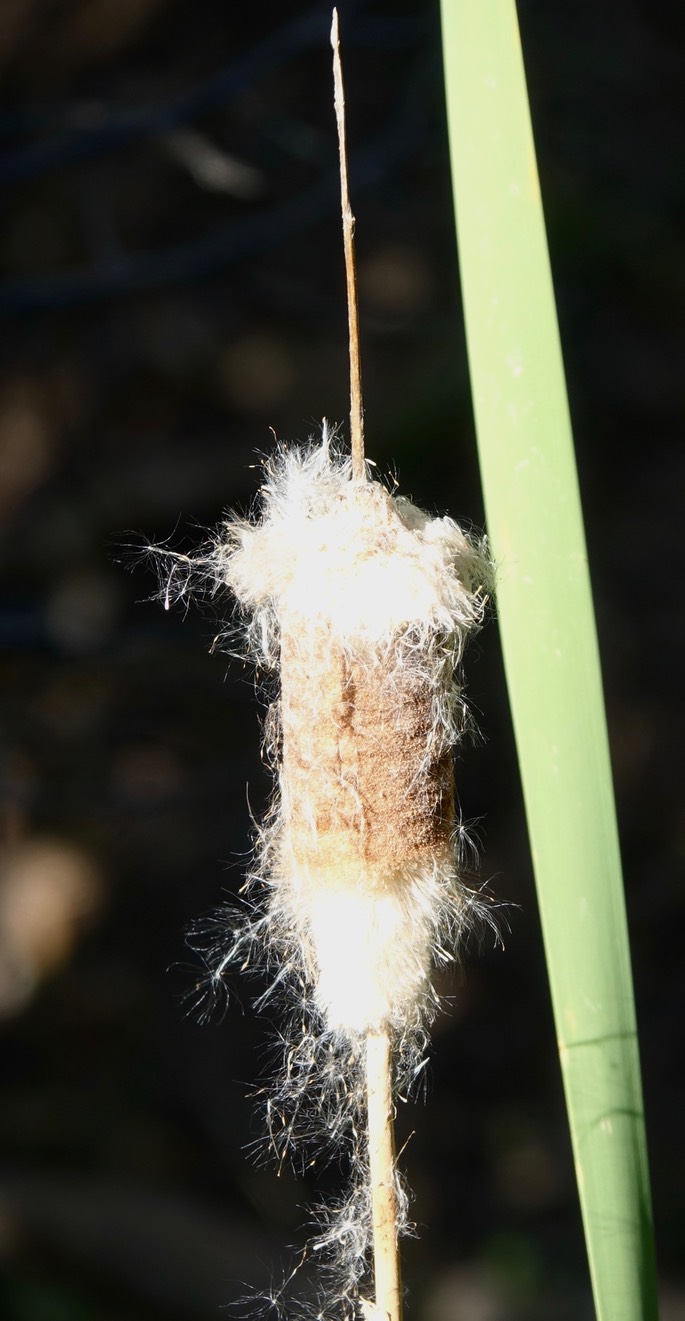
Typha latifolia
Broad-leaved Cattail
Bloodgood Spring
South of Kingston
& east of Hillsboro
Black Range
New Mexico
July