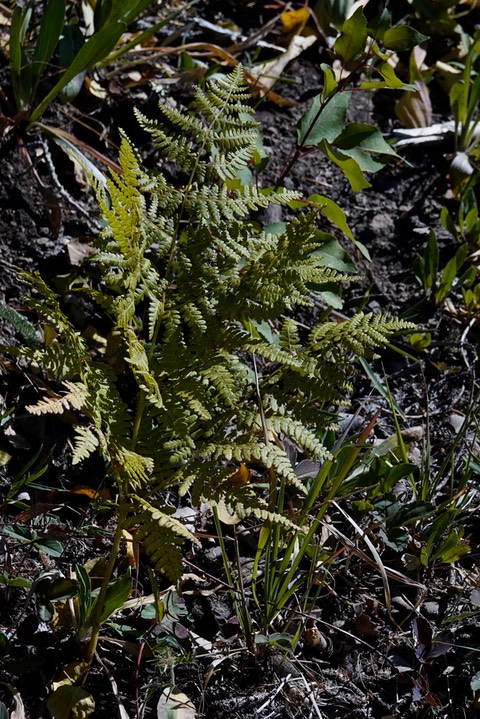
Parthenium incannum
Mariola
Warm Springs Wash, NE of Hillsboro, NM
Late August
The “FLORA" of the Black Range
“P"
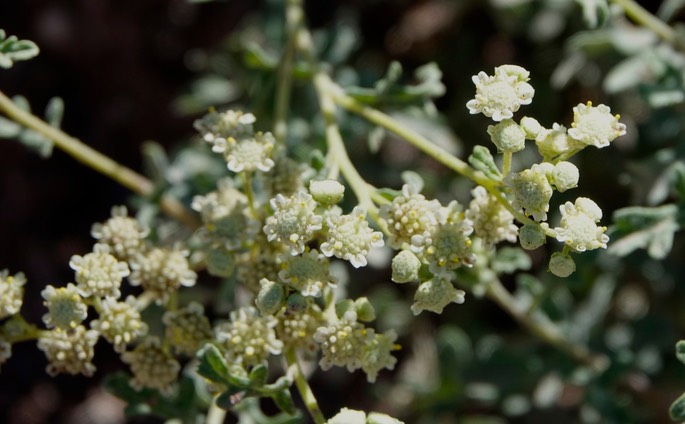
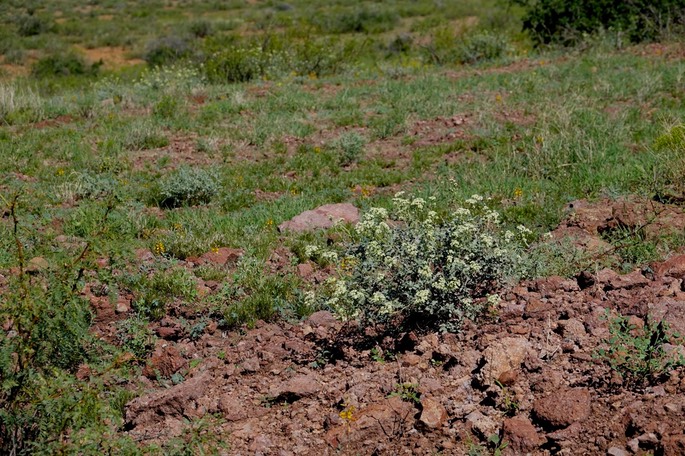
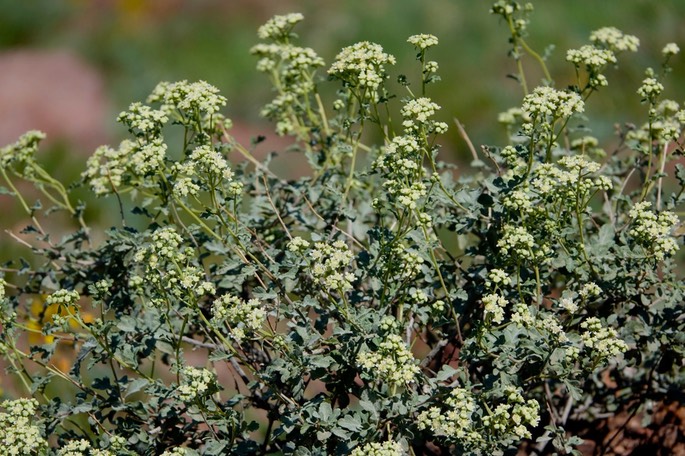
Parthenium incannum
Mariola
Warm Springs Wash, NE of Hillsboro, NM
Late August
Parthenium incanum was first described by Carl Sigismund Kunth in 1818. It is found in the inland Southwest of the United States and ranges southward to Southwestern Mexico.
The initial publication of the species description was made in Volume 4 (page 391) of Nova Genera et Species Plantarum.
The Native American Ethnobotany Data Base notes that the fresh leaves of this plant were used by the Mescalero and Chiricahua Apache as a drink. The leaves were boiled in water.
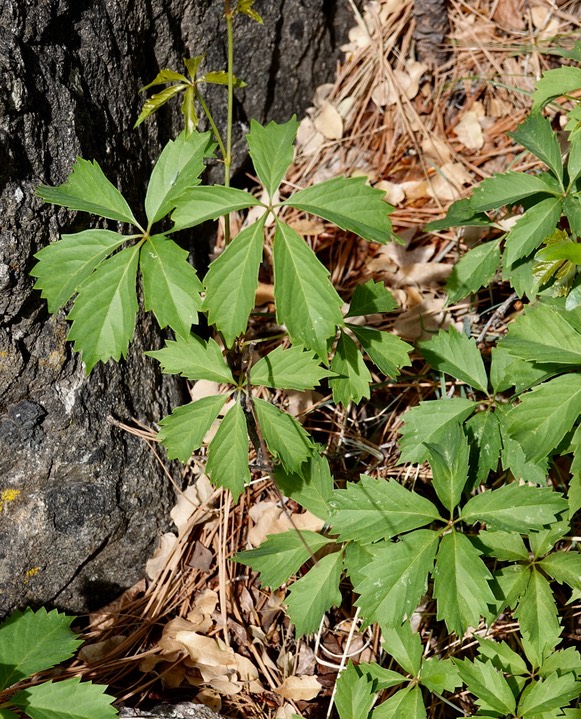
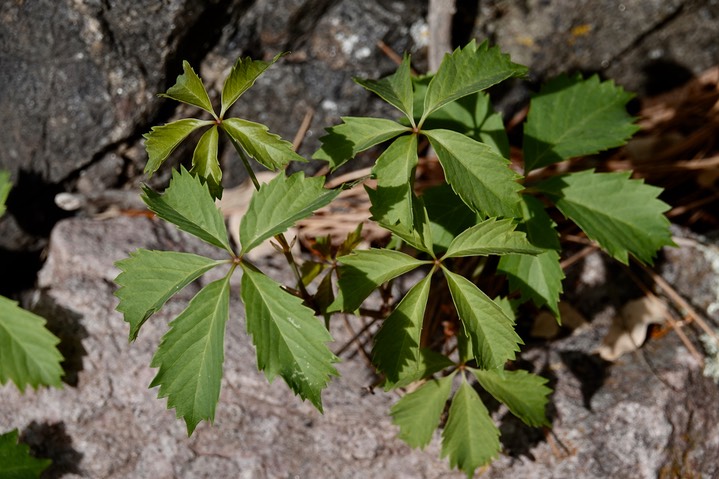
Parthenocissus vitacea
Virginia Creeper
Lower Gallinas Trail, Black Range, New Mexico
May
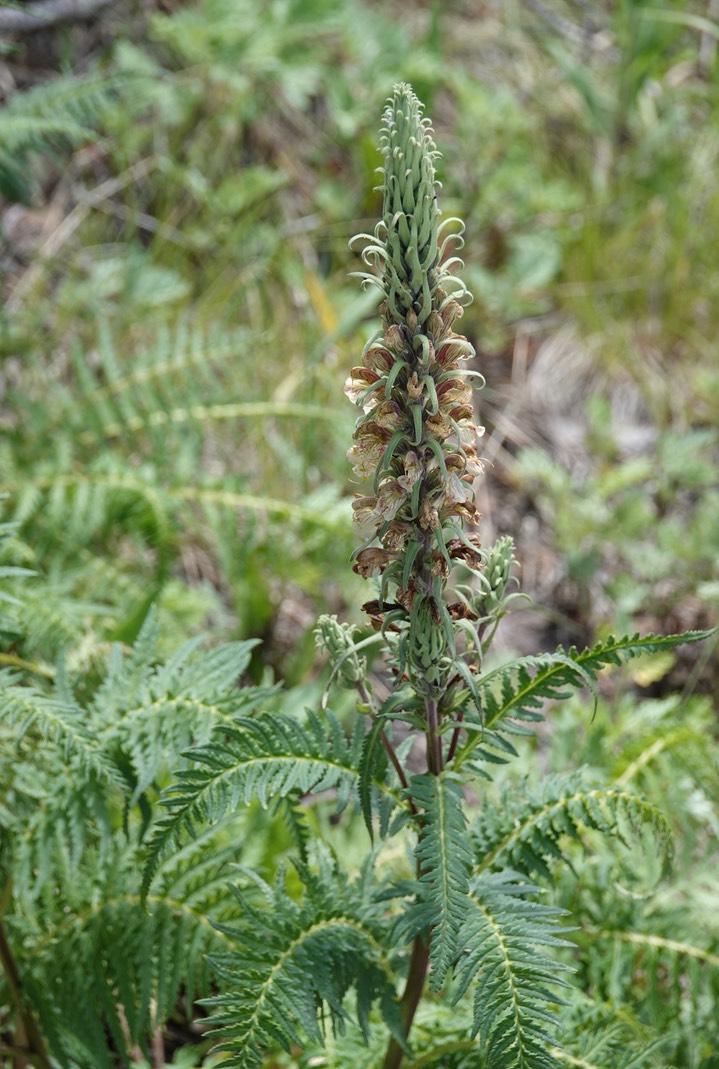
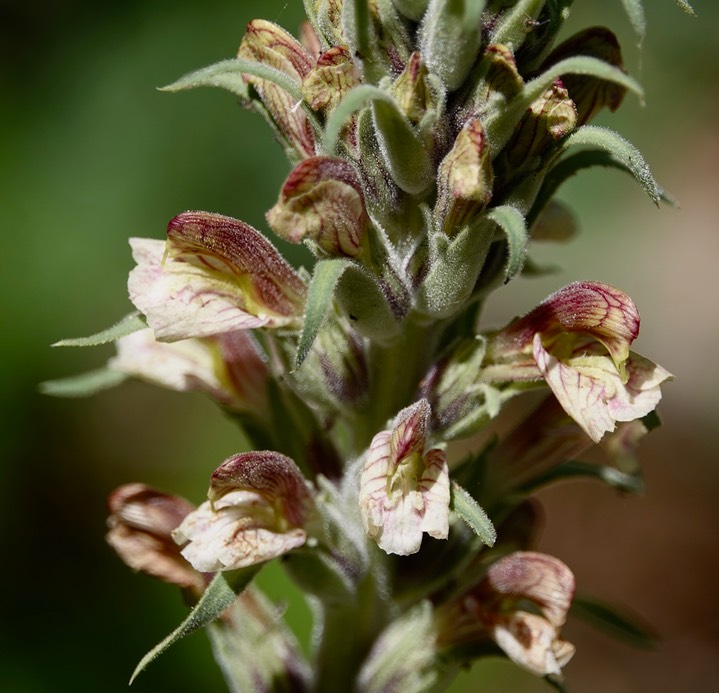
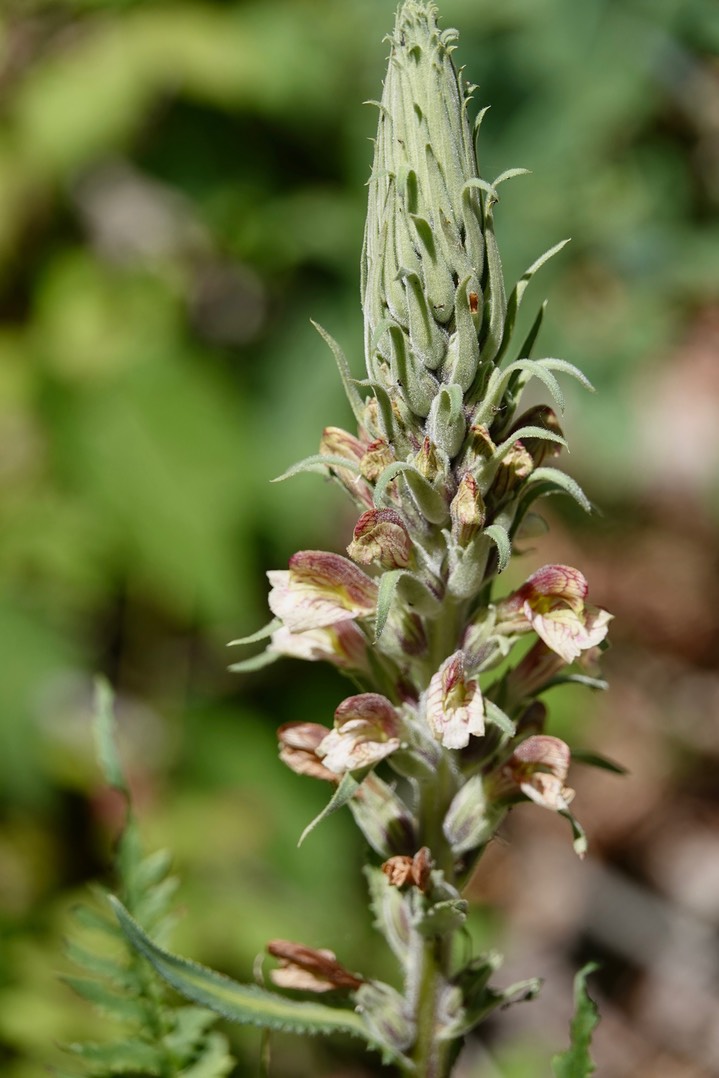
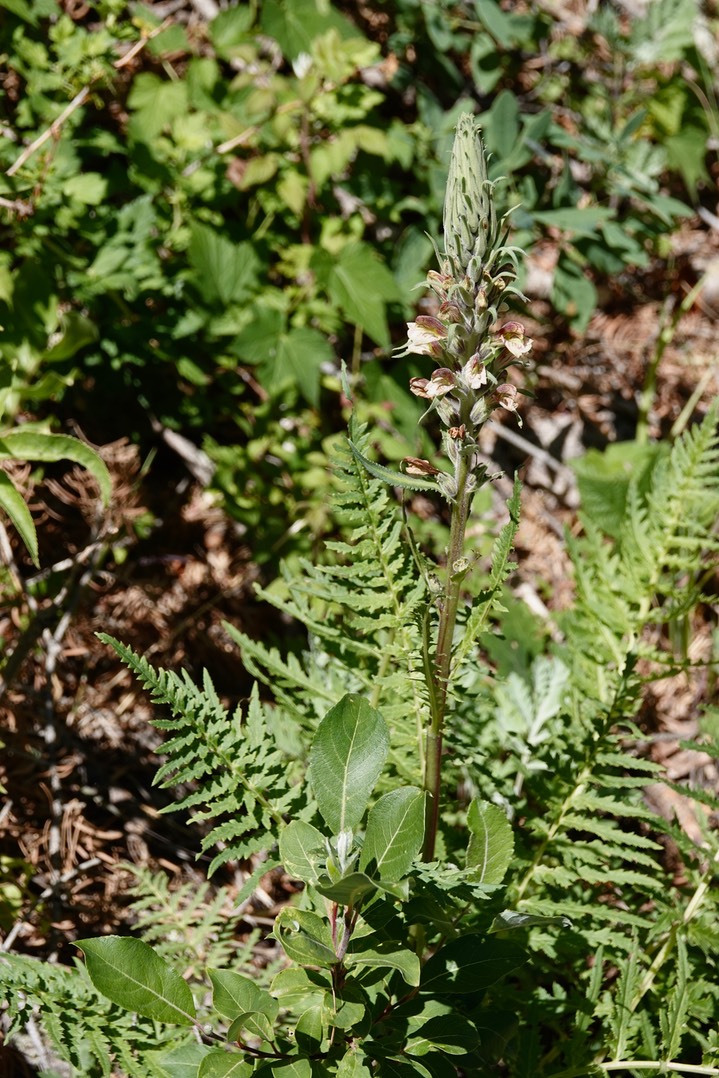
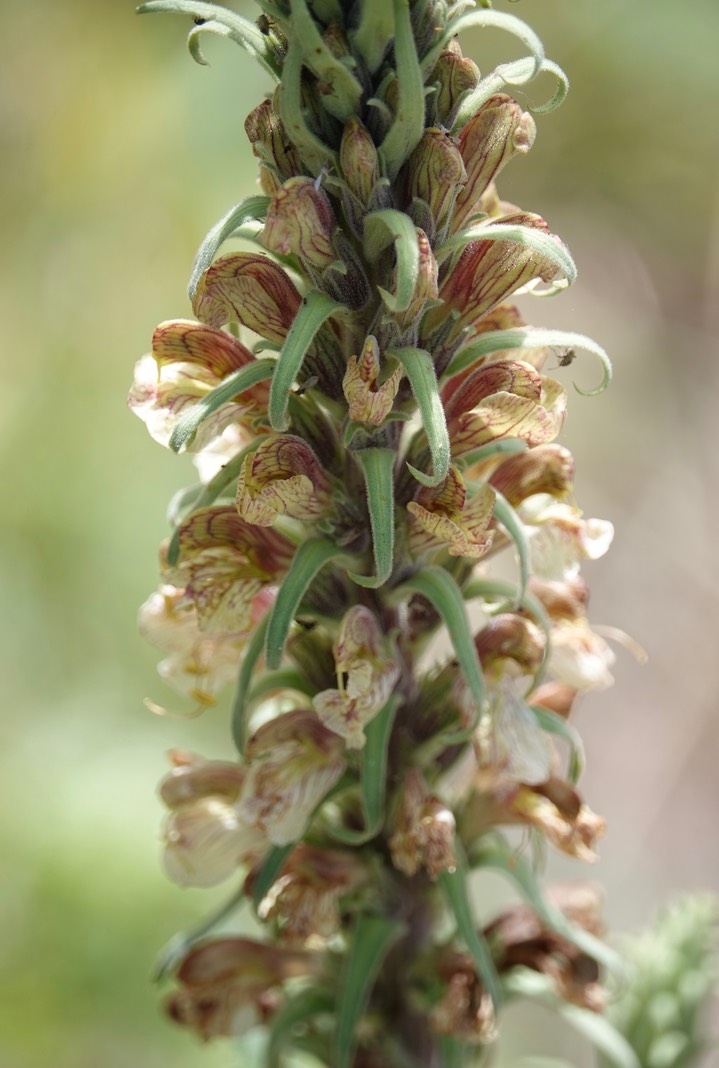
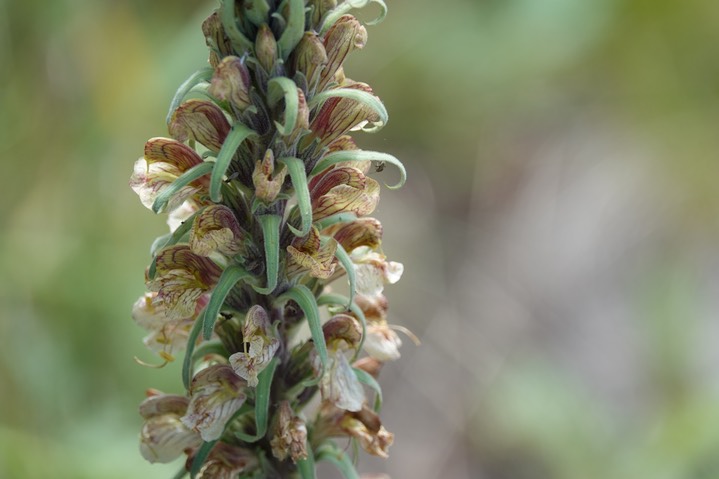
Pedicularis procera
Fernleaf Lousewort
Hillsboro Peak Trail, Black Range, New Mexico
July
Pella truncata
Spiny Cliff Brake
Butterfield Trail (Massacre Peak Trail, Cooke’s Spring Pass)
South of Cooke’s Peak
New Mexico
February
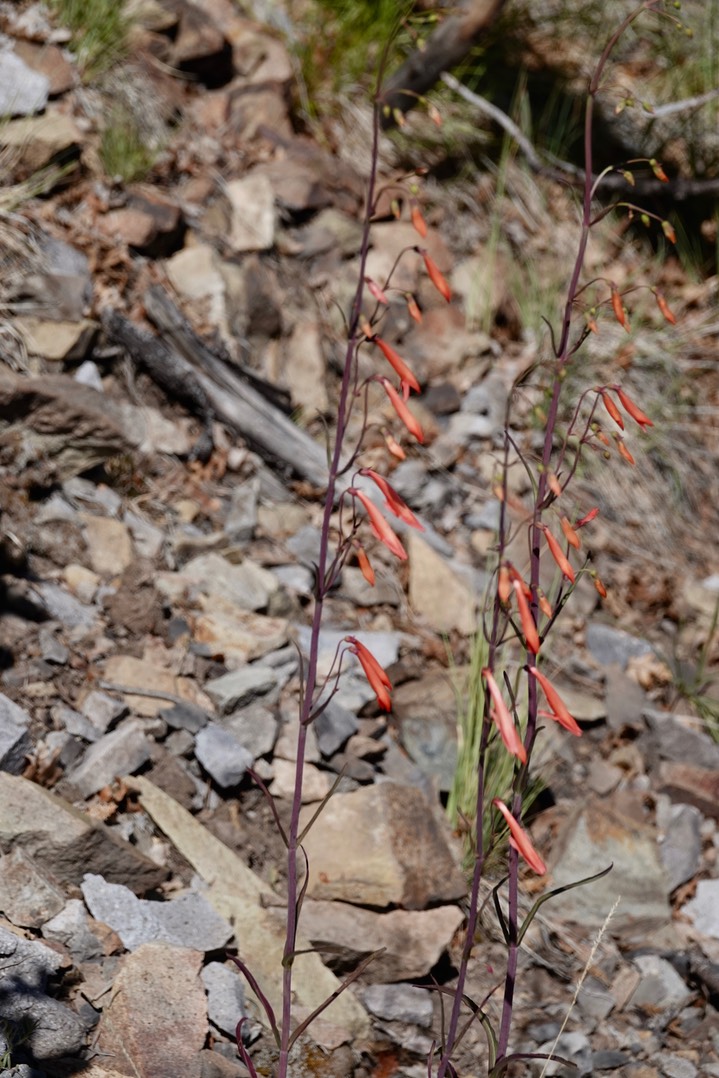
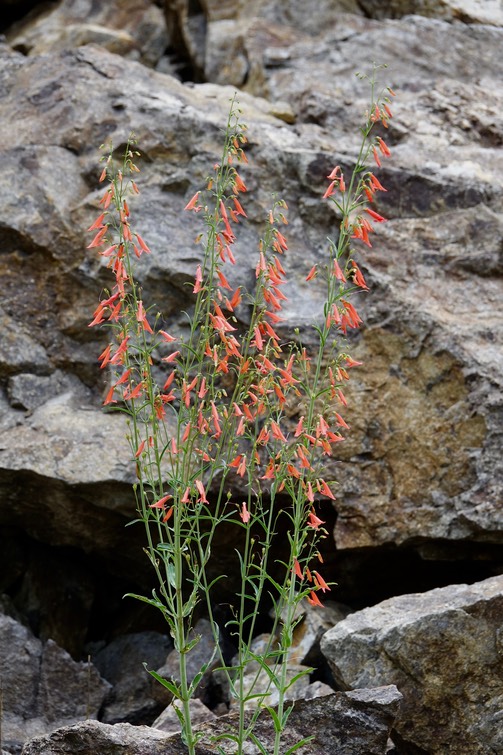
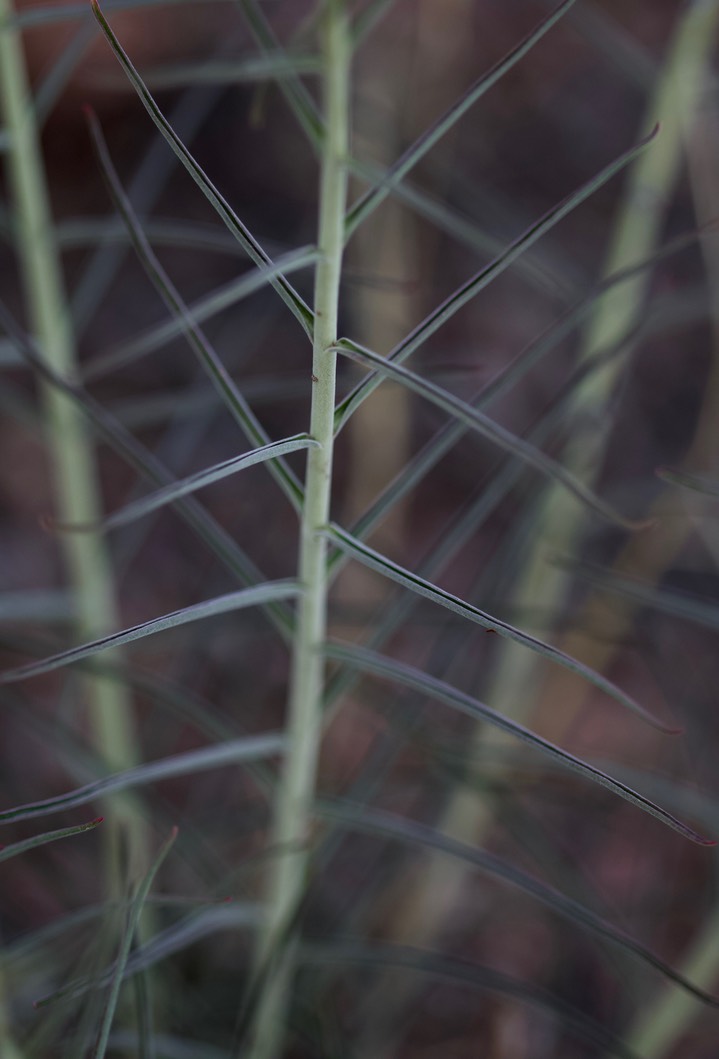
Penstemon barbatus barbatus
Scarlet Penstemon
Railroad Canyon
Black Range
New Mexico
July
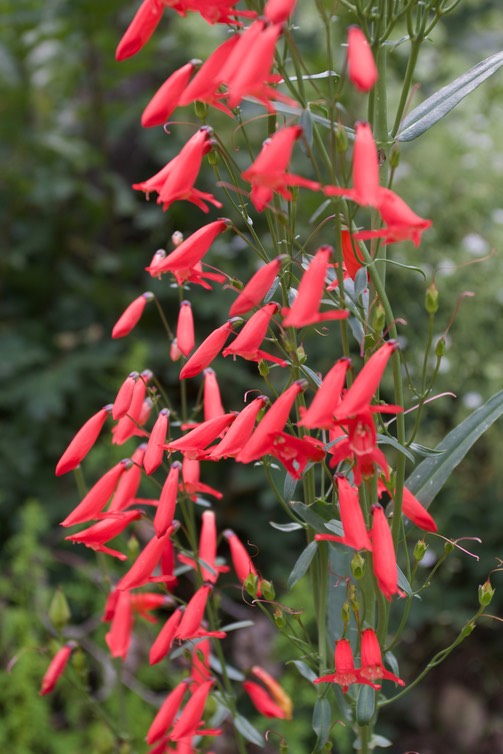
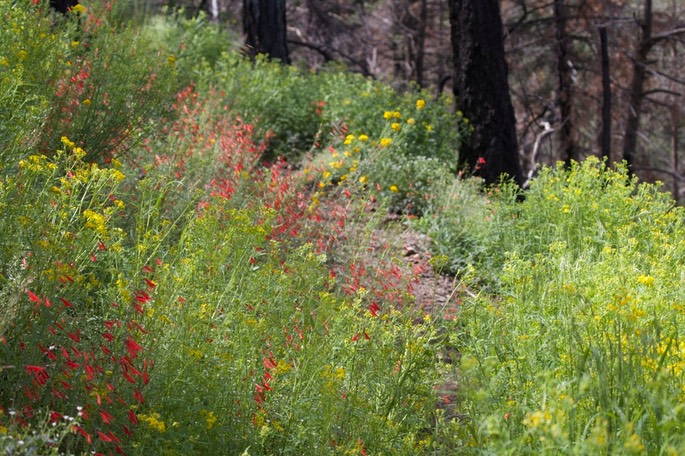
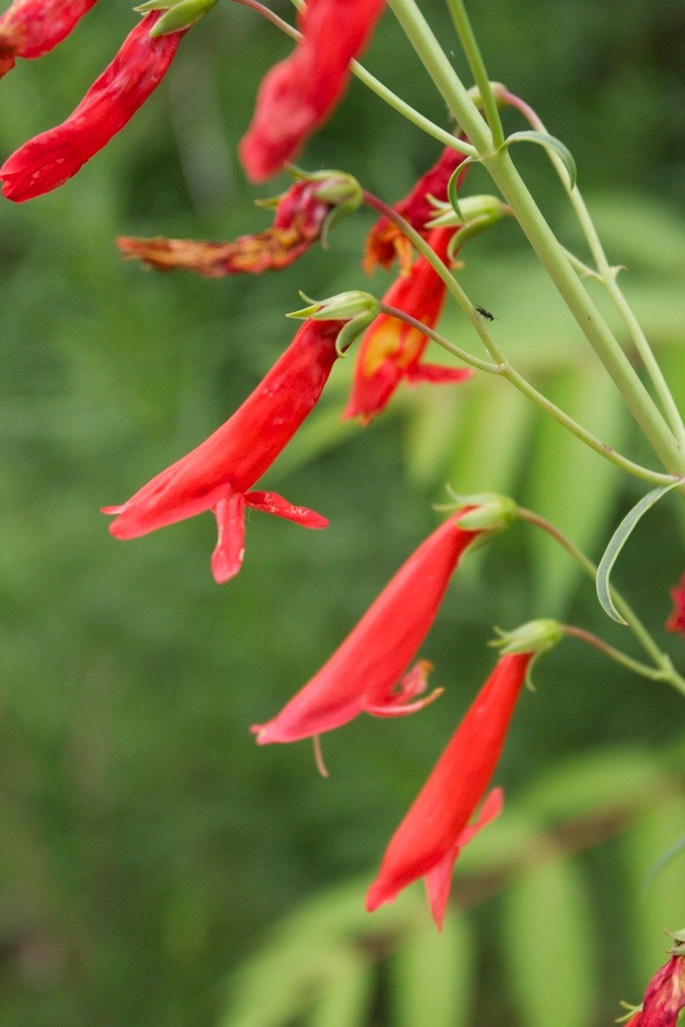
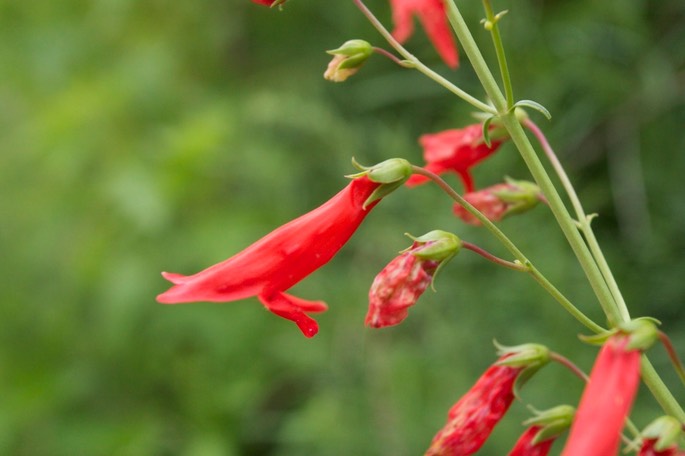
This is the species of Penstemon most commonly seen as one drives across the Black Range on NM-152. It is not a rare plant. It is a beautiful plant and when it is in mass it can be breathtaking. It is also known as the Southwestern Beardtongue and/or Scarlet Bugler. Here and northward into southern Colorado this plant is referred to as Varita de San Jose (St. Joseph's Staff). Rufous Hummingbirds migrate south at the same time that this species reaches the height of its blooming and they actively feed and pollinate, indeed, we have seen a number of hummers (including some Broad-tailed Hummingbirds) working the stands of Scarlet Penstemon along the Sawyer Peak trail.
The USDA recognizes three subspecies of Penstemon barbatus; P. b. barbatus, P. b. trichander (both with a common name of Beardlip Penstemon), and P. b. torreyi (Torrey’s Penstemon or Torrey’s Beardtongue). Vascular Plants of the Gila Wilderness lists the nominate form and P. b. torreyi in this area. P. b. torreyi was once considered a full species and P. b. barbatus was once described as P. b. puberulus.
Penstemon barbatus was first described by Antonio José Cavanilles who described it from specimens received from the new world. He never left Europe.
Penstemon barbatus torreyi
Scarlet Penstemon
Railroad Canyon, Sawyer Peak Trail, Rattlesnake Mine
Black Range
New Mexico
July
See P. b. barbatus for information.
Penstemon fendleri
Fendler Penstemon
East of Hillsboro
Black Range
New Mexico
March
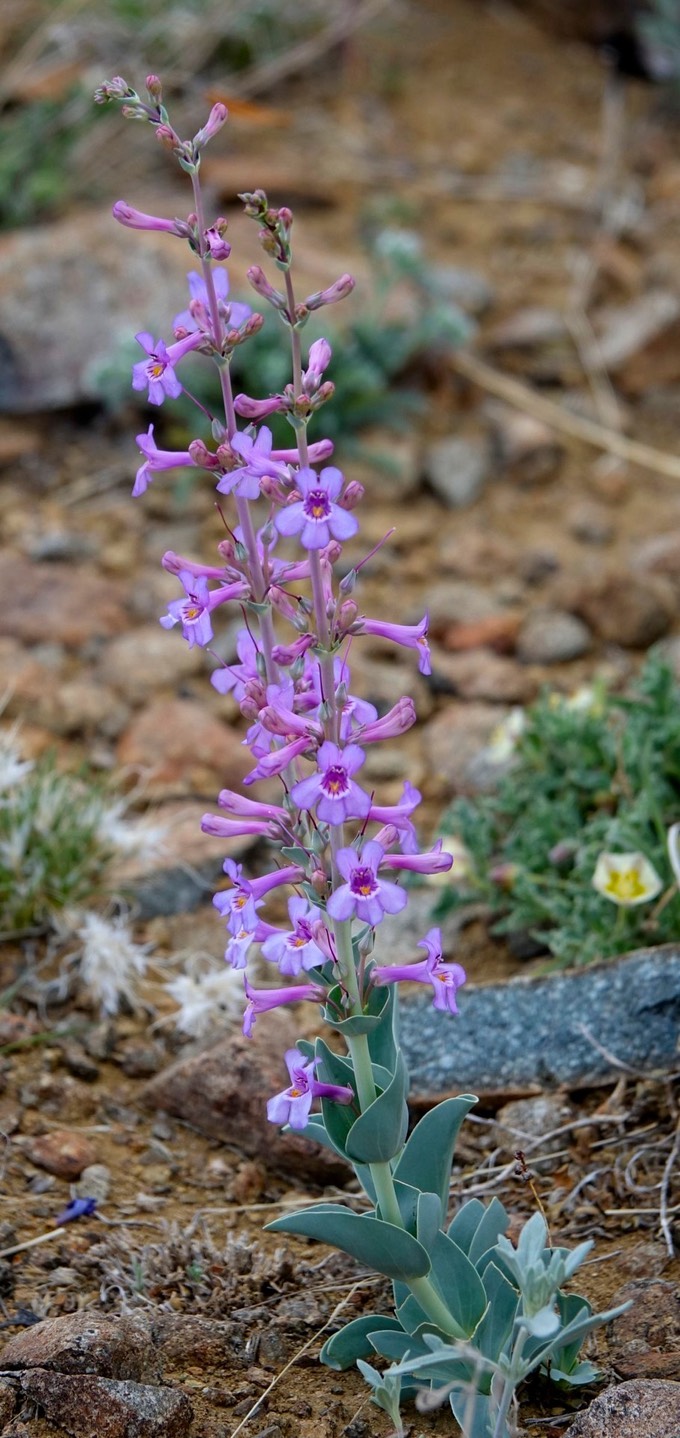
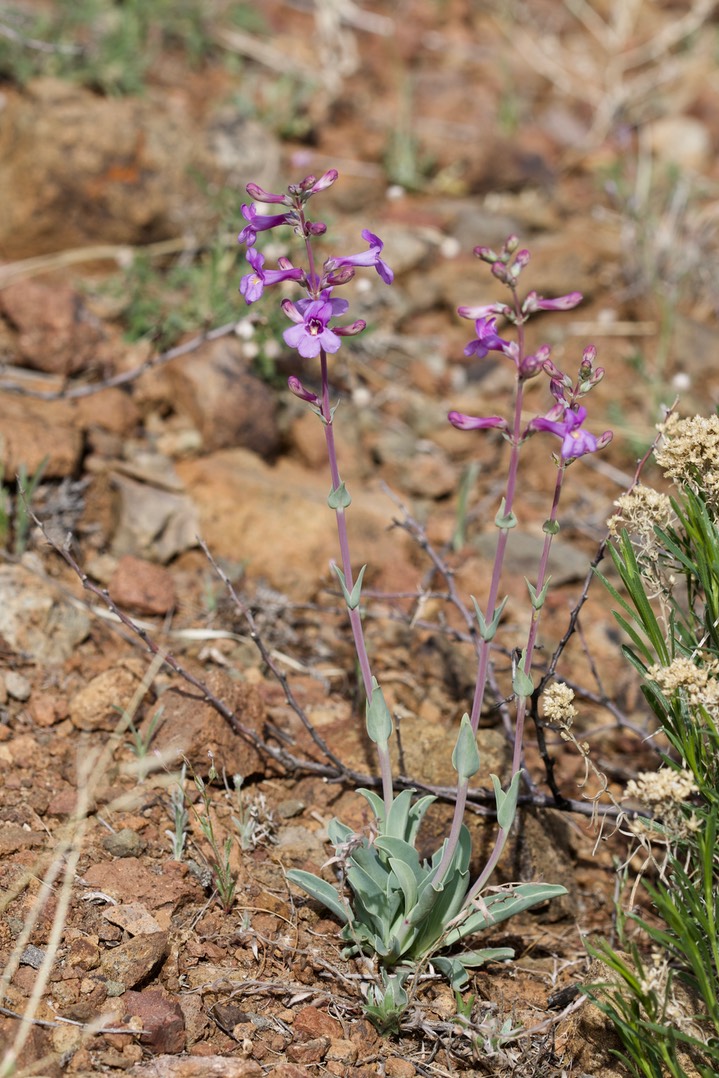
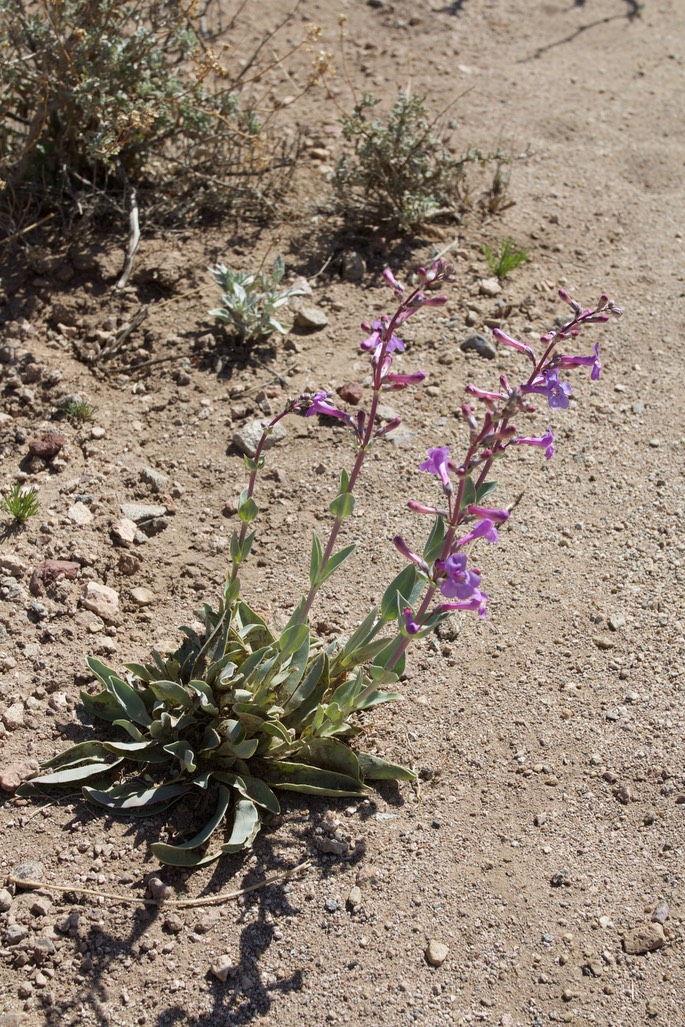
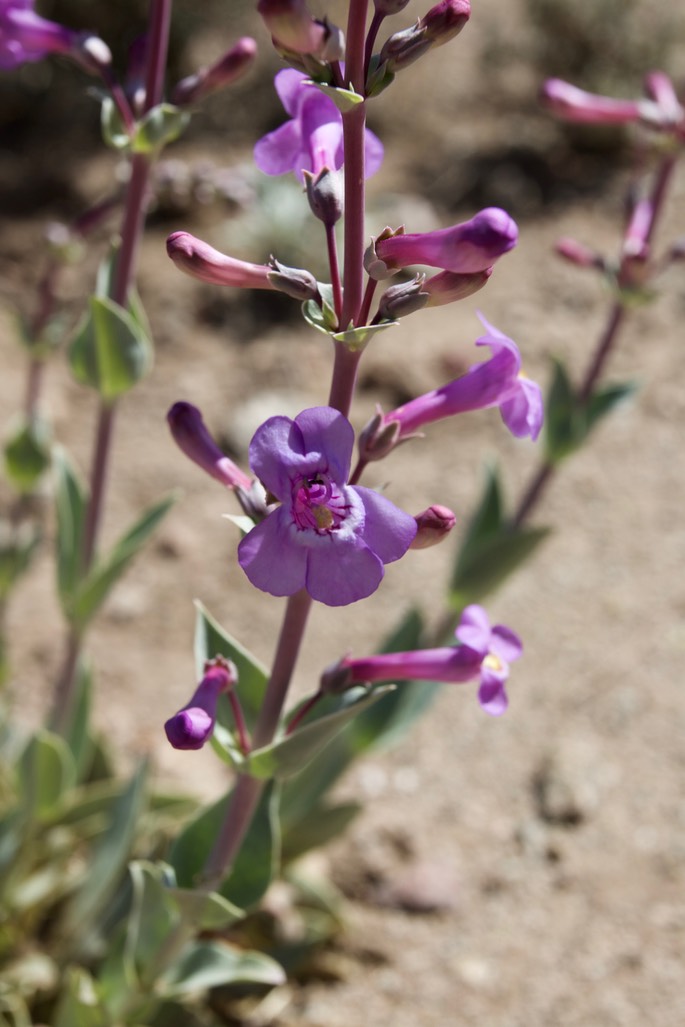
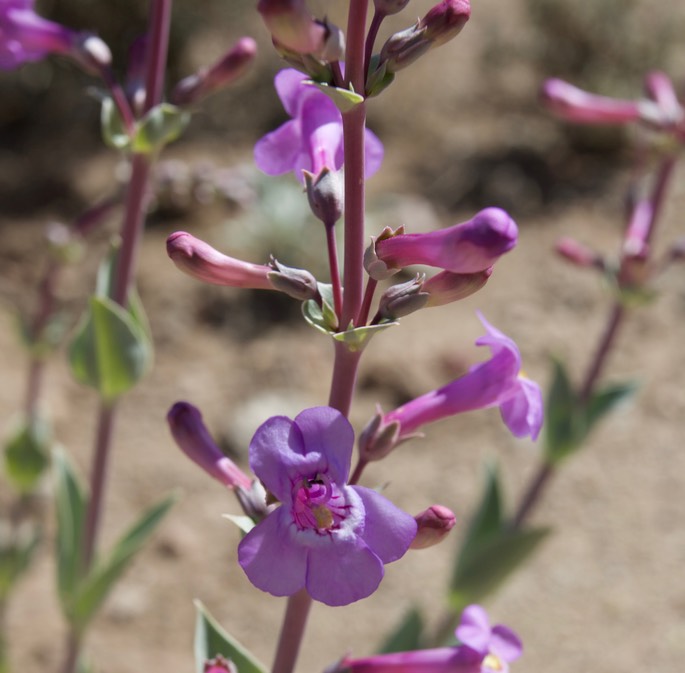
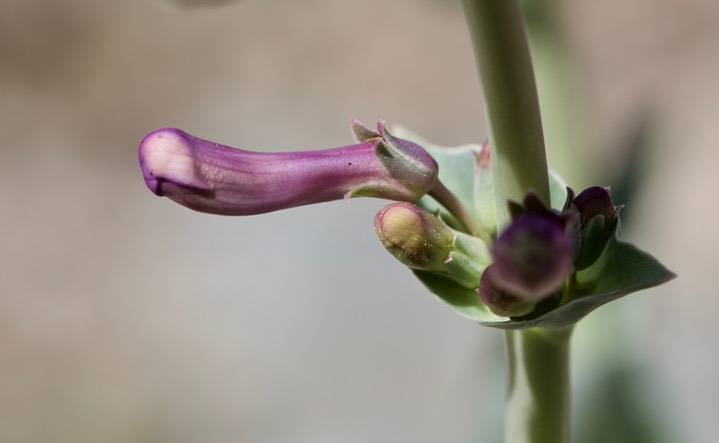
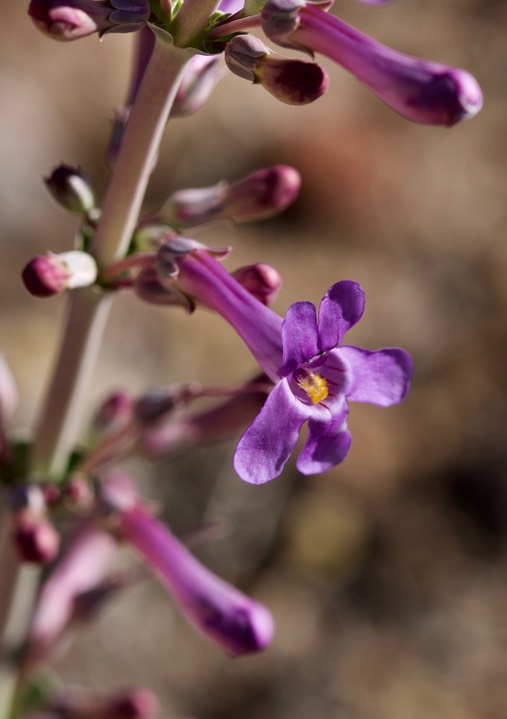
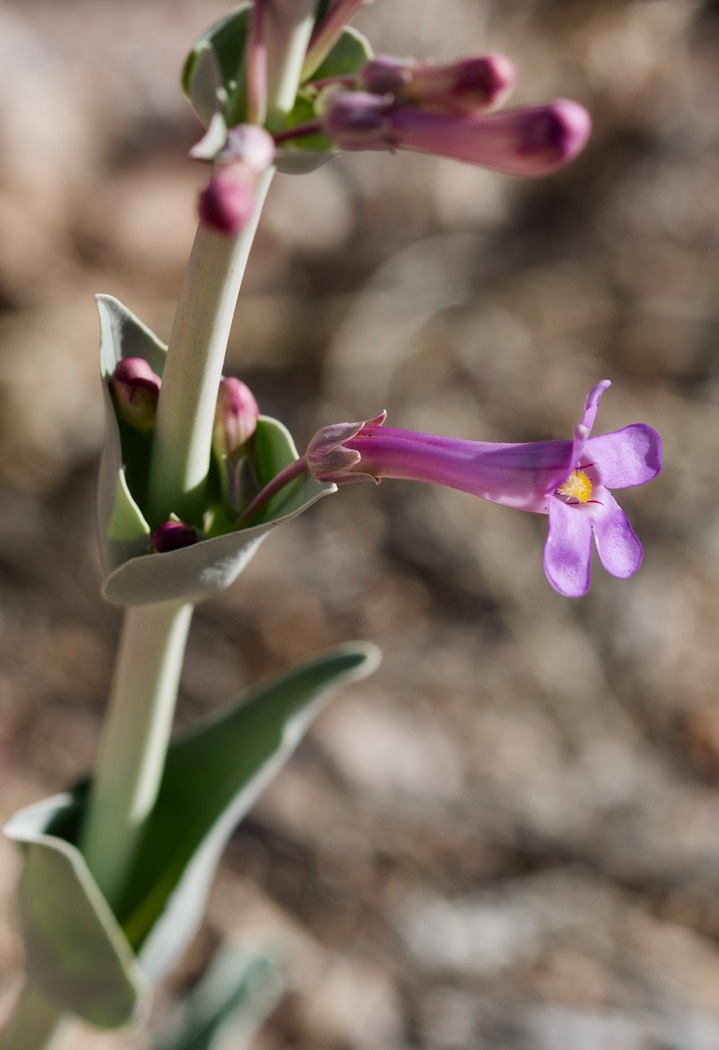
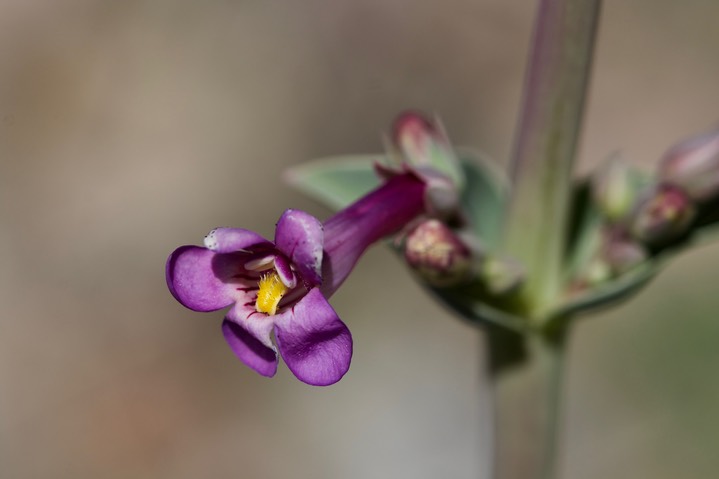
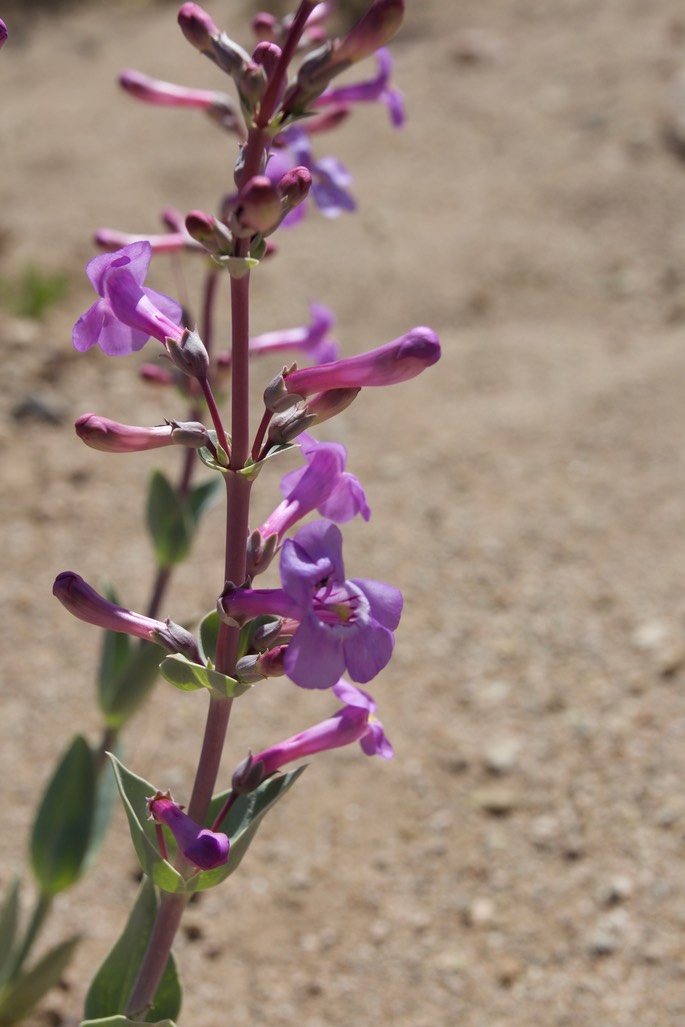
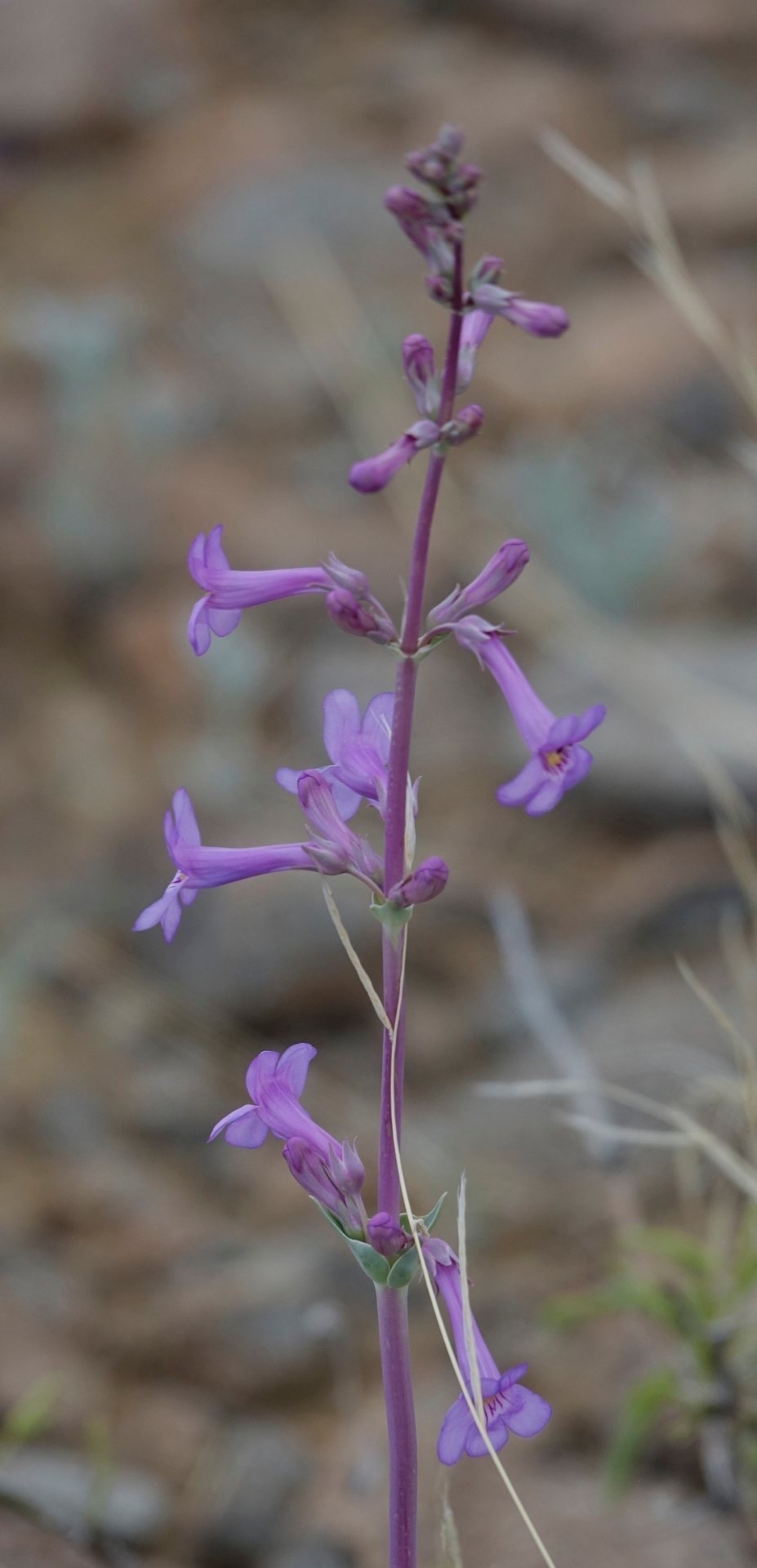
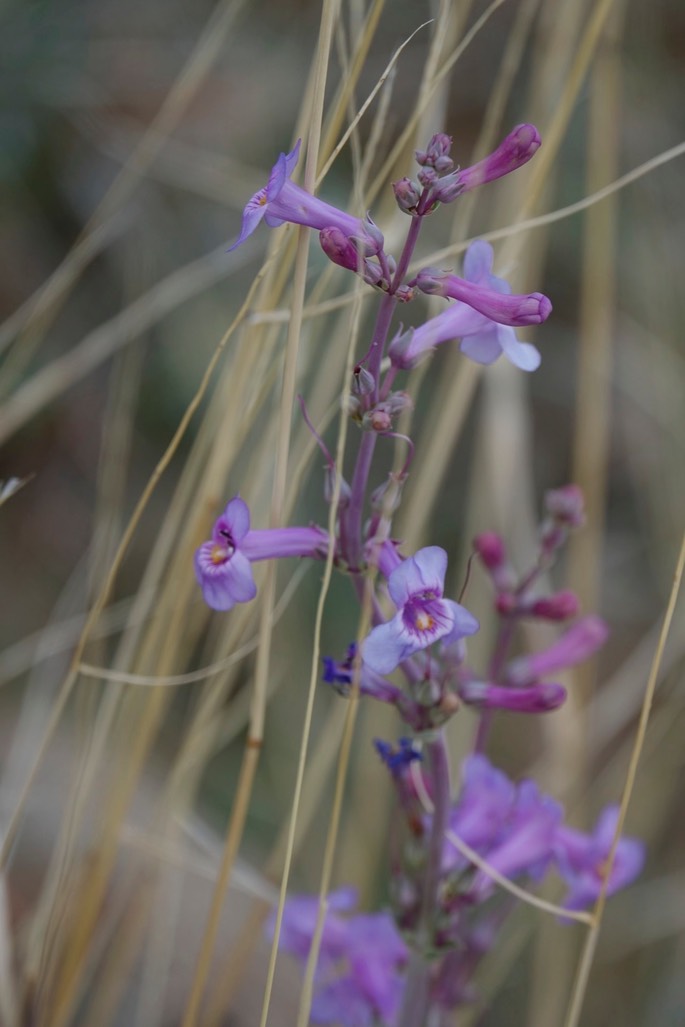
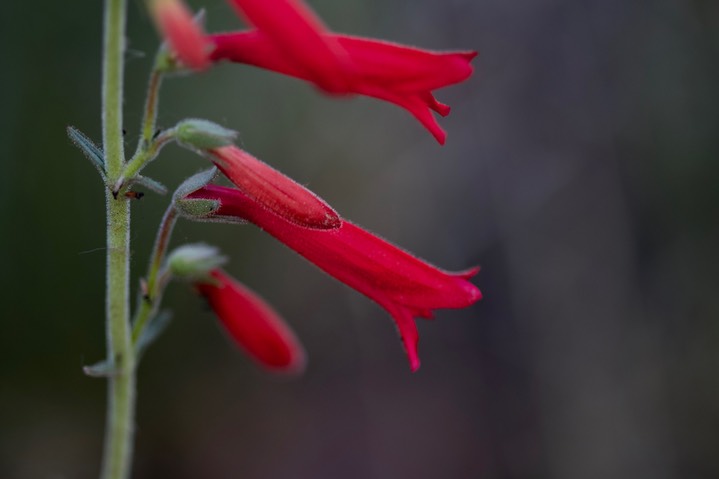
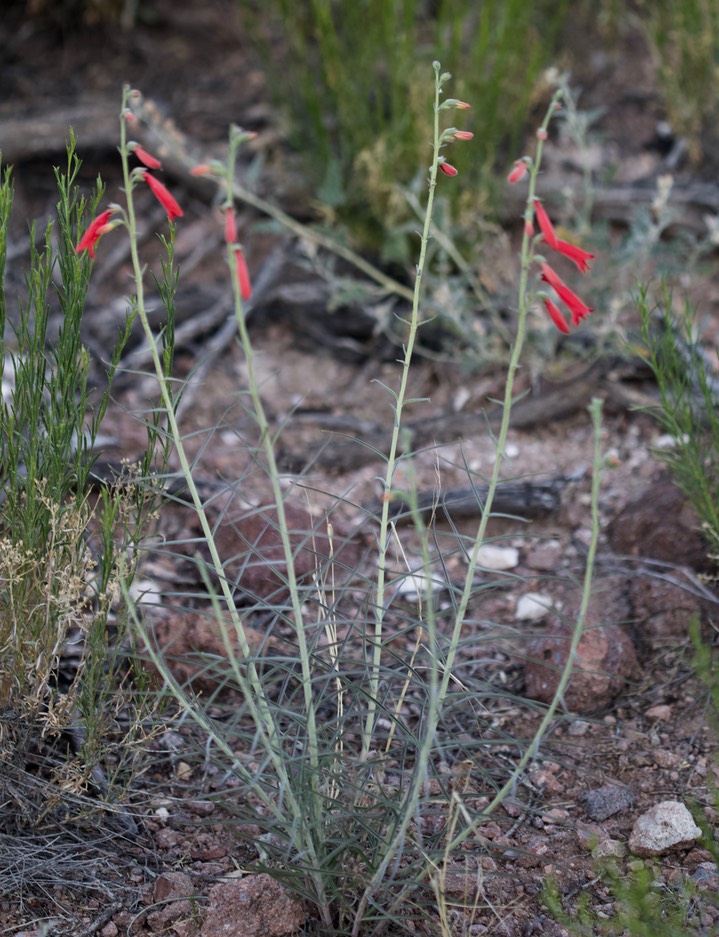
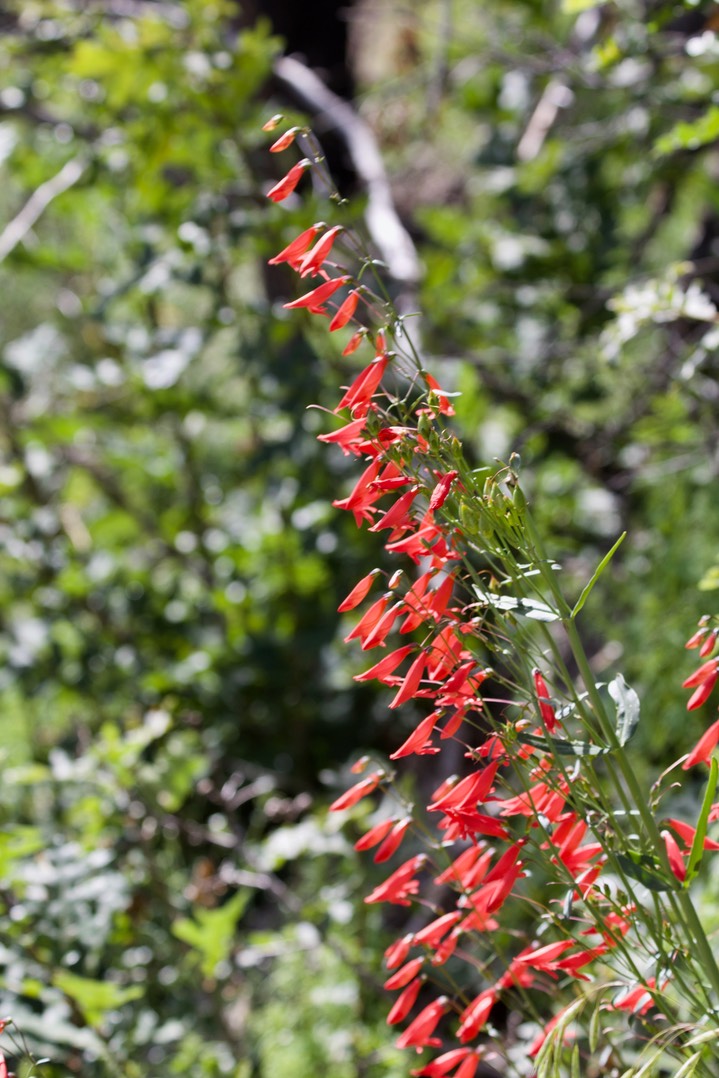
Within the United States Fendler Penstemon is found in southeastern Arizona, New Mexico, southern Colorado, and in western Kansas, Oklahoma, and Texas. Within Mexico, its range appears to be limited to the states of Chihuahua and Coahuila.
Fendler Penstemon is also known by a number of other English Common Names, including: Fendler’s Penstemon, Fendler’s Beardtongue, Fendler Beardtongue, and Purple Foxglove.
This species was first described by John Torrey and Asa Gray in the Reports of explorations and surveys: to ascertain the most practicable and economical route for a railroad from the Mississippi River to the Pacific Ocean, made under the direction of the Secretary of War (1857).
Southwest Biodiversity provides more than 200 specimen sheets for this species.
Penstemon (ramosus) lanceolatus
East of Hillsboro
Black Range
New Mexico
August
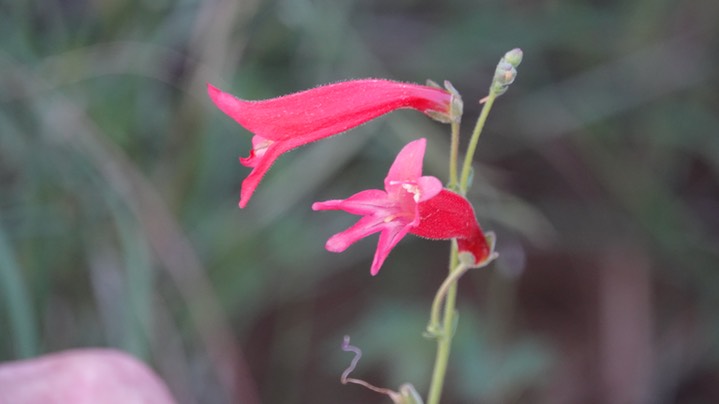
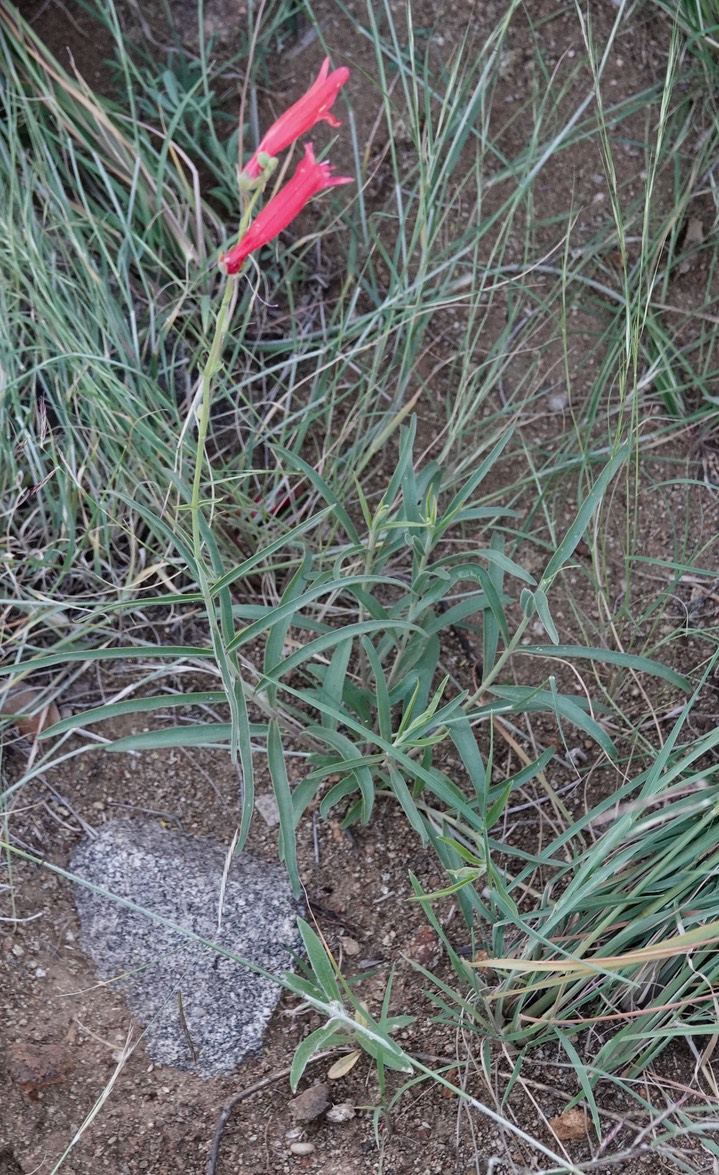
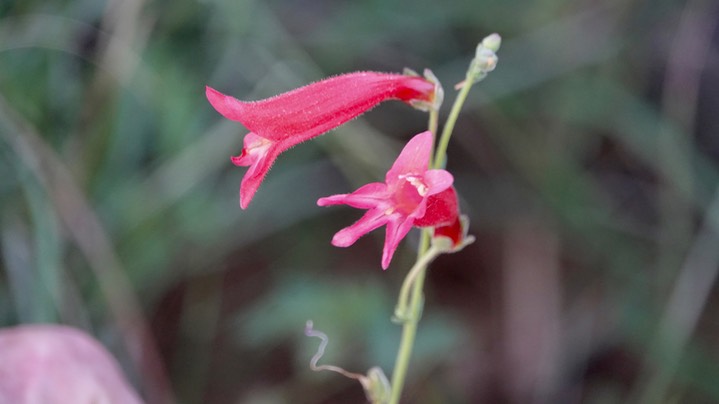
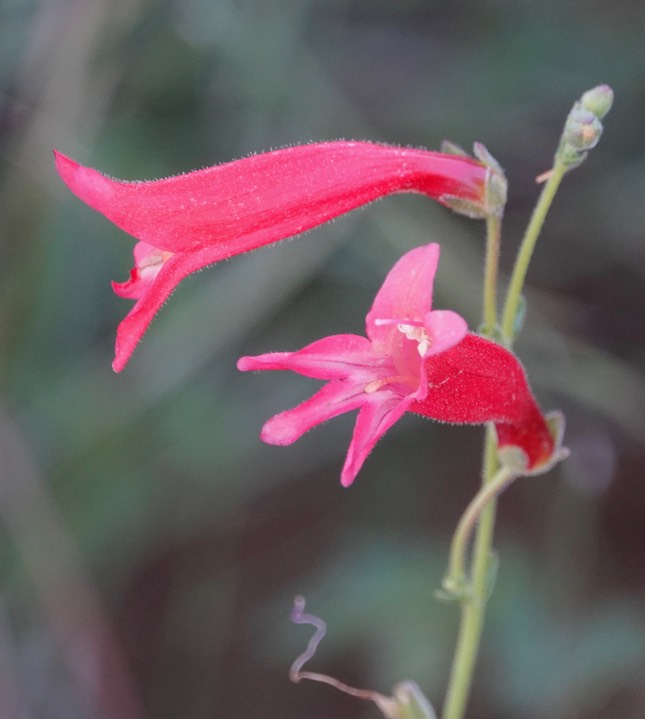
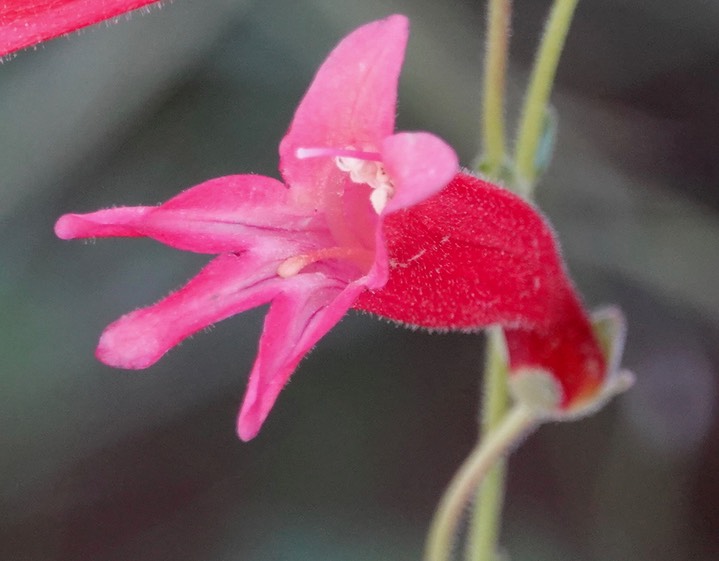
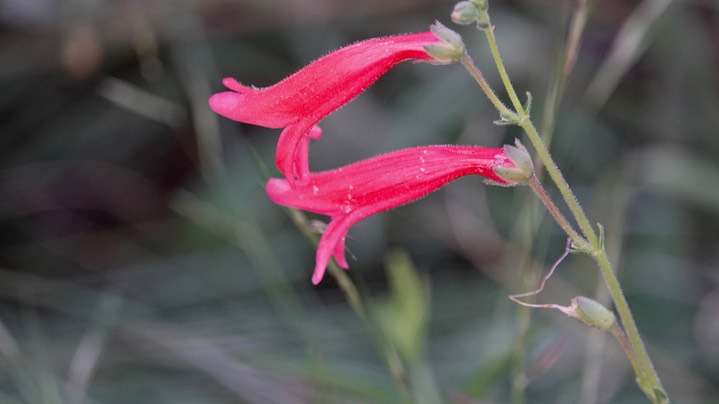
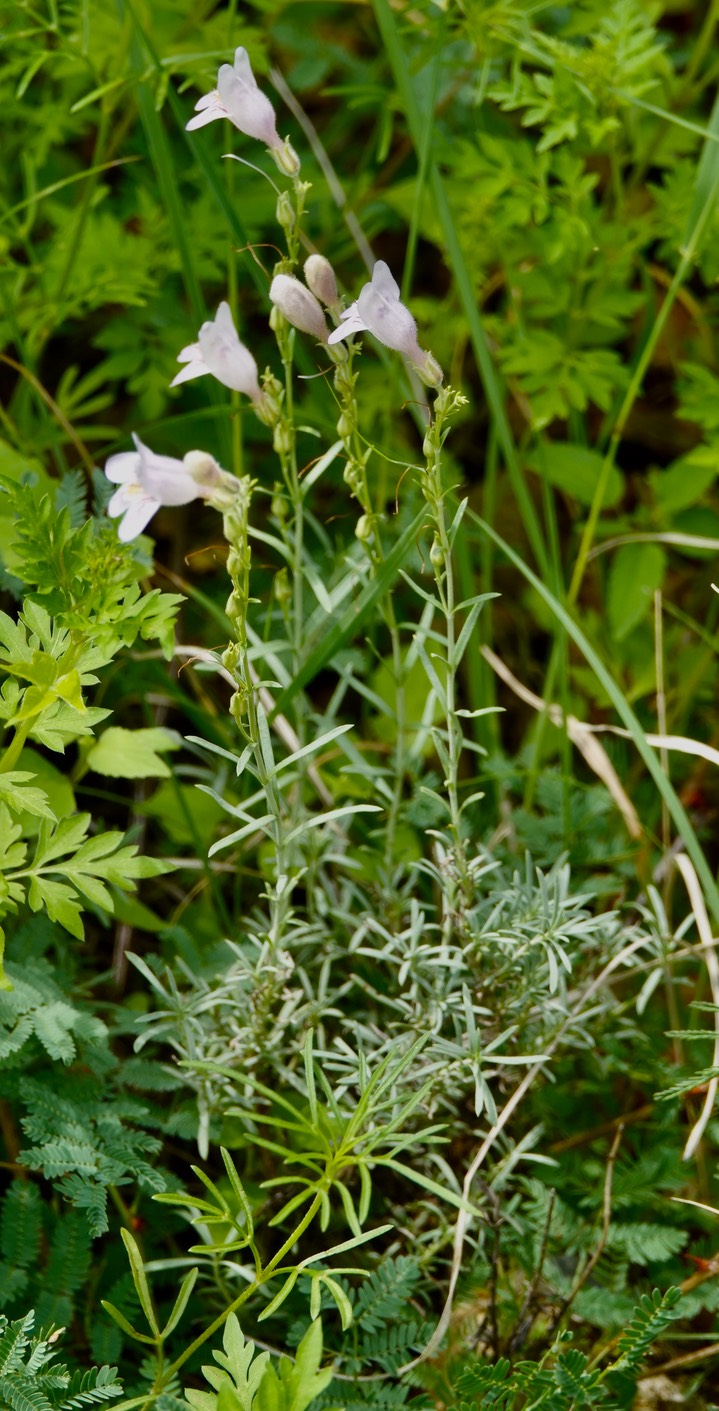
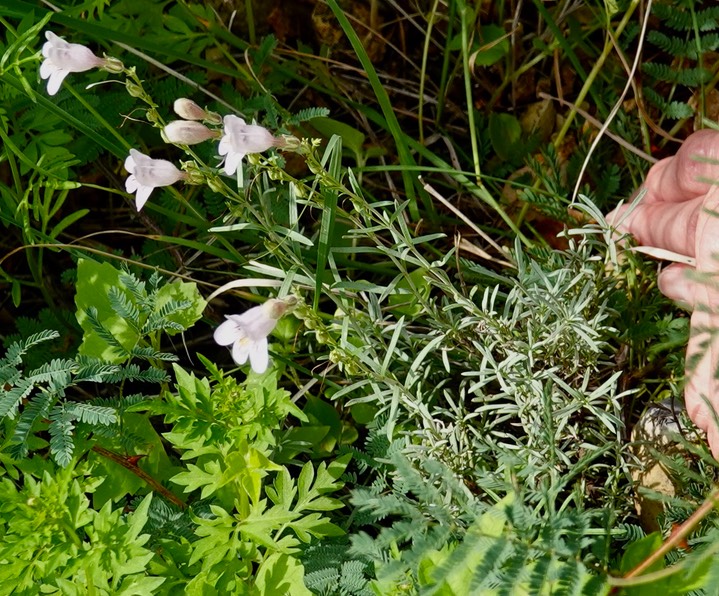
Penstemon linarioides Gray subsp. linarioides
Toadflax Beardtongue
Trail from Kingston Cemetery to Emory Pass
Black Range
New Mexico
August
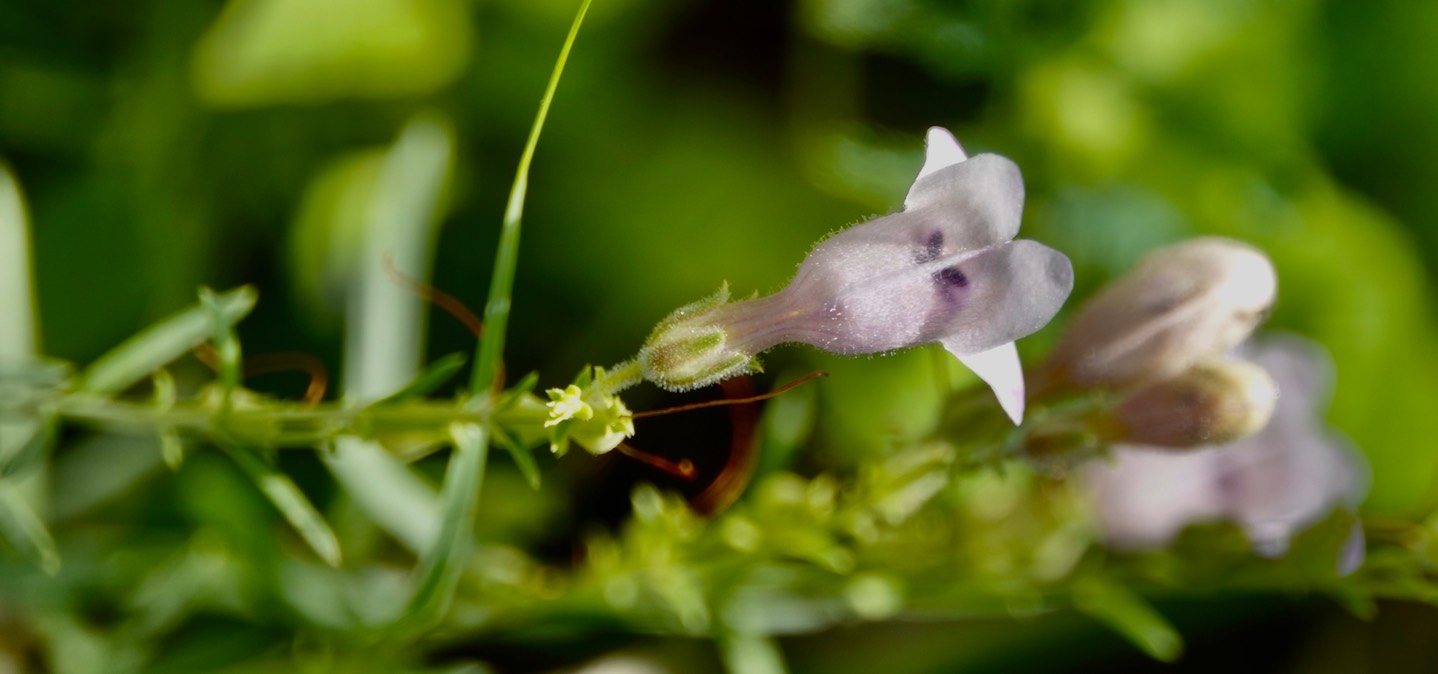
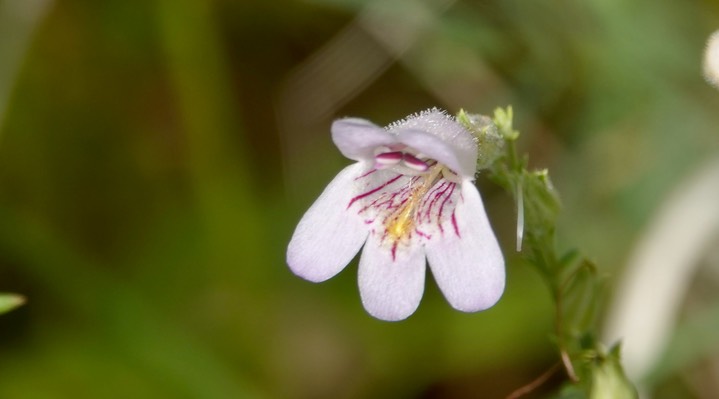
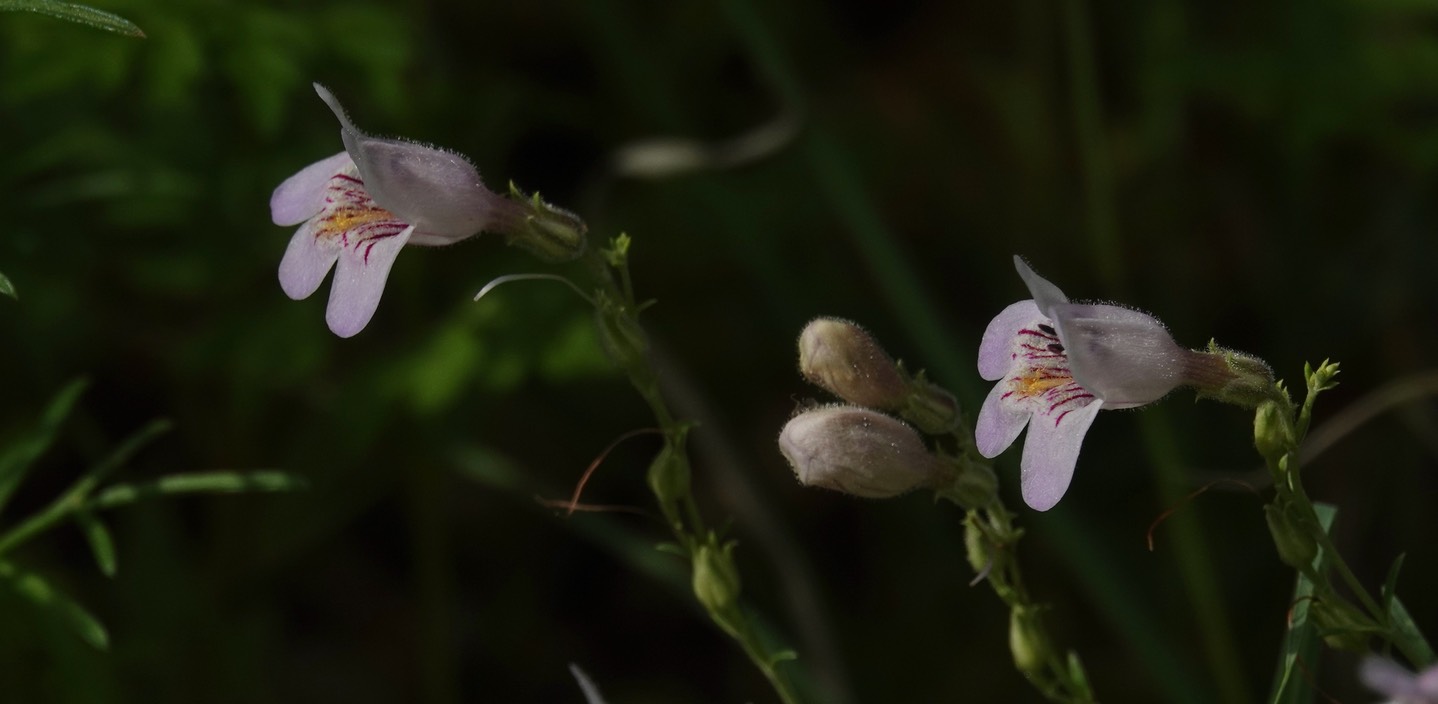
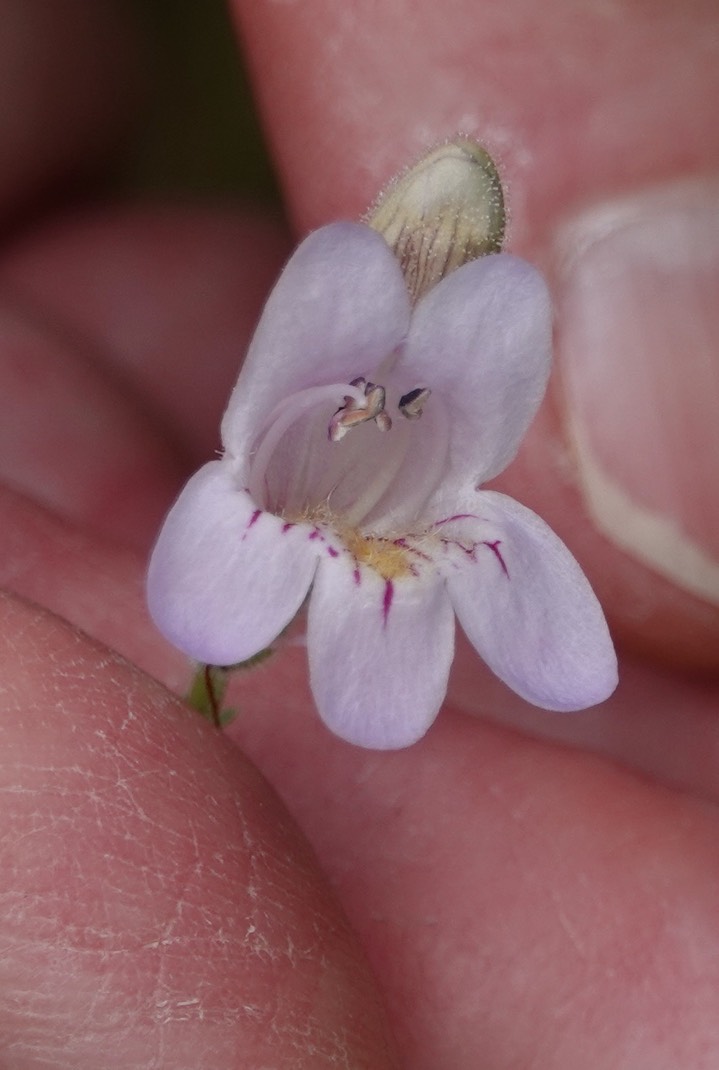
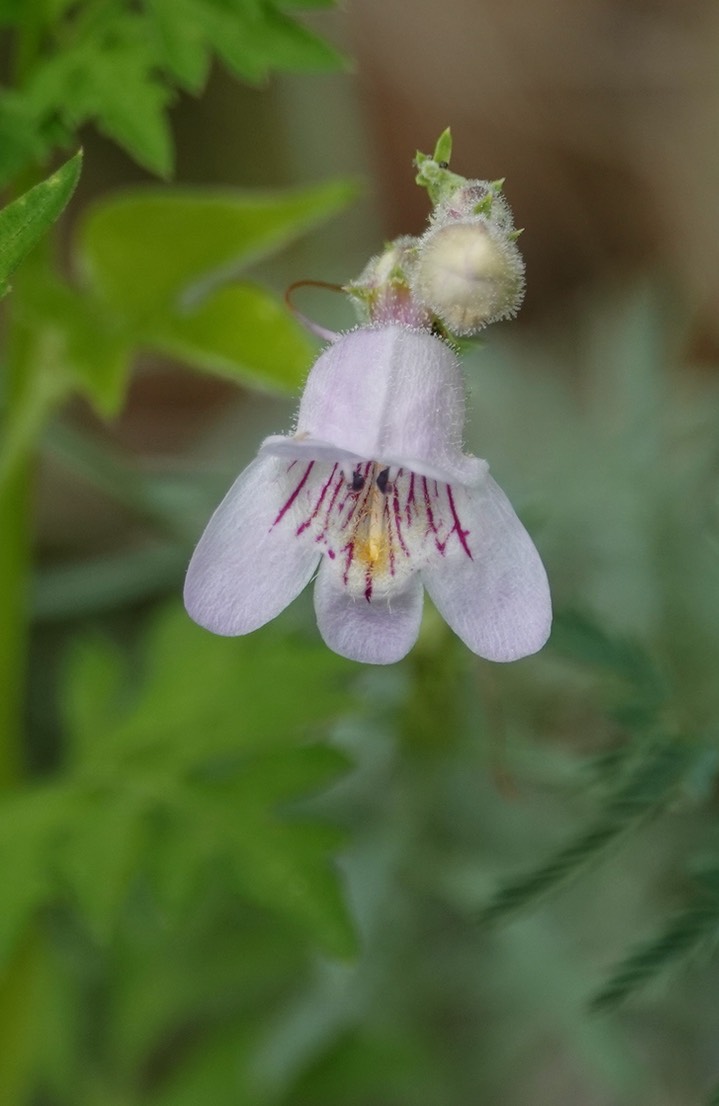
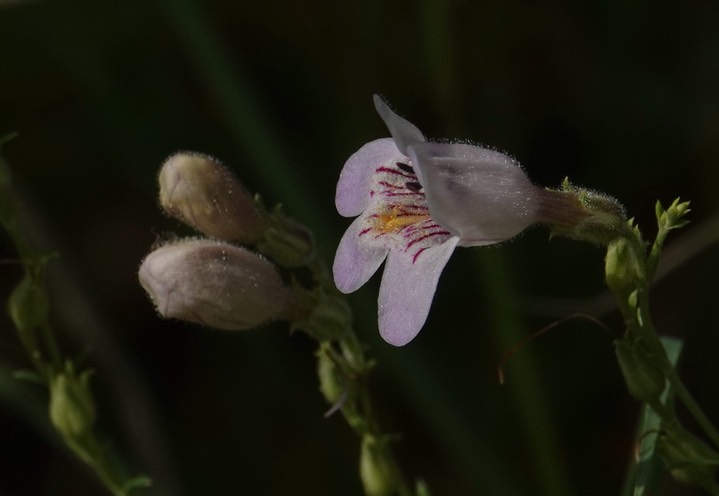
Penstemon virgatus virgatus
Wandbloom Penstemon
Mid-elevation drainages
Black Range
New Mexico
July & September
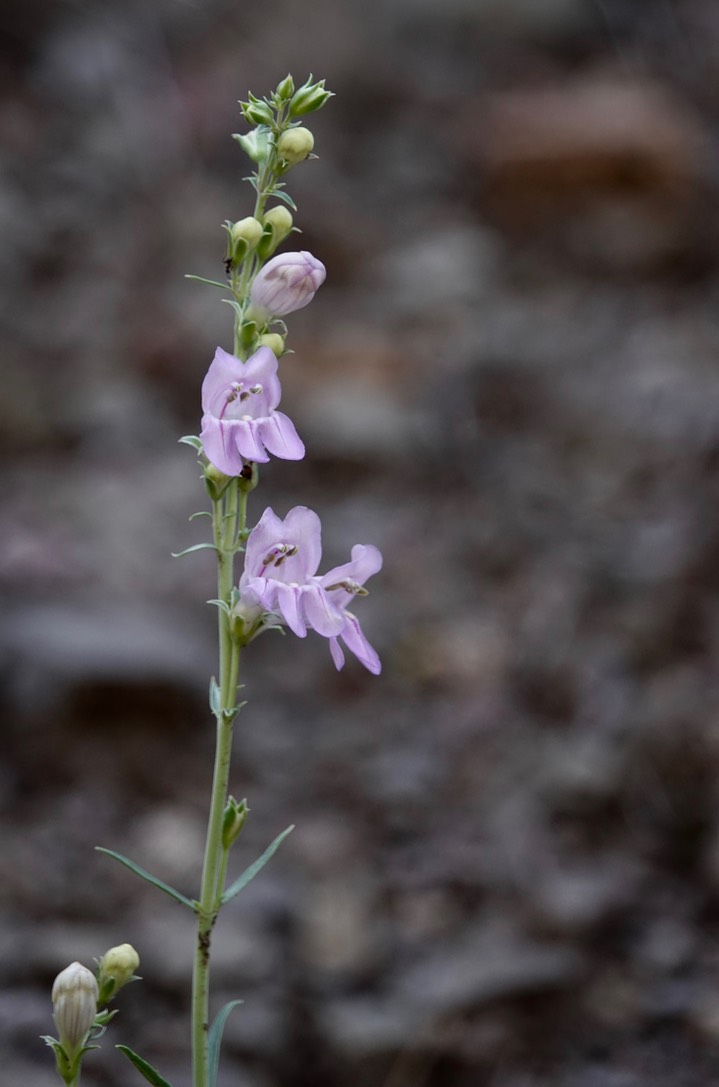
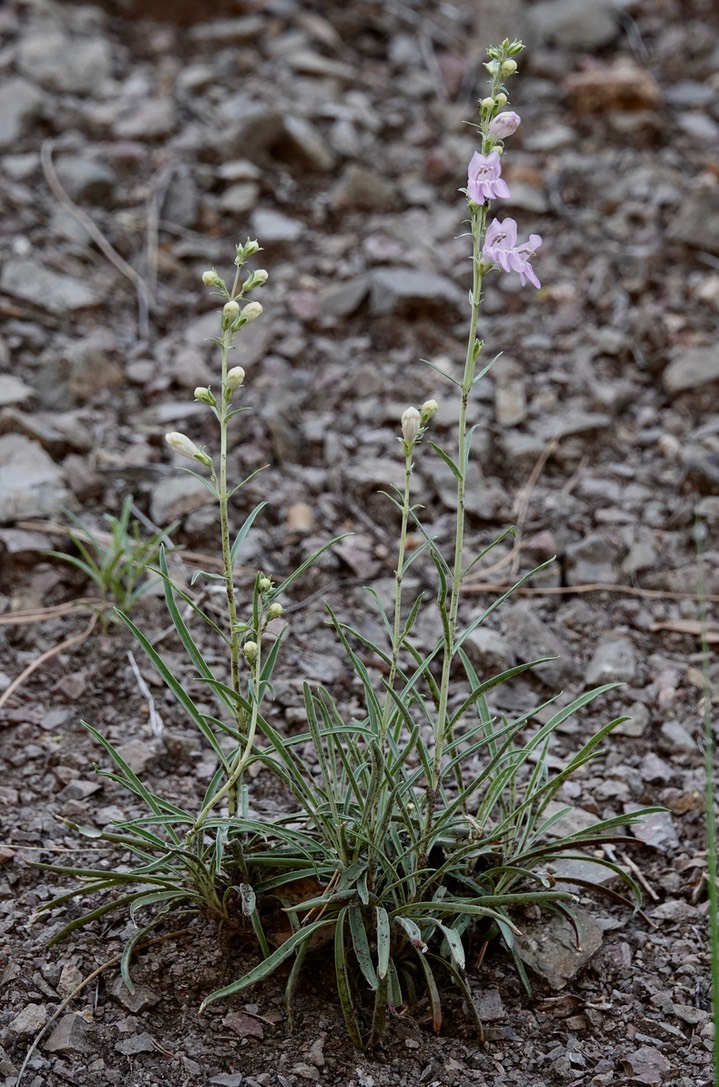
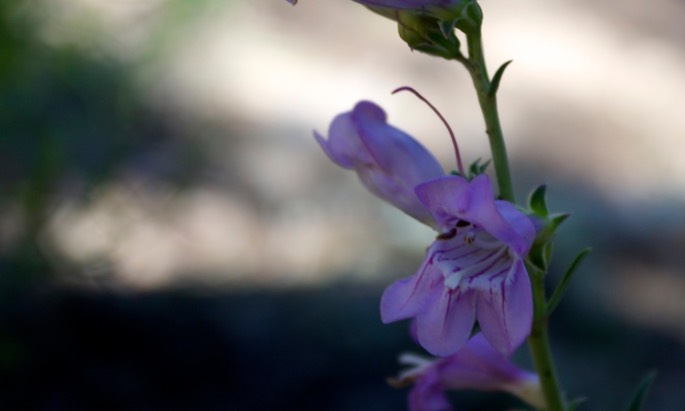
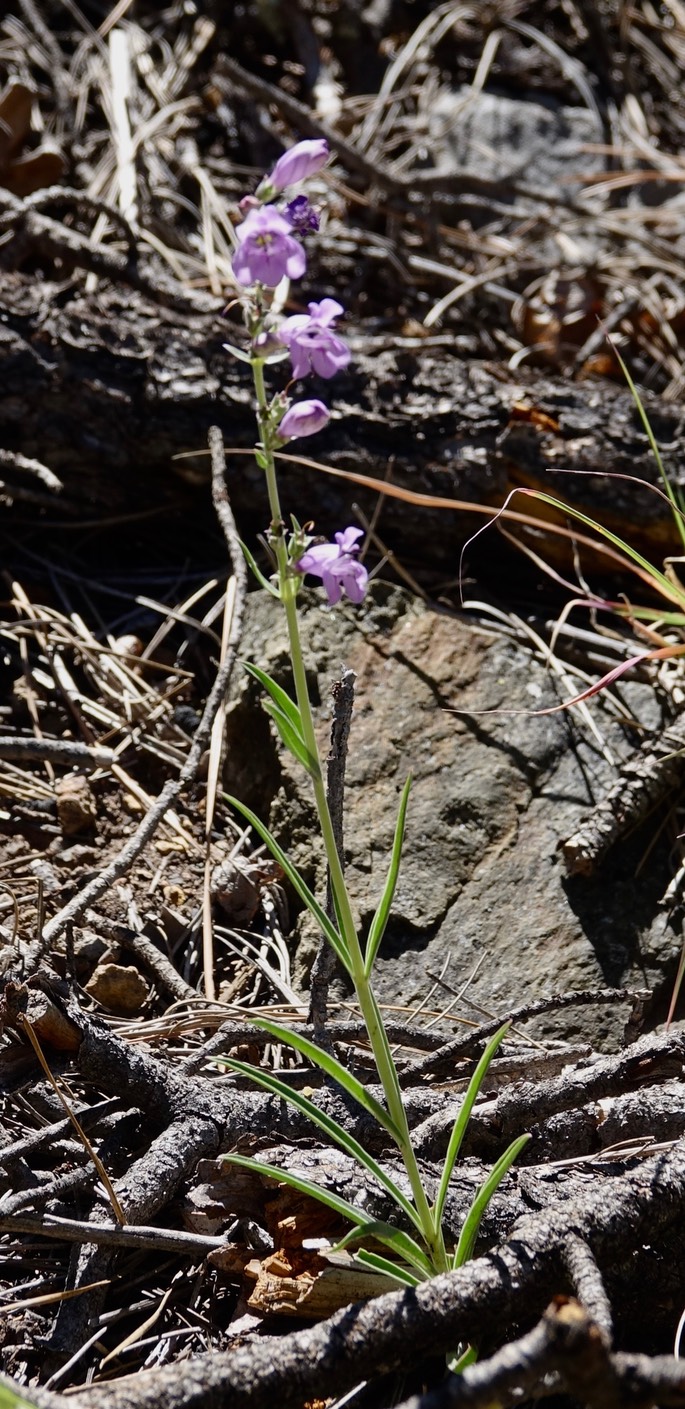
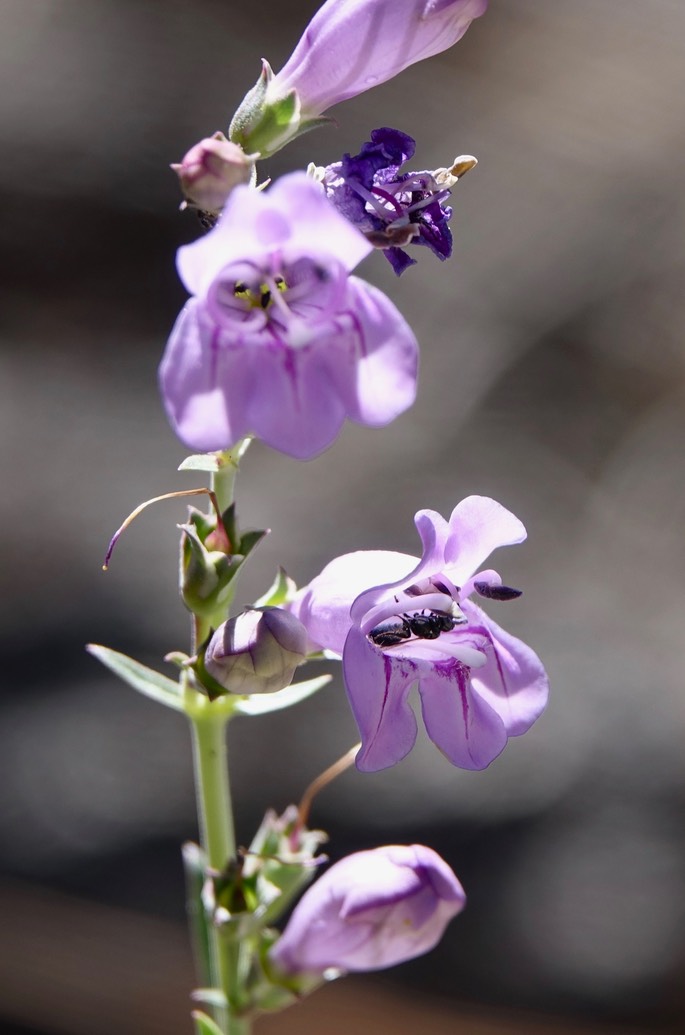
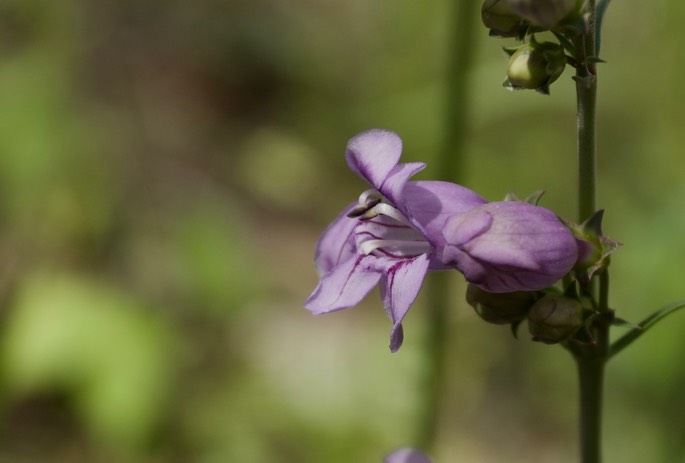
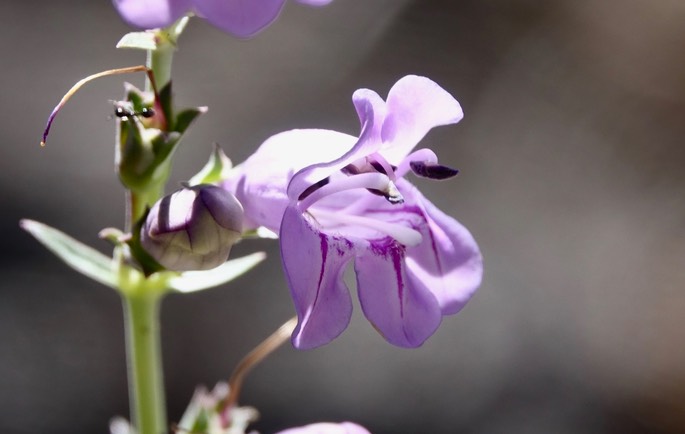
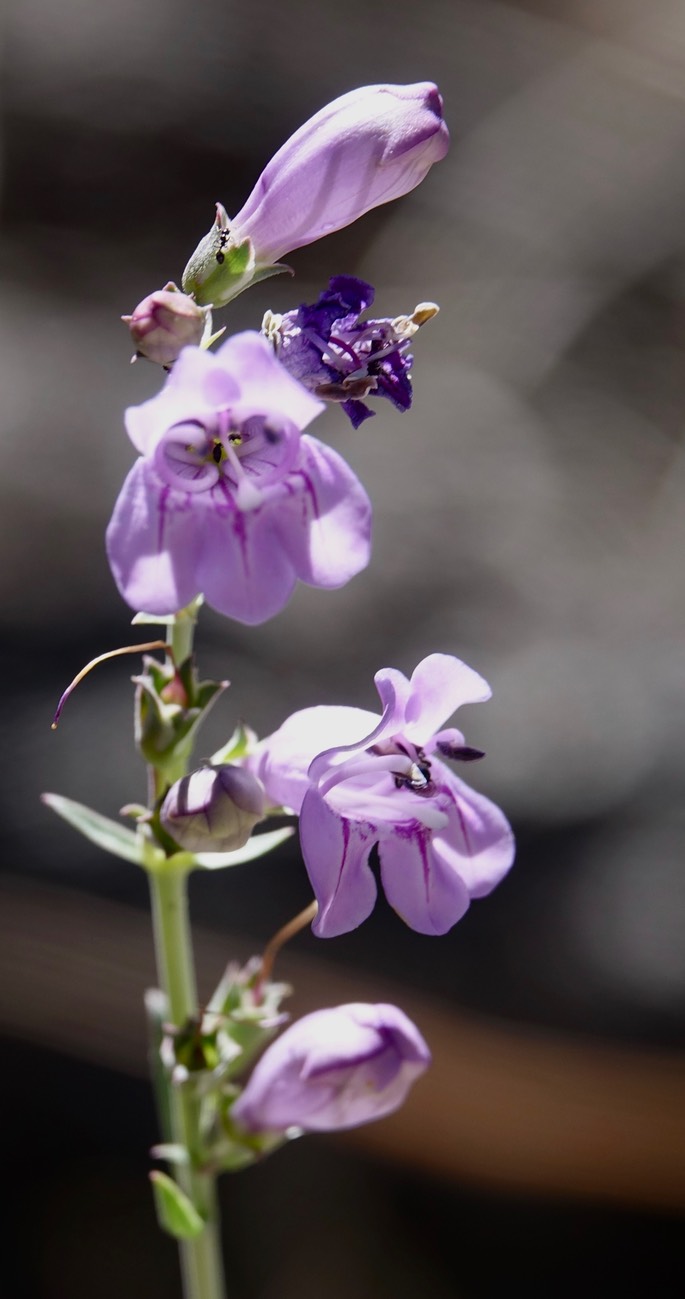
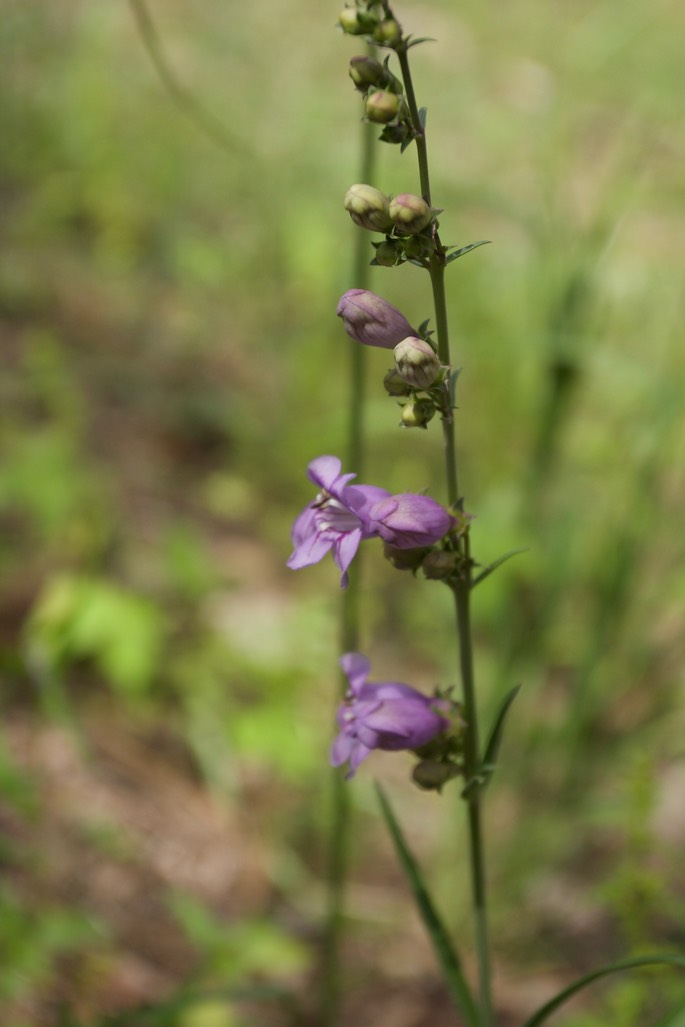
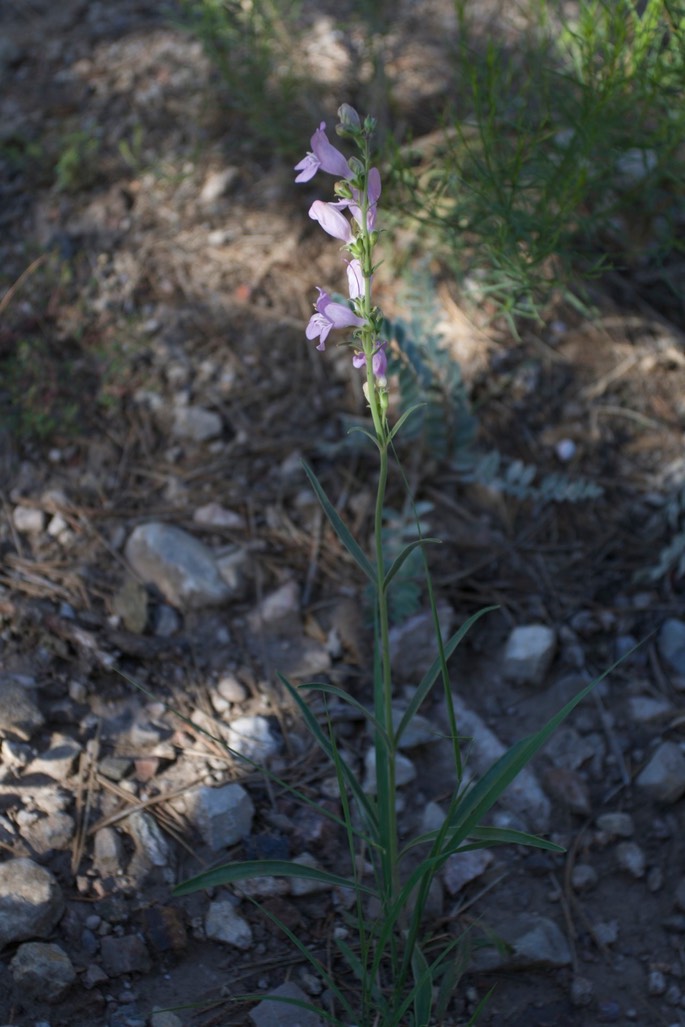
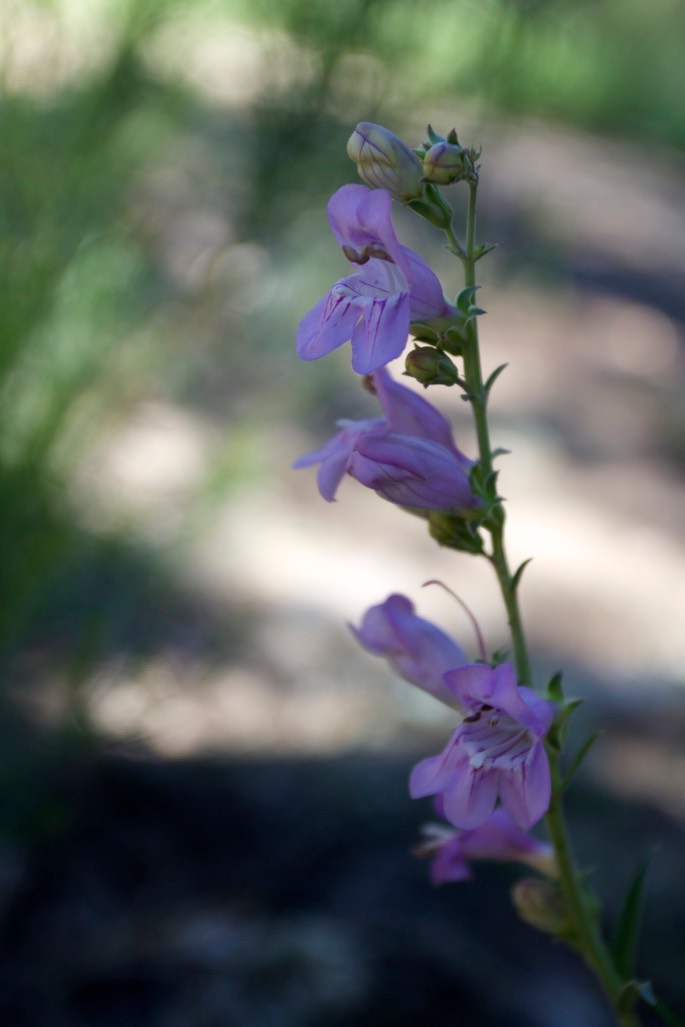
Penstemon virgatus virgatus, Wandbloom Penstemon is typically found at mid elevations in the Black Range. English common names for Penstemon virgatus include; Wandbloom Penstemon, Blue Beardtongue, Upright Blue Beardtongue, Dark Blue Penstemon, Foothill Penstemon, Dark-blue Penstemon, One-side Penstemon, Tall Penstemon, and Upright Blue Penstemon. It has no scientific synonyms. There are two accepted varieties; P v. var. asa-grayi (Upland Blue Beardtongue) is found on the eastern slope of the Rockies in Colorado (and perhaps elsewhere), and P. v. virgatus (Upright Blue Beardtongue).
In the United States this species is found in New Mexico, Arizona, and southern Colorado.
The Xerces Society recognizes this species as one of special value because it is a strong attractor for native bees. It is also pollinated by Hummingbirds. Pollen is transferred by the plant to the top side of the pollinator.
Penstemon virgatus was first described by Asa Gray.
Paul Vestal (1952) notes that this species was used as “life medicine” (a panacea) by the Ramah Navajo. See p. 45 of “The Ethnobotany of the Ramah Navaho”, Papers of the Peabody Museum of American Archaeology and Ethnology 40(4):1-94. Modern folk medicine claims that if the “fresh plant is ground and combined with vegetable oil and beeswax, to produce a salve... it is useful for skin irritations and as a lip balm.”
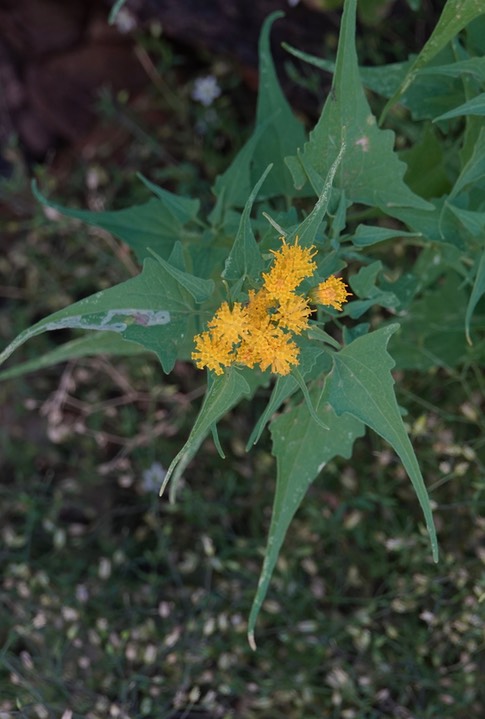
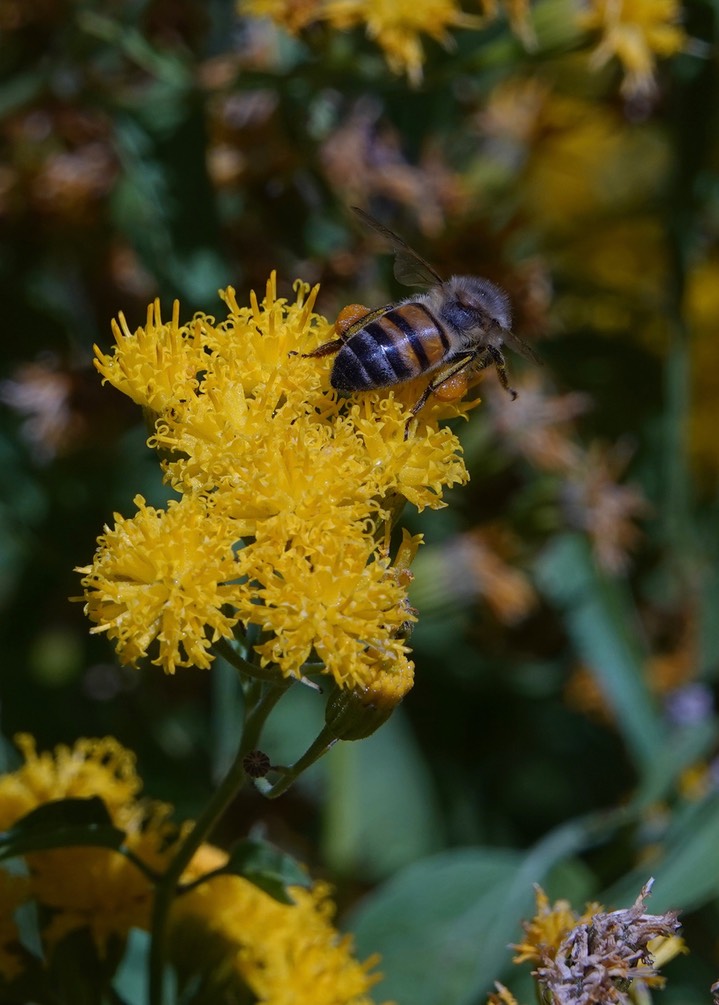
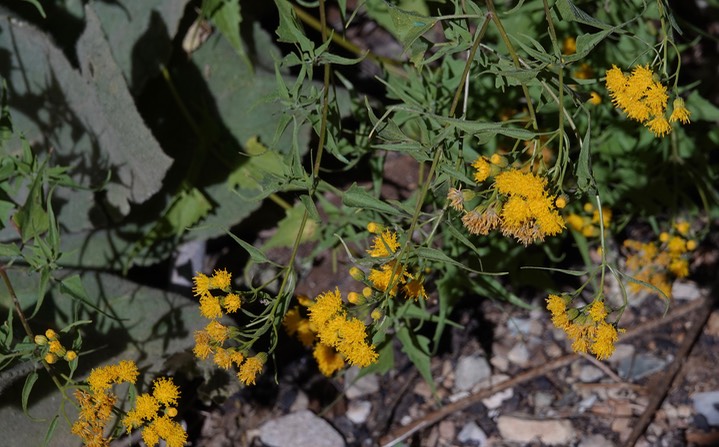
Pericome caudata
Taperleaf
Silver Creek Canyon
Black Range
New Mexico
September
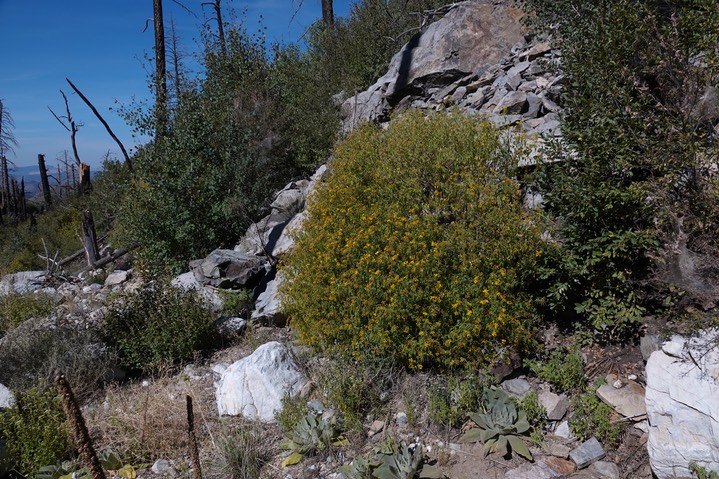
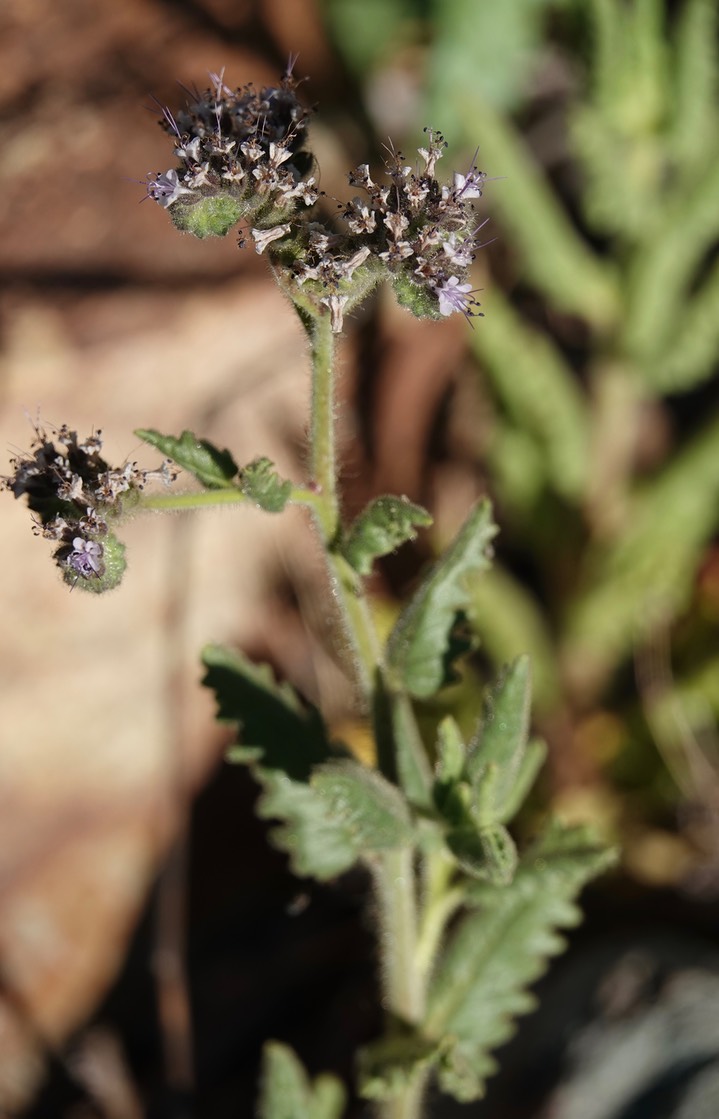
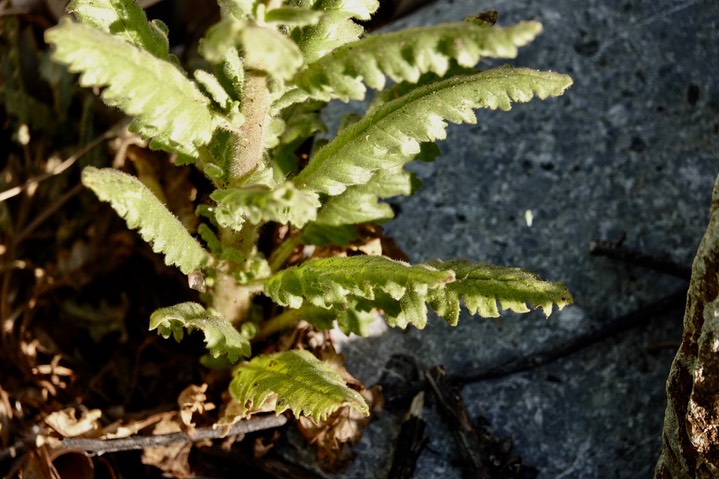
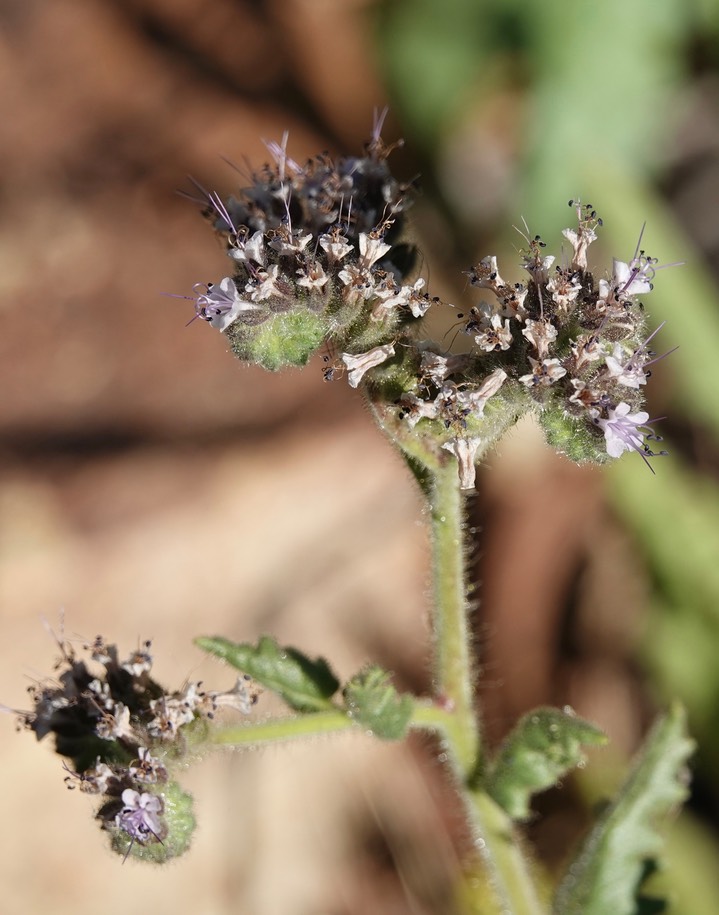
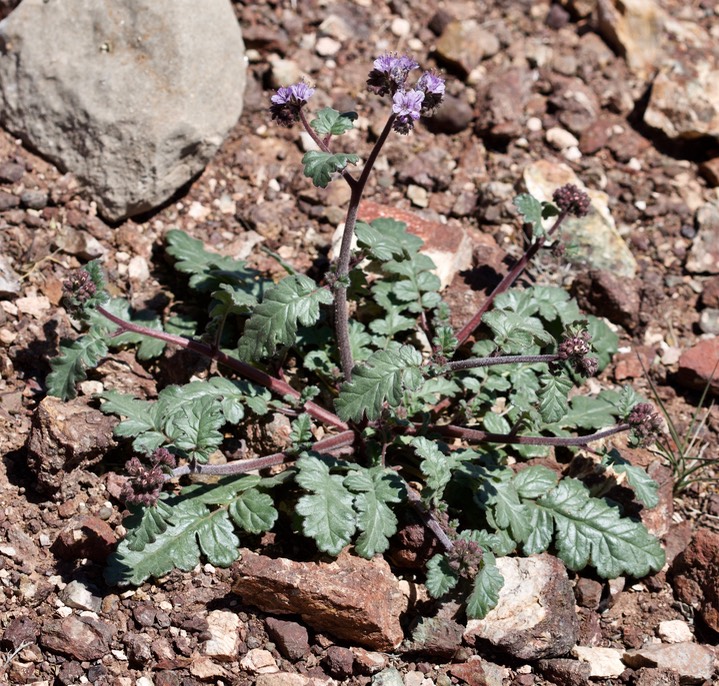
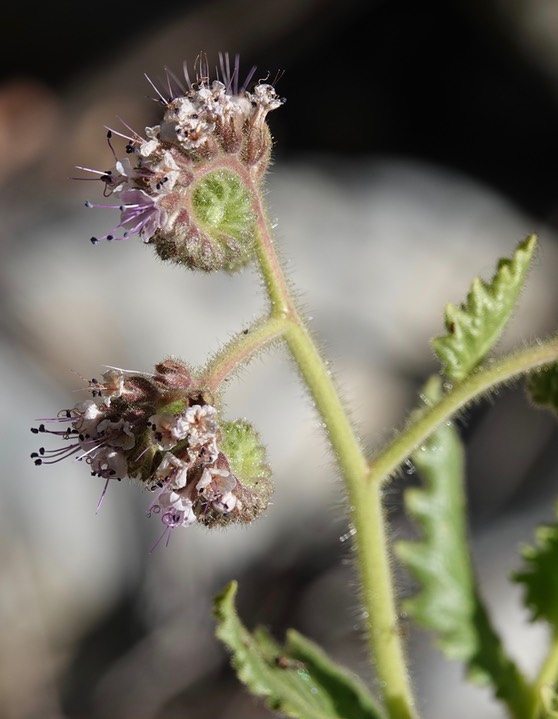
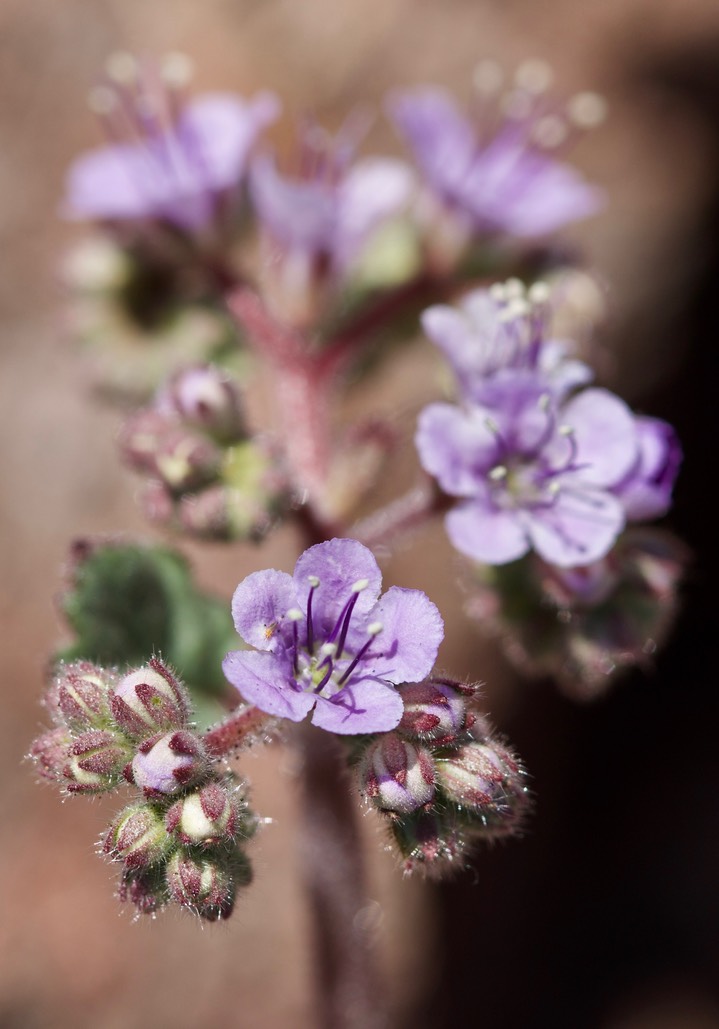
Phacelia integrifolia
Gypsum Scorpionweed
South Percha Creek, Drummond Canyon, Apache Peak
Black Range
New Mexico
May
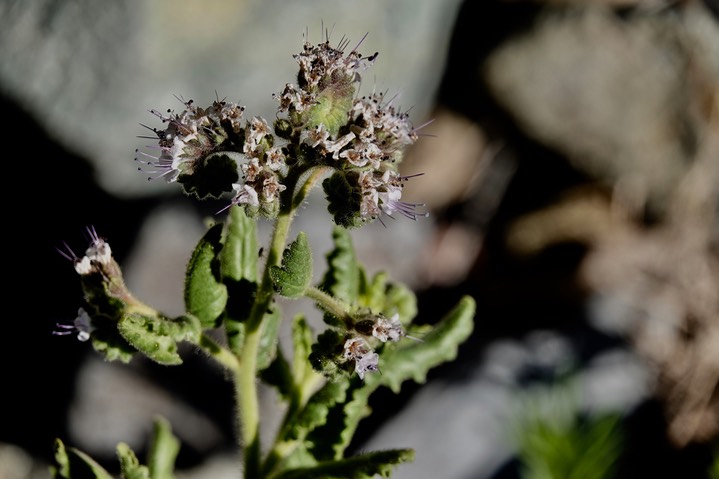
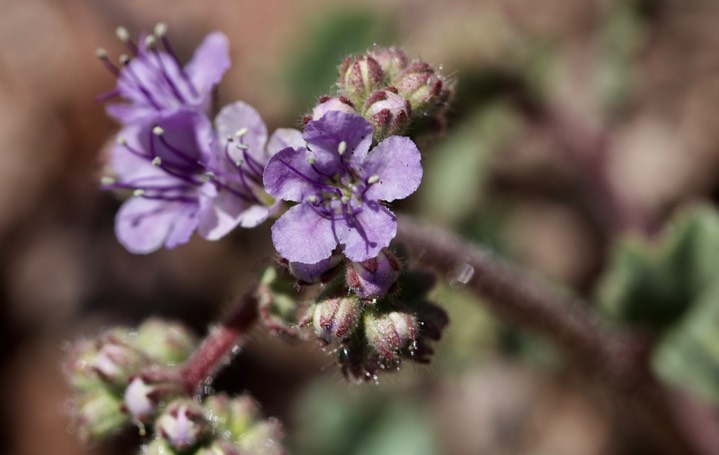
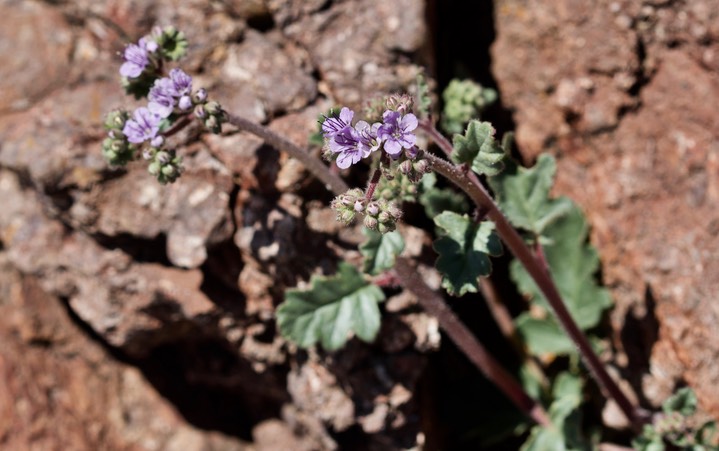
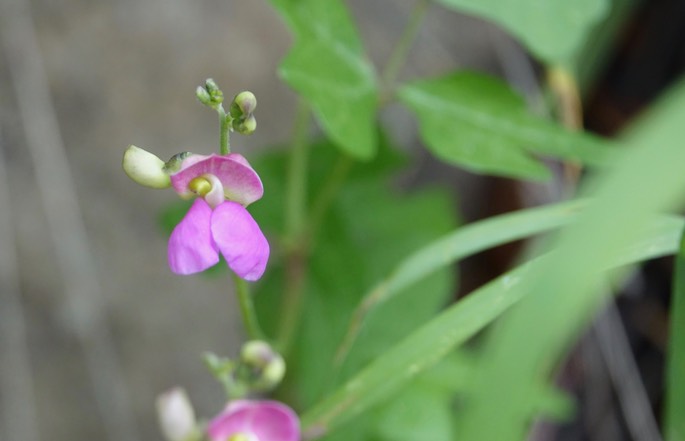
Phaseolus pedicellatus var. grayanus
Gray's Limabean
Railroad Canyon
Black Range
New Mexico
July
Phemeranthus (Talinum) auranticum
Orange Fame Flower
East of Hillsboro
Black Range
New Mexico
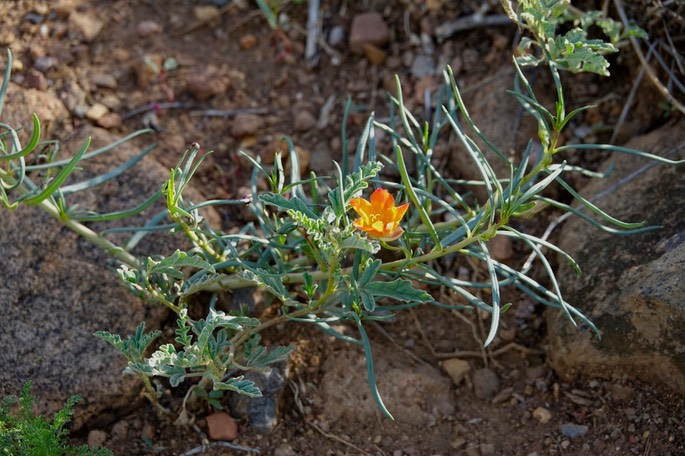
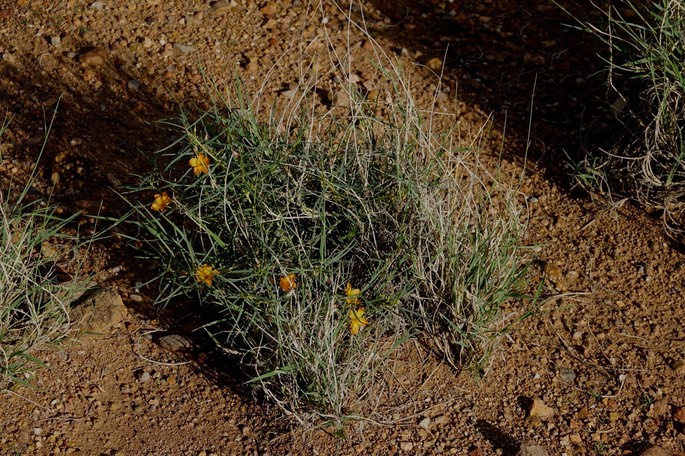
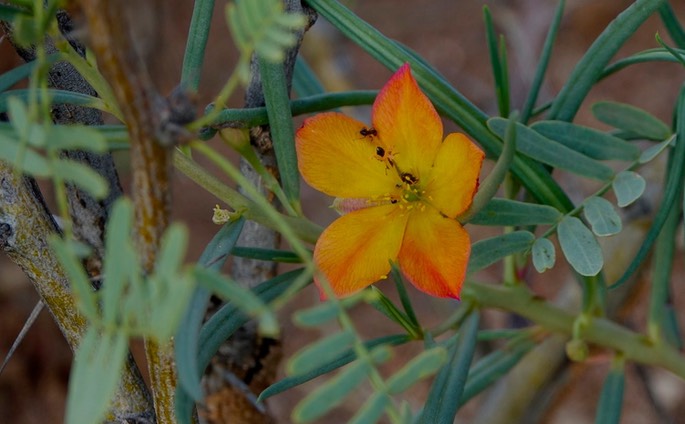
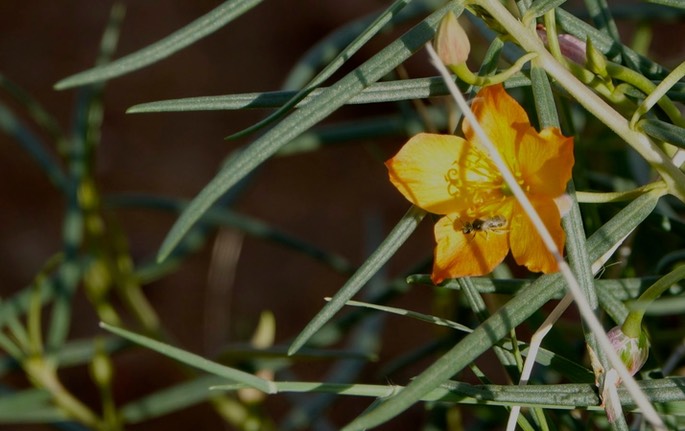
Orange Fame Flower, Phemeranthus auranticum (formerly placed in the genus Talinum), is sometimes called Flame Flower. Given its wonderful color, that is, perhaps, a more descriptive name. This species blooms in the morning and the flower will generally wither by early afternoon. This species is cold tolerant to 20 degrees Fahrenheit or so, likes full sun, and prefers soil which is on the alkaline side of things. Orange Fame Flower has fleshy roots which were used as a food source by the indigenous people of the United States.
This plant is probably P. a. angustissimum. Charles (Carlos) Wright collected the type specimen of this subspecies in October, 1849 in what is now New Mexico (at that time part of Mexico - so records show the type specimen from Mexico). At one time this subspecies was considered a separate species but has been lumped with P. auranticum because it is strongly clinal across its range.
Phlox nana
Santa Fe Phlox
North Wicks Canyon
East of Hillsboro
Black Range
New Mexico
March & April
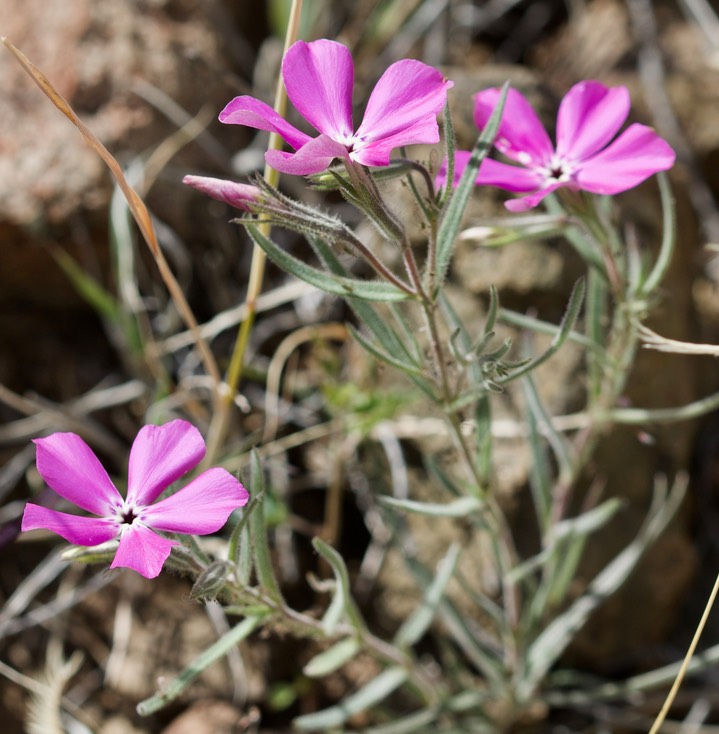
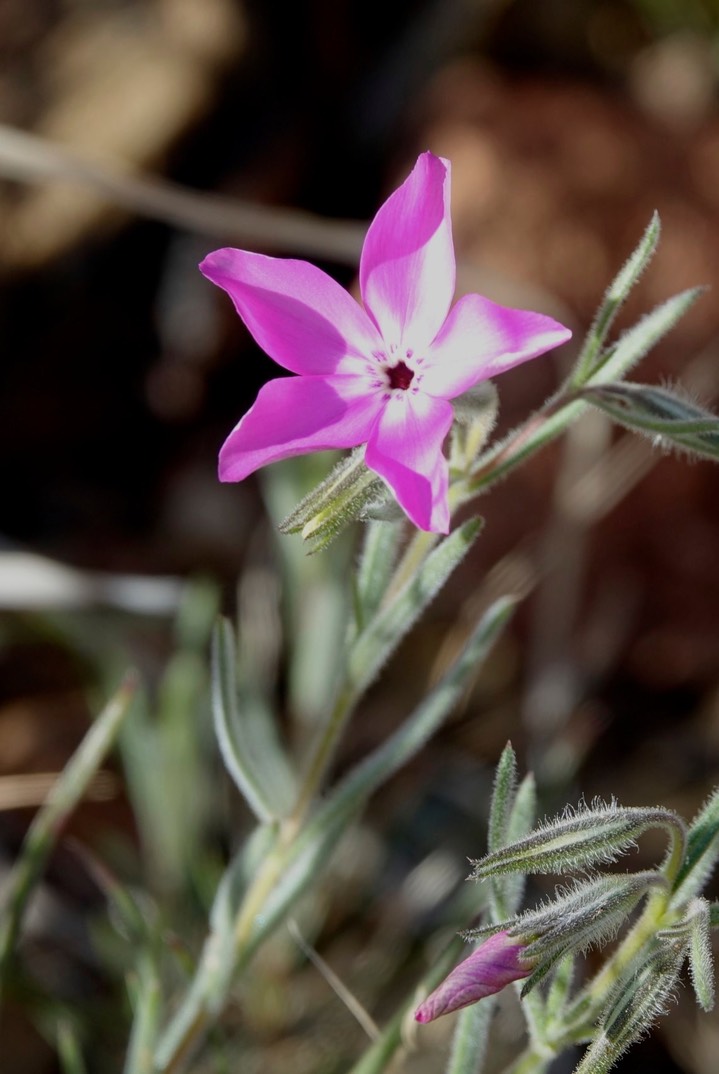
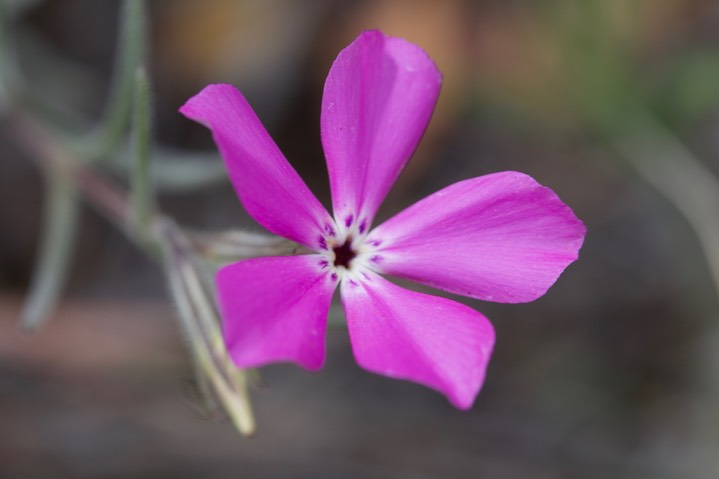
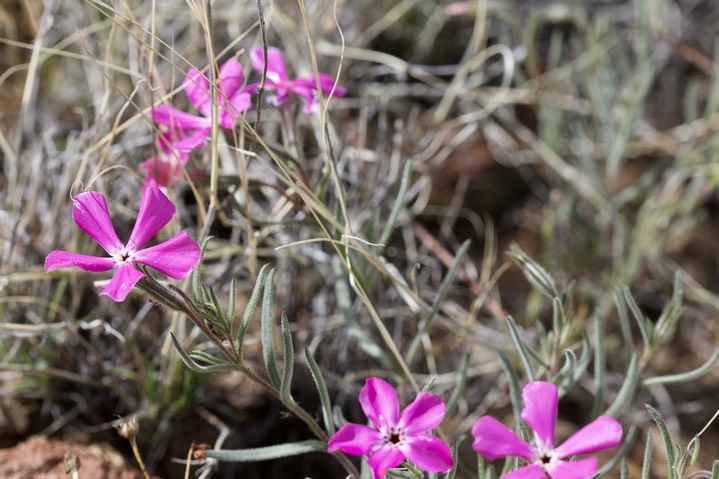
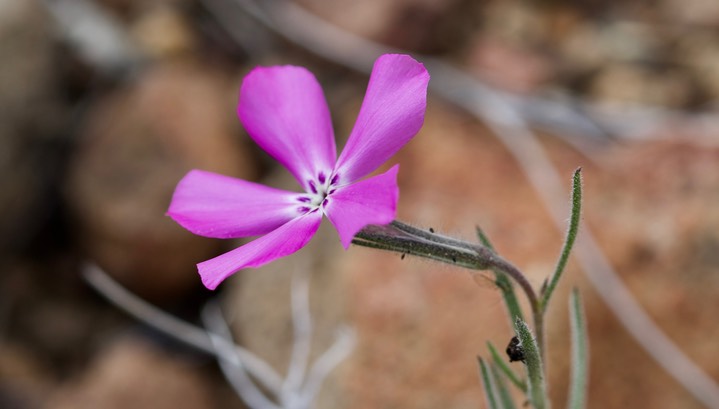
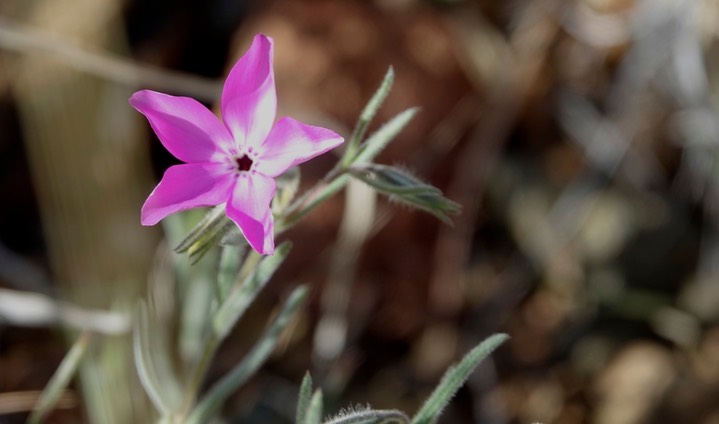
Phlox triovulata
Three Seed Phlox
South of Hillsboro
Black Range
New Mexico
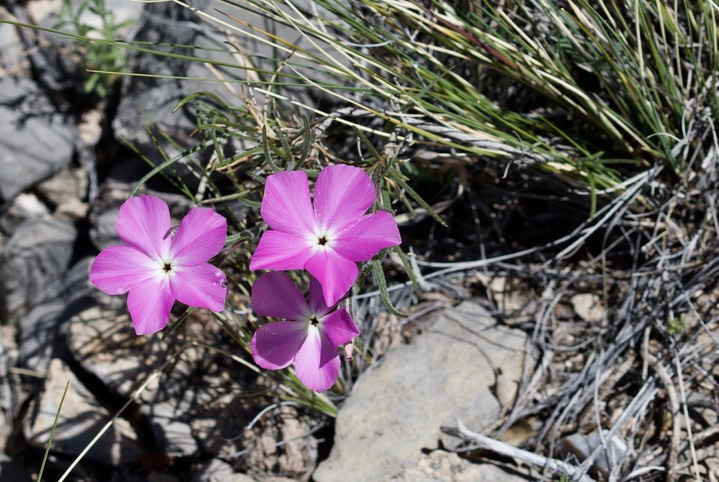
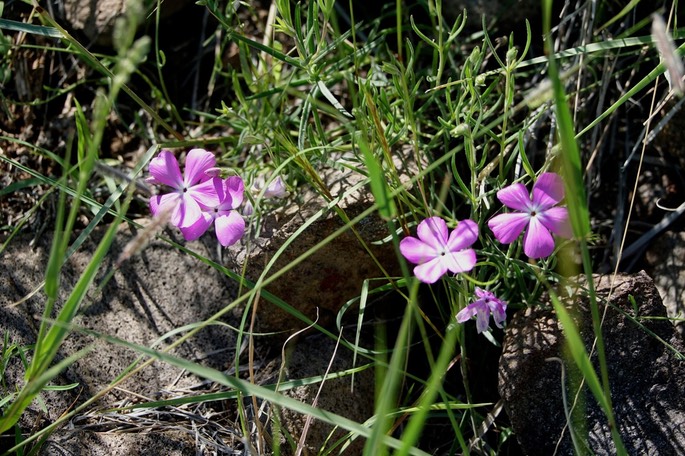
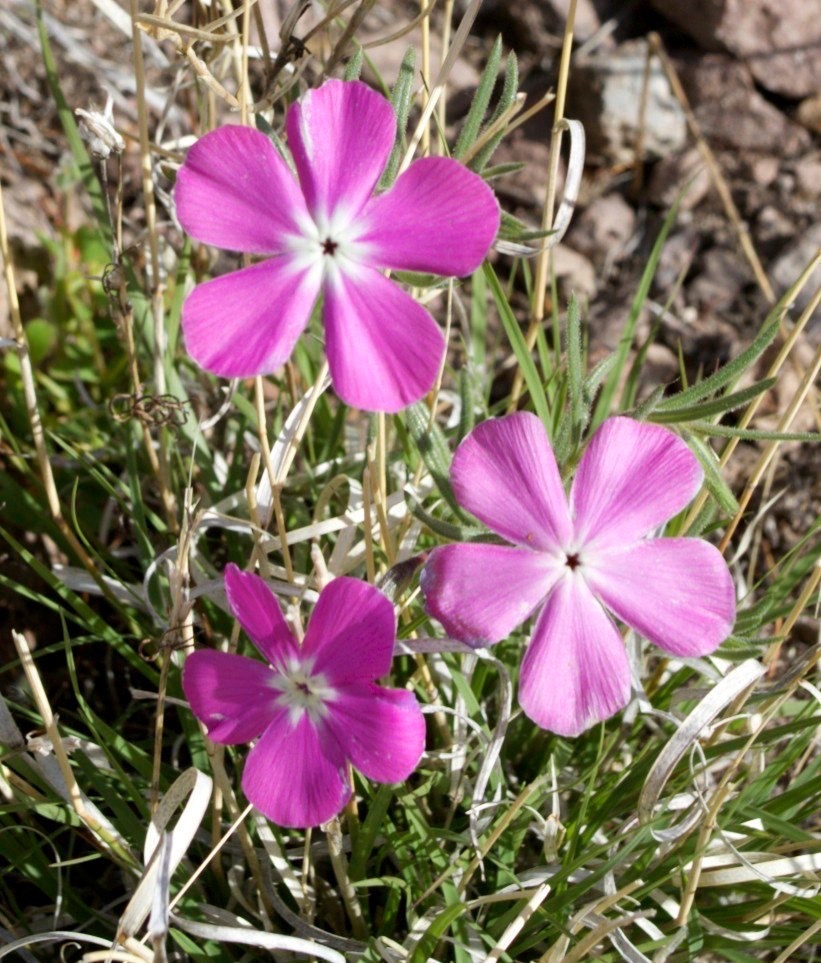
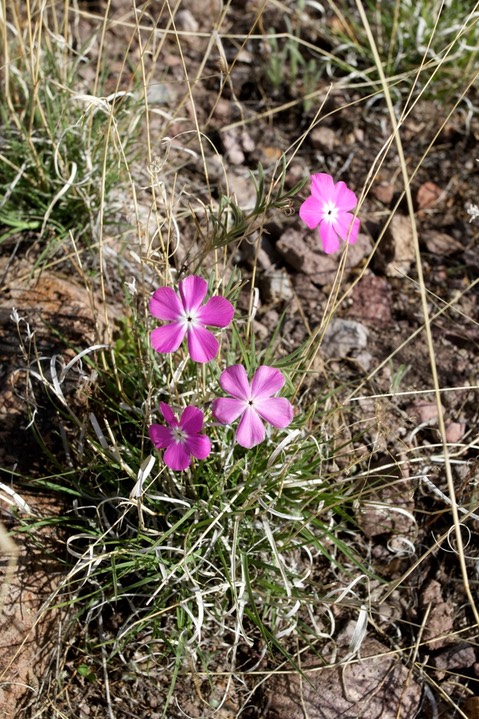
A scientific synonym of this species is Phlox nana glabella, this species is now split from Phlox nana. P. nana and P. triovulata are very similar and their systematics may be in dispute. We follow Vascular Plants of the Gila.
Phoradendron juniperinum
Juniper Mistletoe
Trail 135, Tierra Blanca Road
Black Range
New Mexico
April
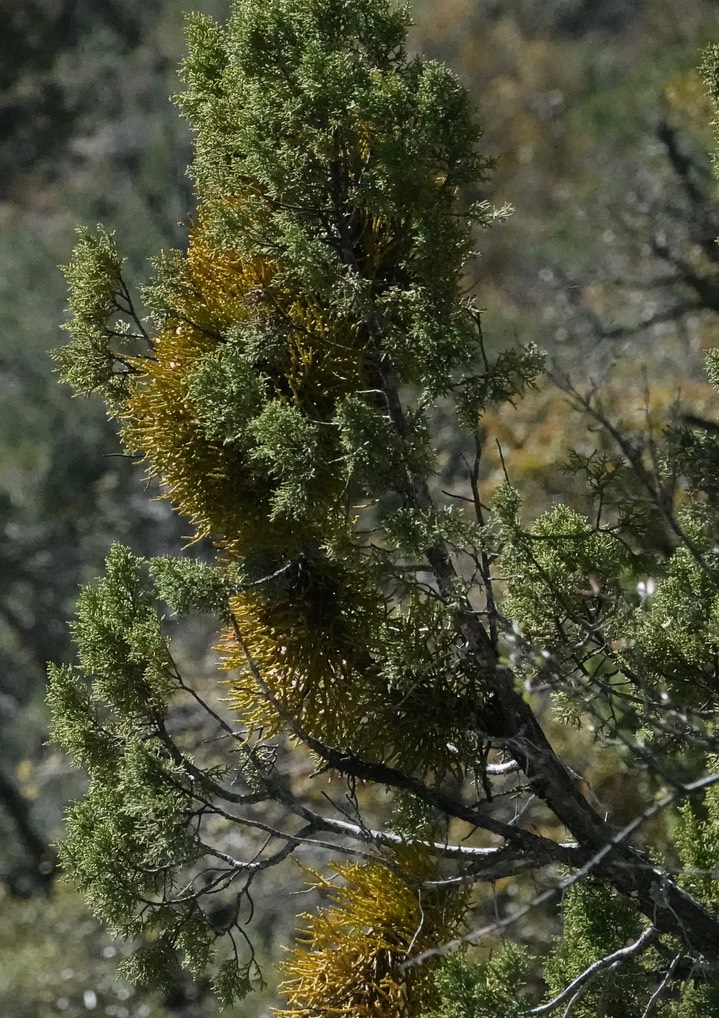
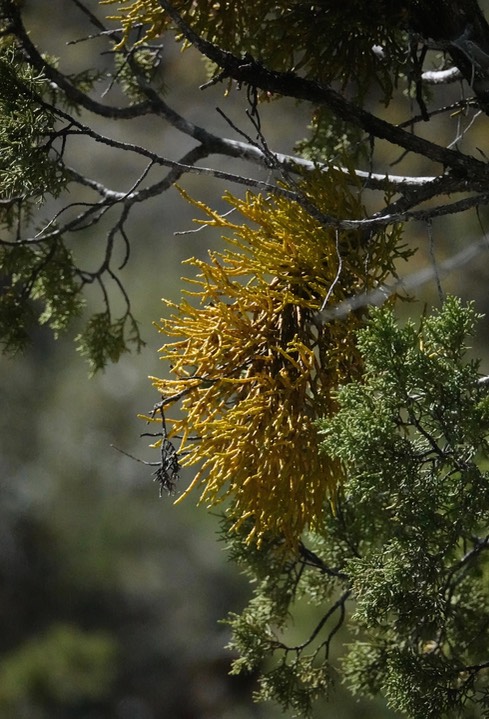
Phoradendron juniperinum, Juniper Mistletoe, grows in a number of the junipers at the start of the trail. This species is one of the most common mistletoe species in this area. Part of its success is due to that fact that it has several different types of pollinators, from those which crawl like ants and beetles to those which fly, like flies. Distribution of the seeds is generally performed by birds. Unlike the dwarf mistletoe species, the Juniper Mistletoe uses its own photosynthesis to produce most of its food. It does, however, rely on its host for water and some minerals.
This species is found in the southwestern United States and in California & Oregon. In Mexico, it is found in Sonora and Chihuahua.
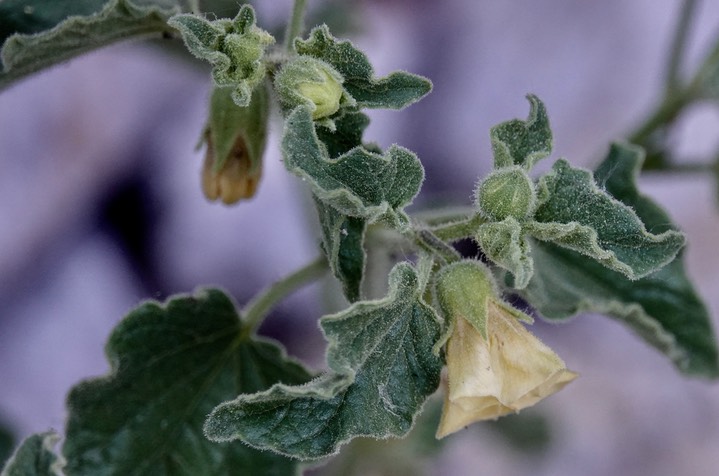
Physalis hederifolia
Ivy Leaf Ground Cherry
South Percha Creek, Drummond Canyon
Black Range
New Mexico
May
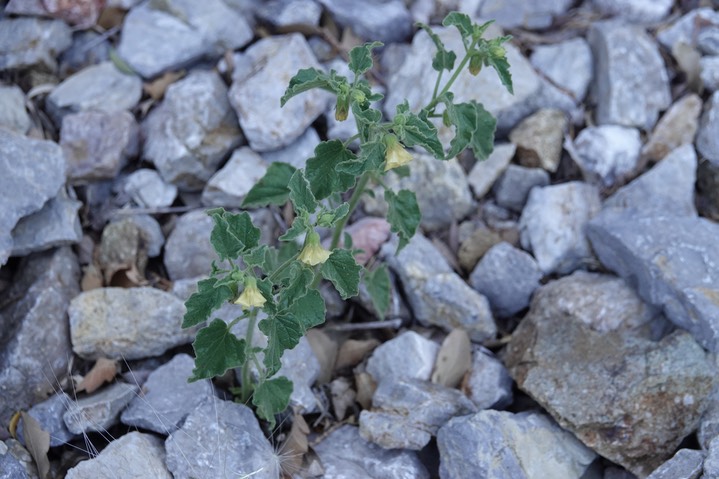
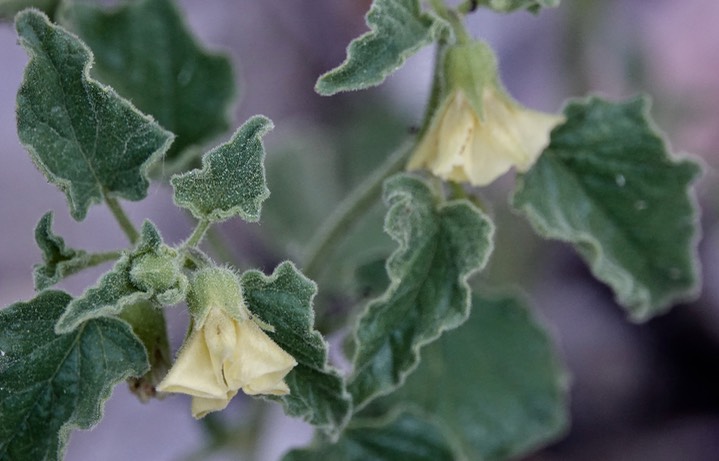
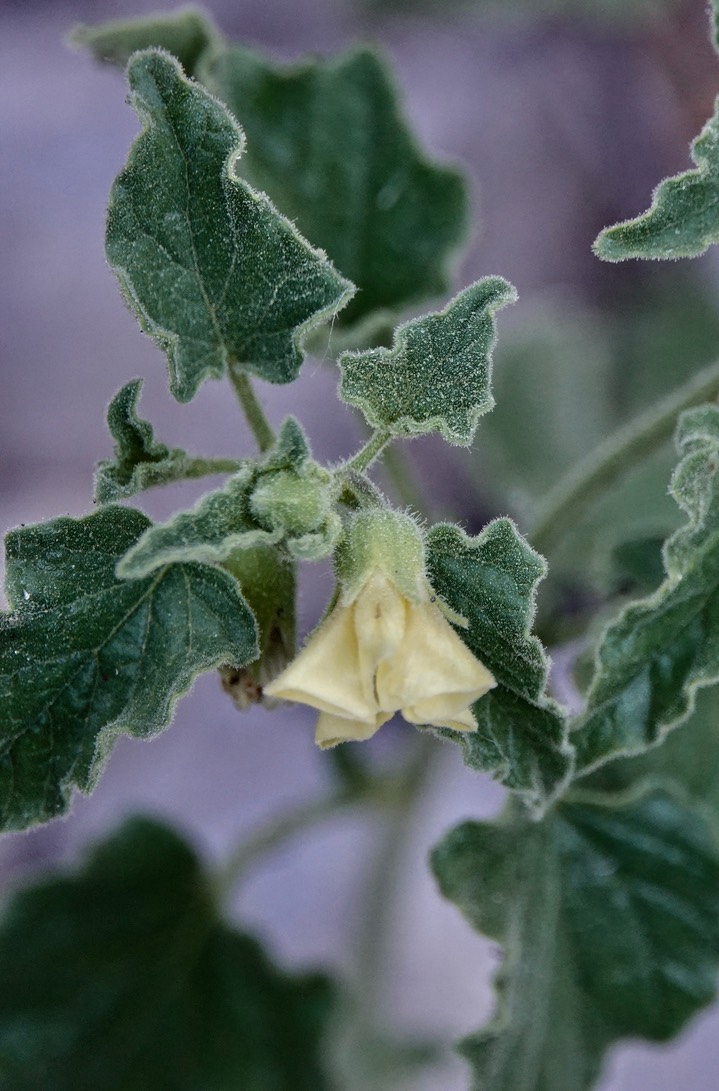
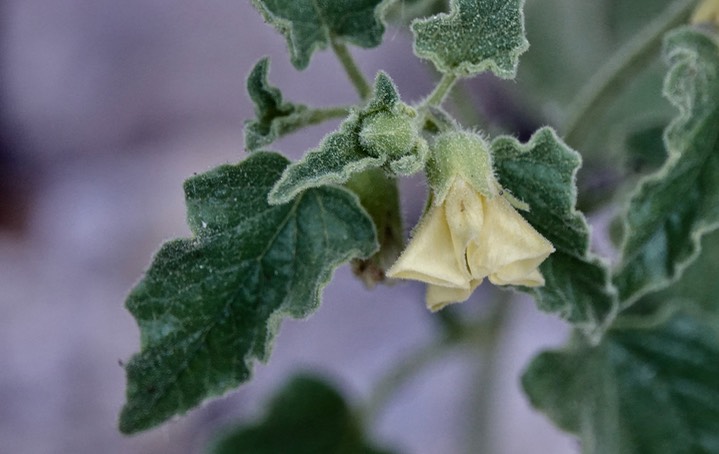
Physaria fendleri
Fendler's Bladderpod,
East of Hillsboro & Lower portions of east-slope trails
Black Range
New Mexico
May
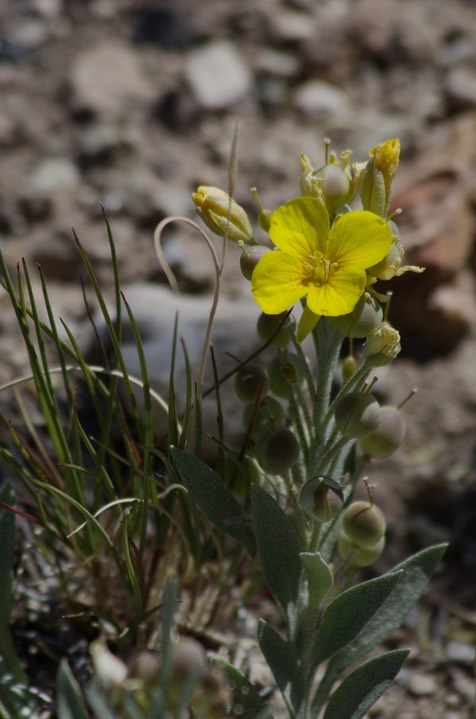
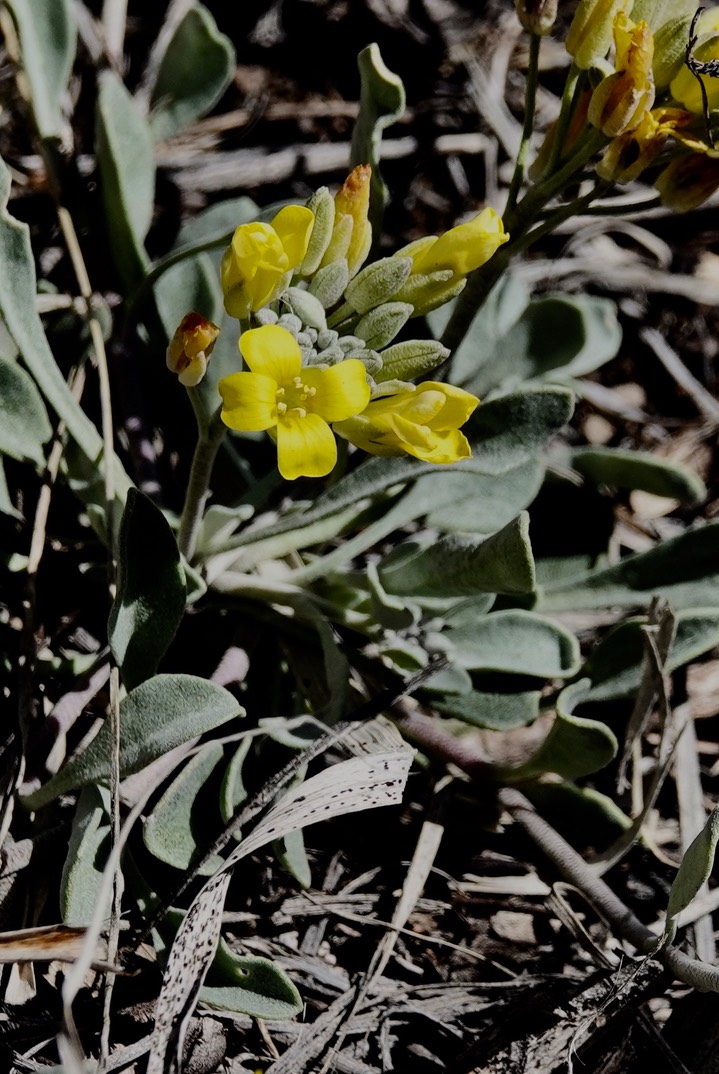
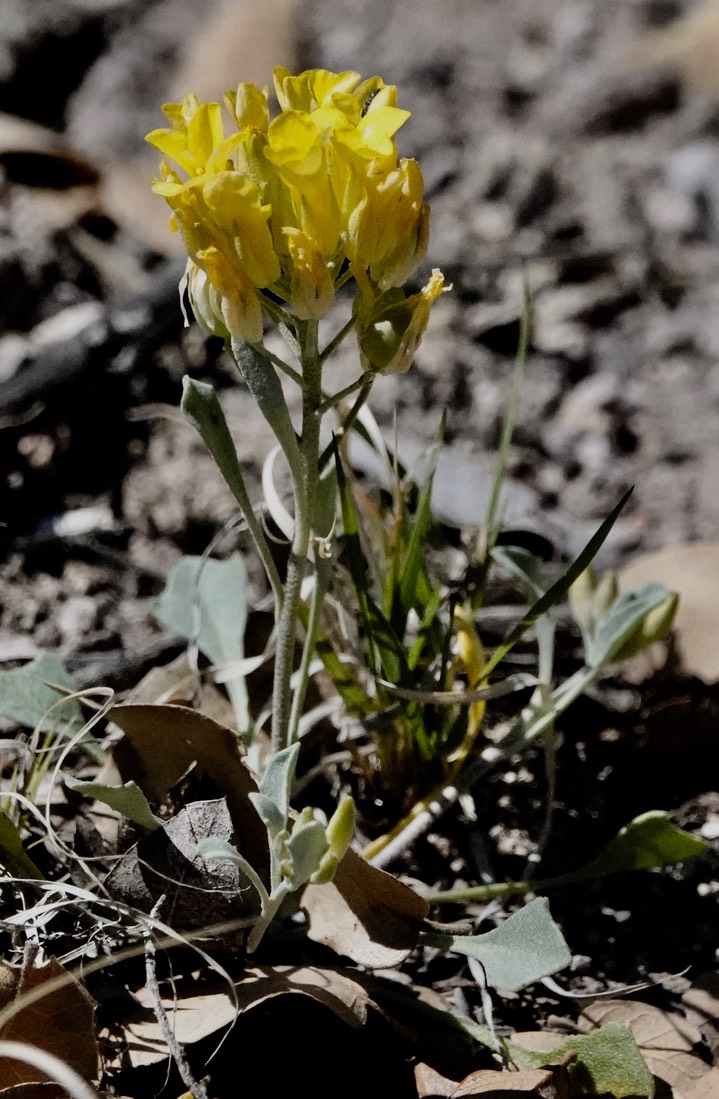
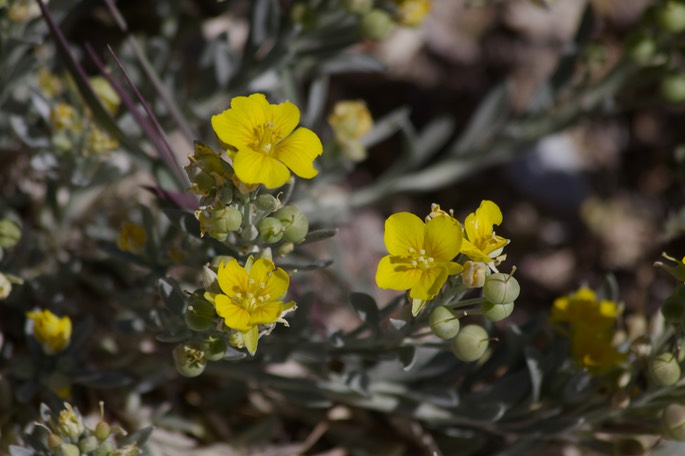
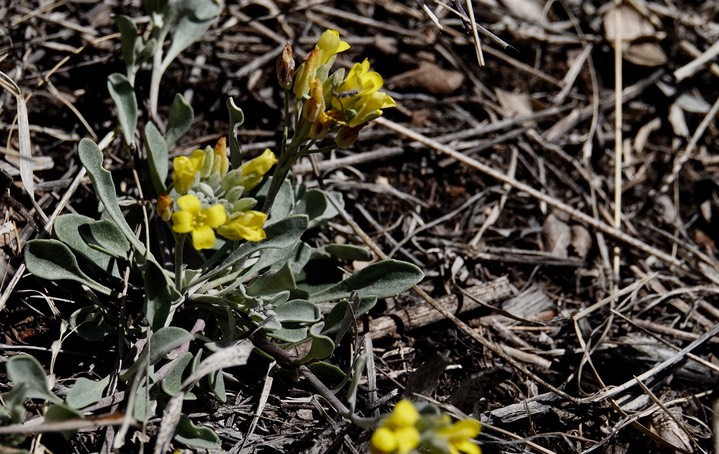
Fendler's Bladderpod, Physaria fendleri, was showing flowers and seed pods. It is in the mustard family. This species is the richest source of bladderpod oil (containing hydroxy and lesquerolic acid) which is used (or can be used) in a wide variety of applications. There have been some attempts to grow this plant commercially.
Scientific synonyms include Lesquerella fendleri, Lesquerella praecox, Lesquerella praecox, Lesquerella stenophylla, Alyssum fendleri, and Vesicaria fendleri (this being the name given to it originally by Asa Gray - the basionym). It is also known by the English Common Names of Yellowtop and Popweed.
The range of Fendler’s Bladderpod is limited to (primarily) five states in the United States, centered in and around New Mexico. In Mexico it is found as far south as Nayarit and San Luis Potosi. It is generally found at elevations below 6,500 feet.
Its nearly spherical fruit, often with an obsolete style (shown in these photos) makes it easy to distinguish from Physaria gordonii var. gordonii which has fruit which is crescent shaped.
Physaria gordonii
Gordon's Bladderpod
East of Hillsboro
& Nutt Grasslands
Black Range
New Mexico
March
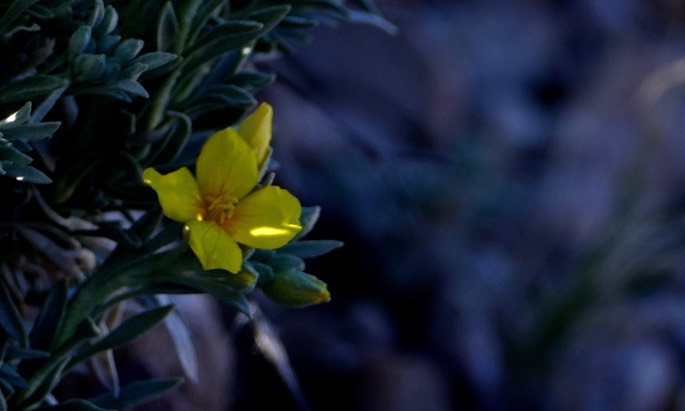
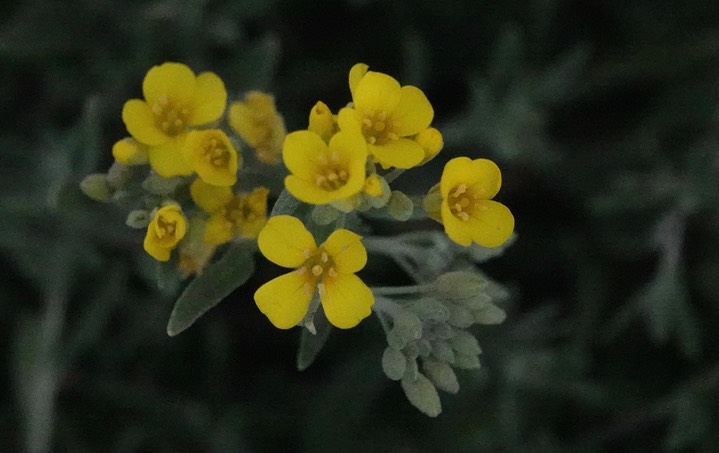
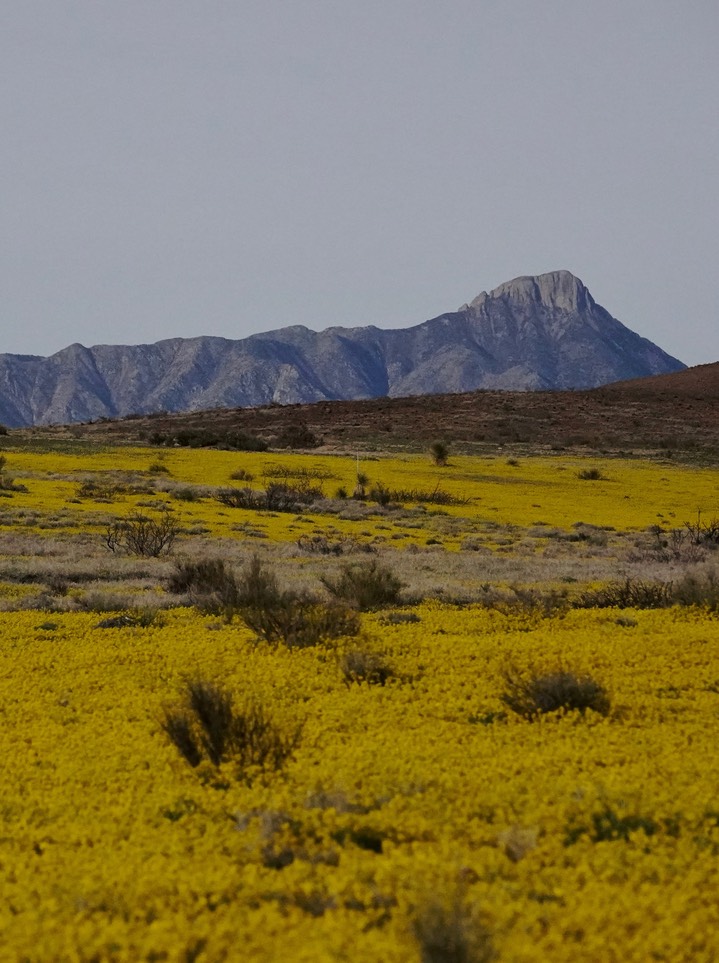
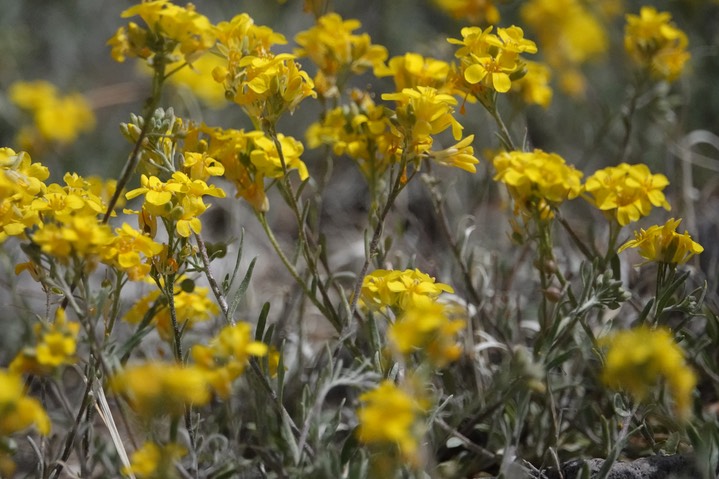
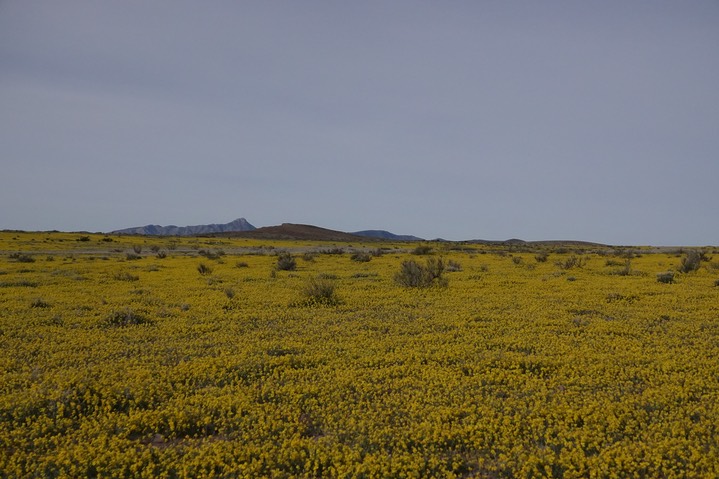
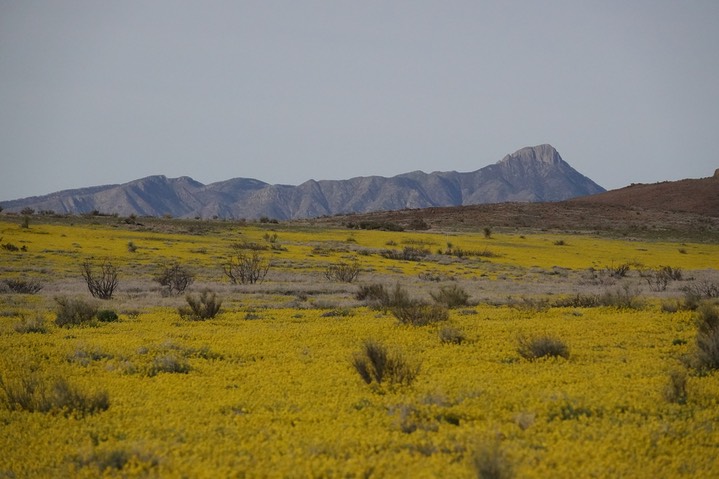
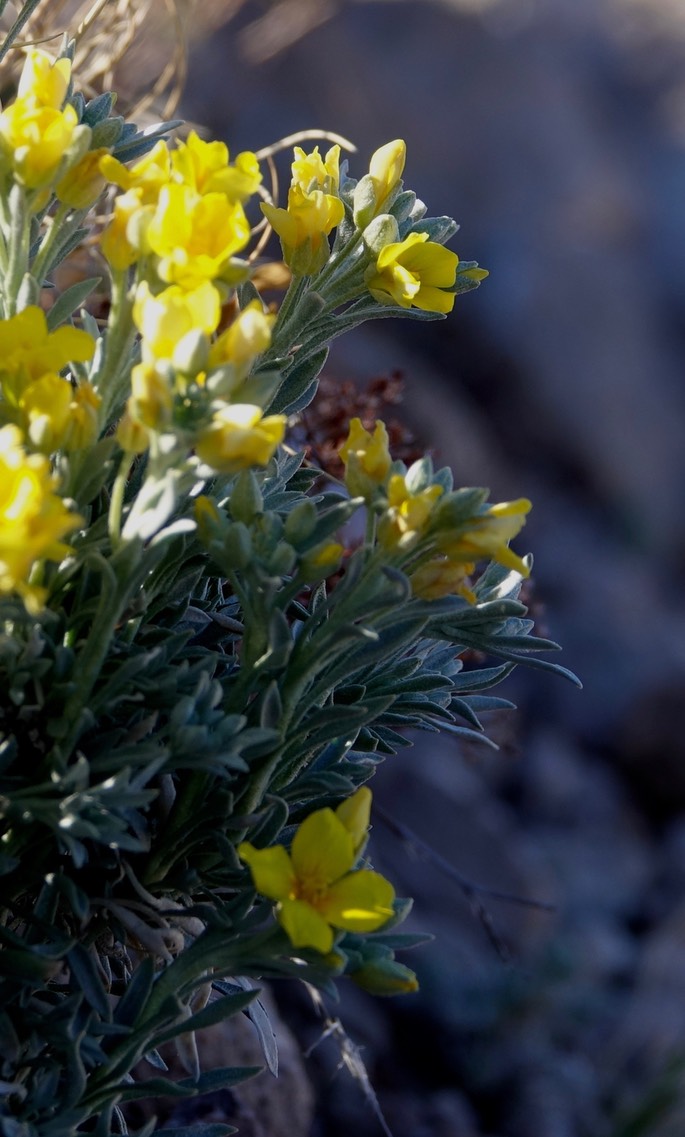
Unfortunately, the first two plants shown here had fruited so it is not possible to determine the species of these plants. They are either Fendler Bladderpod, Physaria fendleri, or Gordon’s Bladderpod, Physaria gordonii. The two species have roughly the same range and both are found at “mid-elevations”. Based on habitat, the species should be Gordon’s Bladderpod, but such a determination is tenuous at best.
The other images were taken at the Nutt Grasslands south of Lake Valley.
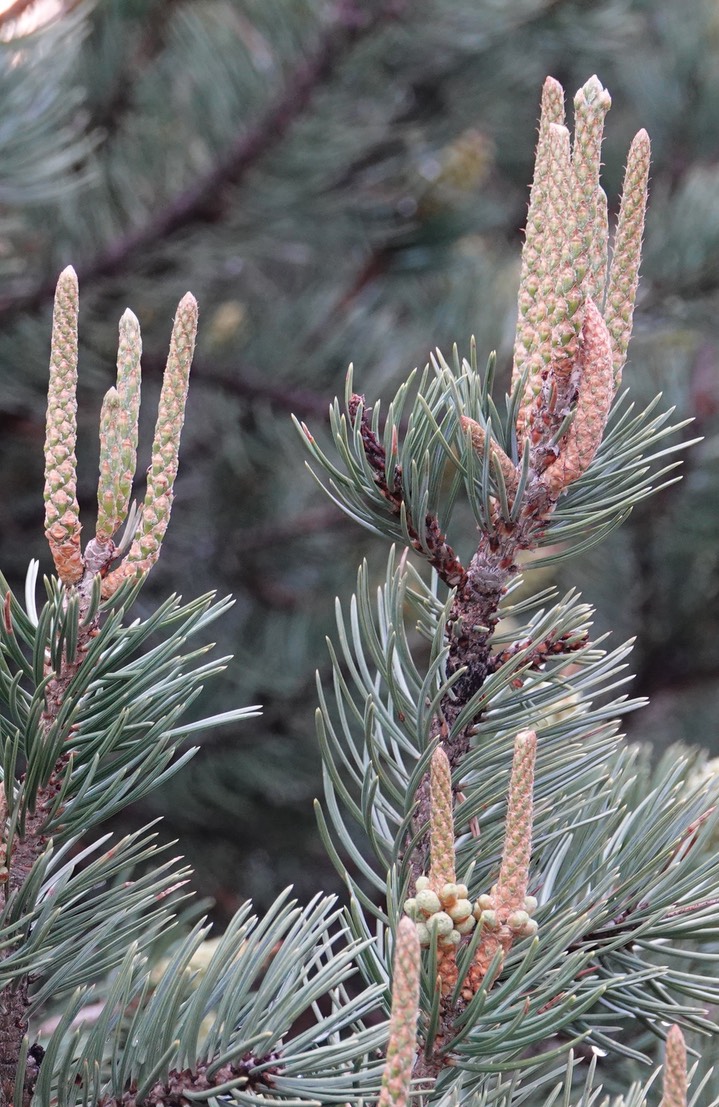
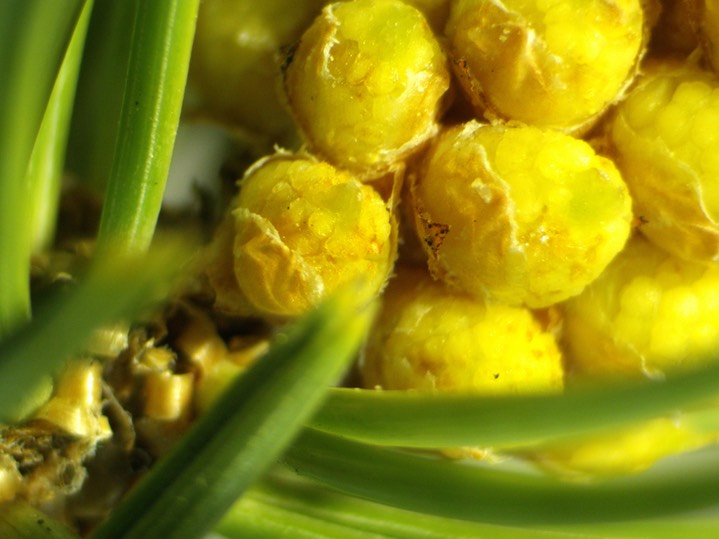
Pinus edulis
Two-needle Pinyon
Sawmill Canyon
& west of Kingston
Black Range
New Mexico
June
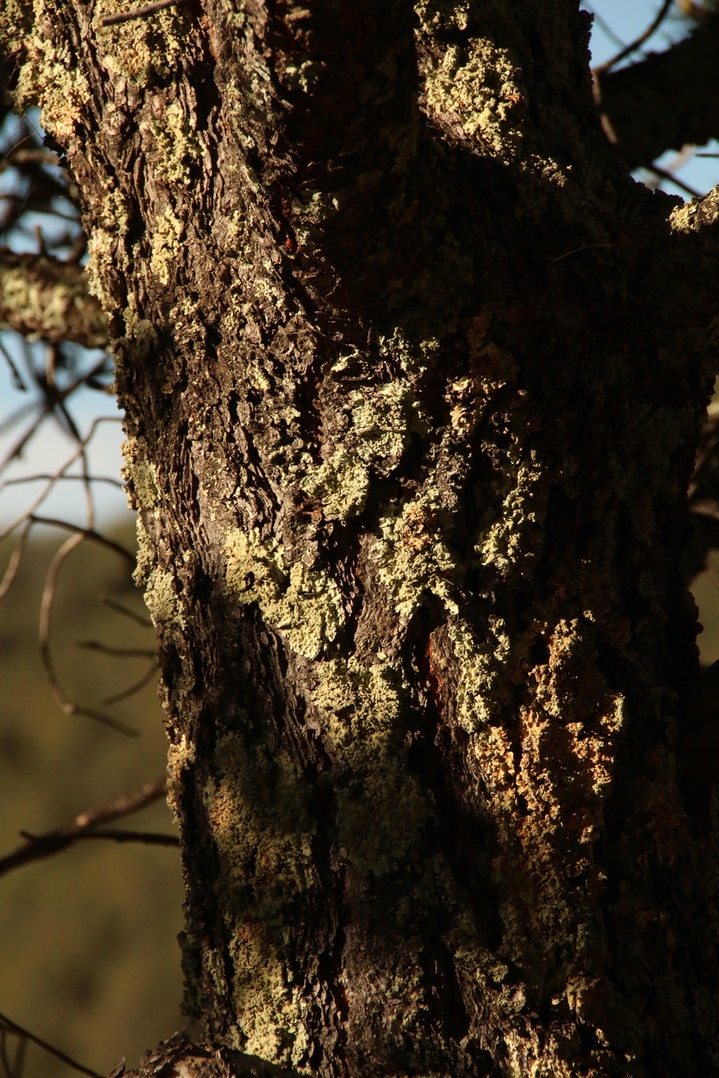
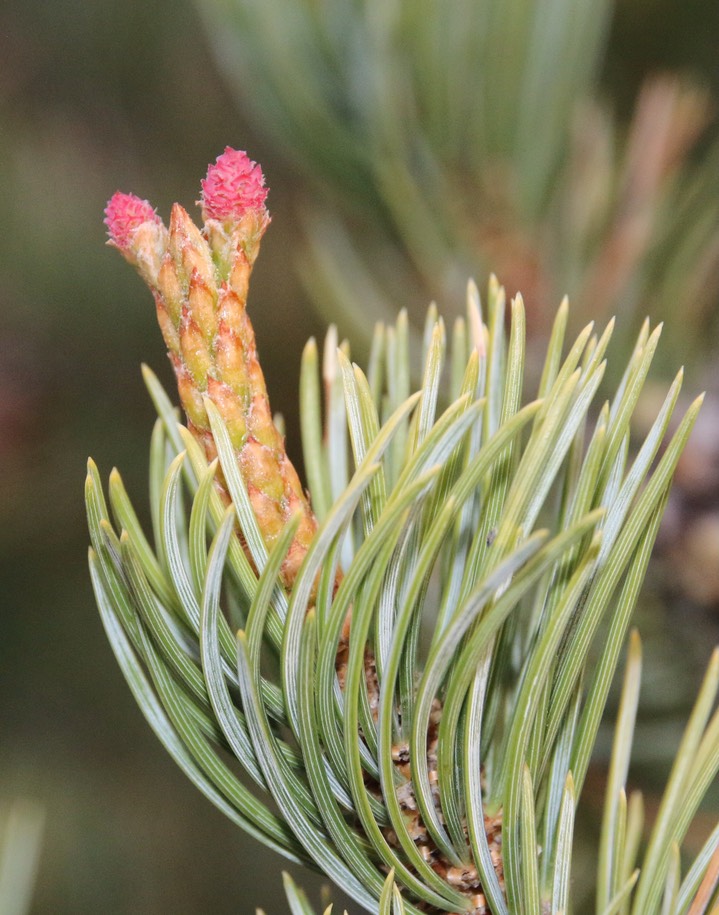
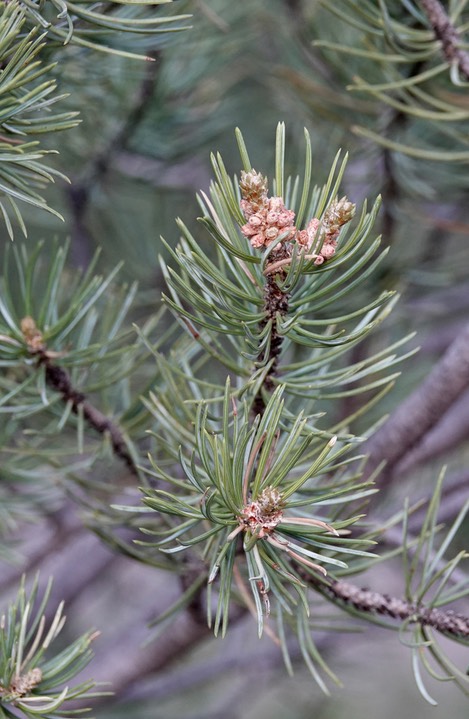
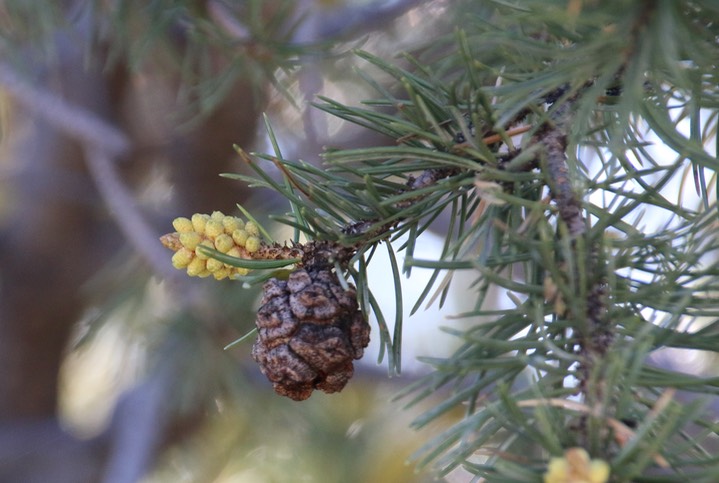
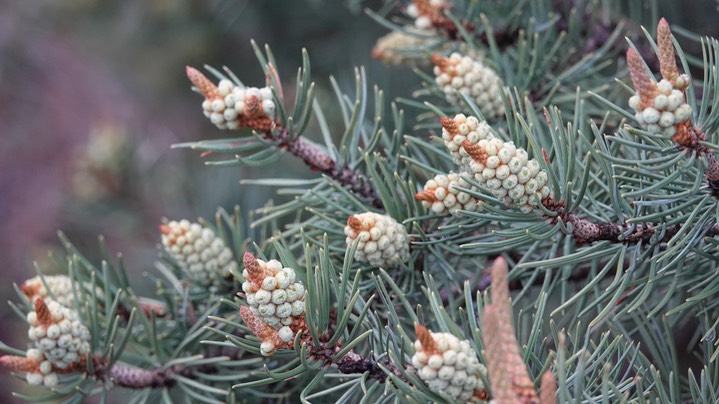
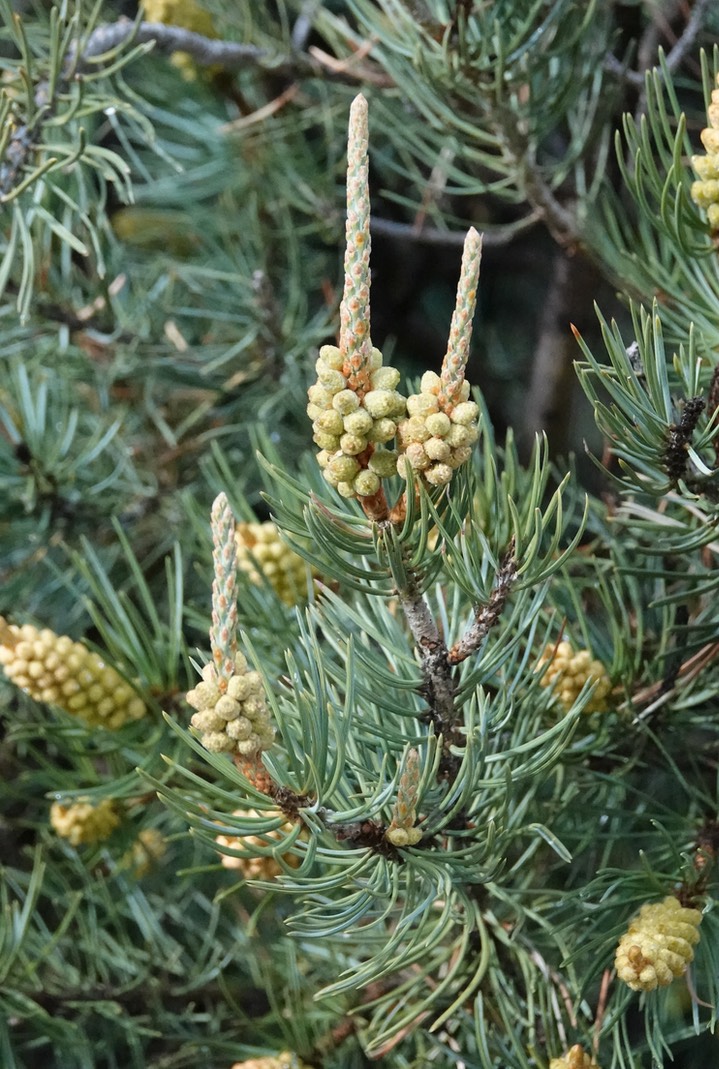
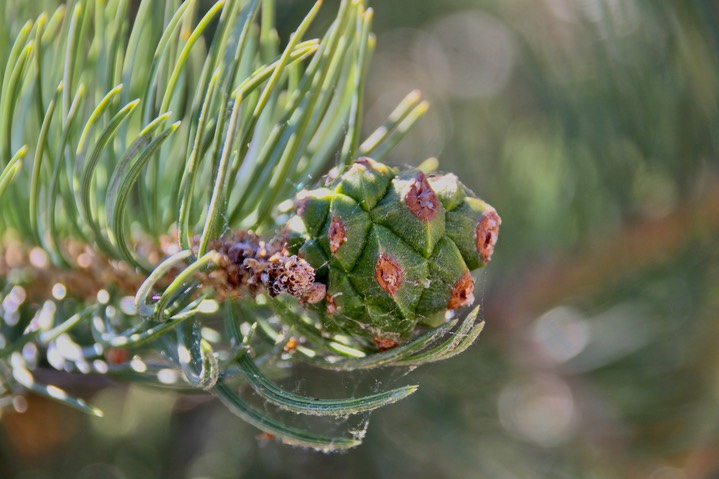
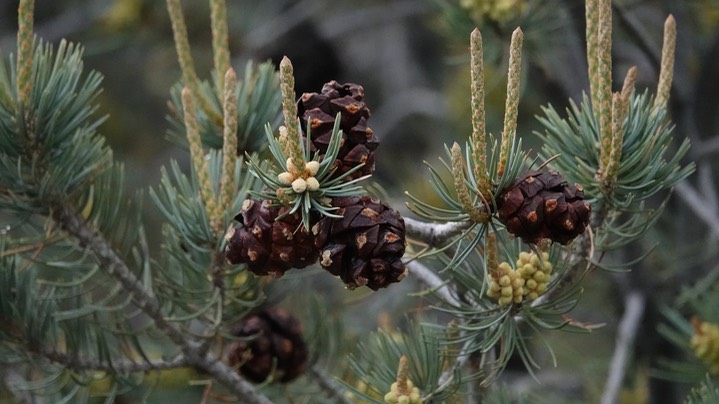
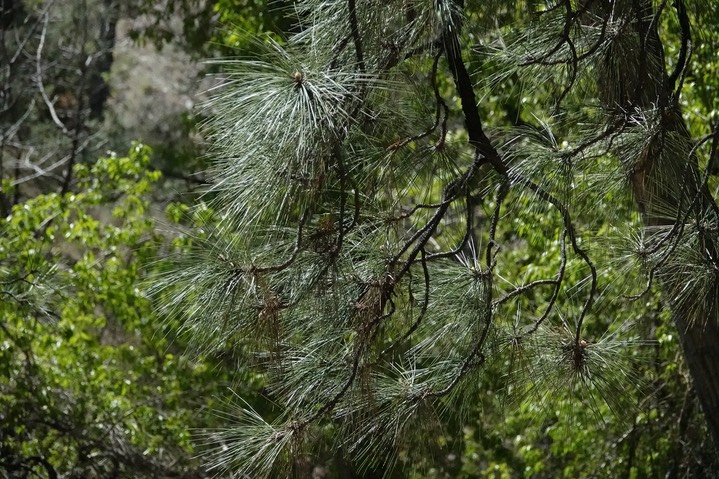
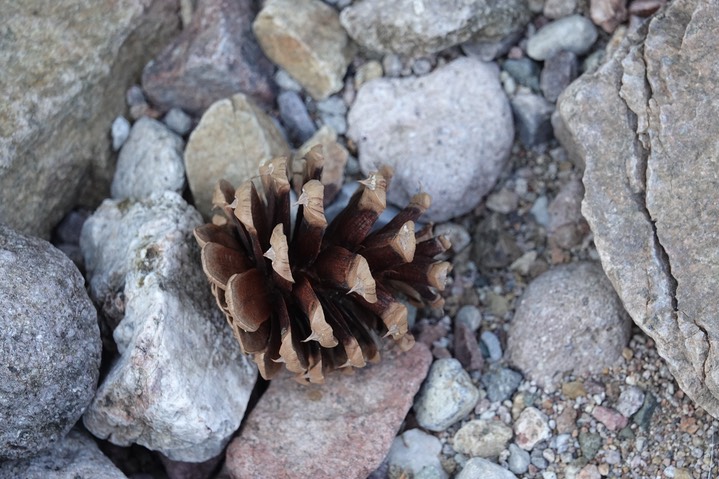
Pinus ponderosa
Ponderosa Pine
Trail 135 & Sawpit Canyon
Black Range
New Mexico
April
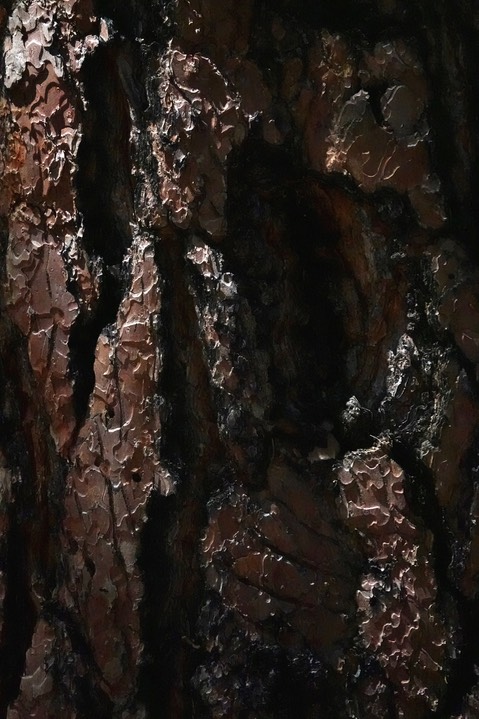
Pinus scopulorum
Rocky Mountain Ponderosa Pine
Railroad Canyon
Black Range
New Mexico
September
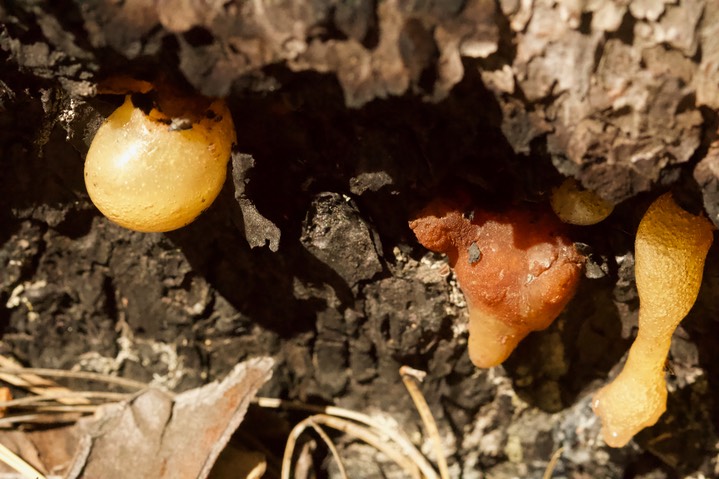
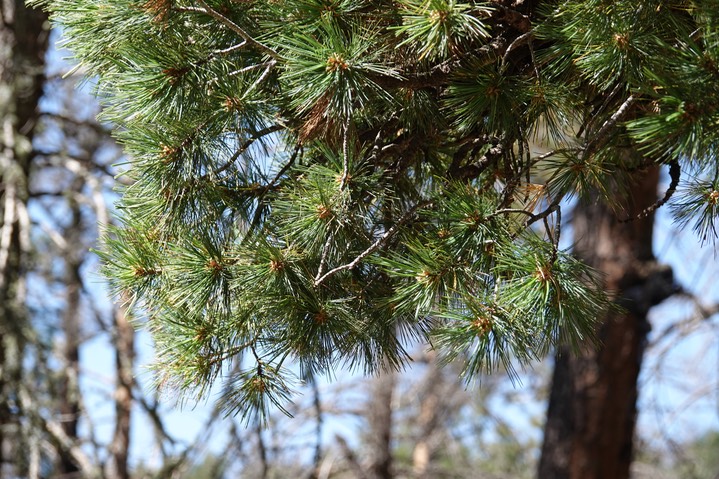
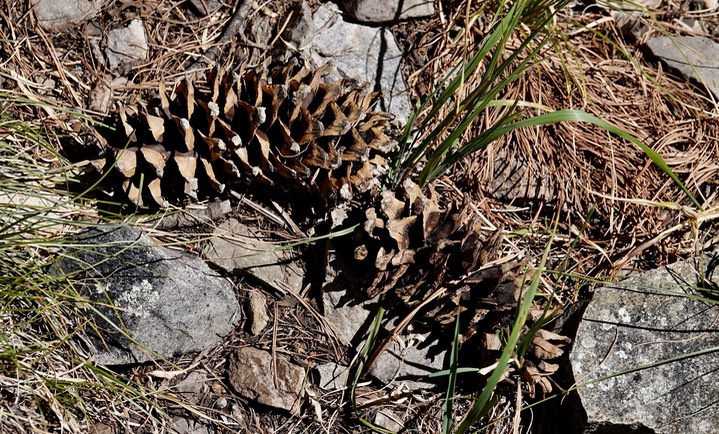
Pinus strobiformis (or syn: reflexa)
Southwest White Pine
Grandvidew Trail
Black Range
New Mexico
October
Plantago patagonica
Wooly Plantain
East of Hillsboro
Black Range
New Mexico
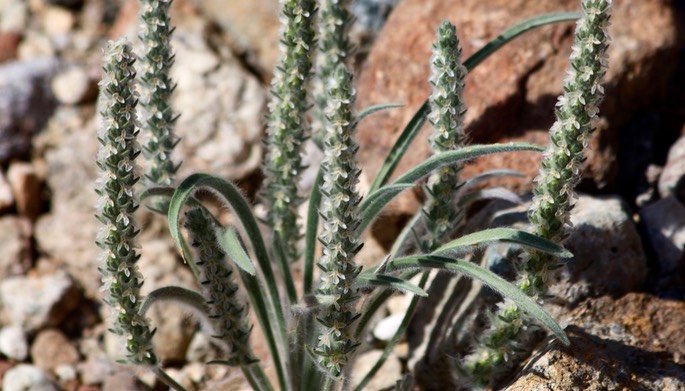
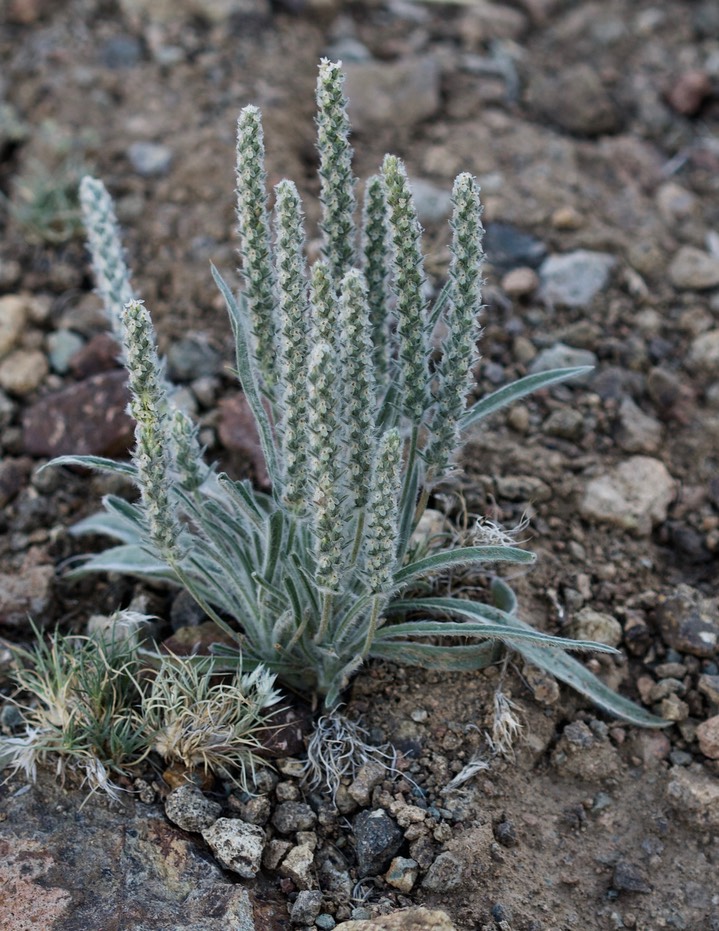
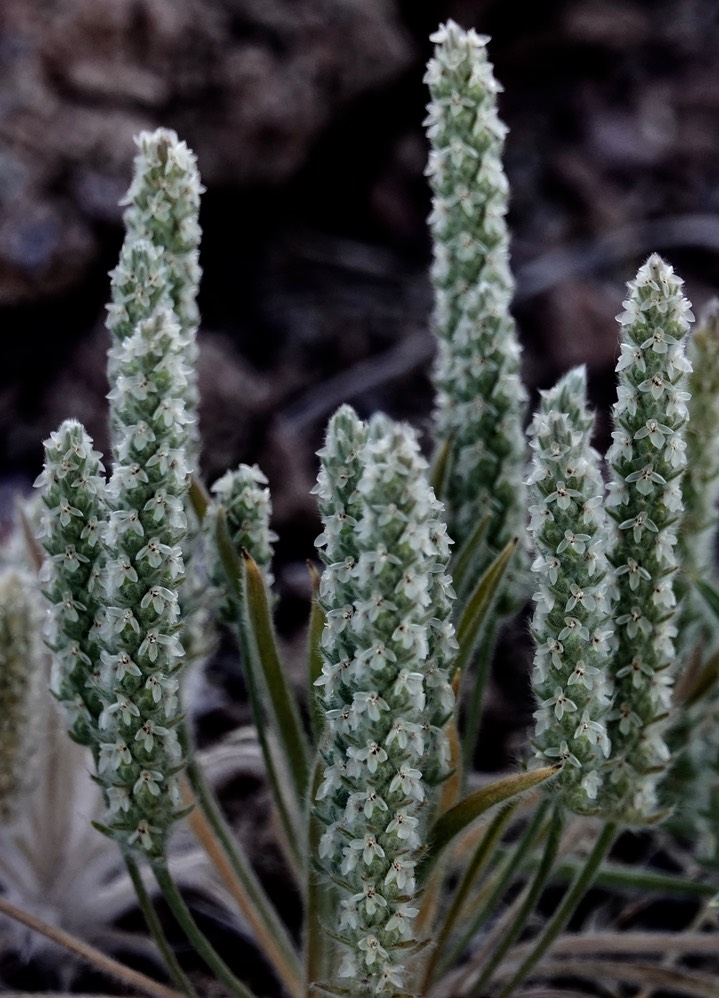
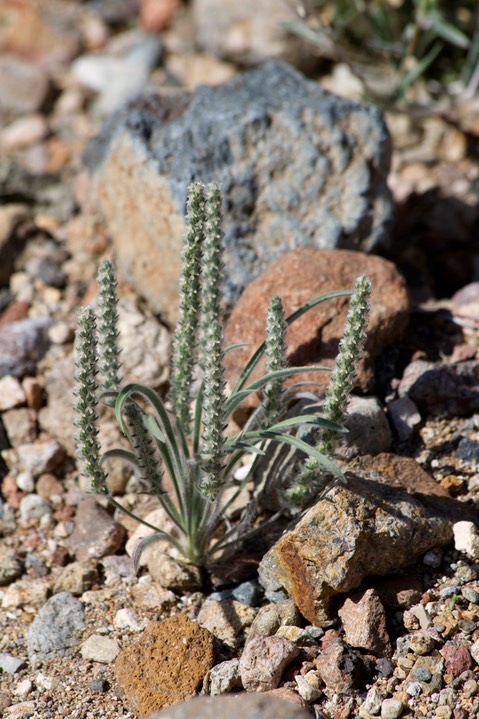
Plantago patagonica, Wooly Plantain, is a widespread species, being found in most of North America - from the middle tier of Canada south to northern Mexico (and parts of Argentina and Chile in South America). The specific name of this species makes since, in that, it was described by Nicolaus Jacquin in the late 1700’s from a specimen collected in Patagonia - that is, from the South American, rather than the North American, population.
Being widespread is often synonymous with multiple names, such is the case with the Wooly Plantain. There are, at least, a dozen scientific synonyms for this species
There are few records of the native food sources of the Apache or Mogollon cultures, but the Hopi, Zuni, Navajo, and Pima all used this plant for medicinal purposes, as well as for food. The University of Michigan maintains an excellent index of ethnobotany of the American indigenous peoples.
There are over 200 species in the Plantago genus. If you are interested in keying Plantago species in New Mexico you will find Plantago to be useful.
Polanisia dodecandra trachysperma
Clammyweed
Warm Springs Wash east of
Hillsboro
Black Range
New Mexico
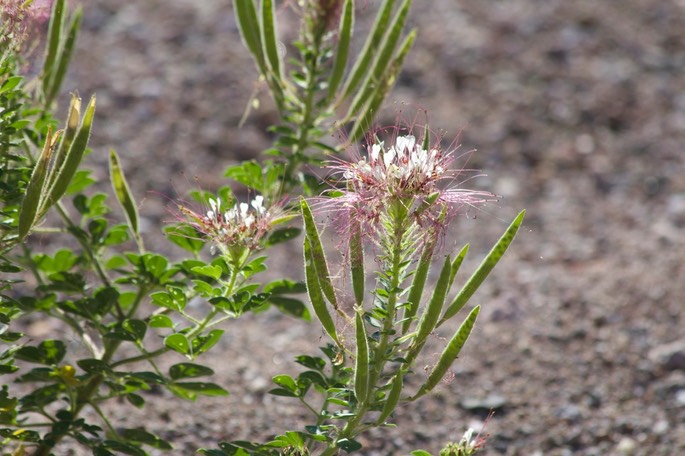
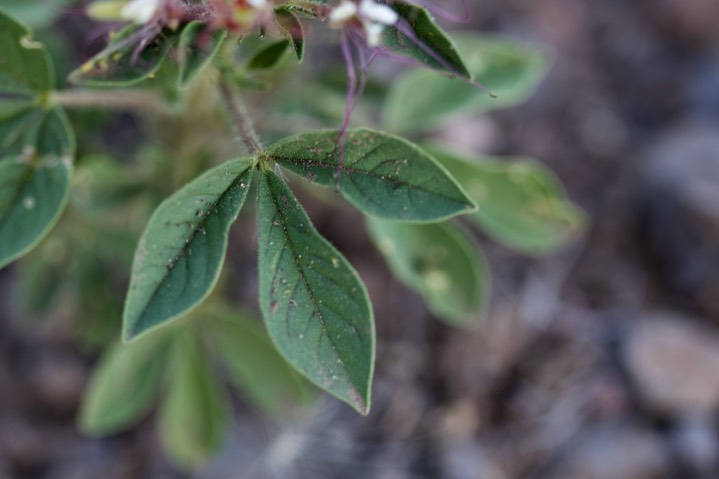
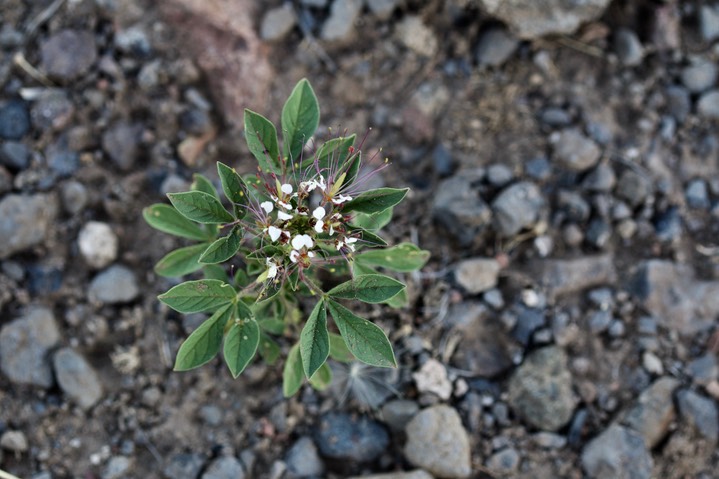
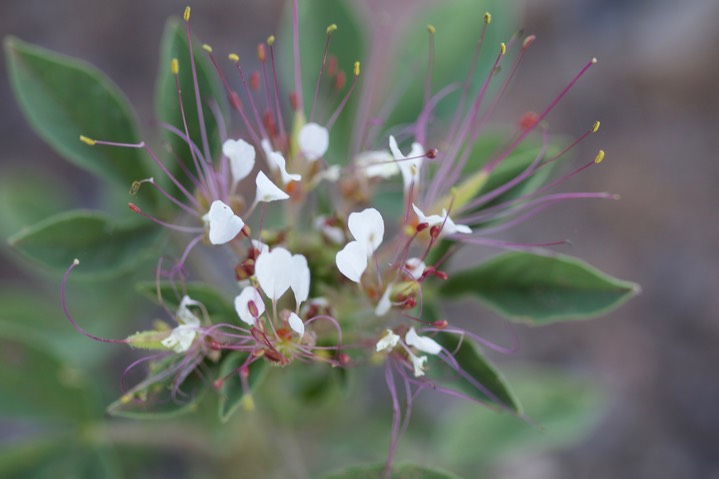
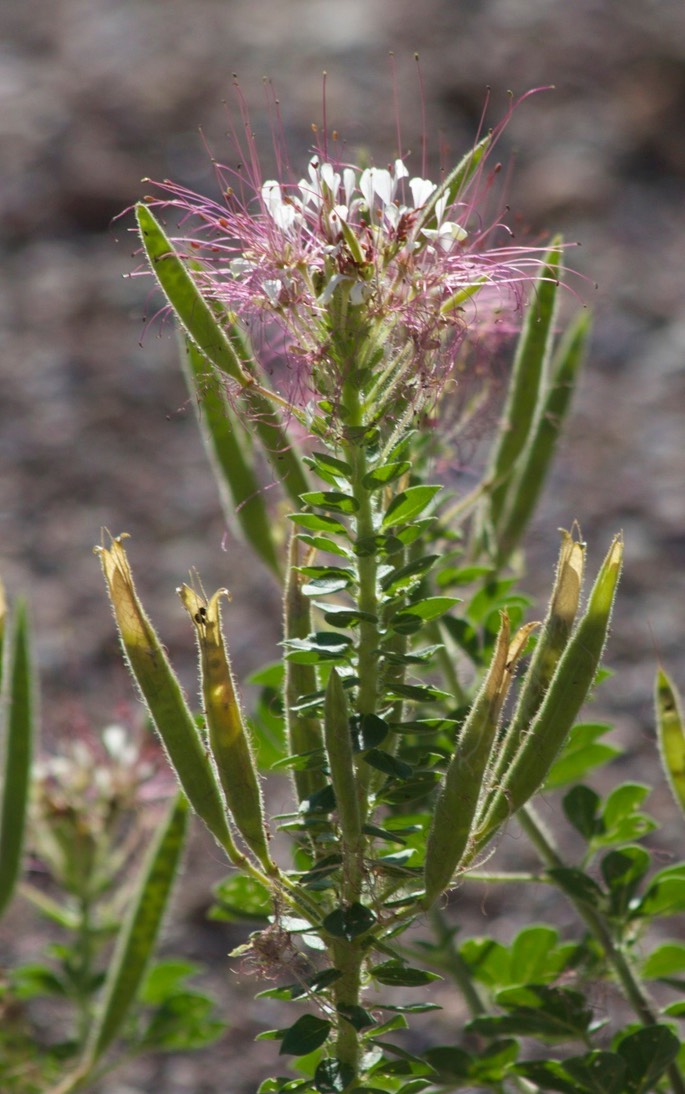
Clammyweed (a.k.a. Red Whisker Clammyweed), Polanisia dodecandra, is a common plant in washes and hillsides in our area at lower to middle elevations. It is common around Hillsboro.
It is found in nearly all of the lower 48 in the United States, southern Canada, and northern Mexico. There are three subspecies of this plant, two may be found here (the nominate form and P. d. dodecandra). P. d. trachysperma (Sandyseed, Western Clammyweed, or Large-flowered Clammyweed) is the more likely form to be found in this area. John Torrey and Asa Gray first described P. d. trachysperma as a full species (P. t.).
The species derives its common name from its “sticky” nature, created by surface glands. Linnaeus listed it as Cleome dodecandra and it is often referred to as “Cleome”. The subspecies most likely here has a synonym of Cleome trachysperma.
As seen in these photographs, the seed pods are quite large (up to 3” long) for a plant that seldom grows to more than 2’ in height. The pods only open at the top.
Polemonium foliosissimum
Jacob's Ladder,
Sawyers Peak Trail & Silver Creek Drainage
Black Range
New Mexico
June
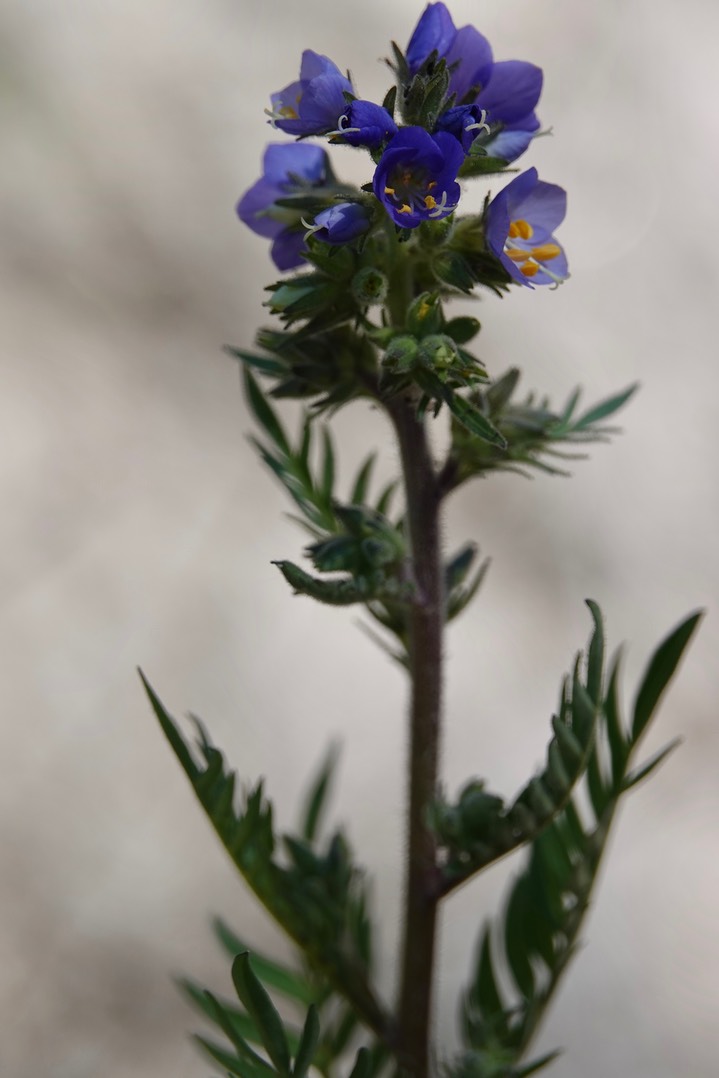
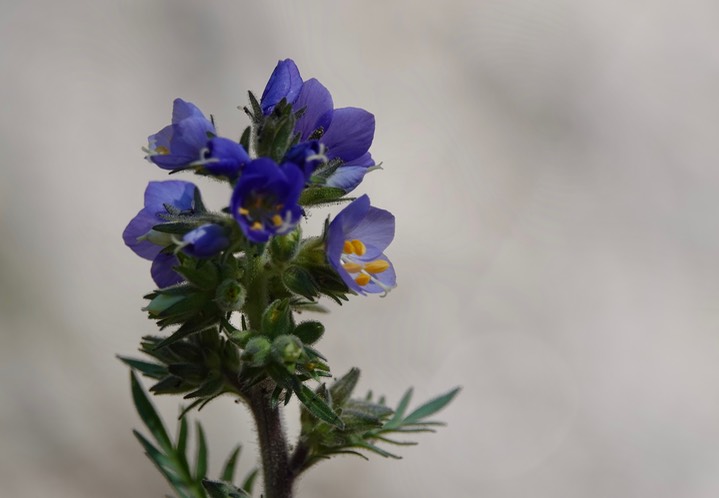
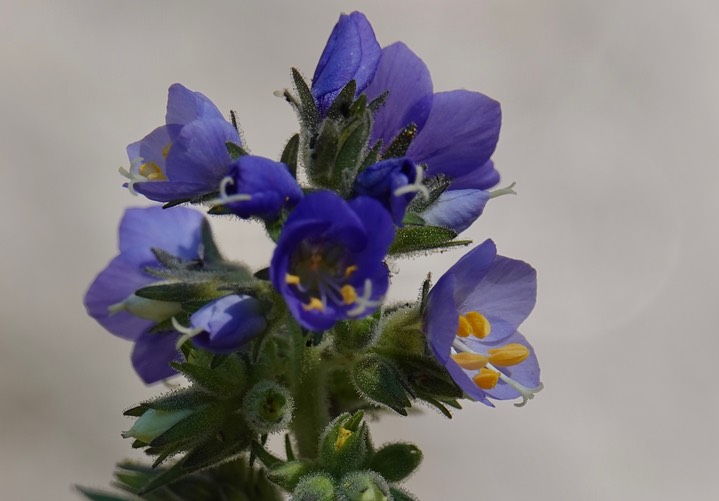
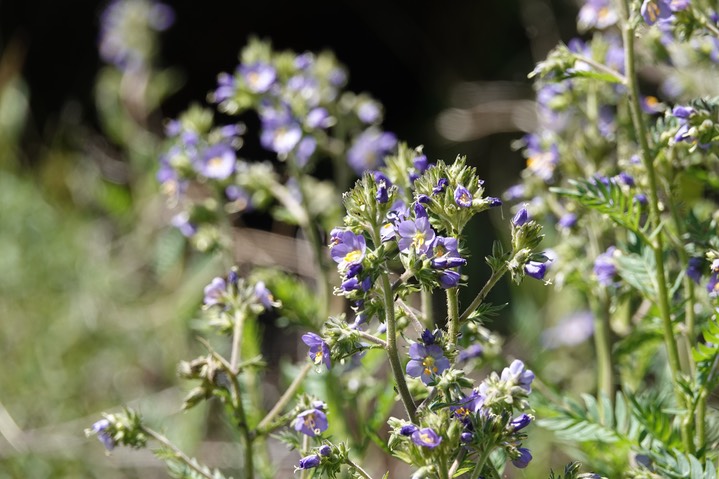
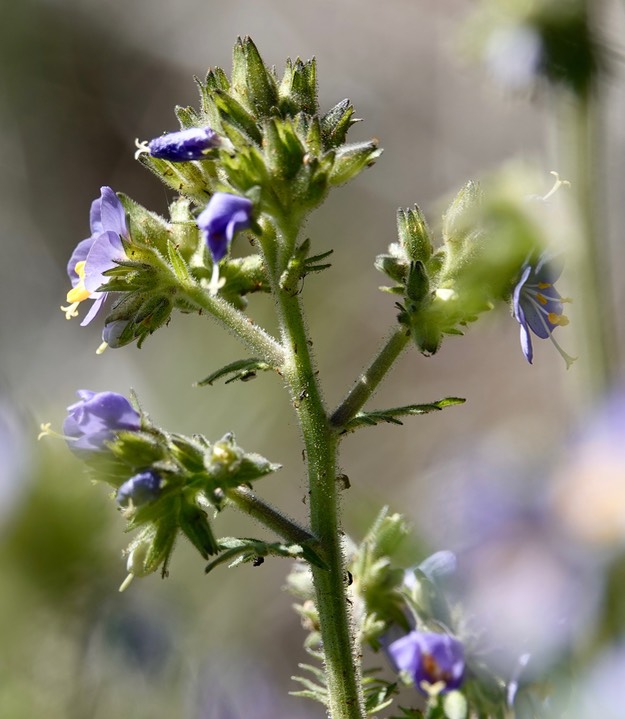
This species is found in the central and southern Rocky Mountains of the United States. This species is also referred to as Towering Jacob’s Ladder. It was first described by Asa Gray in 1878. There are two described subspecies (albiflorum and robustum). Varieties include the nominate form as well as alpinum, molle, and flavum. There are a significant number of species in the Polemonium genus.
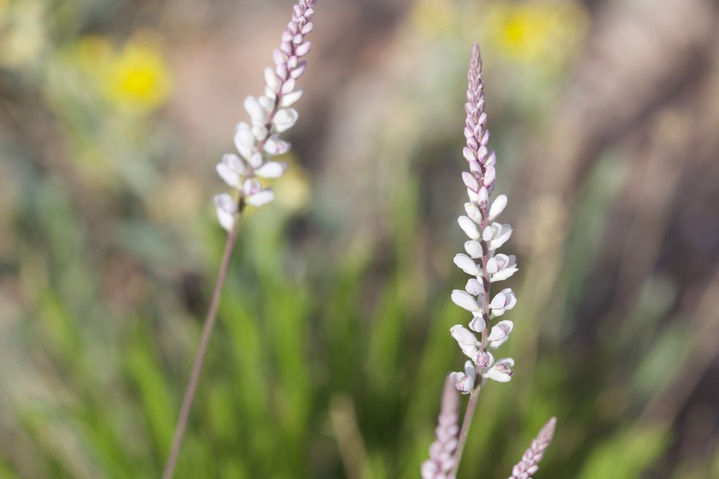
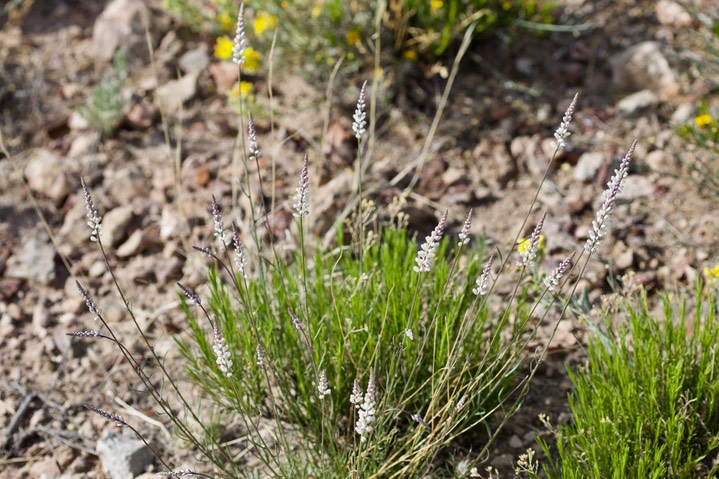
Polygala alba
Polygalaceae
White Milkwort
East of Hillsboro
Black Range
April
Populus x acuminata
Lance Leaf Cottonwood
Ready Pay Gulch
East of Hillsboro
Black
Range
New Mexico
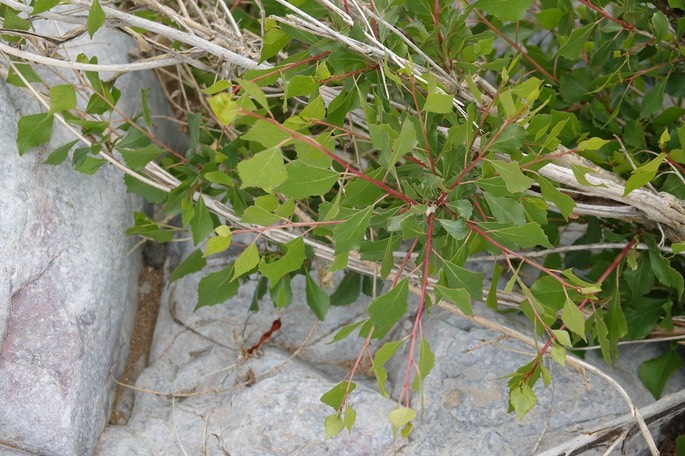
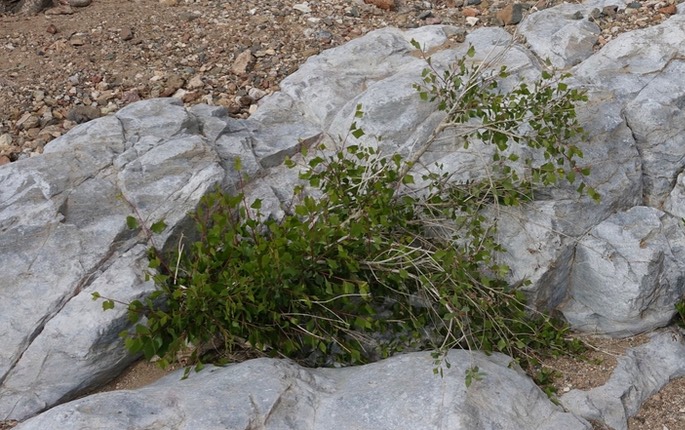
Populus x acuminata is a hybrid between Populus deltoides and Populus angustifolia. Its leaves have a shape which is in between the narrow shape of the P. angustifolia and the cordate shape (heart-shaped) of P. deltoides.
This specimen is growing in one of the washes of Ready Pay Gulch east of Hillsboro. The rock appears to be limestone. This is a rather strange place for a cottonwood to be growing. They are “survivors” but most of the time this is a very dry place.
P. angustifolia is a western species while P. deltoides is found in much of the United States. The range of the Lance Leaf Cottonwood is restricted (for the most part) to the Rocky Mountains. At one time Lance Leaf Cottonwood was considered a full species and not a hybrid.
Populus angustifolia
Narrowleaf Cottonwood
(aka Mountain Cottonwood)
Bloodgood Spring south of Kingston
Black Range
New Mexico
July
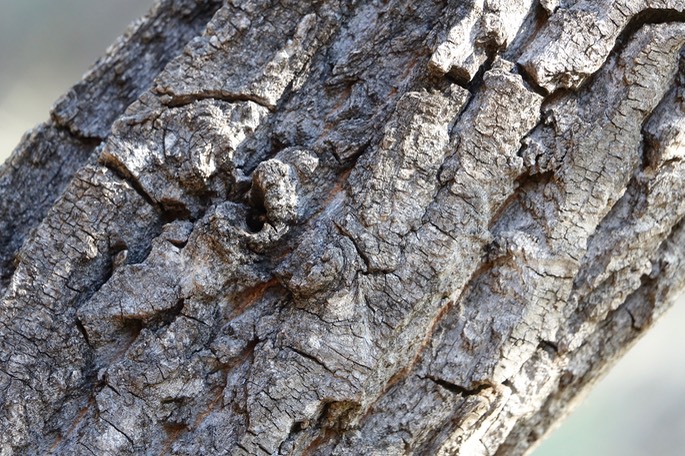
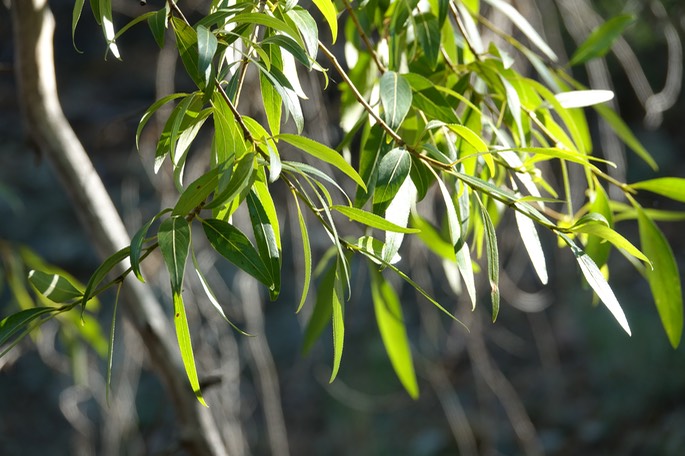
There are several synonyms for this species; including P. balsamifera var. angustifolia, P. candensis var. angustifolia, P. fortissima, P. salicifolia, & P. tweedi. It was first described by Edwin James in 1823 based on his work on Long’s Expedition.
This species is found in Alberta, Saskatchewan, south through the Rockies, to Chihuahua, Coahuila, & Sonora.
Populus fremontii
Fremont Cottonwood
Percha Box
East of Hillsboro
Black Range
New Mexico
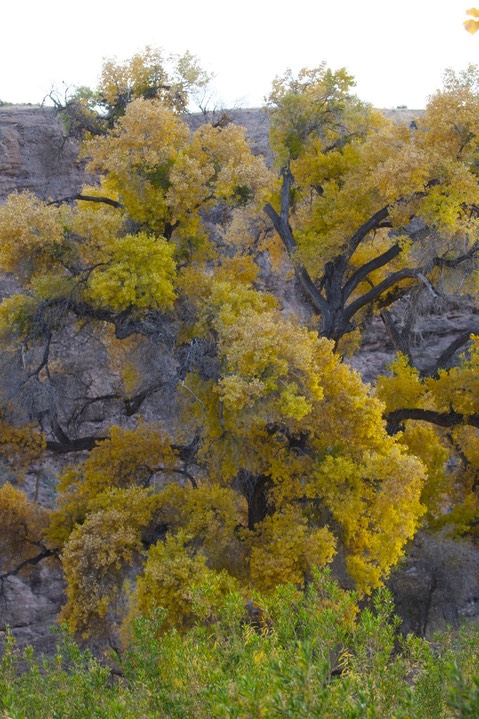
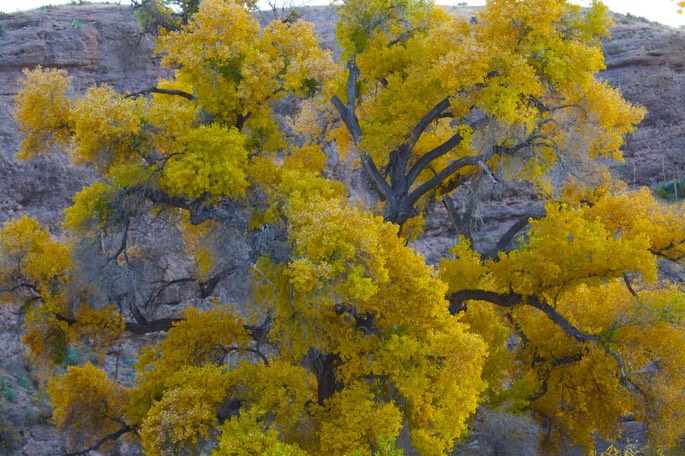
Fremont’s Cottonwood (also simply Fremont Cottonwood) is a common species in the foothills of the Black Range, typically below 7,000’ along (and in) stream beds. It is a western species with a native range restricted to the southwestern United States (including California and west Texas) and northern Mexico. Historically the indigenous people of the southwest used the cottonwood to make baskets, tools, musical instruments and as fuel and food (the inner bark has a significant amount of vitamin C ).
The Fremont’s Cottonwood was first described by Sereno Watson and named to honor John Fremont. Watson was curator at Harvard’s Gray Herbarium and a member of several expeditions to Guatemala, Utah, Nevada, and Montana. Several plant species are named in his honor including Watson Brickell Bush and Watson Snakeroot.
Populus tremuloides
Quaking Aspen
Railroad Canyon and at higher elevations in the
Black Range
New Mexico
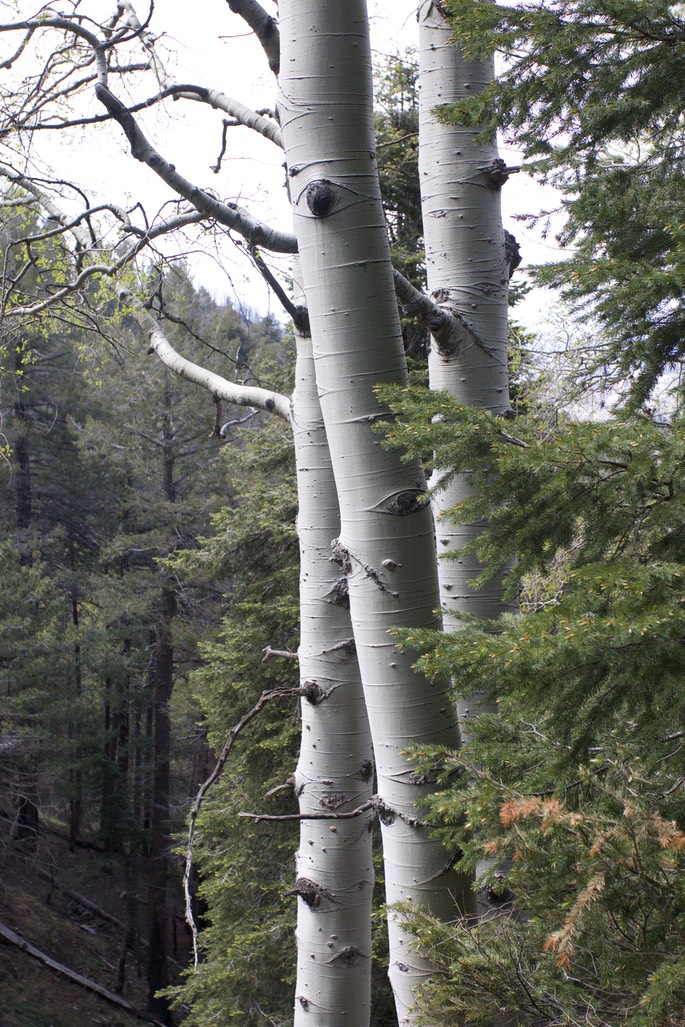
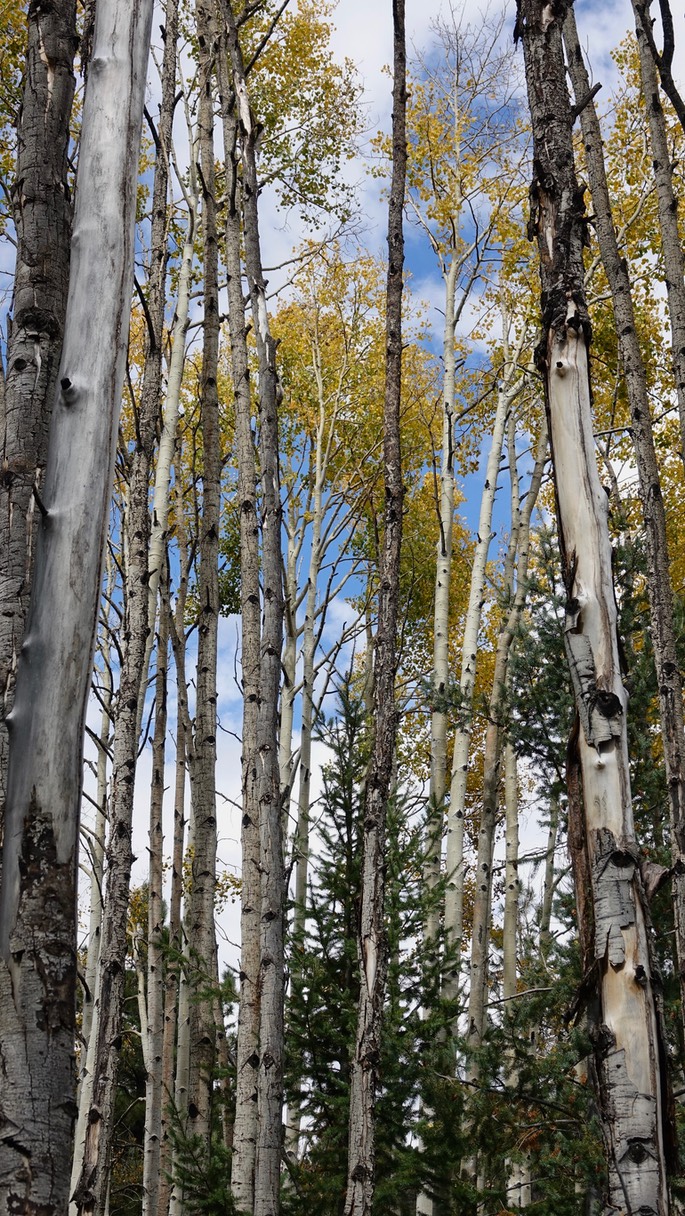
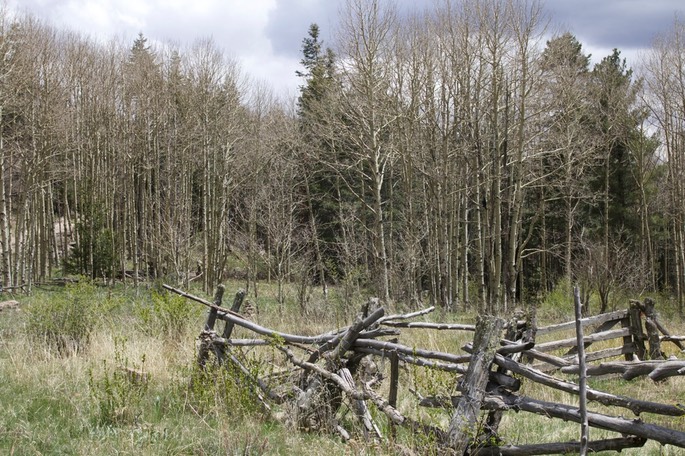
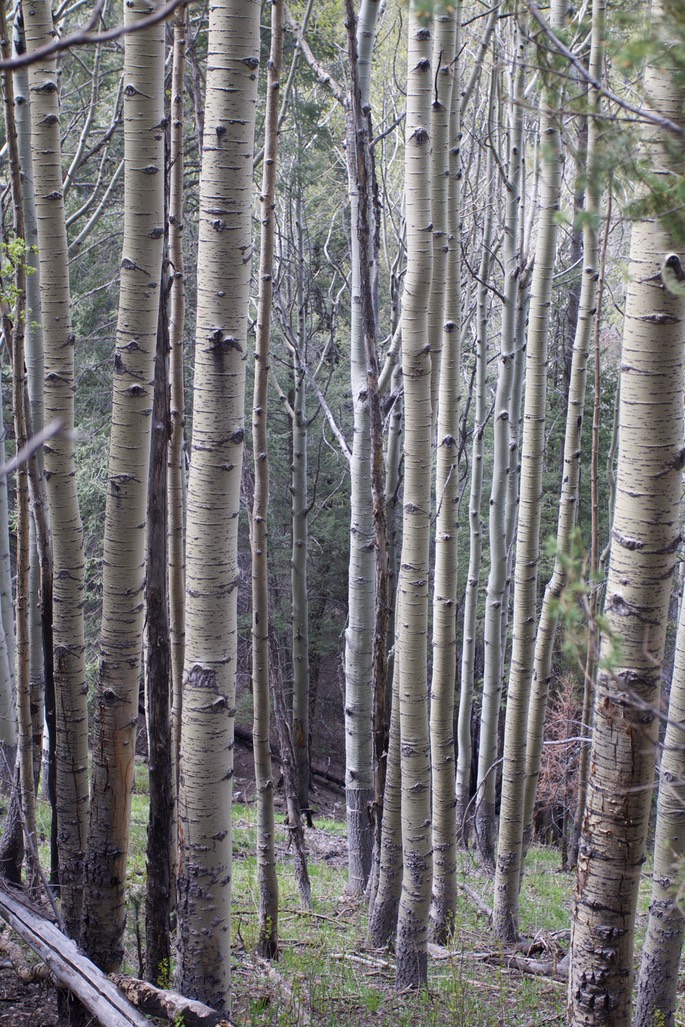
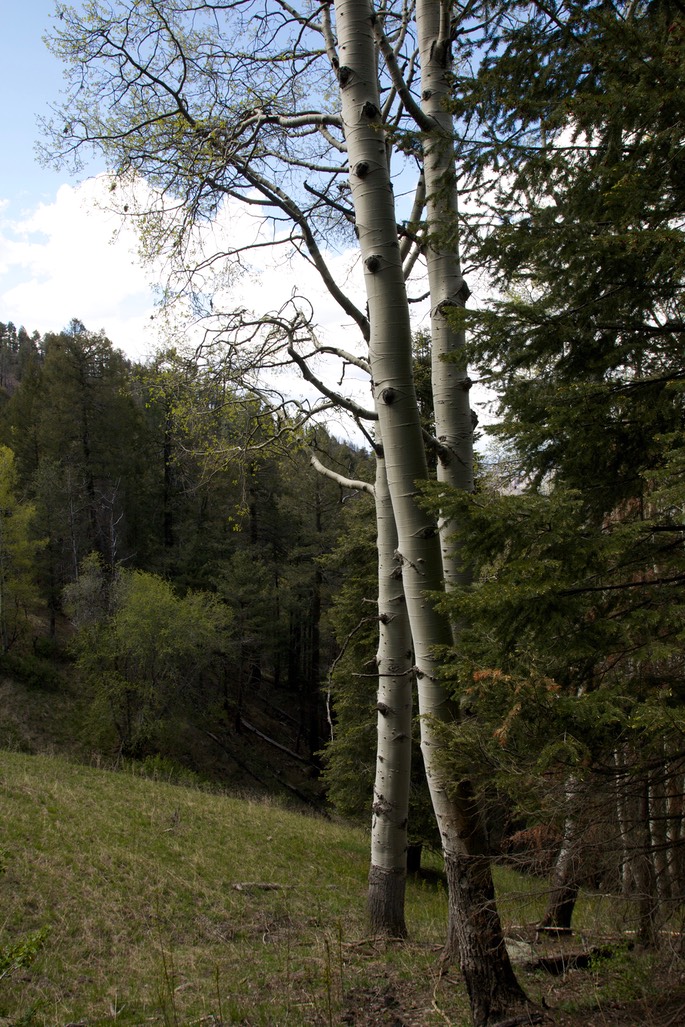
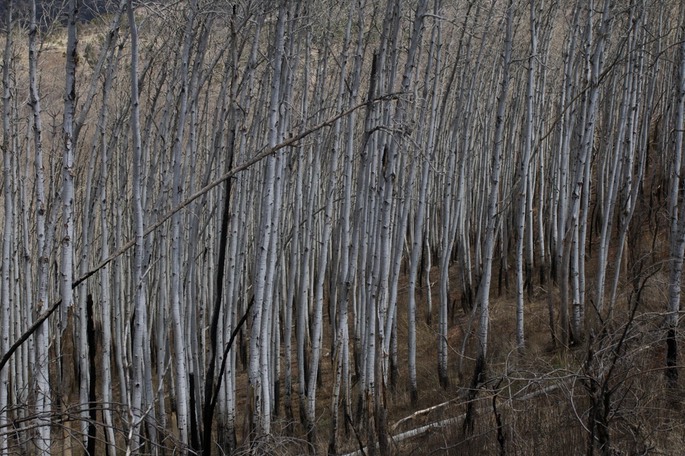
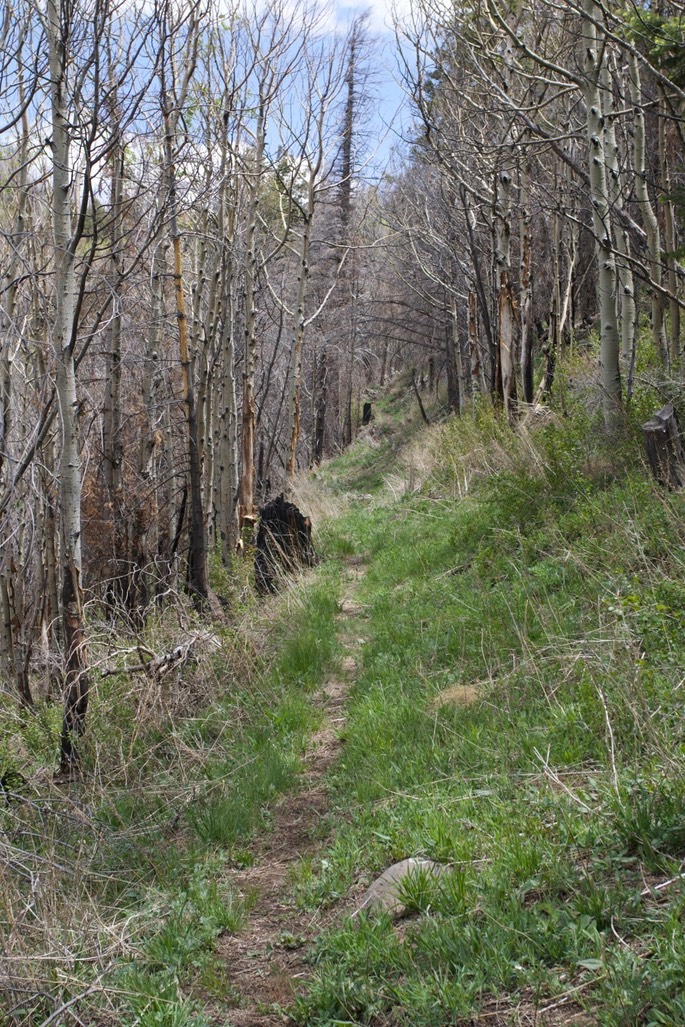
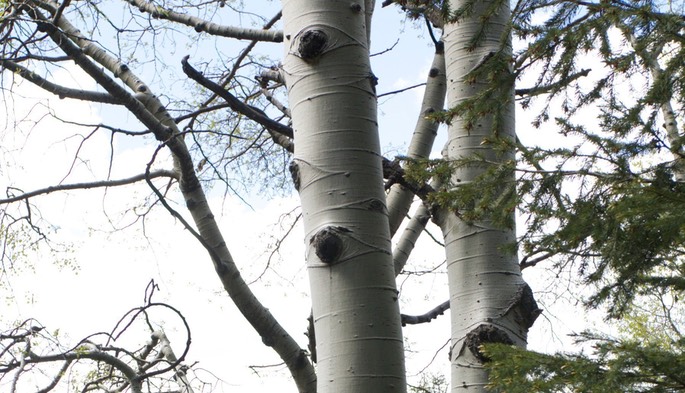
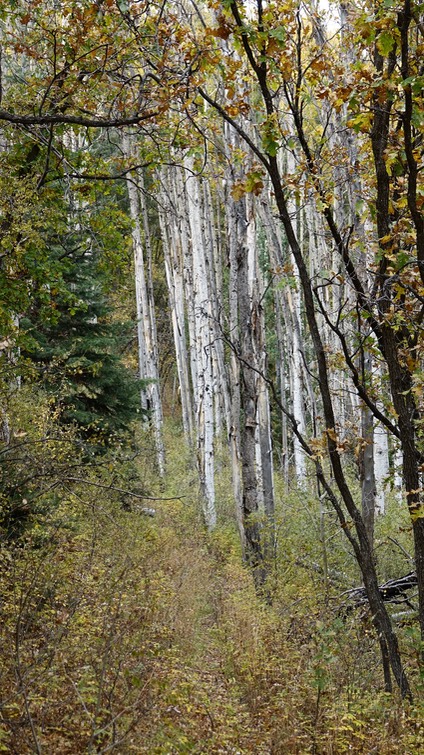
Although I know better now, there was a time when the Quaking Aspen, Populus tremuloides, was the last thing on my mind when I thought about the flora of southern New Mexico. Yucca, Agave, Apache Plum, Cholla... sure, but Quaking Aspen? The beautiful stands typical of the high Rockies, no, probably not.
When the Silver Fire raged through the Black Range the question in our household was, “did it get the Aspen?” followed by a fatalistic “Well, they are supposed to come back well following a fire.”
Well the Silver Fire (and later the Black Fire) “got” a lot of the Aspen, but not all of them and where it did burn the Aspen badly new saplings are growing quickly. Considering what happened, the Aspen came through the Silver Fire quite well in many (but not all) areas.
Quaking Aspen spread from their roots, many of the stands which we see in the Black Range are actually clonal colonies. A partially burned grove may be more like amputation than death. That method of reproduction may be the reason that Quaking Aspen do so well in the aftermath of a fire, the suckers come back from the roots. In fact, although Aspen produce seed, that is not how they generally reproduce, the seeds do not have much in the way of energy stores. Since each stand, and stands can cover large areas, is generally one individual - and therefore, either male or female - sexual reproduction is more difficult.
Many of the Aspen groves in the Black Range were (are) made up of trees of similar diameter. That probably is the result of a fire sometimes in the past, perhaps more devastating than the Silver Fire.
The characteristic flutter of Quaking Aspen leaves in the wind is caused by the way the leaf is attached to the tree, the petiole (stalk) of the leaf is flattened. And those wonderful “eyes” along the trunk are places where branches were once attached.
Populus tremuloides has never been known by another scientific name but its common name can cause some confusion. In addition to Quaking Aspen, it is also known the American Aspen, the Golden Aspen, Trembling Poplar.... Populus tremula, which is found in Europe, is also called Quaking Aspen (tremuloides means “similiar to tremula”).
The Quaking Aspen is a tree of North America, being found in most of Canada (limited only by the permafrost of the far north), parts of the north in the eastern United States, and in the high mountains of the western United States and Mexico.
The biggest danger the Aspens of the Black Range face at the moment is cattle grazing. There is little else for the cattle to graze on since the forest has not had time to regenerate since the fire. All of this, of course, increasing the chances of flooding in the low-lands.
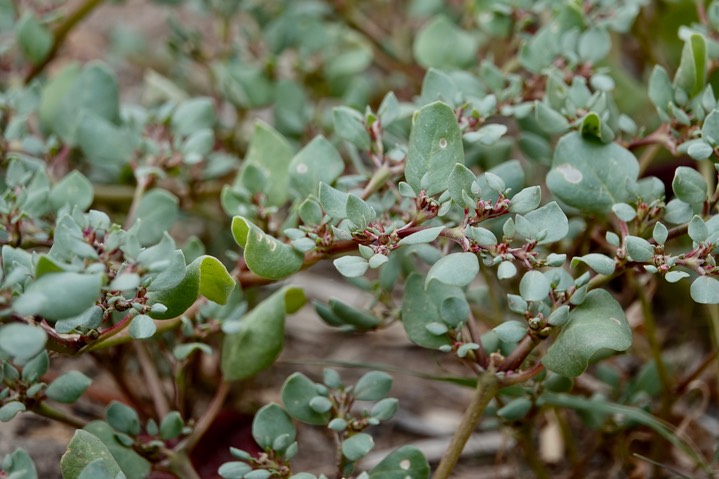
Portulaca oleracea
Garden Purslane
Hillsboro
Black Range
New Mexico
August
Portulaca suffretescens
Shrubby Purslane
South of Hillsboro
Black Range
New Mexico
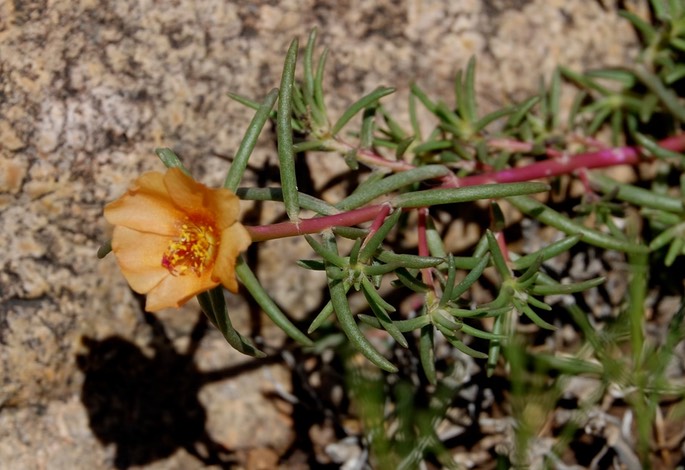
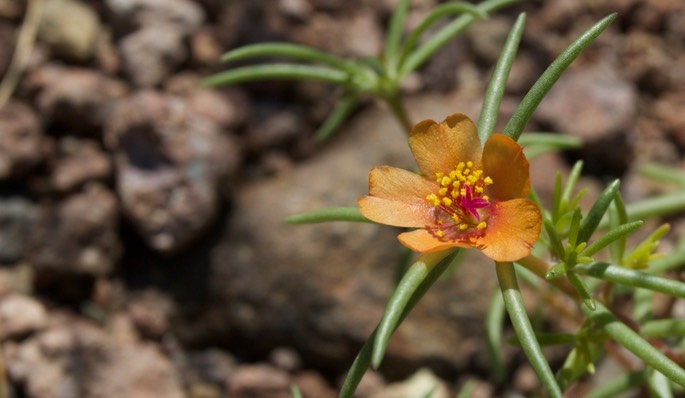
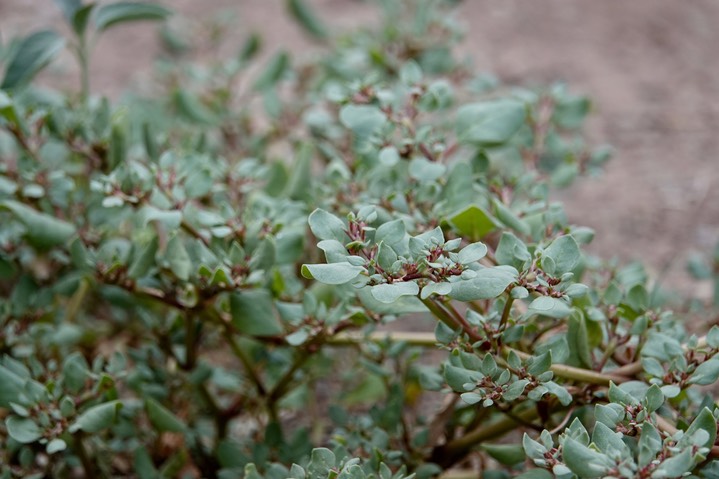
Portulaca suffrutescens, Shrubby Purslane, was first described by George Engelmann in 1881 (page 236 of The Botanical Gazette; A Paper of Botanical Notes Volumes V and VI, 1880-1881).
The range of this species, within the United States, is shownis limited to the southern parts of Arizona, New Mexico, and west Texas. Within Mexico, this species is found in Sonora, Chihuahua, Durango, Guerrero, Sinaloa, and Querétaro.
Another common English name for this species is Copper Purslane.
Potentilla anserina
Silverweed
Sawyers Peak Trail
Black Range
New Mexico
June
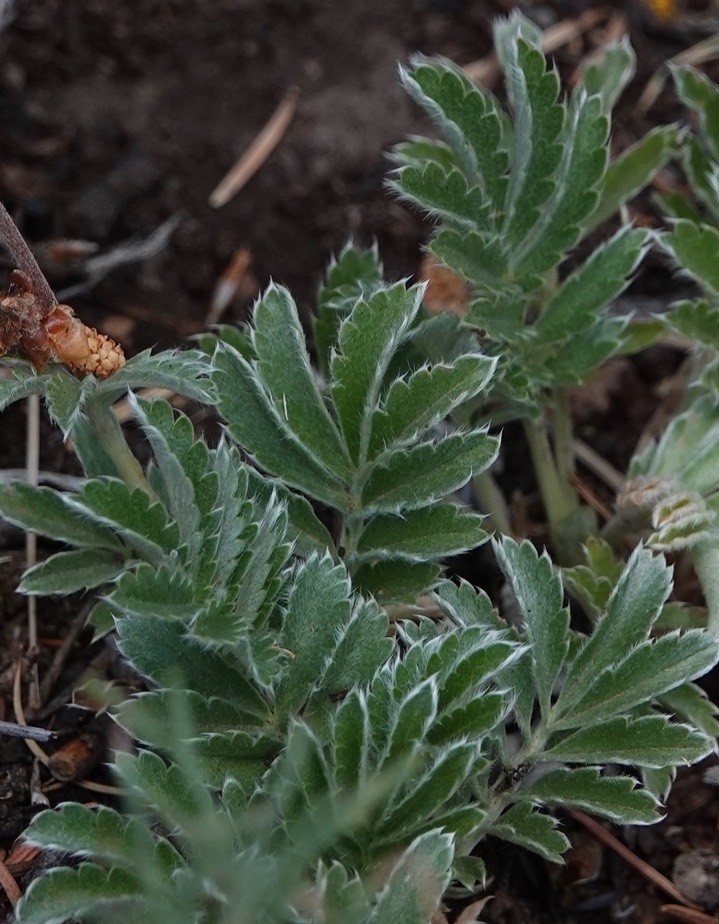
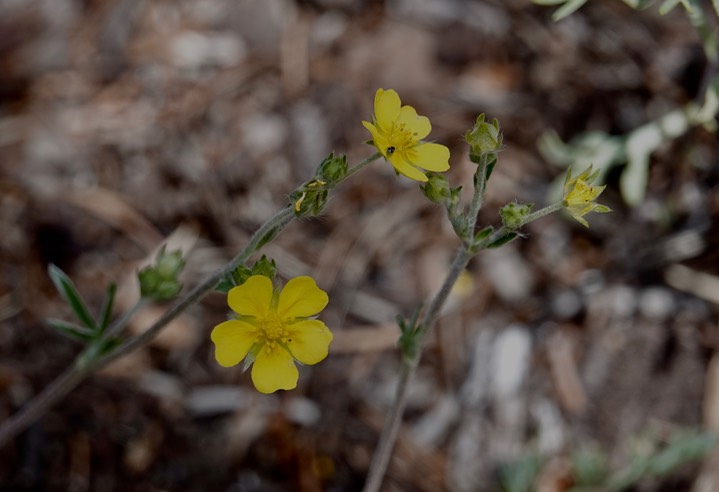
This species is widely distributed in the western United States and southern Canada. There are five subspecies, the species is found in North America, South America (Argentina and Chile), Eurasia, New Guinea, New Zealand, and southern Australia. The physical variation of the species matches the geographic distribution, that is - it is extensive. The plants shown here are of the nominate form. The intermediates in all of the zones of contact show reduced fertility - speciation in process.
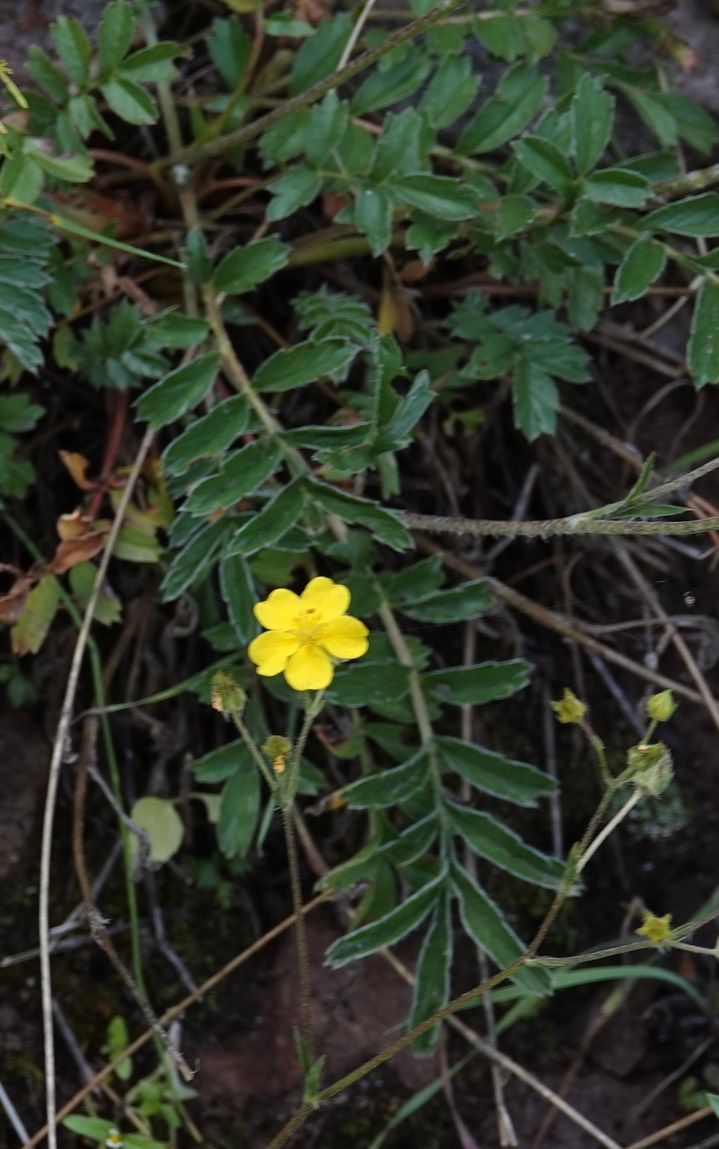
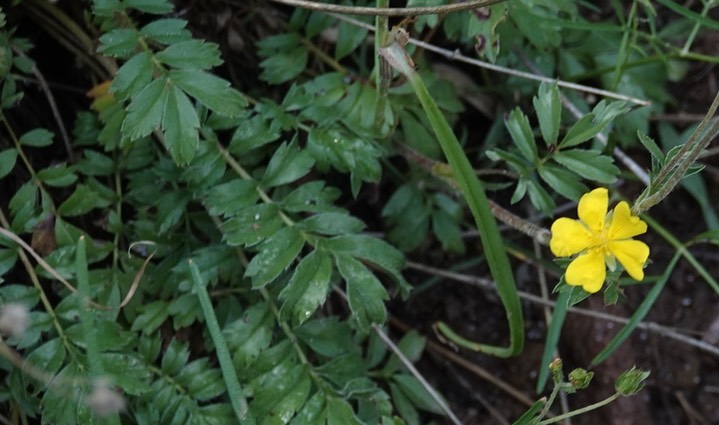
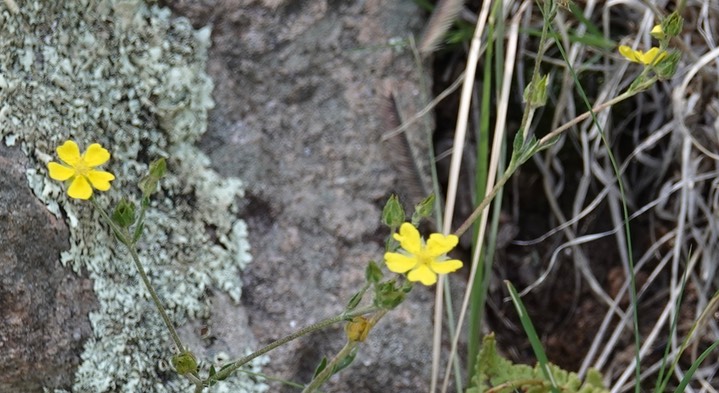
Potentilla crinita (A. Gray)
Bearded or Lemmon’s Cinquefoil
Rabb Park
West Slope of the Black Range
New Mexico
September
Potentilla thurberi thurberi
Thurber's Cinquefoil
Carbonate Creek Canyon
Black Range
New Mexico
July
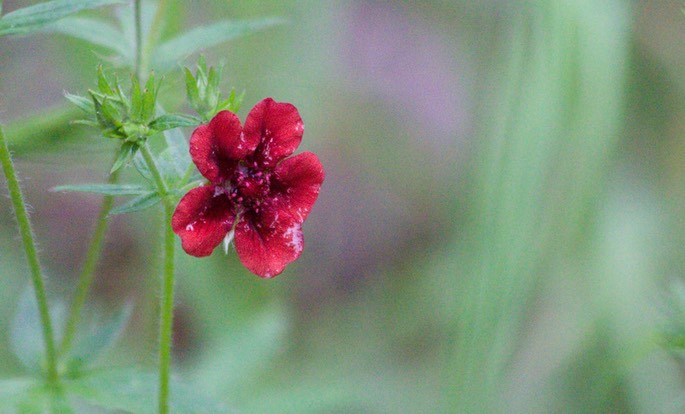
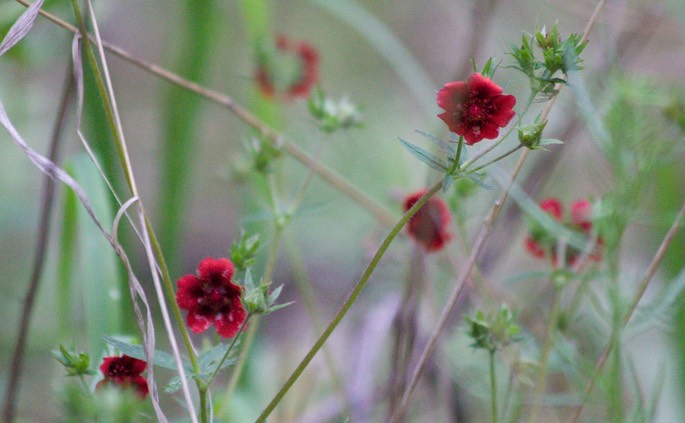
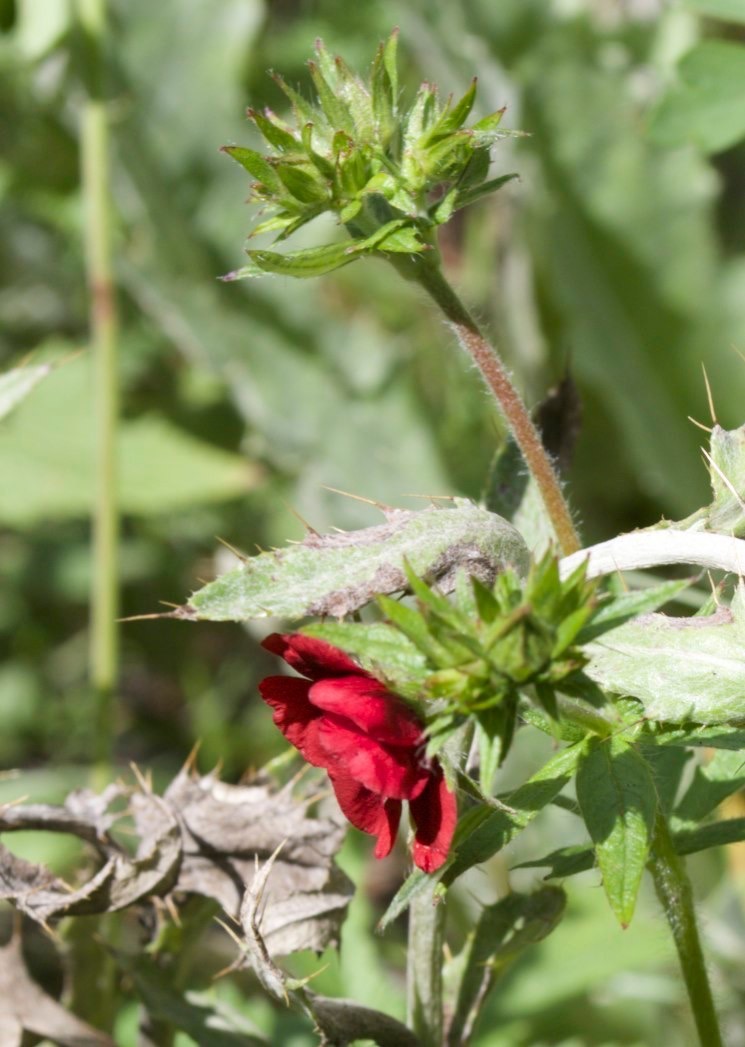
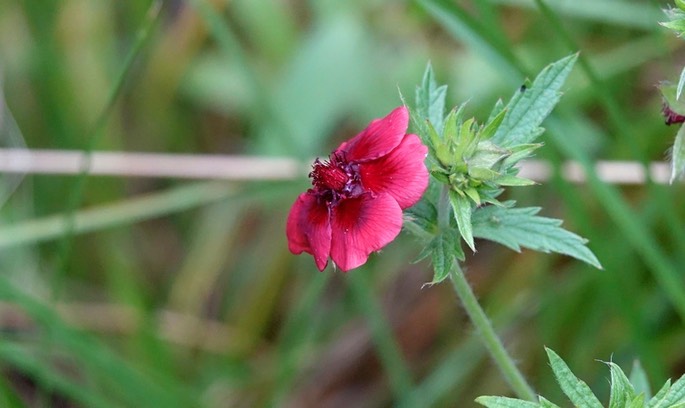
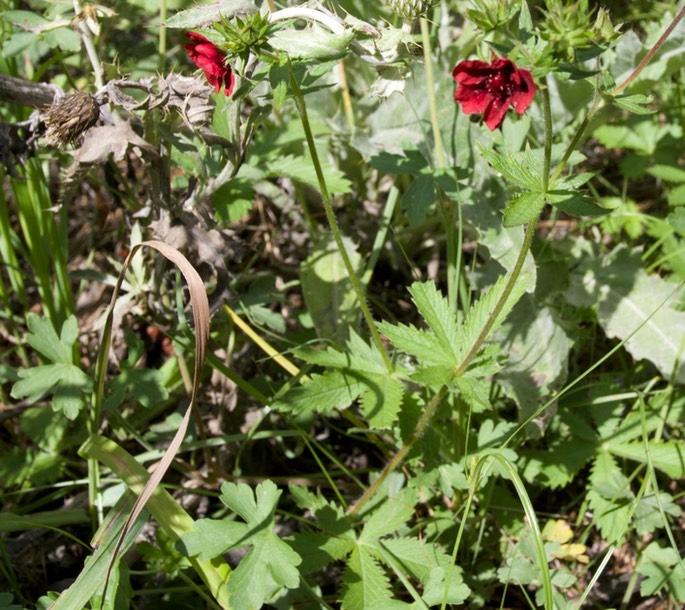
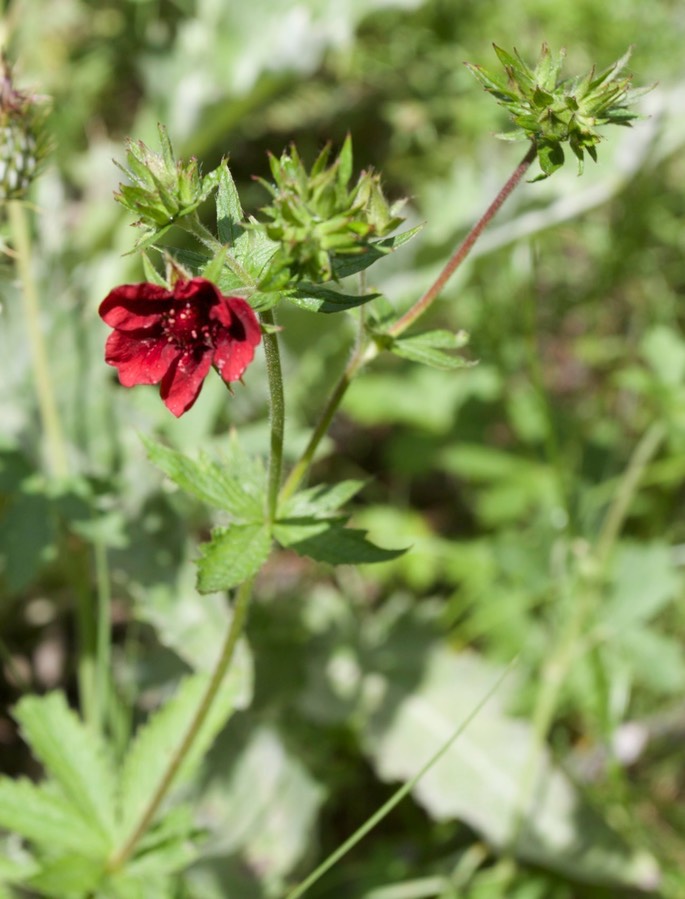
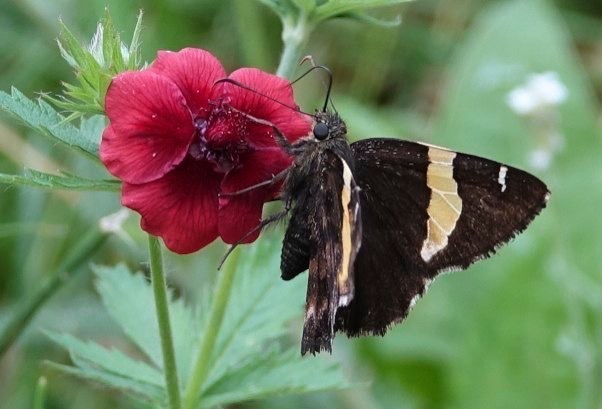
A walk up mountain canyons in July will often be punctuated by a bit of bright red, the flowers of the Scarlet Cinquefoil, Potentilla thurberi. This species is also known as Thurber’s Cinquefoil and Red Cinquefoil. A commercial variety is known as Monarch’s Velvet. The nominate subspecies has the scientific synonym of P. rubida.
There are three recognized subspecies of this species; P. t. sanguinea (found only in Arizona in the United States), P. t. atrorubens, and the nominate form (both of which are found in Arizona and New Mexico within the United States) and in Chihuahua, Mexico. The species is limited to mountainous areas between 6,000 and 9,000’ in elevation.
This species (nominate subspecies) was first described by Asa Gray in 1854. The two other subspecies were first described by Thomas Henry Kearney Jr./Robert Hibbs Peebles in 1939.
Primula rusbyi
Rusby's Primrose
Black Range Crest Trail
Black Range
New Mexico
May
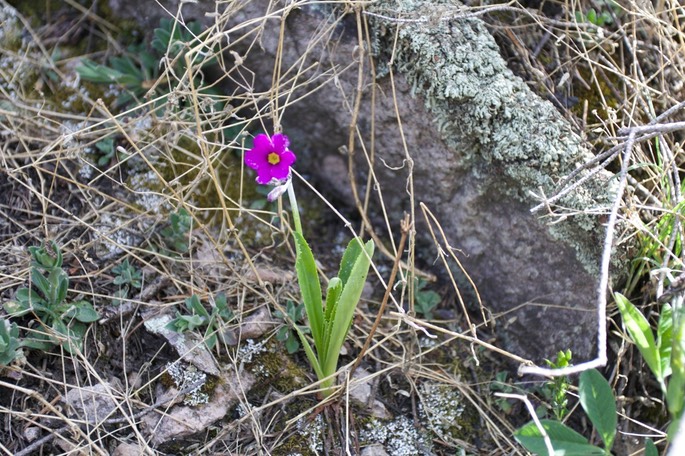
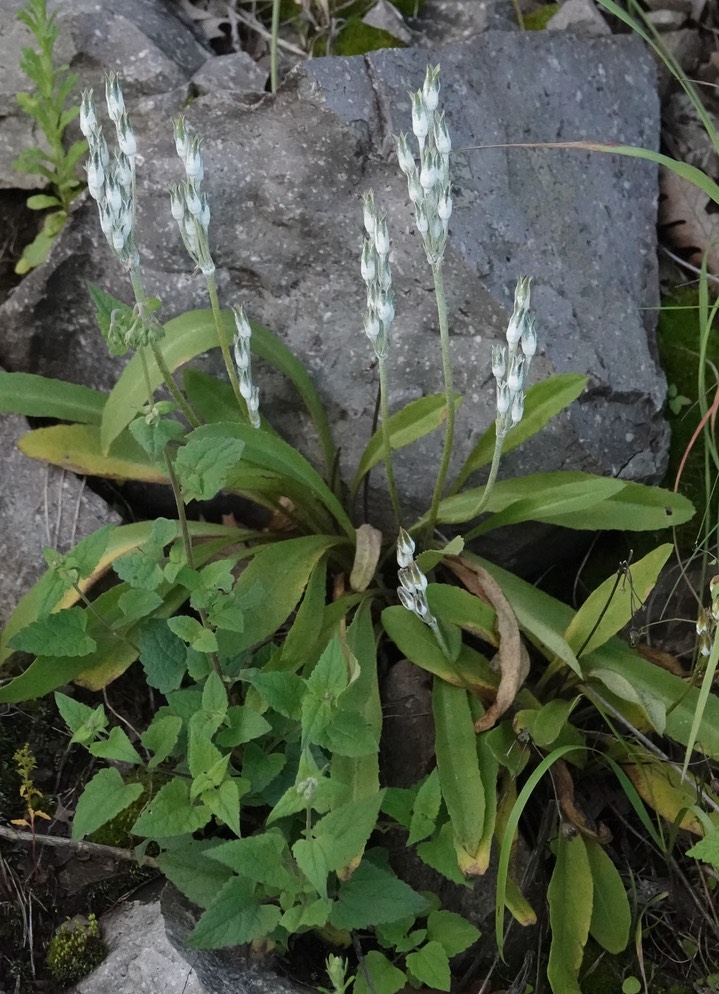
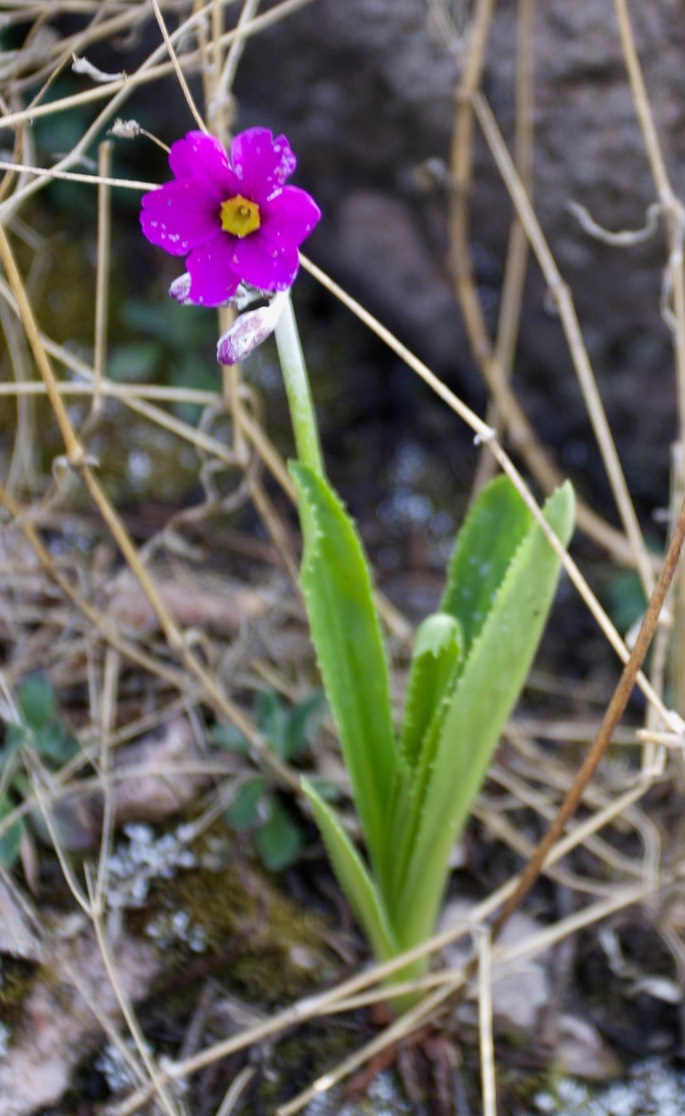
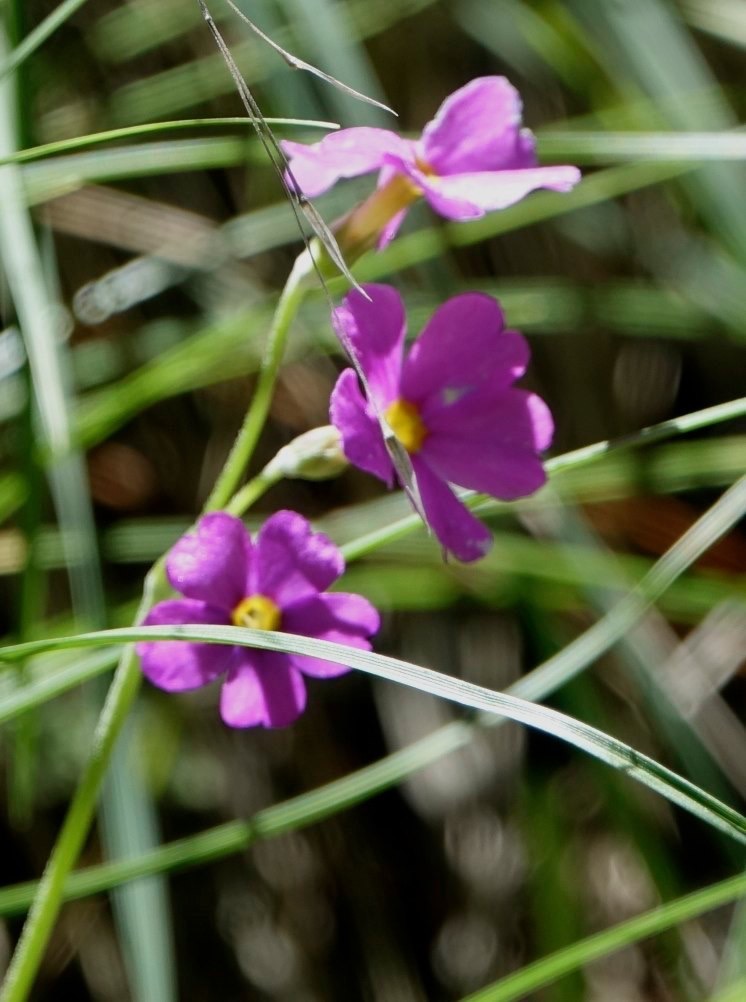
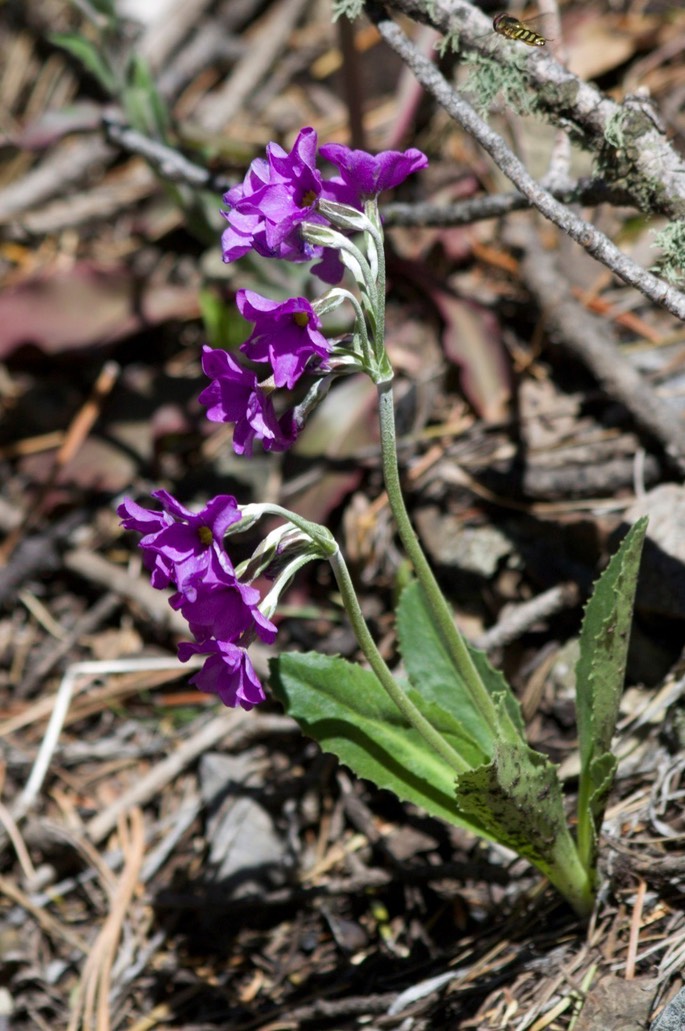
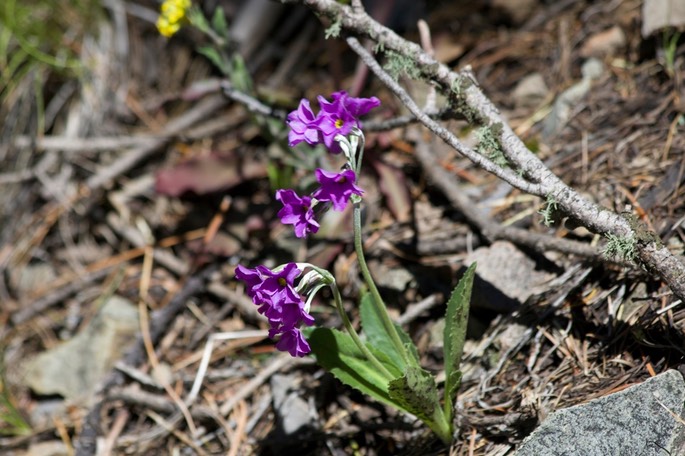
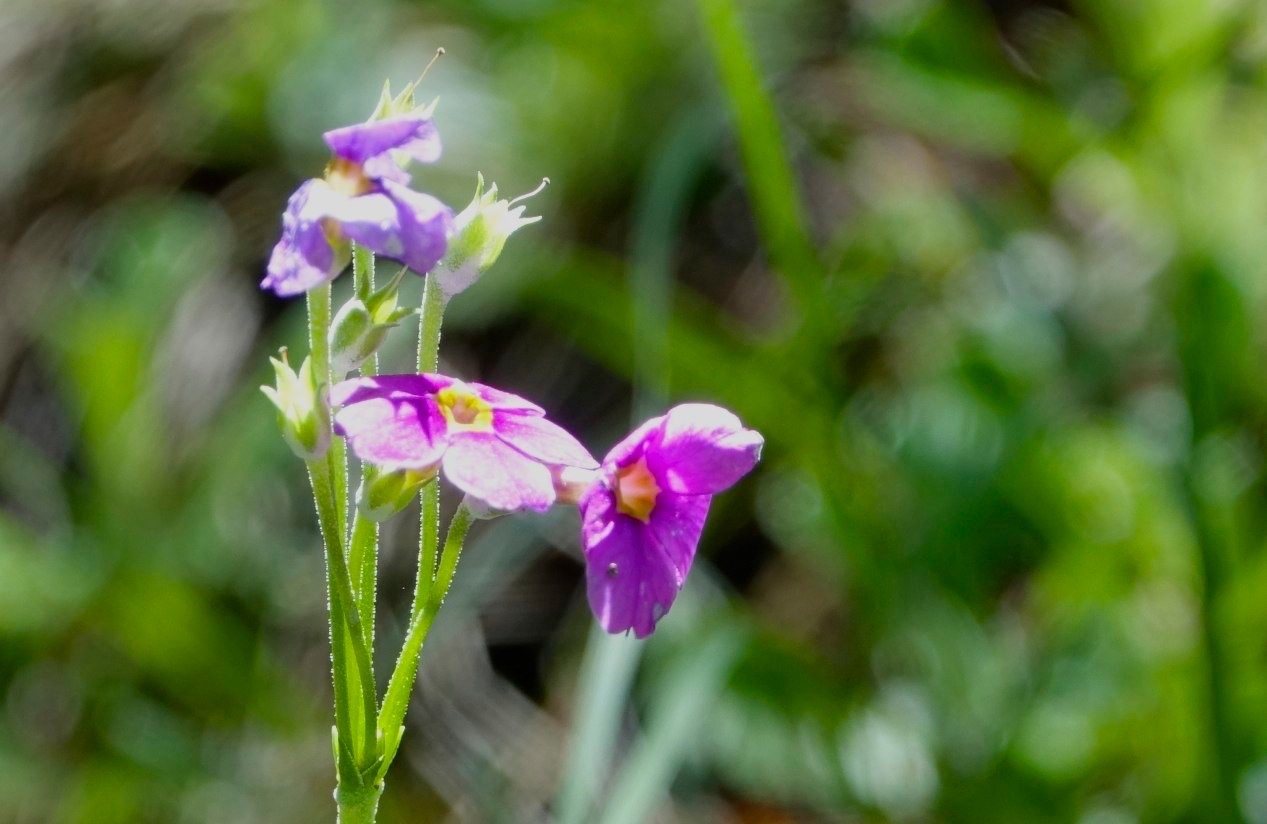
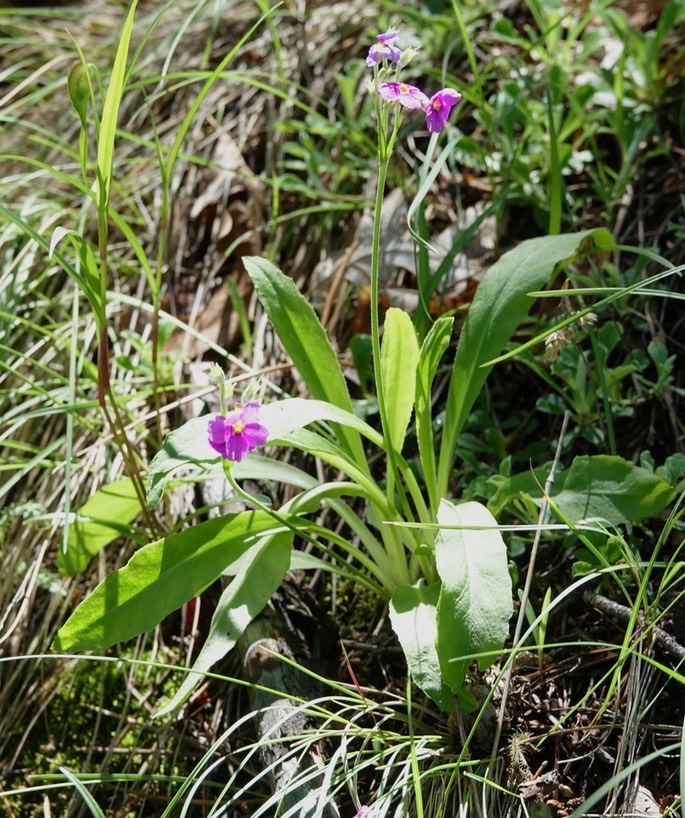
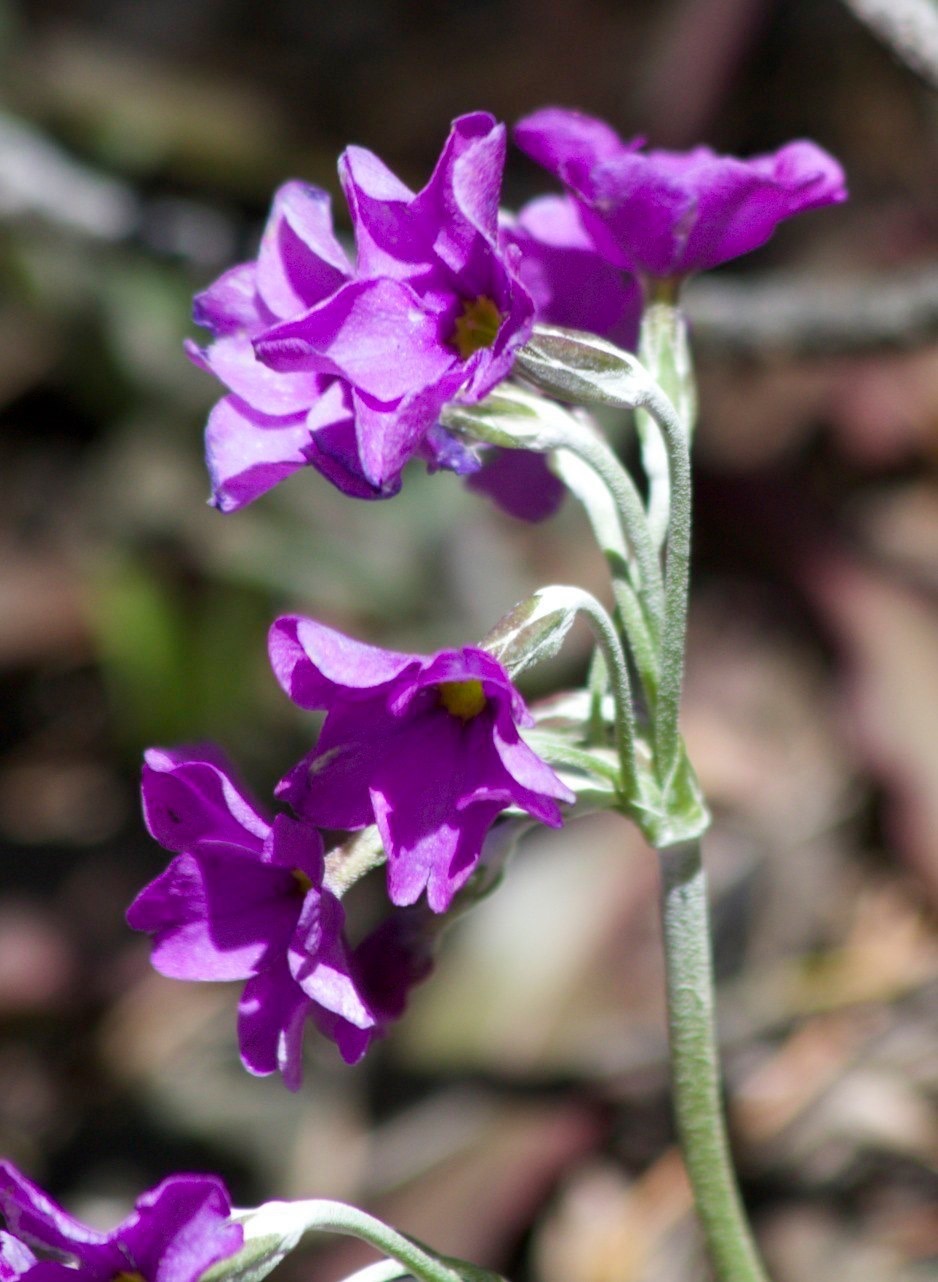
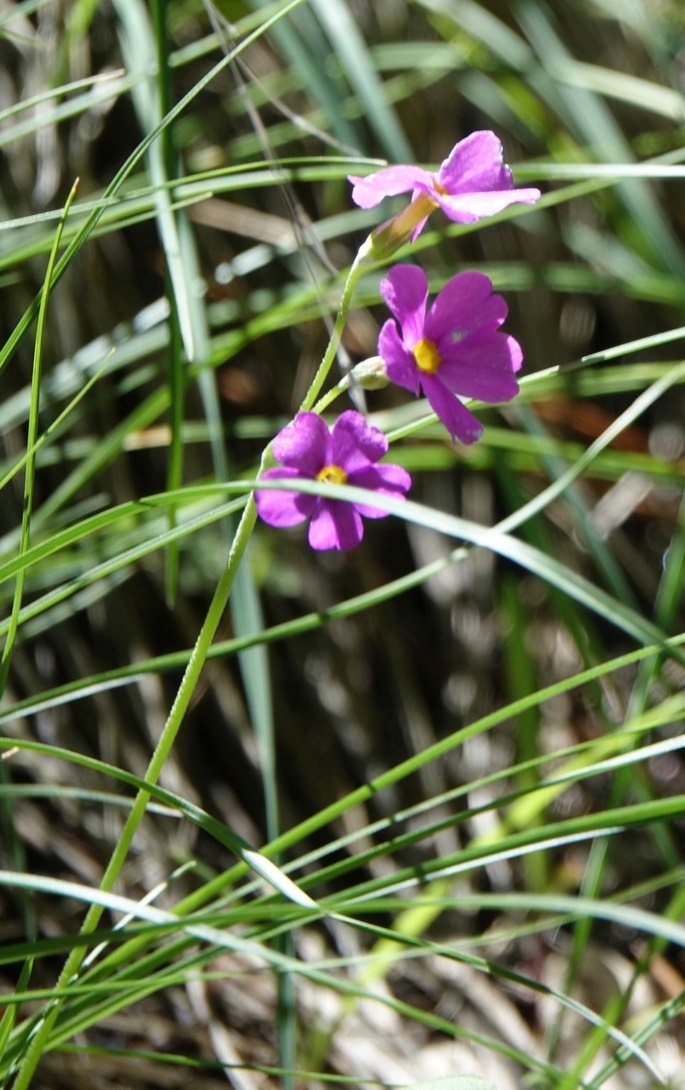
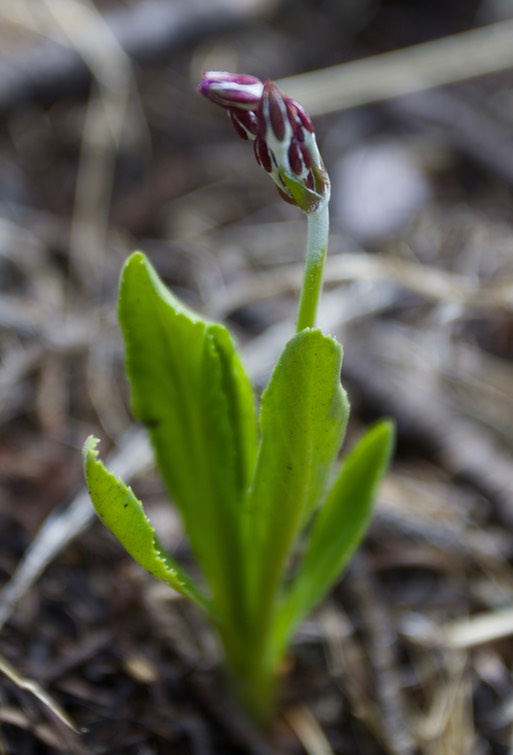
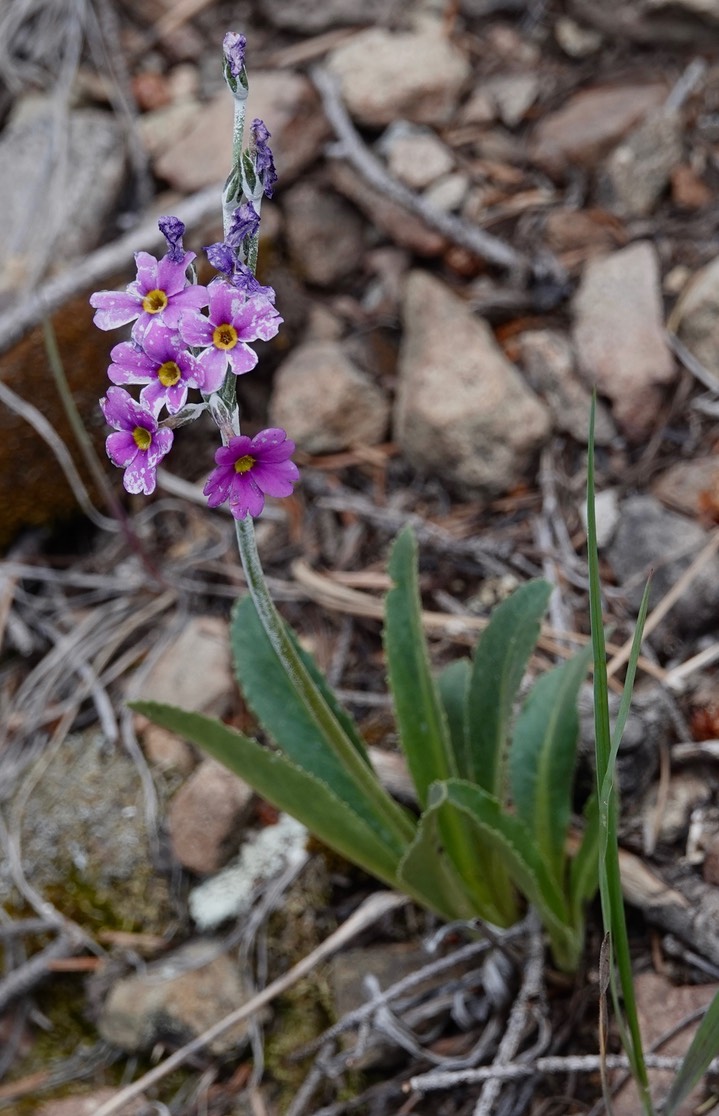
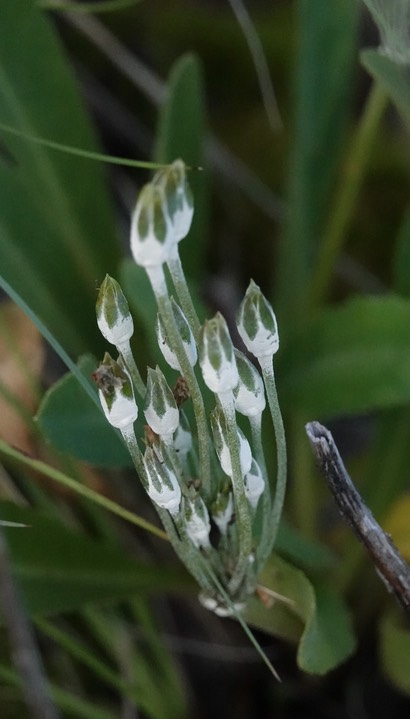
This species is found in the mountains of New Mexico and Arizona in the United States and southward through the mountains of Mexico, possibly as far as Guatemala. This beautiful little flower is found in moist areas at elevations between 7,000’ and 10,000’. It typically blooms in the summer.
At times, this species has been named Primula ellisiae, Primula rusbyi var. ellisiae, and Primula serra. Some of the travails of botanical identification are noted in this entry from the Flora of North America: “Some individuals from the Sandia Mountains of New Mexico have a shorter corolla tube more or less equal to the calyx; these plants have been described as P. ellisiae. A single population can include individuals of both types, and the difference probably represents only a developmental stage of the flowers or minor morphological variation in some localized populations; preliminary genetic analyses (S. Kelso and P. Beardsley, unpubl.) reveal no substantive genetic distinction between these individuals and those from elsewhere in the range.”
This species was first described by Edward Lee Greene in 1881, from a specimen collected by H. H. Rusby high in the Mogollon Mountains of New Mexico. Greene started as a plant collector (for Asa Gray, George Engelmann...) but later became a renowned botanist and taxonomist, teaching at the University of California - Berkeley (including a period as the Chair of the Botany Department there) and Catholic University. He became an associate in botany at the Smithsonian Institute in the early 1900’s.
Greene’s original description of this species, was published in The Bulletin of the Torrey Botanical Club, Volume 8, page 122, 1881.
Proboscidea parviflora
Wooton's Devil's Claw
Percha Box
East of Hillsboro
& San Lorenzo
Black Range
New Mexico
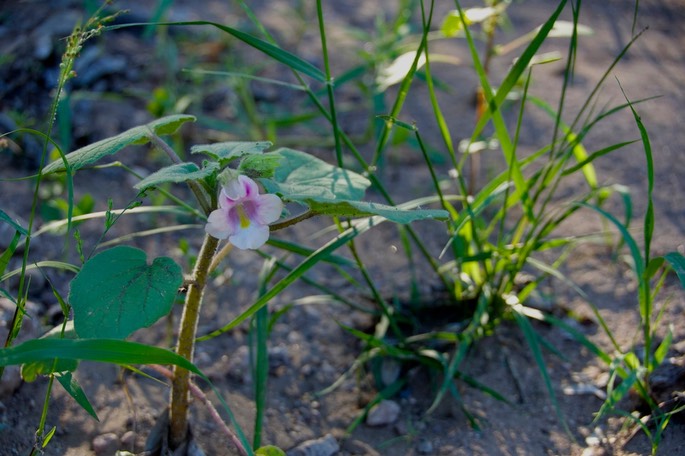
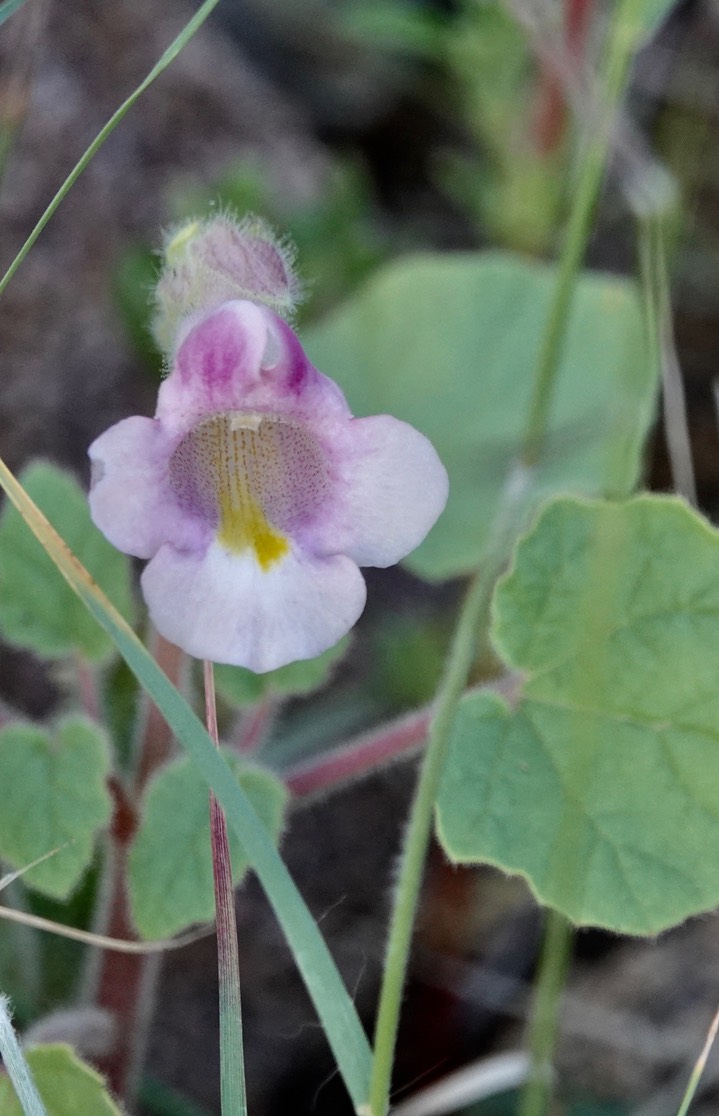
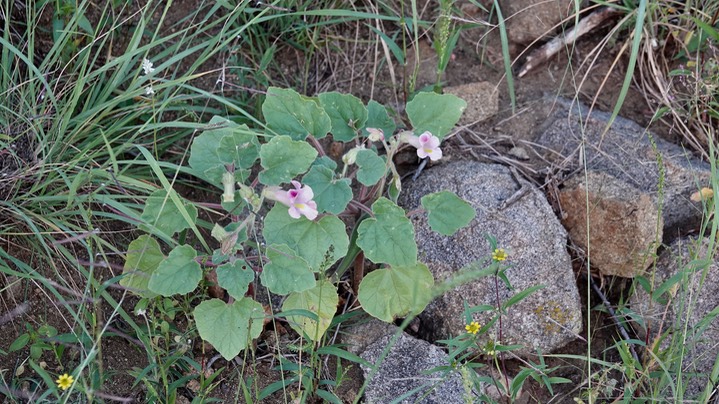
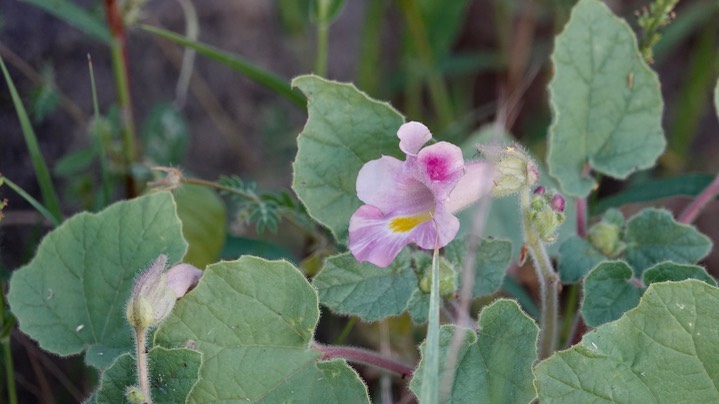
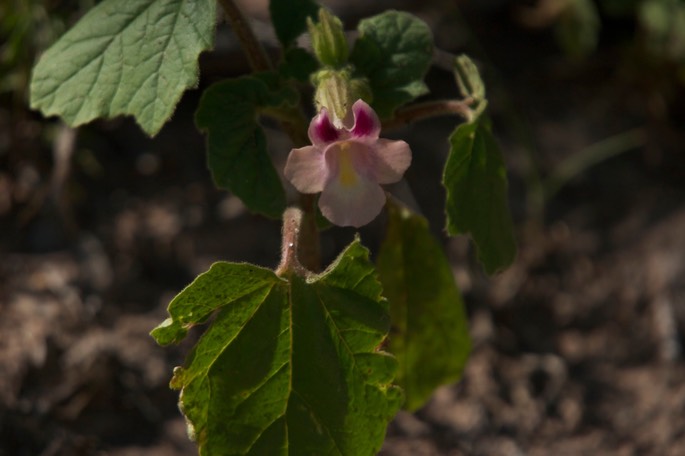
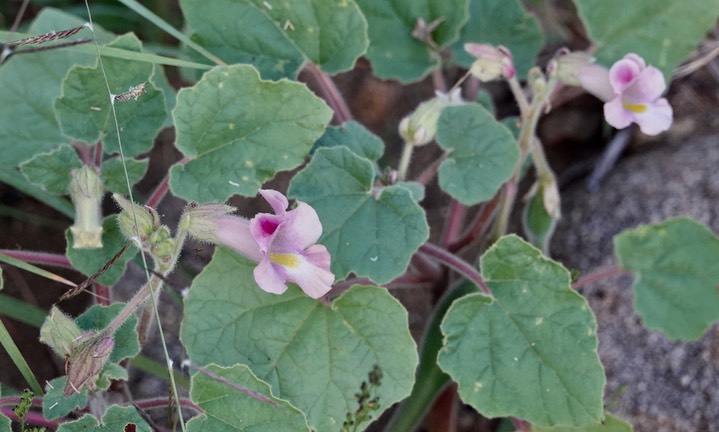
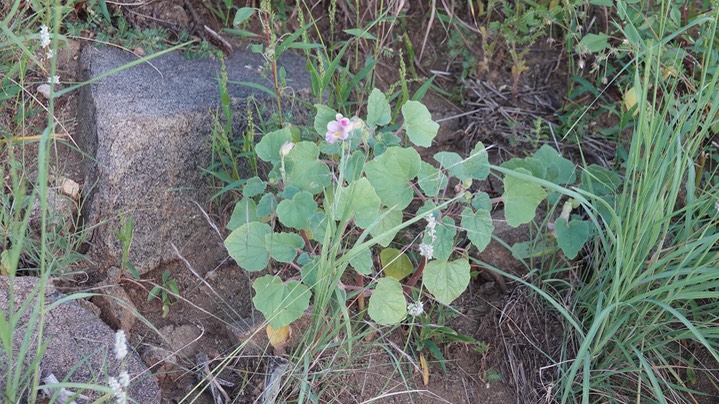
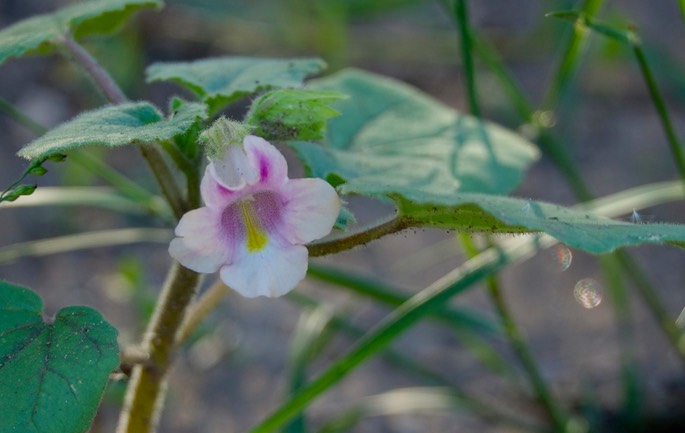
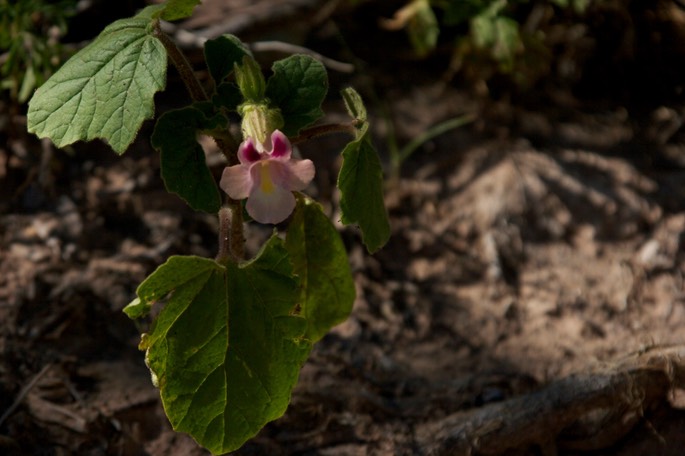
Wooton’s Devil’s Claw, Proboscidea parviflora, is known, generally, by one of the following common names; Doubleclaw, Red Devil’s Claw, Wotton’s Devil’s Claw, or simply Devil’s Claw.
The range of Wooton’s Devil’s Claw in the United States is limited to parts of Arizona, New Mexico, Texas, as well as bits of California and Colorado. It is also found in northern Mexico.
The fruit and seeds of this species were used by the indigenous peoples of this area as food and the dark-colored strands in the seed pod were used in basketry, one of only a few species which could be used as black in basket design. Their uses of this plant are listed at the University of Michigan site on Native American Ethnobotany.
This species was originally described by E. O. Wooton and Paul Carpenter Standley. They co-authored Flora of New Mexico in 1915.
Prosopis glandulosa
Honey Mesquite
Ready Pay Gulch
East of Hillsboro
Black Range
New Mexico
August
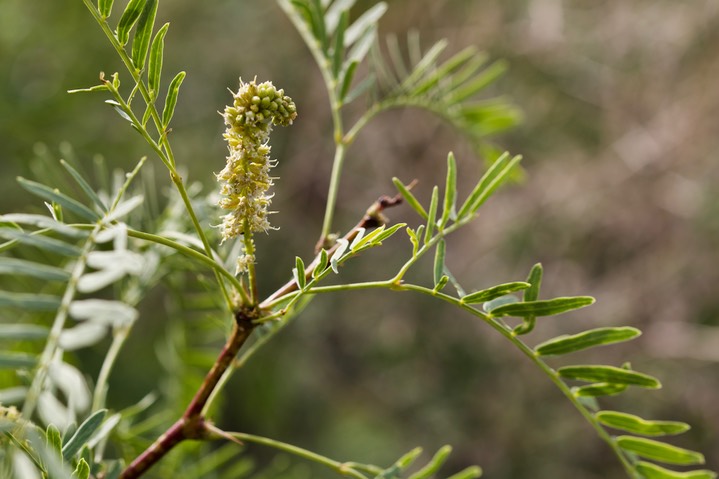
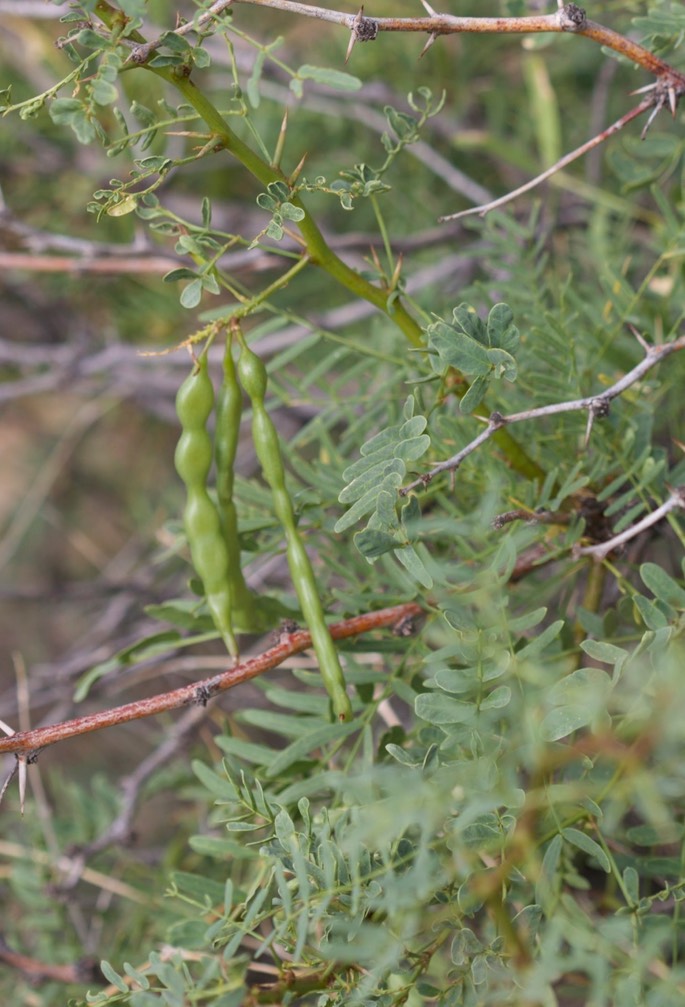
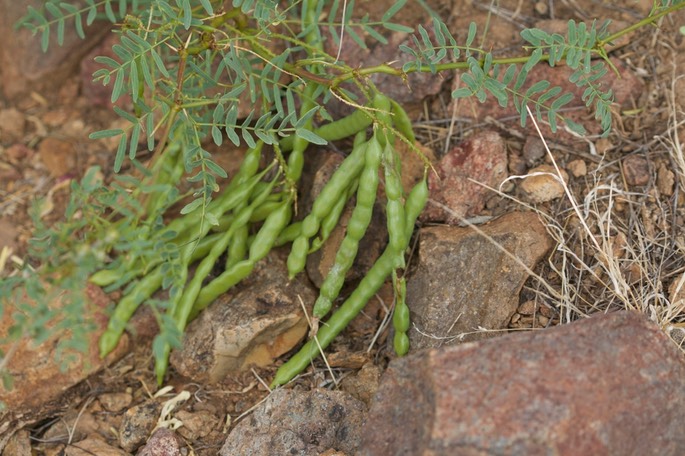
The range of the Honey Mesquite, Prosopis glandulosa, extends over much of southern North America, as far south as the border of Guatemala in Mexico and as far north as the southern borders of Utah and Oklahoma in the United States. In the United States its range reaches eastern Texas to the east and southern California to the west.
A variety of animals eat the seed pods of this species; including Collared Peccaries (known as Javelinas, locally), Coyote, Deer, Humans, and various jackrabbit species. The pods are sweet to the taste. Humans typically grind them into a flour which is used in a variety of ways. It was such an important food source for the Seri people of northwestern Mexico that they had names for the different stages of pod growth. Many Americans know Mesquite simply as the wood that produces that marvelous flavor in barbecued foods.
Prunella vulgaris subsp. lanceolata
Lance Selfheal
Hillsboro Peak Trail
Black Range
New Mexico
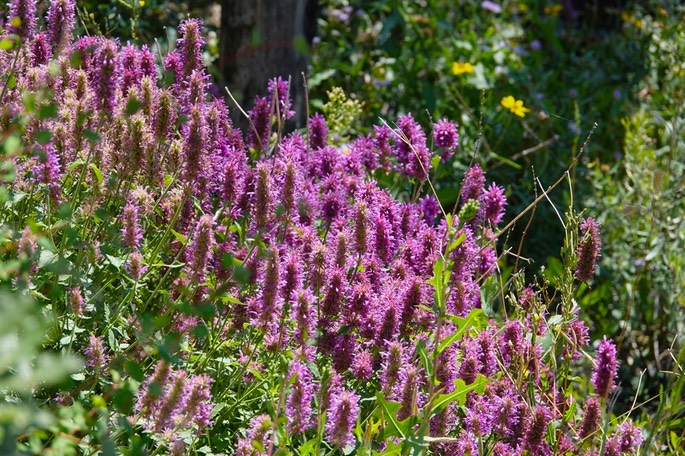
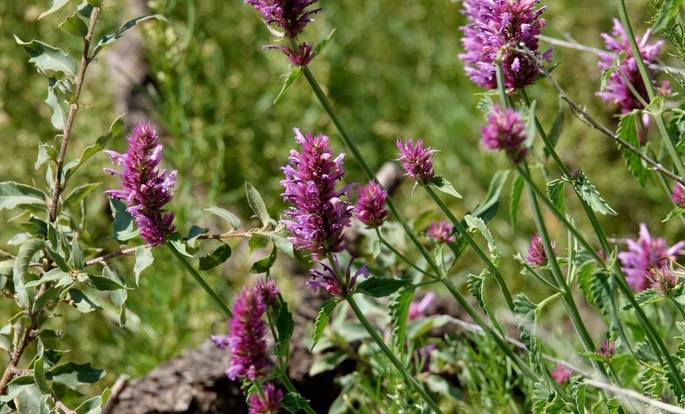
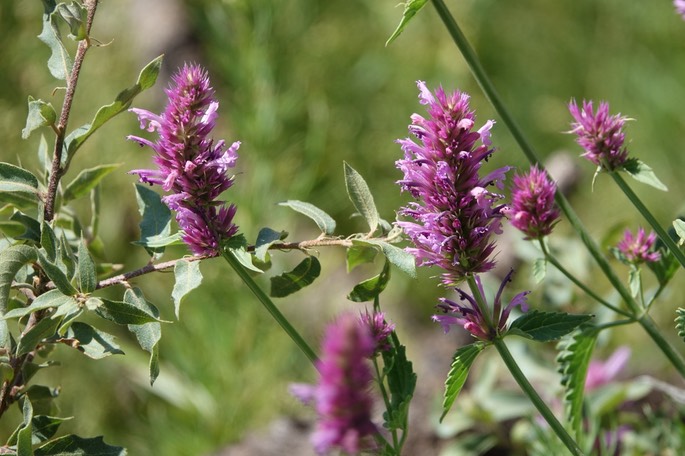
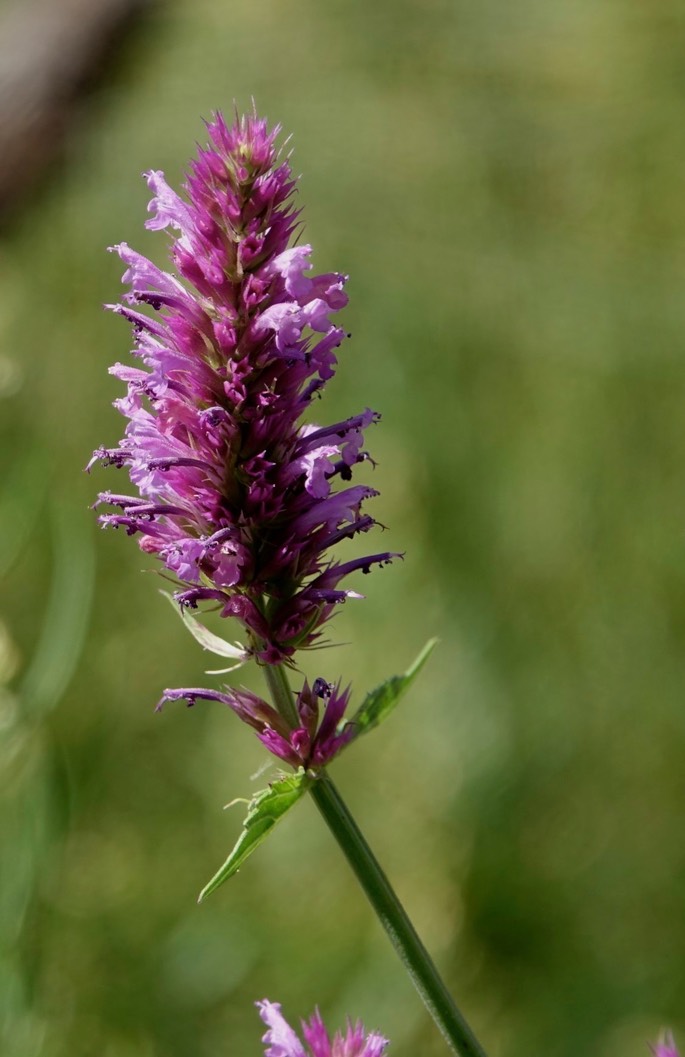
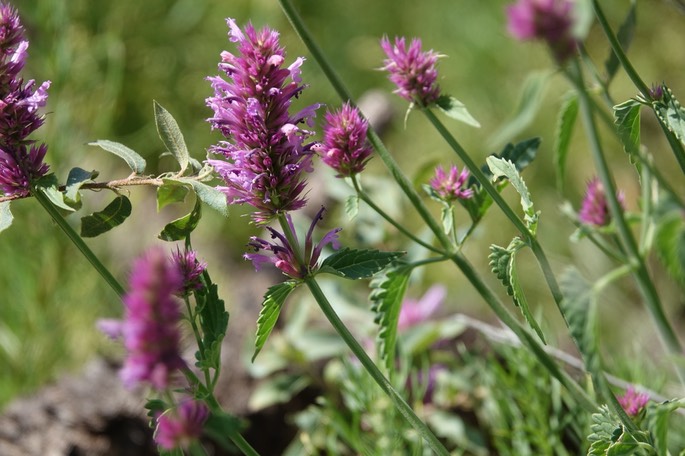
One of the most obvious plants along the Black Range Crest Trail can be Prunella vulgaris var. lanceolata, Self Heal. The species, Prunella vulgaris, is found throughout Eurasia and North America (north of Mexico). The subspecies which is found in New Mexico, and the Black Range, is the subspecies P. v. var. lanceolata, which is known by the English Common Names of Lance Selfheal, Common Selfheal, and Heal All.
With all of those common names having to do with healing you might think that the indigeonous peoples used this plant. You would be correct, see the extensive listing of uses of this plant by native people at the Native American Ethnobotany Data Base.
Prunus virginiana var. melanocarpa
Chokecherry
Crest of Black Range
New Mexico
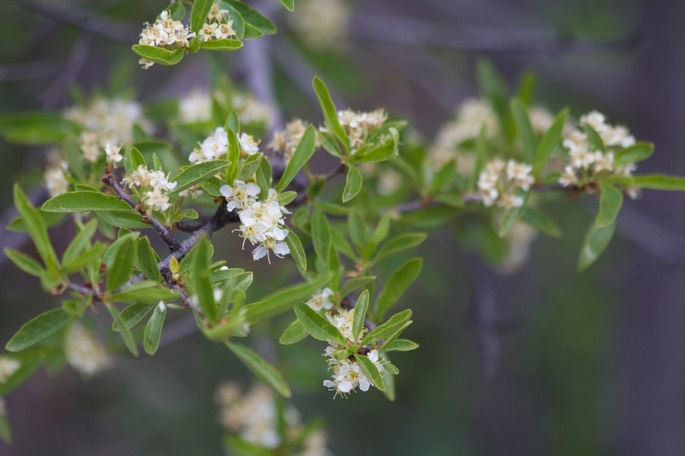
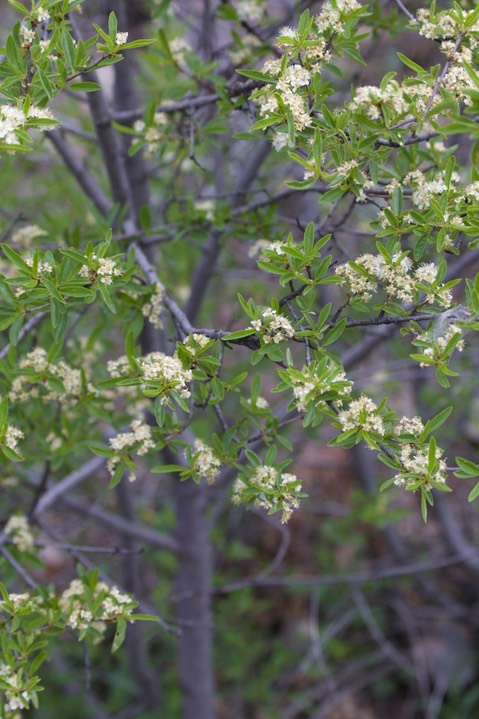
The Chokecherry, Prunus virginiana, is a species of southern Canada and the northern United States. It is also found at higher elevations in the southern half of the United States. There are three subspecies, the one found here is P. v. melanocarpa, the Black Chokecherry. Prunus virginiana has several scientific synonyms; Cerasus virginica, Padus rubra, Padus virginiana, and Prunus serotina.
The specimen shown here was photographed at about 9,000’ at the end of May, toward the end of the road to McKnight Cabin, along the crest of the Black Range of New Mexico, USA. The (Southwest) Black Cherry, P. serotina virens, is also found in the Black Range and is more common.
In the north, the Chokecherry was incorporated into the diet and medicine of a number of the indigenous tribes. The population of Chokecherry in the Black Range is not only disjunct from the main population (the Black Range being a “sky island”) but relatively small. I do not know if the local peoples used it in any significant manner. The Apache are known to have eaten the fruit raw and farther north the Navajo used preparations from the plant for various medicinal purposes. “New growth, wilted leaves, or plant parts that are injured by frost or drought are poisonous to...humans.”
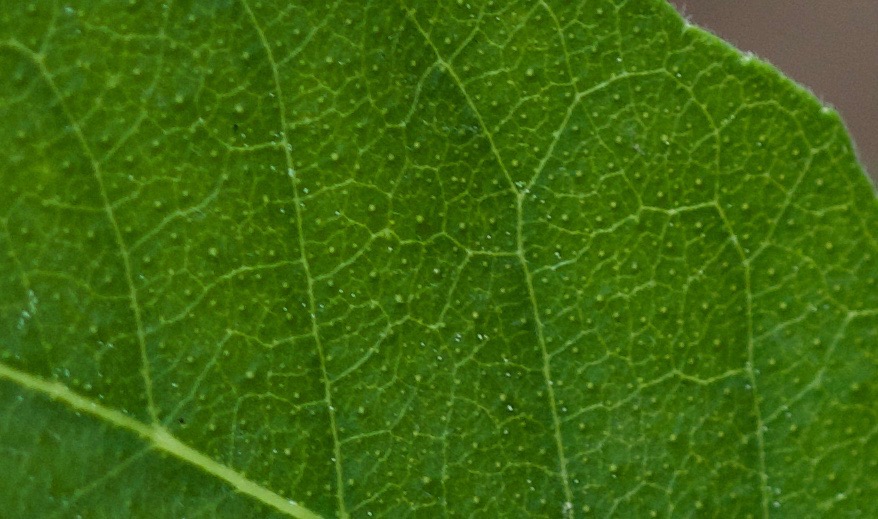
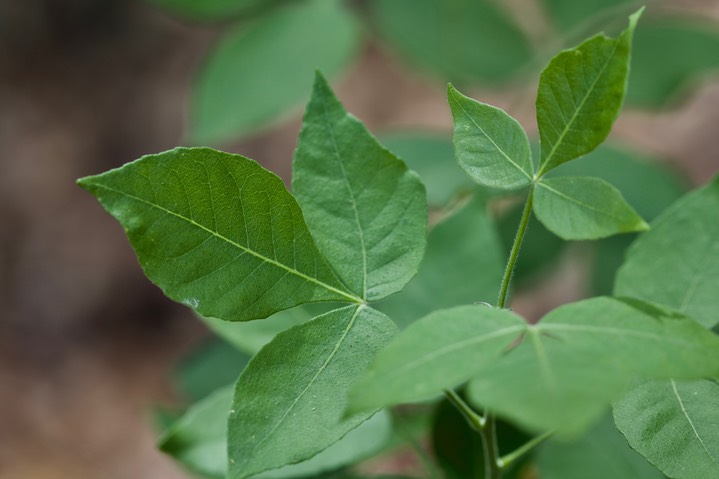
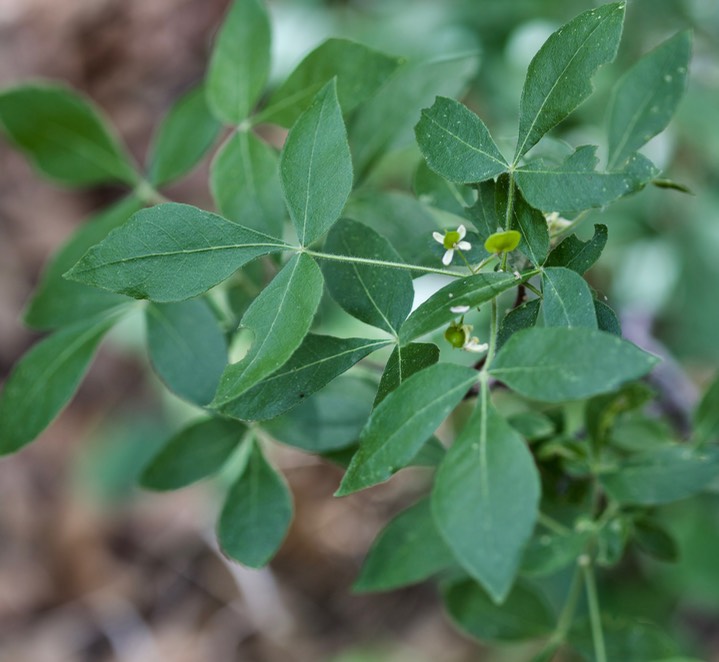
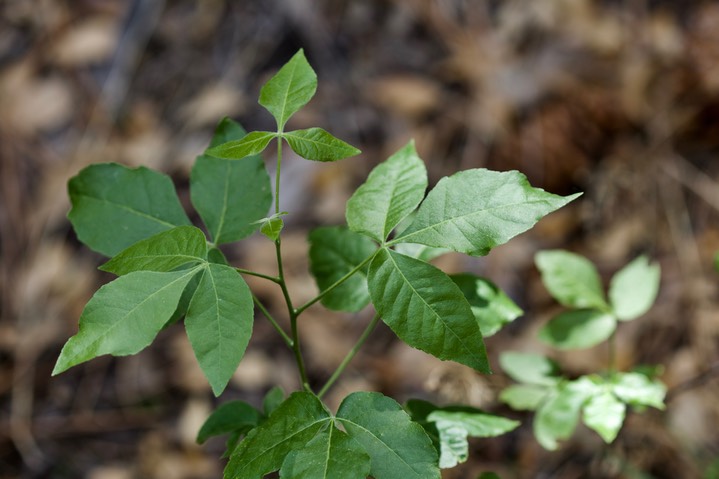
Ptelea trifoliata
Hoptree
Lower Gallinas Trail
Black Range
May
Pteridium aquilinum
Western Bracken Fern
Powderhorn Ridge Trail
Black Range
New Mexico
October